The most spectacular tandem skydives in the world, compared
· 5 experiences compared · By FarOut
The experiences in this guide
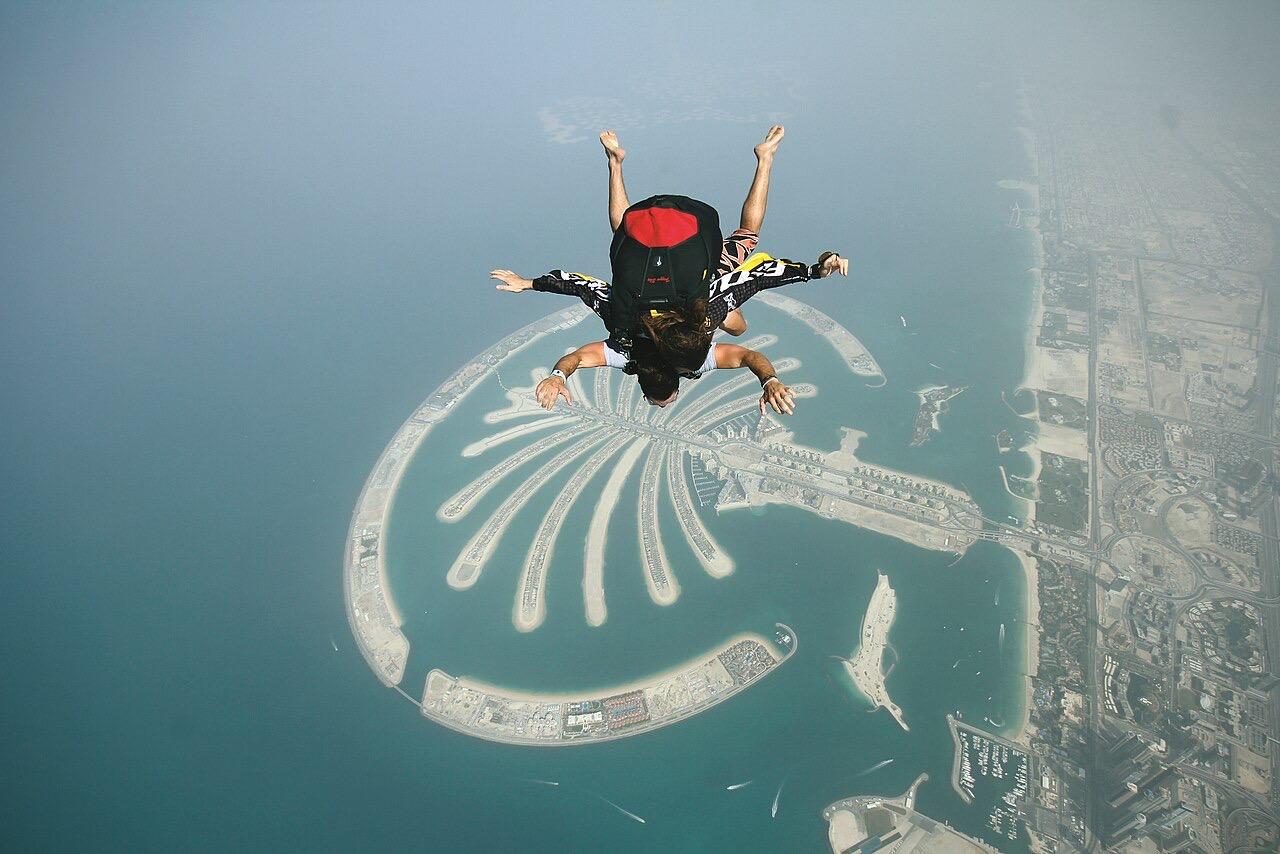
Tandem skydive over the Palm Jumeirah
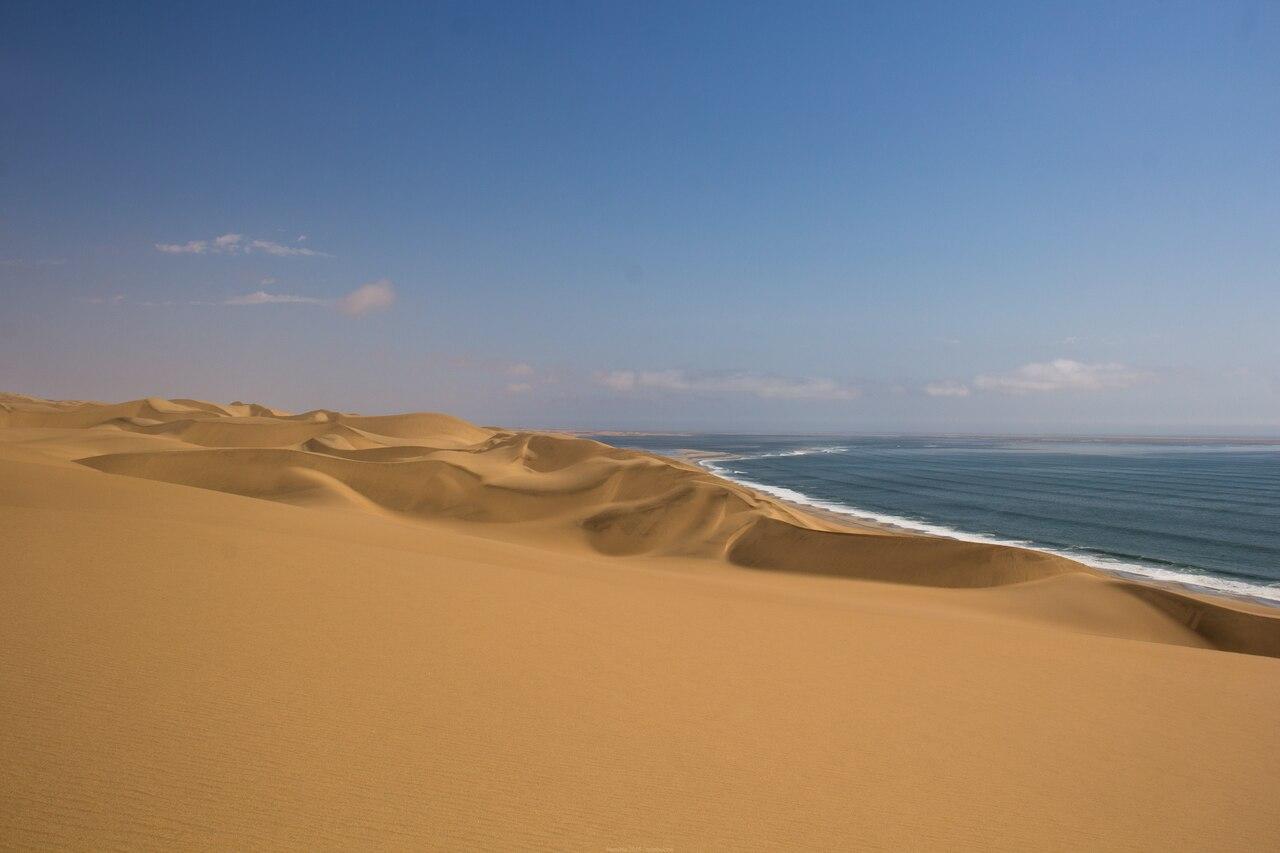
Skydive over the Namib, where the dunes run into the Atlantic, at Swakopmund
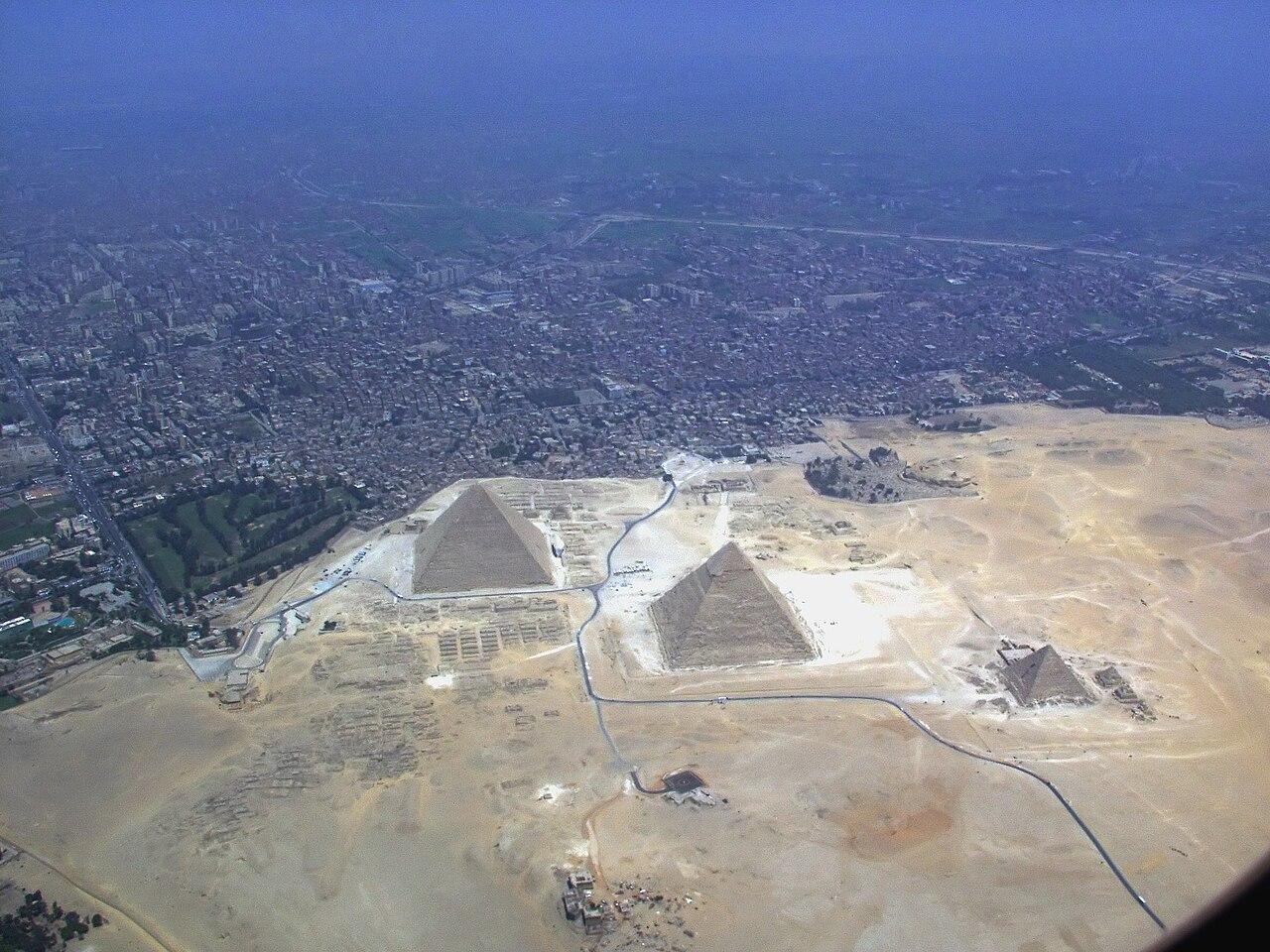
Skydive in tandem from 13,000 ft over the Pyramids of Giza
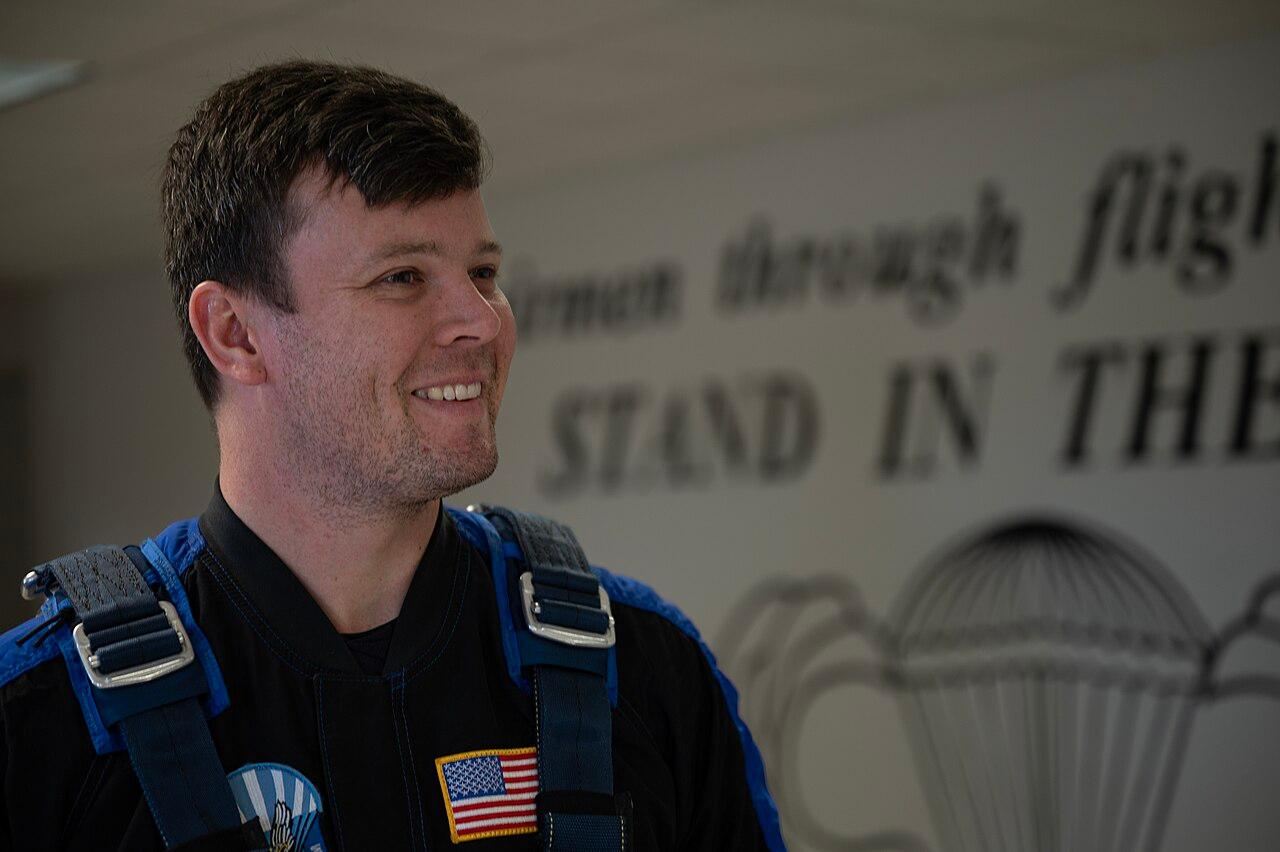
Skydive from 28,000 ft on pure oxygen with a HALO tandem jump
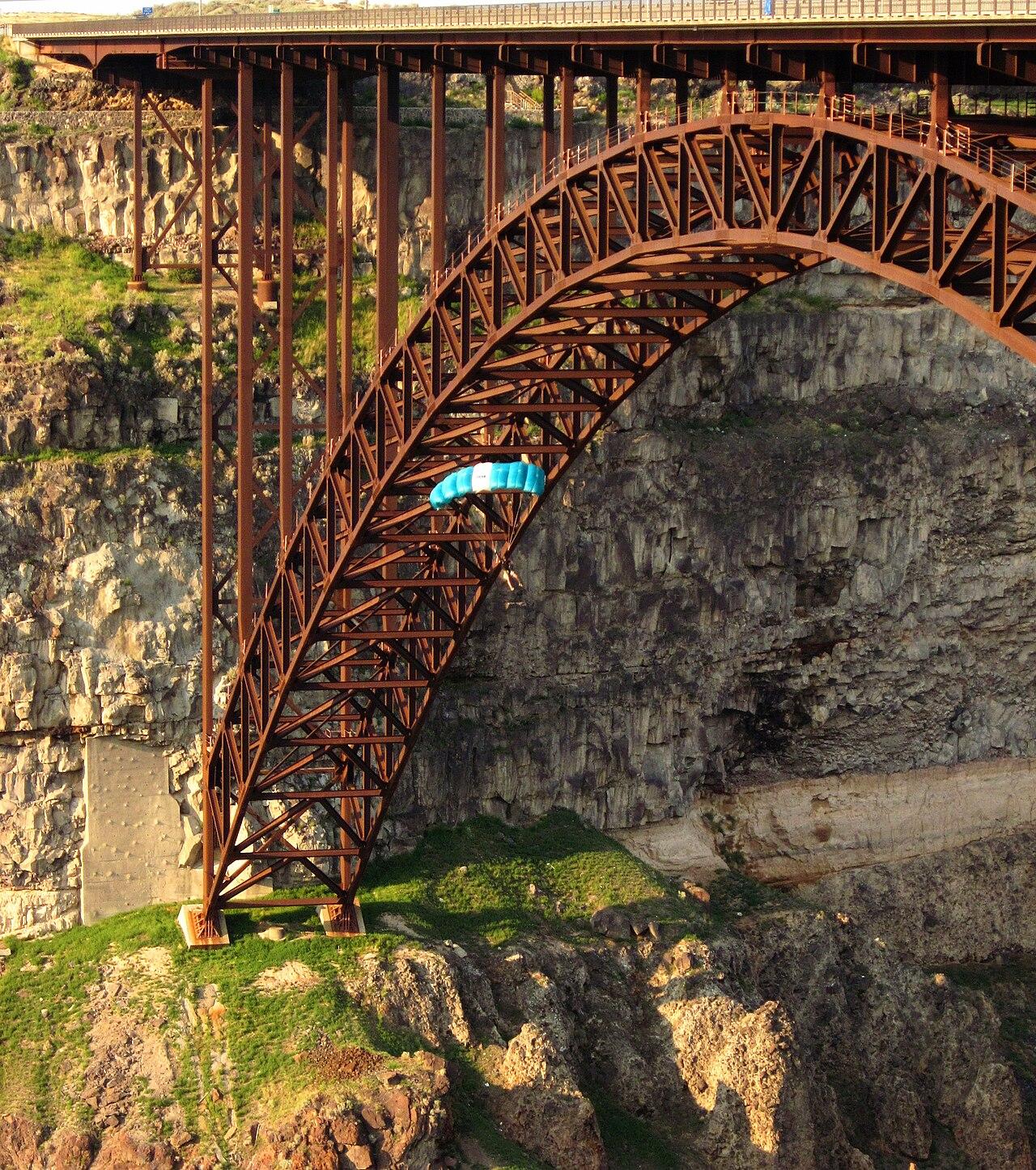
Make a BASE jump off the Perrine Bridge, strapped to a tandem instructor
A tandem skydive needs no training beyond a briefing: you are strapped to an instructor who handles the exit, the freefall and the canopy. What makes one jump better than another is what you fall towards, how high you start and how long you fall. These five are the ones worth planning a trip around, from a desert coastline to a bridge in Idaho you step off with the canopy already in hand. Each was read on the operator's own page in late November 2026.
The short answer
- The famous one: over the Palm Jumeirah in Dubai, up to 13,000 ft above the man-made island, landing on the beach drop zone at Dubai Marina. AED 2,449, or AED 2,749 with video and photos.
- The best value: over the Namib at Swakopmund in Namibia, where the dunes run into the Atlantic. NAD 4,900 from 10,000 ft and up to 60 seconds of freefall from 15,000 ft for NAD 7,700.
- Only a few weeks a year: over the Pyramids of Giza, when Skydive Pharaohs sets up beside them. EGP 19,500, with jump weeks from 28 December 2026.
- The highest: a HALO jump from about 28,000 ft in Tennessee, on oxygen, with up to two minutes of freefall. USD 5,500.
- Not a skydive at all: a tandem BASE jump off the Perrine Bridge in Idaho, one of the few places BASE jumping is legal all year. USD 399.
Side by side
| Jump | Where | Height | Freefall | Price | When |
|---|---|---|---|---|---|
| Skydive Dubai, the Palm | Dubai, UAE | Up to 13,000 ft | About 200 km/h | AED 2,449; AED 2,749 with media | Booked dates, plus a daily walk-in list |
| Skydive Swakopmund | Swakopmund, Namibia | 10,000 to 15,000 ft | 35 to 60 seconds | NAD 4,900 to 7,700 | All year |
| Skydive Pharaohs at Giza | Giza, Egypt | 13,000 ft | Not stated | EGP 19,500; EGP 21,500 at sunset | 28 Dec to 2 Jan, 20 to 26 Jan, 11 to 16 Mar |
| HALO, Incredible Adventures | Whiteville, Tennessee, US | About 28,000 ft | Up to 2 minutes | USD 5,500 | 1 May to 1 November |
| Tandem BASE, Perrine Bridge | Twin Falls, Idaho, US | A bridge over the Snake River Canyon | A moment, then the canopy | USD 399 with video | All year, weather permitting |
What each is like
Dubai: after a briefing at the Palm Dropzone, the plane climbs to up to 13,000 ft and you fall at about 200 km/h with the island's fronds below, then drift down to land by the beach. It is the dearest of the three ordinary-height jumps here; Skydive Dubai's desert drop zone costs less, AED 2,199, without the island below. Wind and visibility can postpone jumps.
Swakopmund: the climb out of the town's airport shows the Namib Desert meeting the Atlantic, sometimes under a layer of low fog. You choose the height: 10,000, 12,000 or 15,000 ft, for 35 to 60 seconds of freefall at over 200 km/h. If mist or wind pushes the jump to another day and the new date does not suit you, it is refunded in full.
Giza: Skydive Pharaohs, Egypt's company certified by the United States Parachute Association, runs its jumps as events, and a few times a season it sets up at the Great Pyramids for several days. You fall from 13,000 ft towards the sand with the pyramids below and the city at the edge; an edited hand-camera video is included. Outside those weeks it jumps at its drop zone in the New Administrative Capital, and a booking can be moved or cancelled only up to 7 days before.
HALO from 28,000 ft: no skydiving experience is needed. The morning is training, including pre-breathing oxygen so you do not get the bends at altitude, then a modified King Air climbs to about 28,000 ft, where the operator puts the temperature at 25 to 35 degrees below zero. You exit on oxygen and fall for up to two minutes. Men must be clean-shaven so the mask seals.
Tandem BASE: a solo BASE jumper needs more than 200 skydives before learning. Here, after a class of under an hour, you step off the Perrine Bridge harnessed to Tandem BASE's instructor, fall free for a moment, and fly the canopy down the canyon. The weight limit is 180 lb (about 82 kg), and once the agreements are signed a change of mind costs a USD 100 reschedule fee; a weather day is moved free.
When to go
- 28 December to 2 January: the first Giza jump week of the season, with two more in January and March 2027.
- May to October: the HALO season in Tennessee.
- All year: Dubai, Swakopmund and the Perrine Bridge, each subject to the wind on the day.
Before you book
- Keep a spare day: every one of these depends on wind and visibility, and all of them move a jump rather than fly in bad conditions.
- Weight limits: they are strict at Giza and on the BASE jump; check yours before you travel.
- Media: Dubai and Swakopmund sell the video separately; Giza and the BASE jump include it.
- Where else to book: the Dubai and Swakopmund jumps are also sold on GetYourGuide by the same drop zones, and Dubai's page links to Viator's list of Dubai skydives from several sellers.
For the next step, learning to jump on your own, see learn to fly: hang gliding, paragliding and skydiving courses compared.