Sail an ocean as crew with no experience: the Clipper Race, the ARC and the Bark Europa, compared
· 7 experiences compared · By FarOut
The experiences in this guide
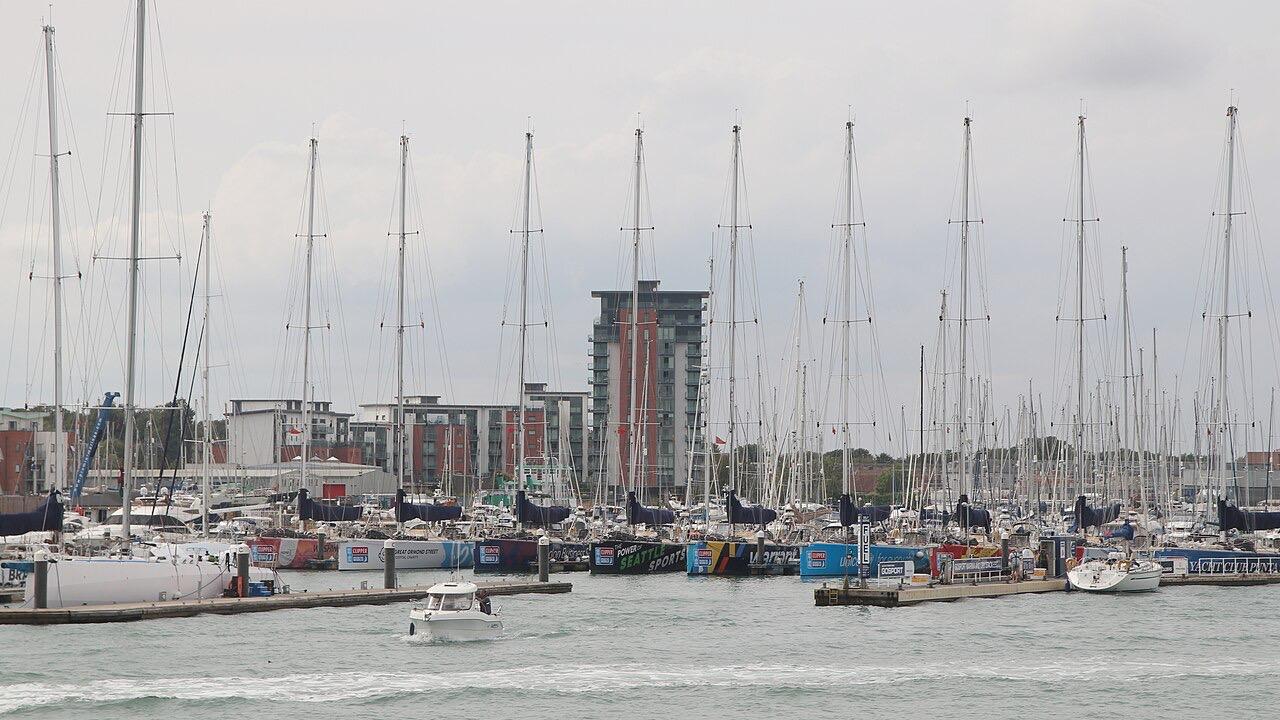
Train as crew and race an ocean leg of the Clipper Round the World Yacht Race
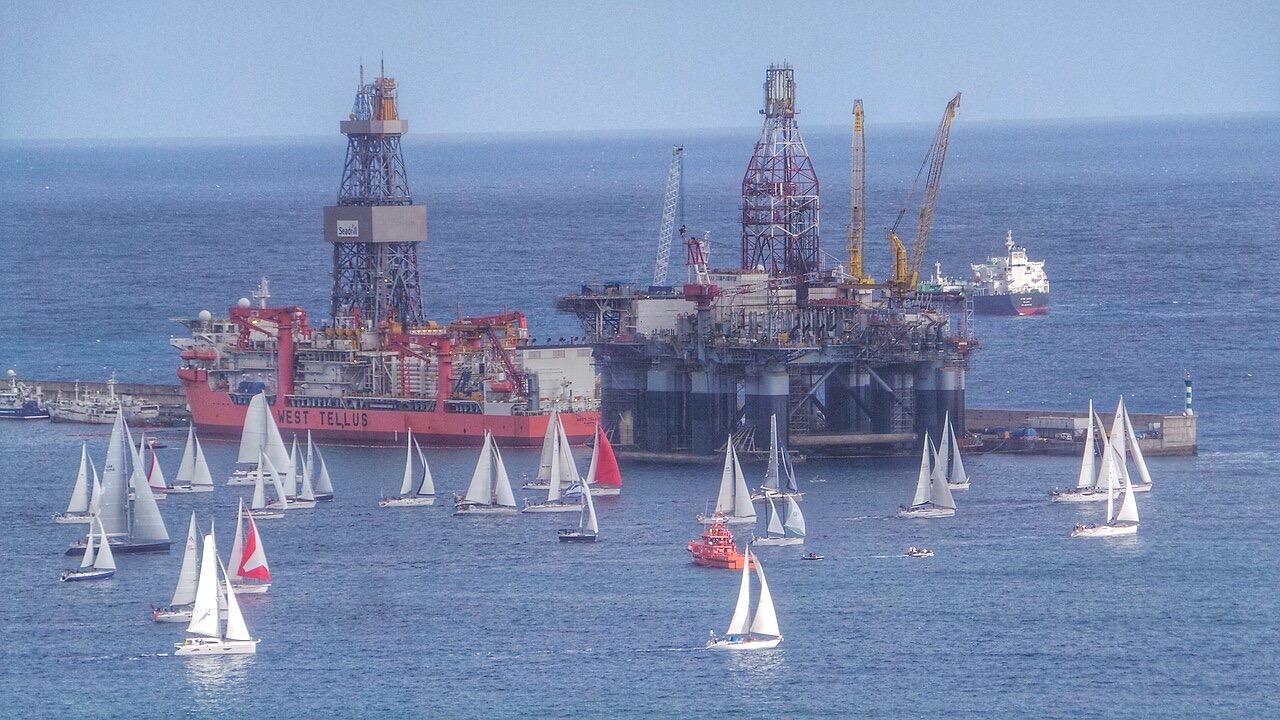
Cross the Atlantic under sail as crew in the ARC rally
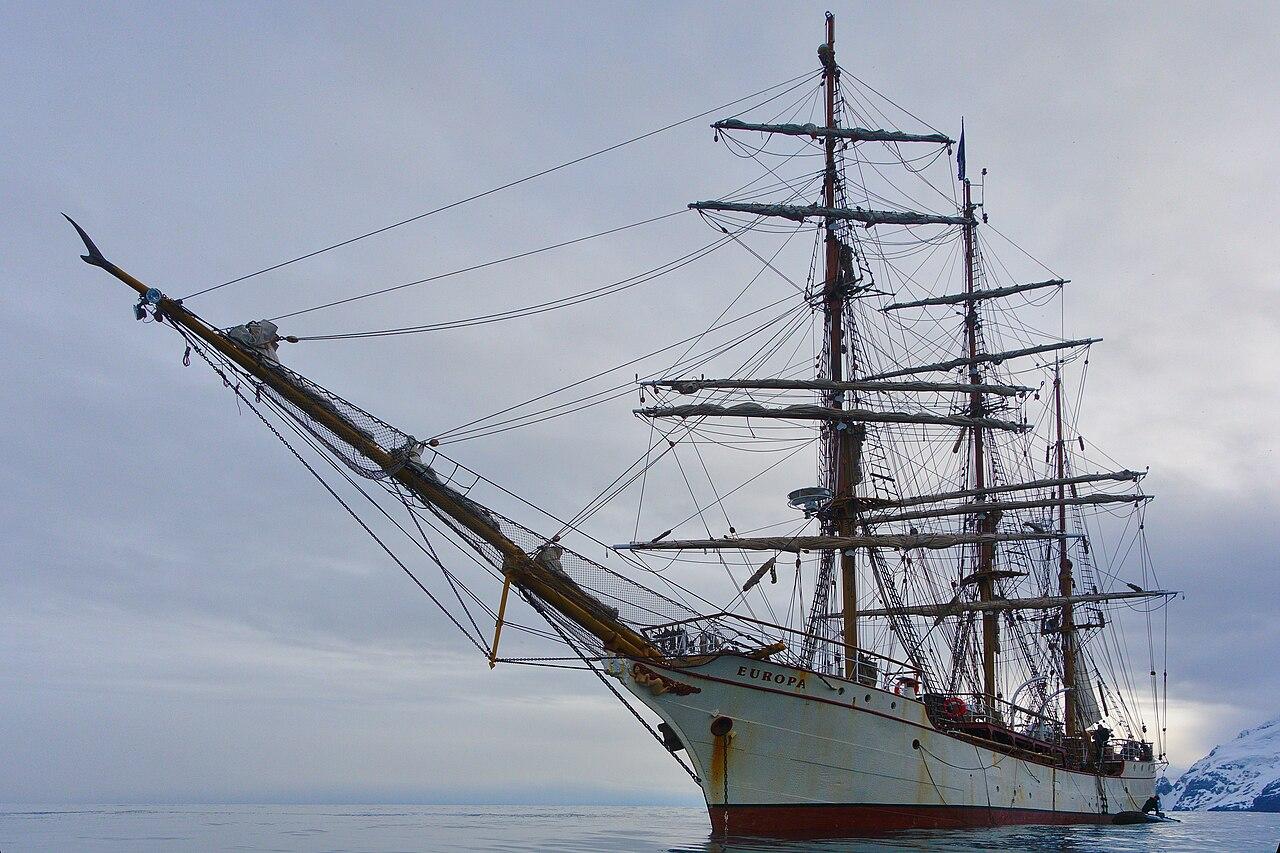
Crew a square-rigged tall ship across the Southern Ocean to South Georgia and Antarctica
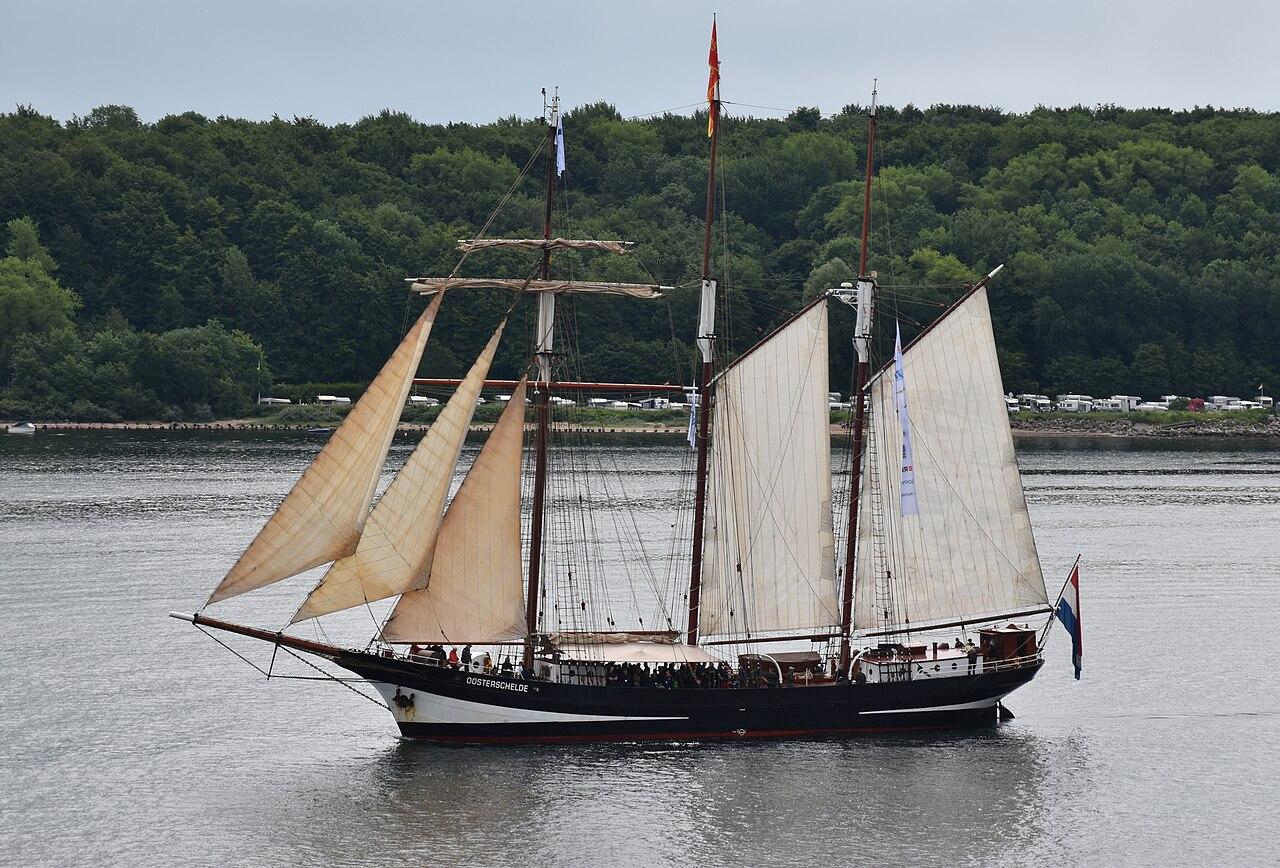
Cross the Atlantic as crew on a three-masted tall ship, Cape Verde to the Azores in 14 nights
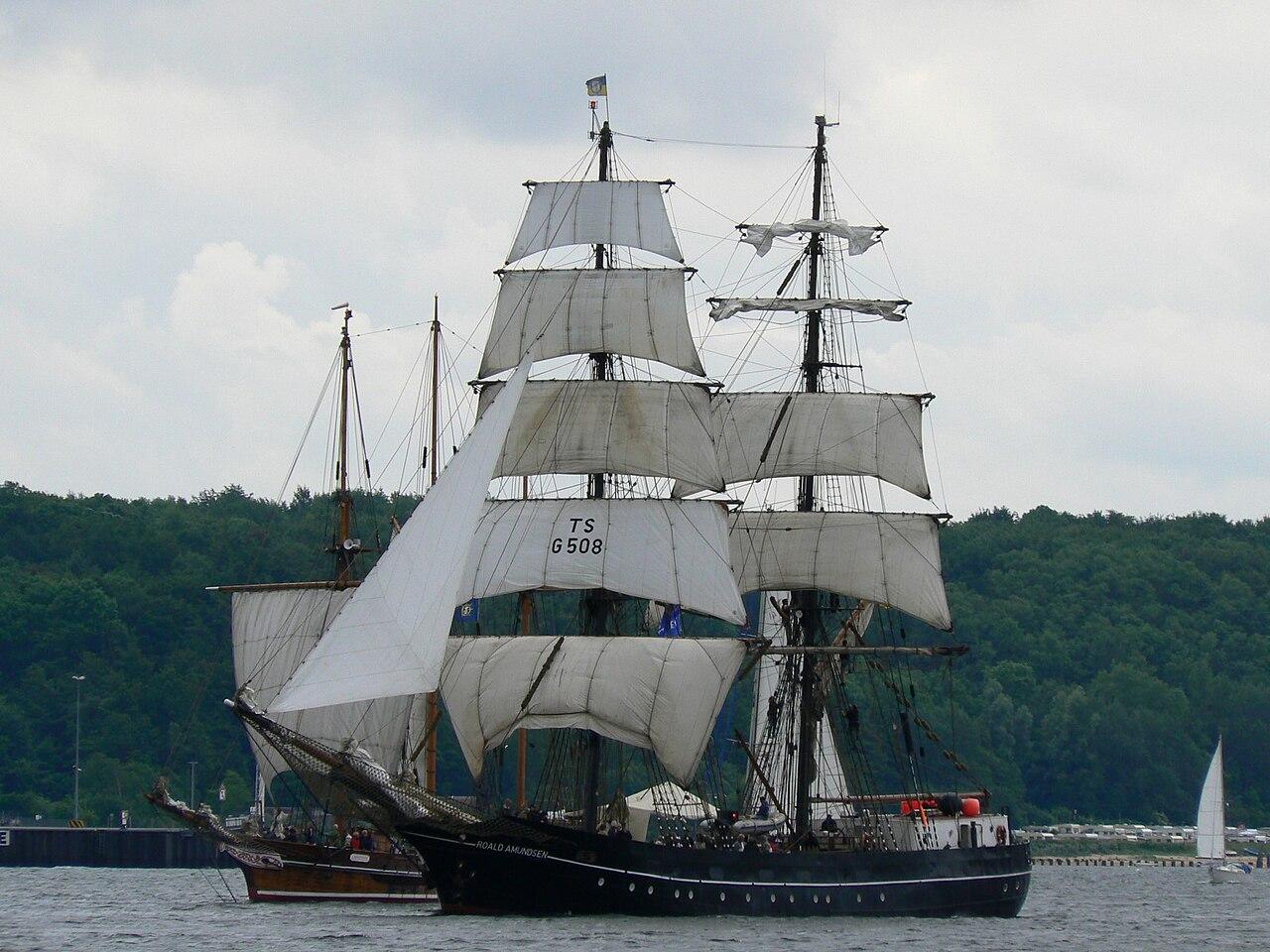
Sail a thousand sea miles across the open Atlantic on a brig, La Palma to the Azores in 14 days
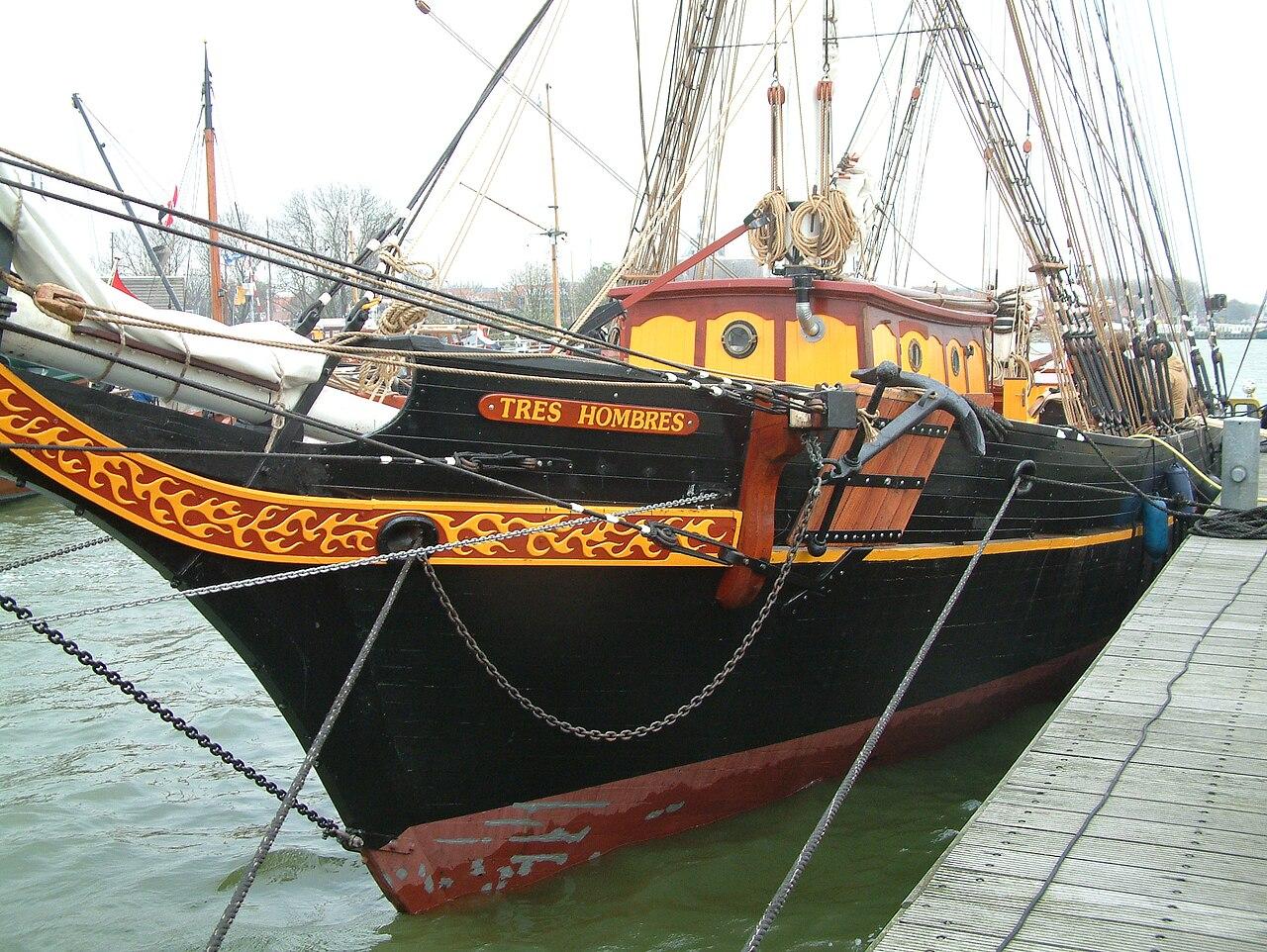
Sail home across the Atlantic on a motorless cargo brigantine, Dominican Republic to the Azores and Amsterdam
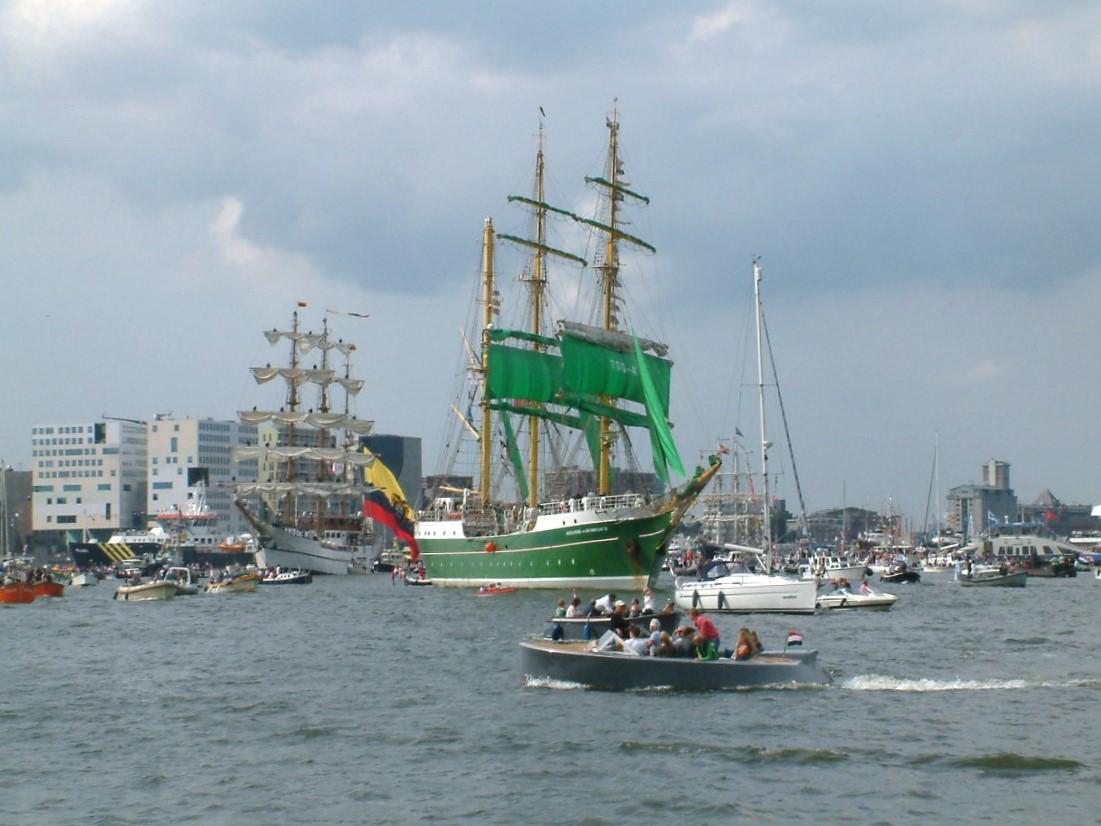
Race a square-rigged tall ship across the Bay of Biscay in the Tall Ships Races, Bordeaux to A Coruna
Crossing an ocean under sail is something most people assume needs a boat and years of sailing. These three put you on a crew with professionals and teach you on the way: you stand watches through the night, steer, trim and haul, and there is no port to step off at until the other side. Every fact below was read on the operator's own page.
The short answer
- The race: the Clipper Round the World Race. Train for at least 26 days in four levels, then race one ocean leg, several or all 40,000 nautical miles on a 70-foot yacht with a crew of about 20. Legs from GBP 8,295 plus the GBP 7,995 training package; about 30% of each crew has sailed little or not at all.
- The classic crossing: the Atlantic Rally for Cruisers with Rubicon 3, about 2,600 nautical miles from Gran Canaria to St Lucia, three weeks at sea with a crew of nine or ten and two instructors. GBP 6,799, leaving in mid-November.
- The tall ship: the Bark Europa to South Georgia and Antarctica, 42 days under sail on a three-masted barque, steering and handling sails in the Southern Ocean between landings. From EUR 14,750.
Side by side
| Voyage | Route | Time at sea | Price | Training | Dates |
|---|---|---|---|---|---|
| Clipper Race leg | One of eight legs round the world | 18 to 40 days racing per leg | From GBP 8,295 per leg, plus GBP 7,995 training | Four levels, at least 26 days, before the race | The 2027-28 race leaves the UK in late summer 2027 |
| ARC with Rubicon 3 | Gran Canaria to St Lucia | About three weeks | GBP 6,799 | Taught on board | 17 Nov to 17 Dec 2027 |
| Bark Europa, Scotia Arc | Uruguay to South Georgia, Antarctica and Ushuaia | 42 days, with landings | From EUR 14,750 | Sail training on board | 16 Nov to 27 Dec 2027 |
What each is like
The Clipper Race is a race, and it feels like one: watches day and night under a professional skipper and mate, a full race simulation in training, and legs that cross the Southern Ocean or the North Pacific. It is a commitment of a year or more, with four levels of training in Gosport before you start and travel to the ports on top. The organiser calls ocean racing an extreme sport.
The ARC is a cruising rally, not a race: you sail in a fleet of yachts from Las Palmas to Rodney Bay, with instructors teaching as you go, and Rubicon 3 supplies the oilskins, a lifejacket with a personal locator beacon and all the tuition. Once the fleet leaves there is no port for about three weeks, whatever the ocean does.
The Bark Europa makes its guests the voyage crew: on your watch you stand lookout, steer the ship and help set and take in sails, and in heavy weather you help the permanent crew handle a square-rigger in the Southern Ocean. Between the crossings come landings at South Georgia and the Antarctic Peninsula when the weather and ice allow.
Which one
- If you want to race: the Clipper, and start applying now for the 2027-28 race.
- If you want one ocean, once, in a year: the ARC in November, which also keeps a waiting list for 2026.
- If you want the polar south and the romance of sails: the Bark Europa, whose 2027-28 Antarctic season opened for booking on 23 November 2026 with early-bird prices until 15 December.
Four more tall ships
Sail-training ships take paying voyage crew on ocean passages too, and you work them the same way: a watch, the helm, the sails and the rigging.
| Ship | Passage | 2027 | Days | From |
|---|---|---|---|---|
| Oosterschelde, three-masted schooner | Cape Verde to the Azores | 25 March | 14 nights | EUR 2,030 |
| Roald Amundsen, brig | La Palma to the Azores, about a thousand sea miles | 3 January | 14 | EUR 1,960 |
| Alexander von Humboldt II, barque | Bordeaux to A Coruna in the Tall Ships Races | 10 July | 9 | EUR 1,701 |
| Tres Hombres, cargo brigantine with no engine | Dominican Republic to the Azores and Amsterdam | 23 February (full, waiting list) | About 61 | EUR 5,795 |
Tres Hombres is the odd one: a 1943 brigantine that carries organic goods between the Americas and Europe under sail alone, with eight trainees standing day and night watches beside the crew.
Before you book
- Fitness: none needs sailing experience, but all need you to work on a moving deck at night; the Bark Europa suggests training balance, strength and stability beforehand.
- What is extra: flights to and from the ports, insurance and visas on all three; on the Clipper also travel and accommodation for training.
- Seasickness: plan for it; nobody gets off mid-ocean.
Each experience page shows the day it was last checked and links the page every fact was read on.