Photo: Dave Bunnell, CC BY-SA 4.0
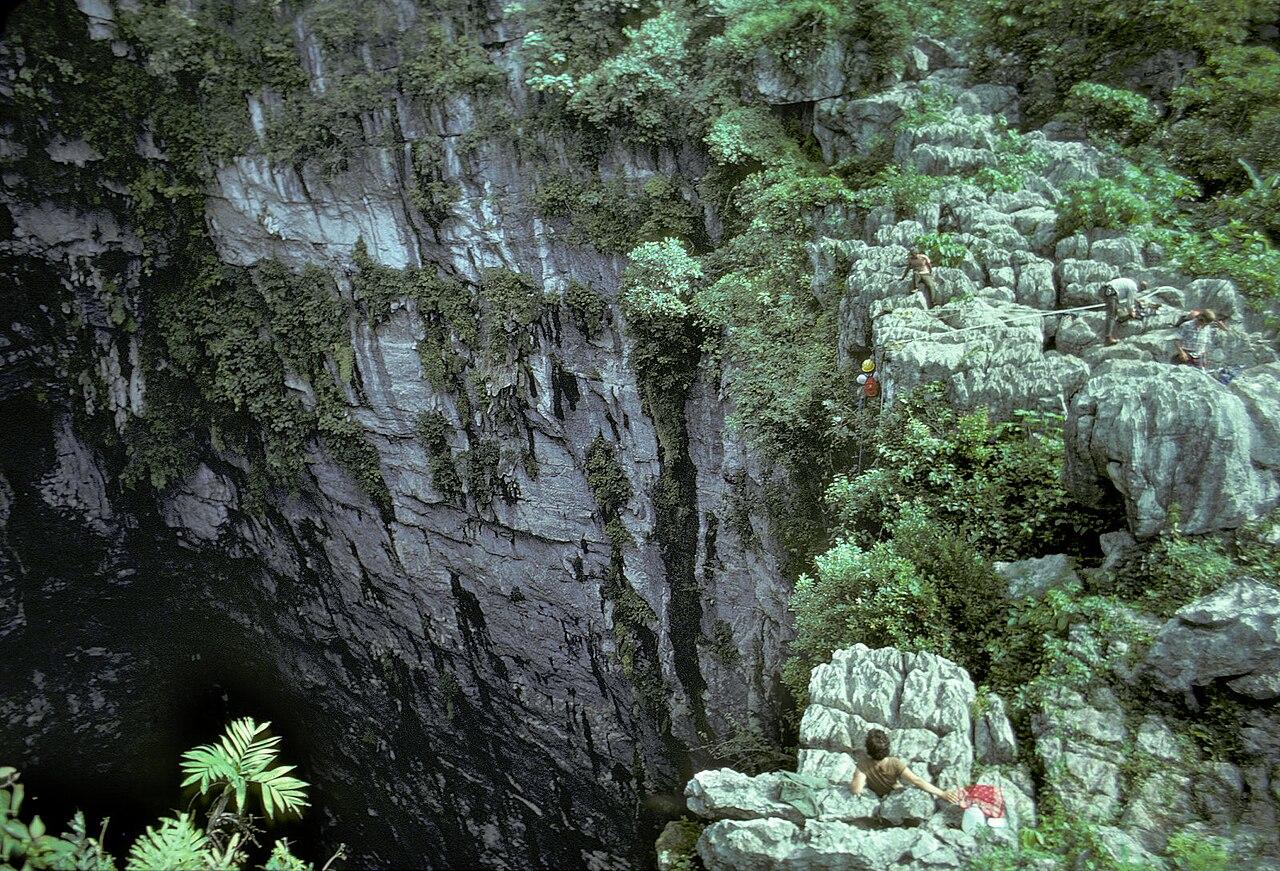
Be lowered 376 m in free fall into Mexico's Cave of the Swallows
Sótano de las Golondrinas, Aquismón, Huasteca Potosina, San Luis Potosí, Mexicorun by Extremers
Drop 376 m on ropes into the 512 m deep Sótano de las Golondrinas, after watching thousands of swifts spiral out of the pit at dawn.
You meet at the park's main entrance at 06:00, then walk down 568 steps to the bird-viewing point to watch thousands of white-collared swifts spiral out of the sink hole at sunrise. Once the birds have left to feed, guides accredited by the tourism ministry fit your harness and lower you on ropes and mechanical descent systems through a free fall of 376 m to the floor, where you have time to explore. The ascent is assisted too, by pulleys and friction systems, and the day ends around 14:00 with a certificate of descent.
The catch
The bottom can only be entered once all the birds have gone out to feed. Photos and video of the descent, tips and extra food and drinks are not included.
To take part: No experience needed; the descent and ascent are assisted. You must be fit enough to walk down and up the 568 steps to the bird-viewing point. Sturdy mid-mountain boots or trainers with non-slip soles; Extremers says the activity suits people over 5.
Getting there
Fly to Tampico (TAM). By road to Aquismón in the Huasteca Potosina; the tour meets at the park's main entrance at 06:00.
Flying time is a great-circle estimate, not a timetable.
How sure we are
Checked 26 Nov 2026 on the operator's own page: Extremers: Descenso al Sótano de las Golondrinas.
The price was still stated on that page on 27 Nov 2026 (our automatic re-read).
Questions
How much does it cost?
MXN 5,900 per person for the descent into the sótano. Included: Park access, individual permit to enter the bottom, welcome box lunch, the bird-exit show, certified safety equipment, assisted descent and ascent, guides accredited by the tourism ministry, certificate of descent
When can you do it?
Descents run in January, February, March and August to December. From April to July the permits for descending to the bottom are barred because the birds are breeding.
How do you book it?
Choose a start date and book on the Extremers page; you pay on arrival. It runs from 1 person, and free cancellation holds until 24 hours before the start.
How do you get there?
Most people fly to TAM. By road to Aquismón in the Huasteca Potosina; the tour meets at the park's main entrance at 06:00
What is the catch?
The bottom can only be entered once all the birds have gone out to feed. Photos and video of the descent, tips and extra food and drinks are not included.
Where
Sótano de las Golondrinas, Aquismón, Huasteca Potosina, San Luis Potosí, Mexico (Latin America and the Caribbean). More in Mexico · See what is near it on the map
Like this
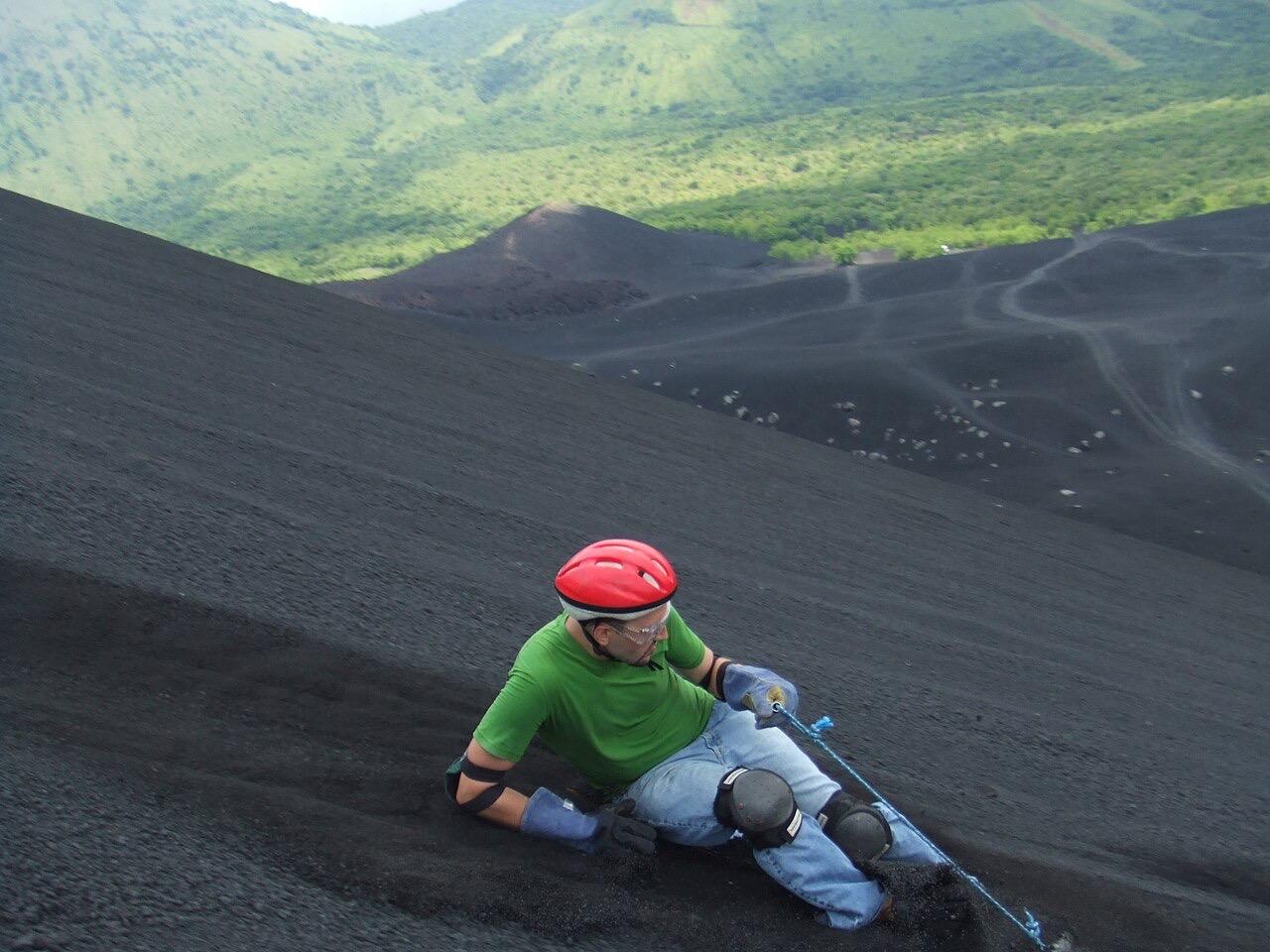
Board down the black slope of Cerro Negro, an active volcano
Hike up the bare cinder cone of Cerro Negro near Leon with a board on your back, then slide back down it in a jumpsuit and goggles.
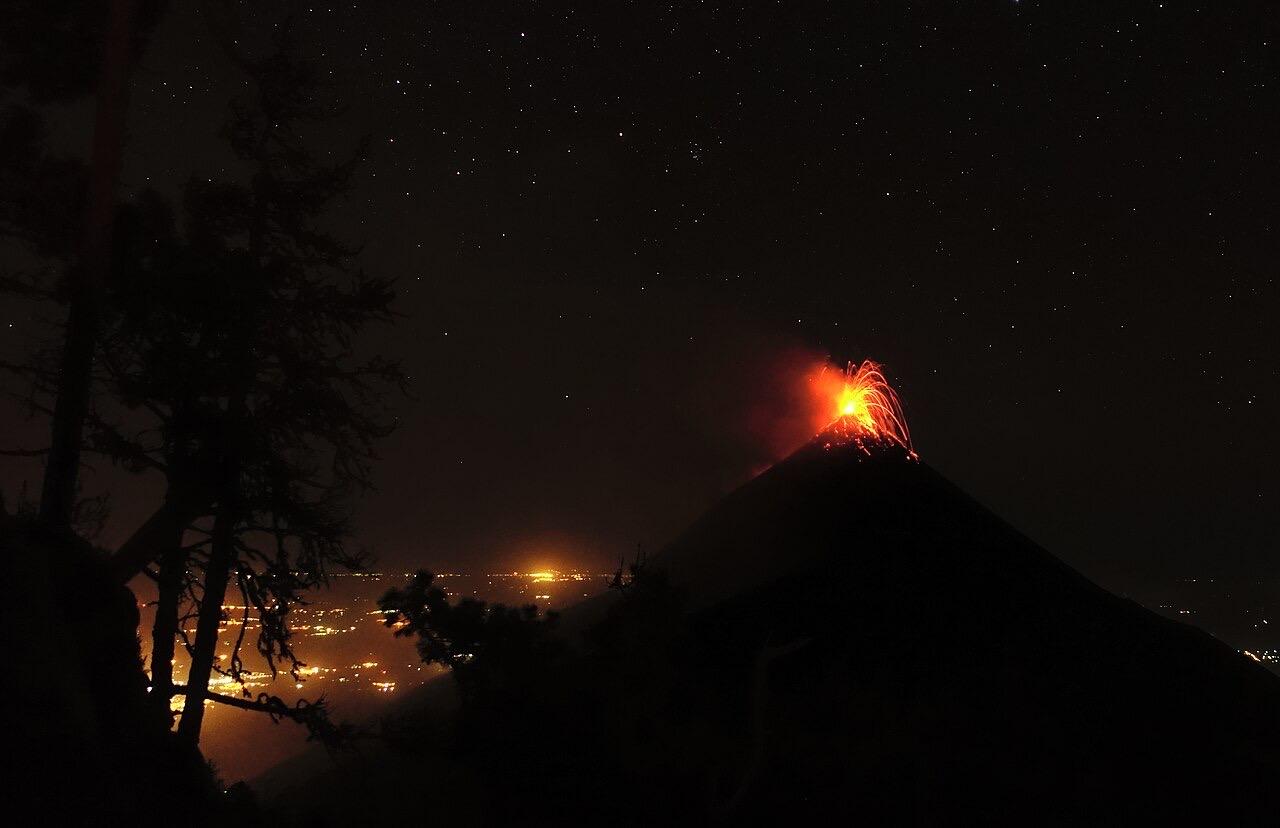
Camp on Acatenango and watch Fuego erupt through the night
A hard 1.5-day hike up 3,976 m Acatenango to a wooden cabin camp facing Fuego, which throws lava with a boom through the night, then the summit next morning.
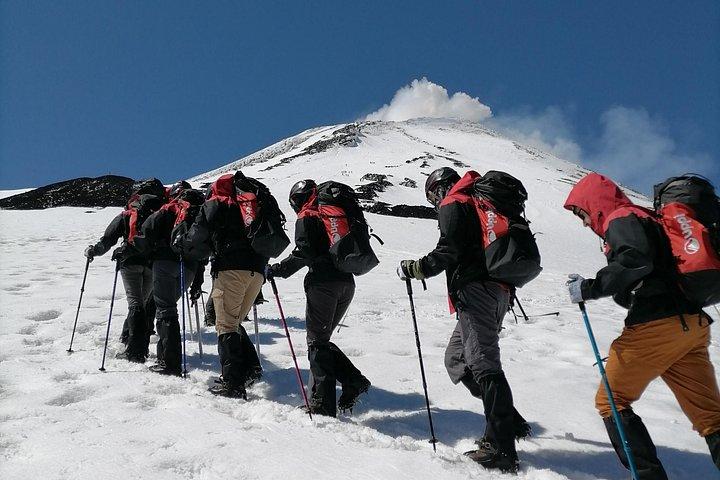
Climb to the crater rim of Villarrica, Chile's most active volcano
Climb 2,847 m Villarrica from Pucón in crampons with an ice axe to the rim of an open crater that breathes gas, then slide most of the way down on the snow.
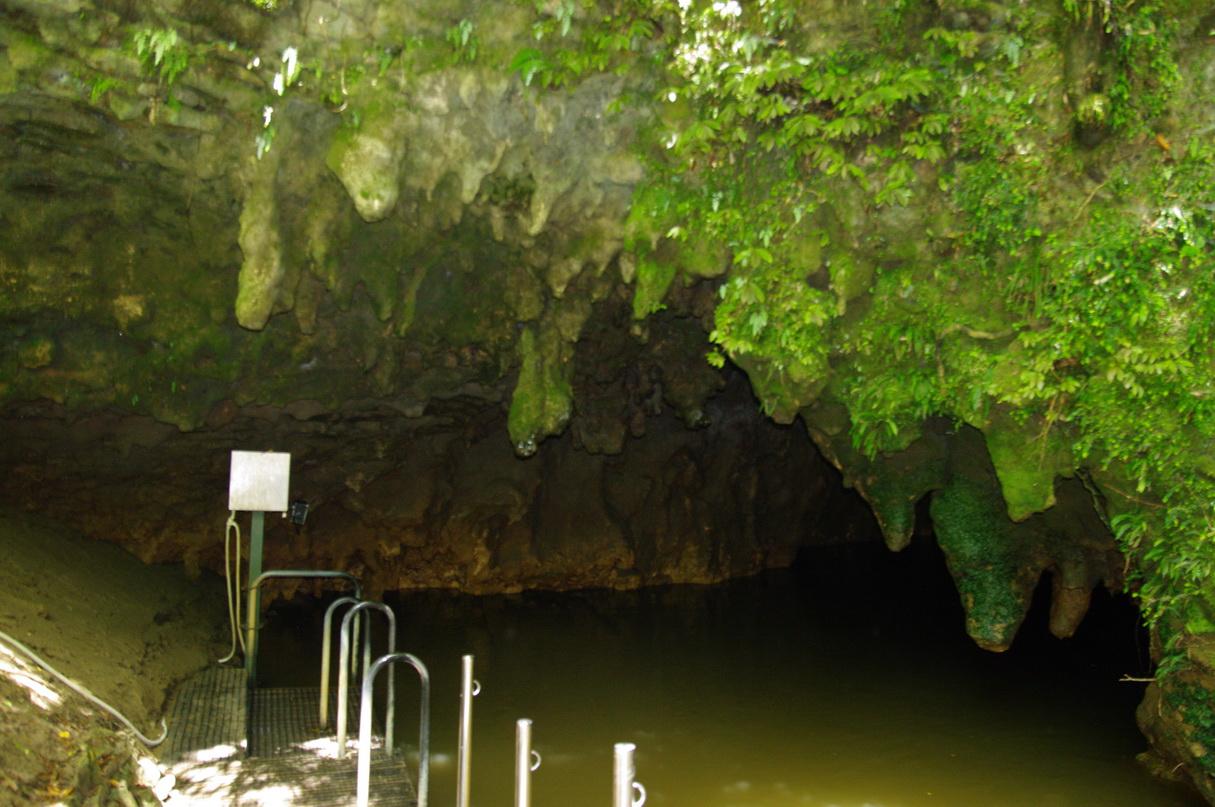
Abseil 100 m free-hanging into the Lost World cave, then spend the day underground
Hang in a mist-filled shaft for a 100 m rope descent into a giant cavern, then walk, wade and swim through the Mangapu cave system until dinner.
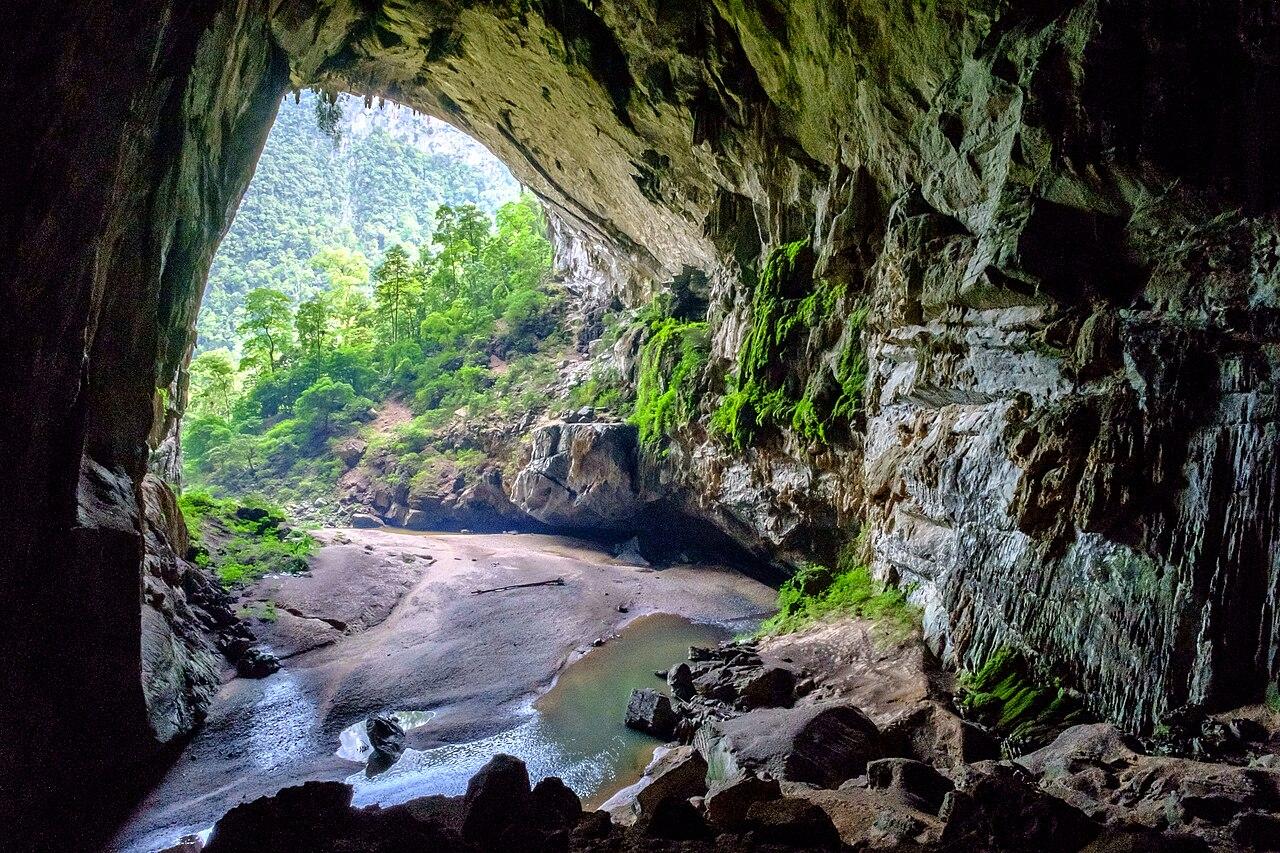
Camp overnight inside Hang En, the world's third-largest cave
Two days in Phong Nha-Ke Bang: trek through the jungle to Hang En, the gateway to Son Doong, and sleep inside it under the cave's vast roof.
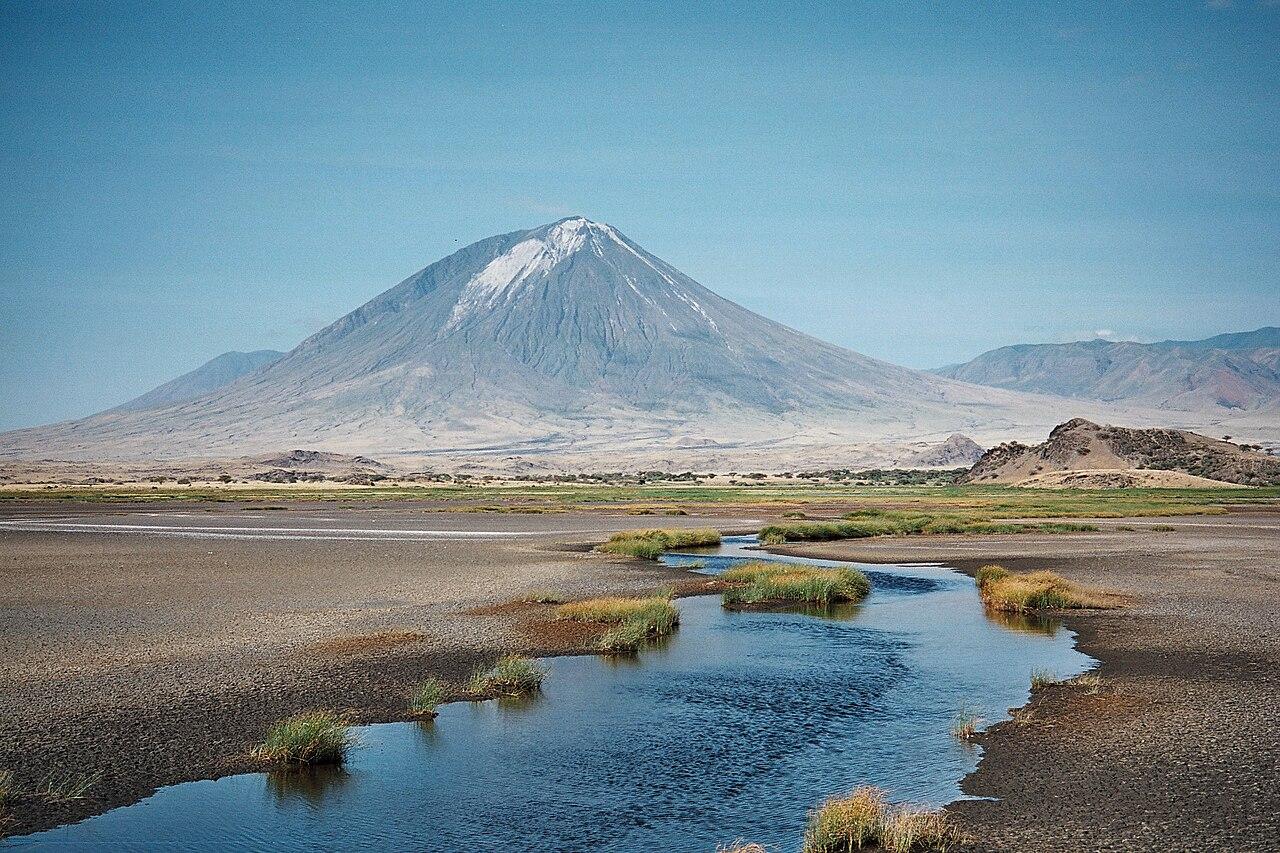
Climb Ol Doinyo Lengai, the Maasai's Mountain of God, through the night to its active crater
A midnight start up the steep ash and scree of a 2,962 m active volcano above Lake Natron, reaching the crater rim around sunrise over the Great Rift Valley.