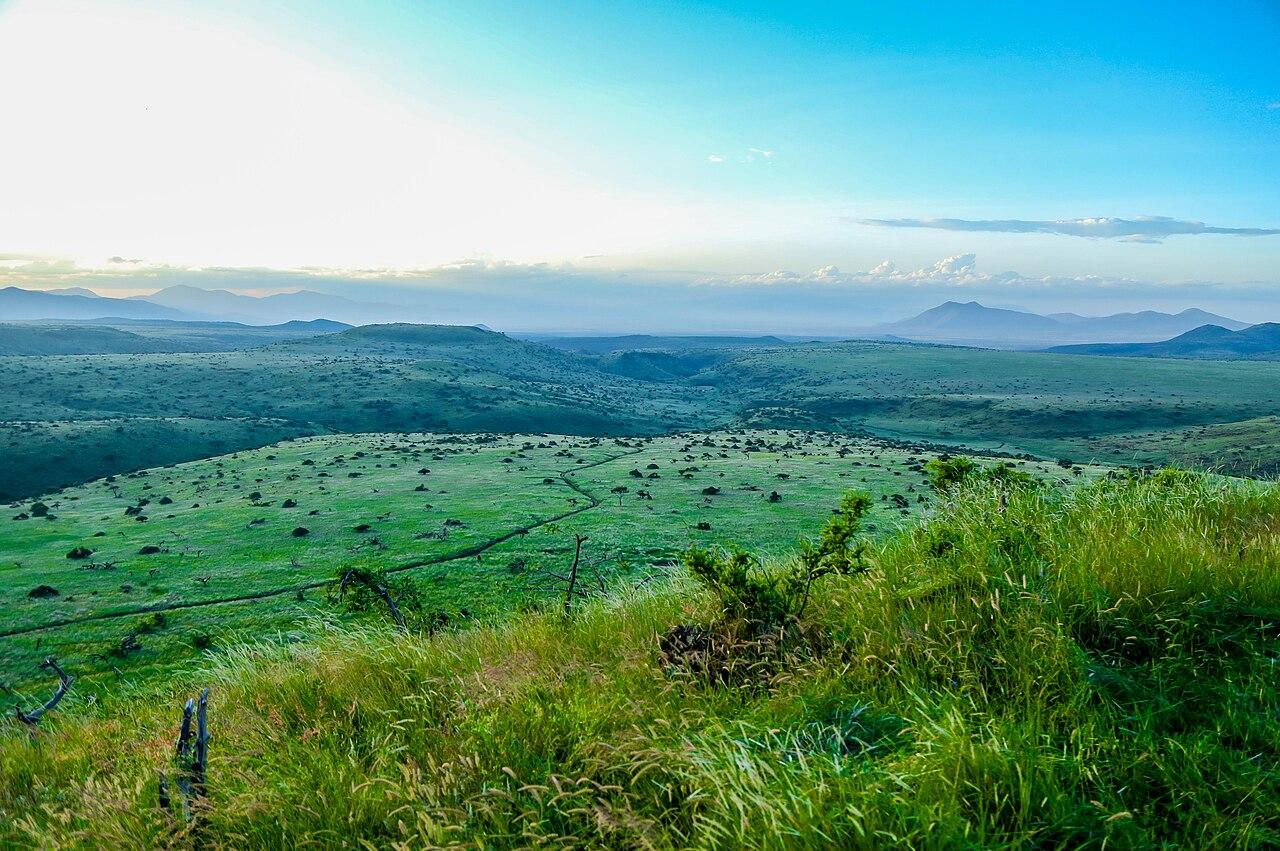
Photo: Waterwaveke90, CC BY-SA 4.0
Run 230 km through Kenya's rhino and lion country, guarded by rangers, and finish on the equator
Lewa Wildlife Conservancy to Ol Pejeta, Laikipia, Kenyarun by Beyond the Ultimate
The ForRangers Ultra: five stages, 230 km across Lewa, Borana, Lolldaiga, Ol Jogi and Ol Pejeta conservancies, with about 100 rangers on the course.
From a base camp at Lewa Wildlife Conservancy in the shadow of Mount Kenya, you run or walk 230 km in five stages over five days across five private conservancies, past zebra and giraffe and along dry river beds with rhino tracks, to a finish at Ol Pejeta on the equator. It is supported and fast and light: you carry the safety kit, food and water for each stage while your camp bag goes ahead by truck, and nights are in tented camps with cot beds. The race is non-profit, run with ForRangers and Save the Rhino International.
The catch
Days reach 20 to 38 C and nights drop to 2 C, on savannah, forest and rugged hills shared with lion, buffalo and elephant. Every staged payment is non-refundable.
To take part: Open to runners and walkers; you carry the mandatory safety kit, clothing, medical kit, food and water for each stage.
Getting there
Fly to Nairobi (NBO). Coach transfers to and from Nairobi are included in the entry.
Flying time is a great-circle estimate, not a timetable.
How sure we are
Checked 26 Nov 2026 on the operator's own page: Beyond the Ultimate: ForRangers Ultra.
The price was still stated on that page on 27 Nov 2026 (our automatic re-read).
Questions
How much does it cost?
GBP 3,000 per athlete, paid in full or as four GBP 750 payments (on entry, then 270, 180 and 90 days before the start); a team of four saves GBP 300 each. Included: Coach transfers to and from Nairobi, tented camps with cot beds, drop bag transport to every camp, checkpoints staffed by expedition medics, water and hot water at camp, a Garmin inReach tracker, helicopter cover, about 100 rangers on the course, finish meal, medal, T-shirt and digital photos; not flights, Nairobi hotels and airport transfers, race food or insurance
When can you do it?
Once a year. 2027: 6 September, an 8-day event with 5 stages in 5 days; entry was open on 26 Nov 2026. Next date: 6 Sept 2027 (ForRangers Ultra 2027 (8-day event, 5 stages)).
How do you book it?
Enter on the race page and pay by card, in full or with the GBP 750 deposit.
How do you get there?
Most people fly to NBO. Coach transfers to and from Nairobi are included in the entry
What is the catch?
Days reach 20 to 38 C and nights drop to 2 C, on savannah, forest and rugged hills shared with lion, buffalo and elephant. Every staged payment is non-refundable.
Where
Lewa Wildlife Conservancy to Ol Pejeta, Laikipia, Kenya (Africa). More in Kenya · See what is near it on the map
Like this
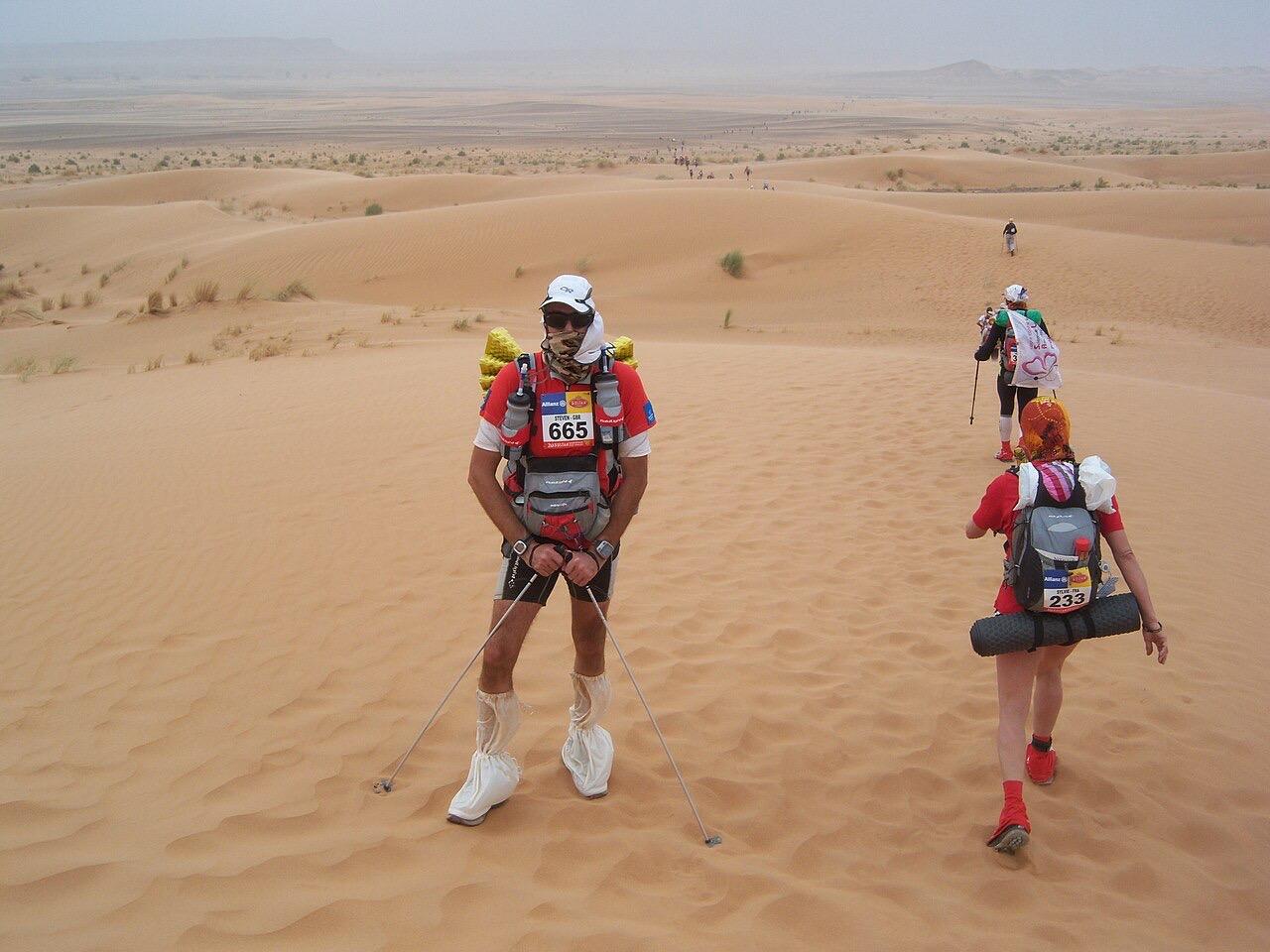
Cross 250 km of the Sahara with your food on your back in the Marathon des Sables
Six stages and about 250 km across the Moroccan Sahara, run or walked, self-sufficient for a week with all your food and kit in your pack.
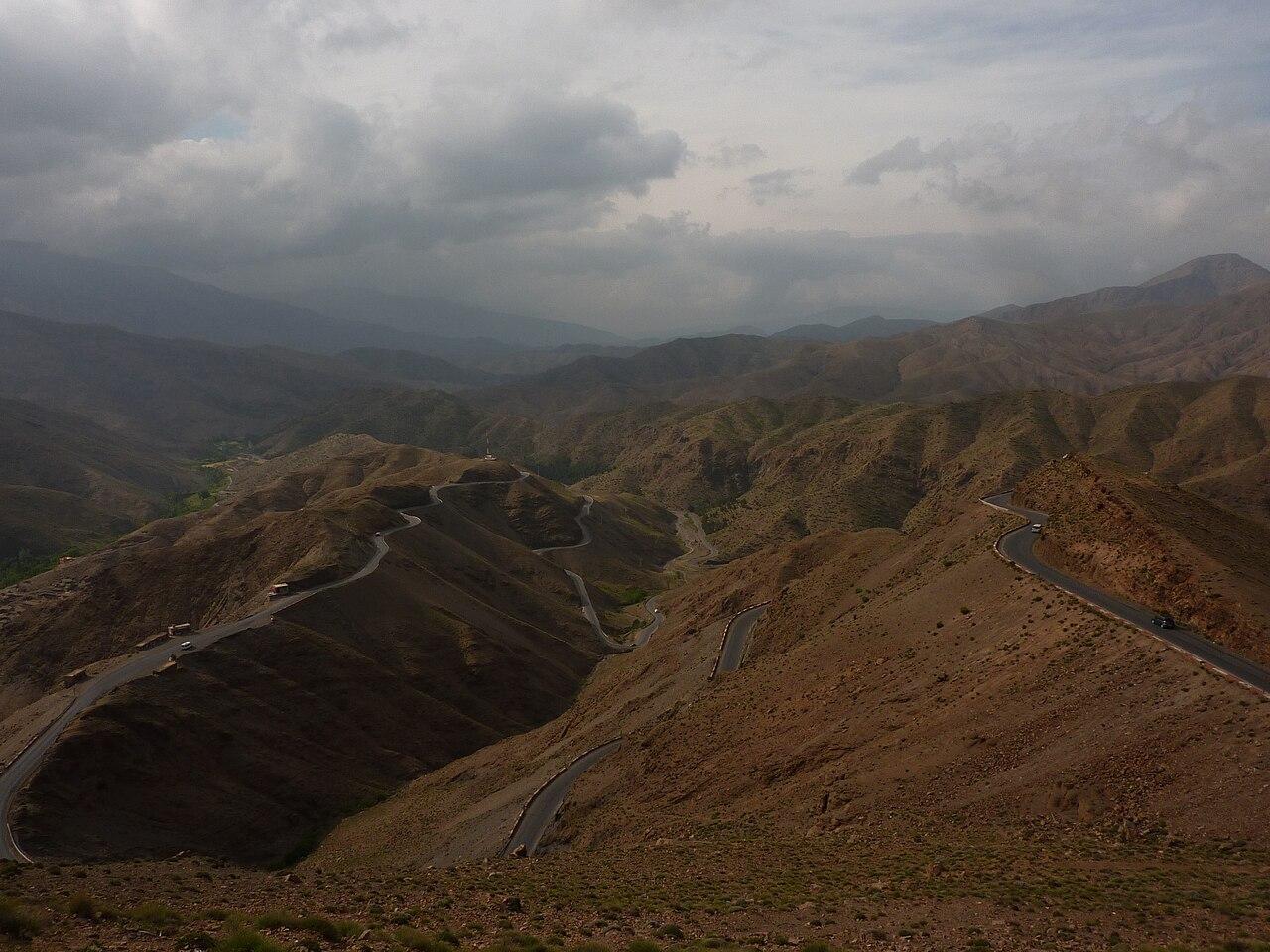
Race 1,331 km unsupported across Morocco's Atlas on a bike, in the Atlas Mountain Race
A single-stage, self-supported bikepacking race from Ouzoud over the High Atlas and Anti-Atlas to Essaouira on the Atlantic: 1,331 km and 24,688 m of climbing, the clock never stopping.
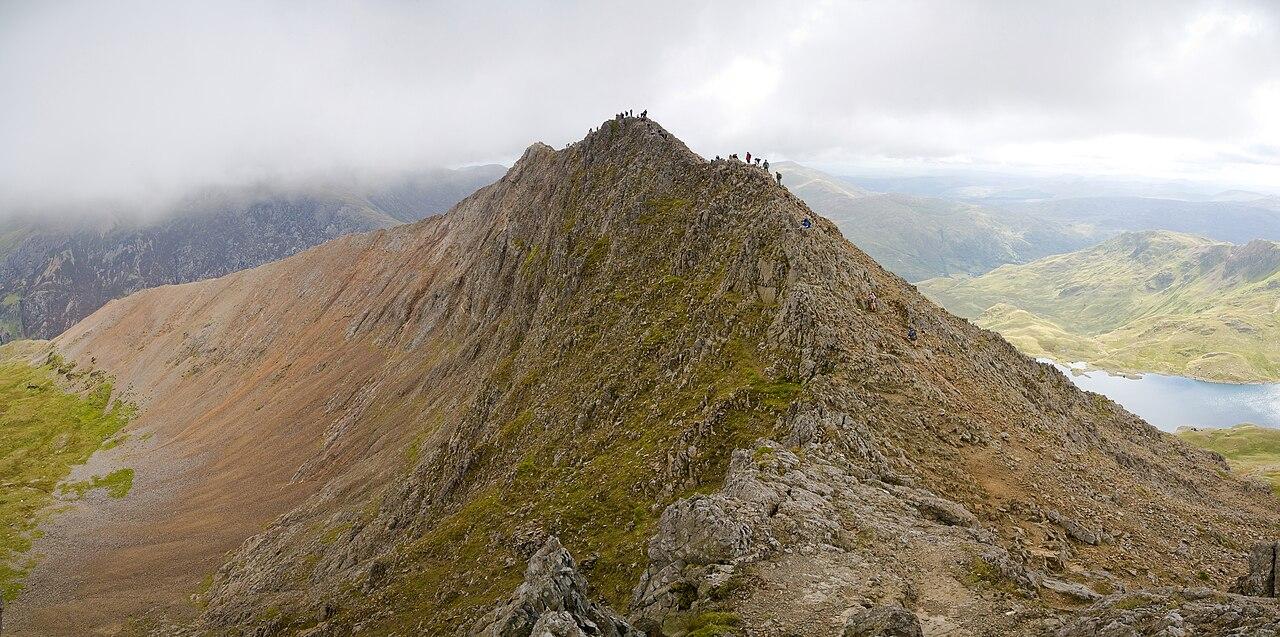
Race the 380 km Dragon's Back across Wales in six days
Six days and 16,400 m of climbing on the trackless mountain spine of Wales, from Conwy Castle to Cardiff Castle, with a tent camp each night.
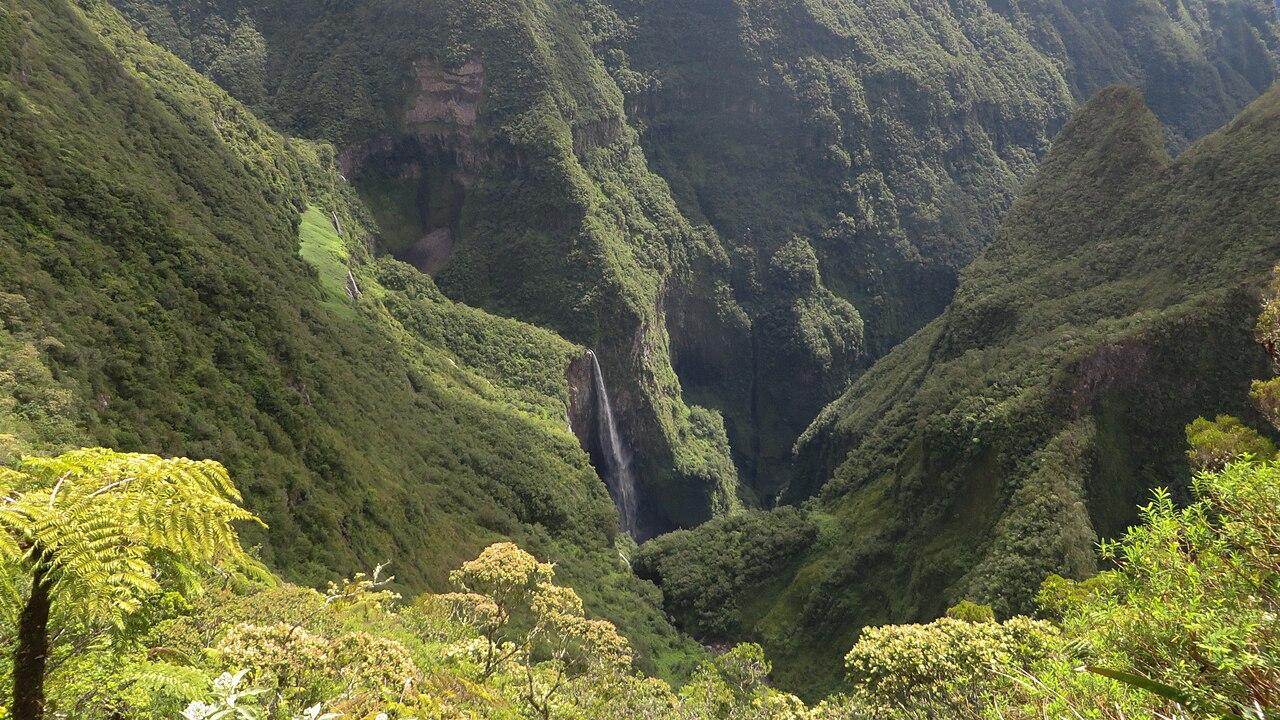
Rappel into the Trou de Fer on a two-day canyoning expedition with a night in the gorge
Two days through Reunion's most famous canyon: 180 m, 150 m and 270 m rappels into a gorge of about 300 m, a bivouac at the bottom, then a 3 km corridor.
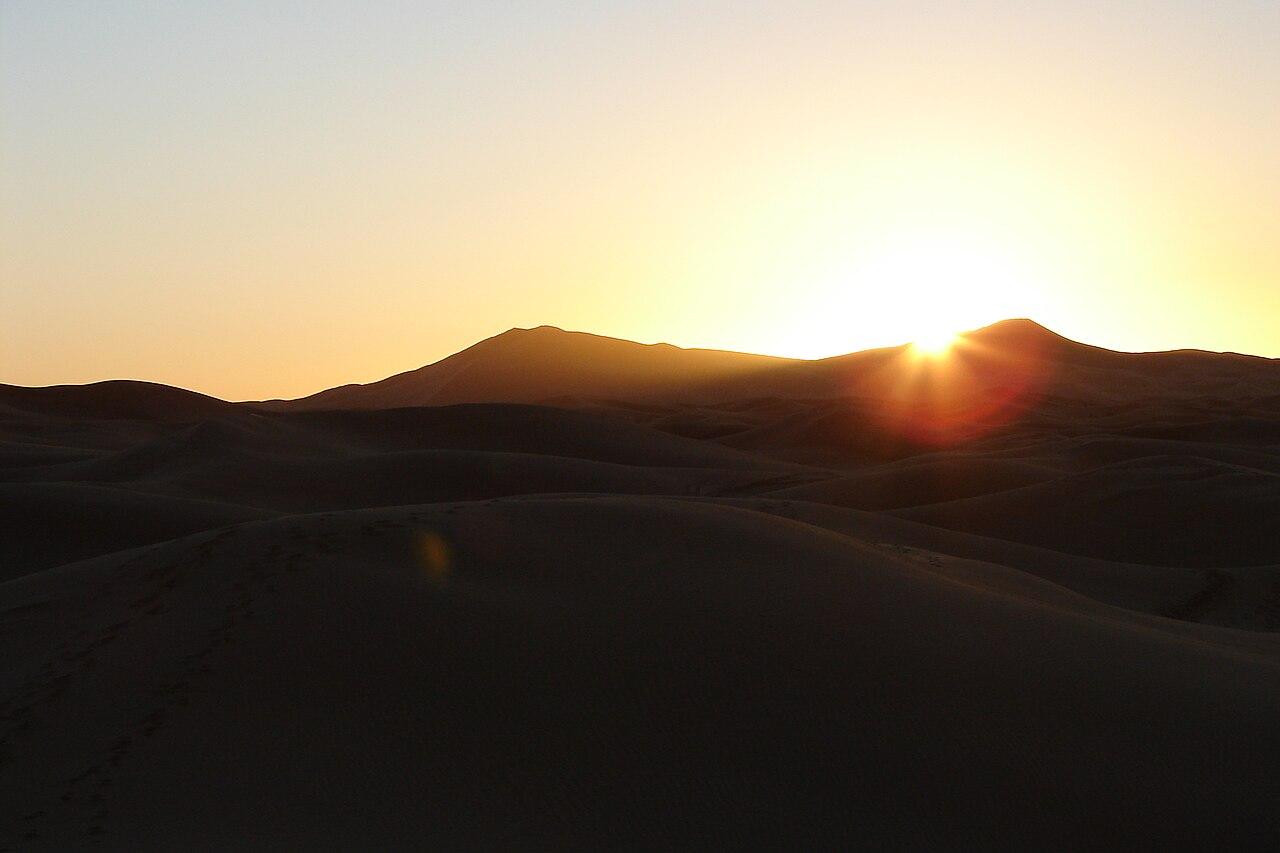
Run 100 miles through the Moroccan Sahara without stopping in the MDS Ultra
The Marathon des Sables' 40-hour format: 160 km (or 100 km) of dunes and plateaus on the MDS route, carrying all your food and running through the night.
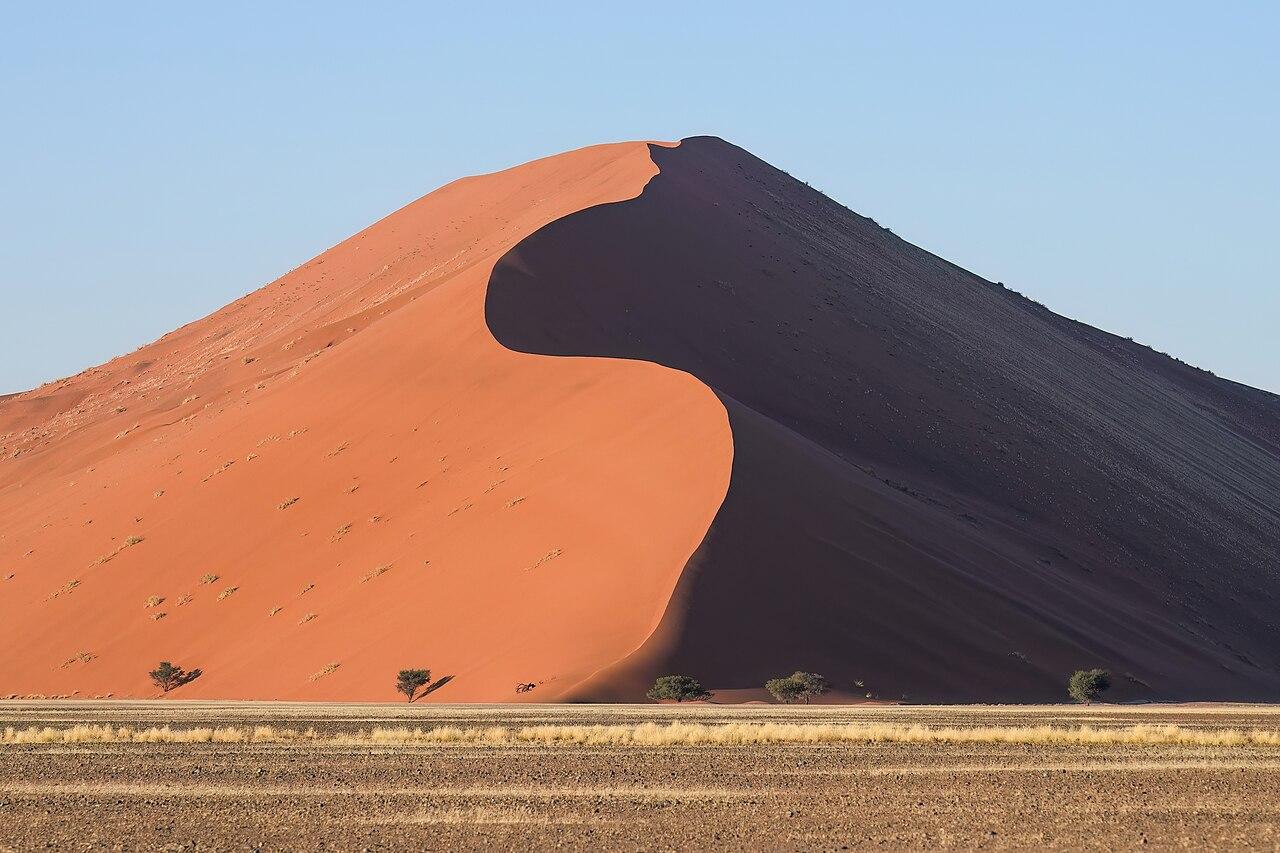
Run 250 km across the Namib Desert with everything on your back in the Desert Ultra
The Desert Ultra: five self-sufficient stages, 250 km through dunes, scrubland and rock canyons of Namibia's Namib Desert, in heat of up to 55 C.