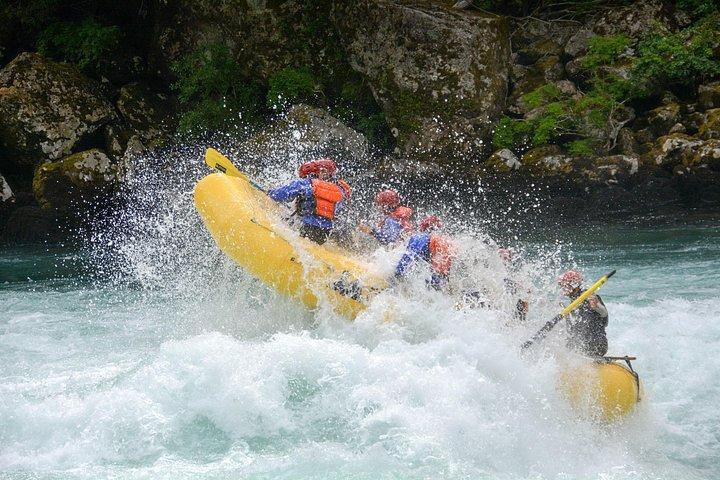
Photo: Patagonia Elements, via Viator, Supplier photo, shown under Viator's partner terms
Raft the Futaleufu, one of the world's great white-water rivers, in Chilean Patagonia
Rio Futaleufu, Futaleufu, Palena province, Los Lagos, Chilerun by Patagonia Elements
Turquoise class III to V rapids under snow peaks and glaciers, from a half-day first run to a full day through Casa de Piedra and Mas o Menos.
Patagonia Elements runs four sections of the Futaleufu from its base in the village of Futaleufu, each starting with a long safety talk and lessons in paddling and river rescue. Puente a Puente is the introduction (about 4.5 hours, with a jump from a cliff into the river); Puente a Macal adds class IV and V rapids such as Casa de Piedra and Mas o Menos (5.5 hours); Azul a Puente is harder again (7 hours), and the full day runs the river for about 8 hours with lunch. Bilingual guides, all rafting gear, transport and accident insurance are included.
The catch
Trips need at least 4 people and run only when the river's level allows. Puente a Puente is the gentle start; the class IV and V sections are the ones the river is famous for, so choose by how much you want.
To take part: 14 and over, able to swim and in good physical shape; no rafting experience needed.
Getting there
Fly to Esquel (EQS). Fly to Esquel in Argentina and cross the border by road to Futaleufu, or come up the Carretera Austral from Chaiten; the office is on the main square.
Flying time is a great-circle estimate, not a timetable.
How sure we are
Checked 26 Nov 2026 on the operator's own page: Patagonia Elements: rafting on the Rio Futaleufu.
Questions
How much does it cost?
CLP 85,000 per person for Puente a Puente, CLP 100,000 for Puente a Macal, CLP 120,000 for Azul a Puente and CLP 150,000 for the full day; from USD 113 on Viator for Puente a Puente. Included: Bilingual guides, all rafting gear, return transport, accident insurance, and a snack or lunch by section
When can you do it?
October to April, the Patagonian summer; trips run when the river allows.
How do you book it?
Patagonia Elements' own site showed only a maintenance page on 27 Nov 2026, so book its Bridge to Bridge section on Viator (from USD 113), or write to info@patagoniaelements.com or on WhatsApp (+56 9 7744 7250) for the class IV and V sections.
How do you get there?
Most people fly to EQS. Fly to Esquel in Argentina and cross the border by road to Futaleufu, or come up the Carretera Austral from Chaiten; the office is on the main square
What is the catch?
Trips need at least 4 people and run only when the river's level allows. Puente a Puente is the gentle start; the class IV and V sections are the ones the river is famous for, so choose by how much you want.
Where
Rio Futaleufu, Futaleufu, Palena province, Los Lagos, Chile (Latin America and the Caribbean). More in Chile · See what is near it on the map
Like this
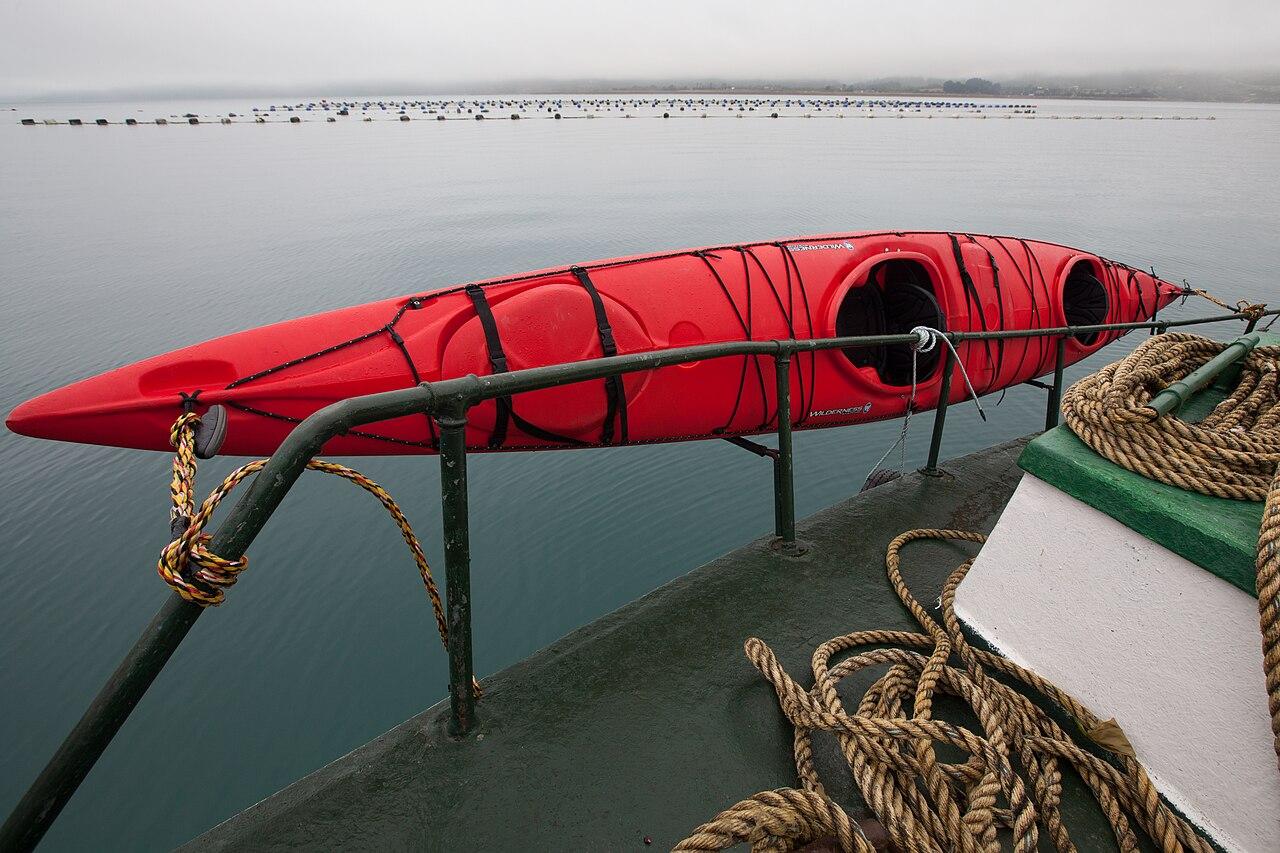
Spend a month sea kayaking and trekking off trail along the fjords of Chilean Patagonia
31 days on Patagonia's coast with NOLS: 60 to 100 nautical miles by sea kayak, off-trail rainforest treks and unnamed summits, then travel without instructors.
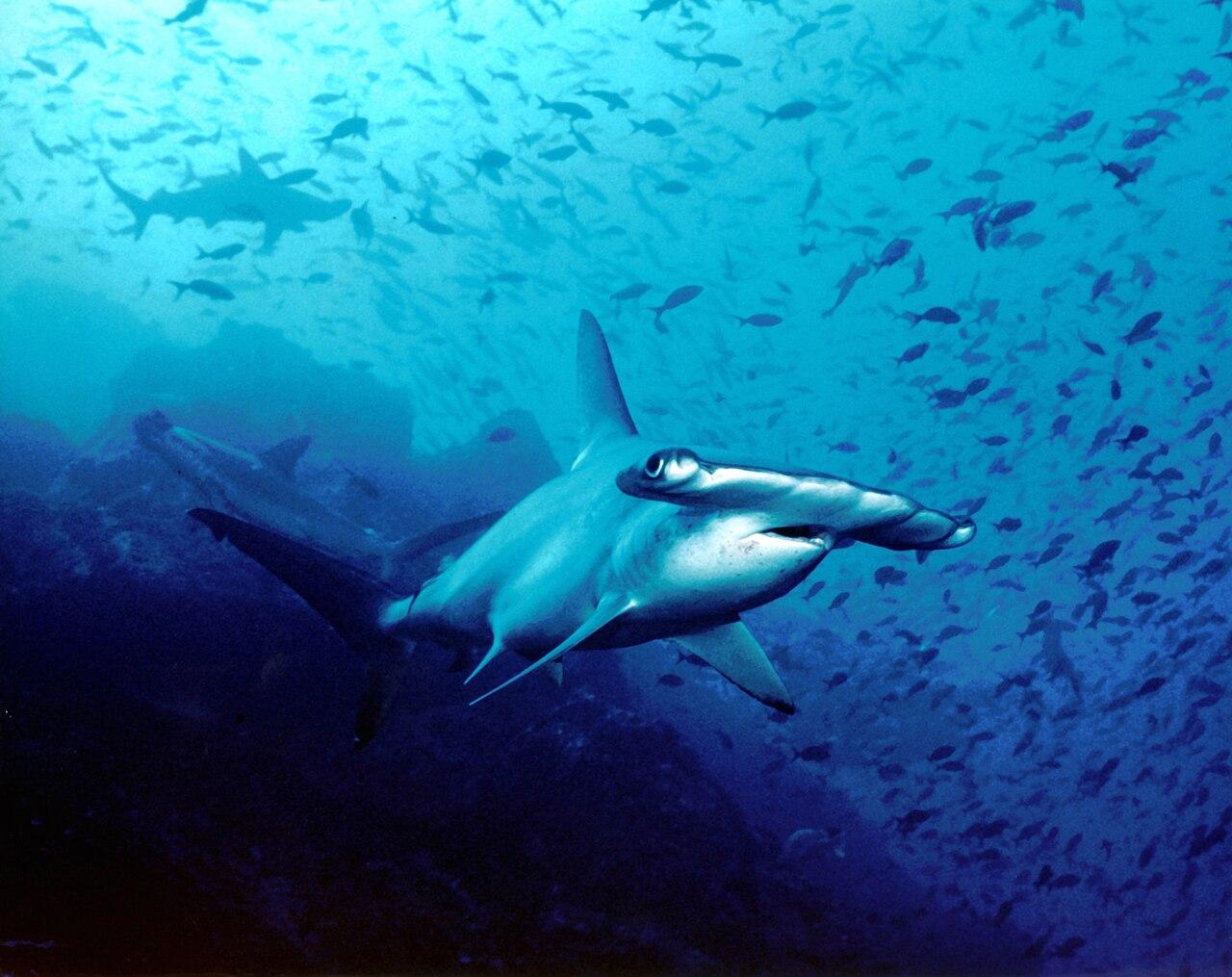
Cross 36 hours of open Pacific to dive Cocos Island's schooling hammerheads
A liveaboard from Puntarenas to uninhabited Cocos Island, 342 miles off Costa Rica, for 15 to 27 dives among schooling hammerheads, white-tip sharks, mantas and tuna.
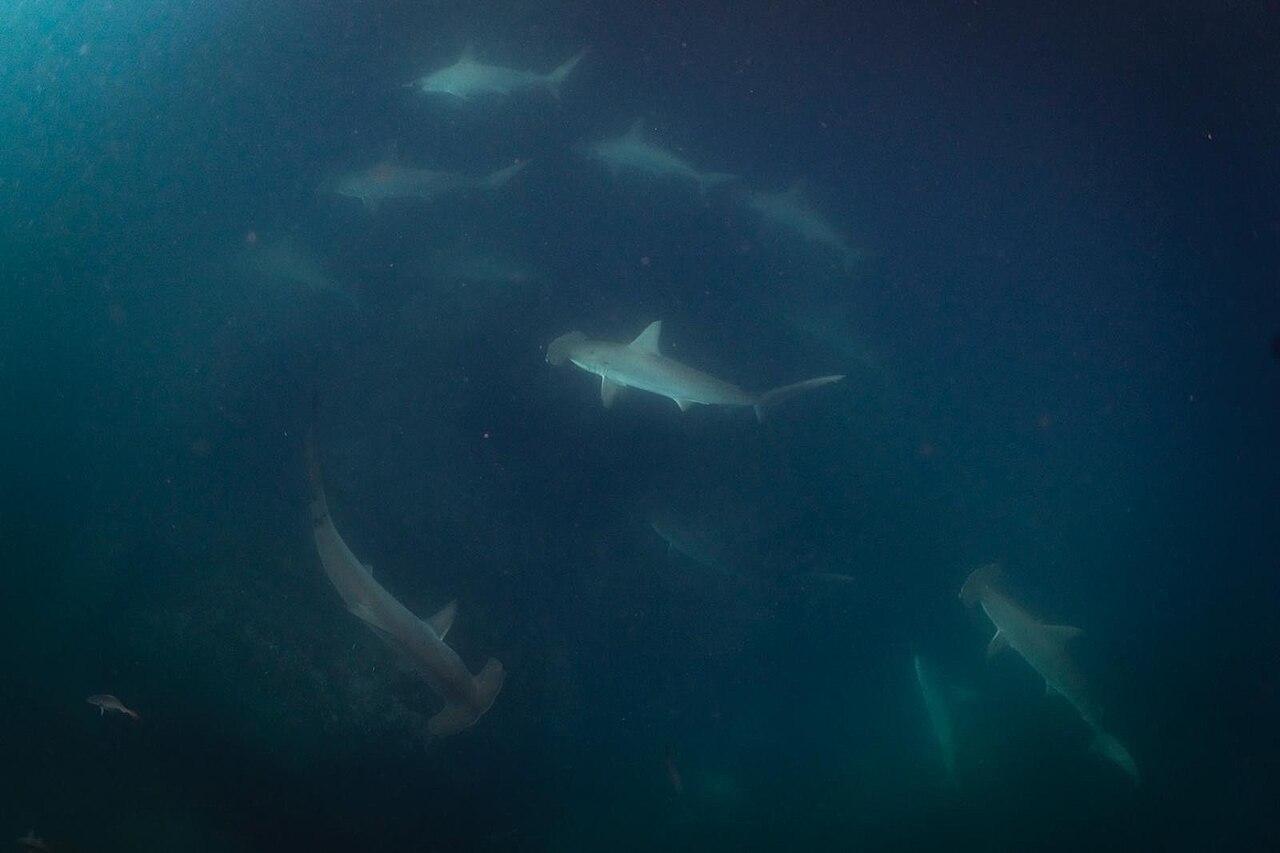
Dive the shark-filled currents of Wolf and Darwin on a Galápagos liveaboard
Seven nights on the Galapagos Master from San Cristóbal, up to four dives a day, out to the remote northern islands of Wolf and Darwin for strong currents and sharks in numbers.
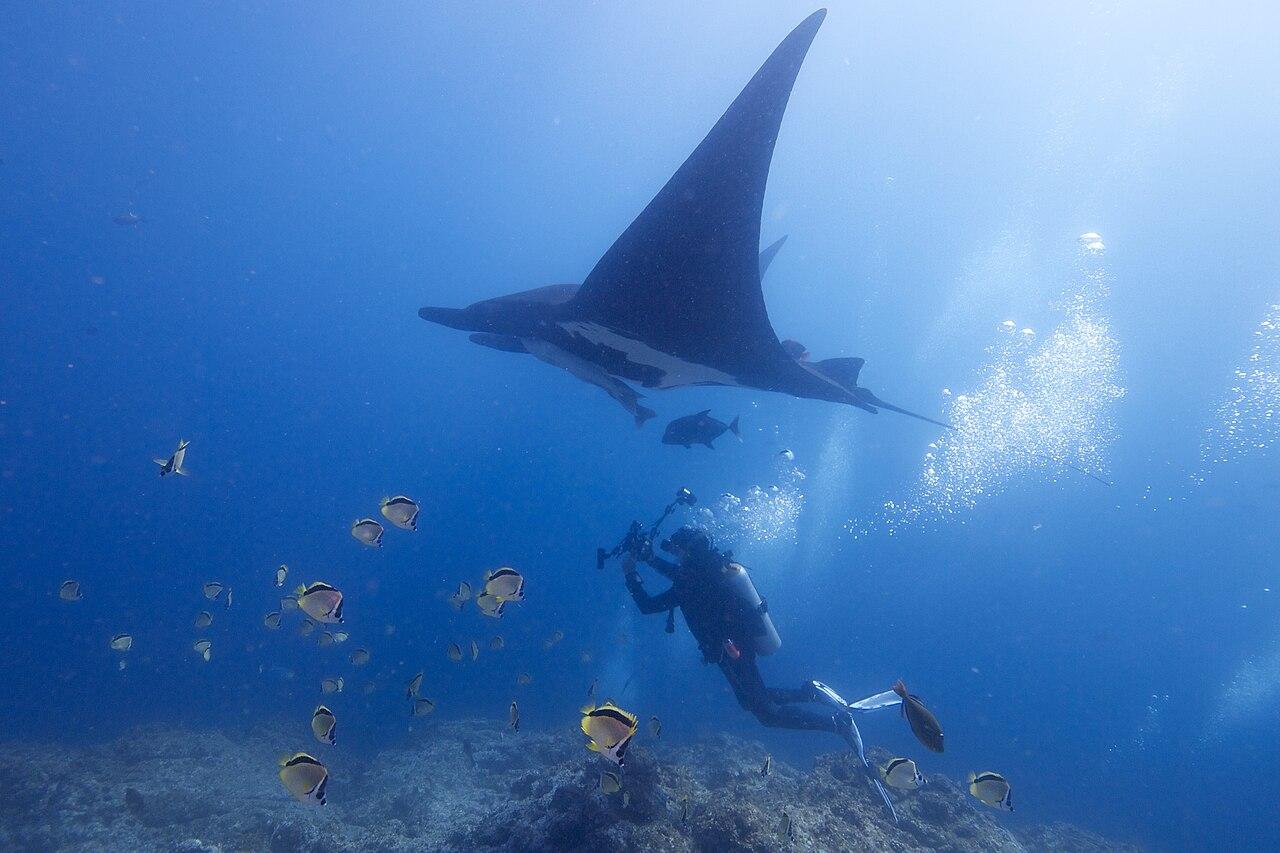
Dive with giant mantas and sharks at the Socorro Islands, 240 miles out in the Pacific
Eight or ten nights on a liveaboard at the Revillagigedo islands, a UNESCO site reached only by boat, where giant oceanic mantas come to divers and sharks patrol the walls.
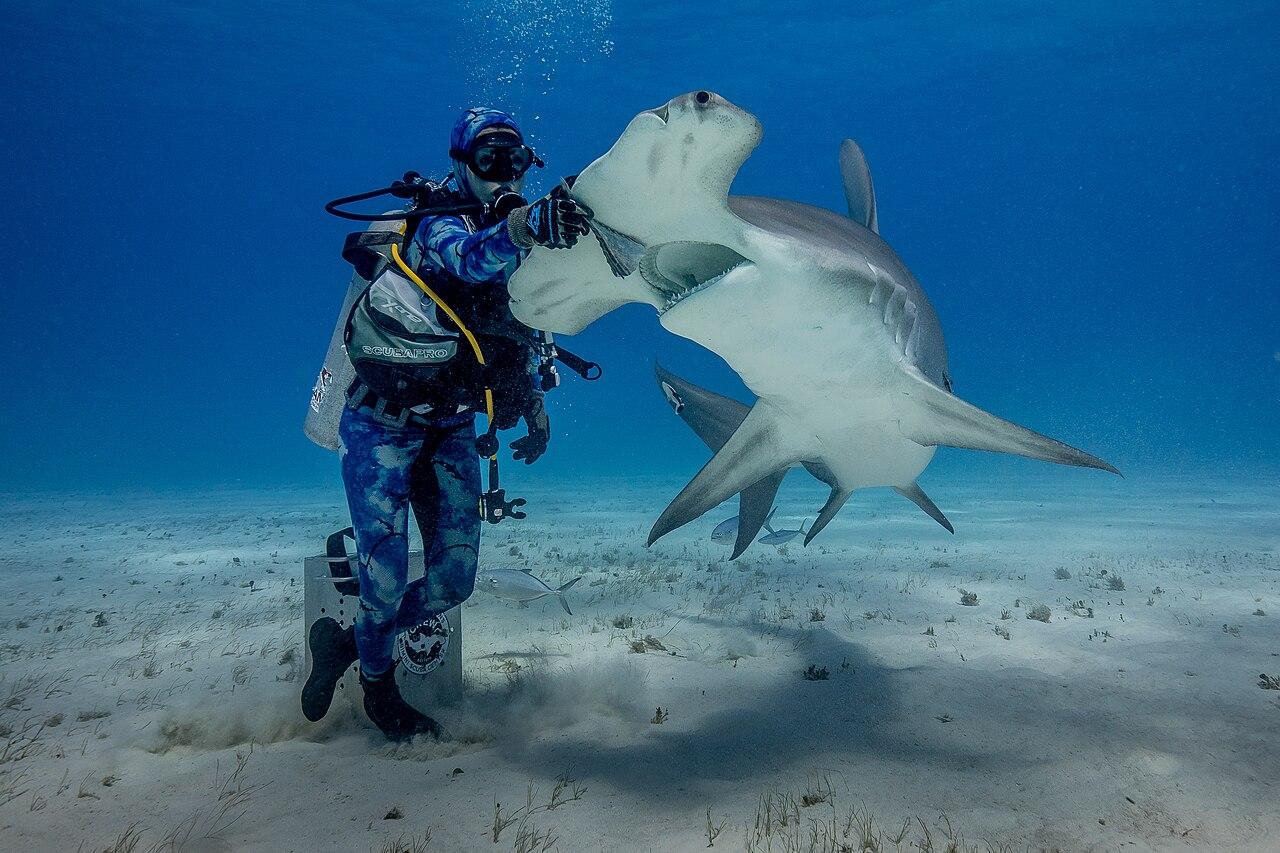
Dive with great hammerheads off Bimini, with no cage
Each winter great hammerheads gather just off Bimini in the Bahamas; the dive centre takes up to 14 certified divers out to meet them in the water, without a cage.
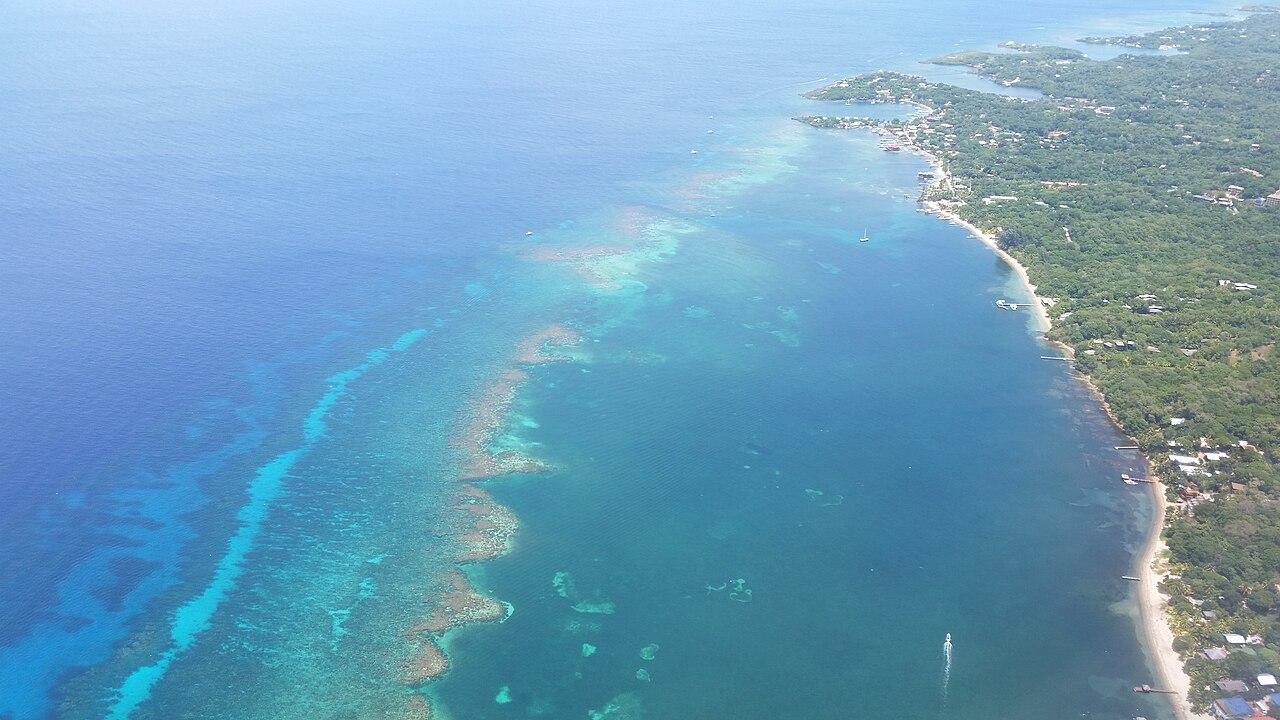
Learn to freedive on Roatan, where the 2027 depth world championship is held
A Molchanovs Wave 1 course on the Mesoamerican Reef off West End that makes you an autonomous freediver, diving safely between 12 and 20 m.