Your first 6,000 m peak, compared: Huayna Potosi, Chimborazo, Island Peak and Mera Peak
· 9 experiences compared · By FarOut
The experiences in this guide
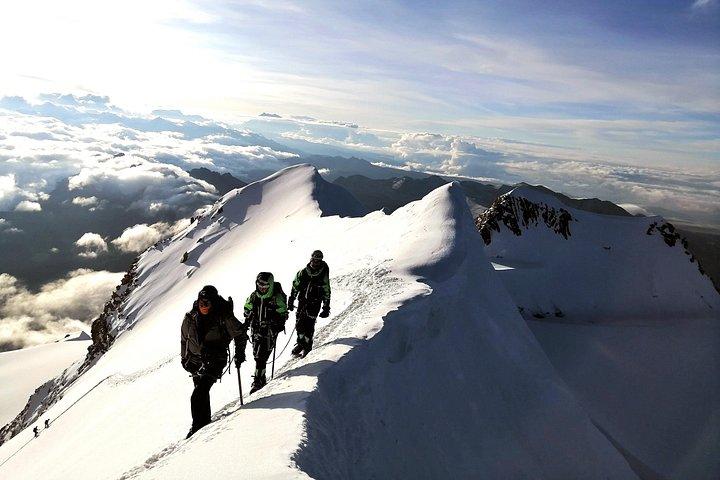
Climb Huayna Potosi, a 6,088 m peak, as a beginner in three days
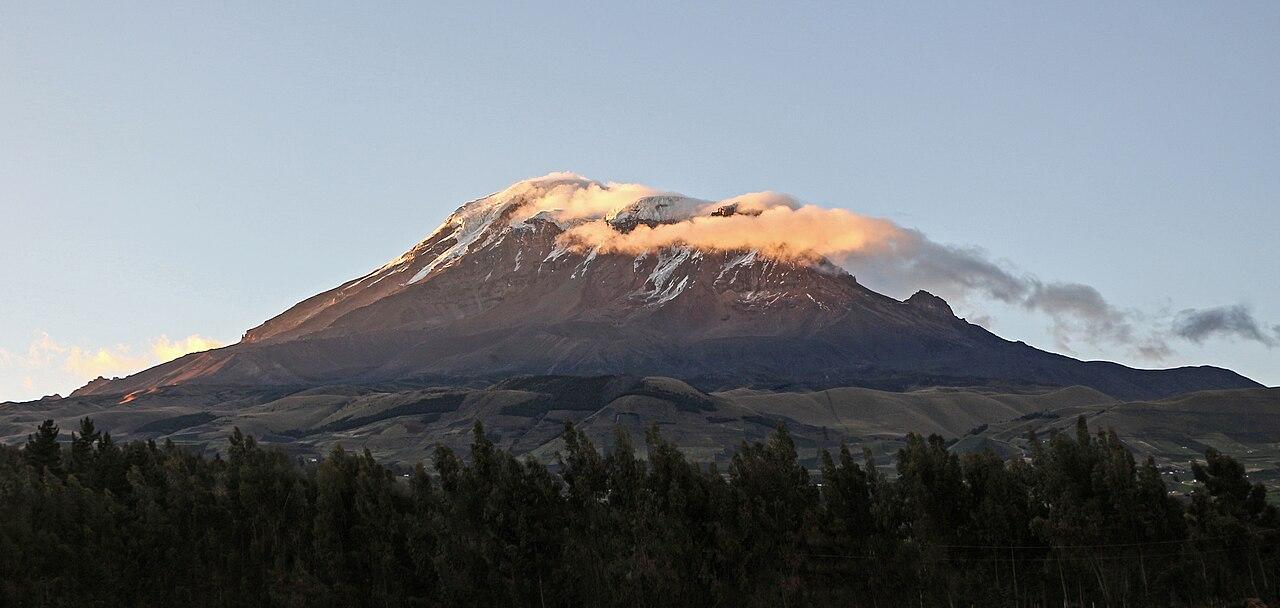
Climb Chimborazo, the summit farthest from the centre of the Earth
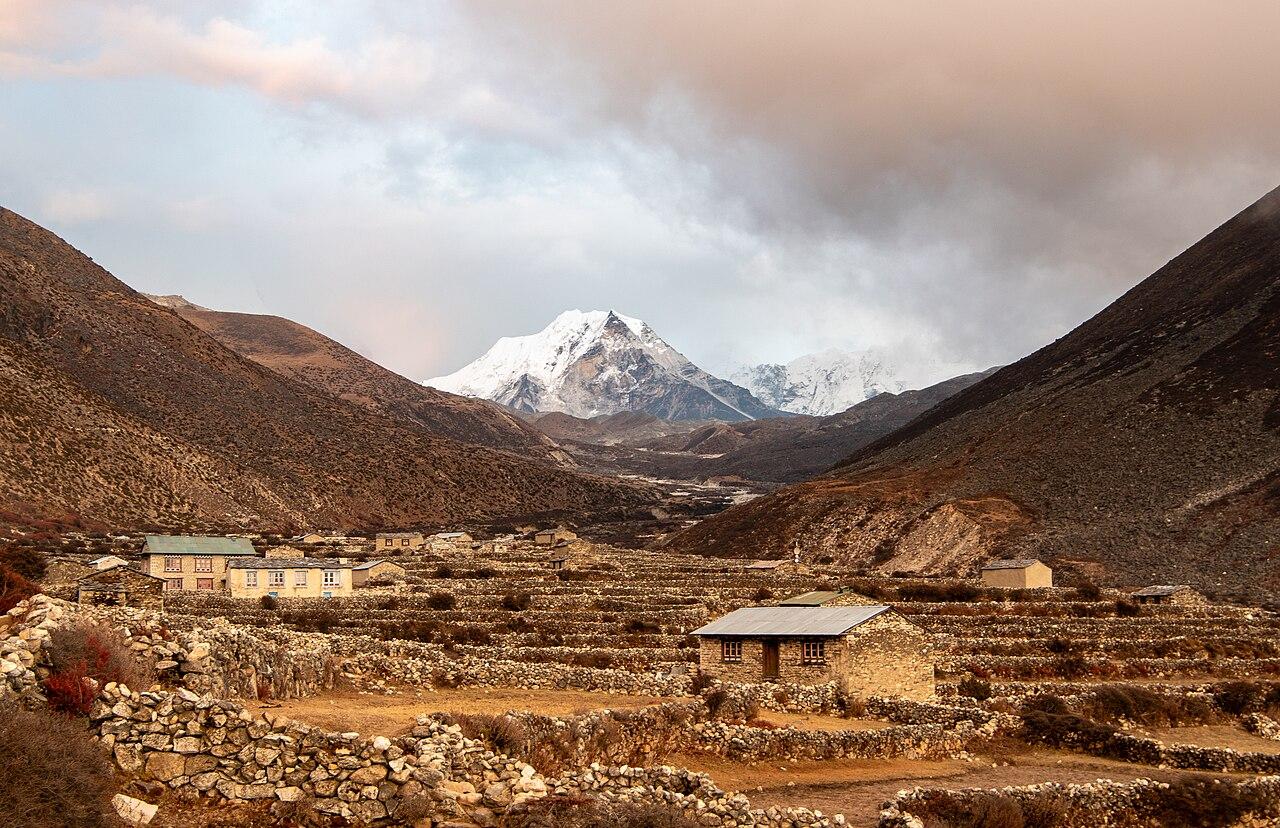
Climb Island Peak, 6,189 m, from the Everest valley
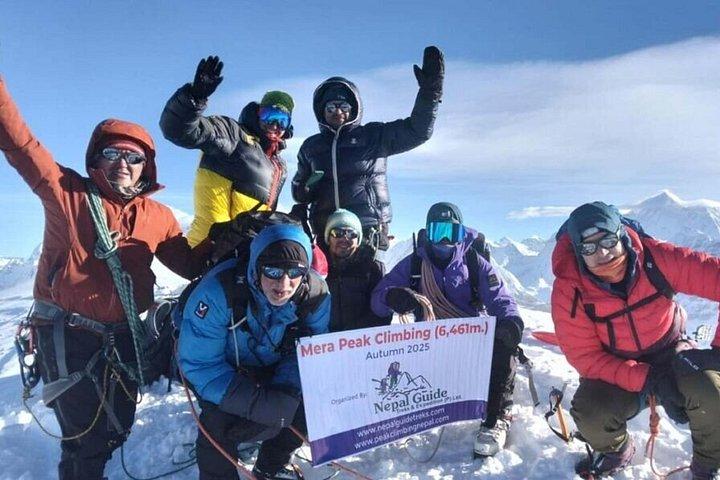
Climb Mera Peak, Nepal's highest trekking peak at 6,461 m
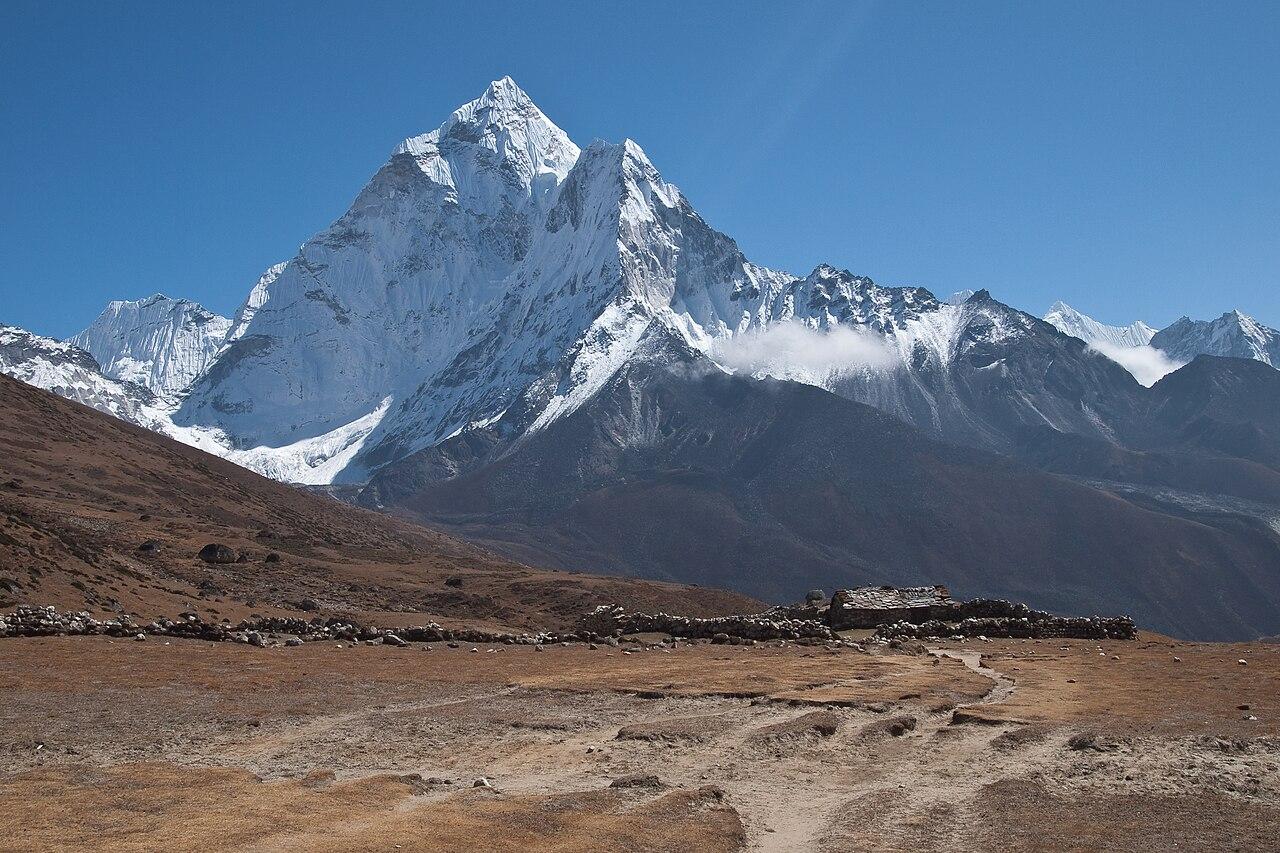
Climb Ama Dablam, 6,812 m, the Matterhorn of the Himalayas
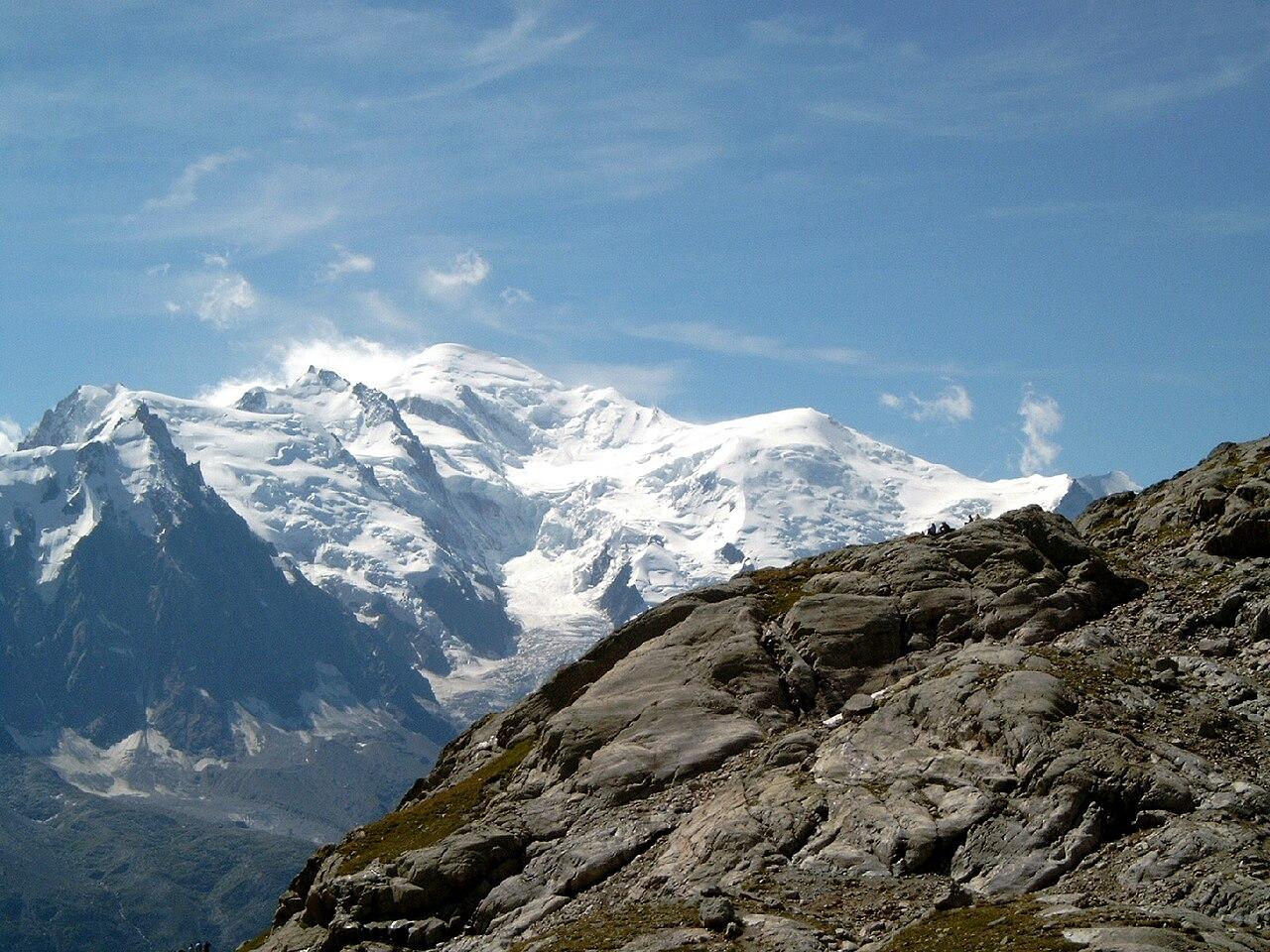
Climb Mont Blanc with a Chamonix guide, two climbers to a rope
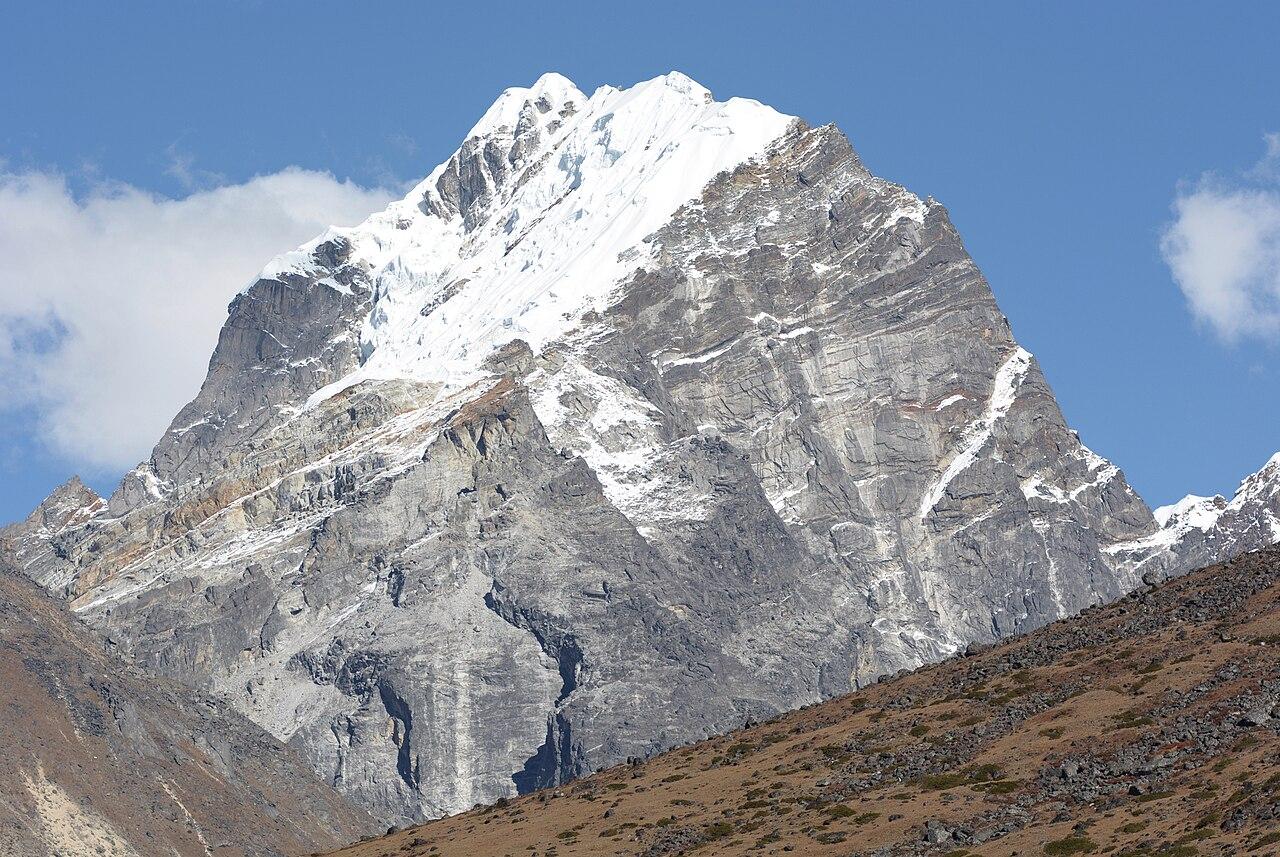
Learn Himalayan climbing from scratch in the Khumbu, ending on a 6,119 m summit
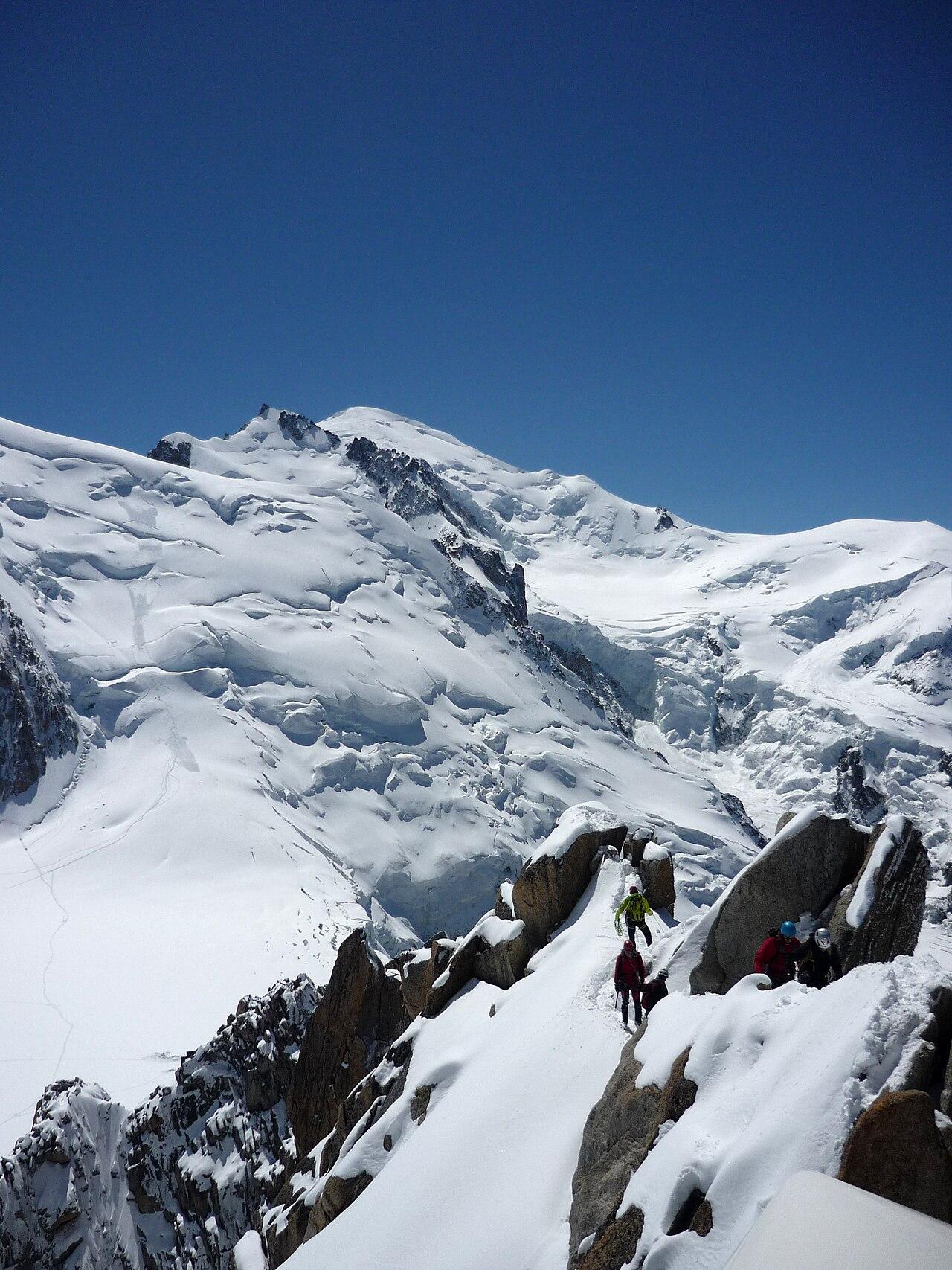
Learn to mountaineer in a week in Chamonix, from zero
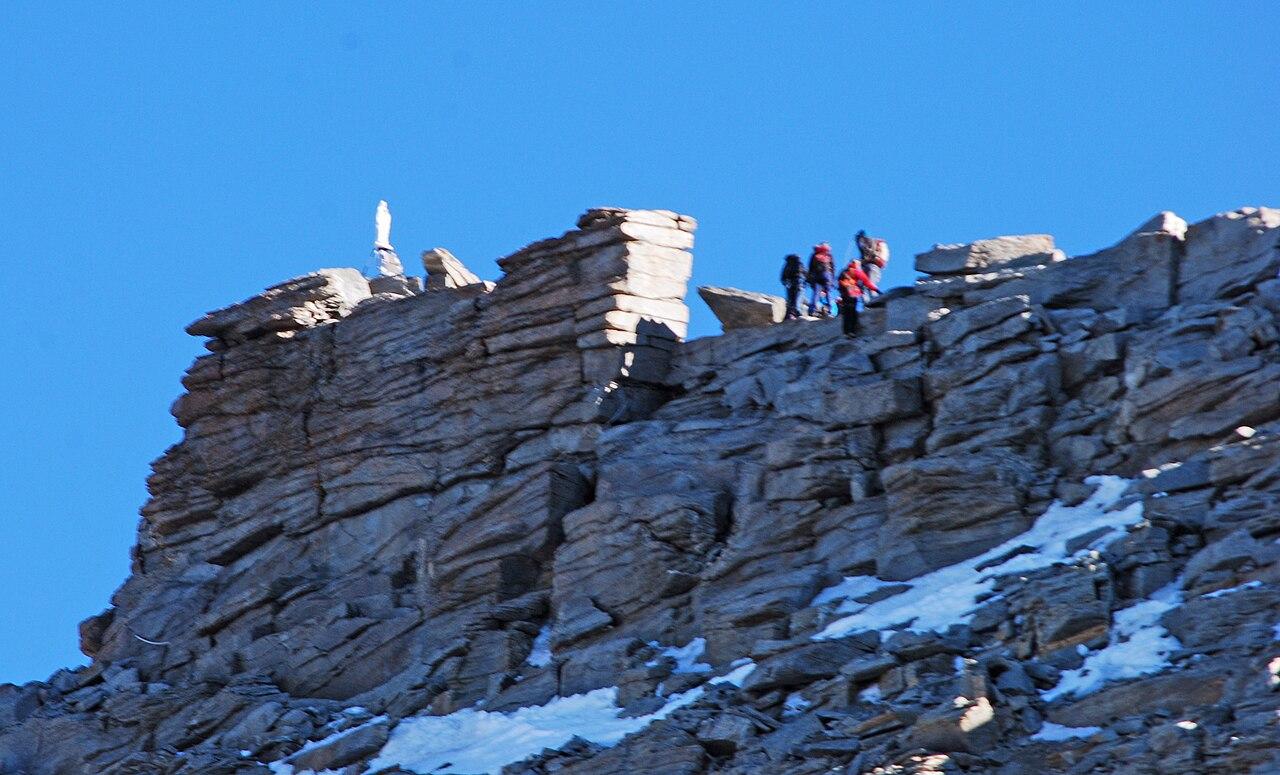
Learn glacier skills on Mont Blanc's Italian side, then climb Gran Paradiso, 4,061 m
Six thousand metres is where a climb stops being a long walk. The air holds about half the oxygen it does at sea level, summit days start around midnight, and the last hours are on snow and ice with crampons and a rope. Each of these four peaks is climbed by people who have never done it before, with a guide who teaches what you need on the way. Two take a few days from a city in the Andes, and two take two weeks or more in the Himalaya. Every fact below was read on the operator's own page on 26 November 2026.
The short answer
- The quickest and cheapest: Huayna Potosi, 6,088 m, with Jiwaki in Bolivia. Three days from La Paz, from USD 210, and you learn crampons, ice axe and rope work on the glacier the first afternoon.
- The highest in the Andes you can do in two days: Chimborazo, 6,263 m, with Ecuador Eco Adventure. A midnight start from the refuge, USD 430 each for two climbers sharing a guide, and a summit that is the point on Earth farthest from its centre.
- A real Himalayan climb: Island Peak, 6,189 m, with Himalayan Recreation. Fifteen days up the Everest valley to a glacier and technical sections below Lhotse, from USD 2,199.
- The highest of the four: Mera Peak, 6,461 m, with Nepal Guide Treks. Eighteen days through the quiet Hinku valley to a glacier summit with five 8,000 m peaks in view, USD 2,555.
Side by side
| Peak | Height | Days | Price per person | Summit day | Best months |
|---|---|---|---|---|---|
| Huayna Potosi, Bolivia | 6,088 m | 3, from La Paz | From USD 210 | Leave the 5,300 m refuge at 1:00, about 5 hours on snow and ice | May to November |
| Chimborazo, Ecuador | 6,263 m | 2, from Riobamba | USD 430 for two sharing a guide (USD 640 solo) | Midnight to dawn from the 4,800 m refuge, non-technical but long | All year; the weather is unpredictable |
| Island Peak, Nepal | 6,189 m | 15, Kathmandu to Kathmandu | USD 2,199 in a group of 5 to 10 (USD 3,199 solo) | Glacier travel and technical sections to the top | Spring and autumn |
| Mera Peak, Nepal | 6,461 m | 18, Kathmandu to Kathmandu | USD 2,555 | Glacier from a 5,700 m high camp, with a spare day for weather | Spring and autumn |
What decides between them
Time. The Andean peaks fit into a two-week trip, but only if you are acclimatised when you start. Jiwaki advises more than a week in La Paz or at similar height before Huayna Potosi, and Ecuador Eco Adventure runs a 4-day acclimatisation programme before Chimborazo. The Himalayan climbs build acclimatisation into the itinerary: you walk up for a week and more through teahouse villages before you reach base camp.
What the summit day asks. Chimborazo is the least technical of the four, with no vertical walls, but it is the longest night and the operator says plainly that altitude is the real difficulty. Huayna Potosi is a steady glacier climb on a rope with a guide for every two climbers. Island Peak is the most technical, with glacier travel and technical climbing sections to the top. Mera Peak is a long glacier slope, and its height rather than its climbing is what turns people back.
Cost. In the Andes you pay for a guide and a refuge for two or three days, so the climb costs a few hundred dollars. In Nepal the price covers two to three weeks: flights to Lukla, lodges, permits, the climbing guide and the gear.
Company on the trail. Island Peak is climbed from the Khumbu, the valley of the Everest Base Camp trail, which is busy in the seasons. Mera Peak's route crosses the Zatrawala Pass into the Hinku valley, away from the Everest crowds.
When to go
- December and January: Huayna Potosi's wet season brings fresh snow and cloud, so the odds drop; Chimborazo is climbed all year. Mera Peak and Island Peak both have guaranteed departures starting on 28 and 29 November 2026 that run into mid-December.
- March to May: spring in Nepal, both Himalayan peaks run.
- May to November: Bolivia's dry season, the steadiest weather for Huayna Potosi.
- September to November: autumn in Nepal, the other Himalayan season.
Before you book
- Insurance: you need cover for high-altitude mountaineering and helicopter evacuation; many standard travel policies stop covering trekking well below 6,000 m.
- Gear: Jiwaki and Nepal Guide Treks include the climbing gear; Ecuador Eco Adventure includes its equipment and has boots and warm jackets in many sizes. Your own clothing and sleeping bag are usually yours to bring.
- Fitness: all four expect you to walk for many hours a day at altitude. None asks for climbing experience, and the guide decides on the night whether you go on.
- After your first 6,000 m peak: Ama Dablam, 6,812 m above the Everest trail, is the classic next step, a technical 29-day expedition with Himalayan Recreation from USD 5,299 each in a group of five or more.
- If you would rather be taught first: Adventure Consultants' Himalayan Climbing Course is 26 days in the Khumbu for beginners, with lectures on altitude and expedition planning, rope and rock training and practice peaks before Lobuche East at 6,119 m, USD 10,900, in April and October 2027.
- If you want the Alps first: Mont Blanc with the Compagnie des Guides de Chamonix is lower, at 4,806 m, but asks for two days of earlier crampon experience and takes five days with acclimatisation, from EUR 2,650 for two climbers to a guide. From zero, Adventure Consultants' seven-day introductory course in Chamonix (EUR 2,850, no climbing experience needed) or its four days on Gran Paradiso, a first 4,000 m summit with glacier training on the way (from EUR 2,330 in a pair), are where people start.
Kandoo joins the trek and the climb in one trip: Everest Base Camp and Island Peak in 21 days from Kathmandu, GBP 3,499 on each of its seven 2027 departures, from 7 March to 7 November.
Around Huayna Potosí, from the Death Road to Illimani and Peru's Cordillera Blanca, see Bolivia and Peru's wildest experiences.
Each experience page shows the day it was last checked and links the page every fact was read on.