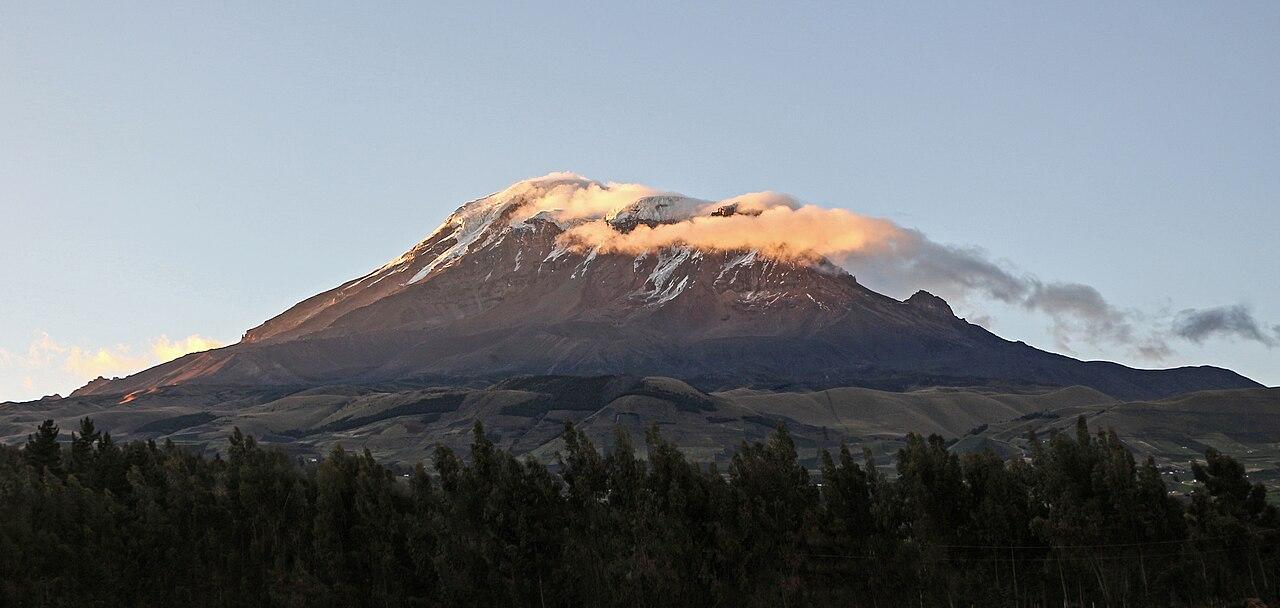
Photo: Bernard Gagnon, CC BY-SA 3.0
Climb Chimborazo, the summit farthest from the centre of the Earth
Chimborazo, Chimborazo province, central Andes, Ecuadorrun by Ecuador Eco Adventure
A midnight start on Ecuador's 6,263 m volcano, whose summit sits farther from the Earth's centre than Everest's because of the equatorial bulge.
You climb through the night from the refuge at 4,800 m, or from the high camp at 5,200 m, with an ASEGUIM-certified mountain guide, at most two climbers to a guide. The route is not technical, with no vertical walls, but it is long, cold and very high: you reach the Veintimilla summit (6,230 m) or the main Whymper summit around sunrise, then descend to the Whymper refuge in two to three hours. Because the planet bulges at the equator, the top of Chimborazo is the point on Earth's surface farthest from its centre.
The catch
Altitude is the real difficulty: the operator urges time at height first and offers a 4-day acclimatisation programme, and guides turn climbers back if symptoms do not ease. The refuge facilities are basic.
To take part: Good fitness and acclimatisation to high altitude before the climb; no technical climbing experience needed.
Getting there
Fly to Quito Mariscal Sucre (UIO). About 4 hours by road from Quito to Riobamba, where the climb's transport starts.
Flying time is a great-circle estimate, not a timetable.
How sure we are
Checked 26 Nov 2026 on the operator's own page: Ecuador Eco Adventure: climb Chimborazo.
The price was still stated on that page on 27 Nov 2026 (our automatic re-read).
Questions
How much does it cost?
USD 430 per person for two climbers sharing a guide from the refuge (USD 640 solo); USD 499 per person from the high camp (USD 745 solo). Included: An ASEGUIM-certified guide, climbing equipment, the refuge and transport
When can you do it?
Climbed all year; the weather on the mountain is unpredictable, the operator says, and the guide decides on the night whether to go on.
How do you book it?
Send the contact form on Ecuador Eco Adventure's Chimborazo page with your dates.
How do you get there?
Most people fly to UIO. About 4 hours by road from Quito to Riobamba, where the climb's transport starts
What is the catch?
Altitude is the real difficulty: the operator urges time at height first and offers a 4-day acclimatisation programme, and guides turn climbers back if symptoms do not ease. The refuge facilities are basic.
Where
Chimborazo, Chimborazo province, central Andes, Ecuador (Latin America and the Caribbean). More in Ecuador · See what is near it on the map
Like this
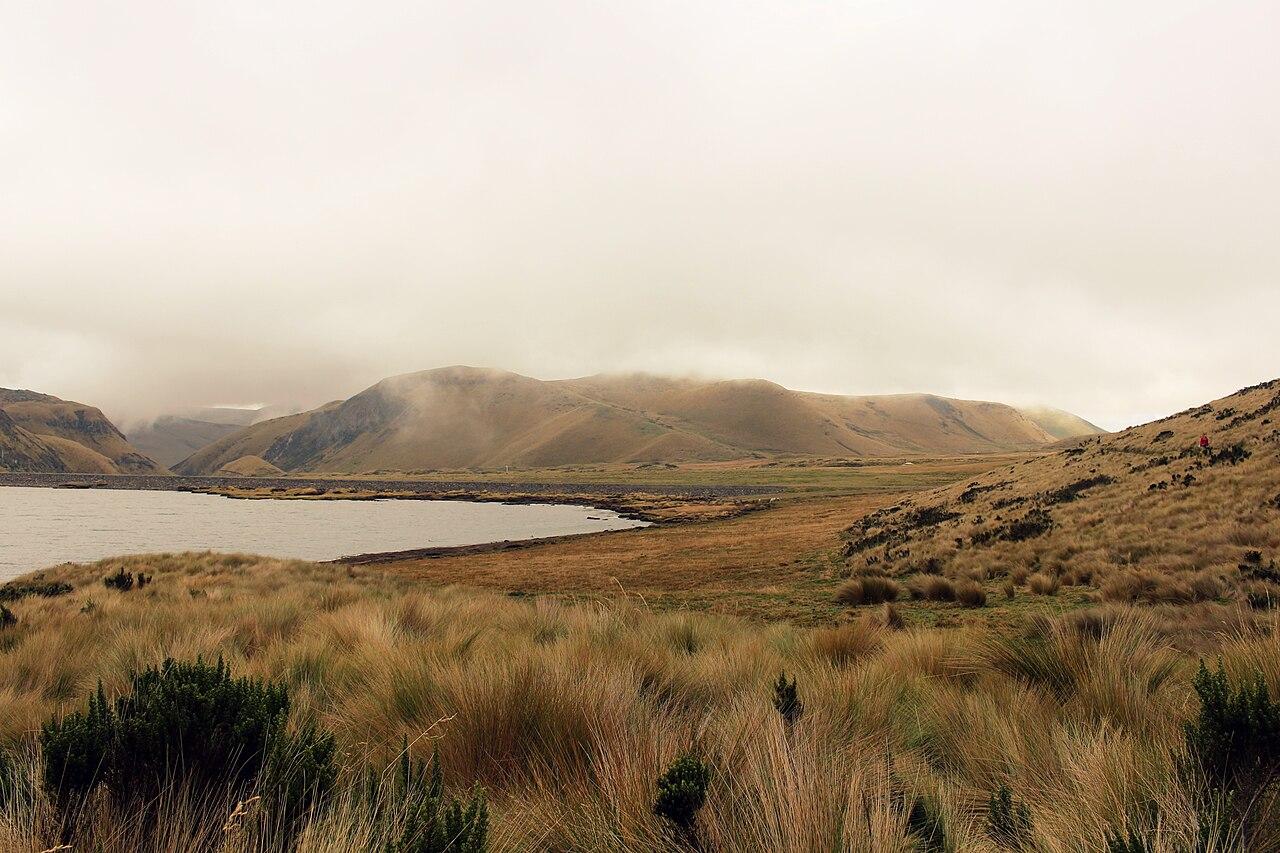
Climb Antisana, Ecuador's seldom-climbed 5,758 m glacier volcano, after Illiniza Sur
Ten days in Ecuador: Illiniza Sur's snow and ice up to 50 degrees to acclimatise, then a 1 am start up Antisana's glaciers and past its summit bergschrund.
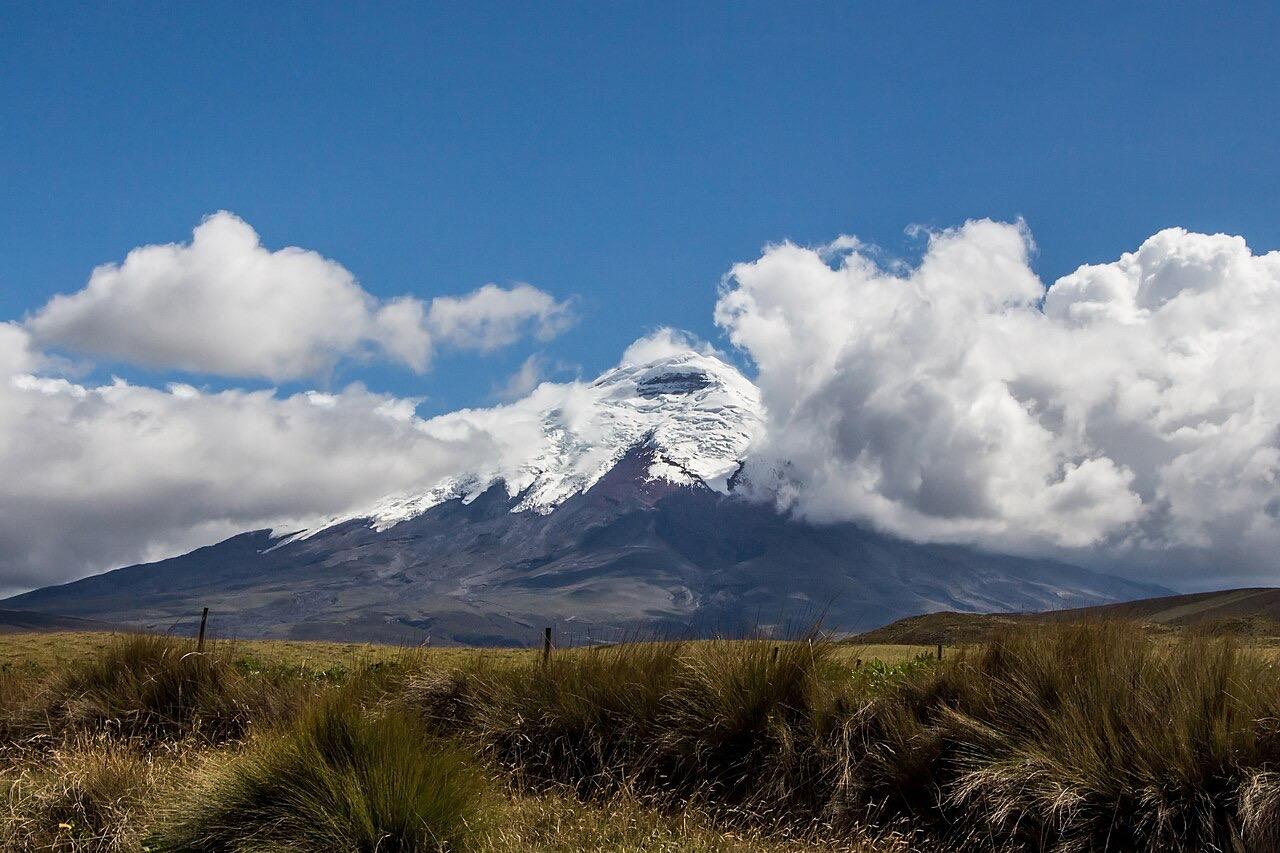
Climb Cotopaxi, 5,897 m, after three acclimatisation peaks
Six days that build up over Pasochoa, Corazon and Iliniza Norte before a summit attempt on the glaciated cone of Cotopaxi (5,897 m) in Ecuador.
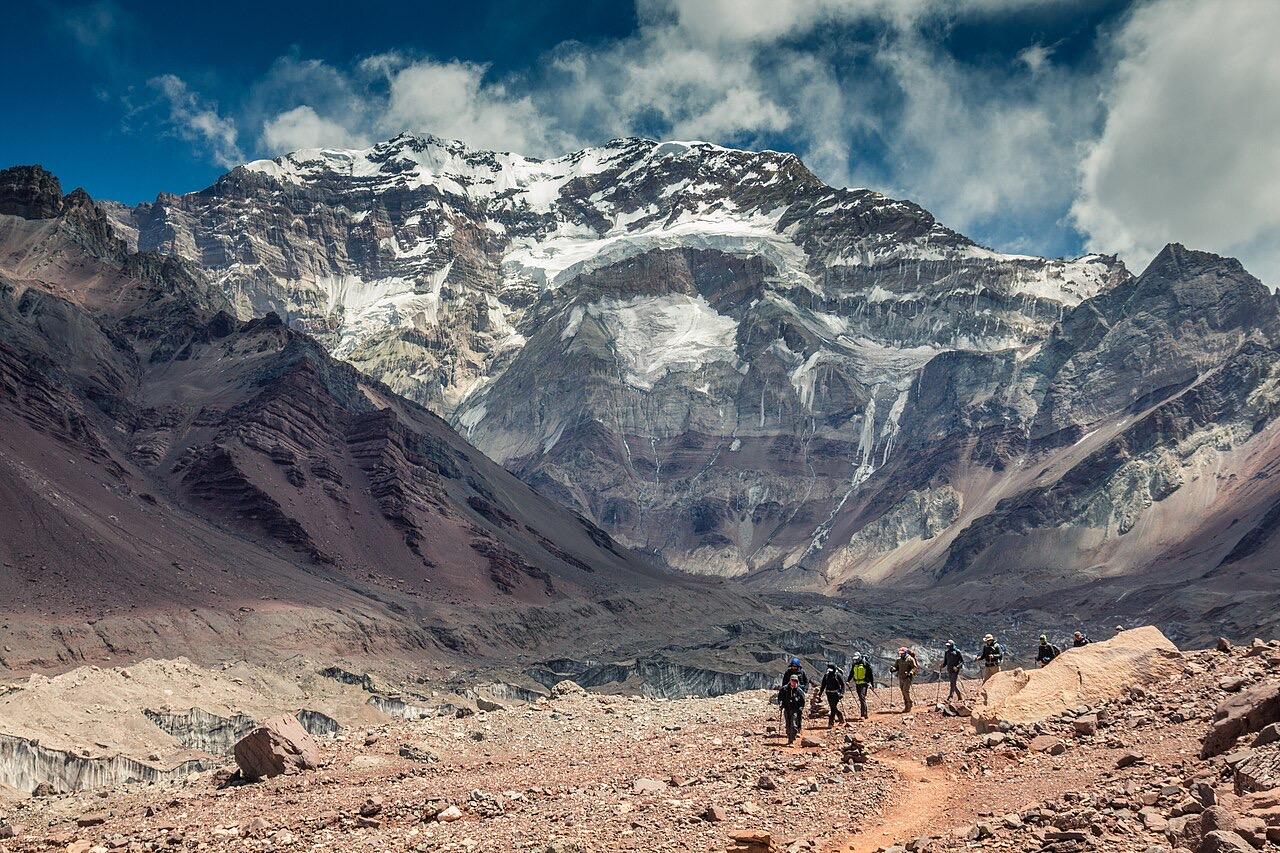
Climb Aconcagua, 6,961 m, in 16 days after acclimatising at home
Sleep four weeks in a hypoxic tent at home, then climb the highest mountain outside Asia by the Normal Route from Plaza de Mulas on a 16-day guided trip.
Climb Aconcagua, 6,961 m, on a 19-day expedition that acclimatises on the mountain
The full Normal Route expedition: acclimatise on the mountain with a 5,100 m Cerro Bonete summit, carry loads to three high camps, then push for the top.
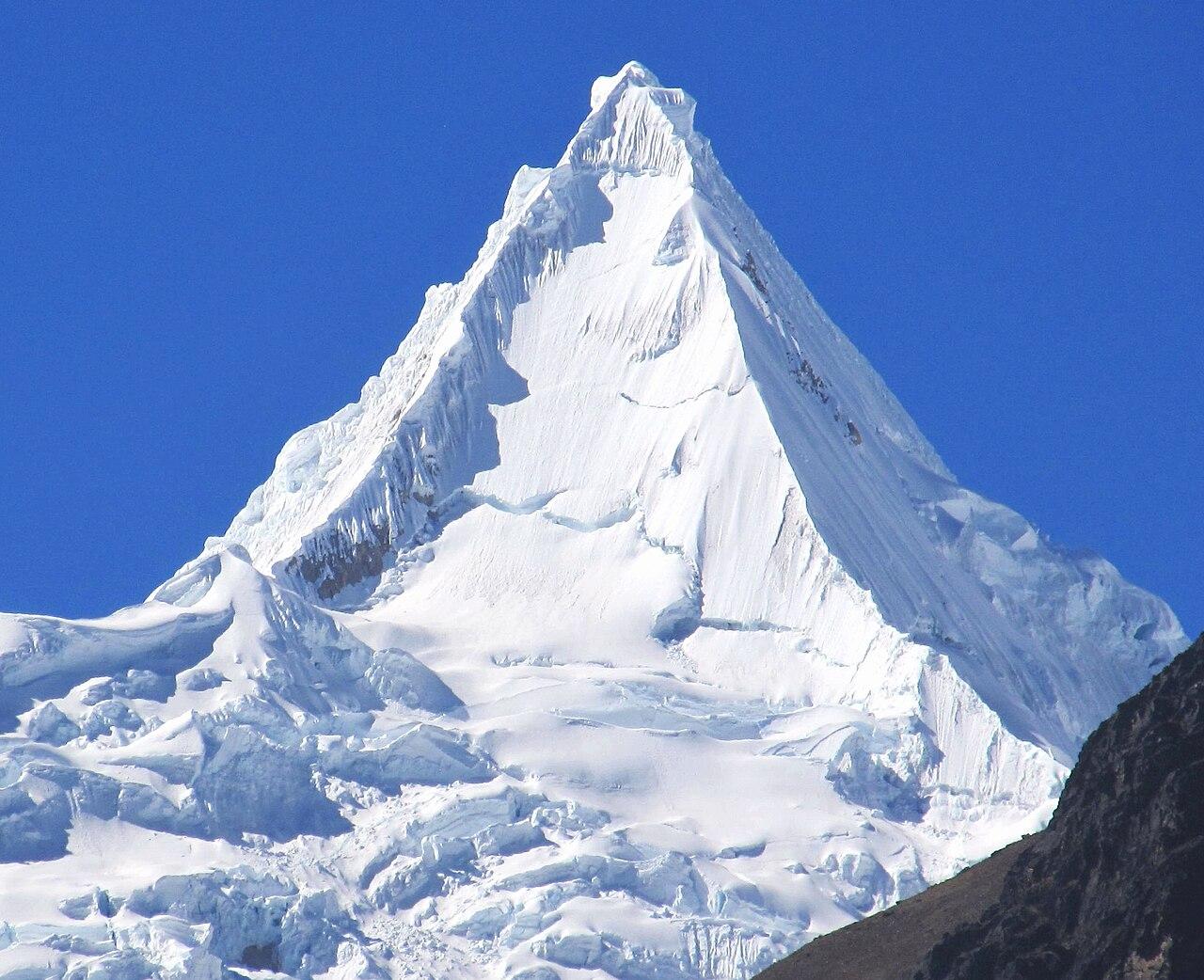
Climb Alpamayo's steep Southwest Face in Peru's Cordillera Blanca
A 12-day climb of the 5,947 m ice pyramid often called one of the most beautiful mountains on Earth, up sustained steep snow and ice on its Southwest Face.
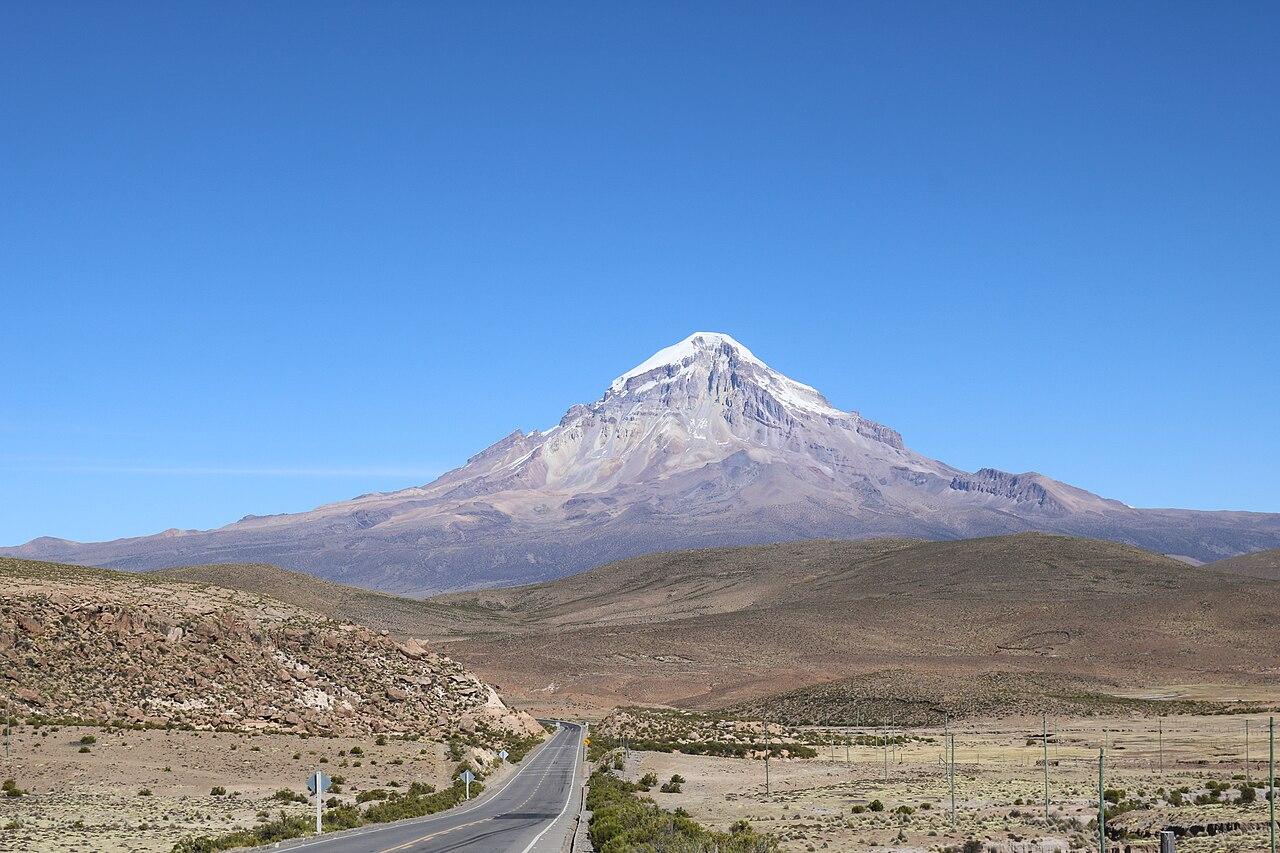
Climb Ancohuma, Illimani and Sajama, three 6,000 m peaks, in one 28-day Bolivian expedition
Three Bolivian summits over 6,400 m in 28 days: Ancohuma, Illimani and Sajama, after a warm-up on Pequeno Alpamayo in the Condoriri basin.