Kilimanjaro routes compared: Machame, Lemosho, Northern Circuit and more
· 3 experiences compared · By FarOut
The experiences in this guide
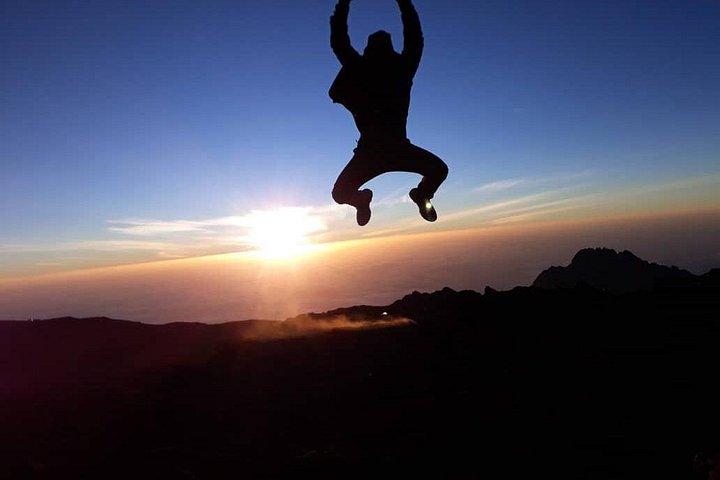
Climb Kilimanjaro to Uhuru Peak, 5,895 m, by the Machame route
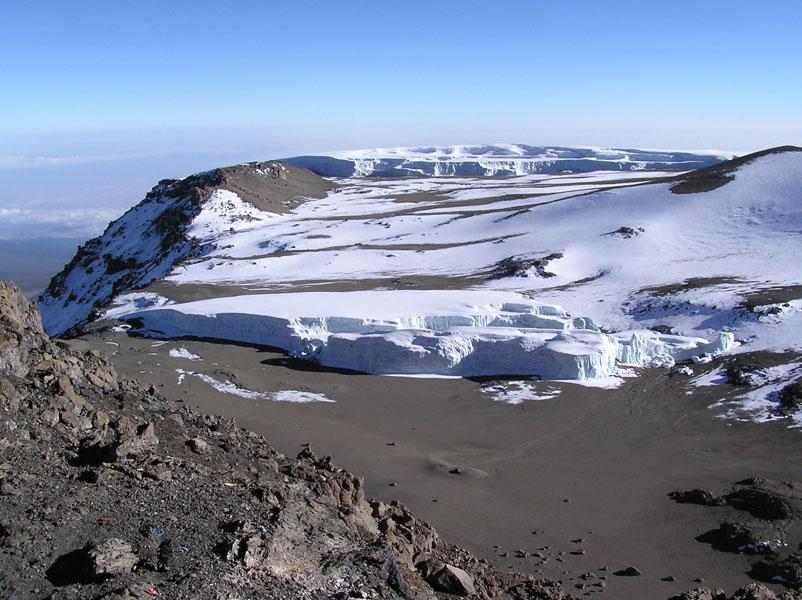
Climb Kilimanjaro by the Lemosho route and sleep in the summit crater at 5,730 m
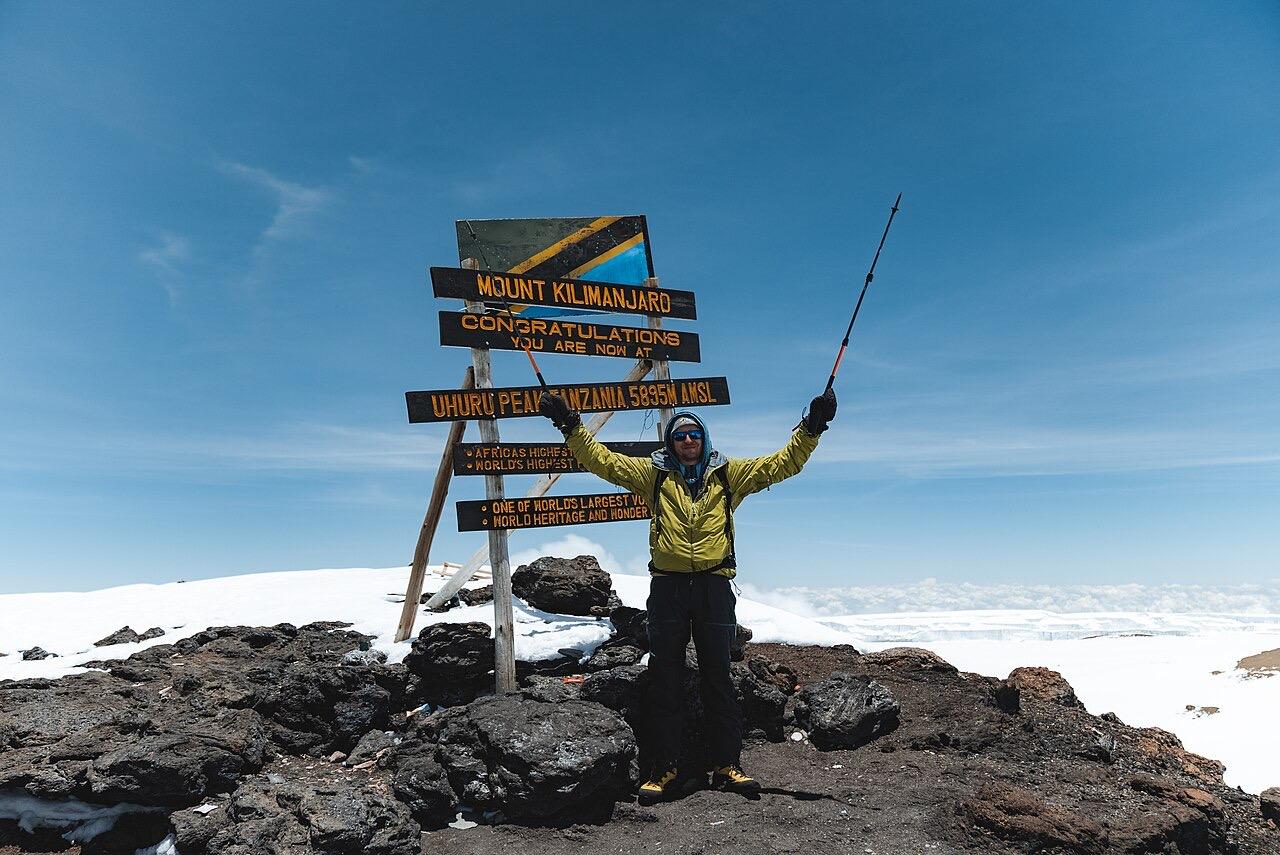
Climb Kilimanjaro and reach the summit on New Year's Day
Every route up Kilimanjaro ends at the same place, Uhuru Peak at 5,895 m, and none of them needs ropes or climbing skills. What the route decides is how many days you have to get used to the altitude, whether you sleep in huts or tents, how many other climbers share your trail, and which side of the mountain you see. The altitude is what turns people back, so the extra days a longer route gives are usually the best money you spend. The park facts below come from Kilimanjaro National Park's own leaflet, newsletter and tariff, and the three climbs were read on their operators' pages on 25 and 26 November 2026.
The short answer
- The classic, and the busiest: Machame, which the park's newsletter says carries about 40% of climbers. Zara runs 6-day group climbs from USD 2,369 per person.
- The quiet, scenic western approach: Lemosho, across the Shira Plateau. Kandoo's 9-day version adds a night in the summit crater, from GBP 3,399.
- The longest acclimatisation: the Northern Circuit, which loops round the mountain's empty north side. Ultimate Kilimanjaro's New Year climb takes it from 25 December 2026 to 4 January 2027 and reaches the summit in daylight on New Year's Day, USD 3,649.
- The only route with huts: Marangu, which goes up and comes down the same path and is usually climbed in 5 or 6 days, the shortest time to adapt.
The routes side by side
| Route | Usual days on the mountain | Start | Sleeping | Way down | What sets it apart |
|---|---|---|---|---|---|
| Marangu | 5, or 6 with a rest day | Marangu Gate, the park headquarters | Huts | The same path | The oldest route and the only one with huts; the short schedule gives the least time to adapt |
| Machame | 6 to 7 | Machame Gate | Tents | Mweka | The most climbed; steep, with Lava Tower and the Barranco Wall |
| Umbwe | 6 | Umbwe Gate | Tents | Mweka | Short and steep, the hardest way up; the park counts about 2% of climbers on it |
| Rongai | 7 | Rongai Gate, on the north side | Tents | Marangu | The only northern approach; gradual and quieter |
| Shira | 7 | Shira Gate, high on the plateau | Tents | Mweka | Close to Lemosho but starts higher, so the first days are harder on the body |
| Lemosho | 8 | Londorosi Gate, then Lemosho | Tents | Mweka | Quiet start in the west, across the Shira Plateau |
| Northern Circuit | 9 | Londorosi Gate | Tents | Mweka | The longest, round the north side, with the most time to adapt |
The park itself names six ascending routes (Marangu, Machame, Umbwe, Lemosho, Londorosi and Rongai), with Mweka used only for the descent; the Shira start and the Northern Circuit are variants operators build on the Londorosi side. The days are the usual schedules operators run, not park rules: the park sets a minimum of five days to go up and come down.
Three climbs, read on the operators' pages
| Climb | Route | Days | Price | Dates |
|---|---|---|---|---|
| Zara Tanzania Adventures | Machame | 6 on the mountain, 8 with Moshi | From USD 2,369 | Group departures on set dates |
| Kandoo Adventures | Lemosho with a crater night | 9 on the mountain, 11 with Moshi | From GBP 3,399 | Private climbs on dates you choose |
| Ultimate Kilimanjaro | Northern Circuit | 9, Moshi to Moshi | USD 3,649 | 25 December 2026 to 4 January 2027 |
Machame with Zara: you climb through rainforest and moorland to the Shira Plateau, over Lava Tower at 4,630 m and up the Barranco Wall to Barafu Camp. Summit night starts around 23:30: about six hours on scree to Stella Point on the crater rim, then two more on snow to Uhuru Peak, and down to Mweka Camp, a day of 15 hours or more. Two hotel nights in Moshi, park fees, guides, porters and a cook are included.
Lemosho with Kandoo: the quiet western start crosses the Shira Plateau, then climbs to Lava Tower and up the Barranco Wall like Machame. Summit day starts around 07:00 instead of midnight: you reach Uhuru Peak in daylight, then drop into the Kibo crater to camp at about 5,730 m beside the glaciers, and walk up to the rim for sunrise the next morning before a long descent. It suits climbers who acclimatise well.
The Northern Circuit with Ultimate Kilimanjaro: the New Year departure goes round the mountain's little-used north side and times the summit for daylight on 1 January. If you want Christmas Day on top instead, the same operator runs an 8-day Lemosho climb from 18 to 27 December at USD 3,299.
Each of these climbs' pages also links to TourRadar's list of departures on the same route from other operators, side by side, if none of these dates or prices suits you.
When to go
The park describes two dry seasons with good climbing conditions, late June to September and December to early March, and two wet ones: the long rains from March to May and the short rains in October and November. Ultimate Kilimanjaro does not run group climbs in the long rains or in November. Ultimate Kilimanjaro suggests Rongai if you have to climb in the rainy season, since the north side gets less rain.
Park rules and fees
- Huts only on Marangu: every other route camps, and operators carry and pitch the tents.
- Children: the park does not allow children under 10 above 3,700 m.
- Porters: the park caps a porter's load at 25 kg, their own belongings included.
- Fees: the park's last published US-dollar tariff charged a USD 70 conservation fee a day, USD 50 a night for camping or USD 60 for a hut, and a USD 20 rescue fee per climb, before 18% VAT. Rates for July 2026 to June 2027 were not on the park's site on 27 November 2026; all three climbs above include the park fees in their price.
- Crater camping: the park's published tariffs list a night in the crater as a special product at USD 100 a night, and only some operators offer it.
Before you book
- Choose days over price: the altitude decides most summits, and a longer route gives your body more time.
- Tips are extra: Kandoo passes on the Kilimanjaro Porters Assistance Project's guide of USD 6 to 10 a day per porter and USD 20 a day per guide, shared by the group; Zara suggests budgeting about USD 200 per climber.
- Insurance: from 1 October 2026 Tanzania charges every foreign visitor USD 44 for mandatory local insurance.
- Routes can close: the park shut the Lemosho and Londorosi routes from 28 September 2026 while a wildfire burned towards the Shira Plateau, and reopened them, with Rongai, on 8 October. Your operator holds the permit and will move you to another route if one closes, which can change the number of days.
For other big summits that need no climbing skills, from Huayna Potosi to Everest Base Camp, see big summits with no climbing experience compared.