Big summits with no climbing experience: Kilimanjaro, Huayna Potosi, Cotopaxi and more compared
· 12 experiences compared · By FarOut
The experiences in this guide
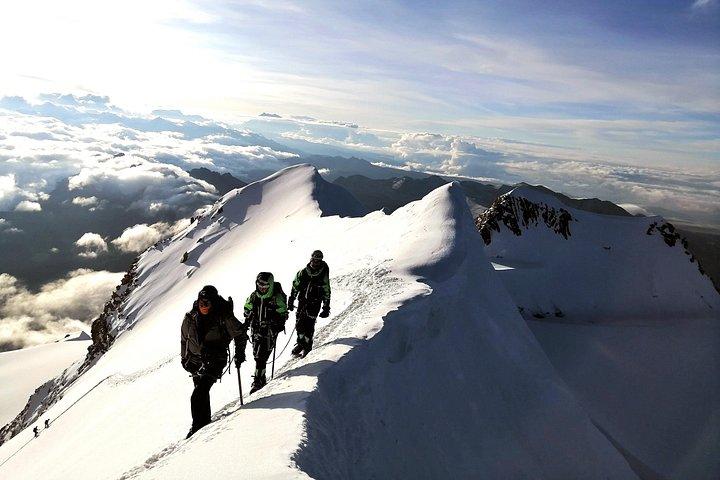
Climb Huayna Potosi, a 6,088 m peak, as a beginner in three days
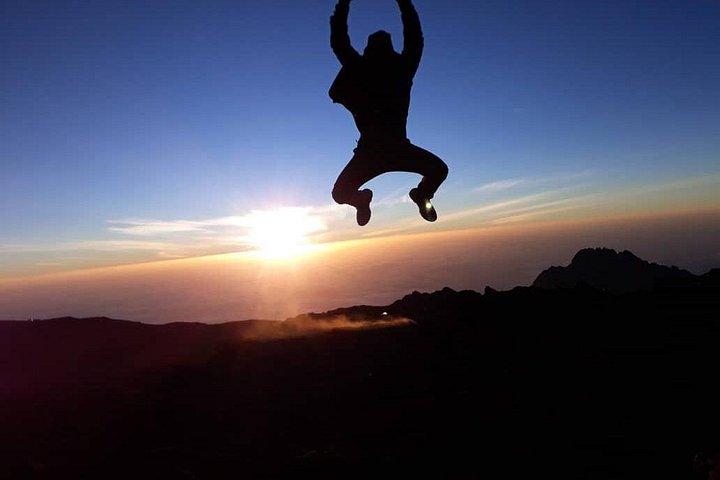
Climb Kilimanjaro to Uhuru Peak, 5,895 m, by the Machame route
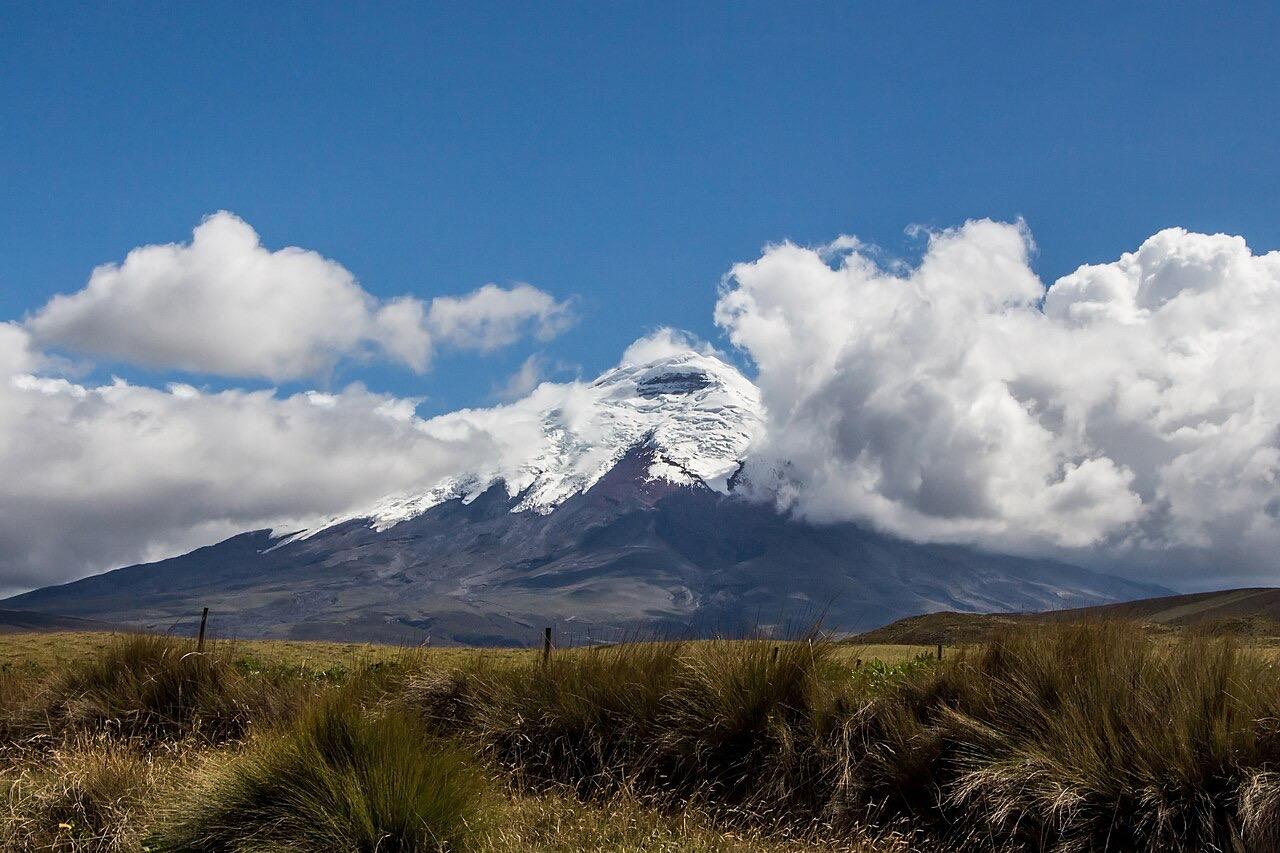
Climb Cotopaxi, 5,897 m, after three acclimatisation peaks
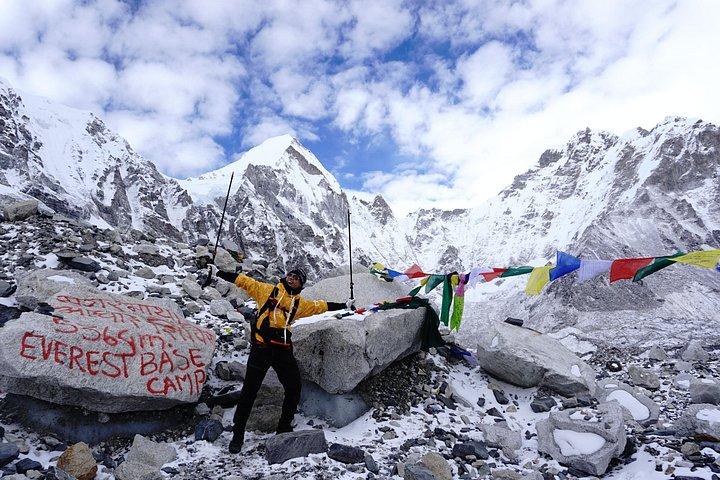
Trek 14 days to Everest Base Camp and up Kala Patthar at 5,545 m
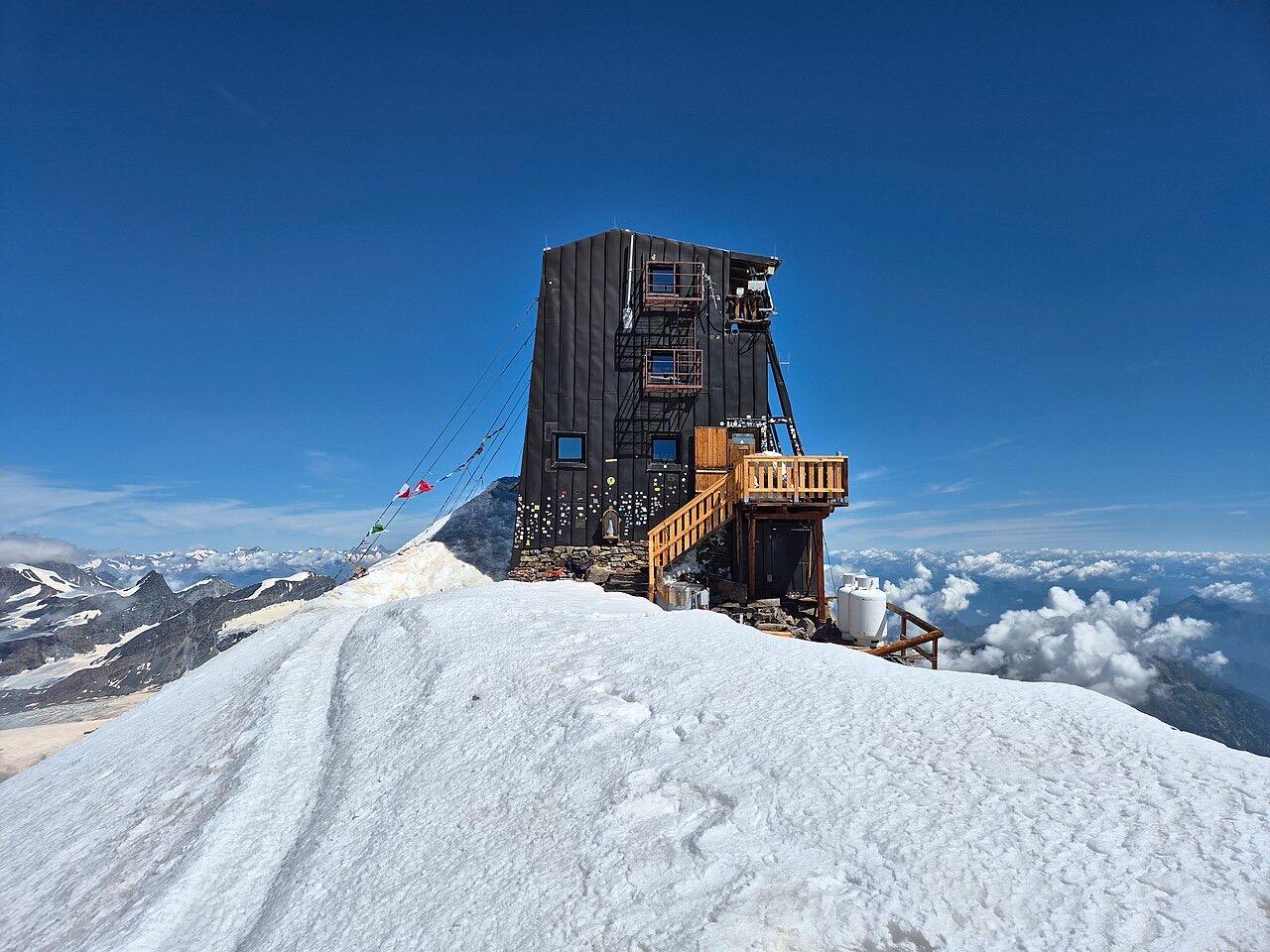
Climb Monte Rosa's glaciers to sleep in Capanna Margherita, Europe's highest hut at 4,554 m
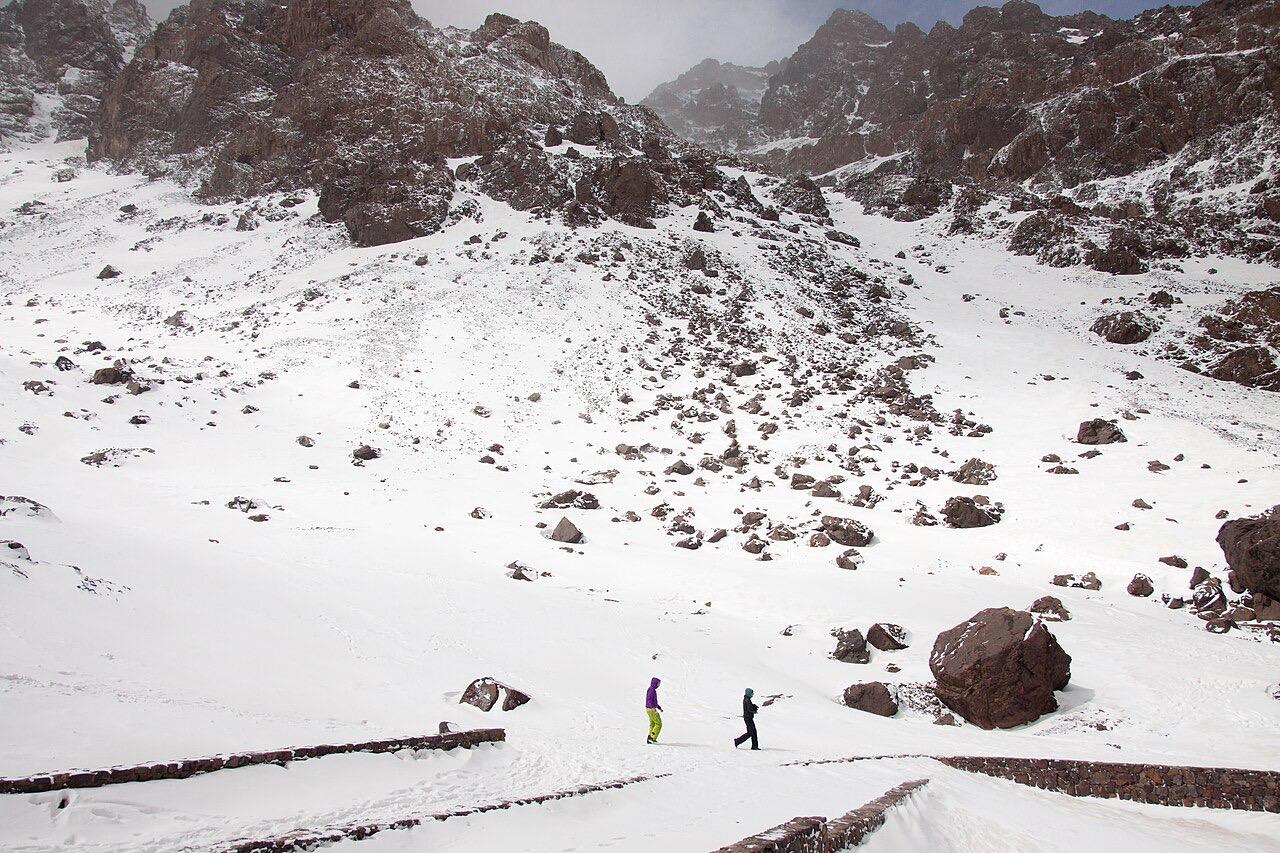
Climb Toubkal, North Africa's highest peak, on winter snow
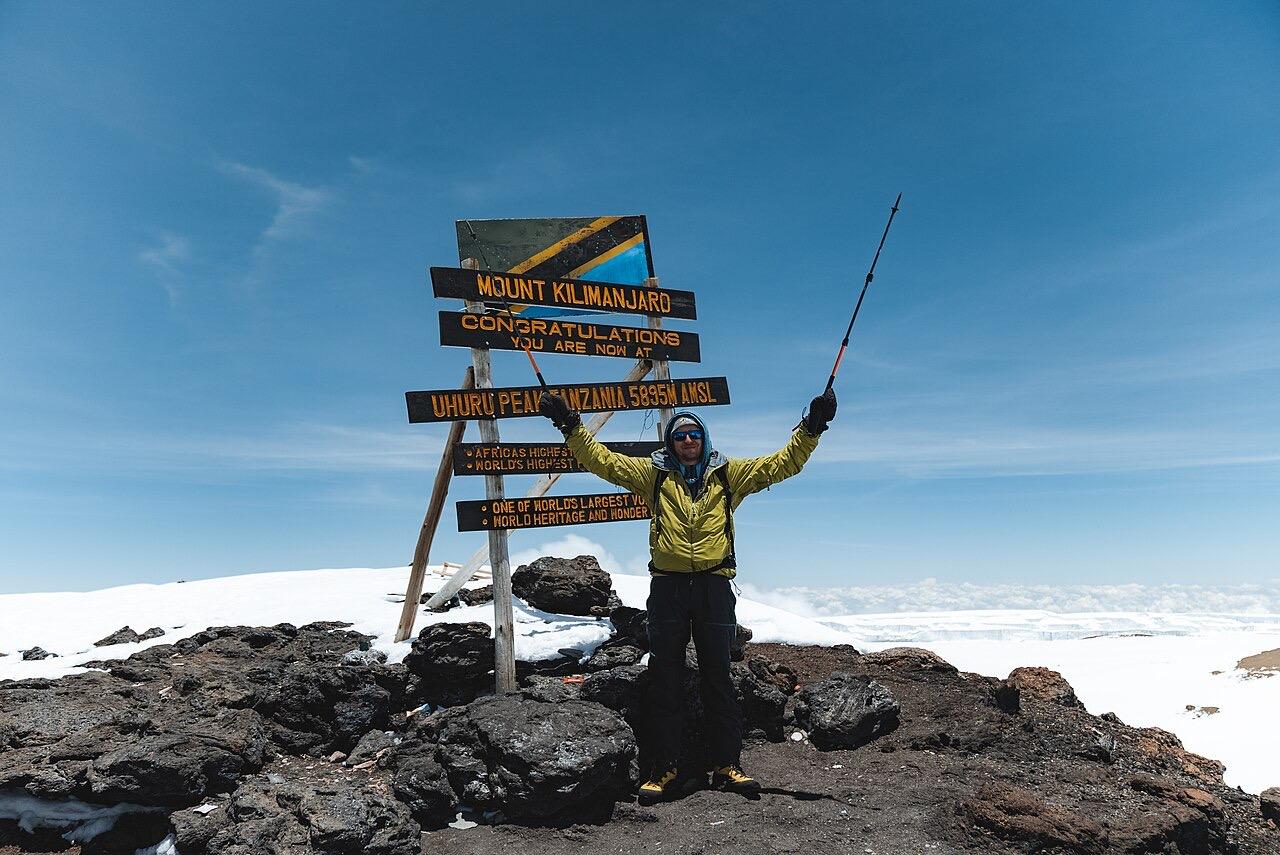
Climb Kilimanjaro and reach the summit on New Year's Day
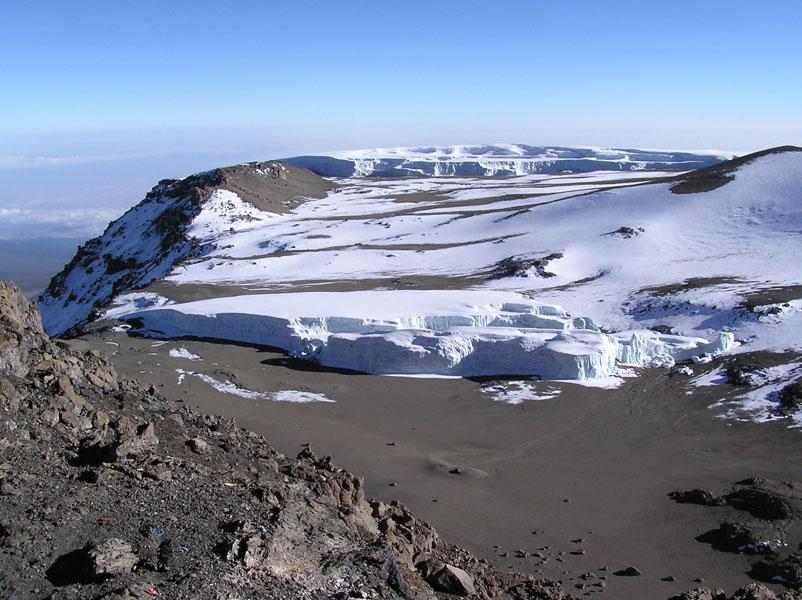
Climb Kilimanjaro by the Lemosho route and sleep in the summit crater at 5,730 m
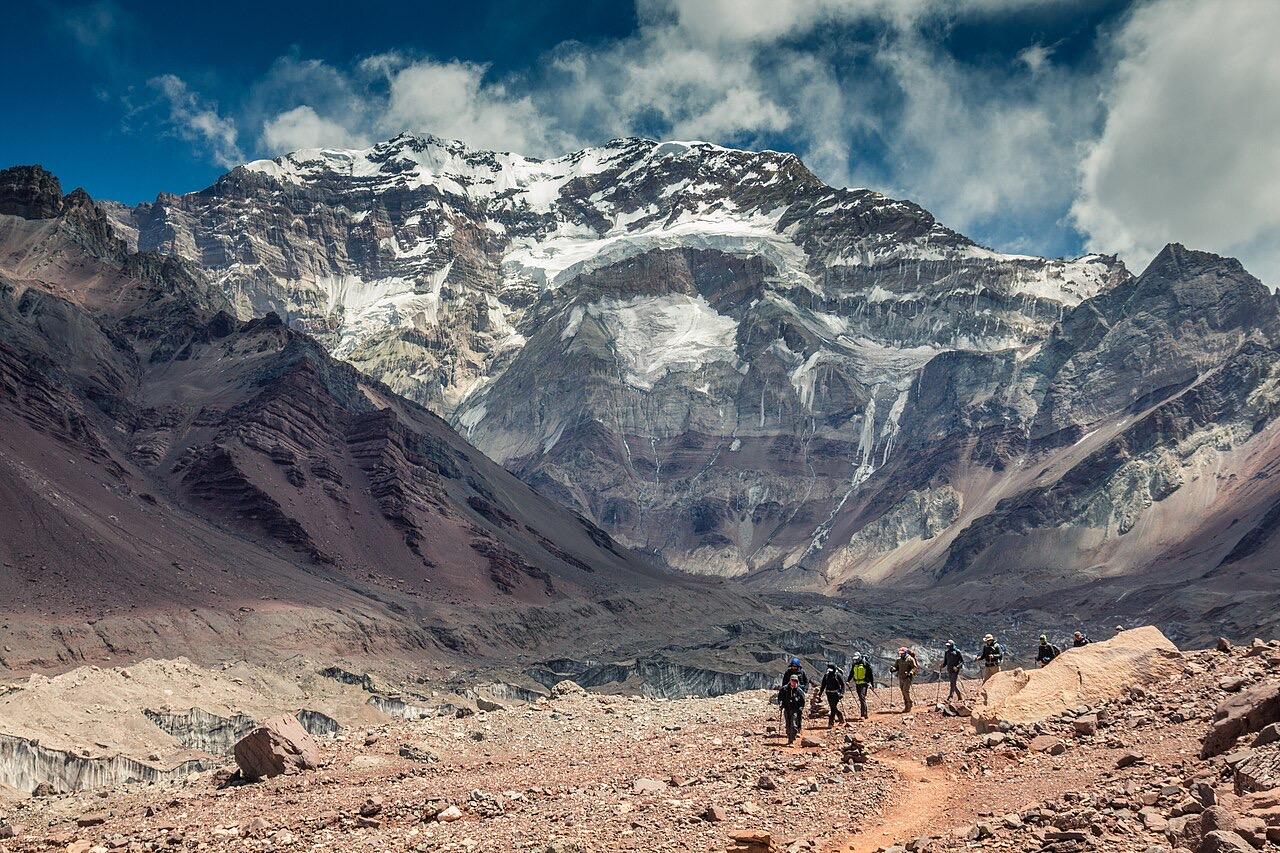
Climb Aconcagua, 6,961 m, in 16 days after acclimatising at home
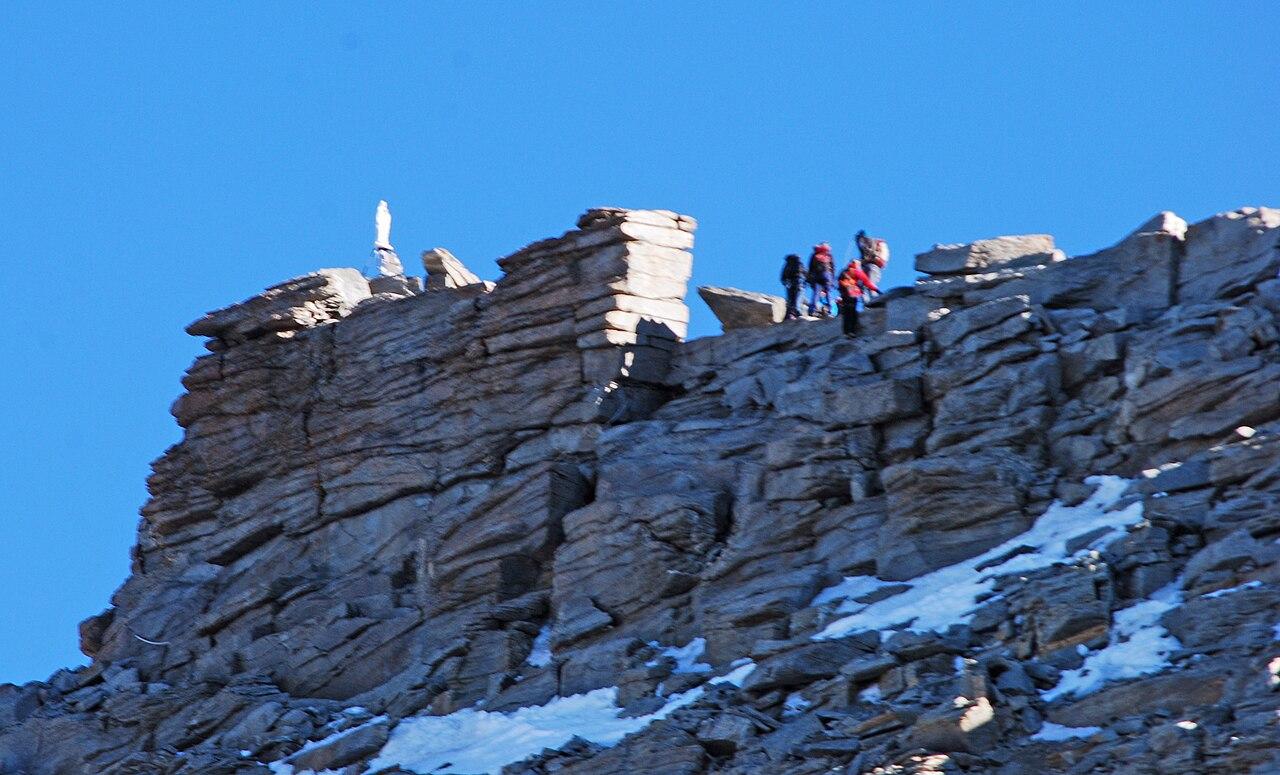
Learn glacier skills on Mont Blanc's Italian side, then climb Gran Paradiso, 4,061 m
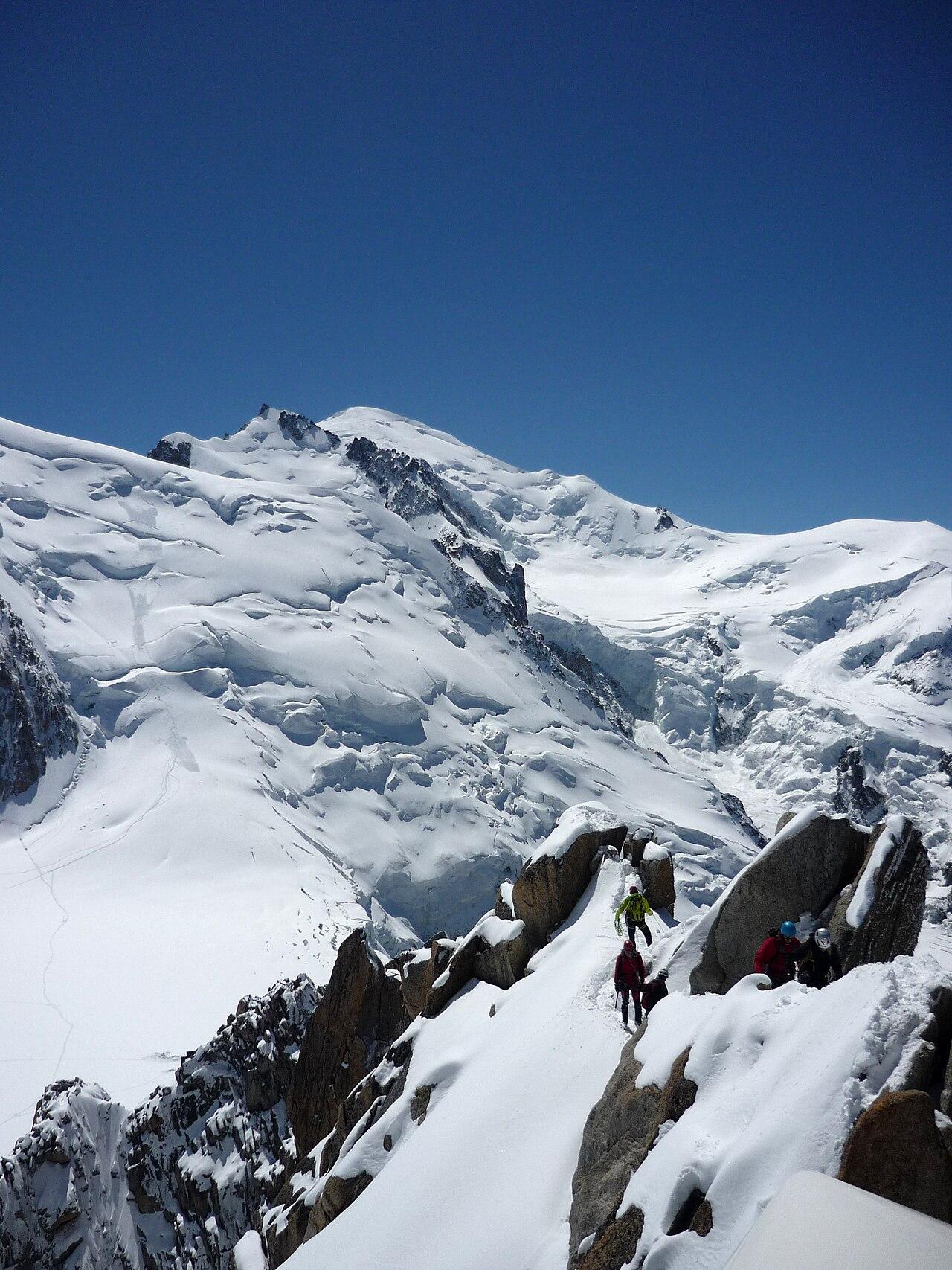
Learn to mountaineer in a week in Chamonix, from zero
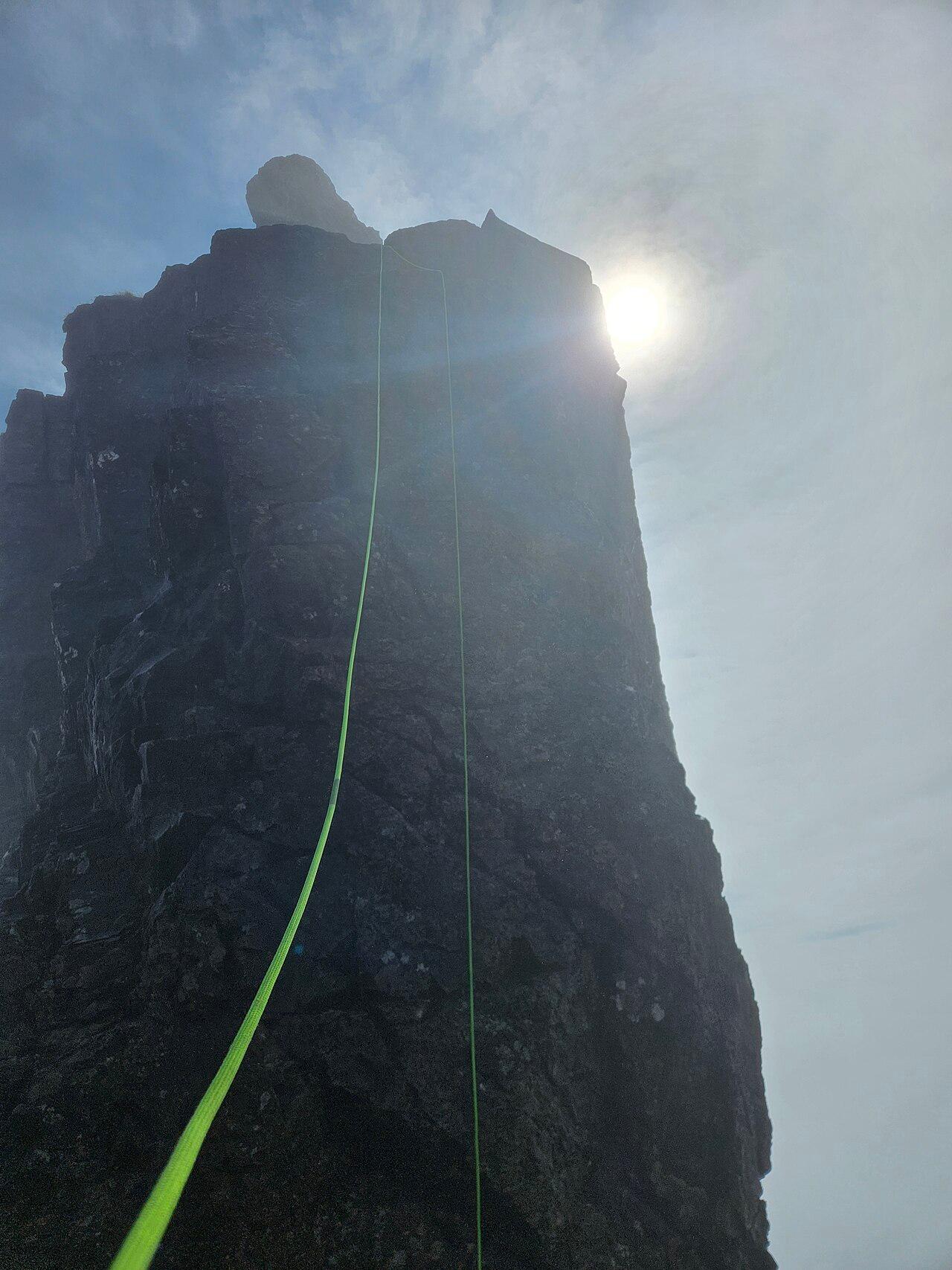
Climb the Inaccessible Pinnacle, the hardest of Scotland's Munros, on Skye's Cuillin ridge
You do not need to be a mountaineer to stand above 5,000 m. On the climbs below a guide ropes you in where it matters, teaches you what you need on the way, and porters or huts take care of the rest. What decides whether you reach the top is altitude, fitness and the weather on summit night, not technique. These are the guided climbs we checked on the operators' own pages, with everything that decides between them.
The short answer
- Highest for the least time and money: Huayna Potosi, 6,088 m, with Jiwaki. Three days from La Paz, from USD 210, and you learn crampons, ice axe and rope work on the glacier on the first afternoon. The catch: Jiwaki advises more than a week at La Paz's altitude before you start.
- The classic: Kilimanjaro by the Machame route, 5,895 m, with Zara. Six days on the mountain, no ropes or ice axe, and porters carry the gear and pitch the tents. From USD 2,369 per person.
- A glaciated volcano with the acclimatisation built in: Cotopaxi, 5,897 m. Six days from Quito that climb three smaller peaks first, with a certified guide for every two climbers. USD 995 each for a pair.
- No summit, the most famous view: Everest Base Camp and Kala Patthar, 5,545 m, with Himalayan Recreation. Fourteen days of walking with rest days, from USD 999.
Side by side
| Climb | Height | Days | Price per person | Gear and skills | Best months |
|---|---|---|---|---|---|
| Huayna Potosi, Jiwaki | 6,088 m | 3 | from USD 210 | Crampons, ice axe and rope, taught on day 1 | May to November |
| Kilimanjaro Machame, Zara | 5,895 m | 6 on the mountain, 8 with Moshi | USD 2,369 | Walking, with a scramble up the Barranco Wall | Group departures through the year |
| Kilimanjaro New Year, Ultimate Kilimanjaro | 5,895 m | 9 | USD 3,649 | Walking | 25 December to 4 January |
| Kilimanjaro Lemosho with a crater night, Kandoo | 5,895 m | 9 on the mountain, 11 with Moshi | GBP 3,399 | Walking, then a night in the summit crater at 5,730 m | Private climbs on dates you choose |
| Cotopaxi, Cotopaxi Travel | 5,897 m | 6 | USD 995 in a pair, USD 1,690 solo | Technical gear included, no glacier experience needed | June to August, December to January |
| Everest Base Camp and Kala Patthar, Himalayan Recreation | 5,545 m | 14 | USD 1,399 (from USD 999 on Viator) | Walking | Spring and autumn |
| Capanna Margherita, Monte Rosa | 4,554 m | 3 | EUR 720 to 2,000 by group size | Roped glacier walking | Summer |
| Toubkal in winter, Trekking in Morocco | 4,167 m | 3 | EUR 150 to 220 | Crampons and ice axe on snow | December to April |
| Aconcagua fast track, Adventure Peaks | 6,961 m | 16 | GBP 8,250 plus the park permit | Previous climbing to about 5,000 m | December to February |
Aconcagua is the exception on this list: Adventure Peaks asks for previous experience up to 4,800 to 5,000 m, so it is the climb to do after one of the others, not instead of them. Its fast-track version sends you a hypoxic tent to sleep in at home for at least four weeks before you fly.
What actually decides it: altitude
Every operator here says the same thing in different words: fitness helps, but the altitude is what turns people back, and anyone can get altitude sickness whatever their age or fitness.
- Huayna Potosi is the highest on the list but the shortest, so it leaves the least time to adapt on the mountain. You sleep at 4,700 m and 5,300 m, leave the high camp at 1:00 and climb about 5 hours on snow and ice to reach the summit around sunrise. Jiwaki recommends more than 7 days in La Paz or at a similar height first, ideally with acclimatisation hikes.
- Kilimanjaro acclimatises you on the way up: the Machame route climbs to Lava Tower at 4,630 m and drops back to Barranco Camp at 3,960 m to sleep. Summit night starts around 23:30 with about 6 hours of scree to Stella Point on the crater rim, then 2 more hours on snow to Uhuru Peak, and the whole day runs 15 hours or more. Some climbers stop at Stella Point. Six days give less time to adapt than Zara's 7-day version. Kandoo's Lemosho climb with a night in the summit crater spends 9 days on the mountain, the slowest ascent of the three, and starts summit day at about 07:00 instead of midnight: you reach Uhuru Peak in daylight, sleep in the crater at about 5,730 m beside the glaciers, and walk up to the rim for sunrise the next morning.
- Cotopaxi builds the acclimatisation into the trip: Pasochoa, Corazon and Iliniza Norte come before the summit attempt from the Cotopaxi refuge.
- Everest Base Camp has rest days on the way up, but from Gorak Shep you sleep above 5,000 m.
- Capanna Margherita is lower but you sleep at 4,554 m, which is hard on the body even for fit people.
Combine two in one trip
A good use of that first week at La Paz's altitude before Huayna Potosi is something worth the trip on its own. Gravity's Death Road ride starts from La Paz too: 64 km and more than 3,600 m downhill from La Cumbre at 4,700 m, with Huayna Potosi in view at the start.
When to go
- December and January: Kilimanjaro (Zara's group departures, or Ultimate Kilimanjaro's New Year climb from 25 December), Toubkal's winter season, and Aconcagua's southern summer. Cotopaxi's high season includes December and January, though its listed departures on 25 November ran from 24 January to 24 April 2027. Huayna Potosi can be climbed but December to April brings fresh snow and cloud.
- Spring, March to May: Everest Base Camp, and Toubkal on snow until April.
- June to August: Cotopaxi's other high season, Huayna Potosi's dry season, and the summer climbs to Capanna Margherita (July, August and weekends sell out first).
- Autumn, September to November: Everest Base Camp's other best season, and the end of Huayna Potosi's dry season.
More summits that take beginners
- Pico de Orizaba, 5,636 m: Mexico's highest volcano in seven days with Benegas Brothers, porters carrying the gear, USD 5,000, November to February.
- Mount Ararat, 5,137 m: five nights from Van in eastern Turkey, June to October, USD 1,300; the permit takes about a month.
- Mount Rainier, 4,392 m: four days on glaciers in Washington with RMI, including a day of mountaineering school, from USD 2,595.
- The Inaccessible Pinnacle, Skye: the most technical of Scotland's Munros, a Moderate rock climb up an exposed ridge and an abseil down, possible for most fit hill walkers with a guide, from GBP 120 each in a group of four with Abacus.
- Rinjani, 3,726 m: a three-day trek over Lombok's active volcano with a sunrise summit and a night by the crater lake, from USD 230.
- Gran Paradiso, 4,061 m: four days from Chamonix with Adventure Consultants, learning crampon and rope skills from a hut at 3,375 m before the summit, from EUR 2,330 each in a pair, June to September.
- Learn first: Adventure Consultants' week-long introductory course in Chamonix takes people with no climbing experience onto Mont Blanc's glaciers, EUR 2,850, in June and September 2027.
- Going higher: our guide to your first 6,000 m peak compares Huayna Potosi, Chimborazo, Island Peak and Mera Peak.
Before you book
- Insurance: Jiwaki asks for cover that includes high-altitude mountaineering; Himalayan Recreation requires cover for emergency evacuation and checks it on day one; Cotopaxi Travel's price does not include insurance.
- What is not in the price: on Kilimanjaro, sleeping bags and climbing gear (they can be rented), tips (Zara suggests budgeting about USD 200 per climber for the crew), visas and emergency oxygen. On Huayna Potosi, the 50 BOB mountain entrance fee; sleeping bag, pack and headlamp can be rented. On Toubkal, equipment, insurance and tips.
- Weather days: a summit attempt is called off in bad weather on every one of these, and on Monte Rosa there is no refund if the guide turns the team round. On the Everest trek, Lukla flights are often delayed by weather, so keep 1 or 2 spare days.
- Booking through Viator: Huayna Potosi, the Machame climb and the Everest Base Camp trek are also sold by the same operators on Viator, with a full refund if you cancel at least 24 hours before the start.
Every price above was read on the operator's own page, or on Viator where it says so, on 25 or 26 November 2026. Each experience page shows the day it was last checked and links the page it was read on.