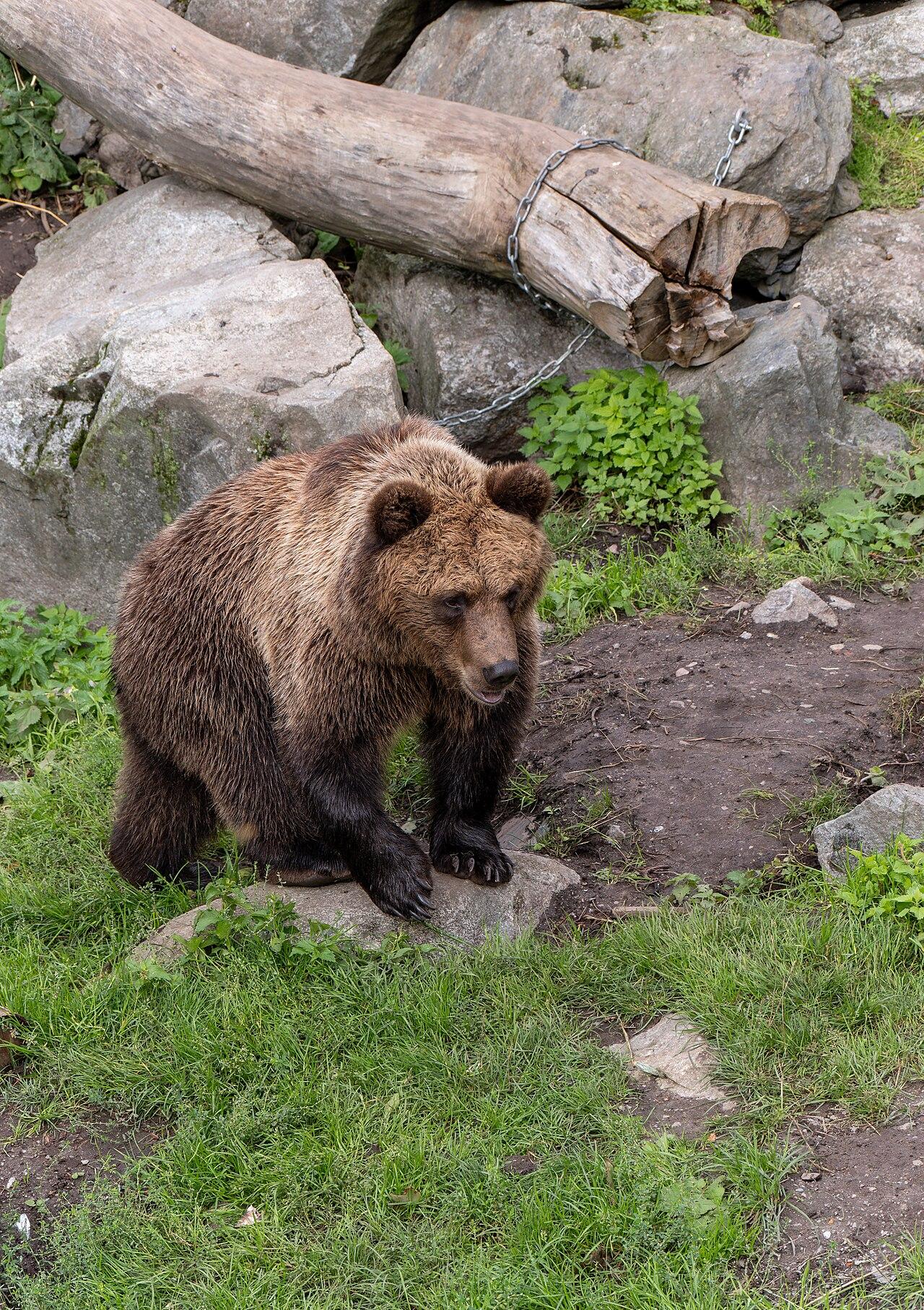
Photo: Jules Verne Times Two, CC BY-SA 4.0
Hike to the winter dens of GPS-collared brown bears in Sweden's forests and measure them for science
Dalarna, Central Sweden, north of Mora, Swedenrun by Biosphere Expeditions
Ten days with Scandinavia's brown bear research project, hiking to the GPS fixes of collared bears to measure their dens and collect hair and scat.
Sweden's brown bears have come back from about 130 animals to more than 2,500, and the Scandinavian Brown Bear Research Project, running since 1984, has fitted more than 500 of them with transmitters. On this expedition you work for it in the forests of Dalarna: each morning teams of three to five get the GPS positions where collared bears hibernated or rested, drive the expedition vehicle as close as the roads allow, and hike cross-country with a handheld GPS to the spot. There you measure the winter den or summer day bed, describe the habitat, collect hair and scat for diet and kinship studies, and look for dug-out anthills and claw marks on trees. In the afternoon the team meets at a rustic research station to enter the data, store the samples and pick the next day's positions.
The catch
You will very likely not see a bear: a site is visited only once its collared bear is at least 500 m away, and the uncollared bears avoid people (you are trained for the rare encounter). There is one slot in 2027, and rooms at the station are twin-share.
To take part: No qualifications and no age limit, but you must walk 3 to 8 km a day, mostly cross-country, on ground that can be rough, uneven or steep.
Getting there
Fly to Stockholm Arlanda (ARN). The team assembles in Mora, reached from Stockholm by car, train or bus; transport on to the research station is included.
Flying time is a great-circle estimate, not a timetable.
How sure we are
Checked 26 Nov 2026 on the operator's own page: Biosphere Expeditions: Sweden brown bear expedition.
The price was still stated on that page on 27 Nov 2026 (our automatic re-read).
Questions
How much does it cost?
EUR 2,790 per person for the 10-day slot, flights not included; EUR 300 deposit, balance due about 100 days before the first group starts. Included: Travel between the Mora assembly point and base, all accommodation and base facilities, all meals, research equipment, research permits and access fees, the local scientist and helpers, and the expedition leader
When can you do it?
One 10-day slot in 2027, 24 May to 2 June, with more than 5 places left on 26 Nov 2026. There are no other dates. Next date: 24 May to 2 Jun 2027 (Brown bear expedition).
How do you book it?
Sign up with the form on Biosphere Expeditions' Sweden bear page; the EUR 300 deposit holds the place.
How do you get there?
Most people fly to ARN. The team assembles in Mora, reached from Stockholm by car, train or bus; transport on to the research station is included
What is the catch?
You will very likely not see a bear: a site is visited only once its collared bear is at least 500 m away, and the uncollared bears avoid people (you are trained for the rare encounter). There is one slot in 2027, and rooms at the station are twin-share.
Where
Dalarna, Central Sweden, north of Mora, Sweden (Europe). More in Sweden · See what is near it on the map
Like this
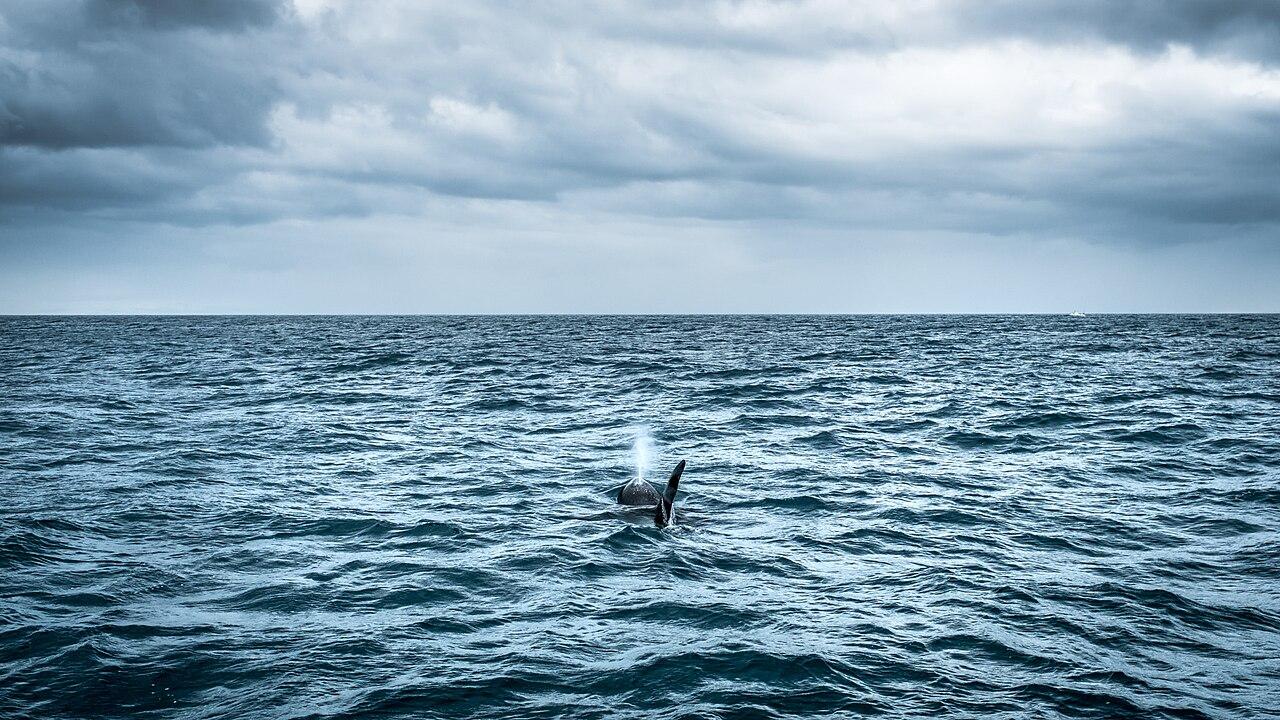
Track Iceland's orcas from research boats and cliff lookouts to learn what they eat
Eight days ending with three to four research days on the Westman Islands, photographing orca dorsal fins from small boats and lookouts for the Icelandic Orca Project.
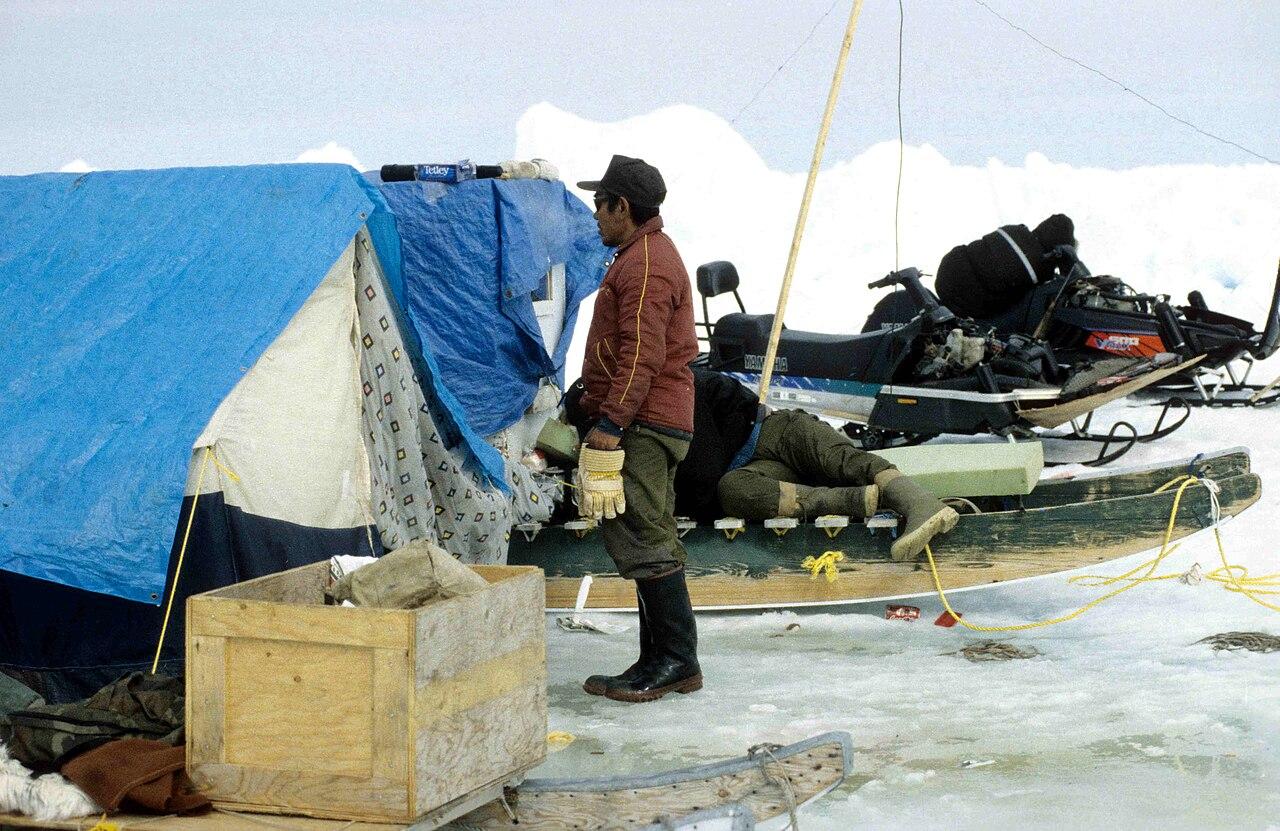
Camp on the sea ice at the floe edge to watch the narwhal migration
Nine days in a heated tent camp on the sea ice of Admiralty Inlet, where the narwhals arrive along the open water in spring and polar bears sometimes walk by.
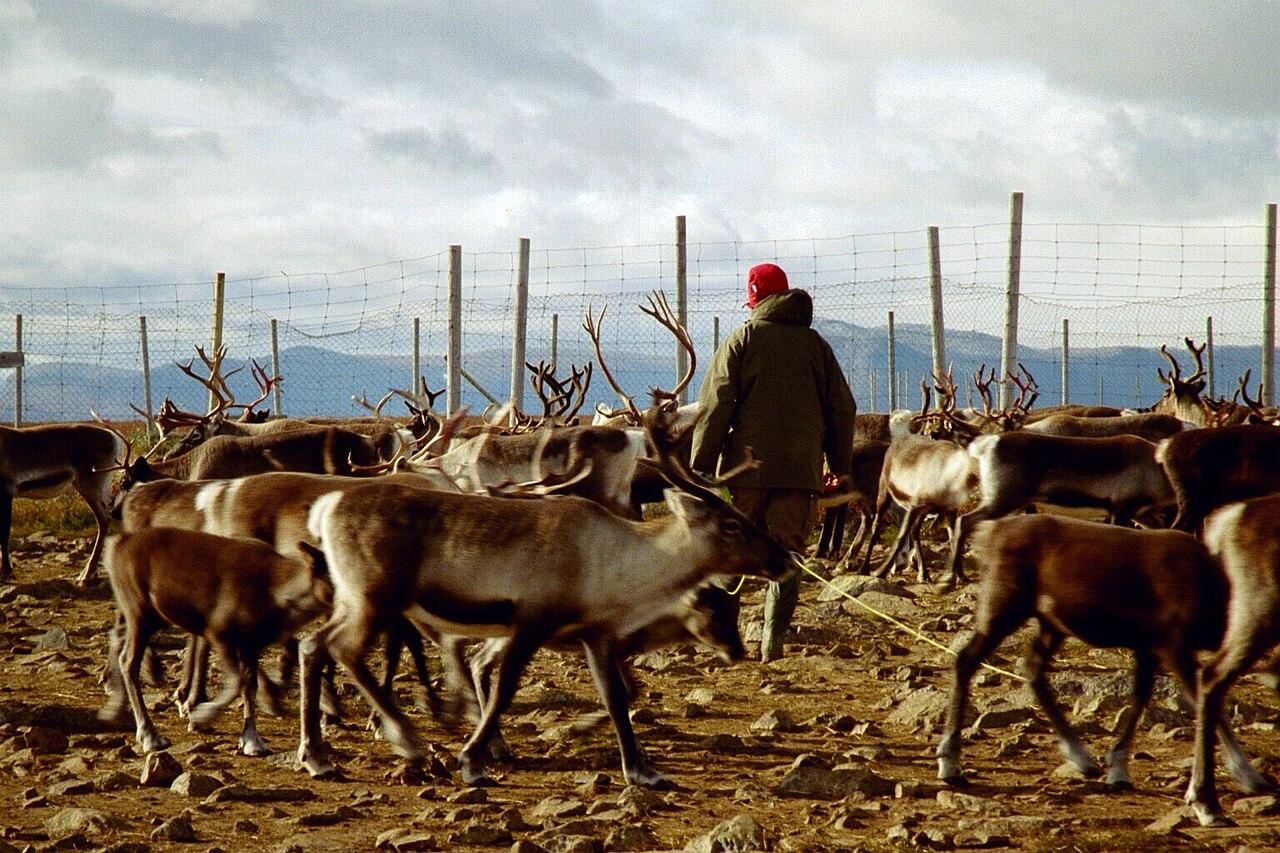
Follow a Sámi family's reindeer herd on its spring migration across Finnmark
Several days travelling with an Indigenous Sámi herding family as their reindeer move from winter pastures to summer grazing, sleeping in a lavvu that moves with the herd.
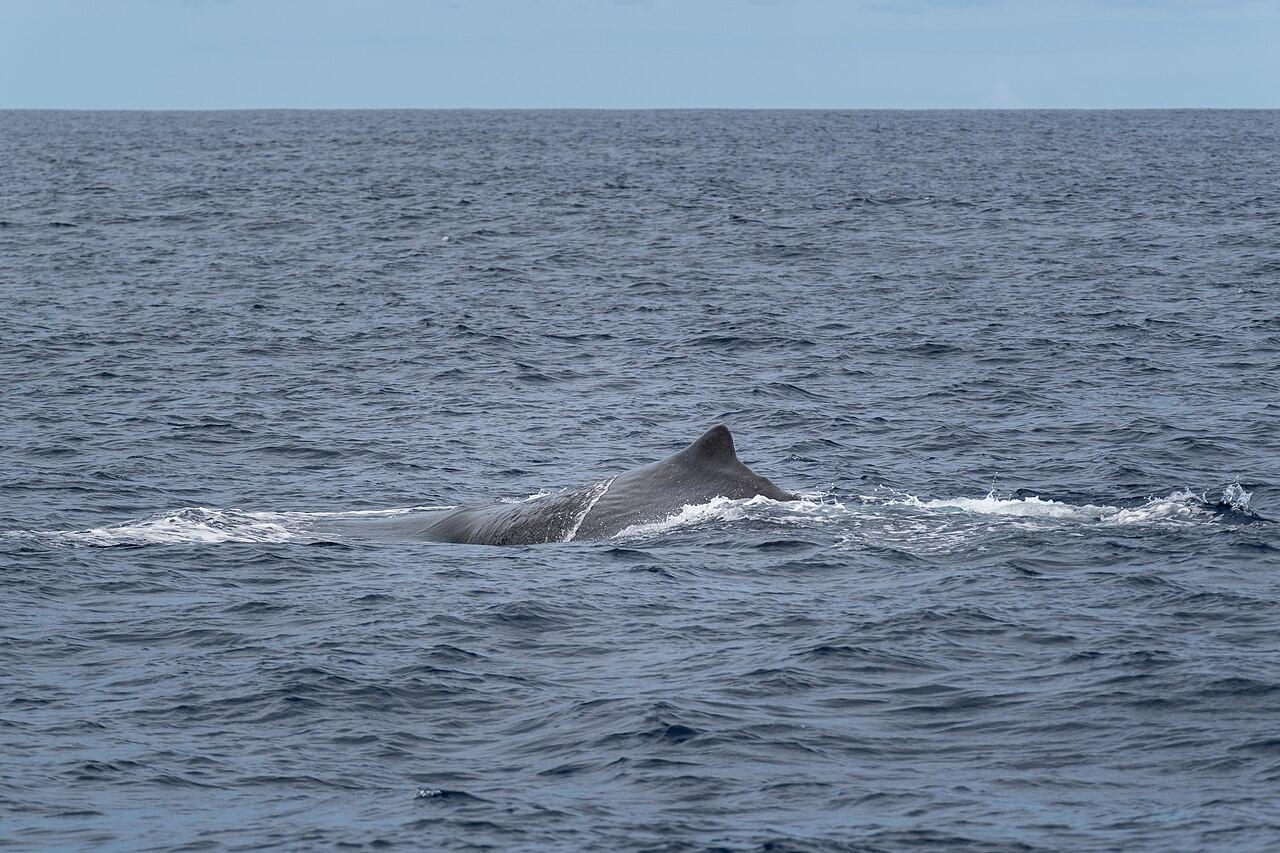
Photograph blue, fin and sperm whales for science from a research catamaran off the Azores
Ten days at sea off Faial during the spring whale migration, photographing blue, fin and sperm whales for ID catalogues and netting loggerhead turtles to tag.
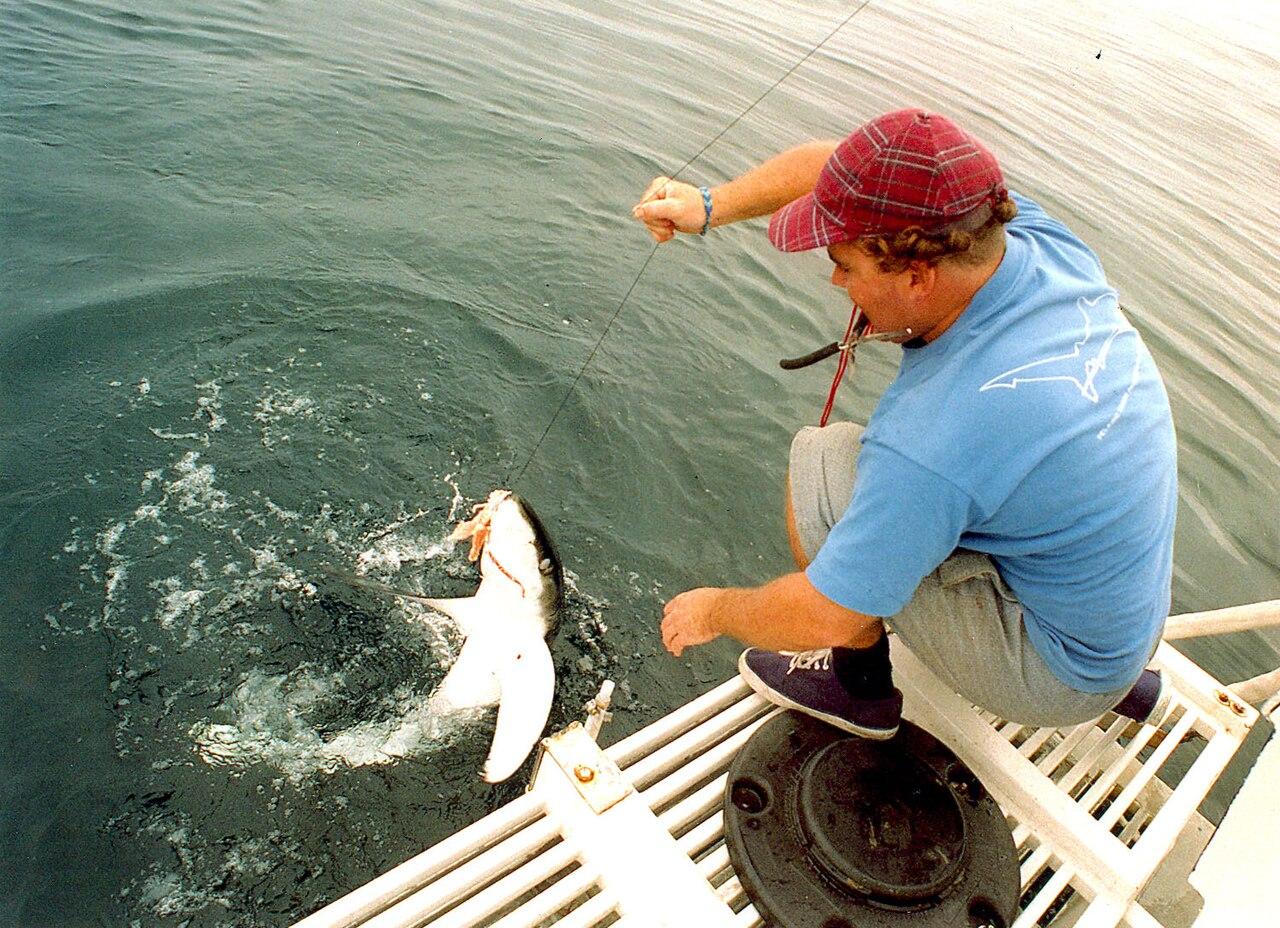
Set longlines at night and tag wild sharks with scientists in Belize
A week on Belize's coast with shark scientist Demian Chapman's team and local fishers: set longlines, haul them after dark, then measure, tag and release the sharks.
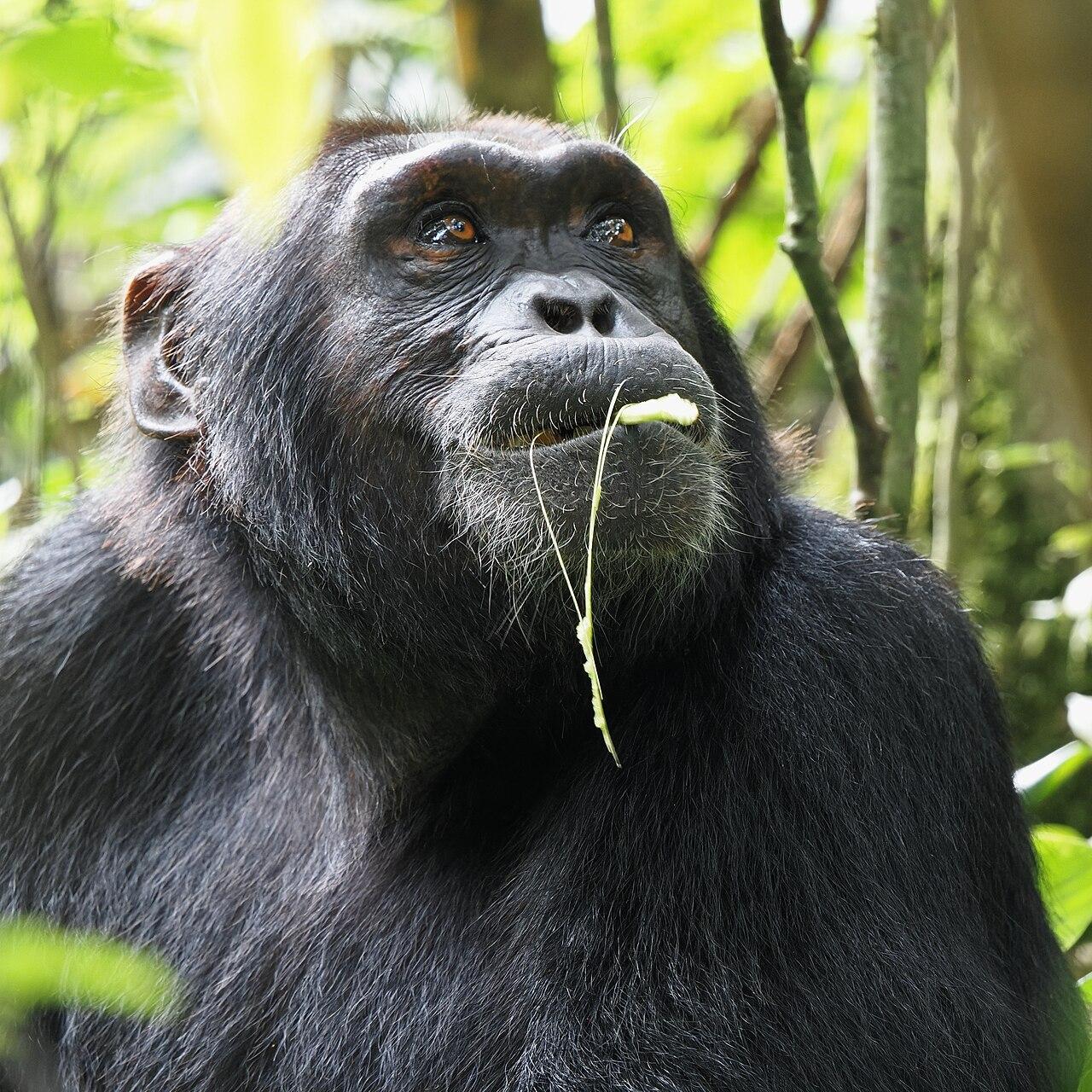
Spend a whole day with a chimpanzee community still being habituated in Kibale
Join the researchers following a chimpanzee group in Kibale Forest from the moment it wakes, instead of the usual one-hour visit.