42 experiences
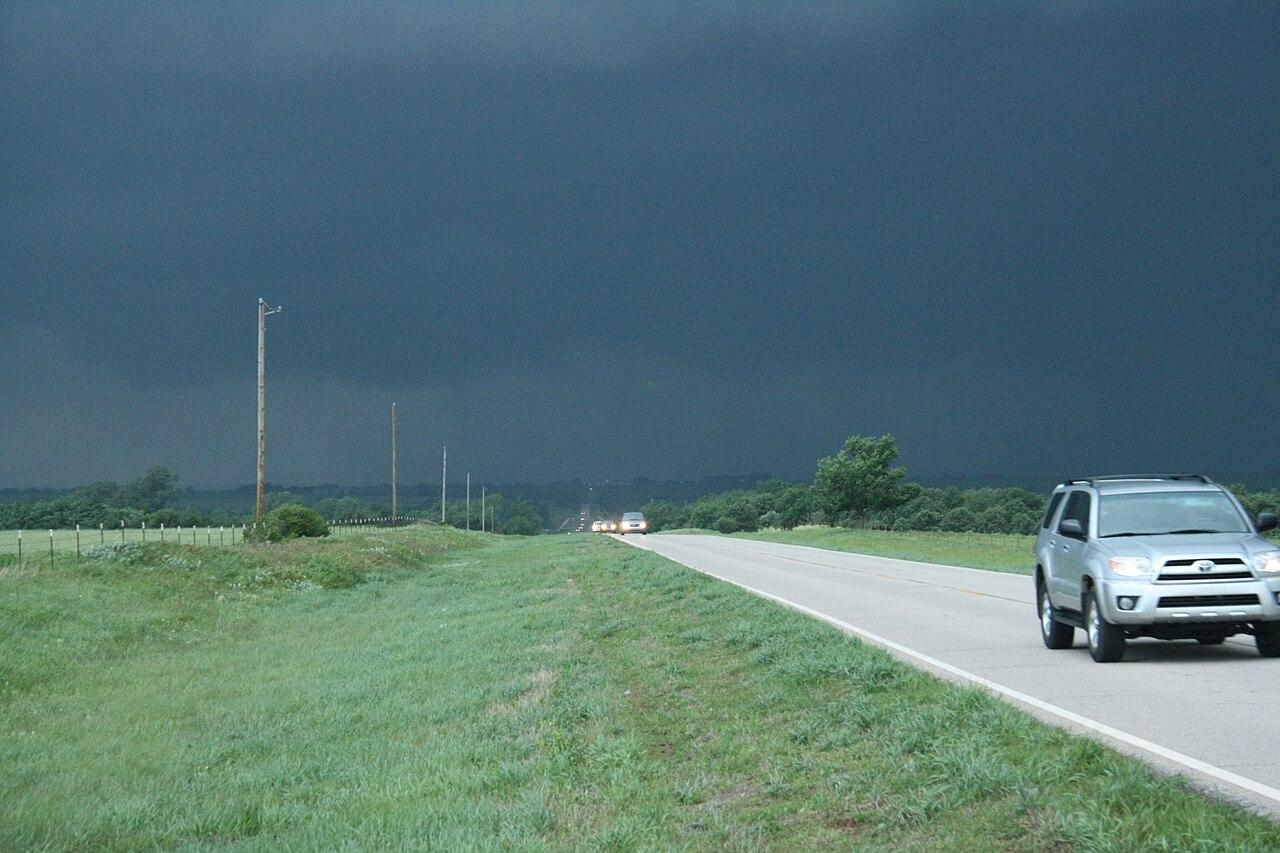
A week in a chase van across Tornado Alley, going after supercells, very large hail and tornadoes with a team in its 30th season.
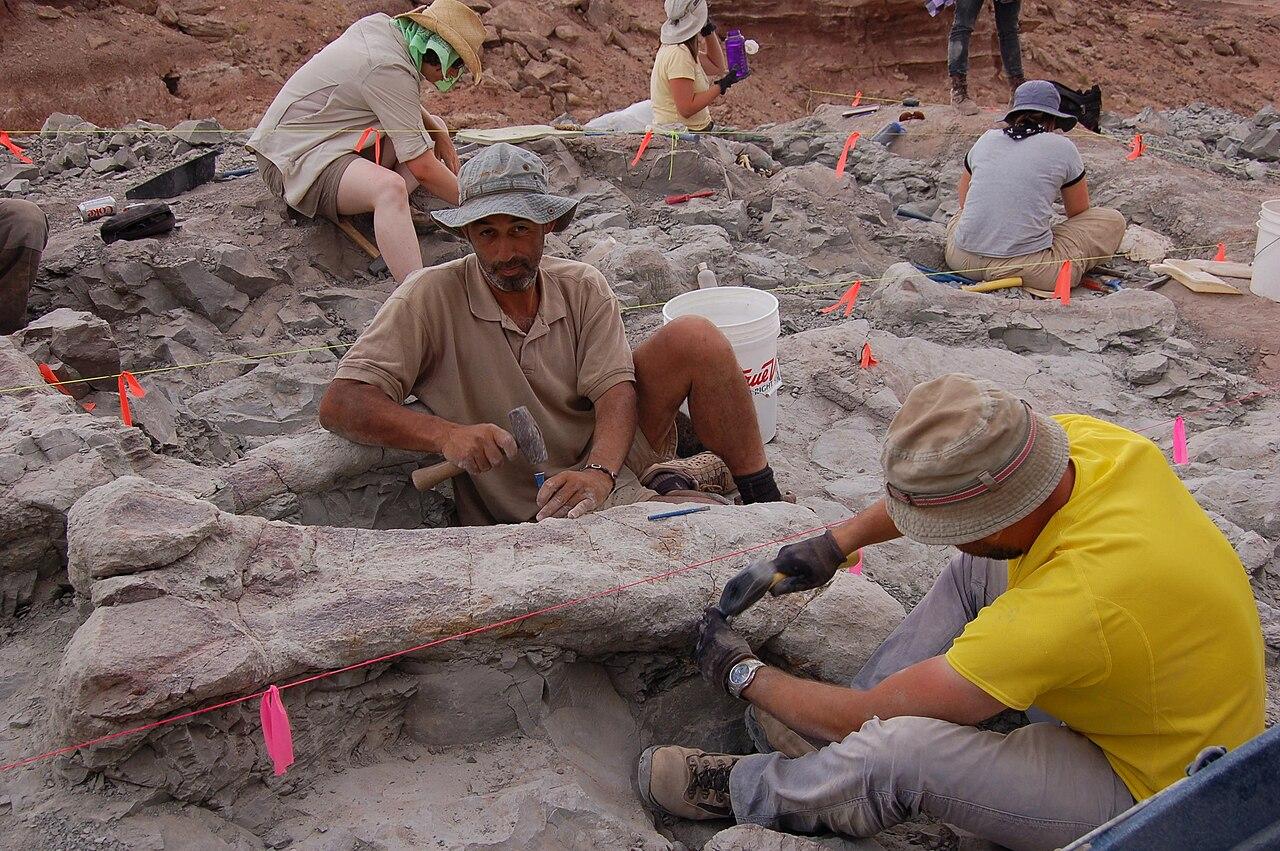
A week on a working fossil dig for the late Jurassic Morrison Formation, excavating beside paleontologists in the badlands of southern Montana and northern Wyoming.
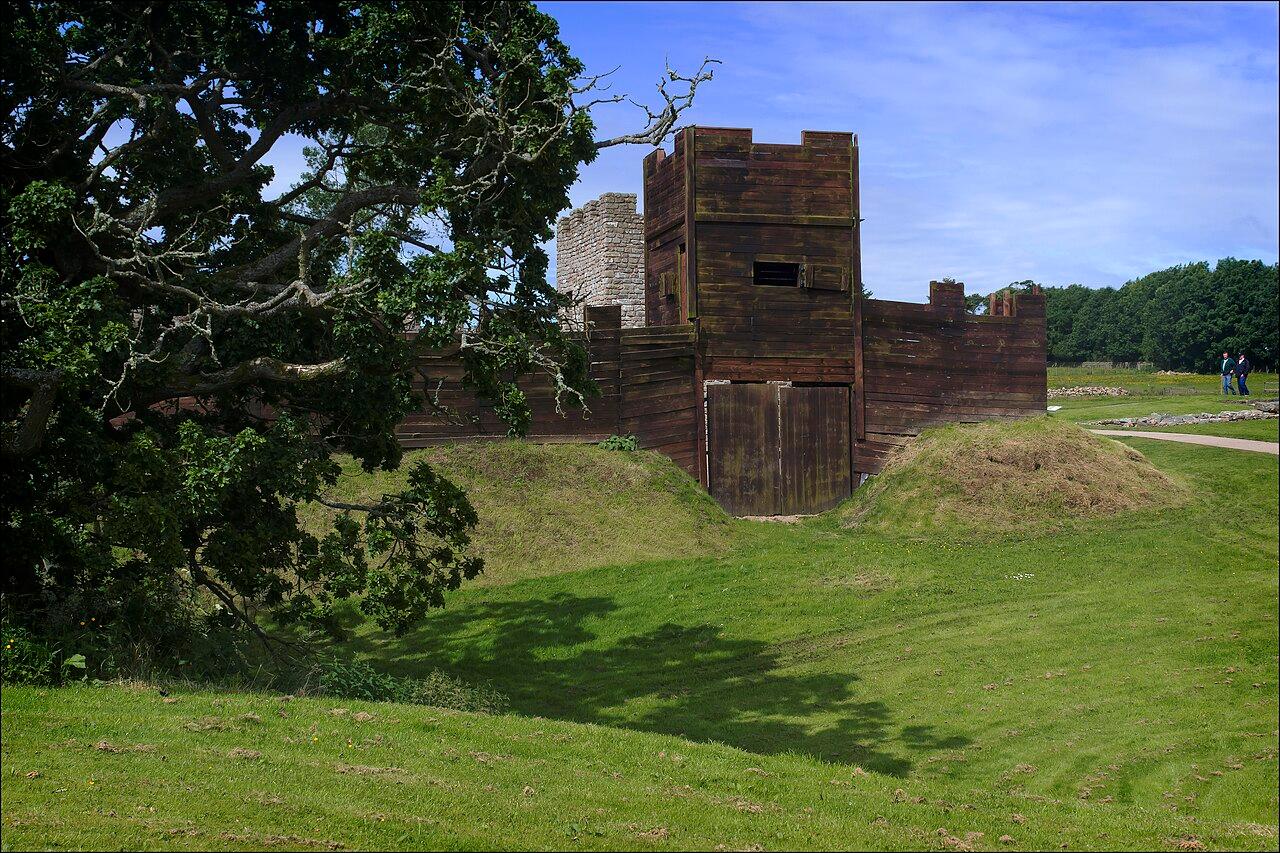
Two weeks as a volunteer excavator on a live dig at Vindolanda, working with professional archaeologists on the final quadrant of the last stone fort.
A free 45 to 60-minute walk through Canada's particle accelerator centre in Vancouver, crossing most of its site and two of its largest research halls.
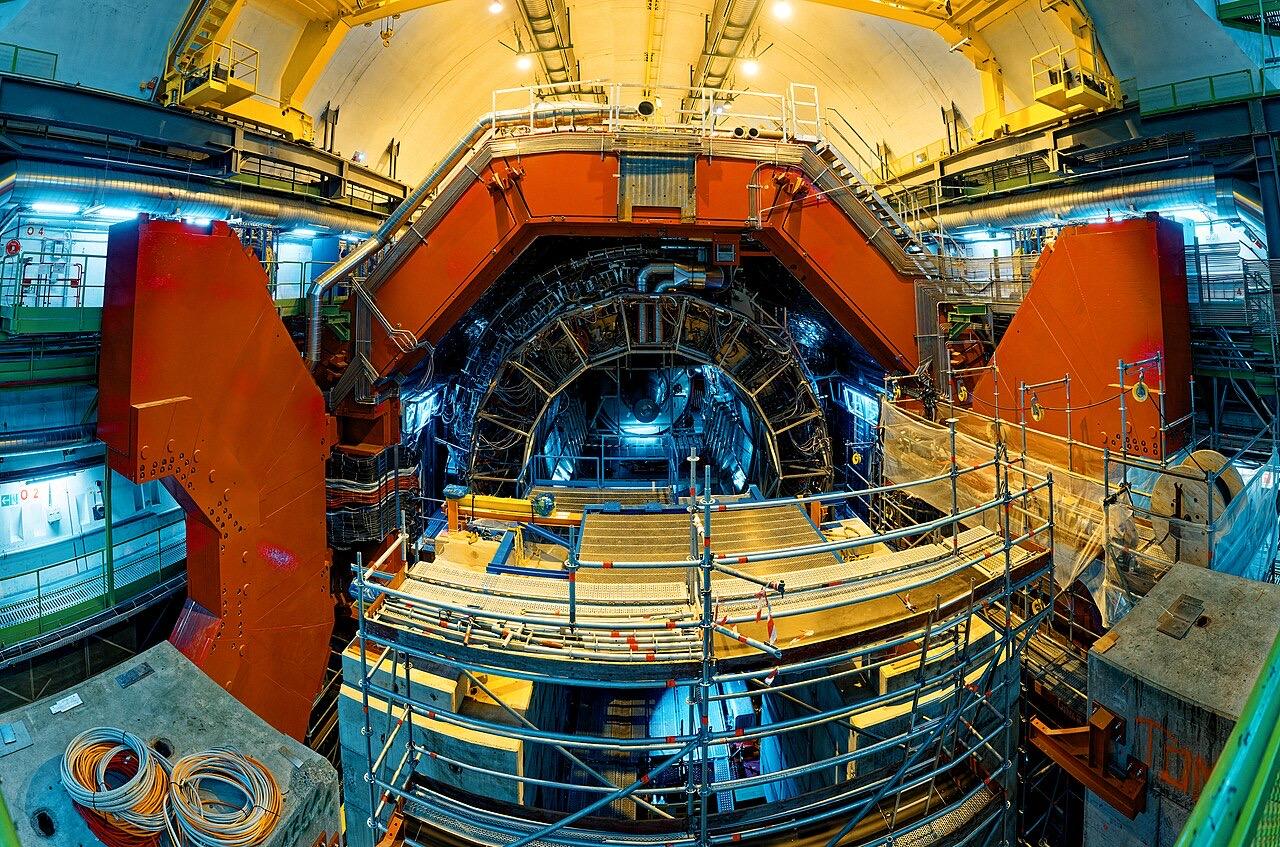
A free two-hour evening tour down to the ALICE detector at LHC Point 2, open to the public only while the Large Hadron Collider is shut down.
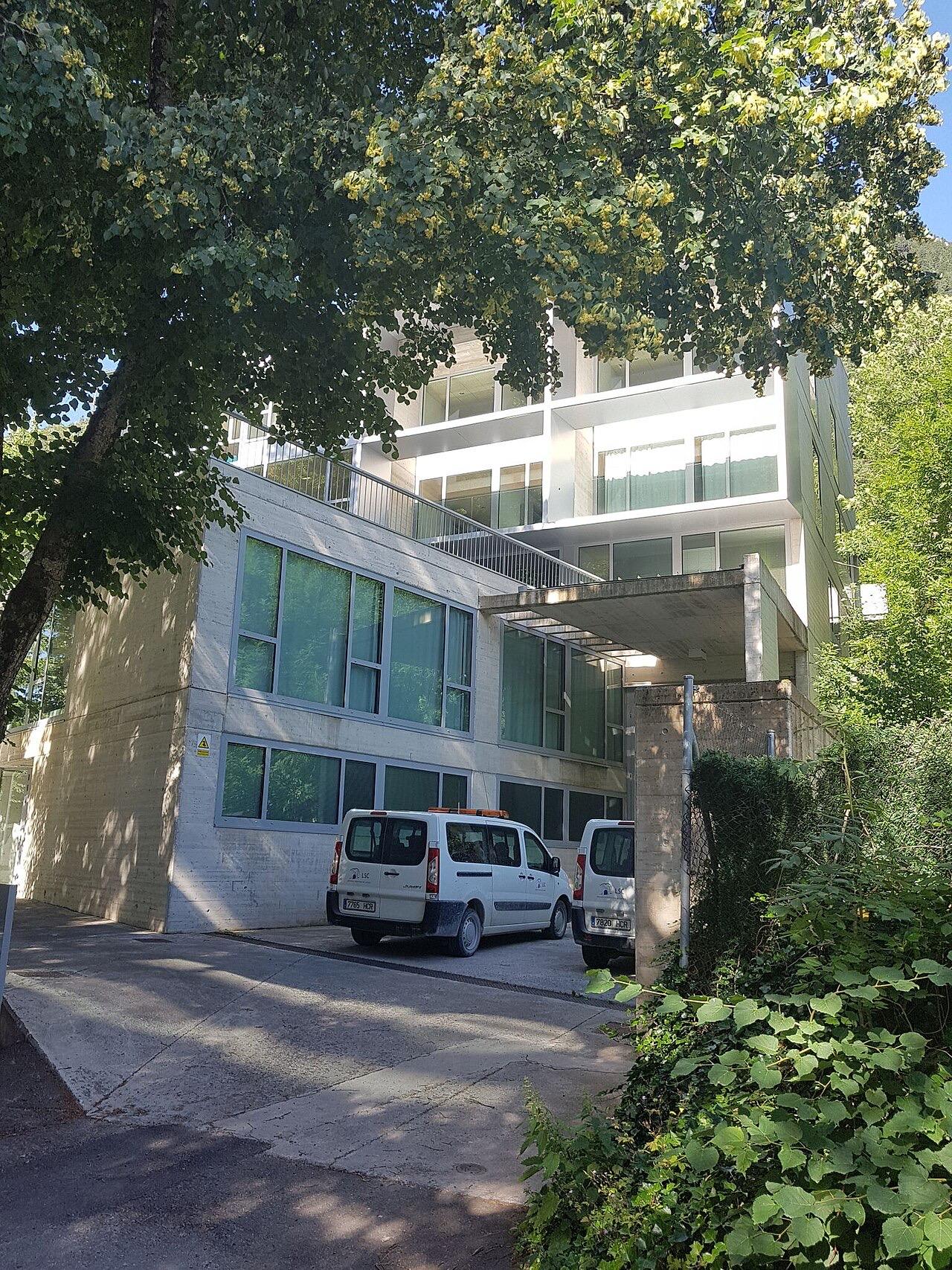
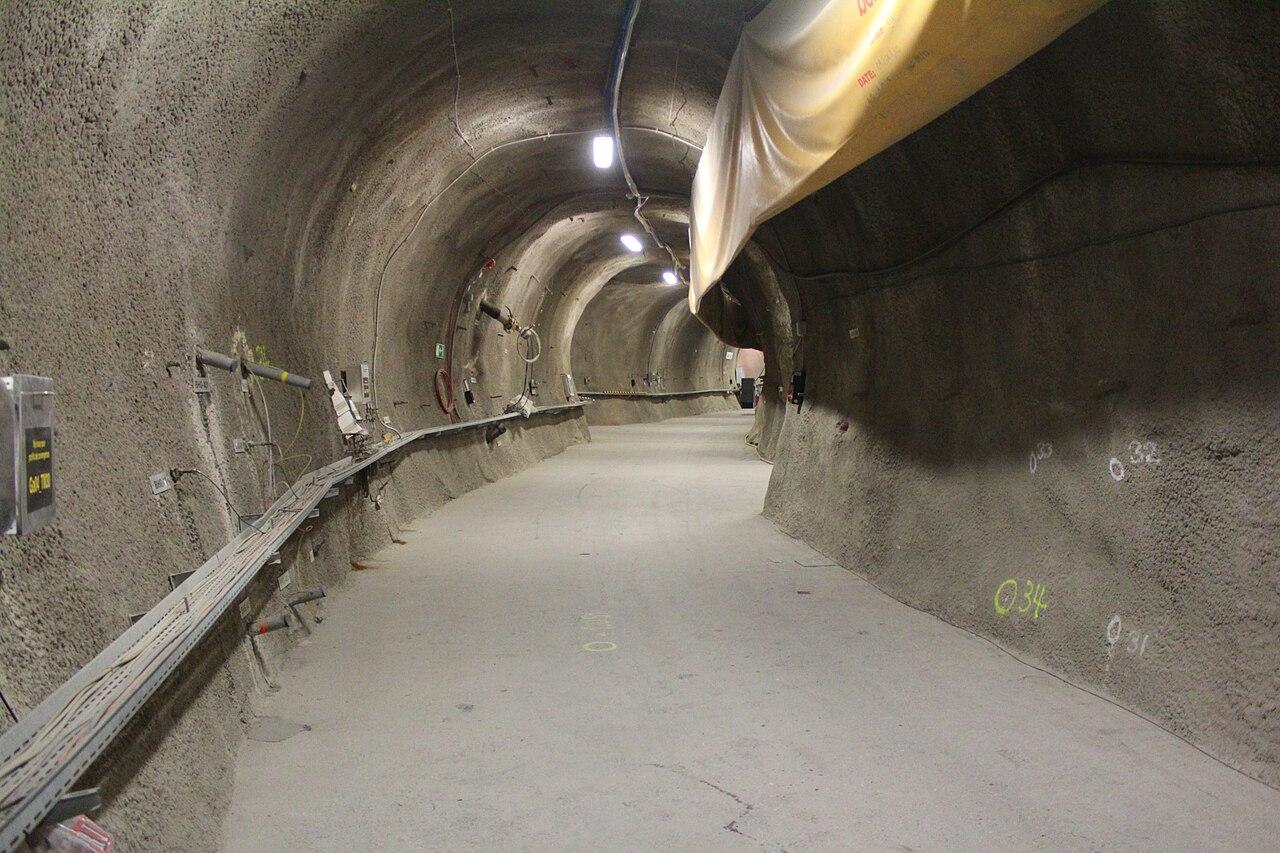
A free guided visit to the halls under 800 m of rock where dark matter and neutrino experiments run, open to individuals on a few summer Friday mornings.
A free visit to the Mont Terri rock laboratory in the Swiss Jura, nearly 300 m below ground, where the rock for a Swiss nuclear waste repository is studied.
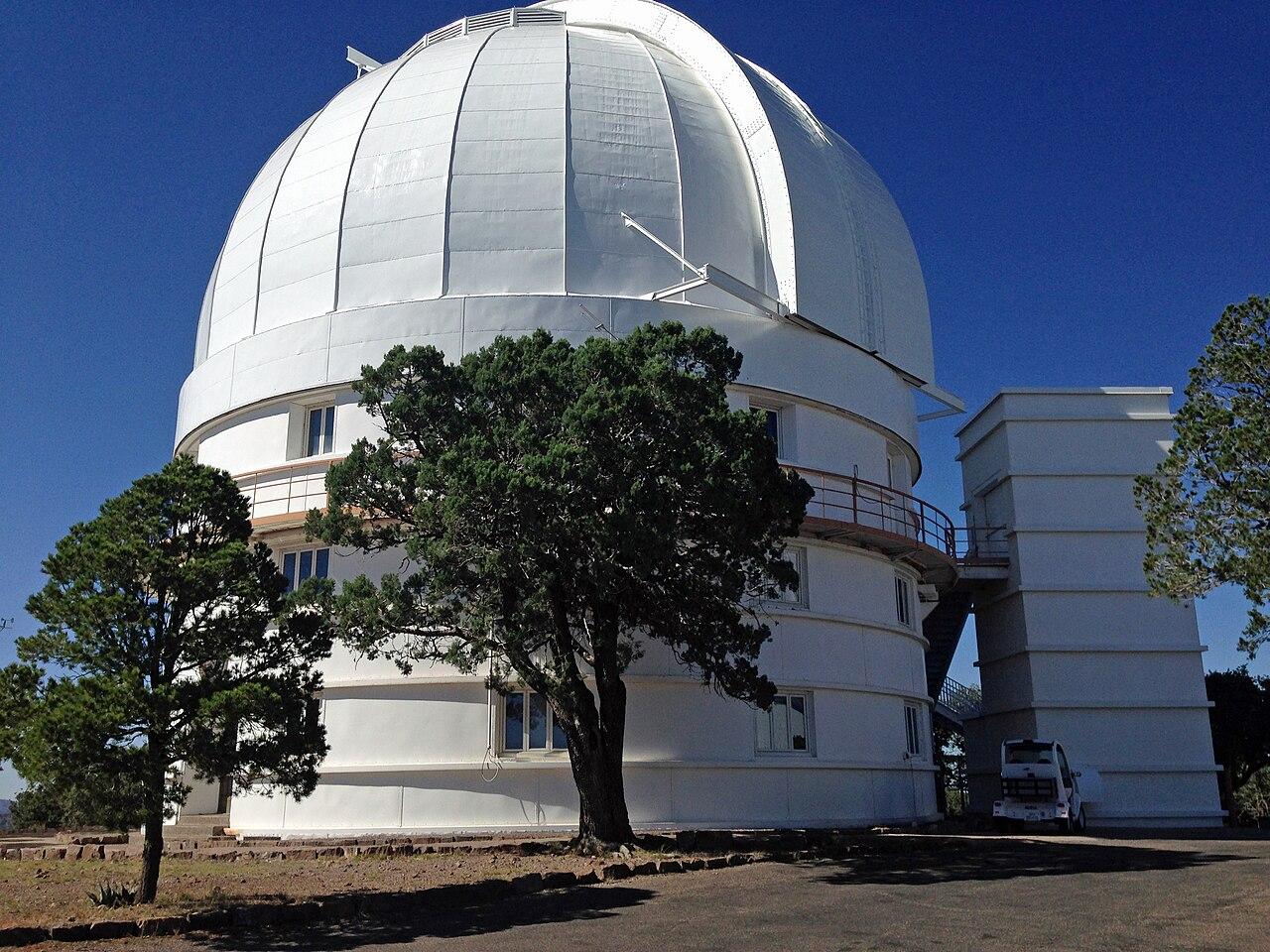
On select nights McDonald Observatory in West Texas lets about 15 people observe through its 82-inch (2.1 m) Otto Struve Telescope, a research tool since 1939.
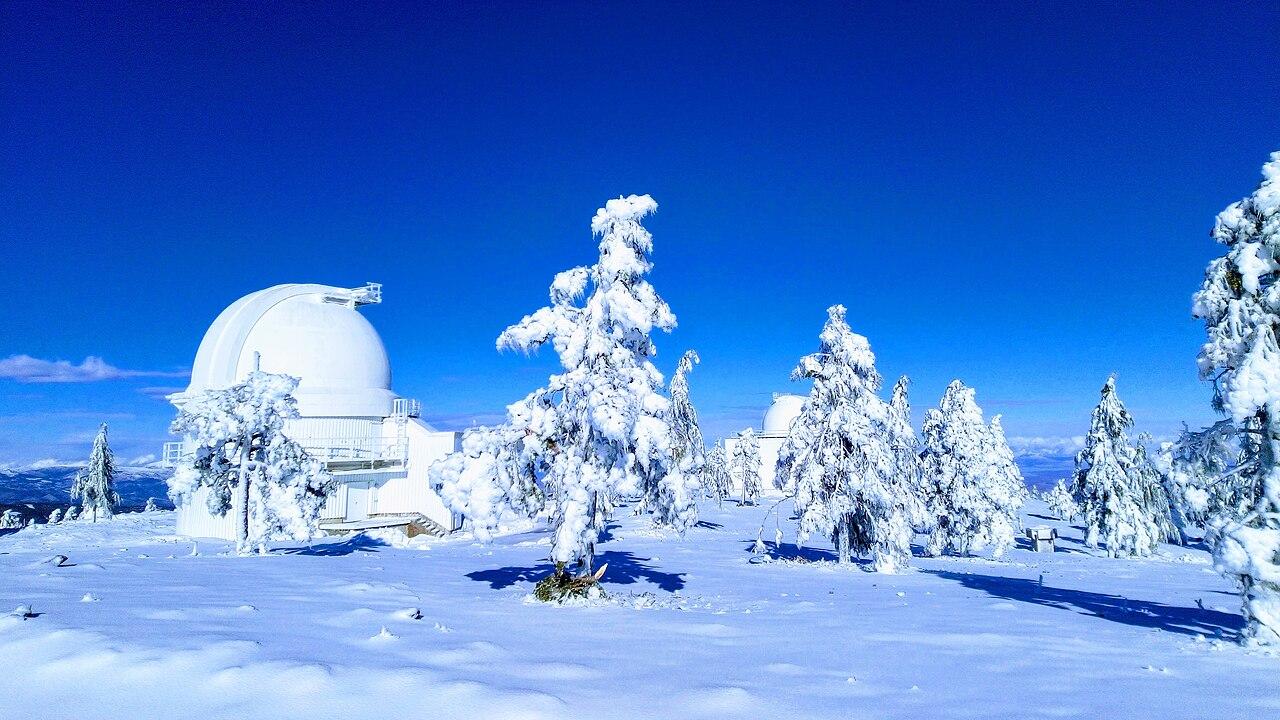
A night at Calar Alto Observatory in Almeria: a talk in the library, then nearly three hours at the eyepiece of the observatory's professional 1.23 m telescope.
Order an Uber on Yas Island and a WeRide car with no driver and no safety operator inside can pull up and take you across Abu Dhabi.
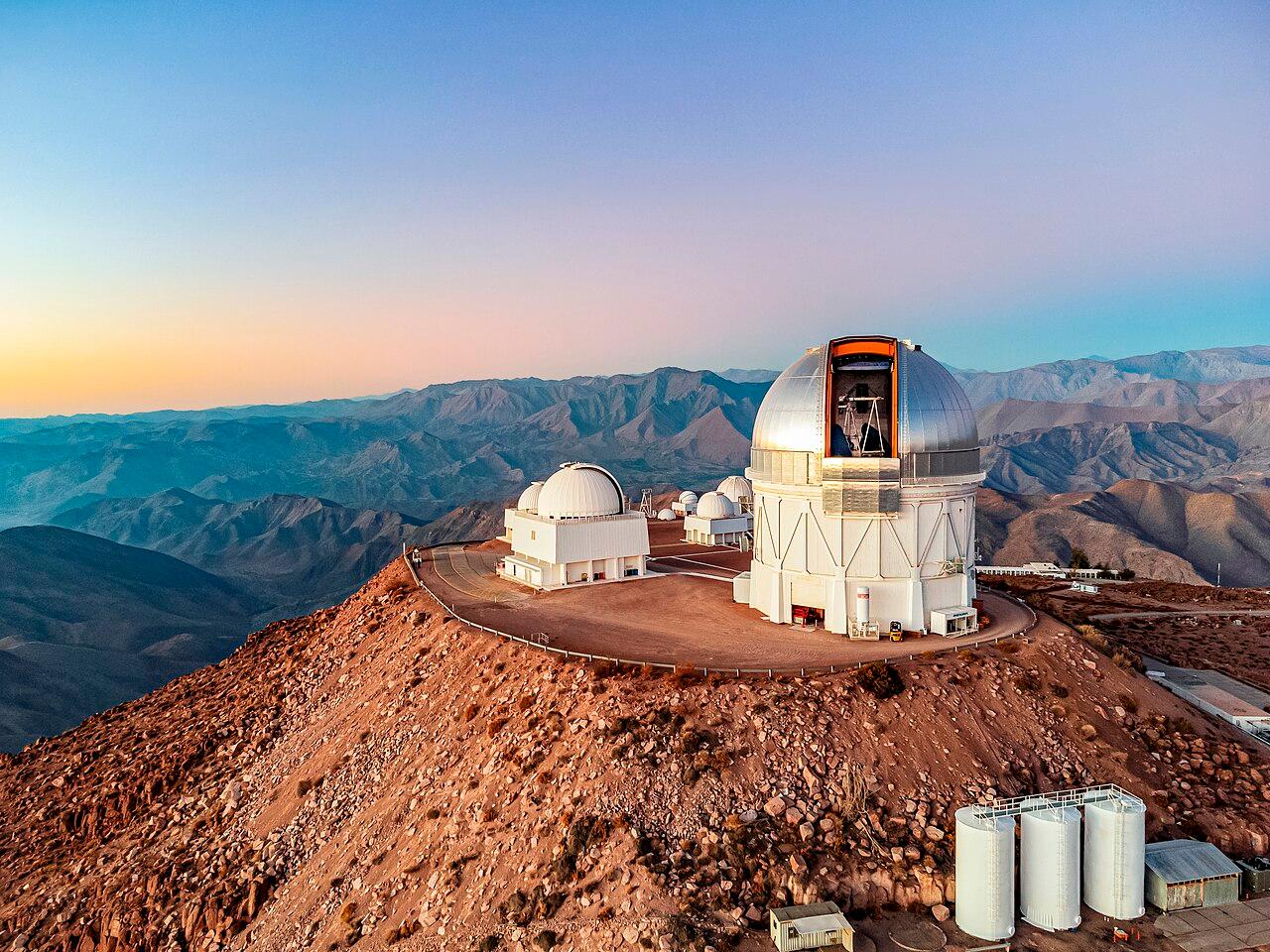
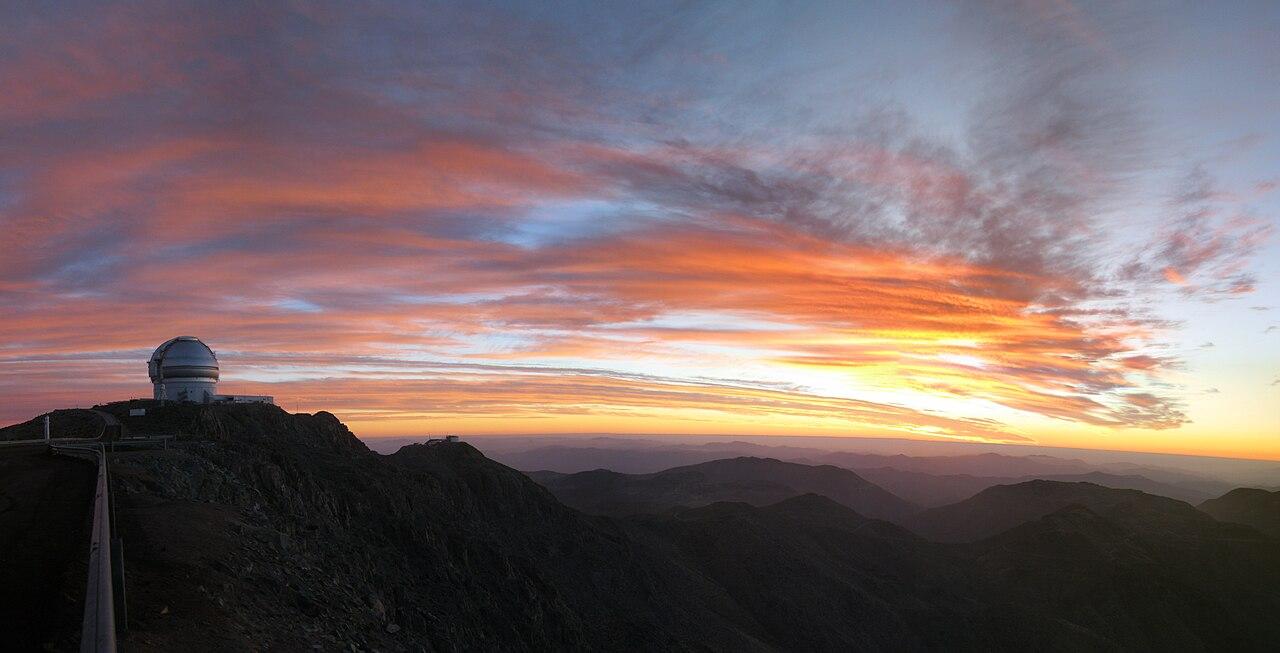
Free Saturday visits to Cerro Tololo in Chile: a working telescope's operation, the Blanco 4-meter's observing room and the platform beside its 4-meter mirror.
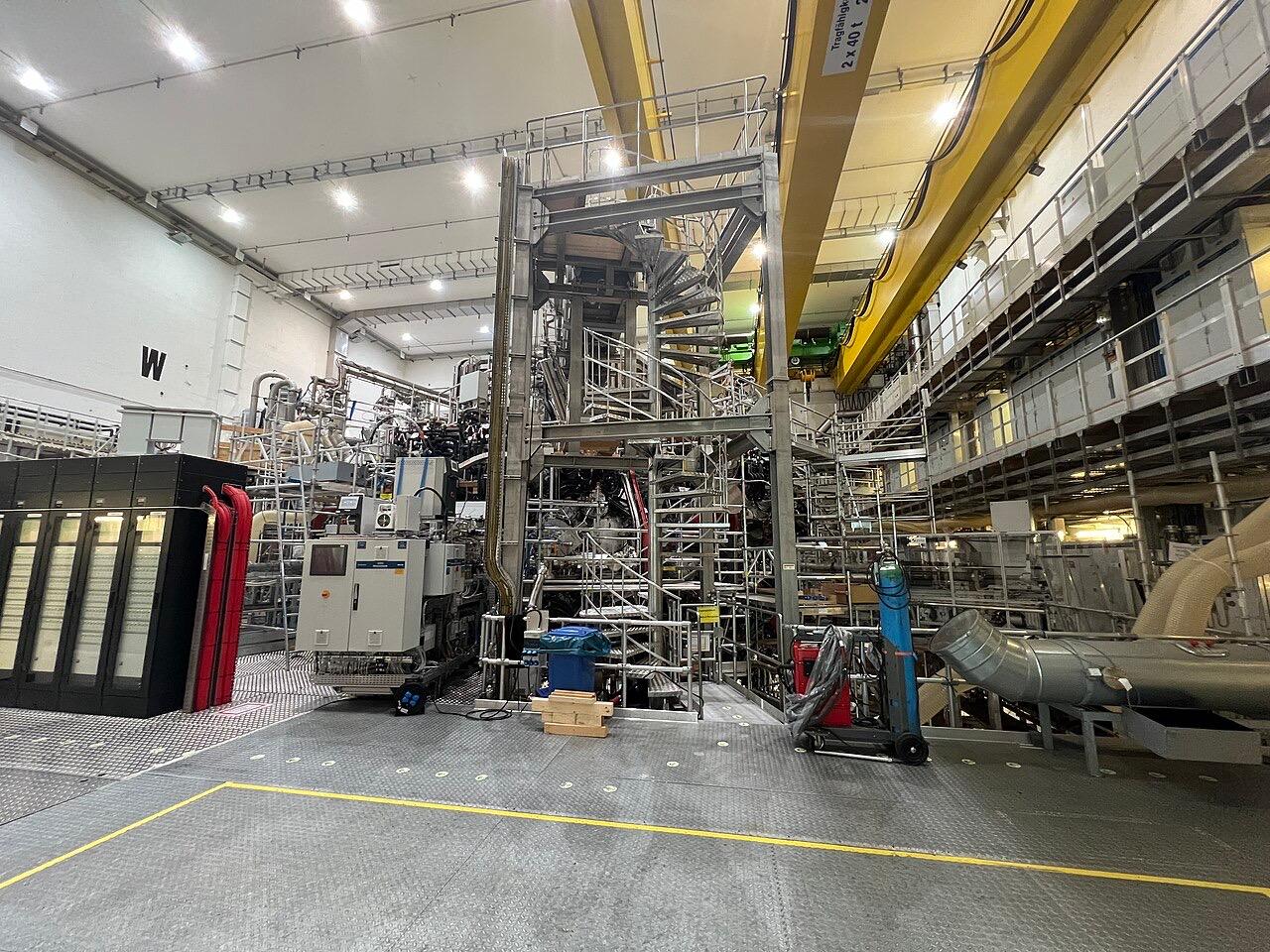
A free lecture and tour of the hall that houses Wendelstein 7-X, the world's largest stellarator fusion experiment, on weekdays by appointment.
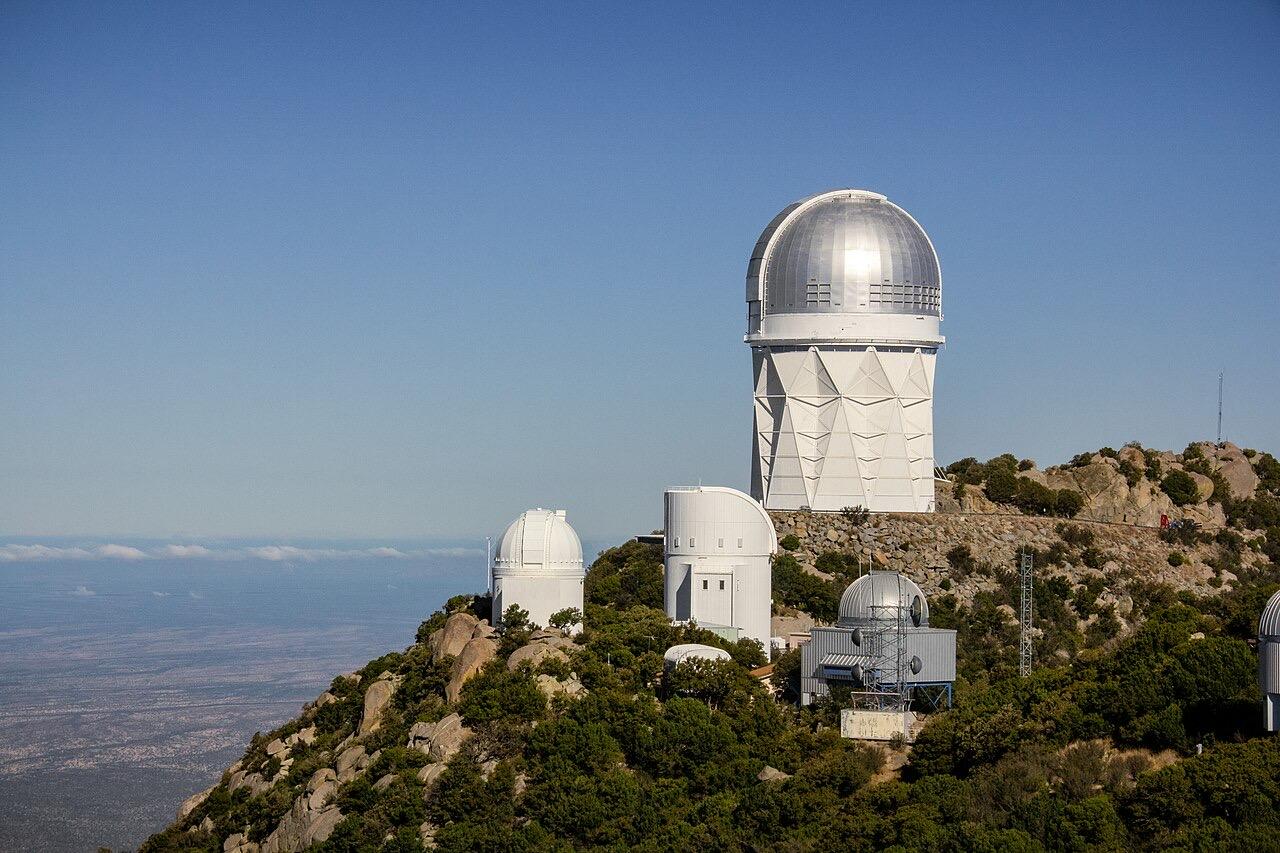
Sleep at Kitt Peak National Observatory and run one of its visitor telescopes through the night with an operator, observing and imaging deep-sky objects.
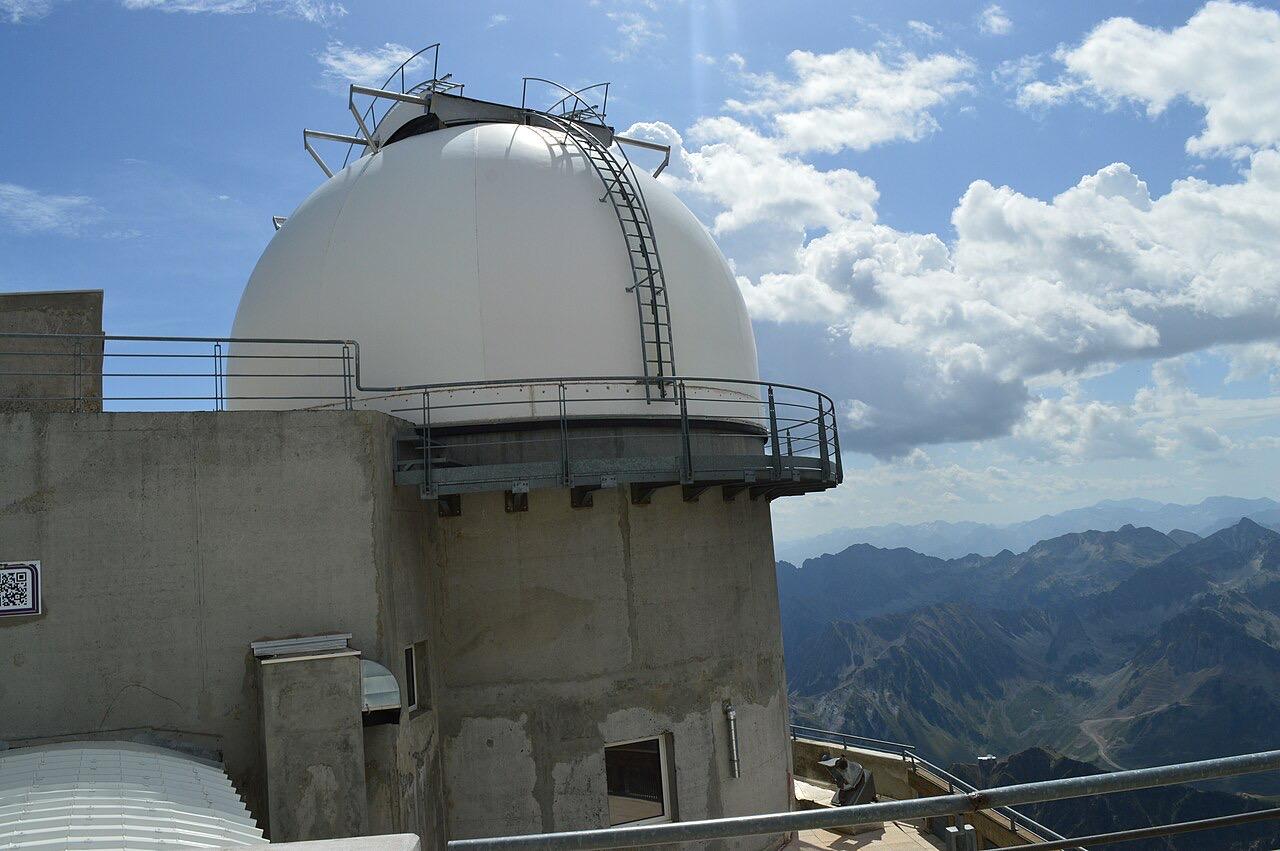
Stay on the Pic du Midi after the last cable car down, observe from the Charvin dome and see the research domes the public never enters. 27 guests a night.
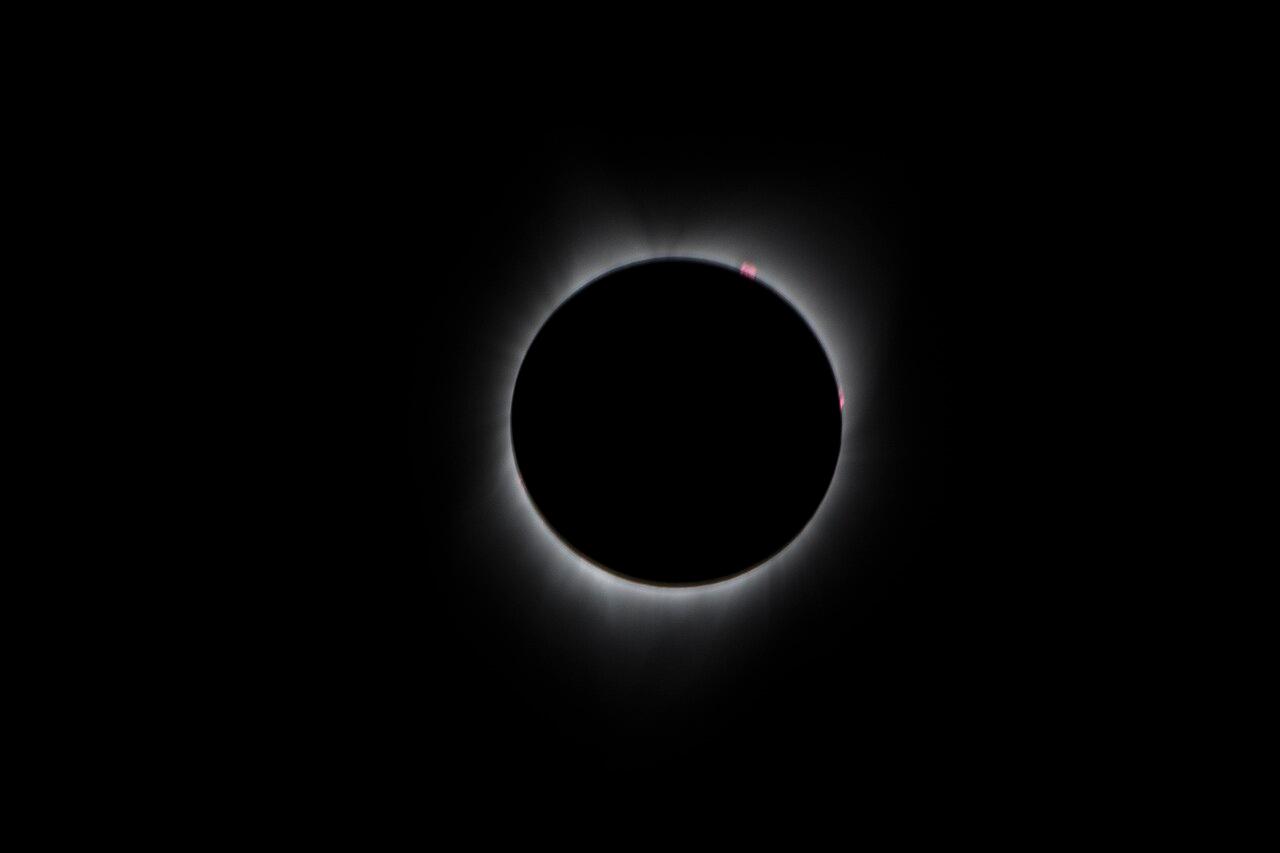
The longest total solar eclipse on land until 2114, watched from a site near Luxor with eclipse scientists who have seen dozens.
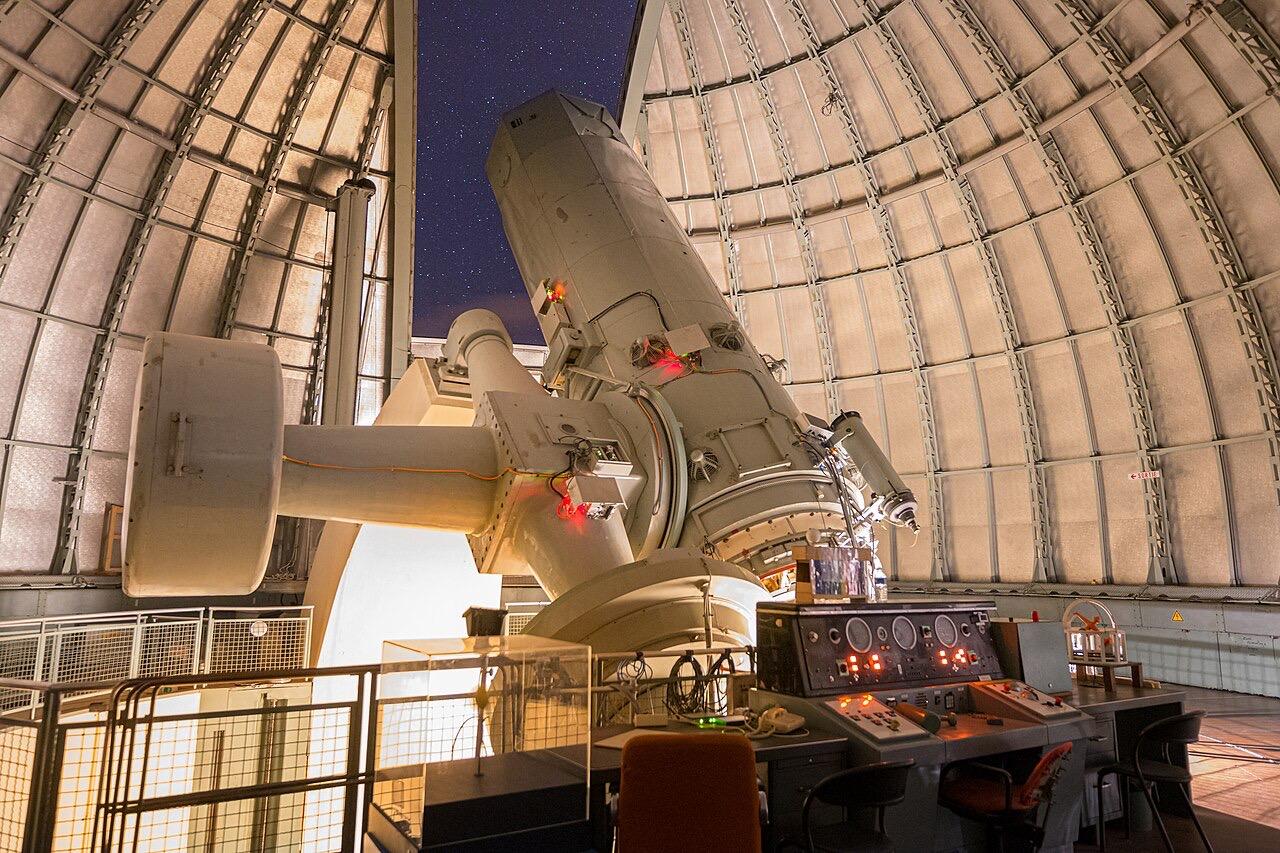
A one-hour guided visit of a working CNRS observatory in Provence, climbing into the dome of the 1.93 m telescope behind the 1995 exoplanet discovery.
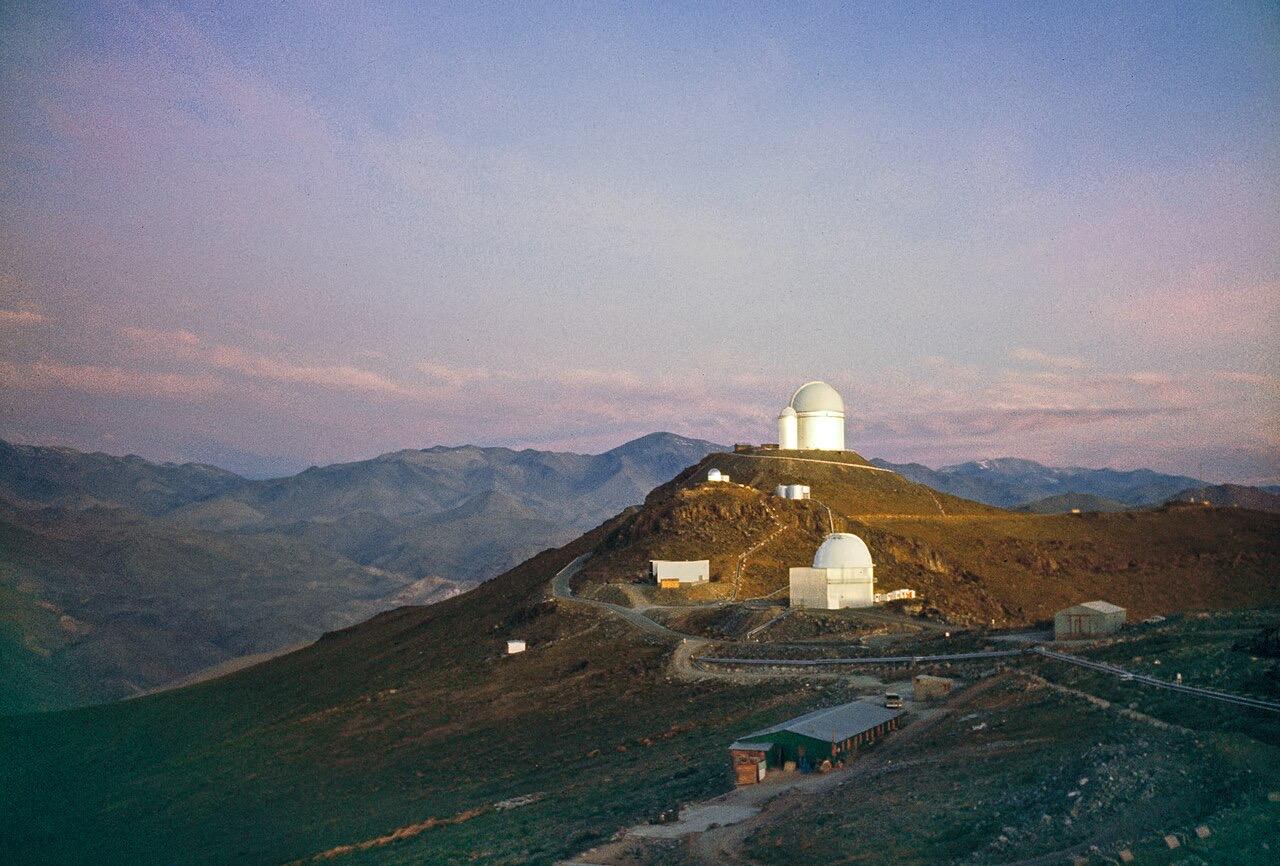
A free Saturday visit to ESO's La Silla Observatory at 2,400 m in Chile, inside its 3.6-metre telescope and, if conditions allow, the New Technology Telescope.
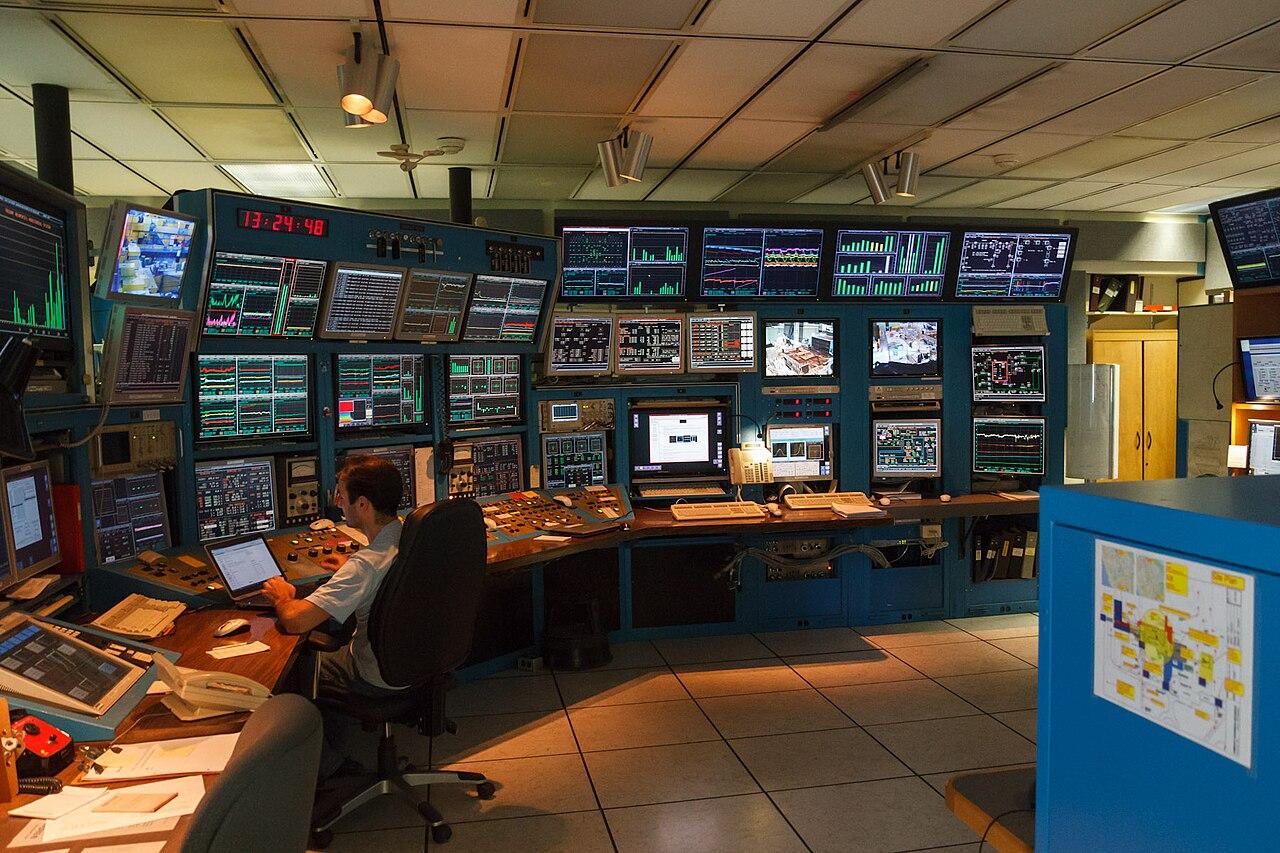
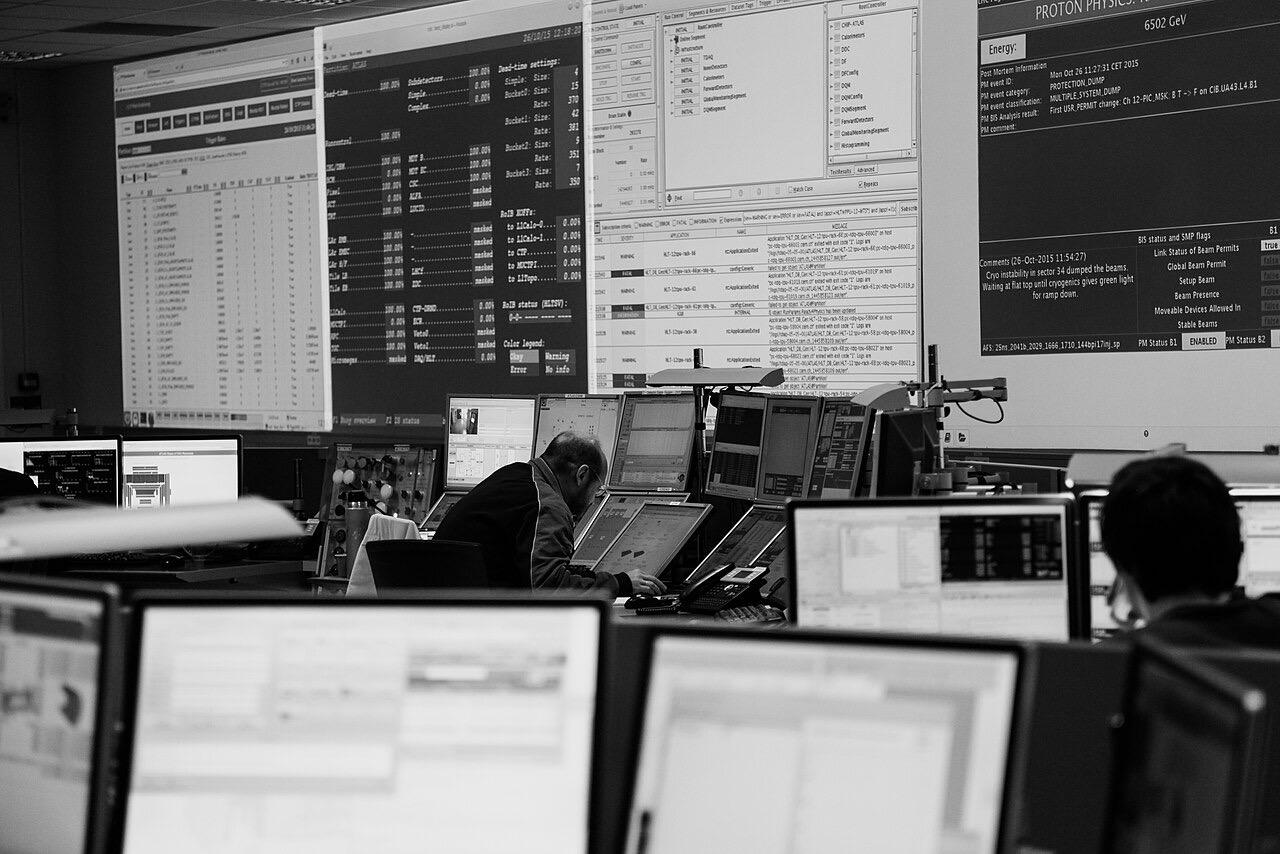
Free entry to CERN's Science Gateway, with 90-minute guided tours of the ATLAS control room and the 1957 Synchrocyclotron given out on the day.
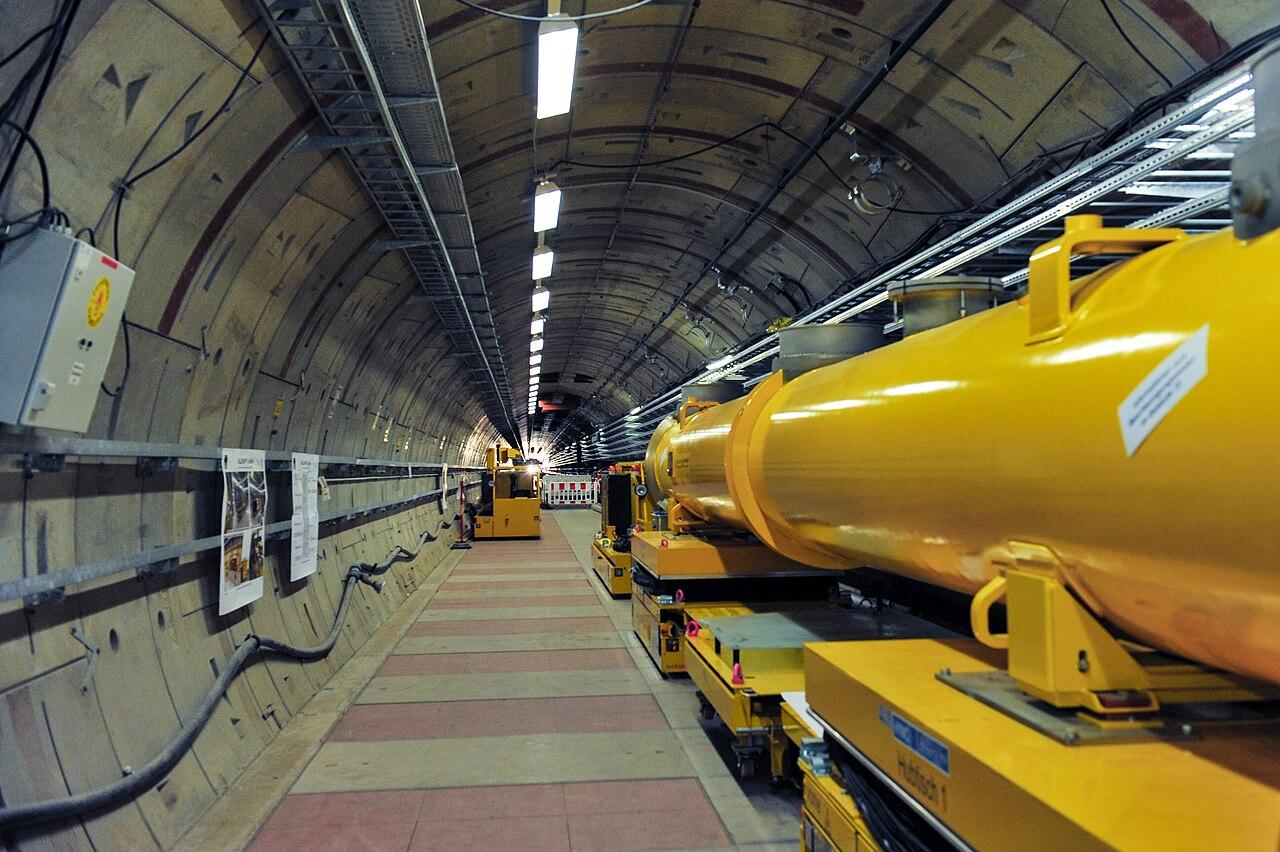
A free guided tour of about three hours through DESY, the Deutsches Elektronen-Synchrotron in Hamburg, with long walks and stairs; for visitors 16 and over.
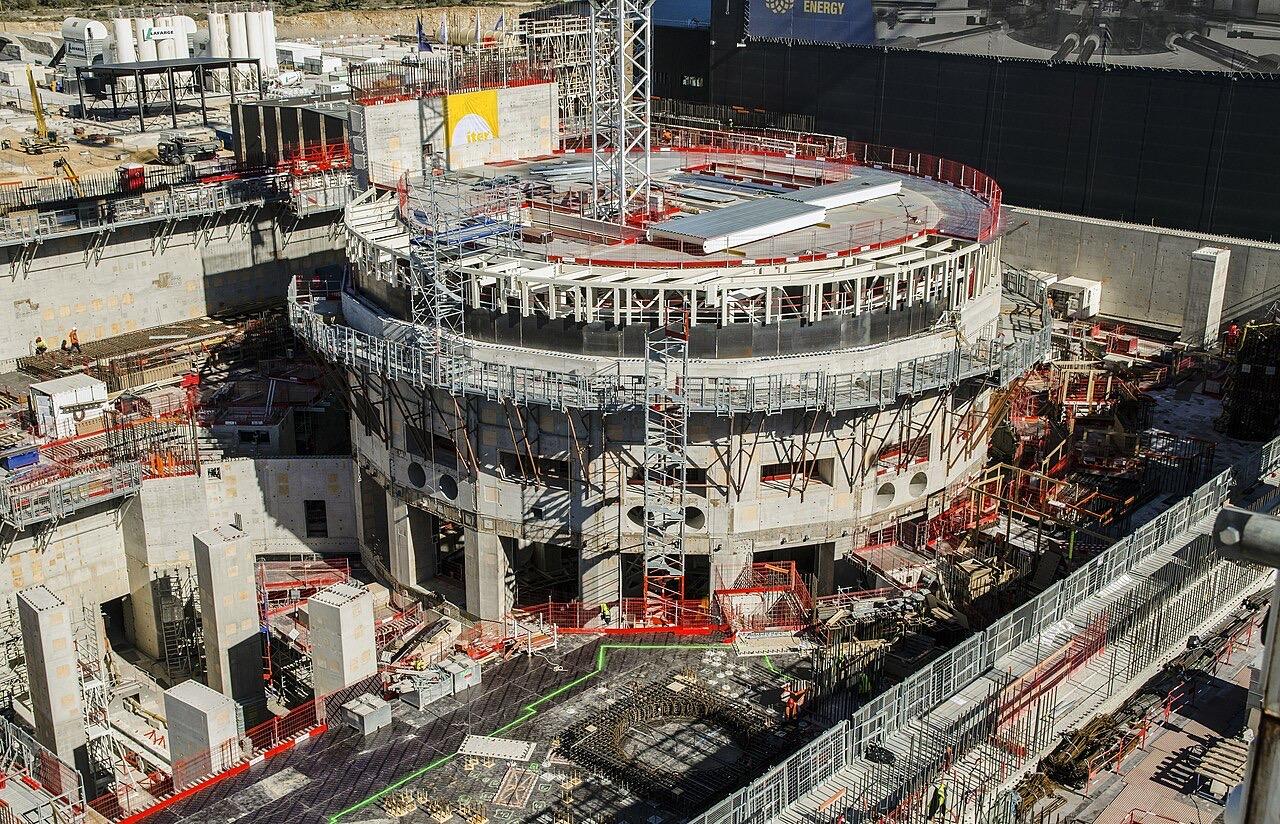
A free 90-minute visit: a presentation with a view over the worksite, then a bus tour of the site where the fusion machine is being assembled.
A free 75-minute guided bus tour of JAXA's Tanegashima Space Center, the largest rocket launch facility in Japan, from rocket assembly to range control.
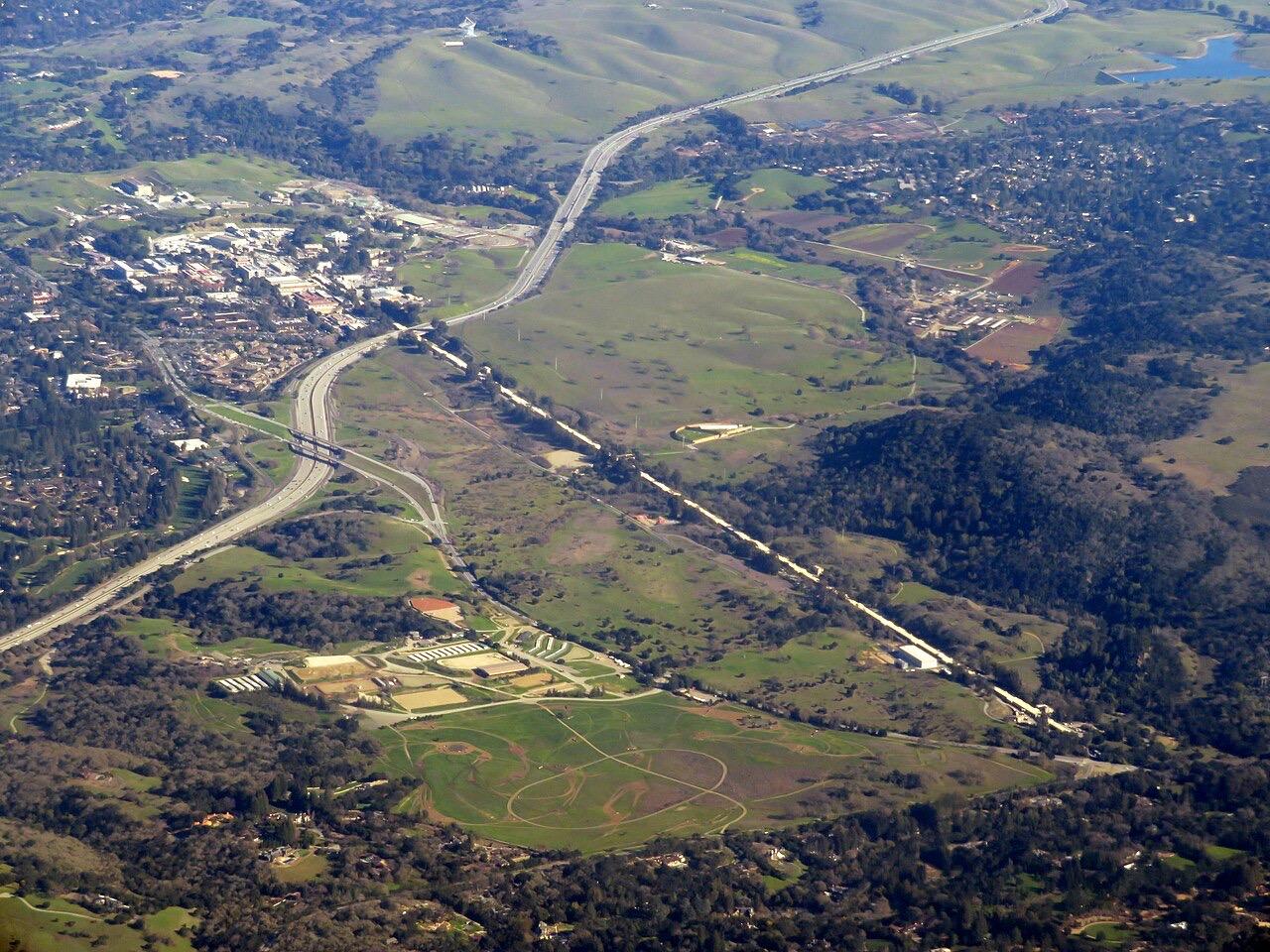
A free 90-minute tour of SLAC in Menlo Park, California, along its 2-mile linear accelerator to the experiment halls of the LCLS X-ray laser.
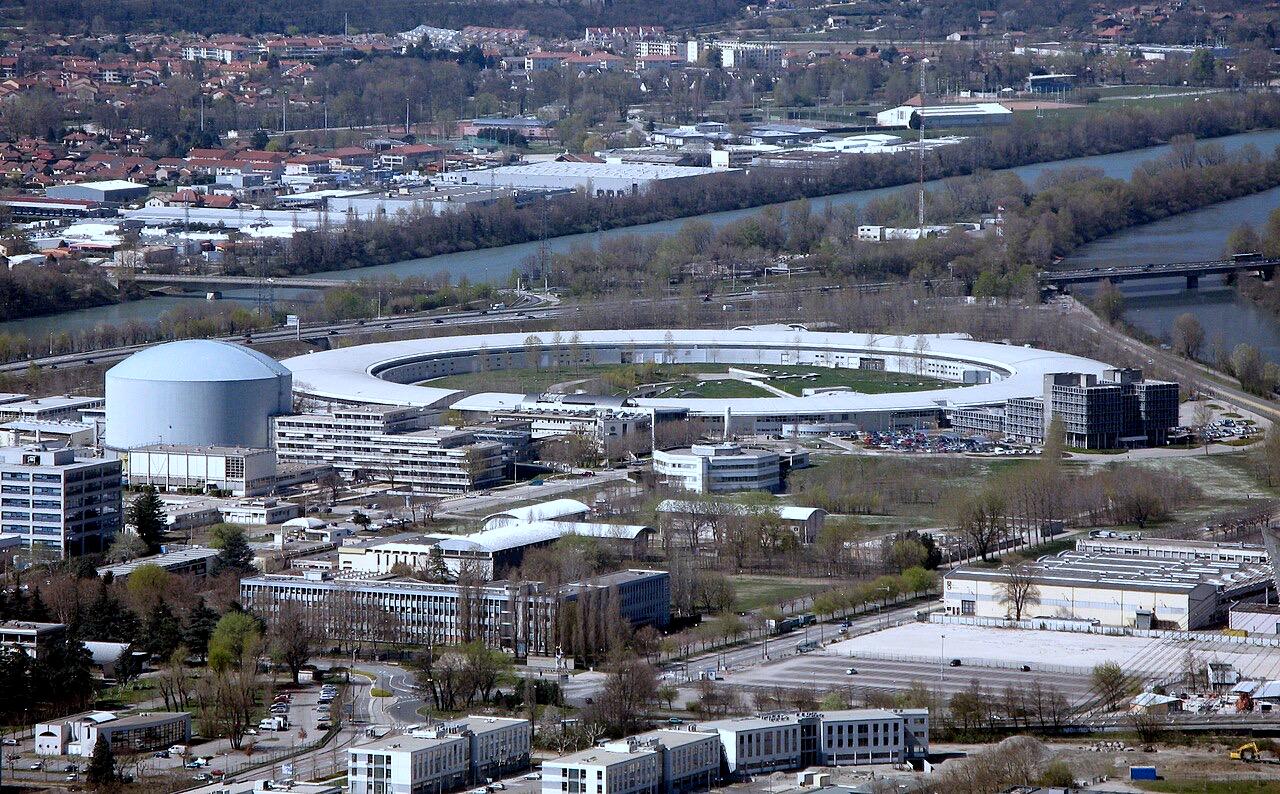
A free 2.5-hour visit of the ESRF, the ring-shaped X-ray source in Grenoble, open to groups of 15 to 45 who ask two months ahead.
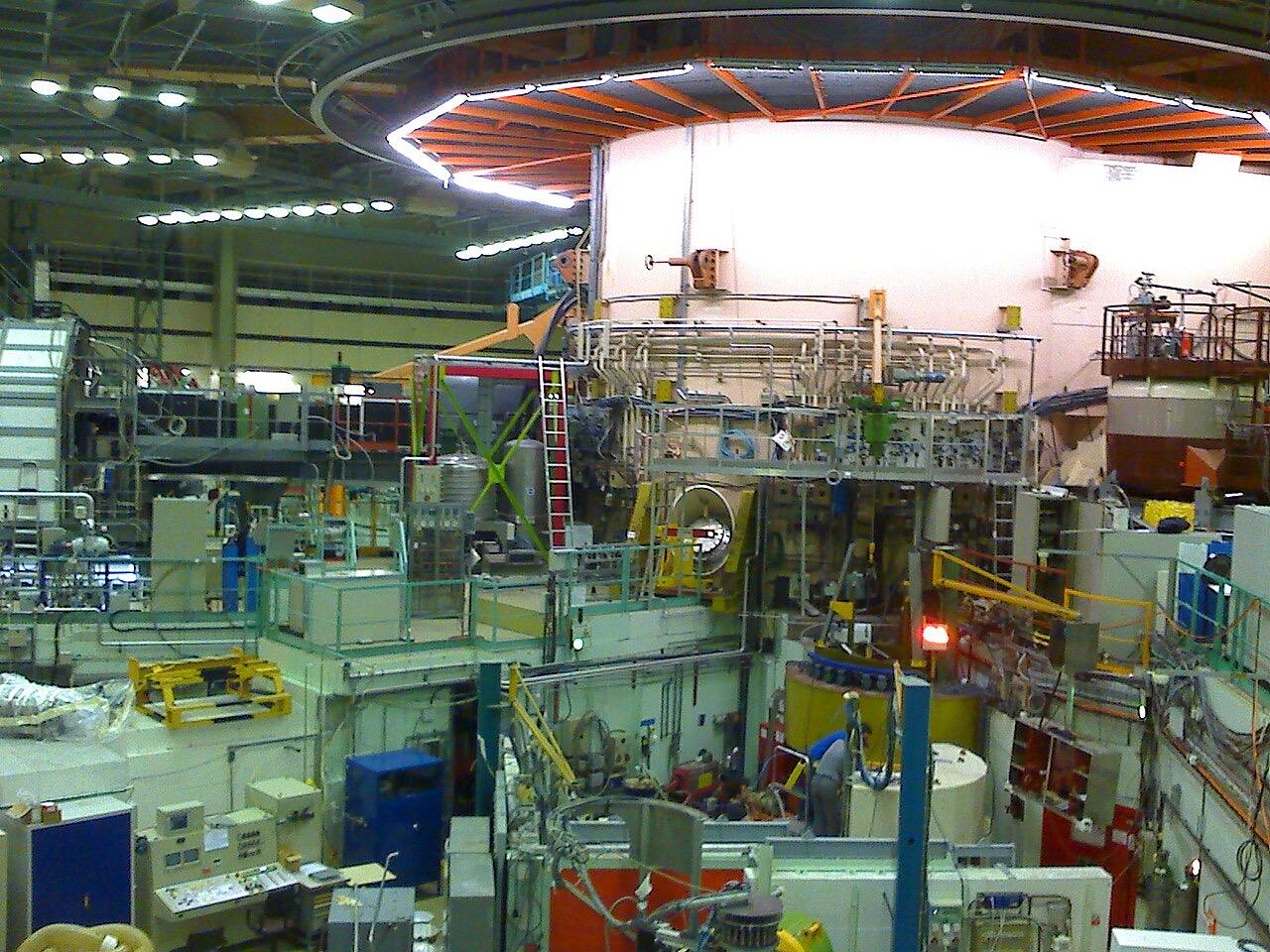
Three free public afternoons in spring 2027 inside the Institut Laue-Langevin, home of the research reactor that supplies neutrons to scientists.
A free combined tour, every other Friday, of the Gemini South telescope and the NSF-DOE Vera C. Rubin Observatory, 2,700 m up Cerro Pachon in Chile.
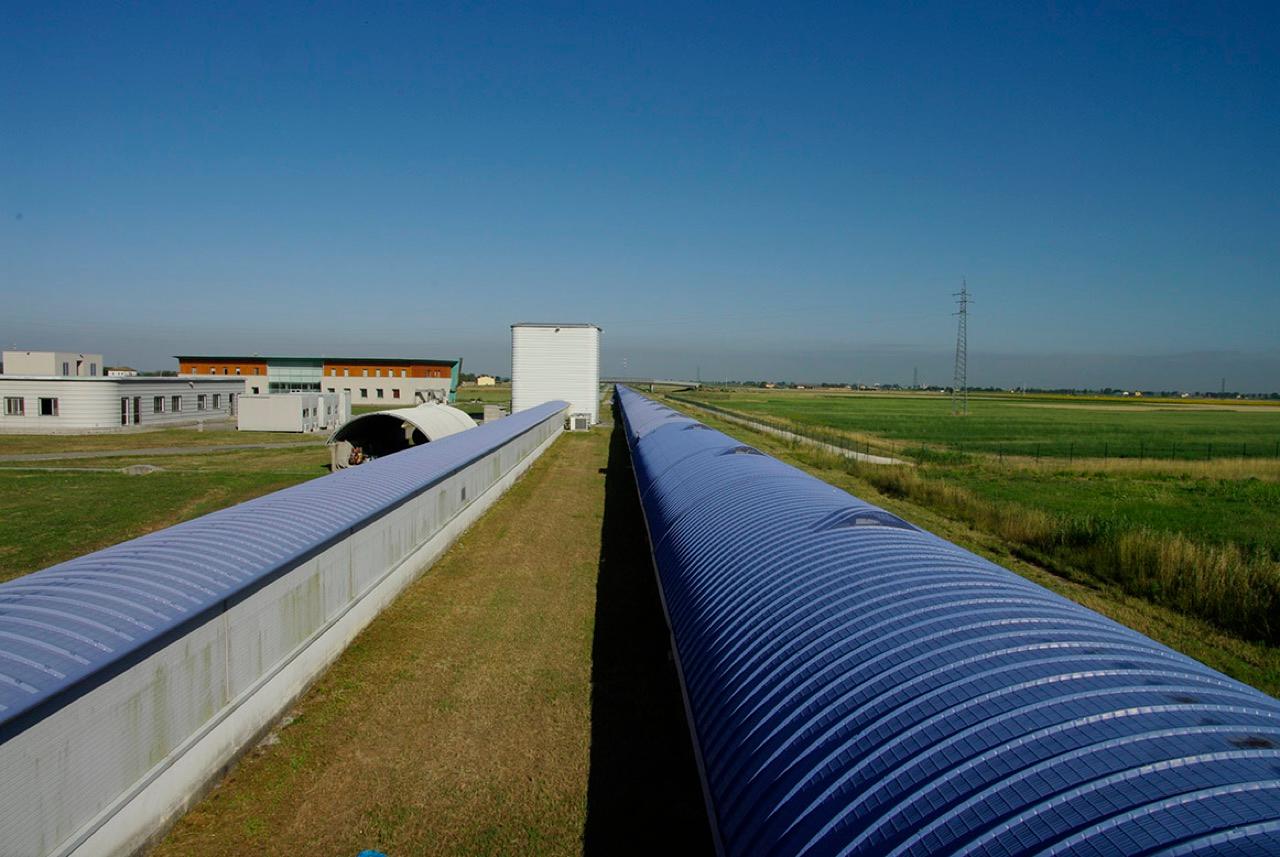
A free tour of the laser detector near Pisa that picks up colliding black holes, with stops in its tunnel, its central building and its control room.
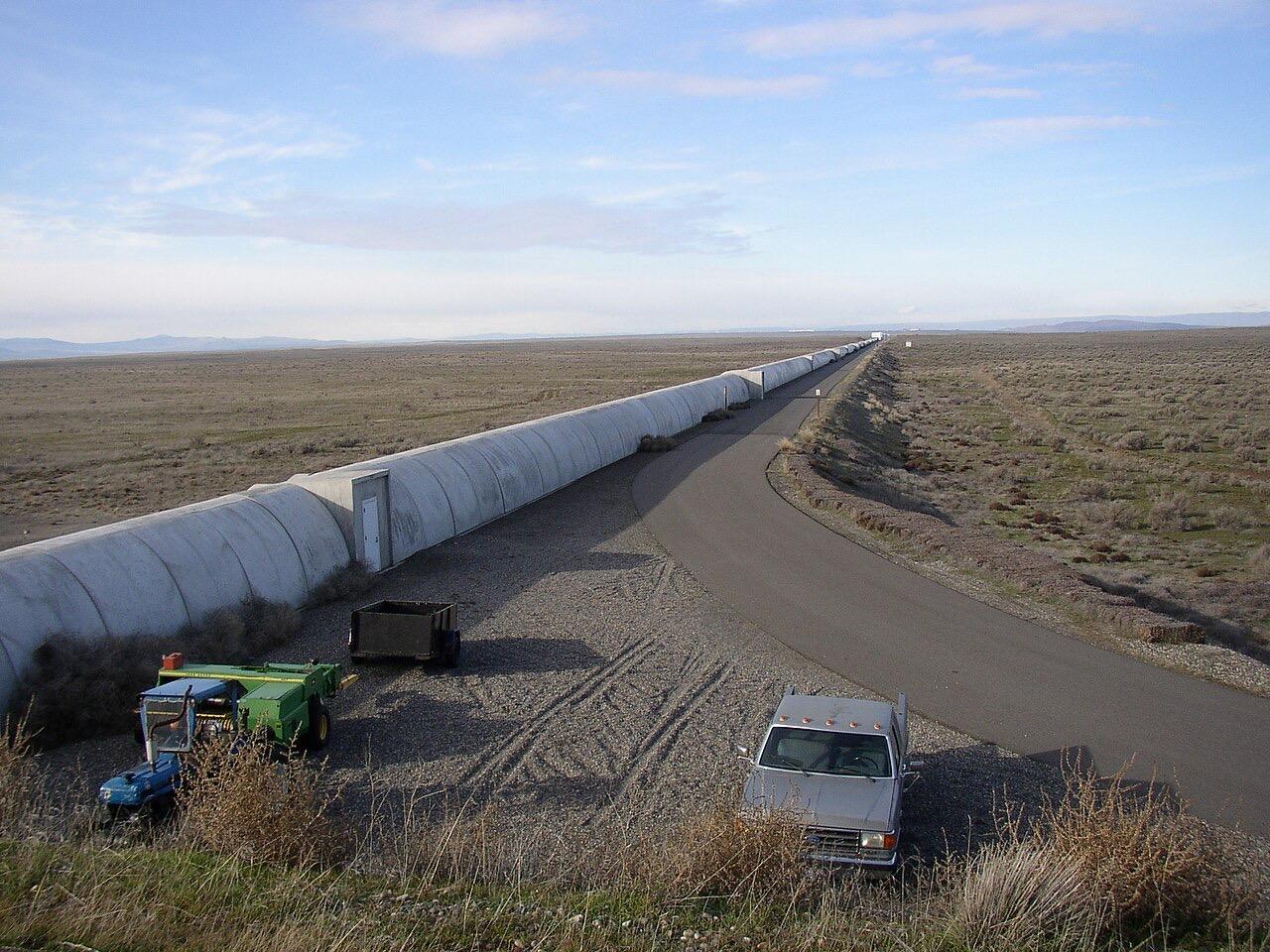
A free Saturday tour of LIGO Hanford in Washington: its control room, a view down both 4 km arms, and a talk from the people who run the detector.
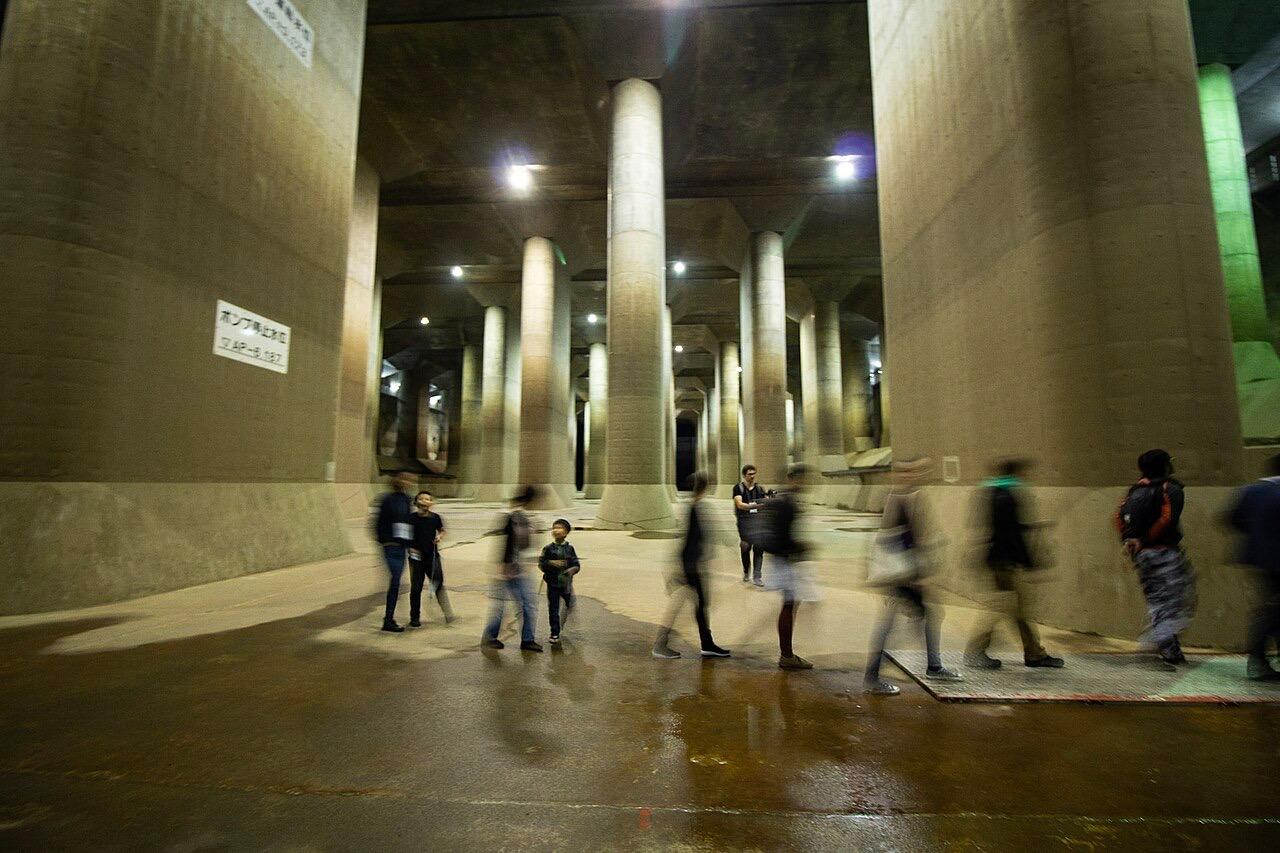
A four-hour tour for at most 16 people down a 70 m shaft into the tunnel and the pillared 'underground temple' of the channel that keeps floods off Tokyo.
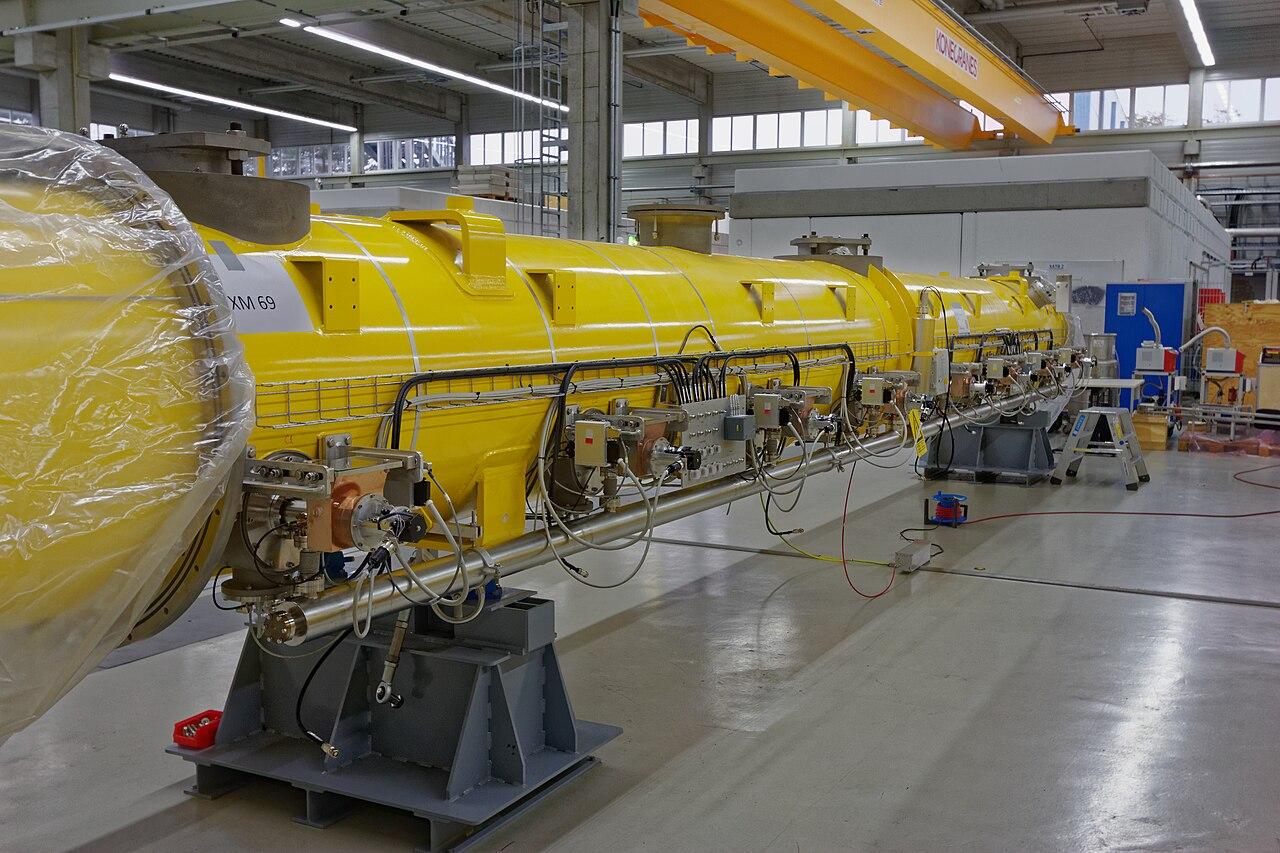
A free 90-minute public tour of the European XFEL X-ray laser in Schenefeld near Hamburg, through its exhibition and down into the underground experiment hall.
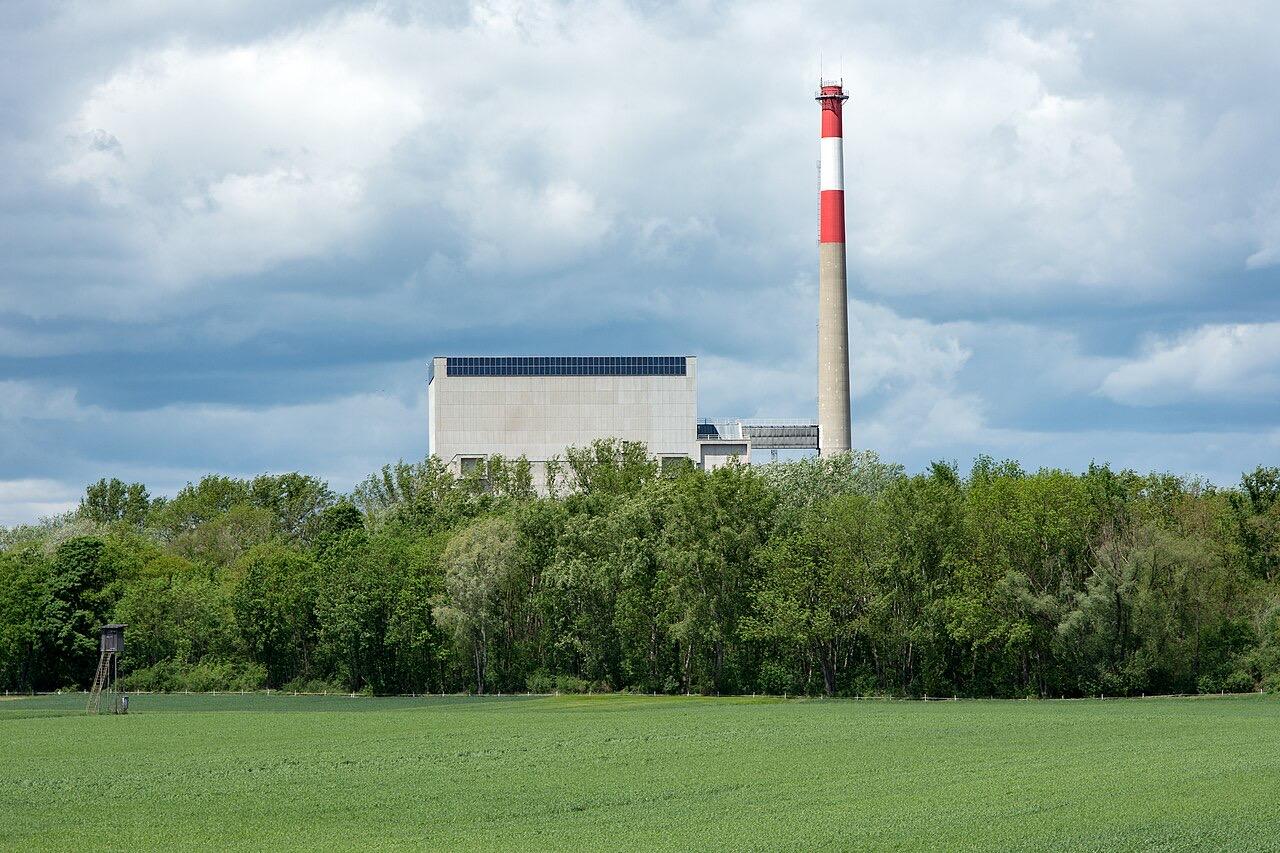
A free two-hour tour of the only nuclear plant in the world built to completion and never run, its reactor and control room still in their original state.
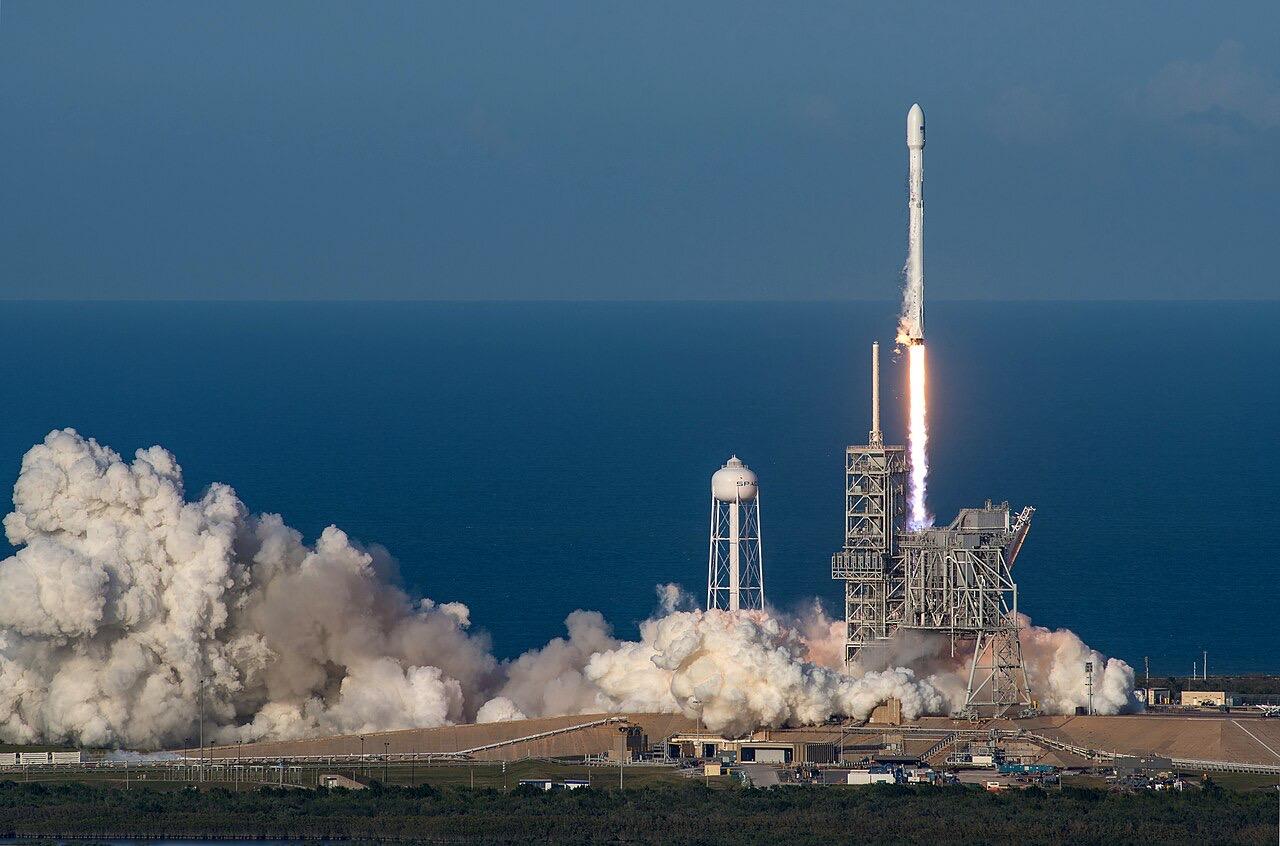
SpaceX launches from Cape Canaveral every few days, and the visitor complex's viewing areas, about 10 km from the pad, are the closest public seats.
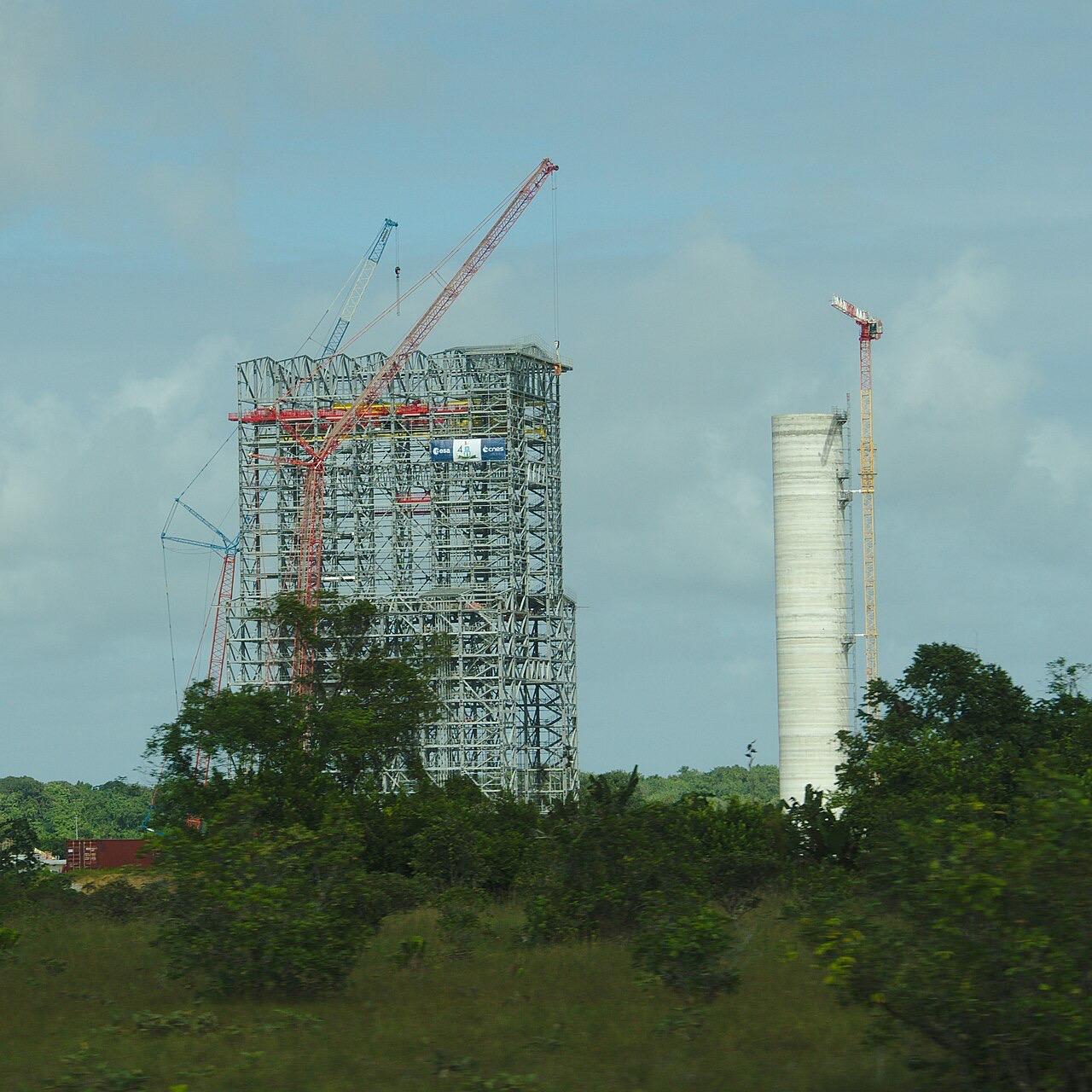
Watch Europe's heavy rocket launch from an official viewing site about 15 km from the pad in Kourou, free and without booking at Carapa.
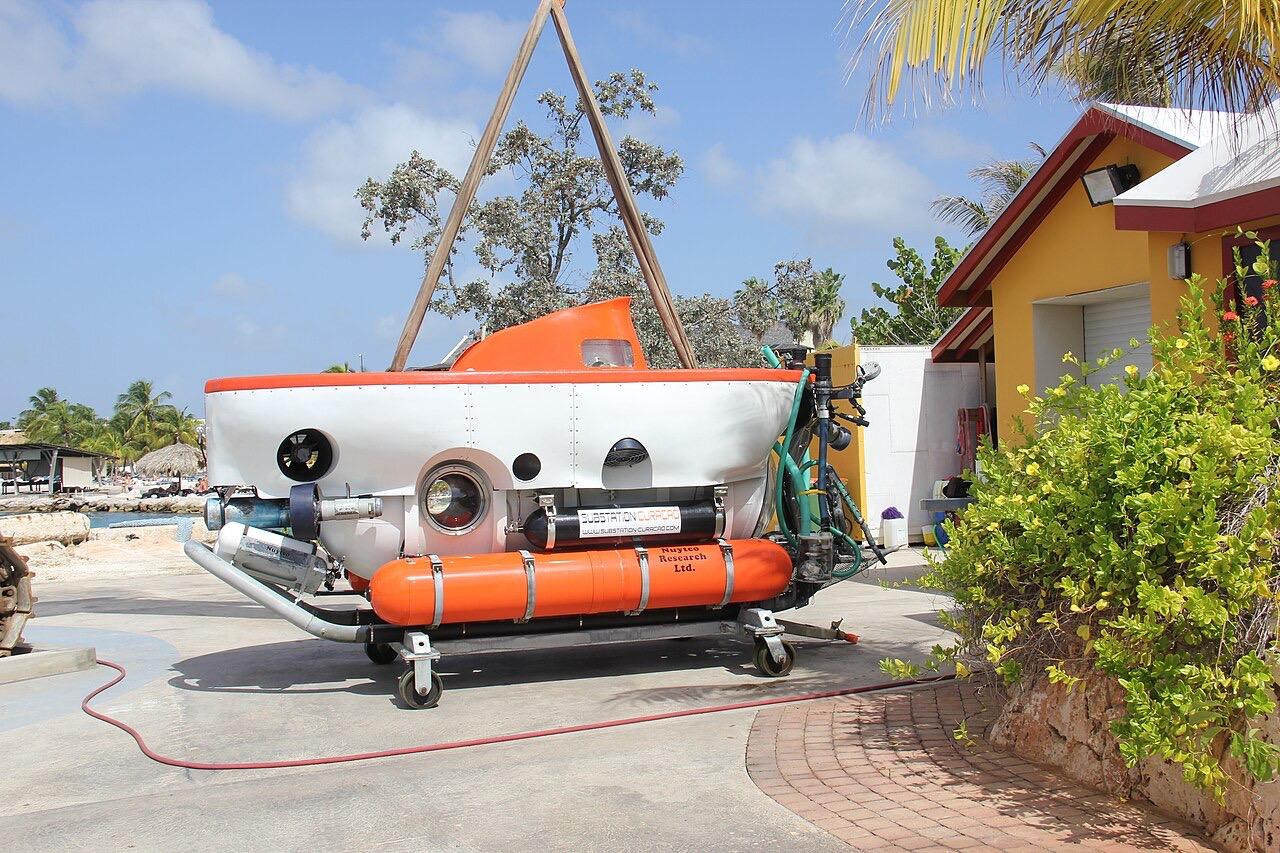
Join a pilot in the Curasub and sink 135 m, 200 m or 300 m into the Caribbean off Willemstad, far deeper than any recreational diver can go.
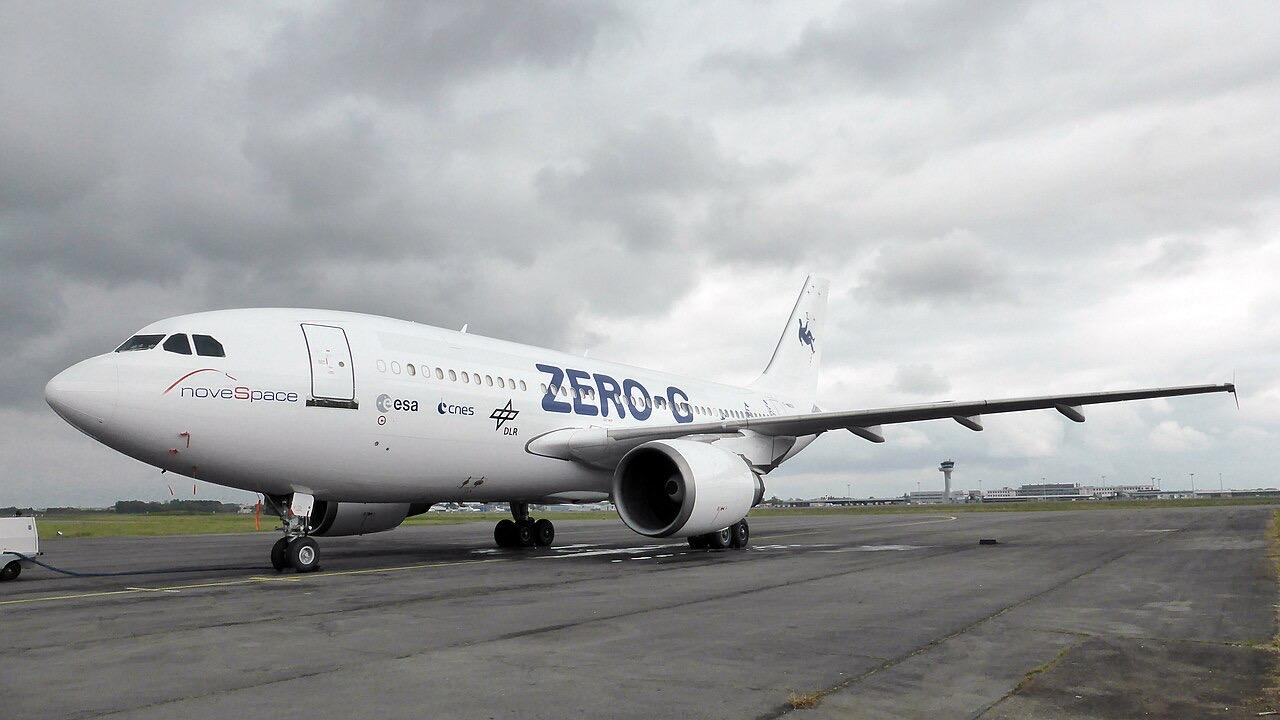
About 15 parabolas of real weightlessness aboard the Airbus A310 Zero G from Bordeaux, at the top of each climb and dive.
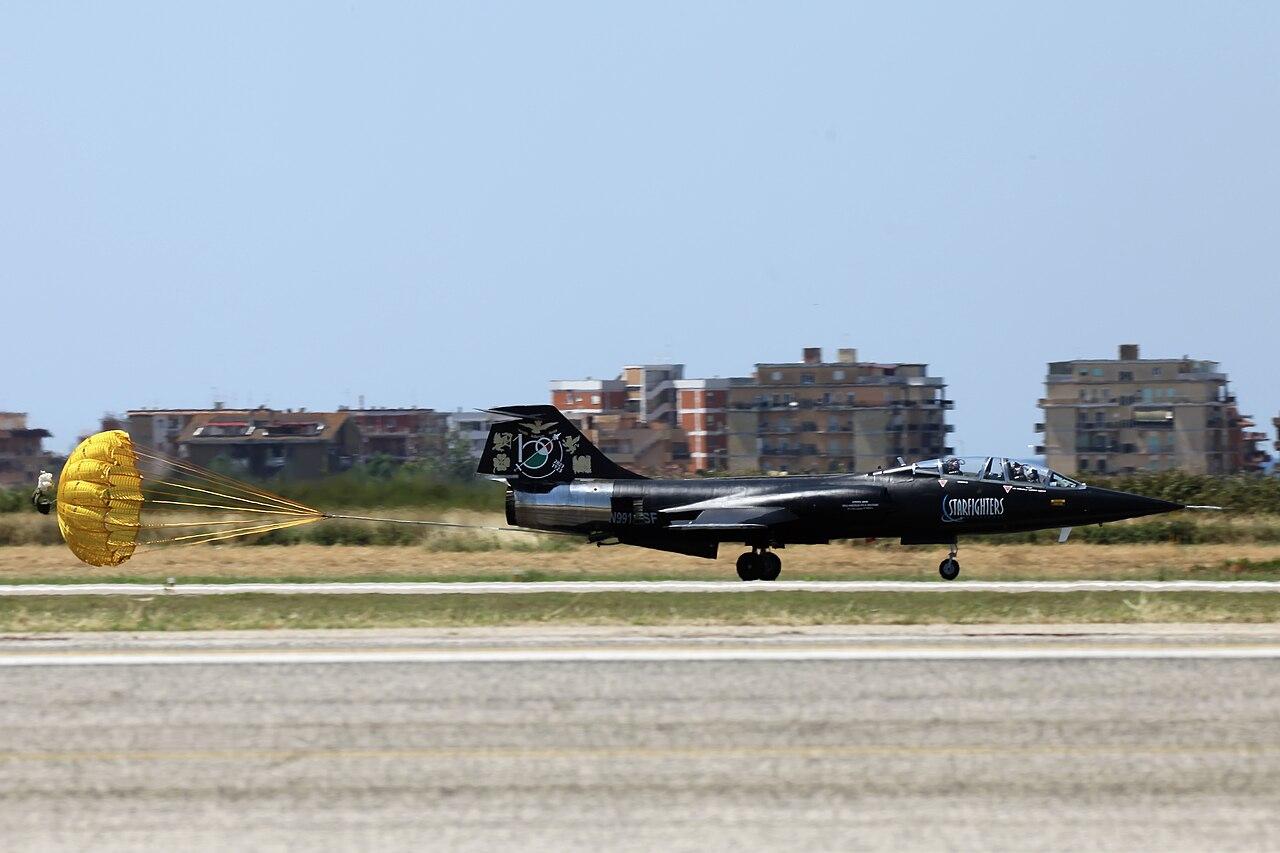
Three days of training at Kennedy Space Center, then a 35 to 50-minute flight past Mach 1 in 'the missile with a man in it', taking off from the Shuttle Landing Facility.
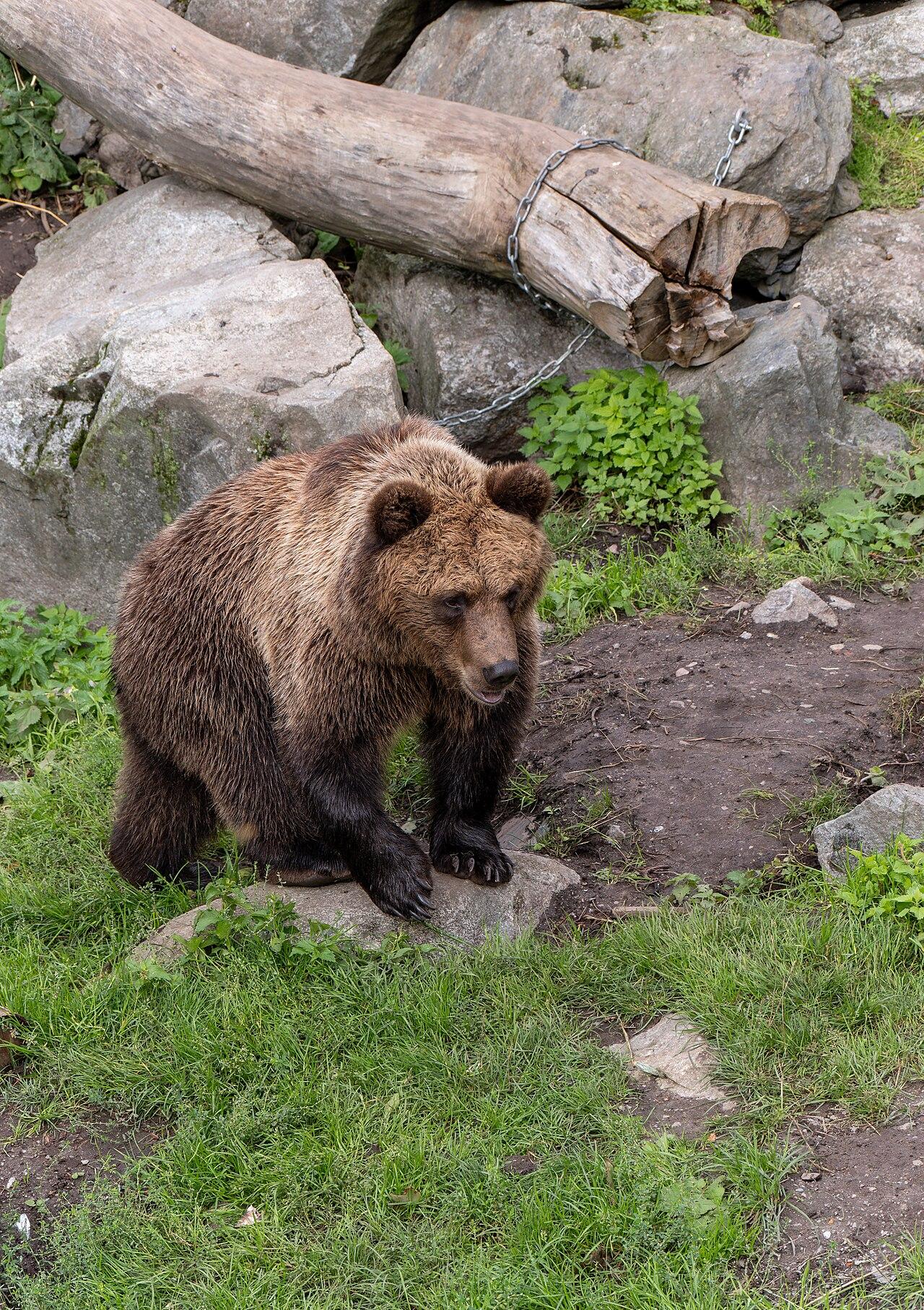
Ten days with Scandinavia's brown bear research project, hiking to the GPS fixes of collared bears to measure their dens and collect hair and scat.
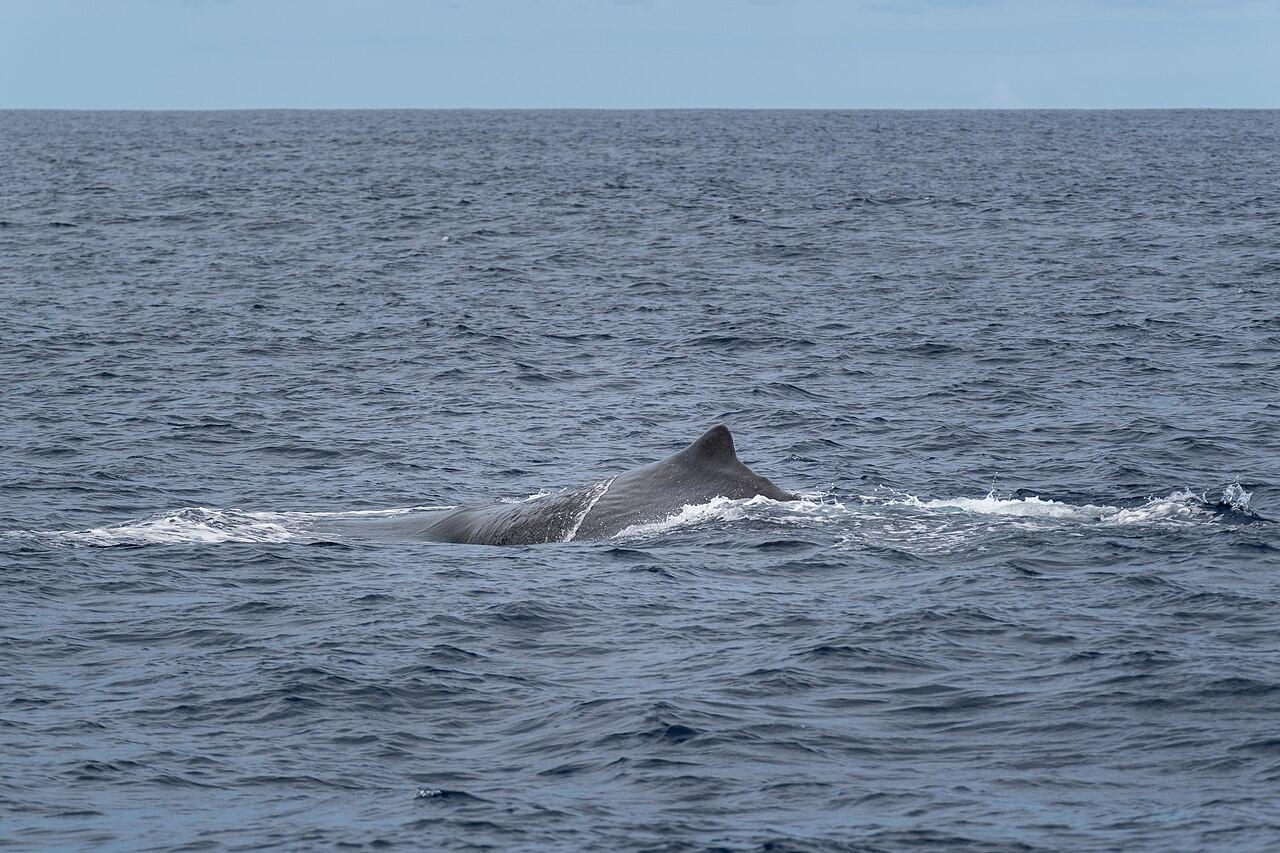
Ten days at sea off Faial during the spring whale migration, photographing blue, fin and sperm whales for ID catalogues and netting loggerhead turtles to tag.
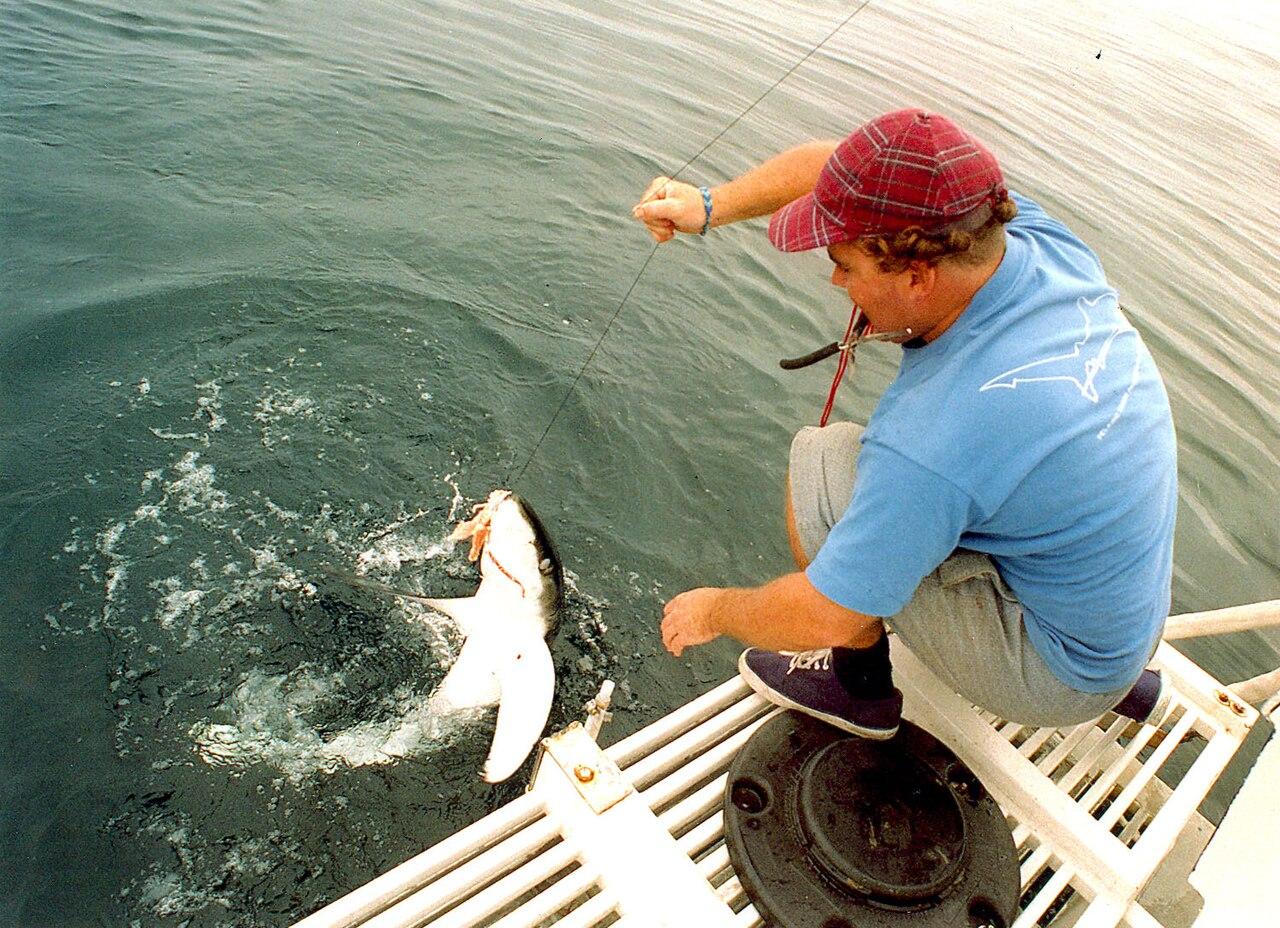
A week on Belize's coast with shark scientist Demian Chapman's team and local fishers: set longlines, haul them after dark, then measure, tag and release the sharks.
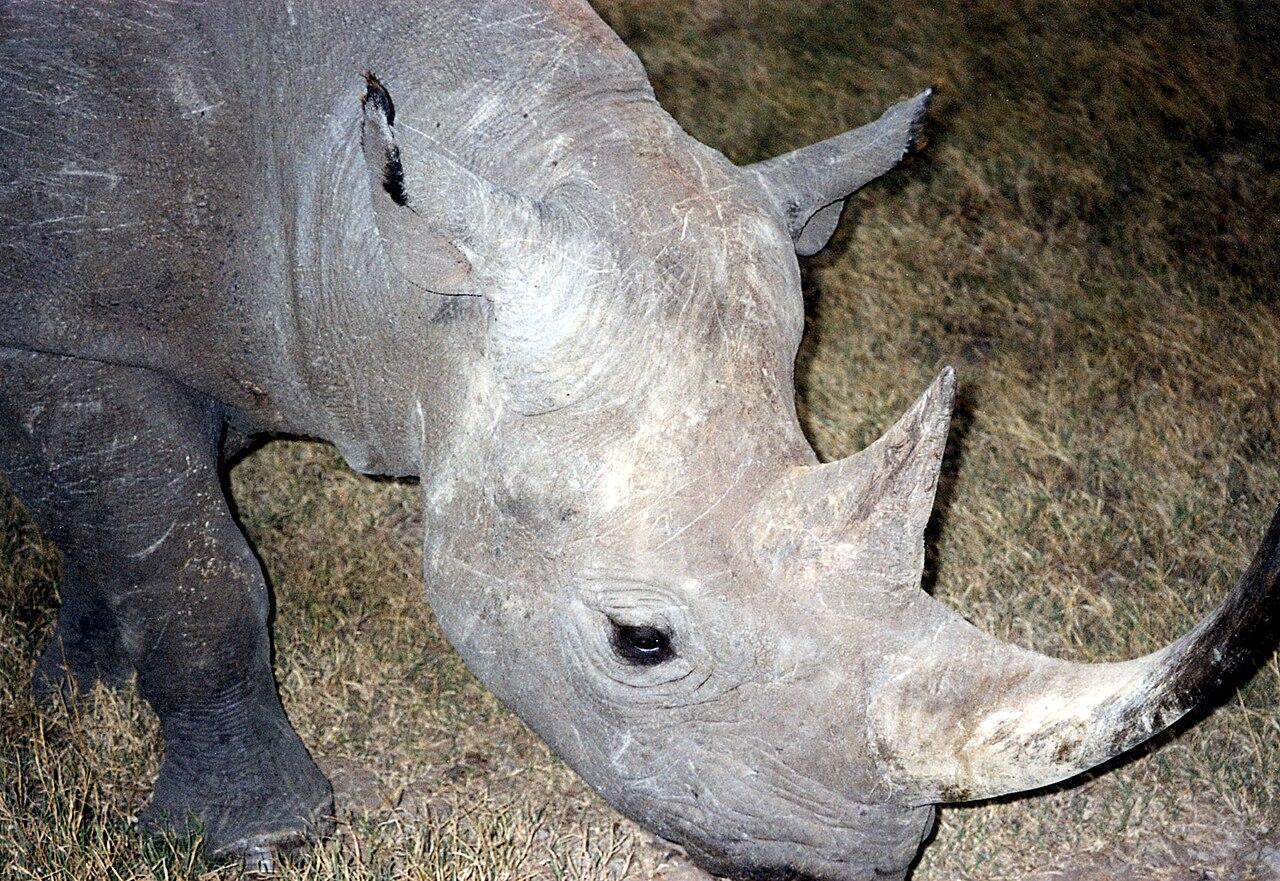
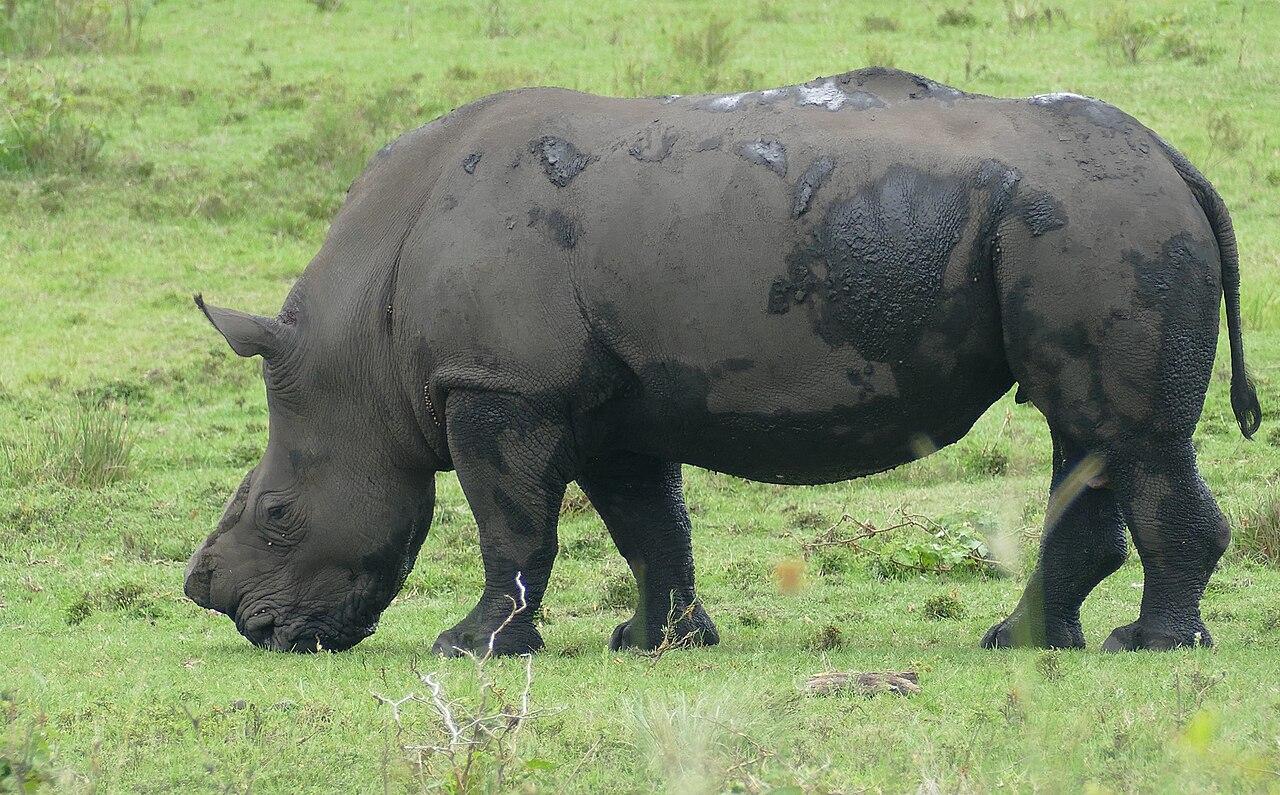
Ten days in Kenya: walk research transects for black rhinos at Ol Pejeta with Kenyan scientists, identify them by ear notches, then meet rescued elephants at Reteti.
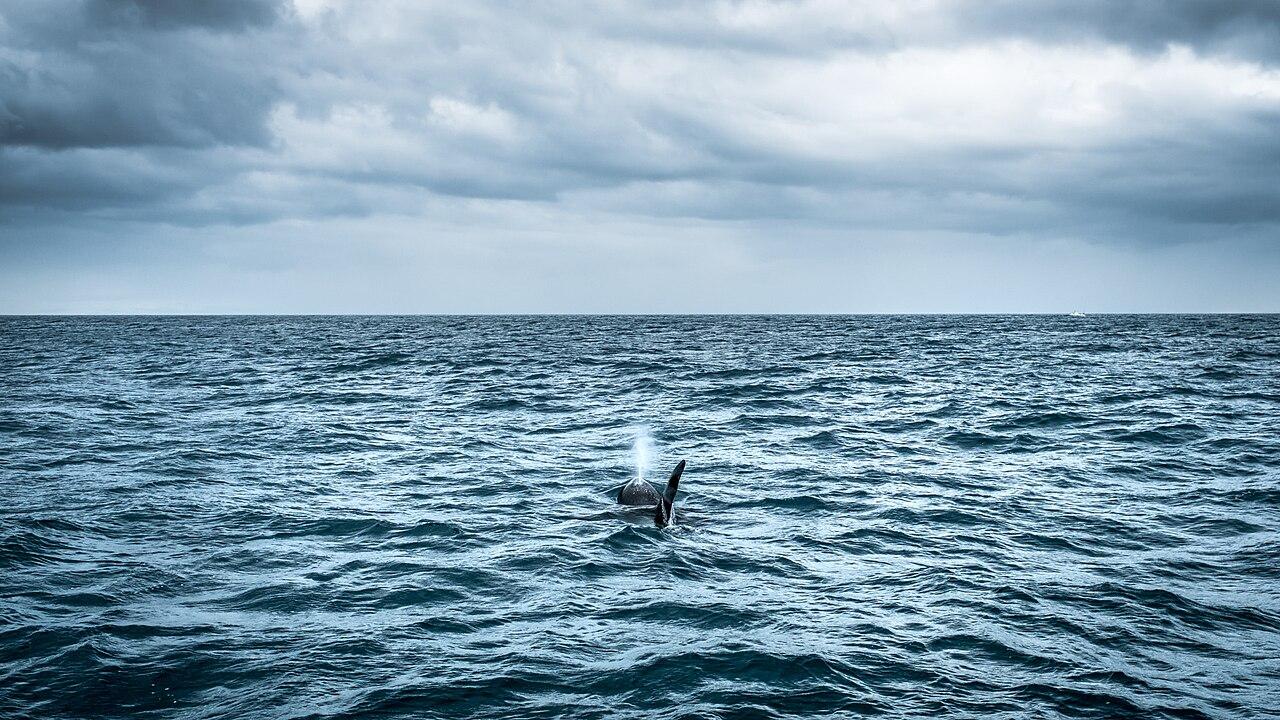
Eight days ending with three to four research days on the Westman Islands, photographing orca dorsal fins from small boats and lookouts for the Icelandic Orca Project.
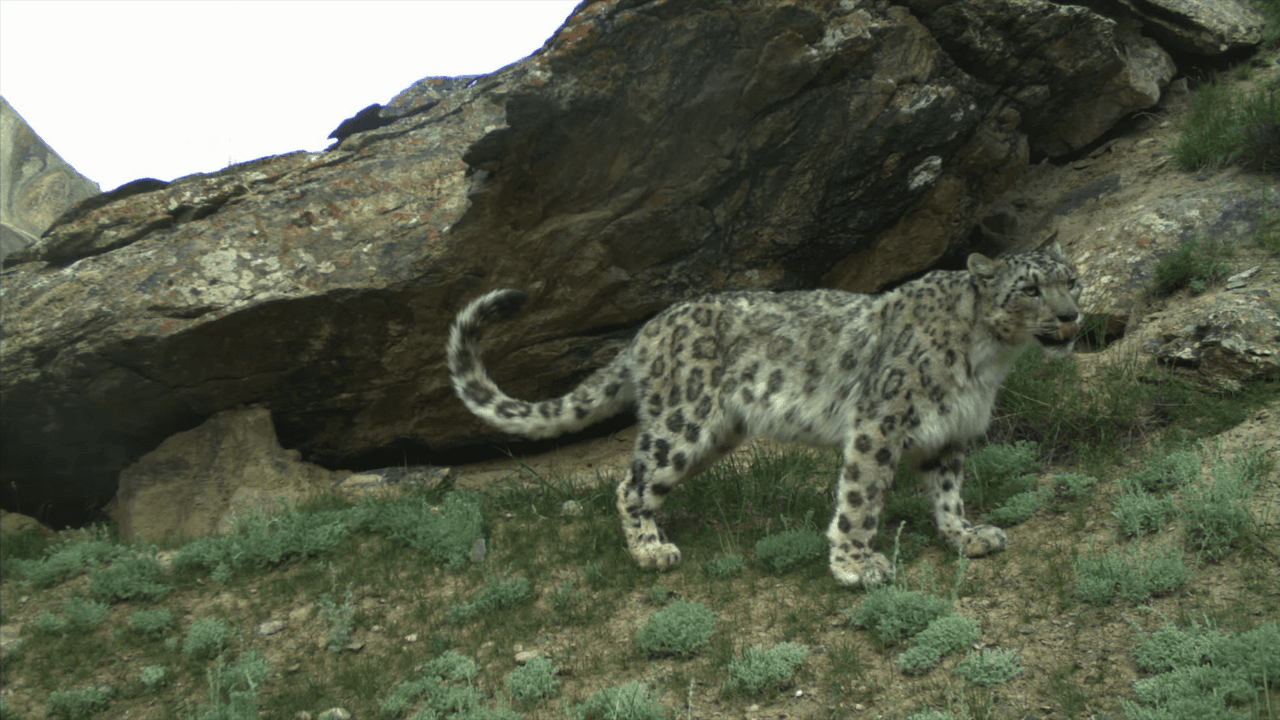
Thirteen days surveying snow leopards and their prey for a real study in the Tien Shan: camera traps, tracks and scats, and nights out on a mountain.
Ten days in South Africa with a small group of six: follow individual rhinos with researchers, record their behaviour, and assist a veterinary team in a horn trimming operation.