185 experiences
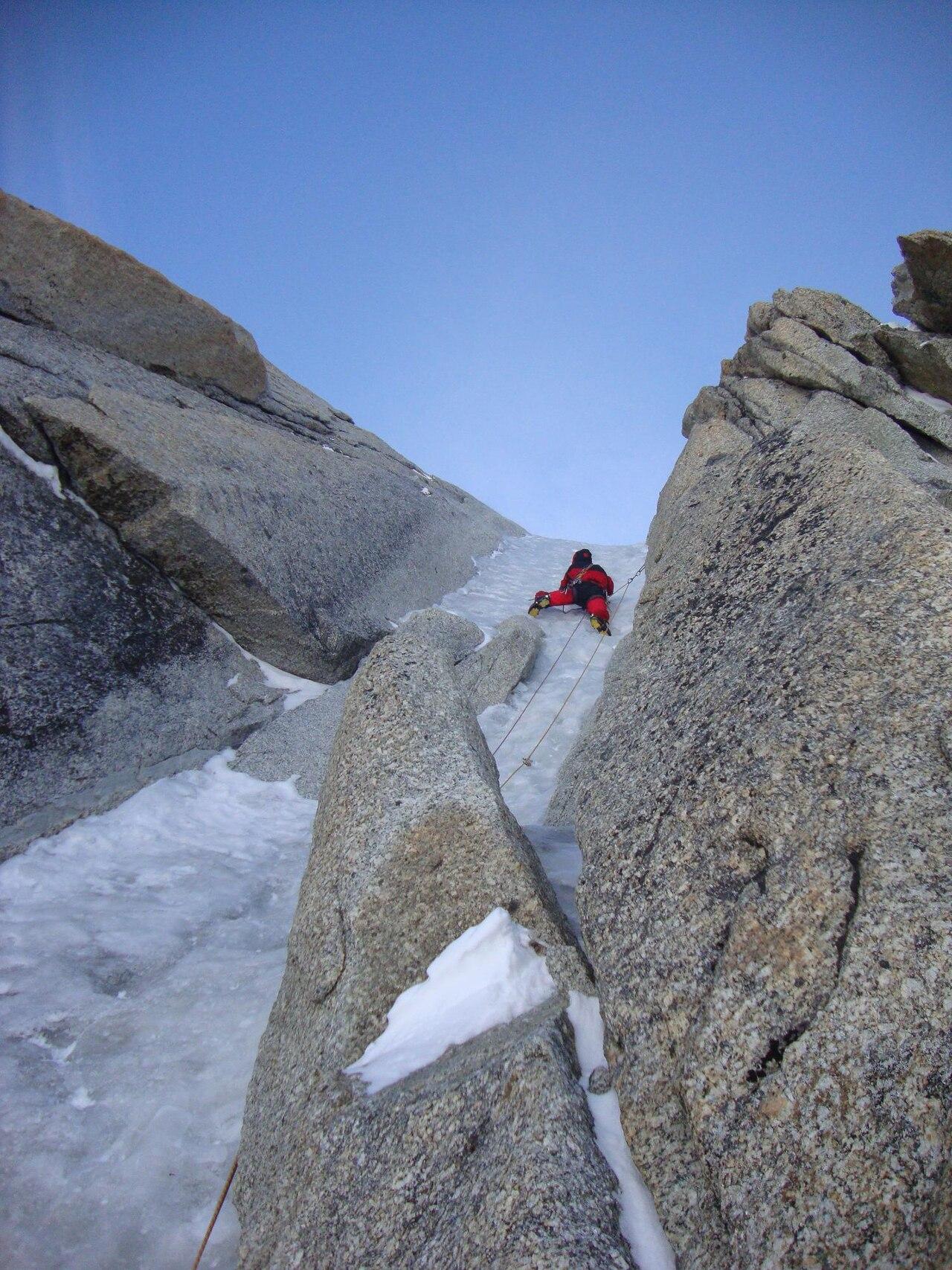
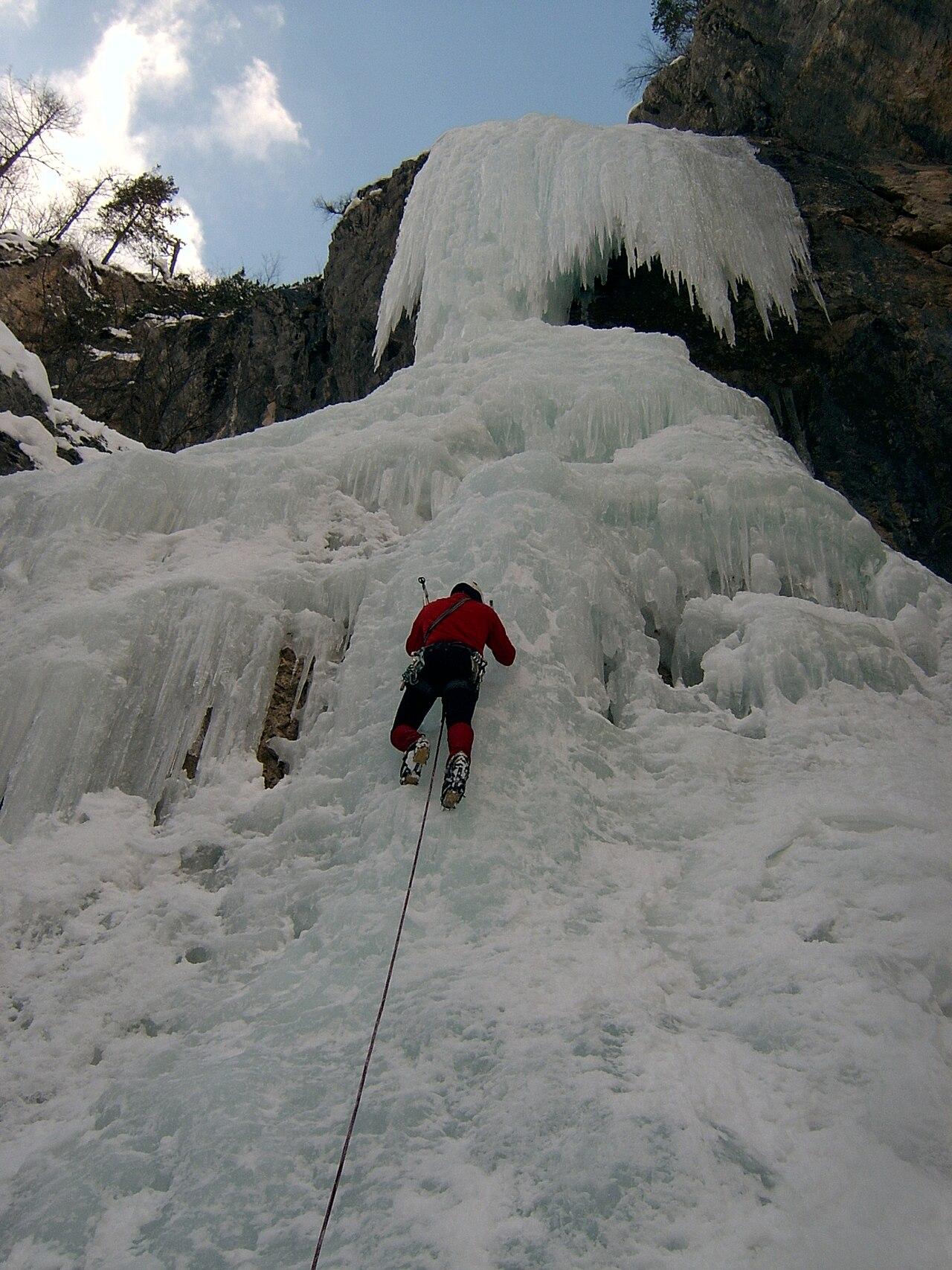
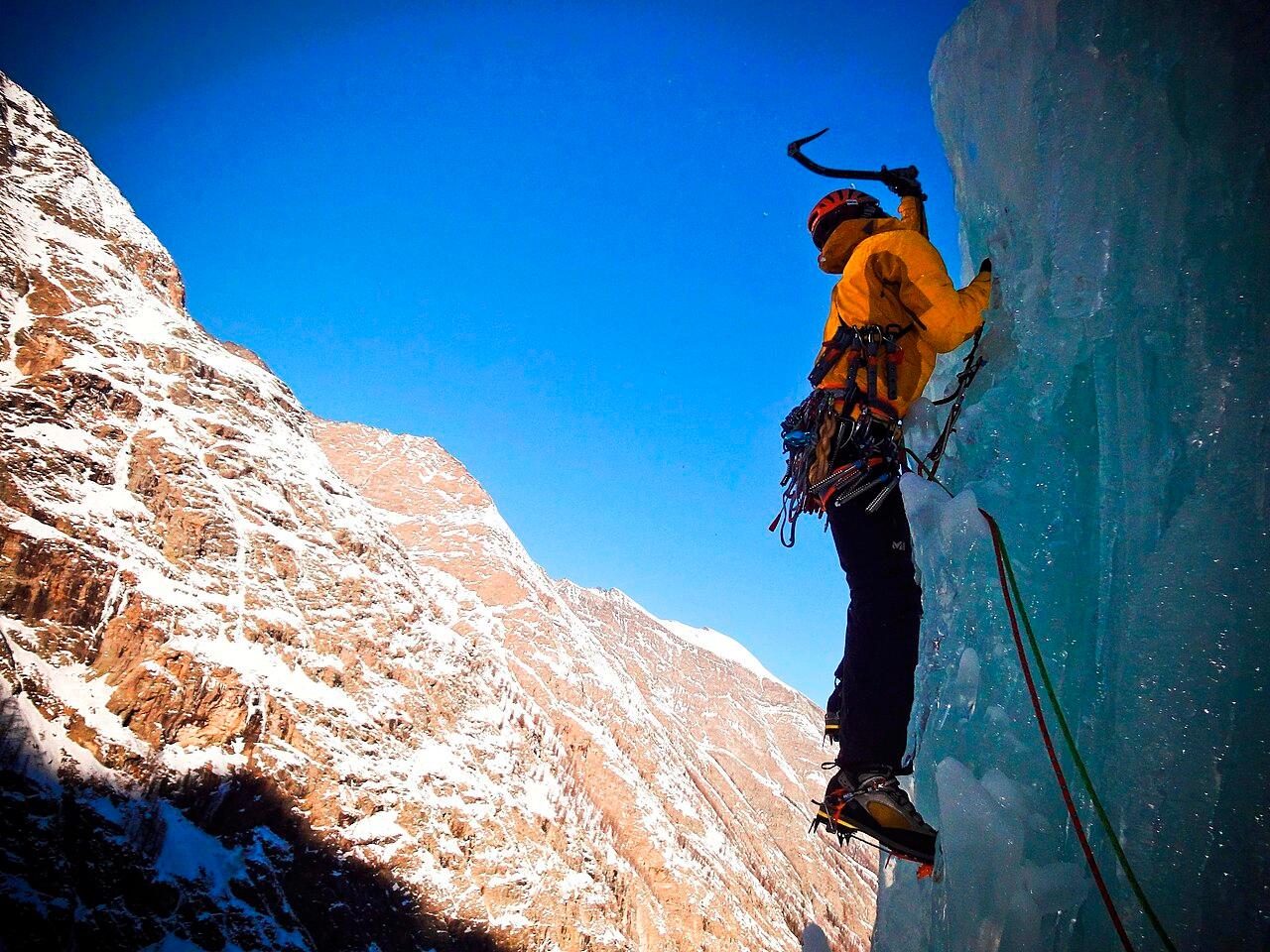
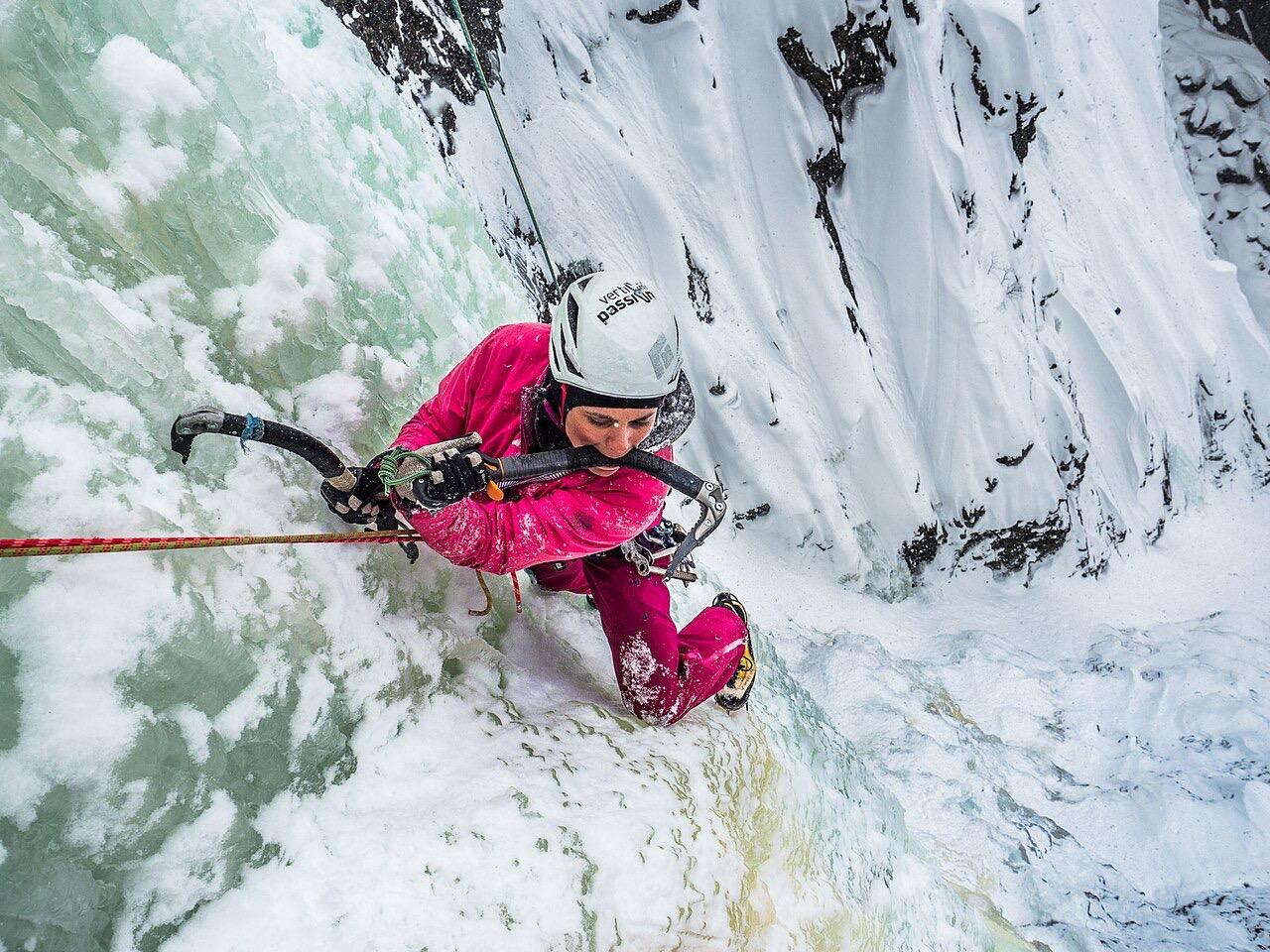
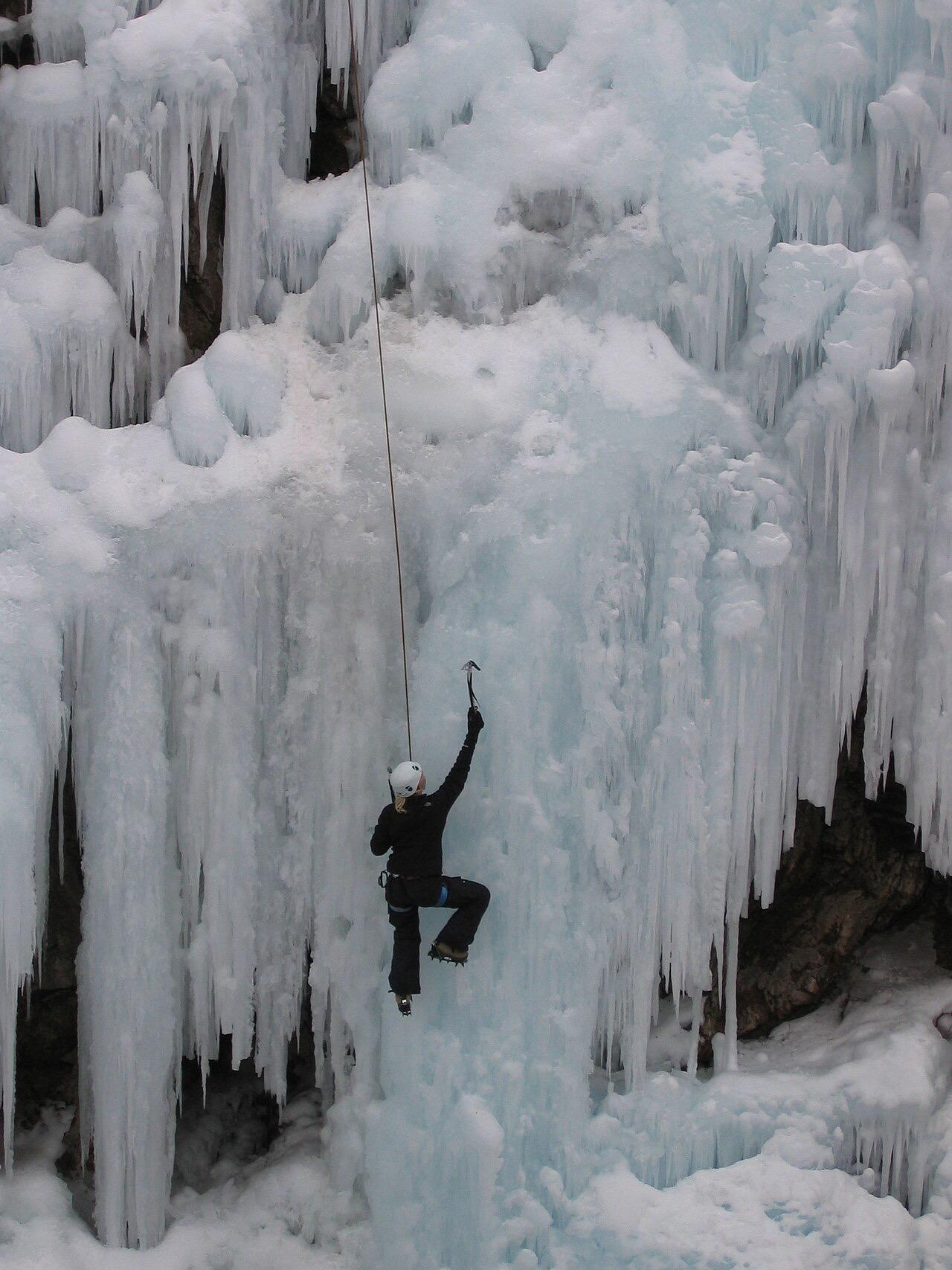
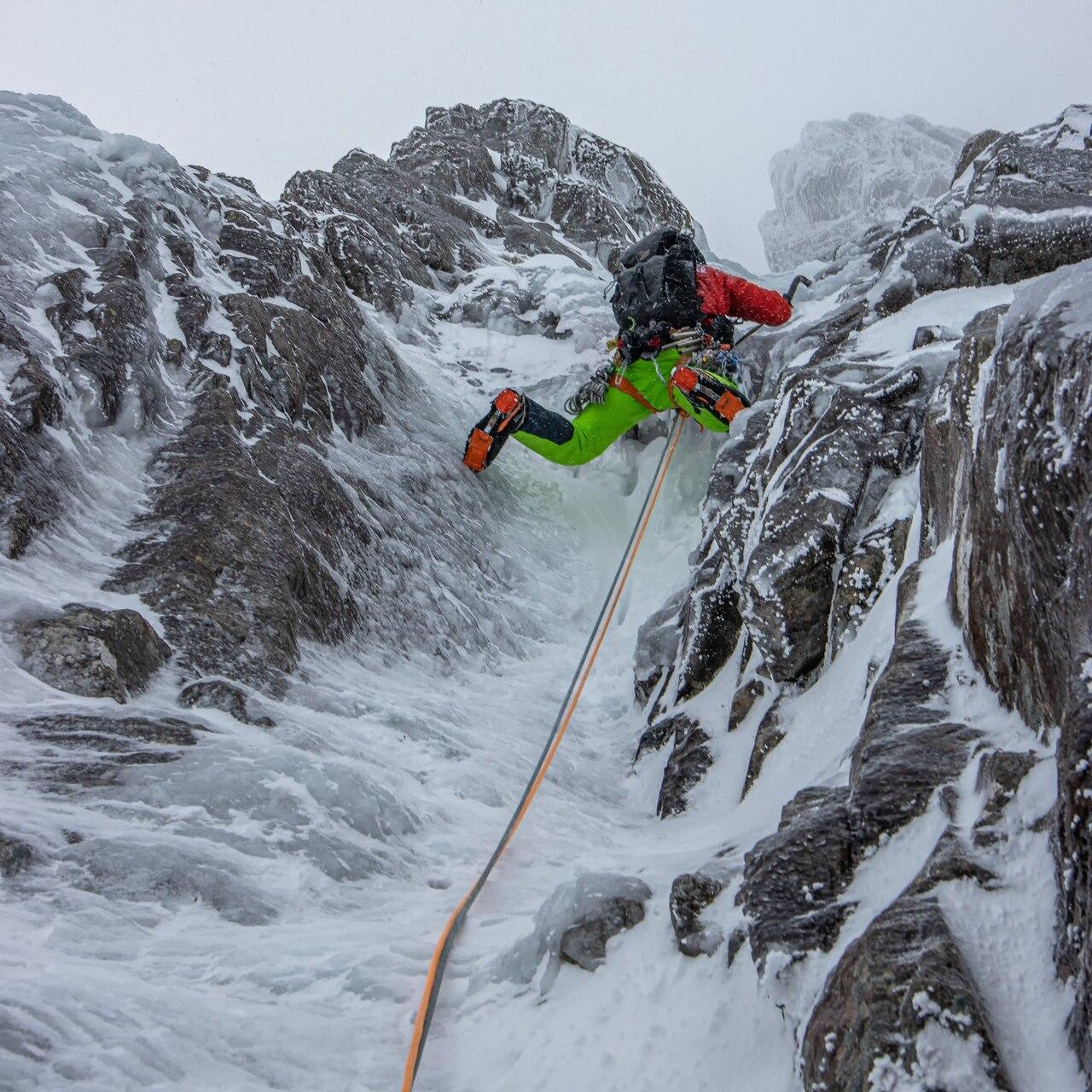
Winter grows short-lived ribbons of ice, called goulottes, on the Mont Blanc massif's faces: climb one, from the Chéré couloir to the Modica-Noury, with a guide.
A week of one-to-one guiding in early June, aiming for two-tool ice lines such as the Chèré Couloir on the Triangle du Tacul or Gran Paradiso's north face.
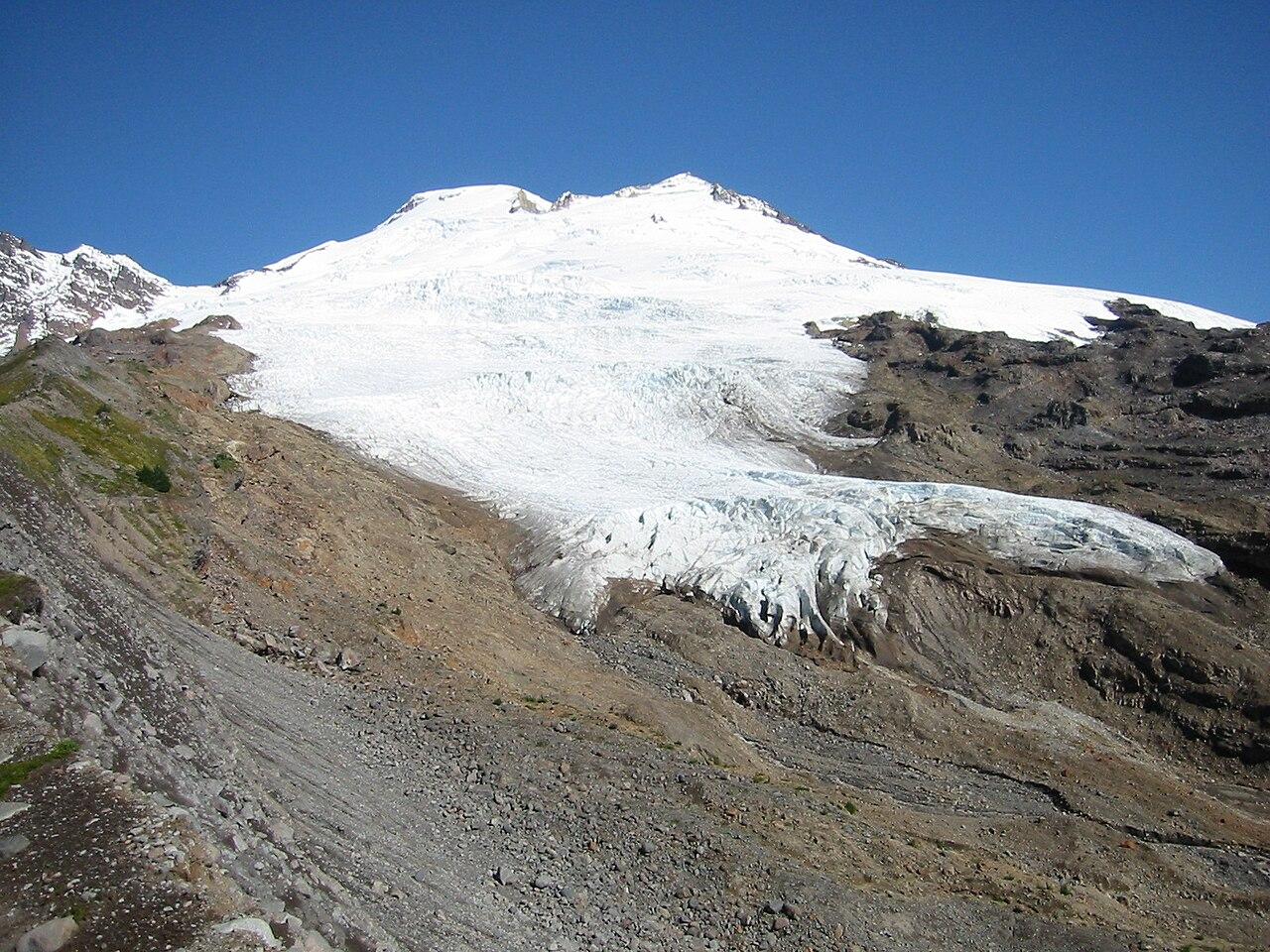
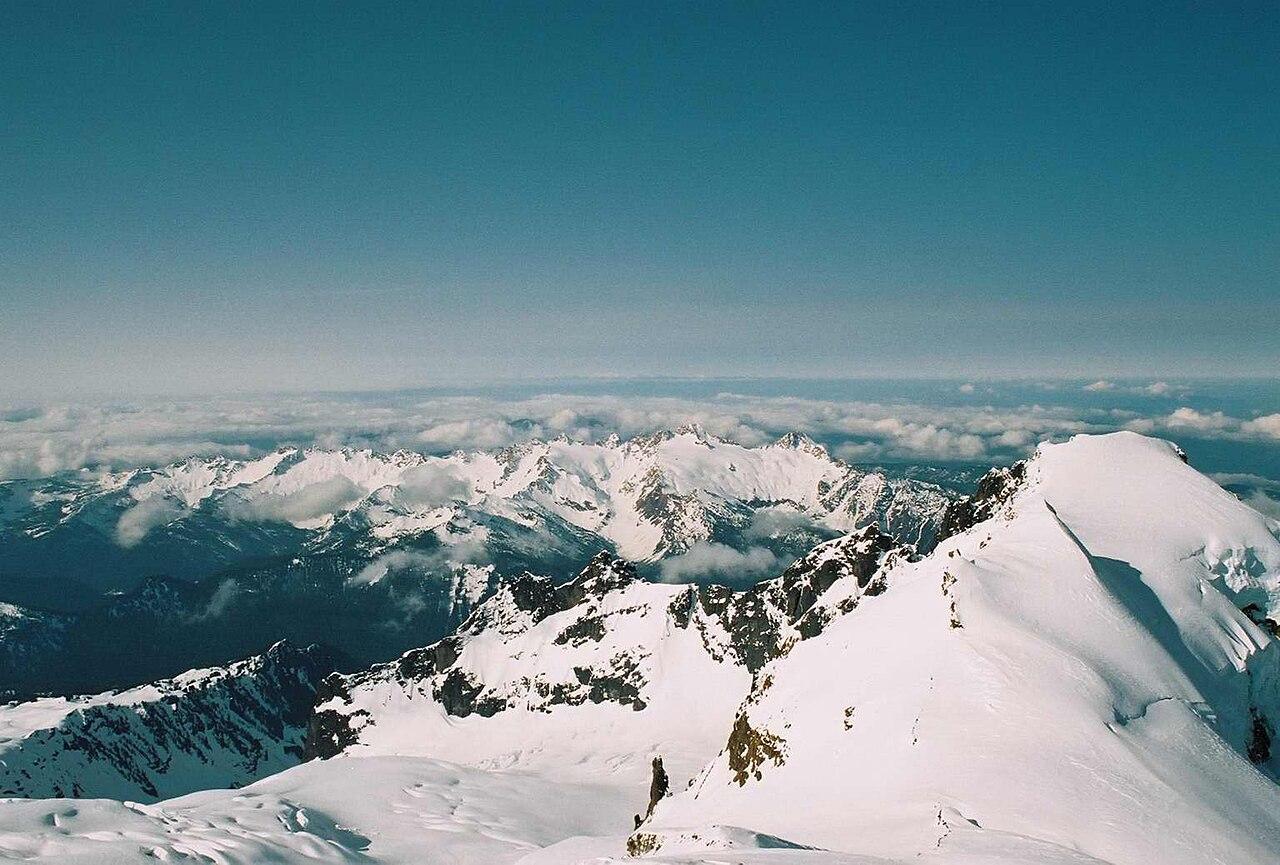
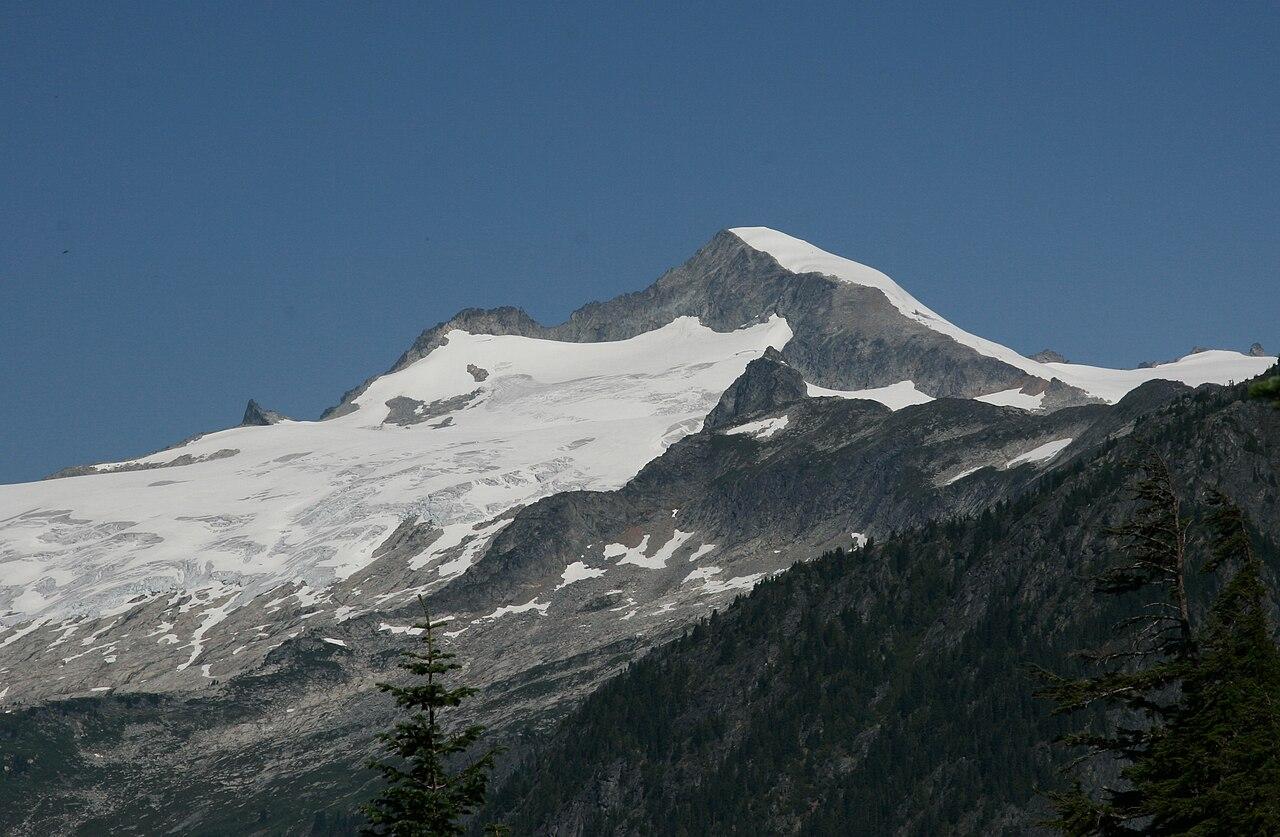
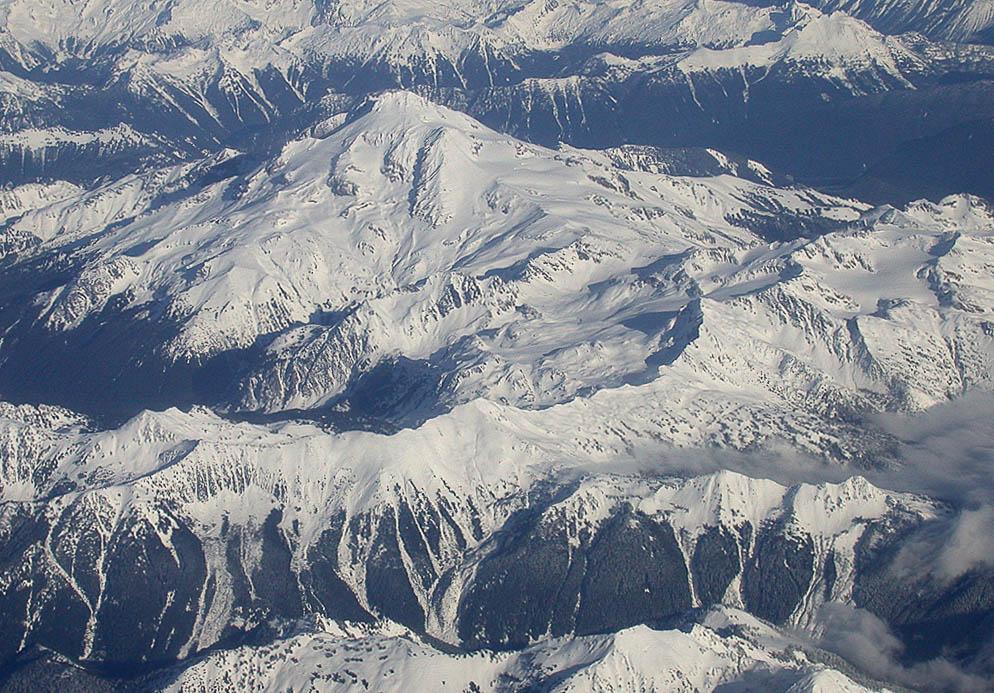
Three days on Mount Baker: tour up the Easton Glacier, boot up the 35 to 40 degree Roman Wall with skis on your pack, then ski 5,000 ft from the 3,286 m top.
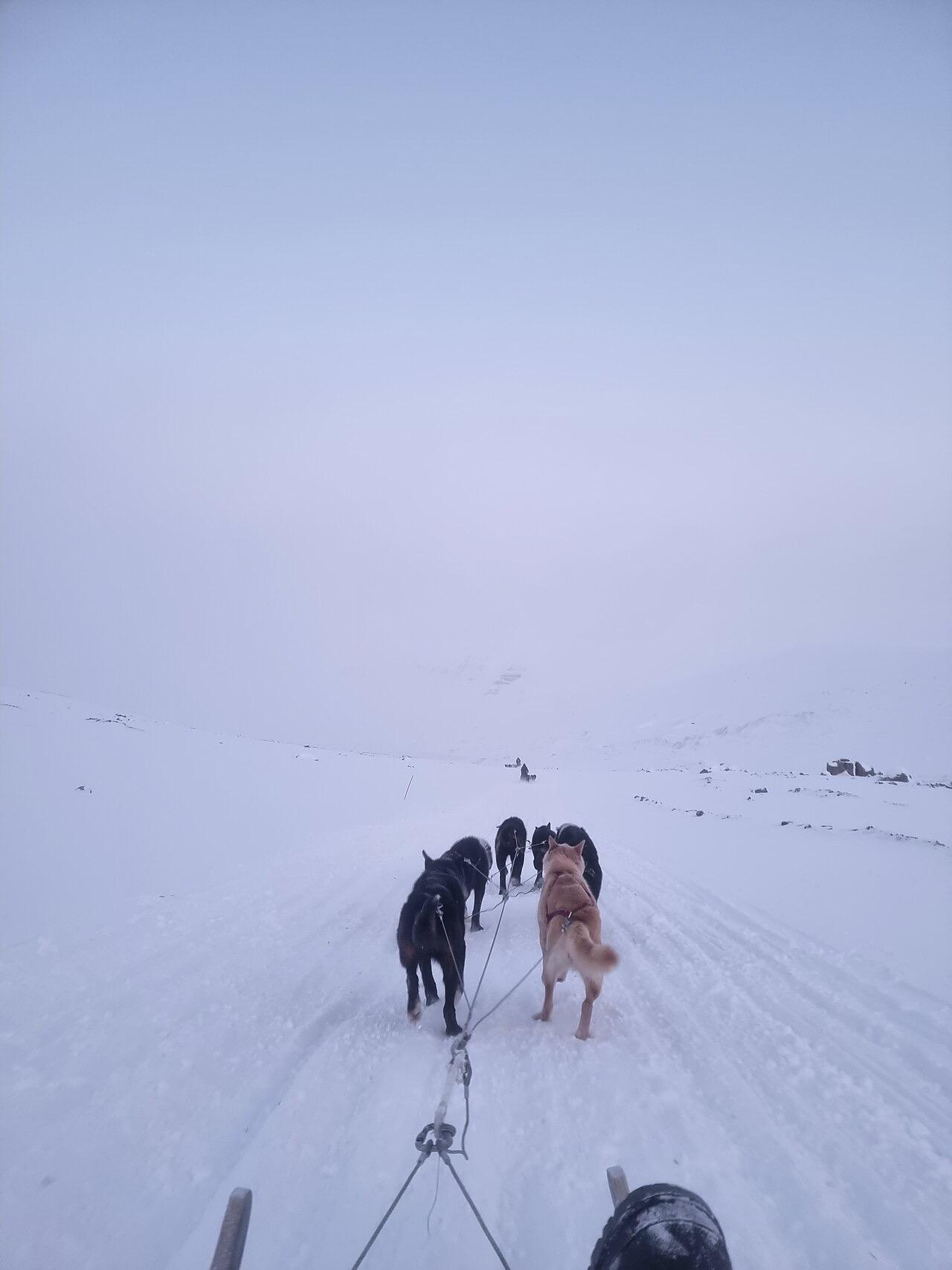
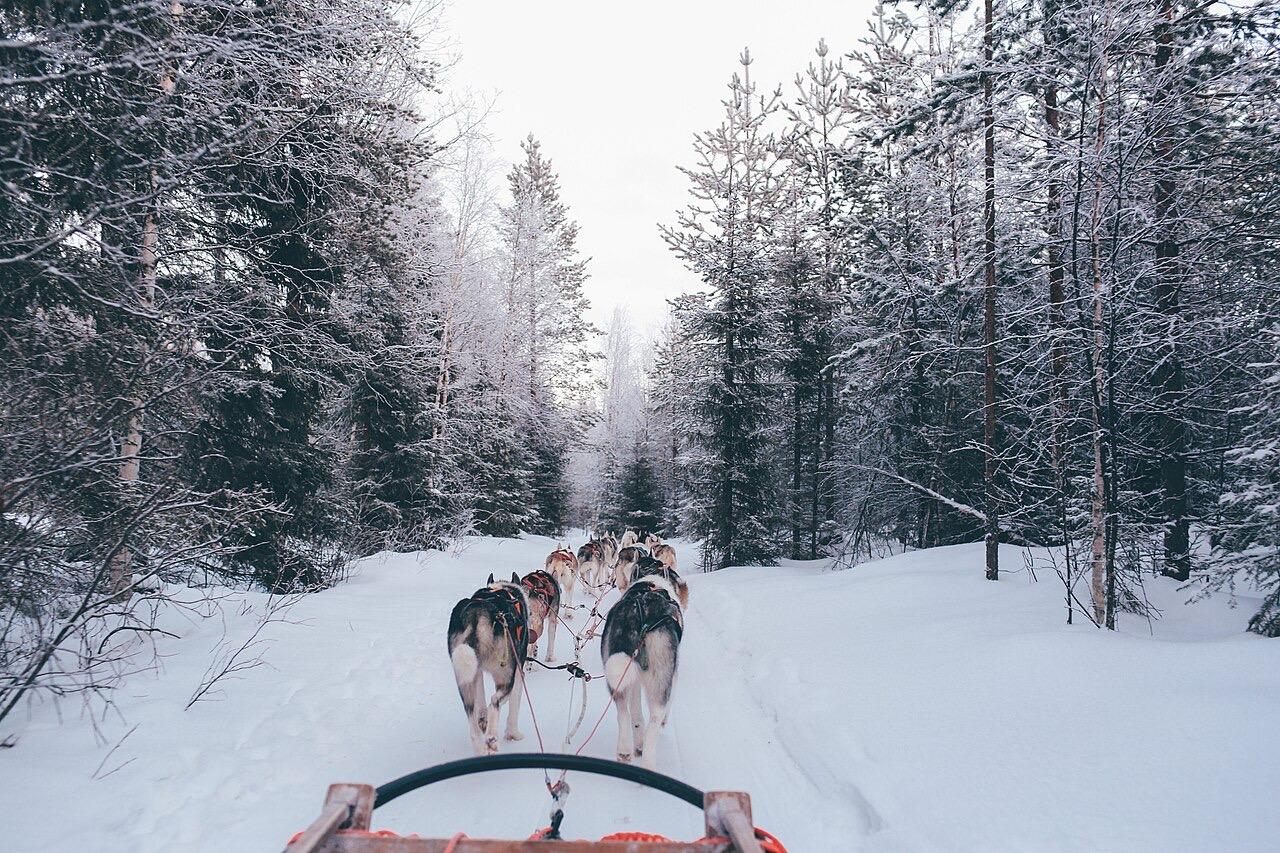
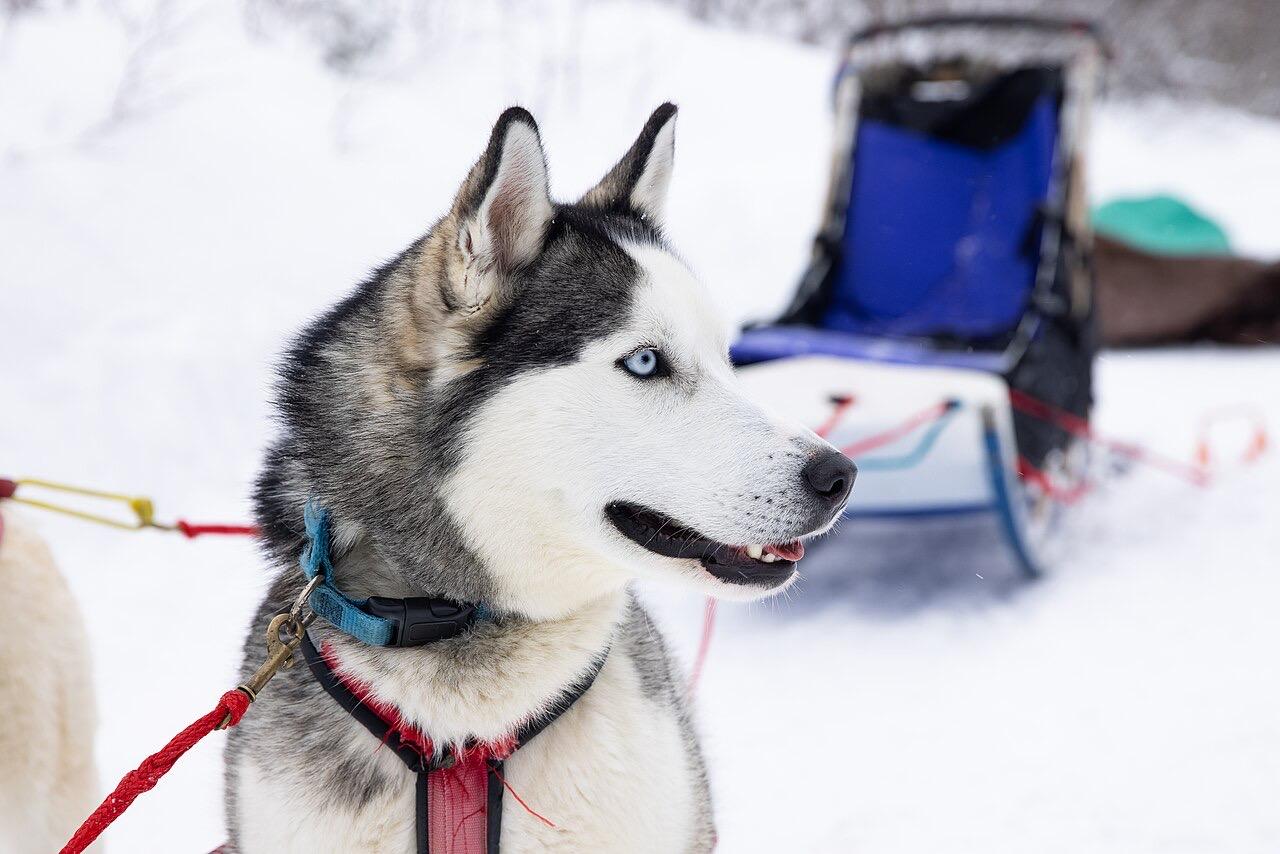
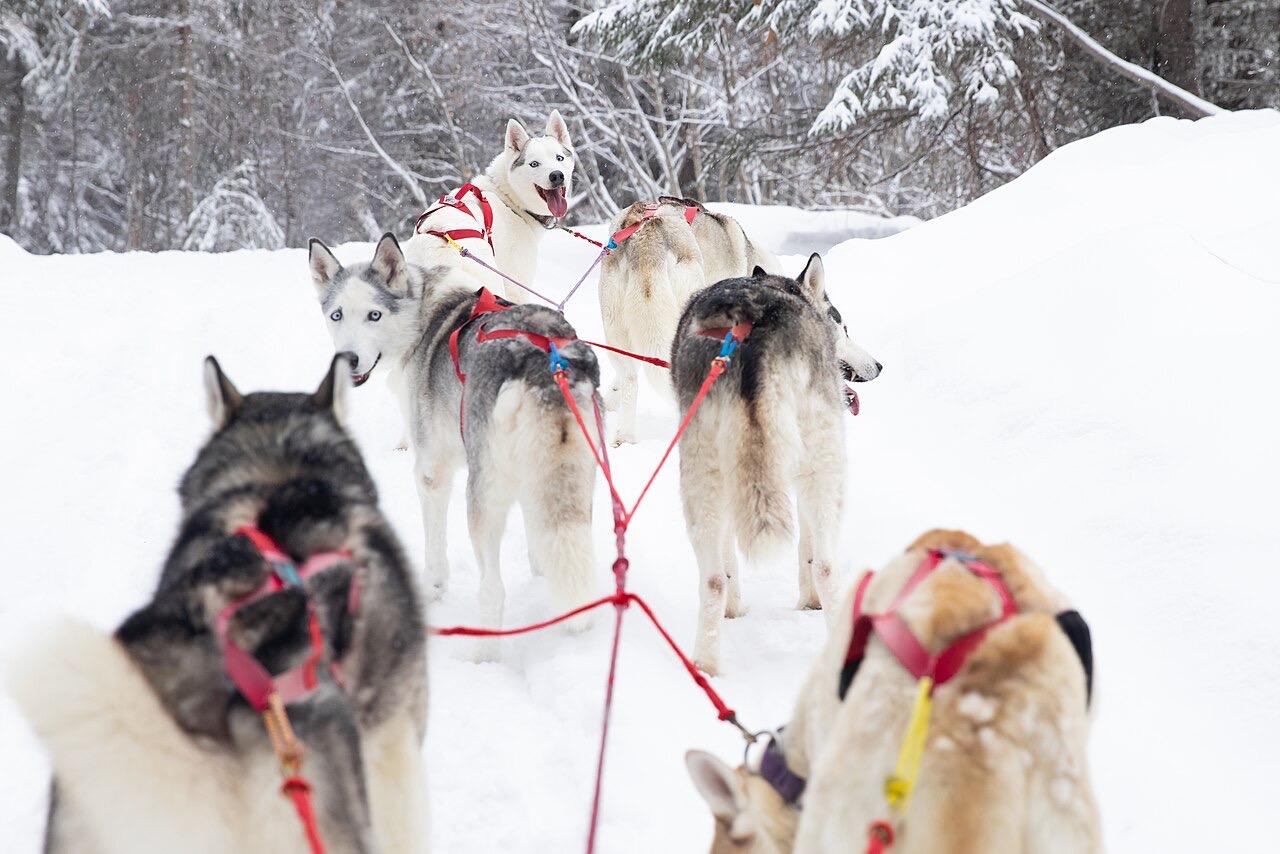
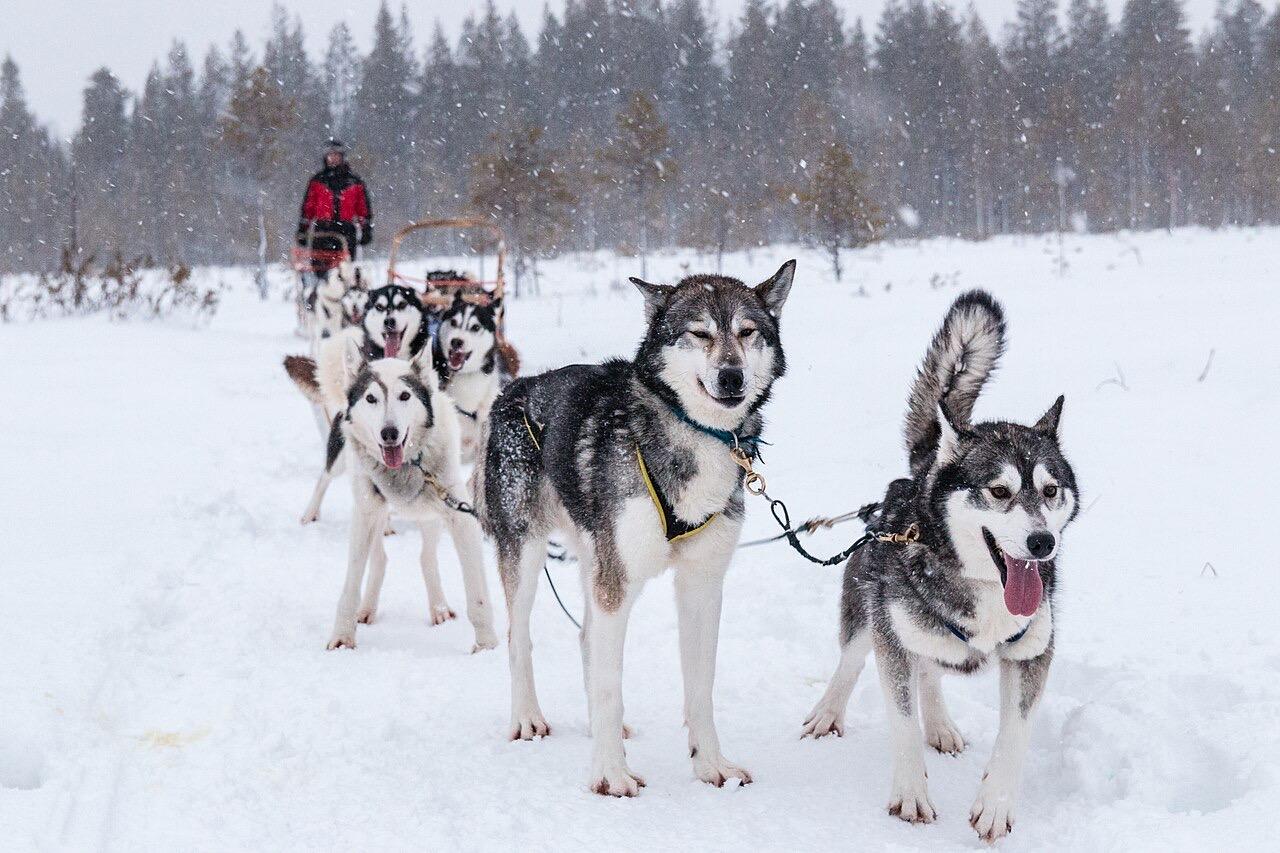
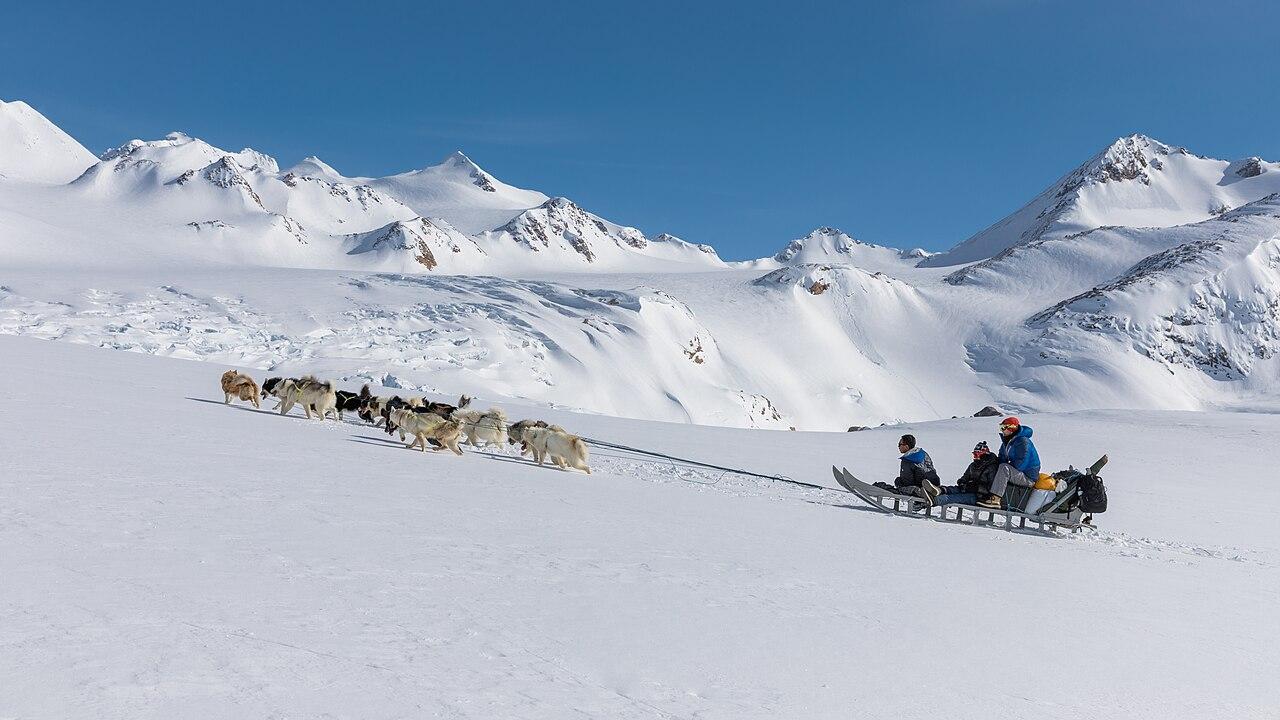
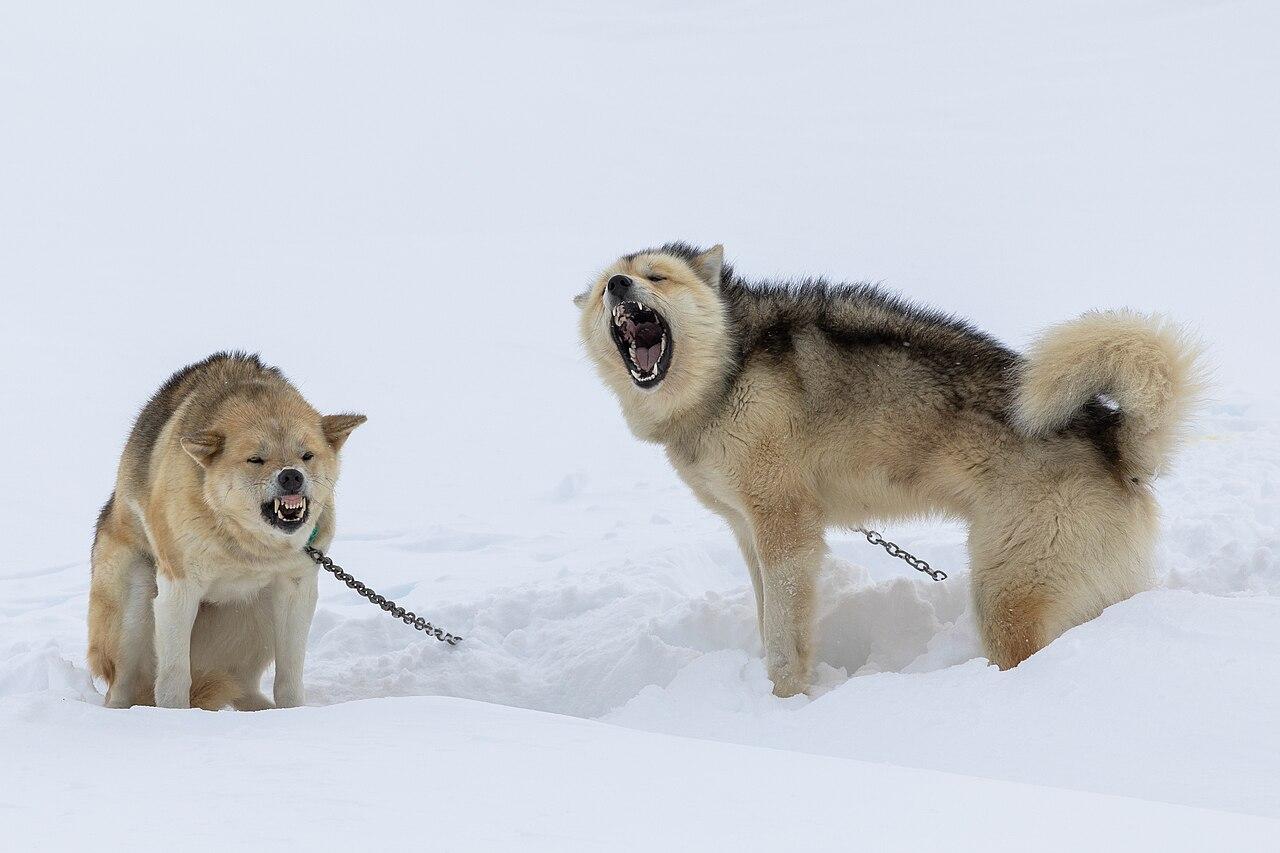
Three days and two nights by dog sled from Longyearbyen at 78 N, about 110 km through glacier country, sharing a sled pulled by six dogs.
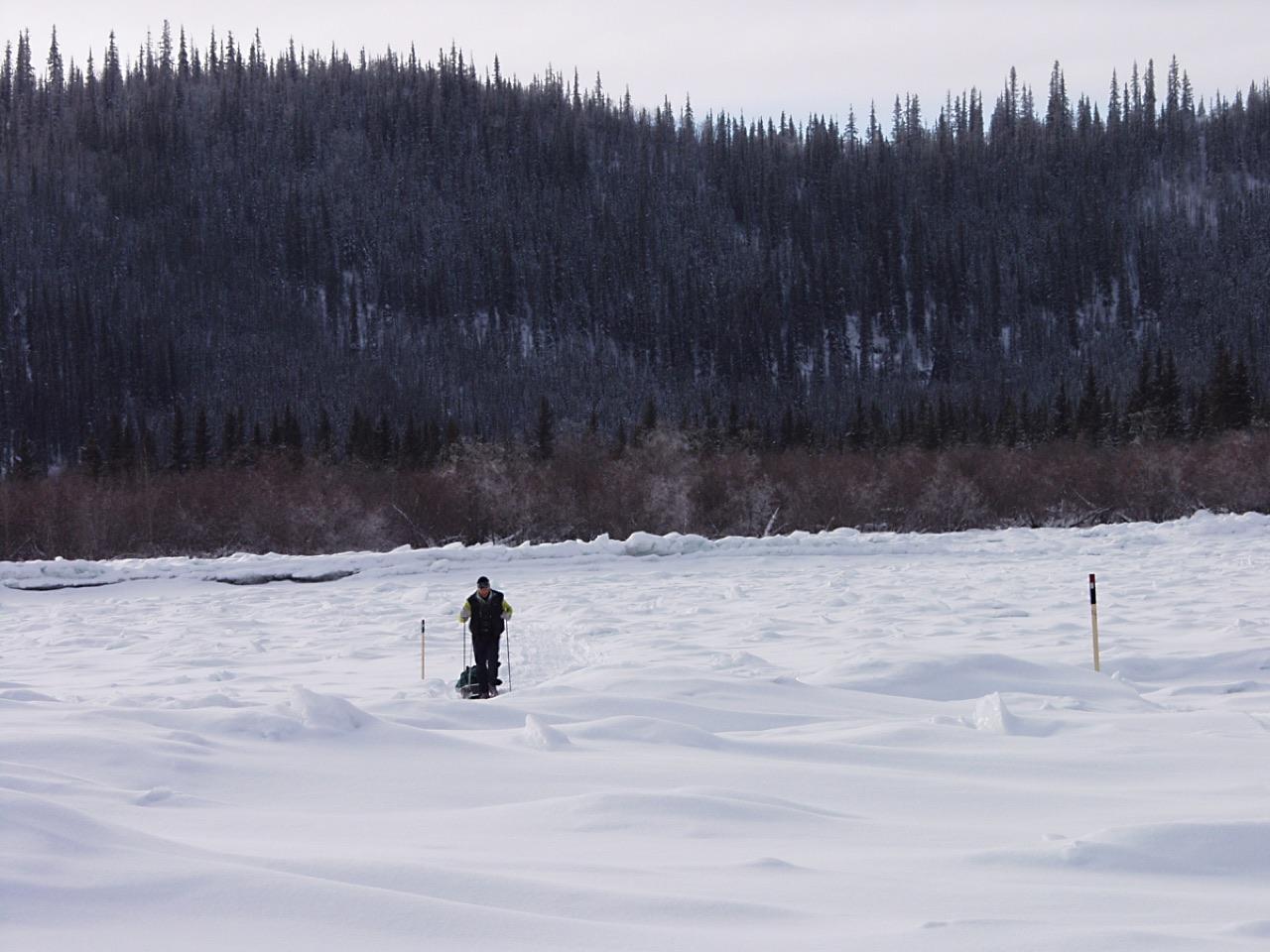
Nine days pulling a sled more than 100 km over the ice of Mongolia's deepest lake, in cold down to -35 C, camping on the ice and staying with reindeer herders.
Two to three days with a 15 to 20 kg pack, 35 to 50 km over crevassed glaciers and passes, on the crossing Shackleton, Worsley and Crean made to reach help.
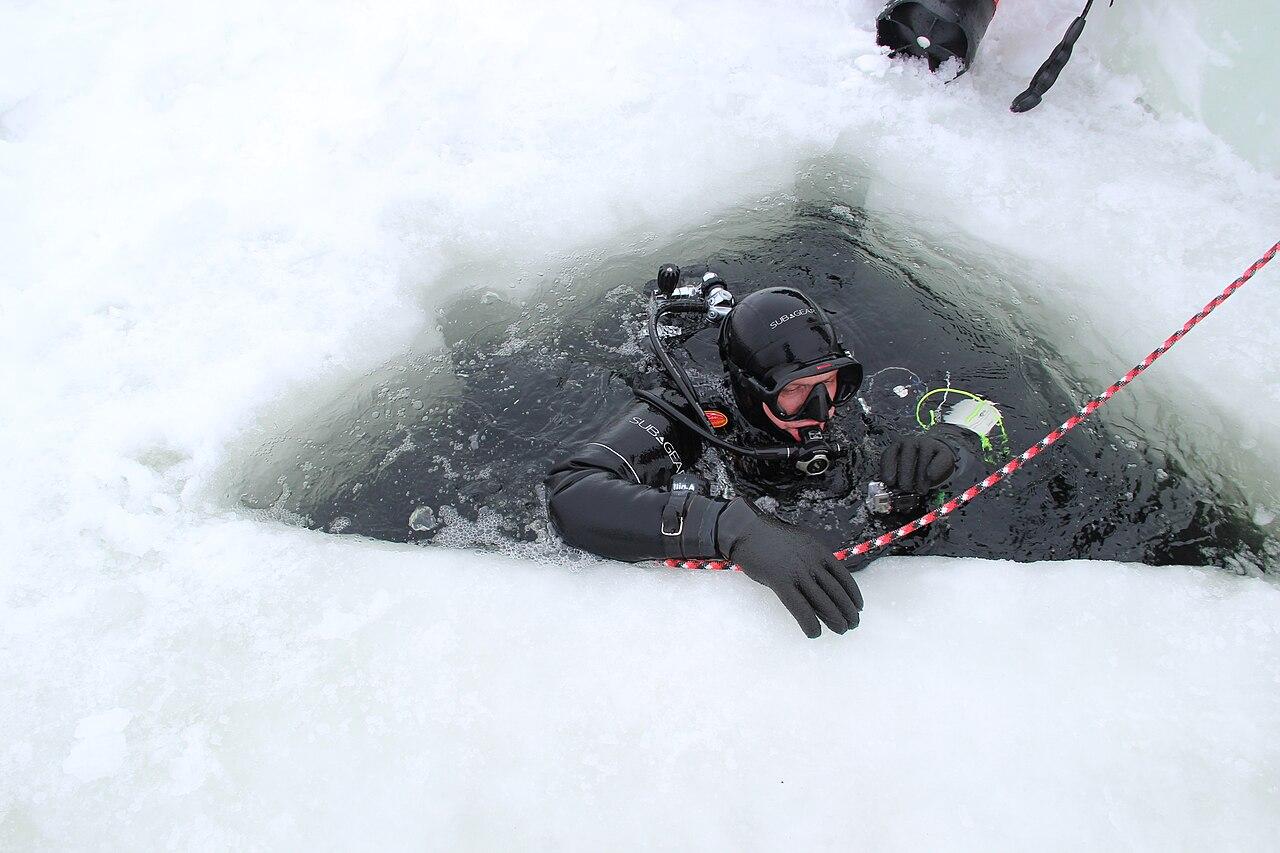
Scuba diving beneath the ice of Lac de Tignes, frozen 1 to 2 metres thick each winter, with an instructor beside you: open to first-timers by day, and to divers by night.
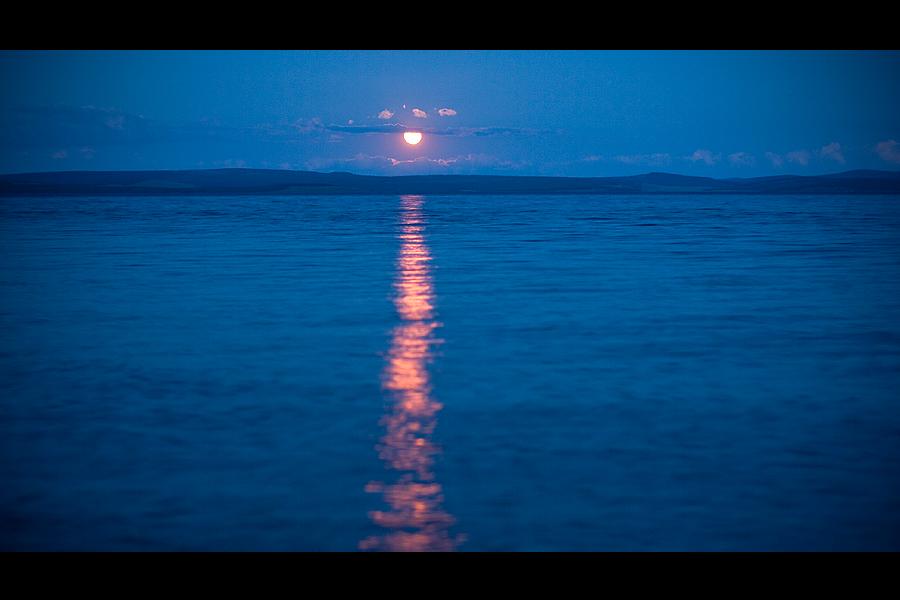
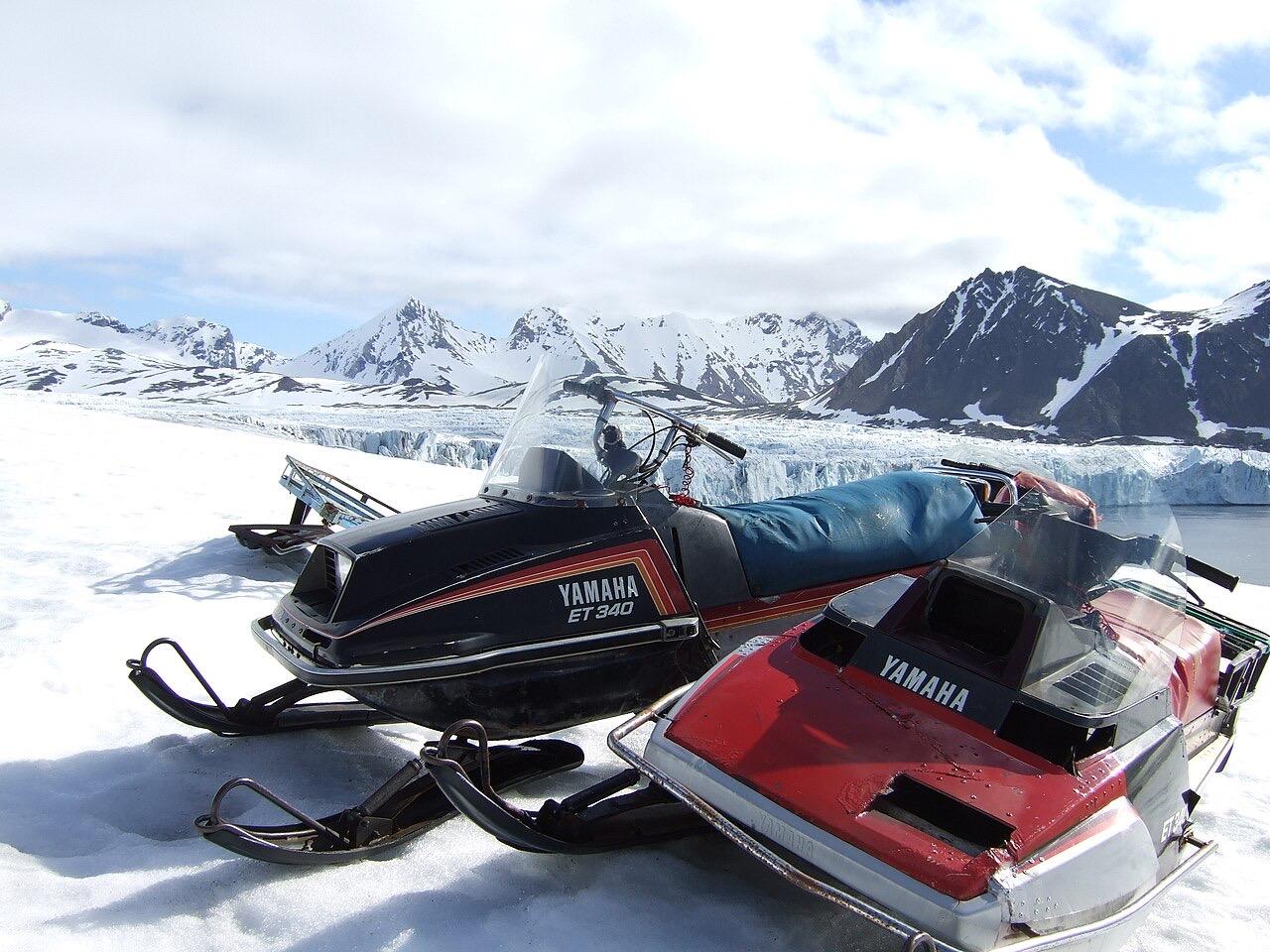
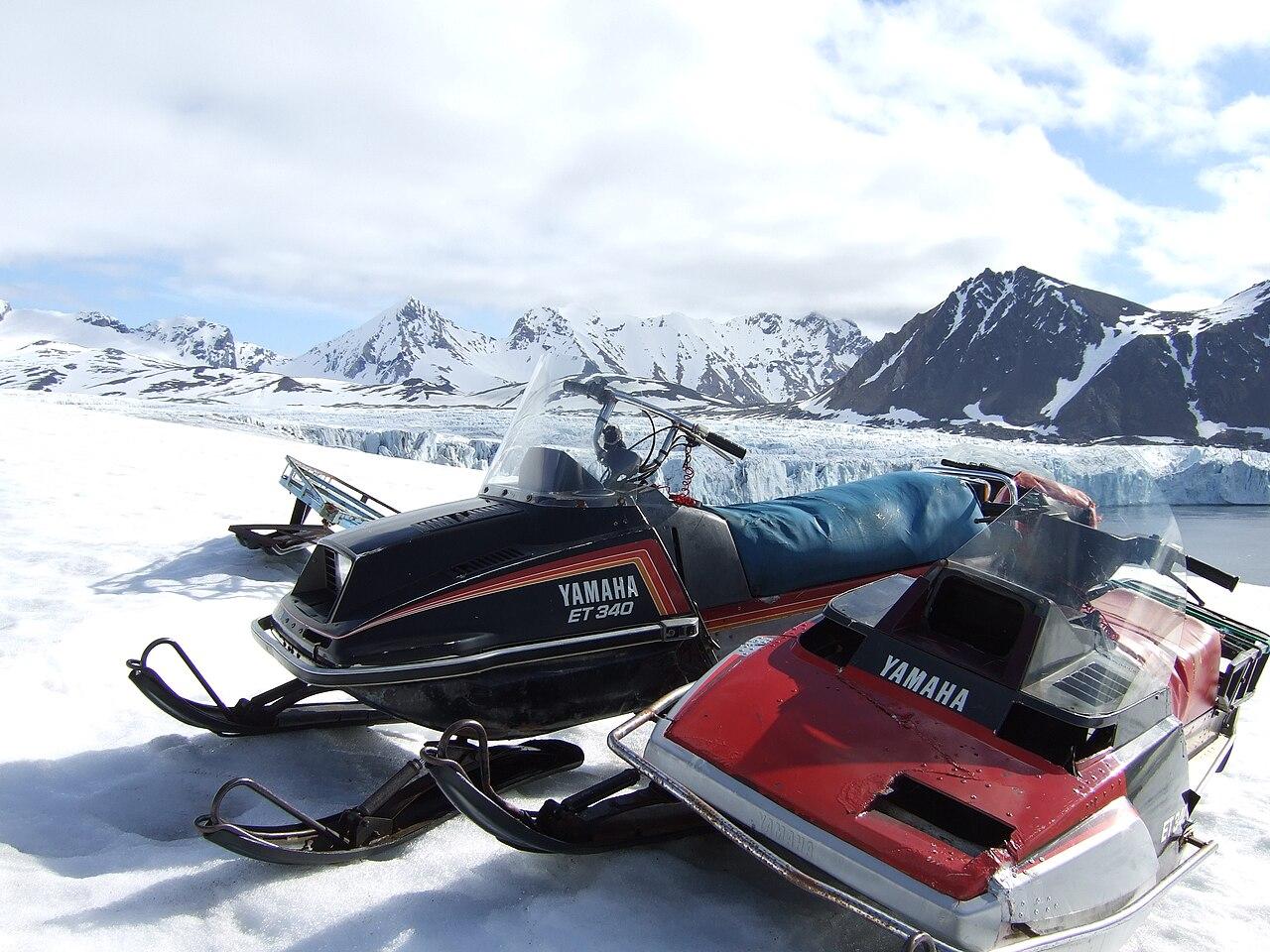
Drive your own snowmobile out of the world's northernmost town into a valley lit only by snow, moon and stars, at 78 degrees north in the 24-hour dark.
A two-day overnight trip with one dog team per person, sleeping in a canvas tent or cabin with no electricity, on two dated December departures.
Three days with your own team of 3 to 5 dogs and two nights in an island cabin on the frozen Vindelälven, guaranteed to run from the first booking.
Three nights in a wood-heated camp on Lake Madejärvi and two full days driving your own dog team, with transfers, winter gear and meals included.
Two days at the reins of your own dog team from Hetta (68.4 N), with a night in the Palojoki wilderness cabin, priced per solo sleigh so one person can go.
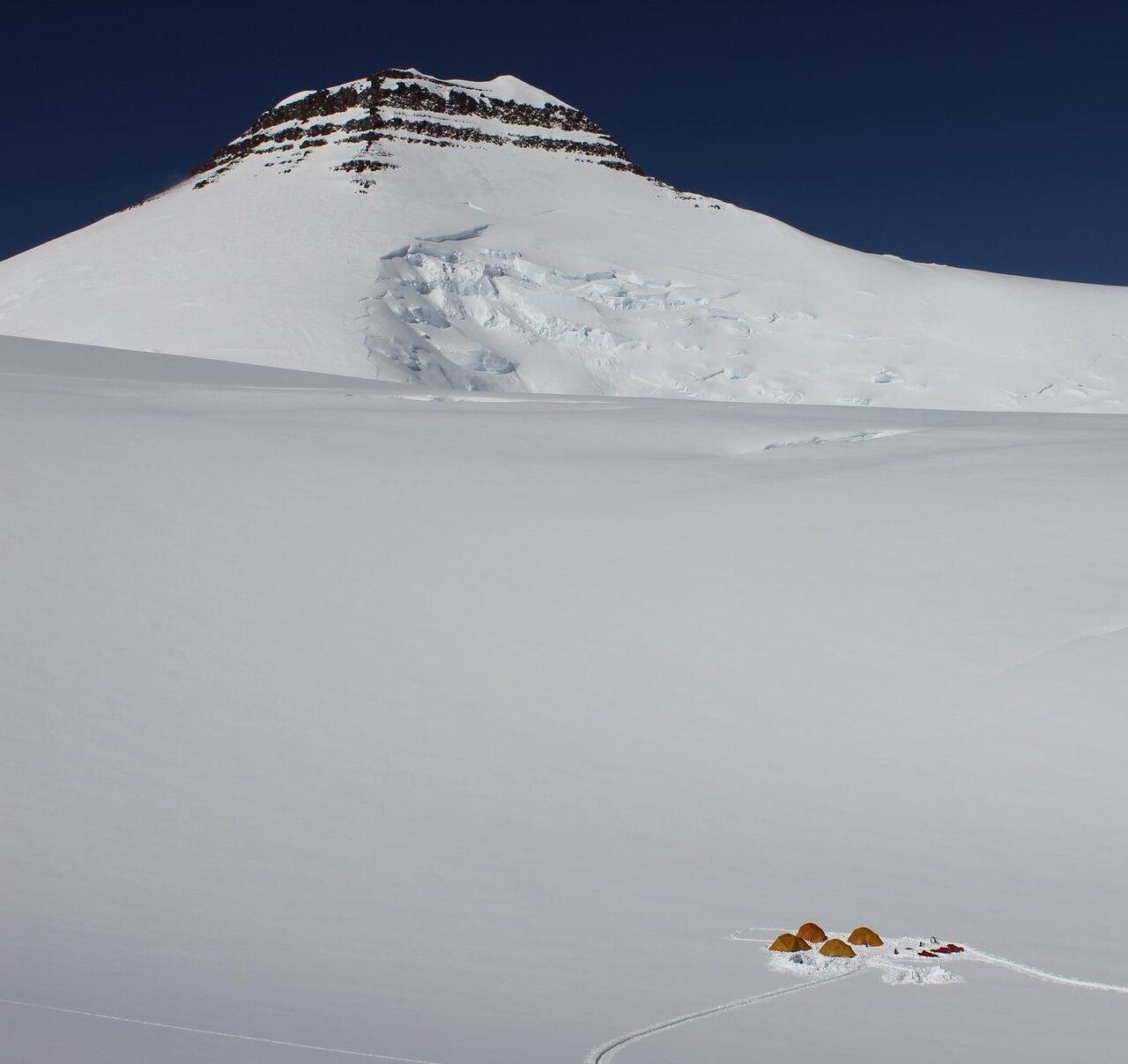
An eight-day private expedition from El Chaltén onto one of the least explored ice caps on Earth, traversing its eastern part on snowshoes with a sled and ascending Gorra Blanca on the way.
Two nights in tents in the Arctic wilderness above Longyearbyen, dragging your own gear on a pulka, taking turns on polar bear lookout, then a 100 km snowmobile day.
Six days with local IFMGA guides on the icefalls of Planica, Krnica and Vrata, then winter north faces such as Storžič, two climbers to a guide.
Ten days inside the Arctic Circle with Ray Mears and Woodlore: shelters, fire, skis, snowmobiles and ice fishing at temperatures that can reach minus 40.
Six days in Minnesota's winter learning to ski with a loaded sled, run a stove and sleep in extreme cold, the training polar guides use to prepare North and South Pole clients.
Two or three days driving your own team from a kennel near Ivalo (68.7 N), with nights in a large stove-heated Arctic Oven tent.
A private two-day trip of about 65 km through Riisitunturi National Park, with a night in a solar-powered wilderness cabin, running from mid-November.
Learn to ski in three days, then cross Northern Europe's highest mountain plateau with your own kit and a husky team, retracing the Telemark saboteurs of 1943.
A fully self-sufficient month on skis across the pack ice from Cambridge Bay to Gjoa Haven in Nunavut, on Amundsen's route, in temperatures that can reach -40 C.
Eight days on skis from Agardhbukta on the east coast back to Longyearbyen, 15 to 20 km a day with a 30 to 40 kg pulka, camping on the snow.
About four weeks on skis across the second-largest ice sheet on Earth, Kangerlussuaq to Isortoq, with the polar company Børge Ousland founded.
About 120 km on skis from Finse to Haukeliseter across northern Europe's largest mountain plateau, camping in tents and pulling a 40 kg sled.
Nine days on skis hauling a pulka 110 to 130 km over Iceland's great ice cap, camping on the glacier and sleeping in huts by the Grímsvötn volcano and the Esjufjöll mountains.
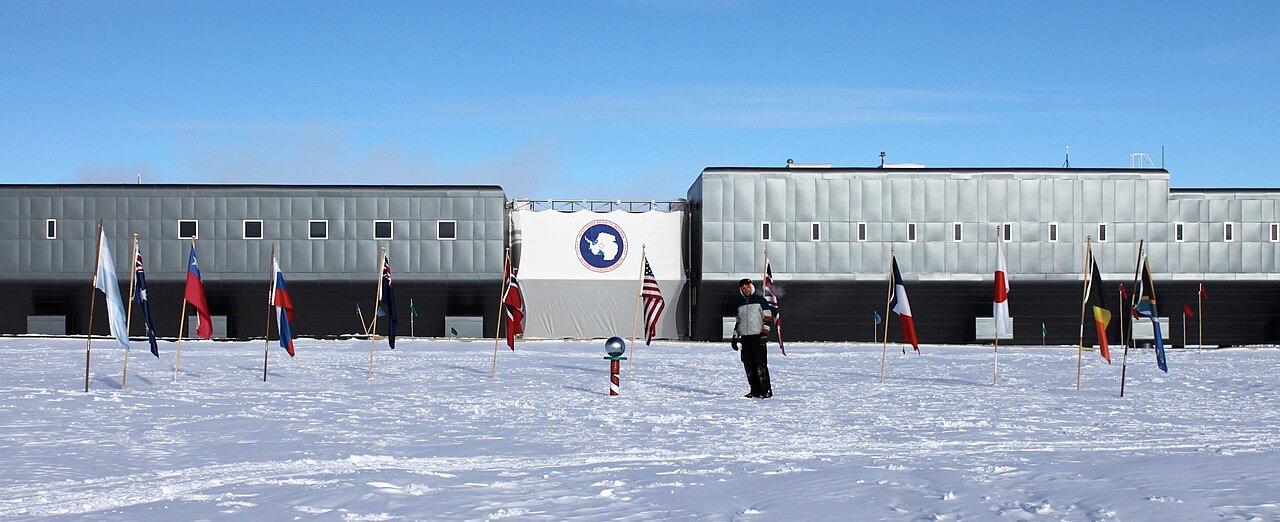
Up to 66 days on skis from the edge of Antarctica to the South Pole, with no machines, each member pulling a sled that starts at about 75 kg.
Fly from Punta Arenas to Antarctica, spend three days preparing on the ice, then seven days ski touring before flying back to Chile.
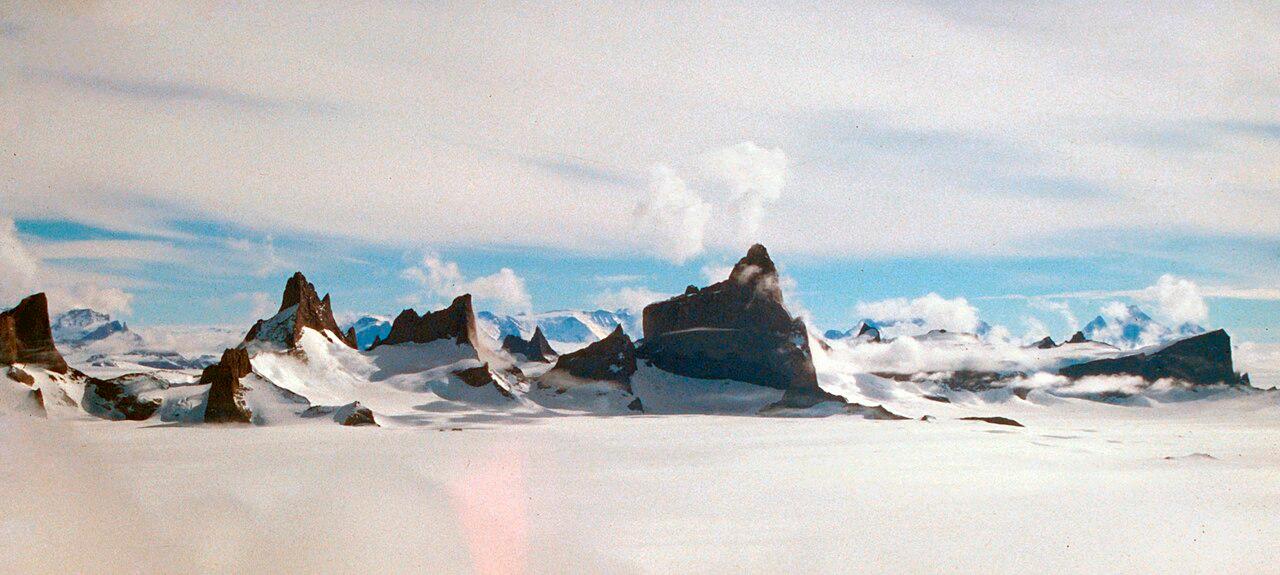
A three-week ski expedition with sleds through the Wolf's Fang mountains of East Antarctica, flown in from Cape Town, for a team of three and a leader.
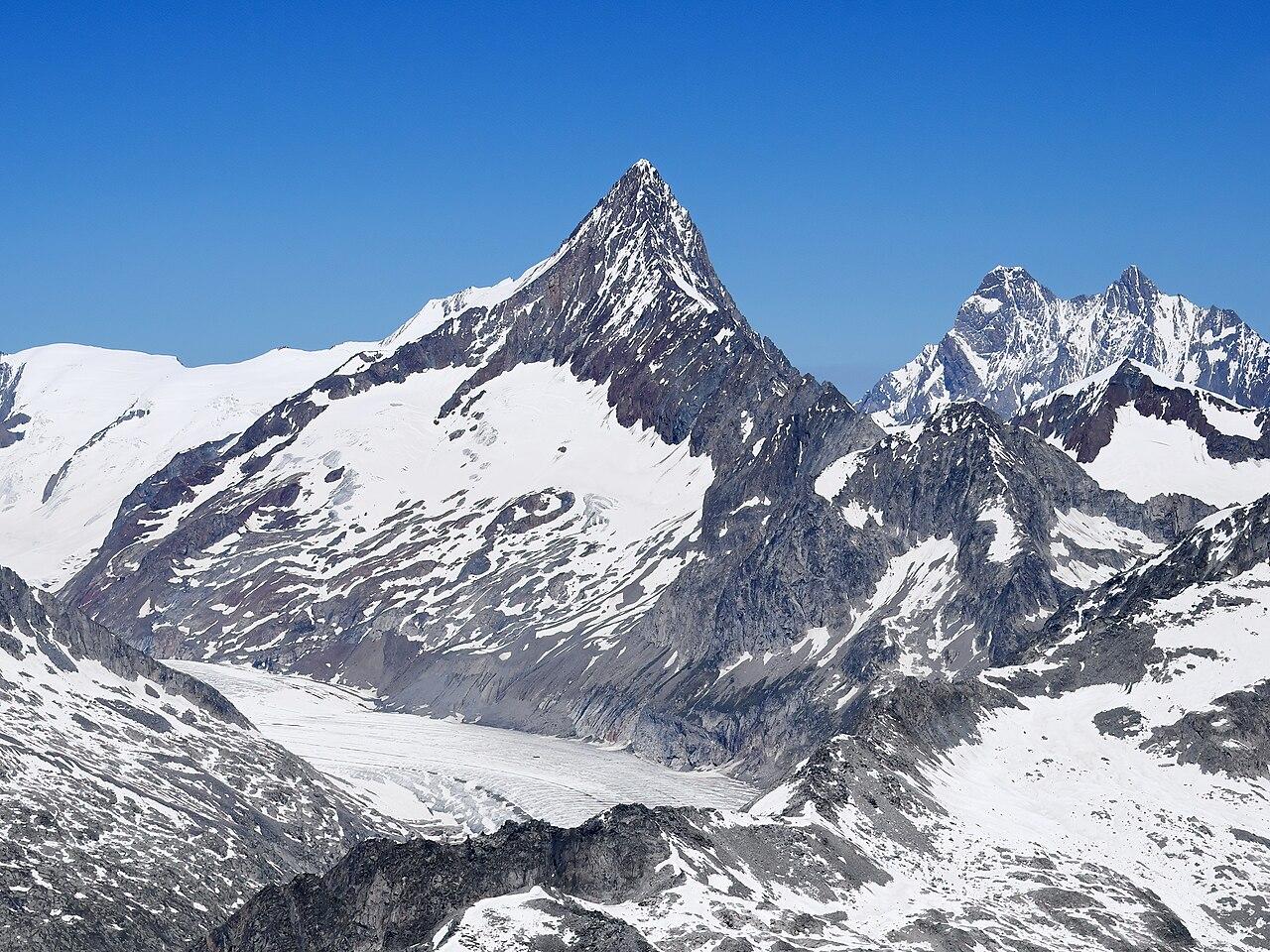
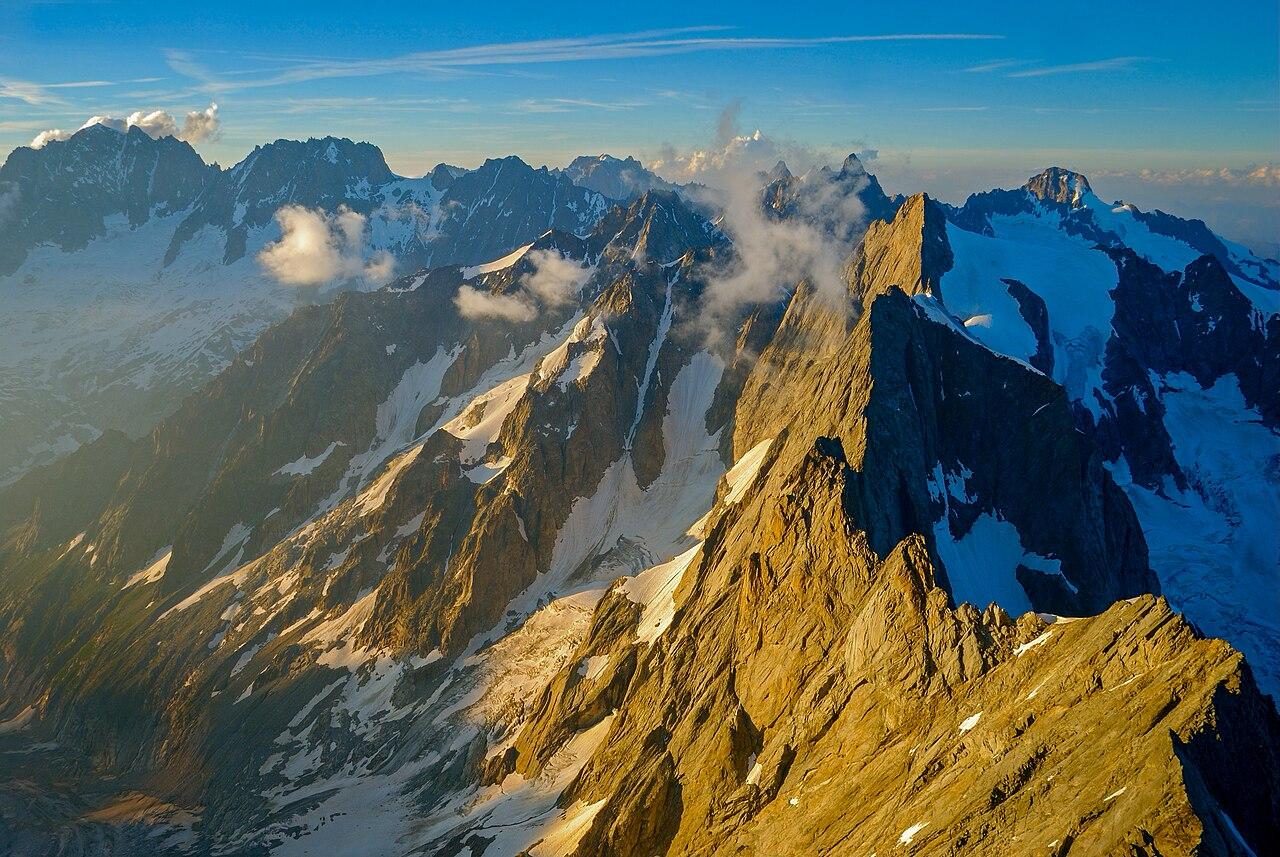
Six days on skis above 2,500 m over Europe's biggest glaciers, from the Jungfraujoch past the Finsteraarhorn to a 2,000 m descent of the Lötschental.
A helicopter sets you down high on New Zealand's largest glacier, and you ski two runs of 8 to 10 km and over 1,000 vertical metres past icefalls and seracs.
Ten days in the winter mountains of Wyoming and Idaho on touring skis or a splitboard, sleeping in snow shelters you build, ending with a Level 1 avalanche certificate.
A ski plane drops at most six skiers on the Alaska Range glacier with the best snow that week, and you tour from camp for six days on slopes up to 45 degrees.
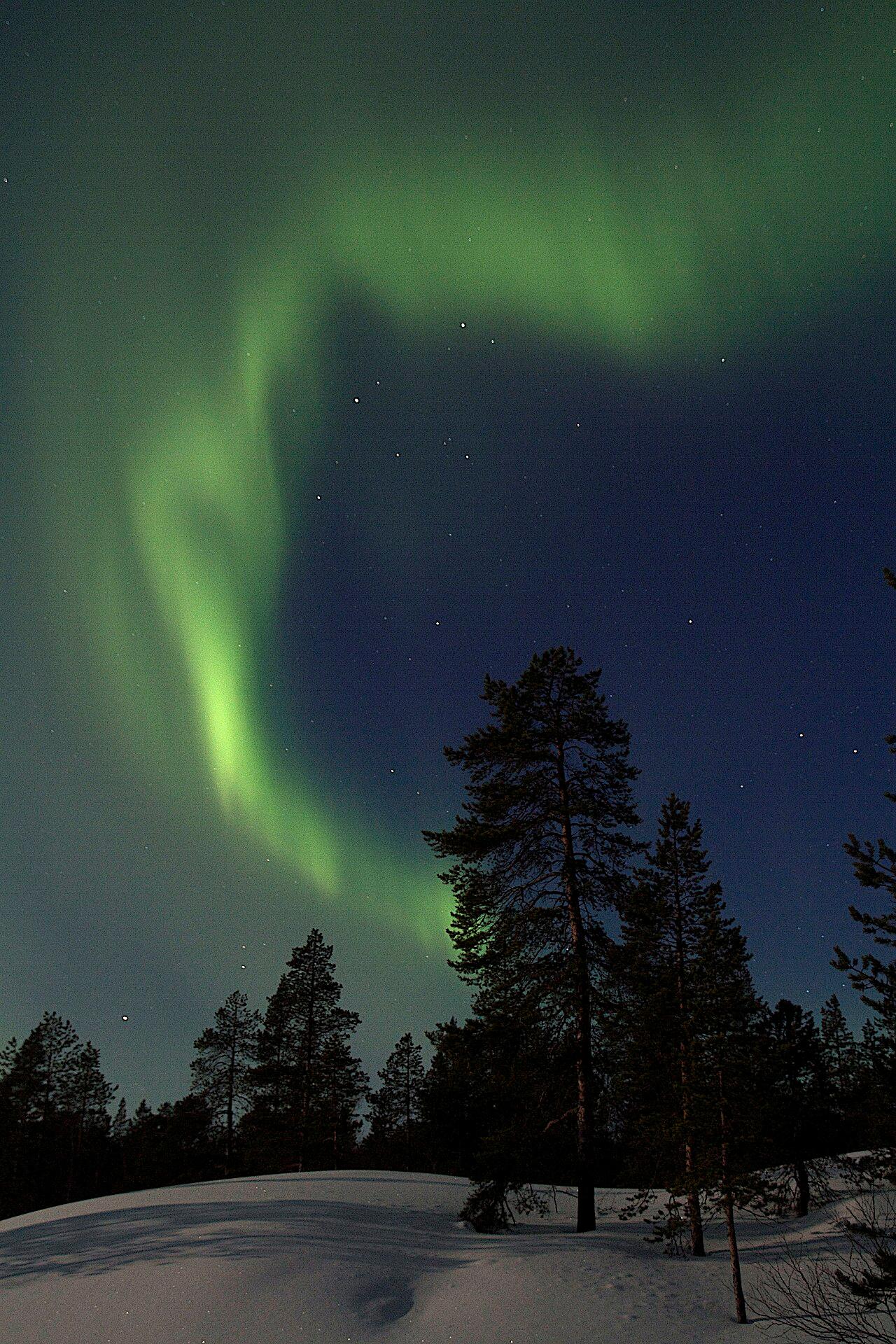
About ten days on skis from Kangerlussuaq to Sisimiut along the Arctic Circle Trail in the polar winter, under the northern lights, at temperatures down to -40 C.
About 570 km on skis in 34 to 36 days, from Sørneset at Spitsbergen's southern tip to Verlegenhuken, its northernmost point, past 80 degrees North.
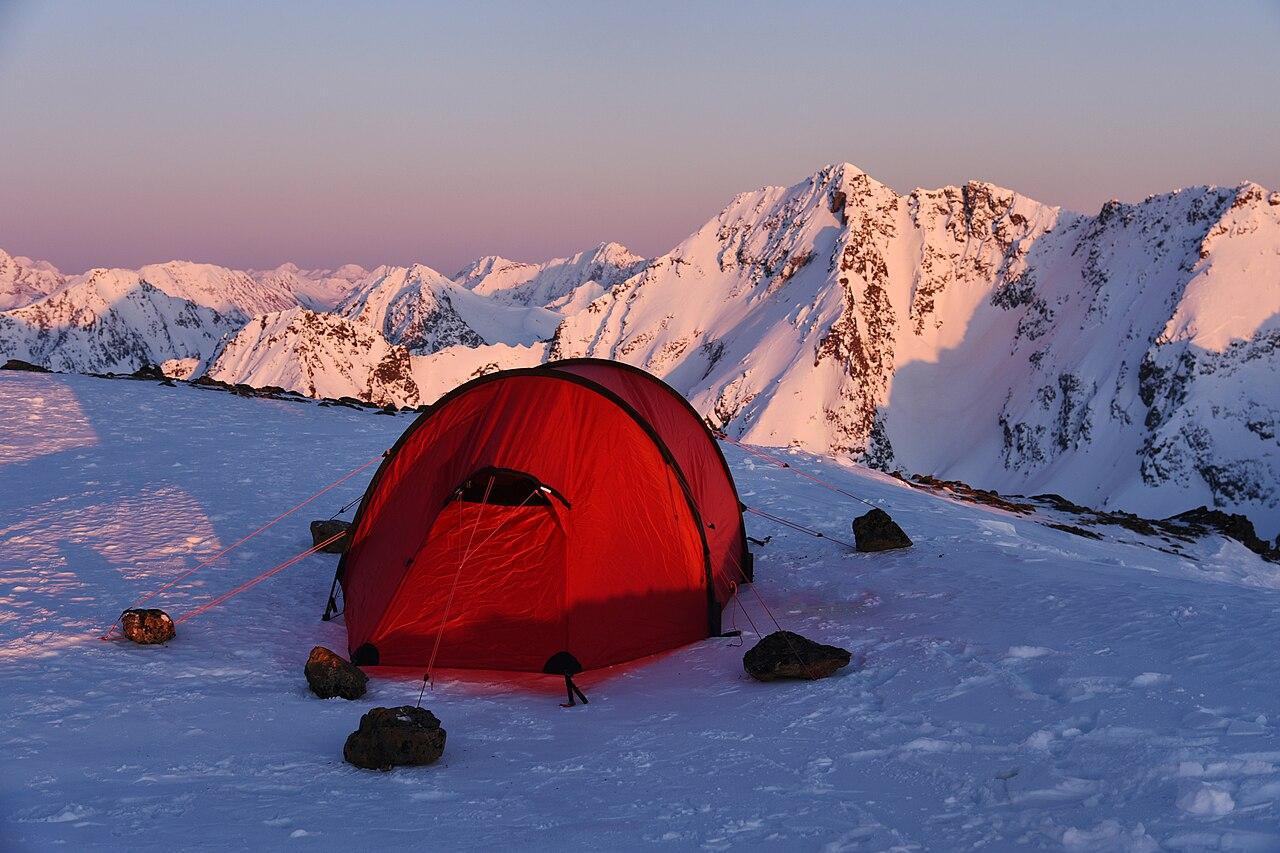
Six days on skins and skis across the glaciers of the high Alps, from the Argentière basin to the foot of the Matterhorn, sleeping in mountain huts.
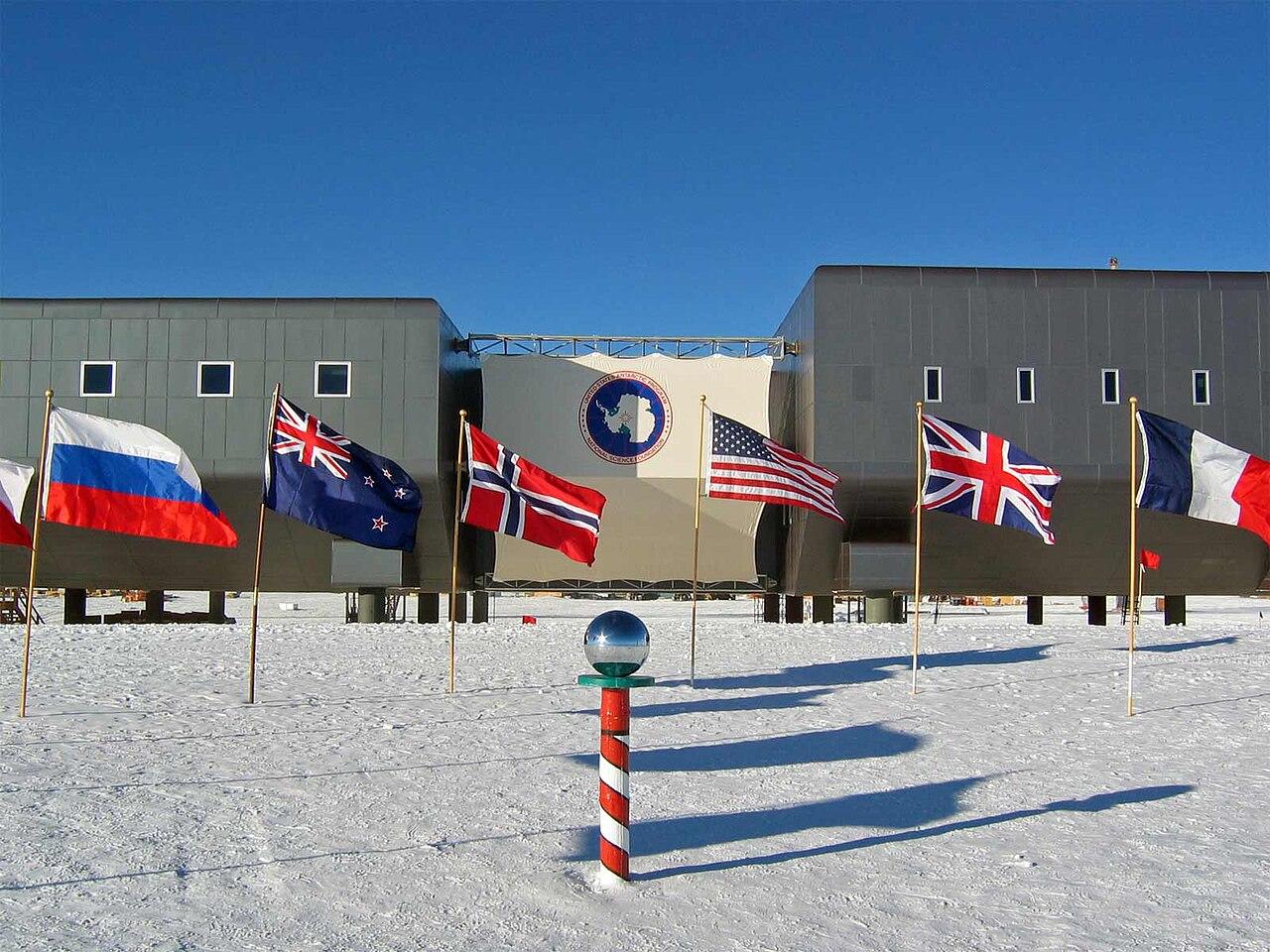
Get dropped at 89 degrees South and ski the last 60 nautical miles (111 km) of the polar plateau to the South Pole, then camp beside it.
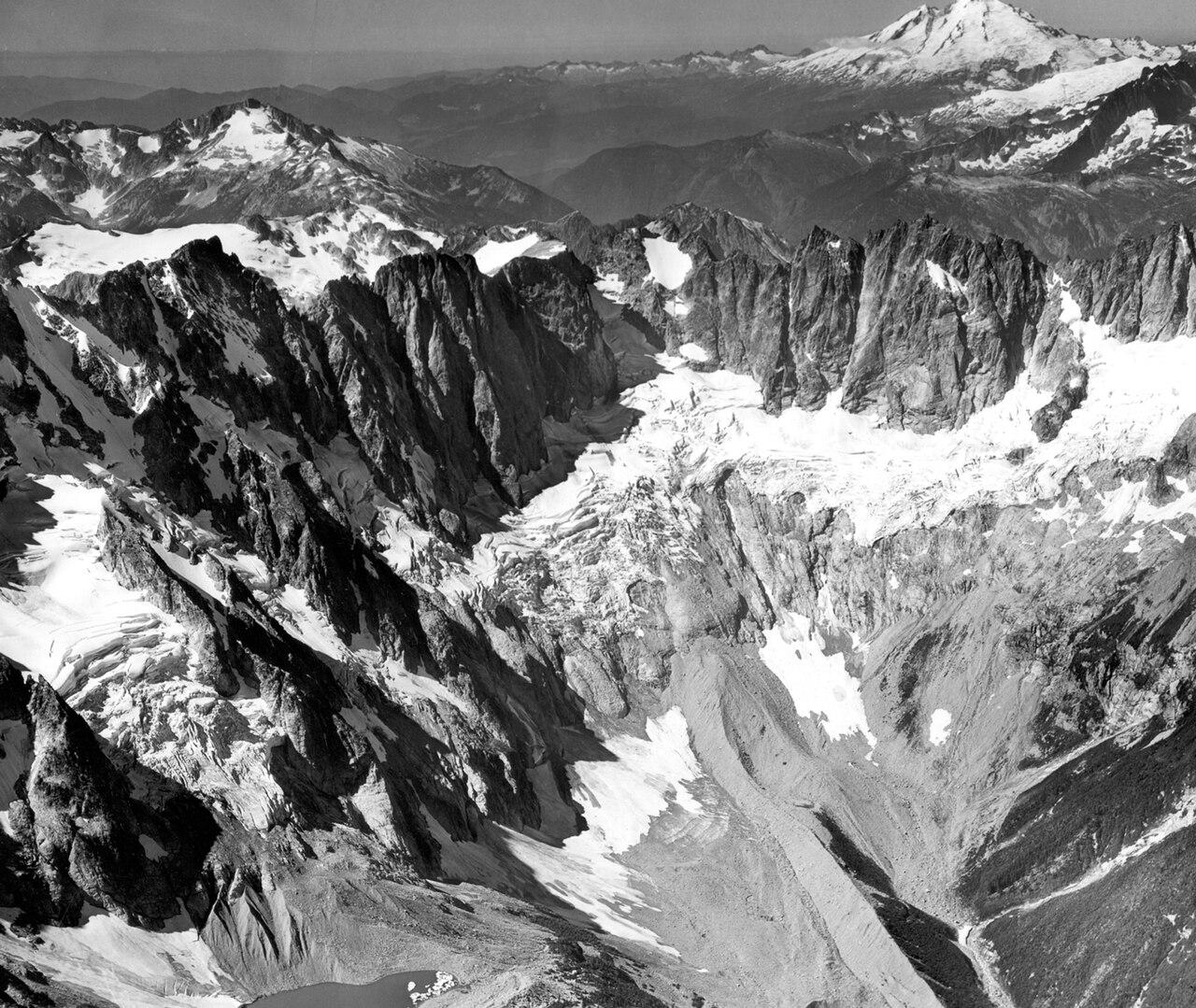
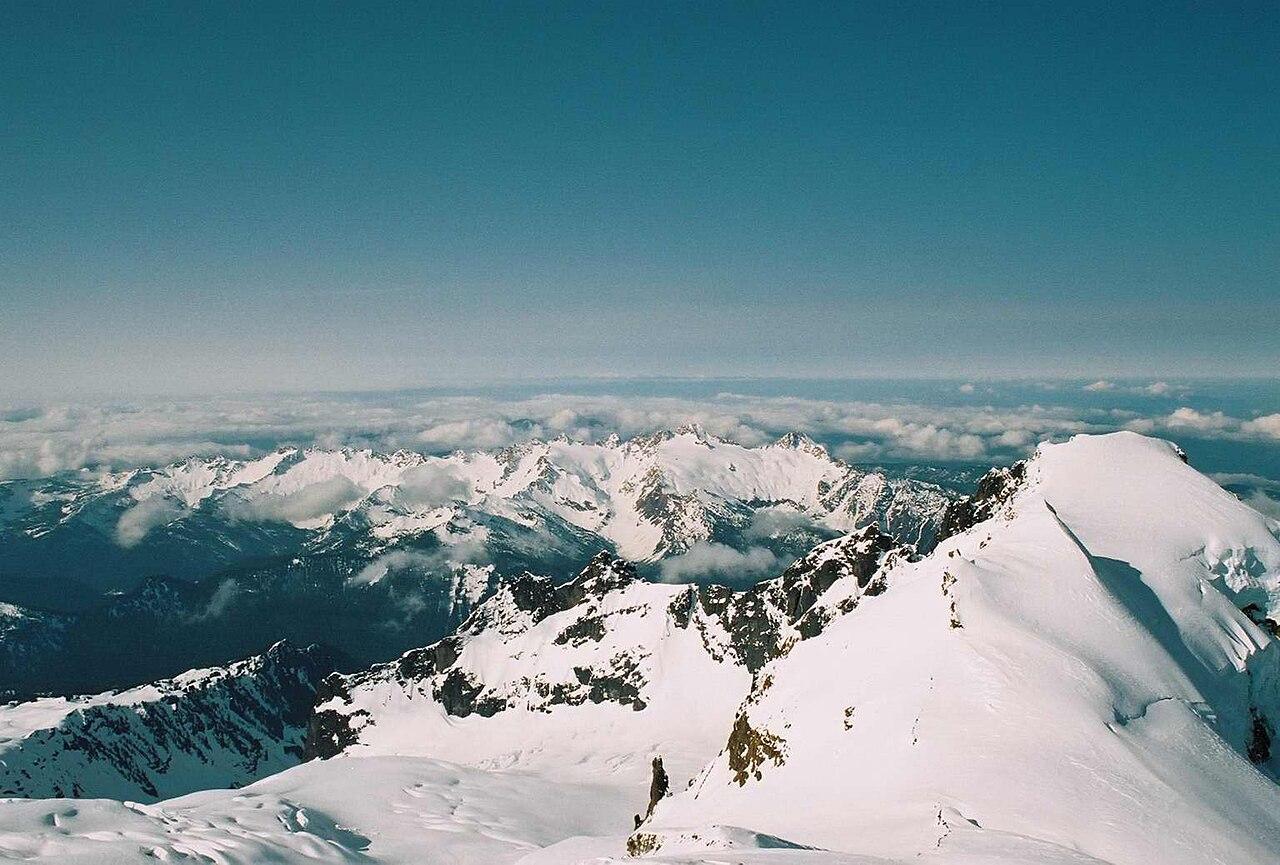
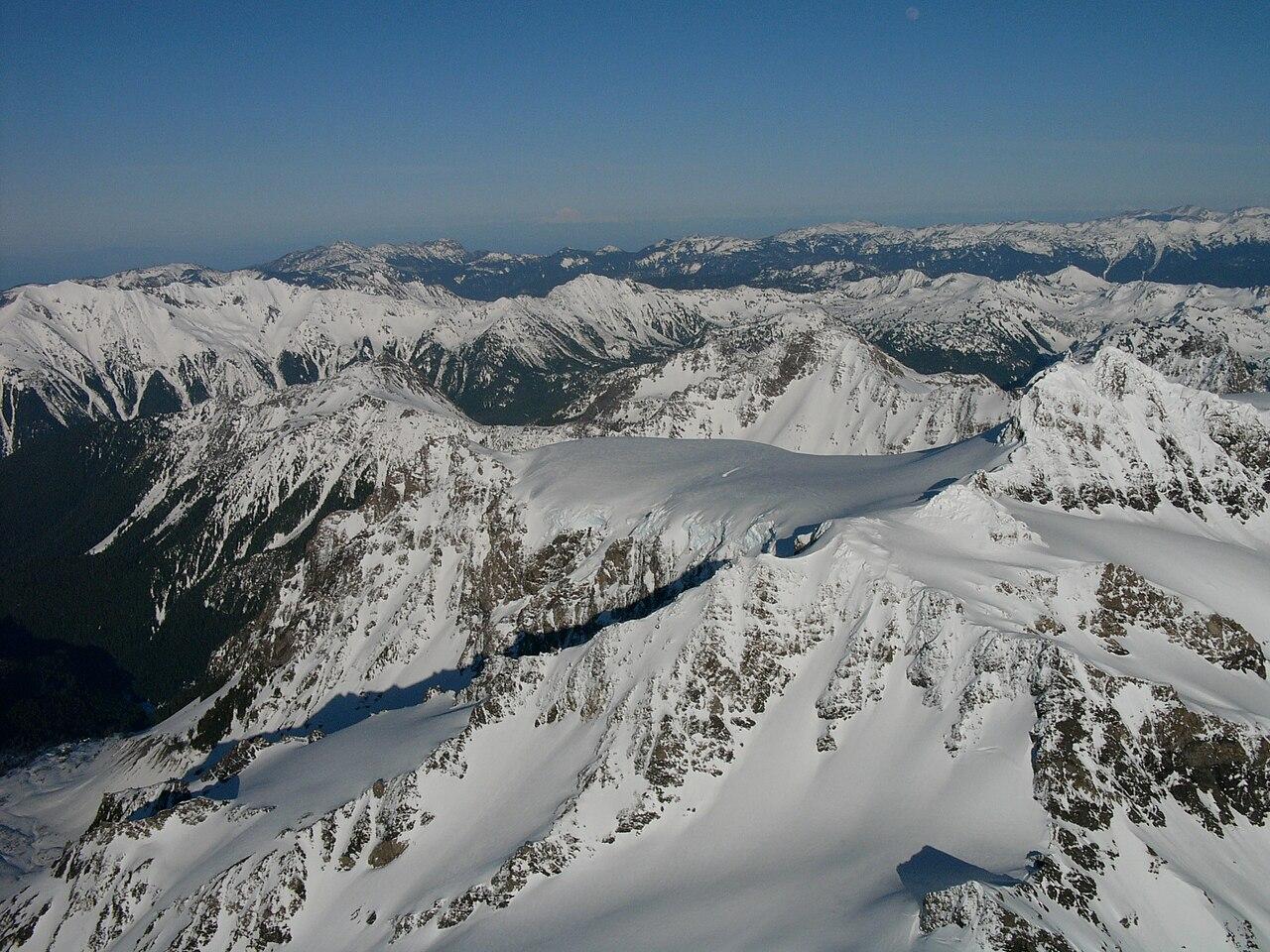
Five days on skis along the North Cascades crest from Cascade Pass to Dome Peak, skiing Le Conte, Sentinel, Sinister and Dome and camping on snow.
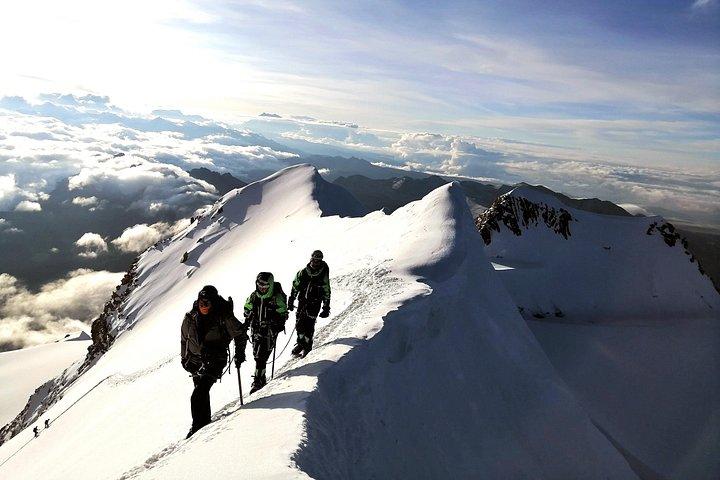
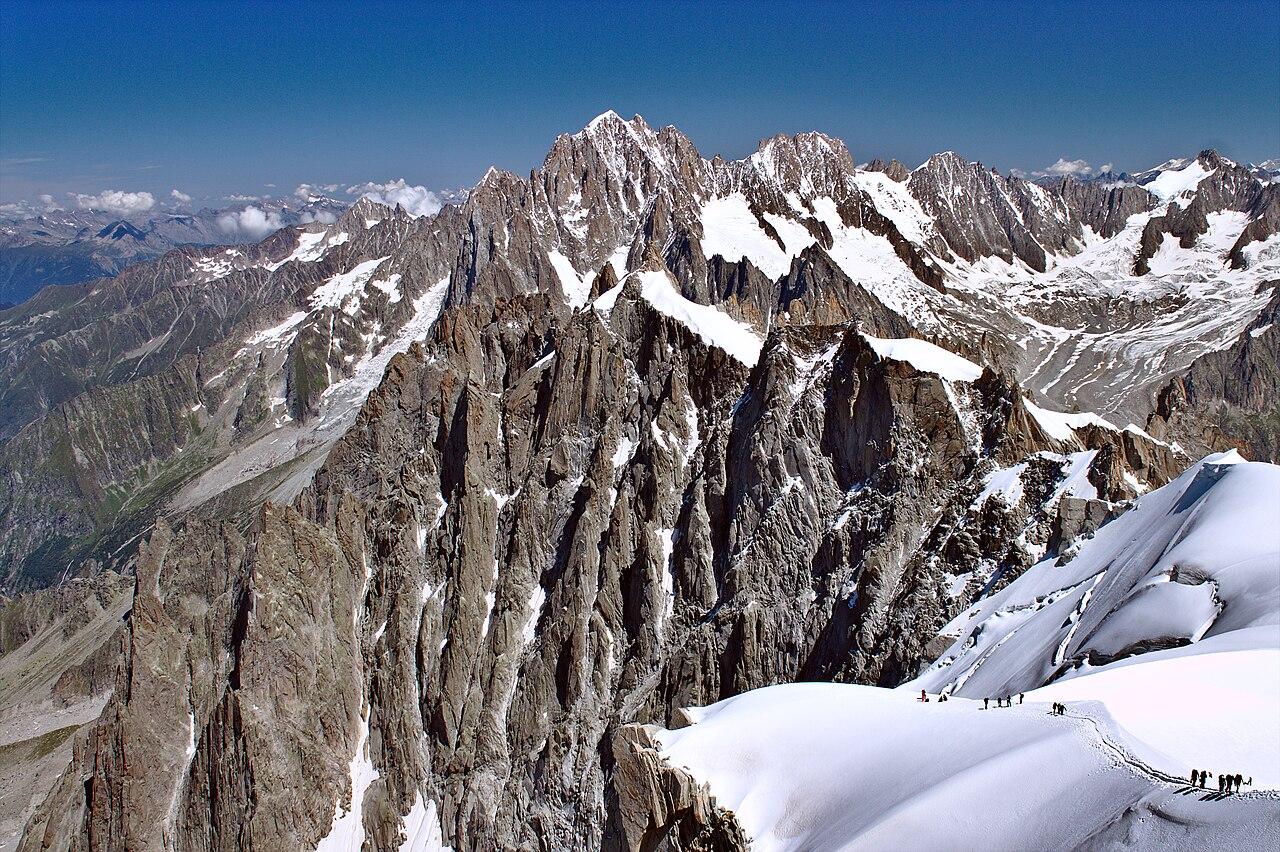
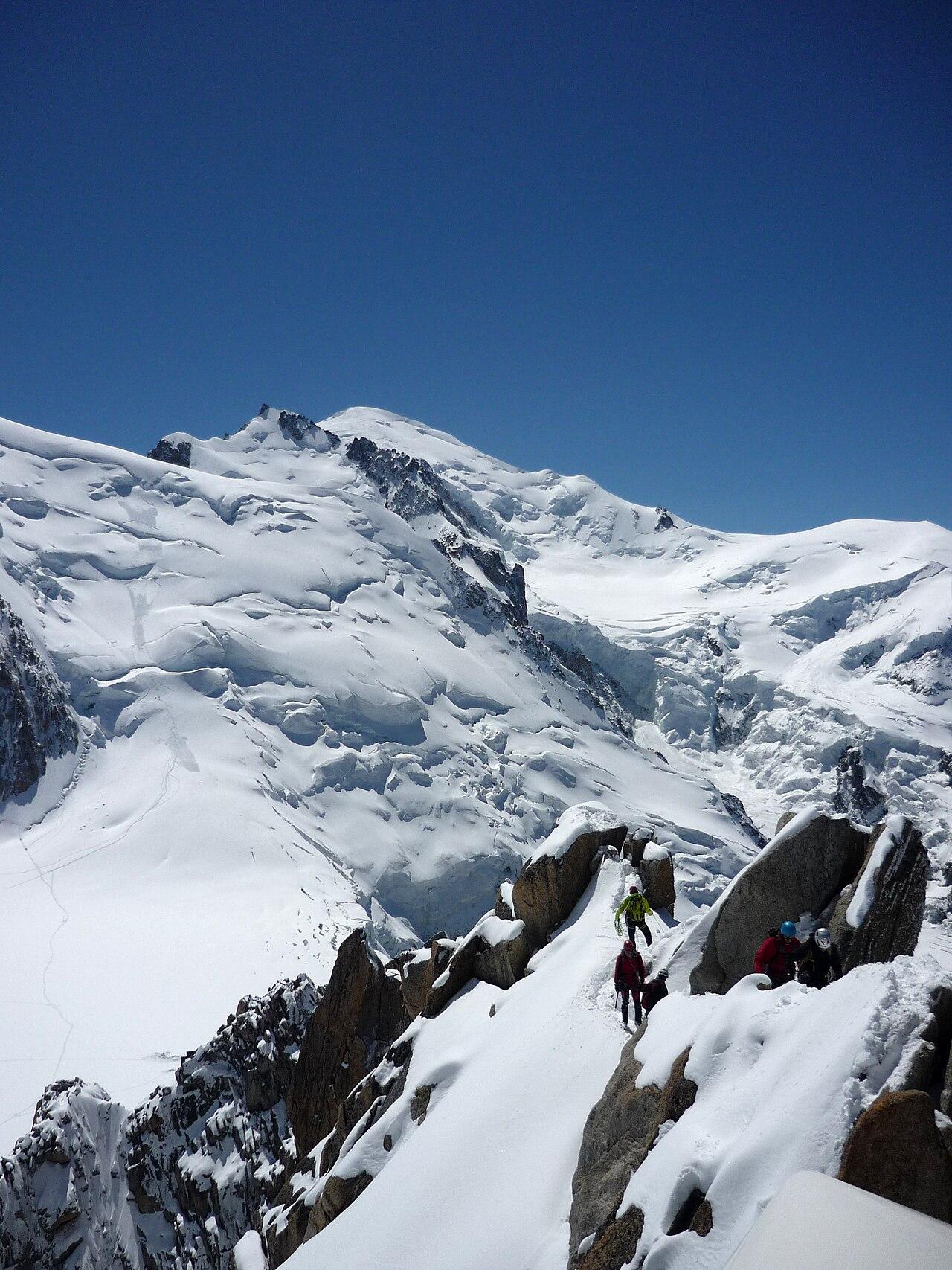
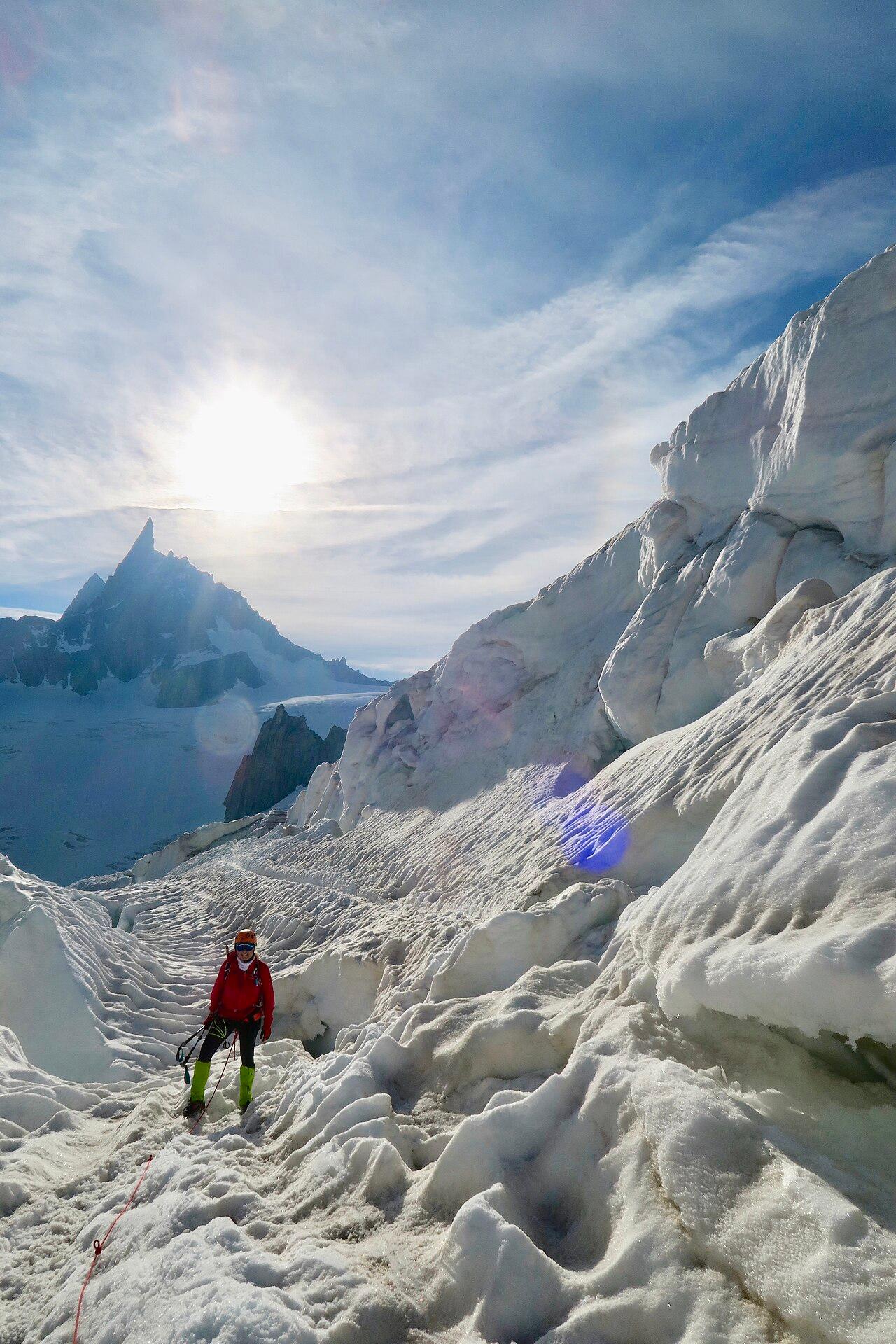
From the Aiguille du Midi at 3,842 m, walk down a roped ridge in crampons, then ski 15 km and 2,000 m of glacier with a mountain guide, between séracs and crevasses, back towards Chamonix.
About 30 days on kite skis from Kangerlussuaq to Qaanaaq, riding the ice cap's katabatic winds with 70 kg sleds, in a team of two or three.
Three days from Longyearbyen over glaciers and peaks to Mohn Bay on Svalbard's remote east coast, sleeping two nights in heated tents a few hundred metres from the sea ice, keeping polar bear watch.
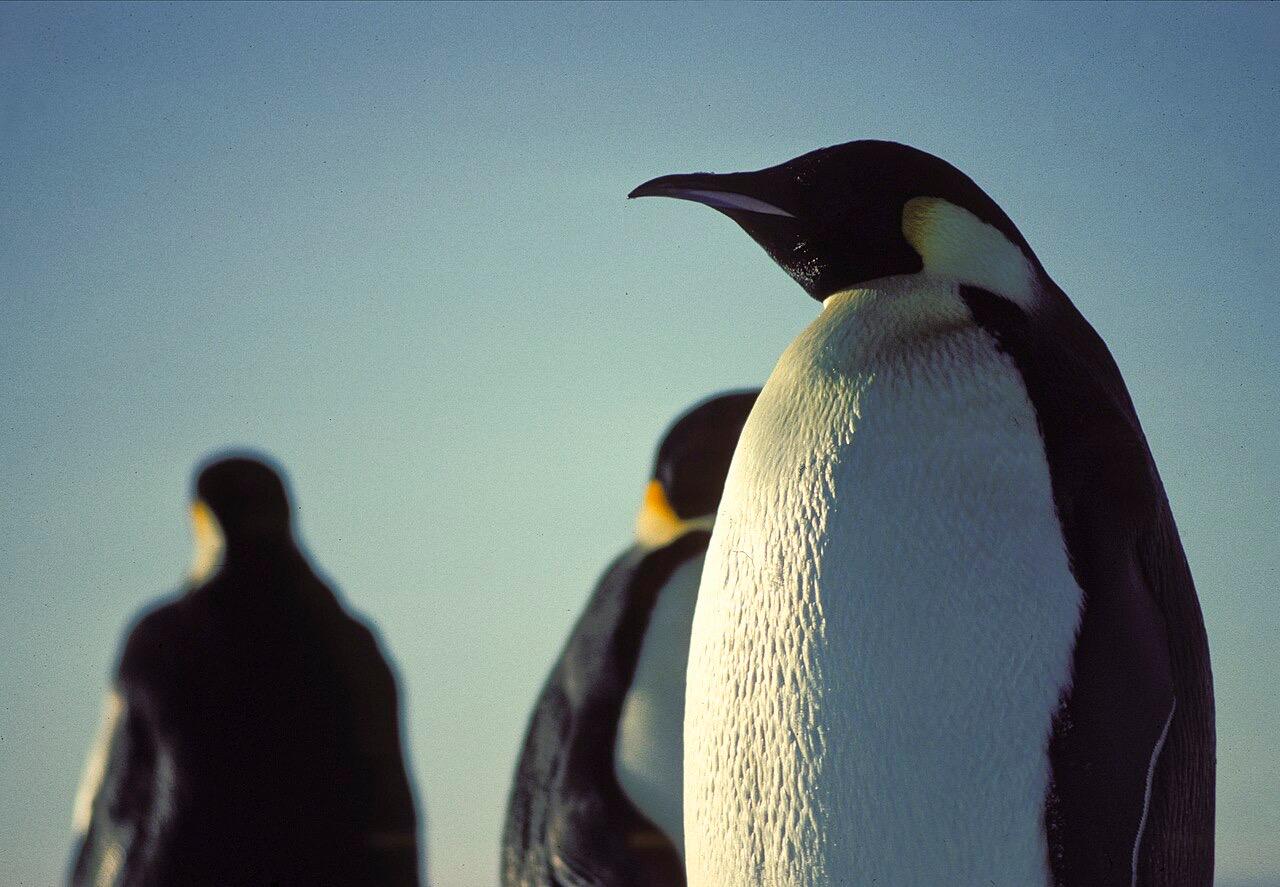
Eight days from Cape Town: a flight to the Atka Bay emperor penguin colony, then a Basler flight across the mountains to the Geographic South Pole.
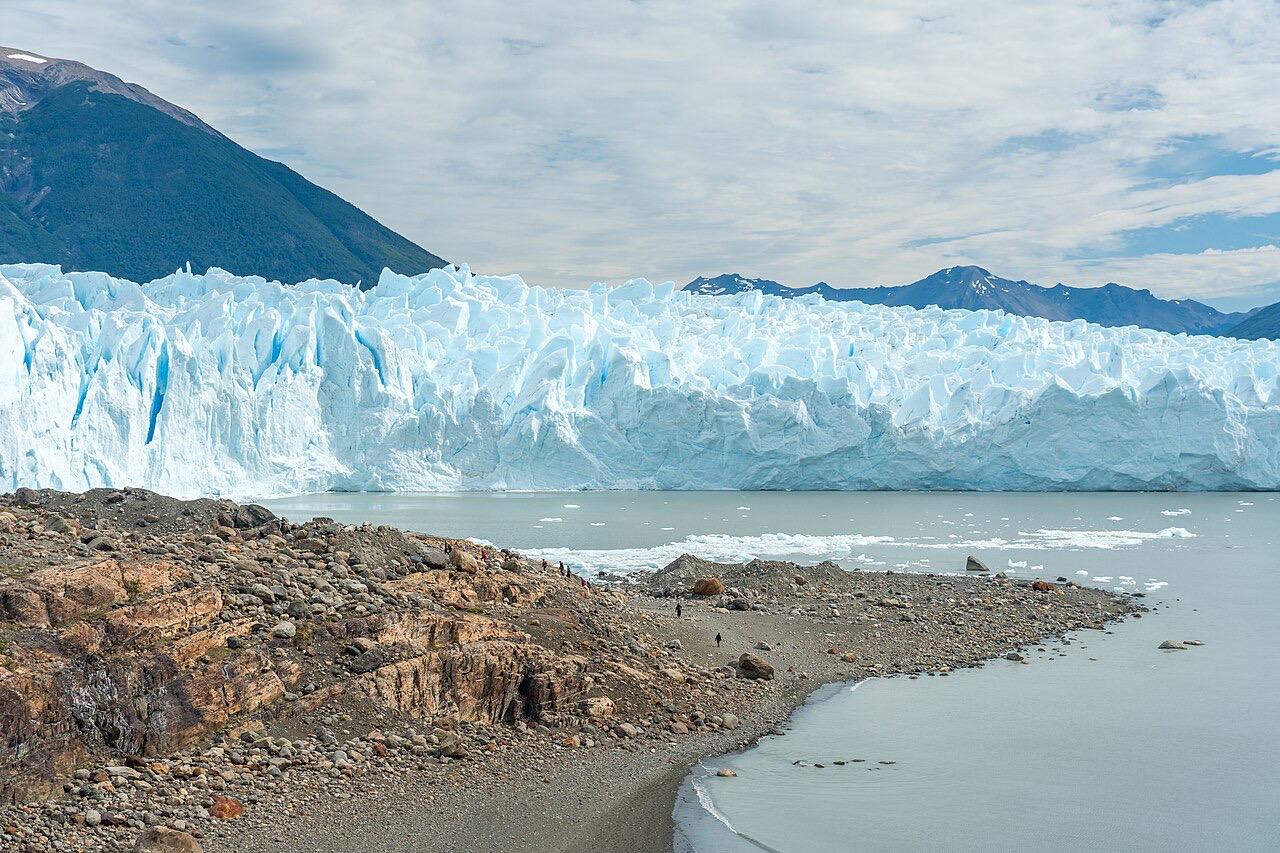
A long day on the ice of Perito Moreno in crampons, walking far into the glacier's crevassed interior, open only to adults aged 18 to 50.
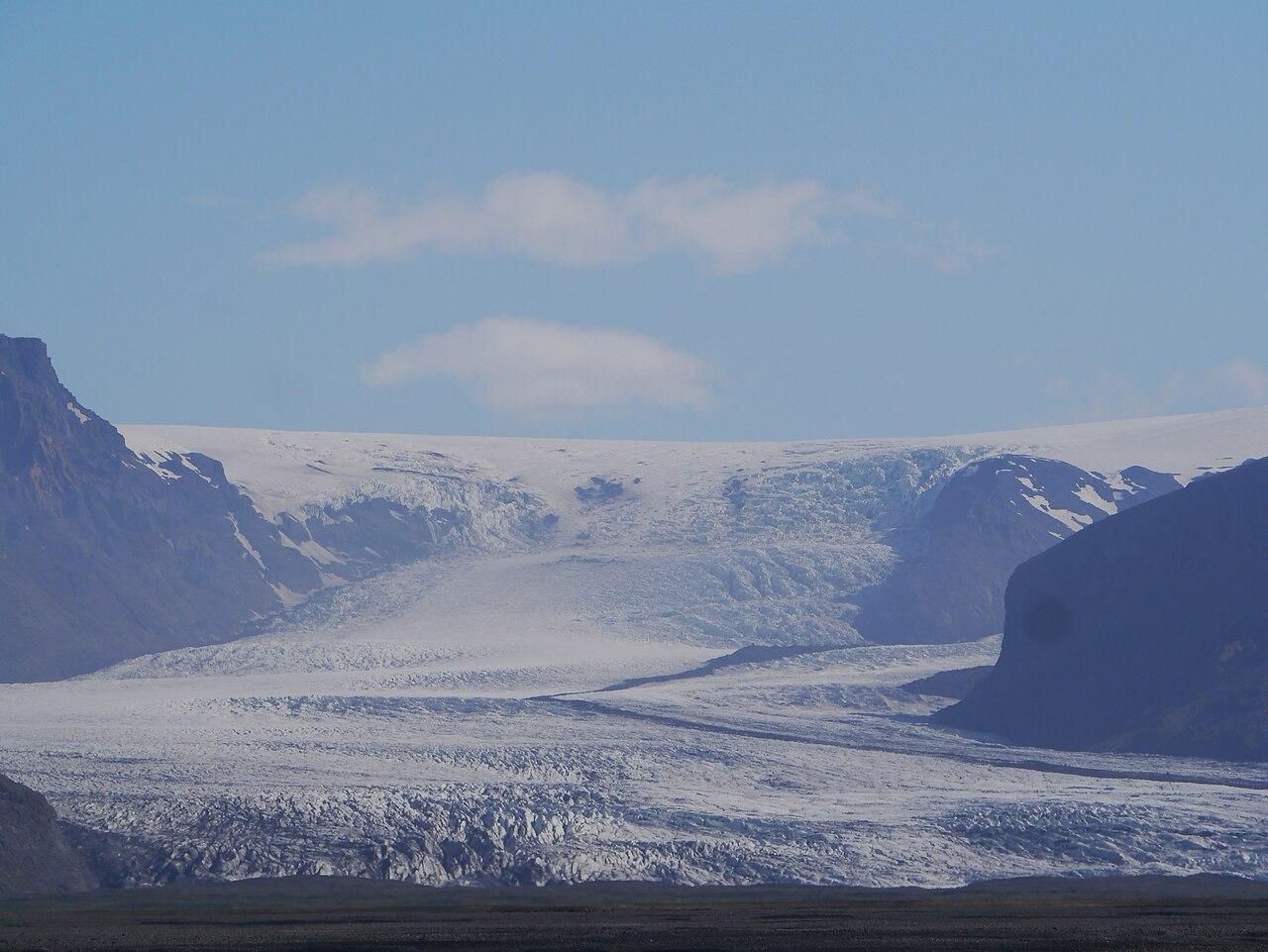
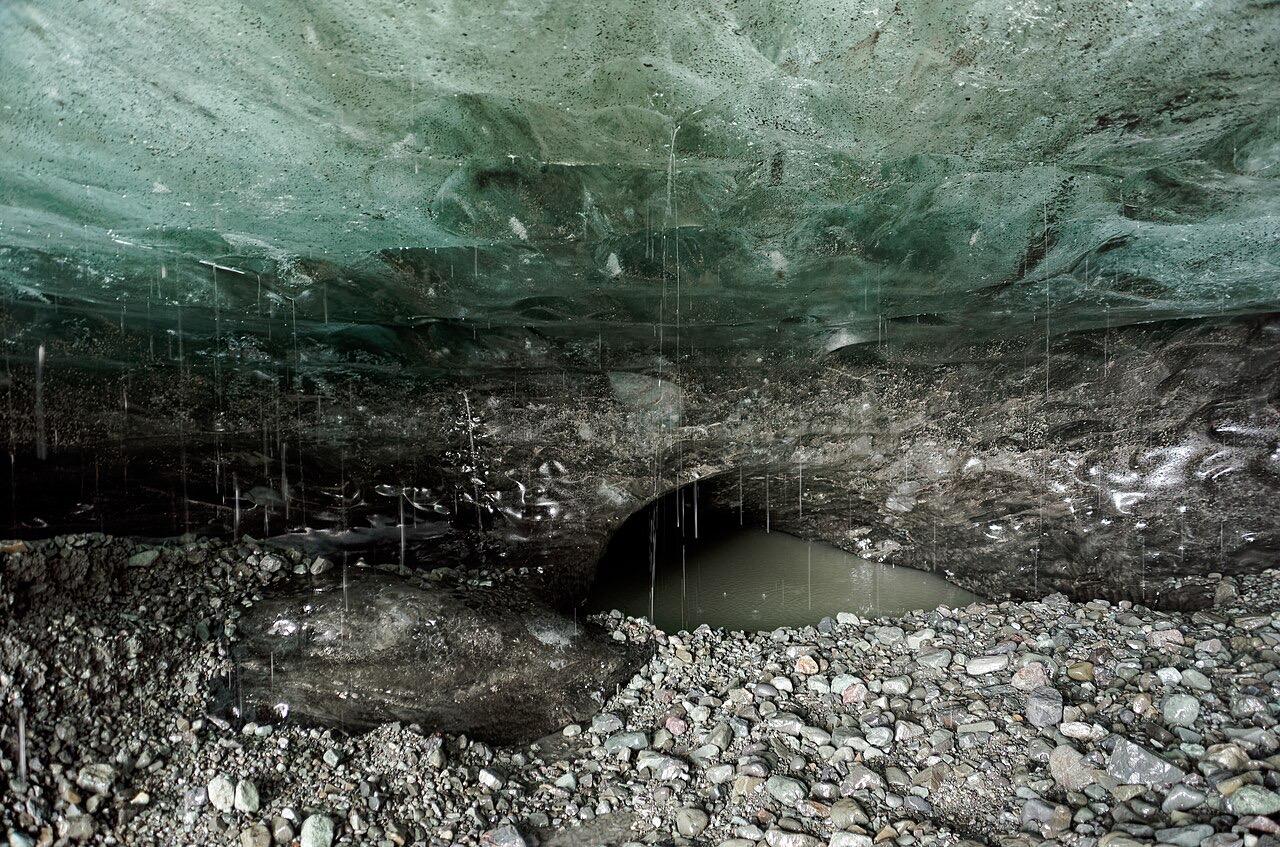
Step inside a natural ice cave in Breidamerkurjokull, an outlet glacier of Vatnajokull, where the winter ice glows blue overhead.
Nine days in a heated tent camp on the sea ice of Admiralty Inlet, where the narwhals arrive along the open water in spring and polar bears sometimes walk by.
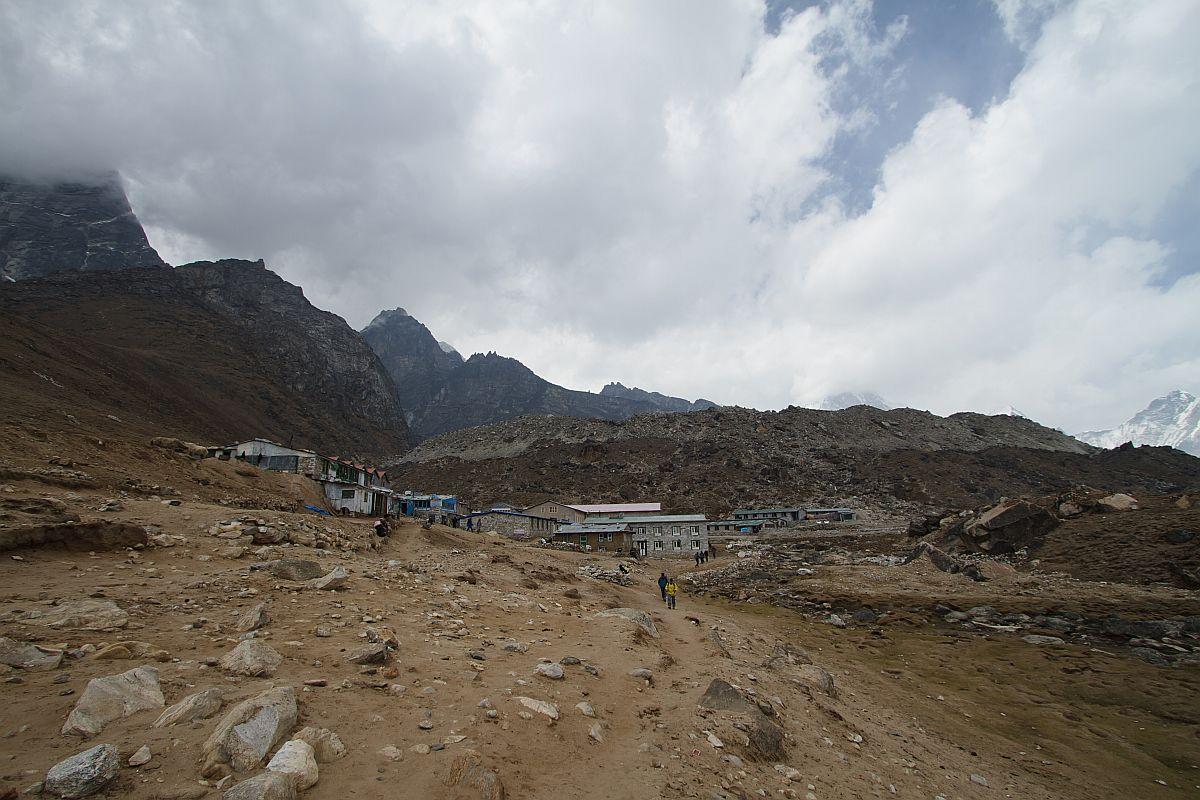
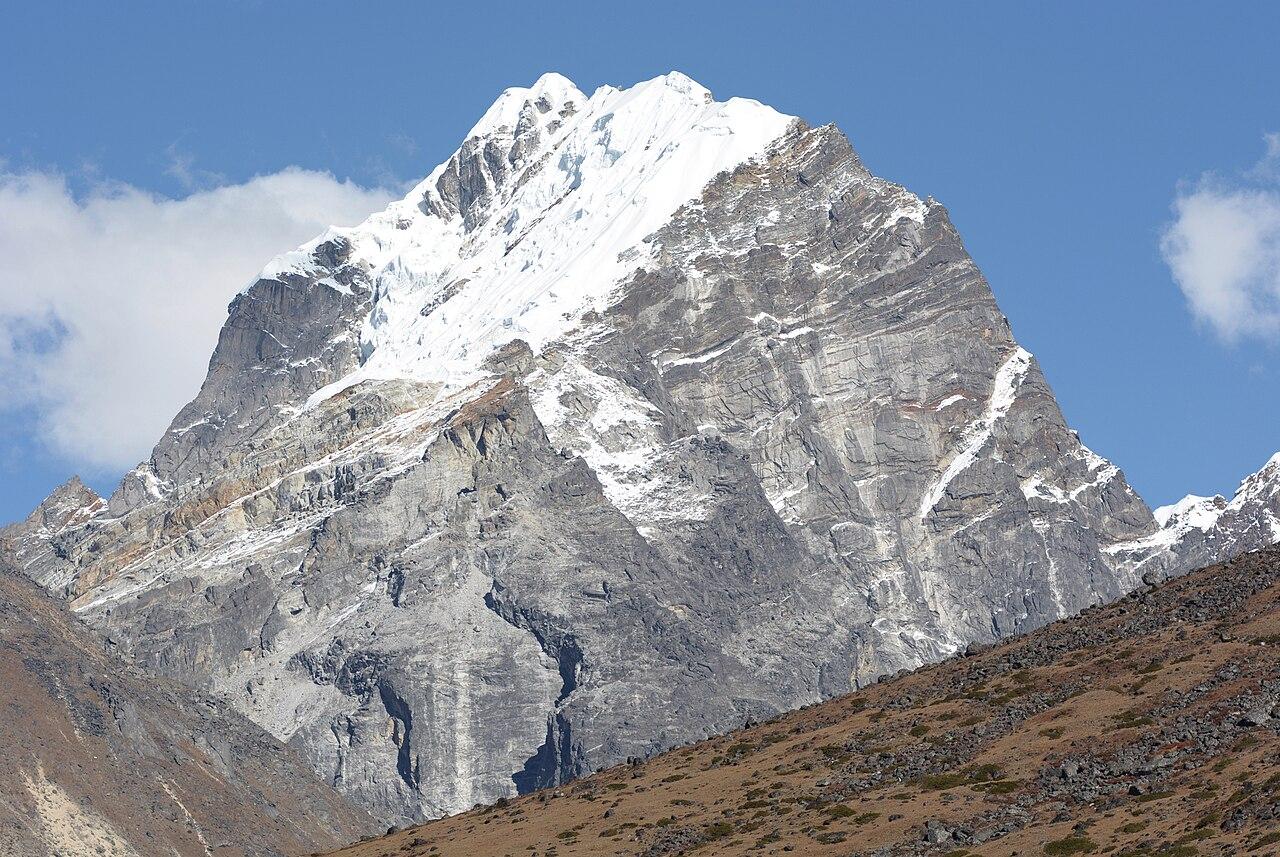
An 18-day trek and climb to Lobuche Peak, walking the Everest trail to 4,930 m and summiting from a high camp at 5,300 m.
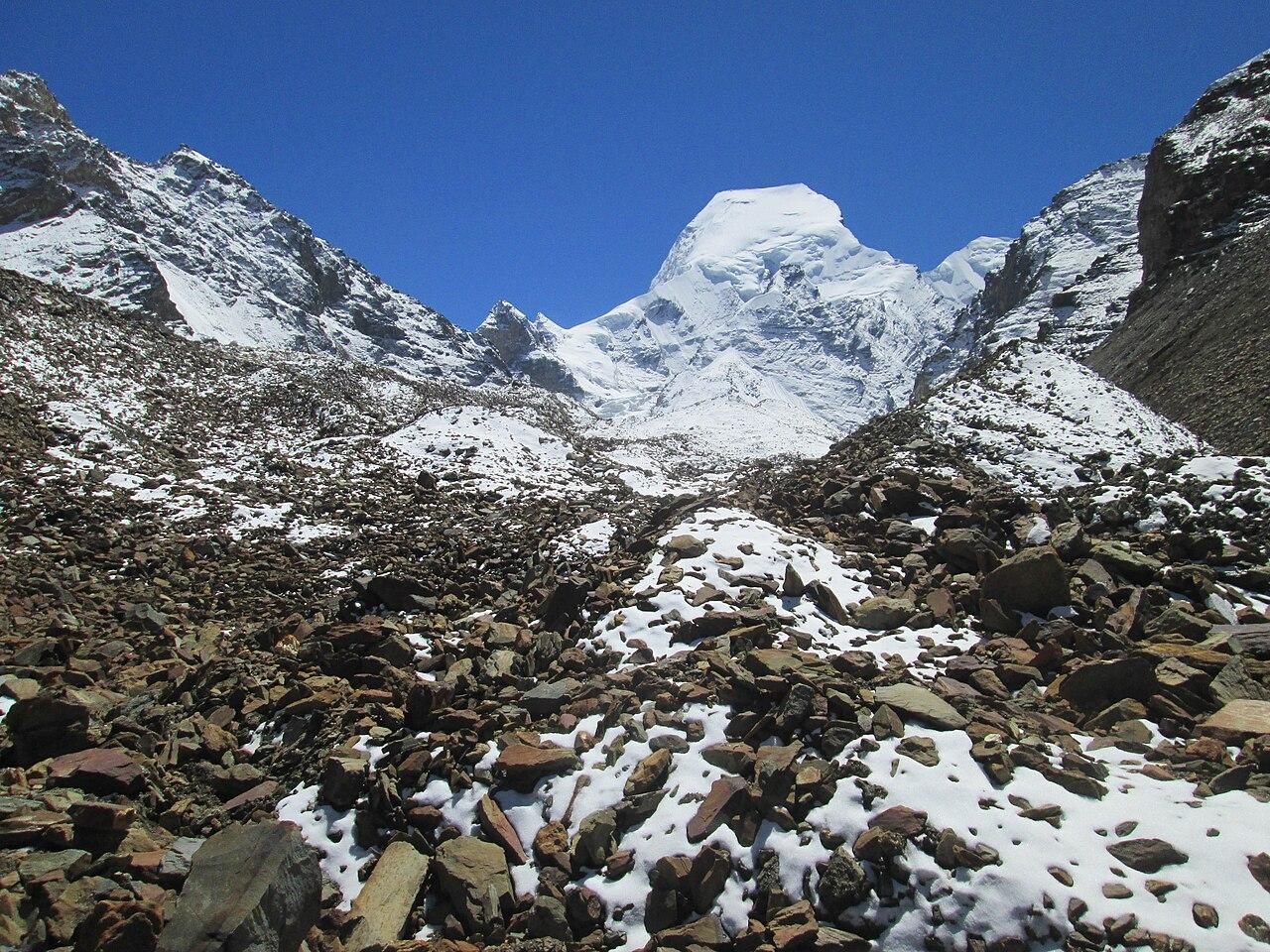
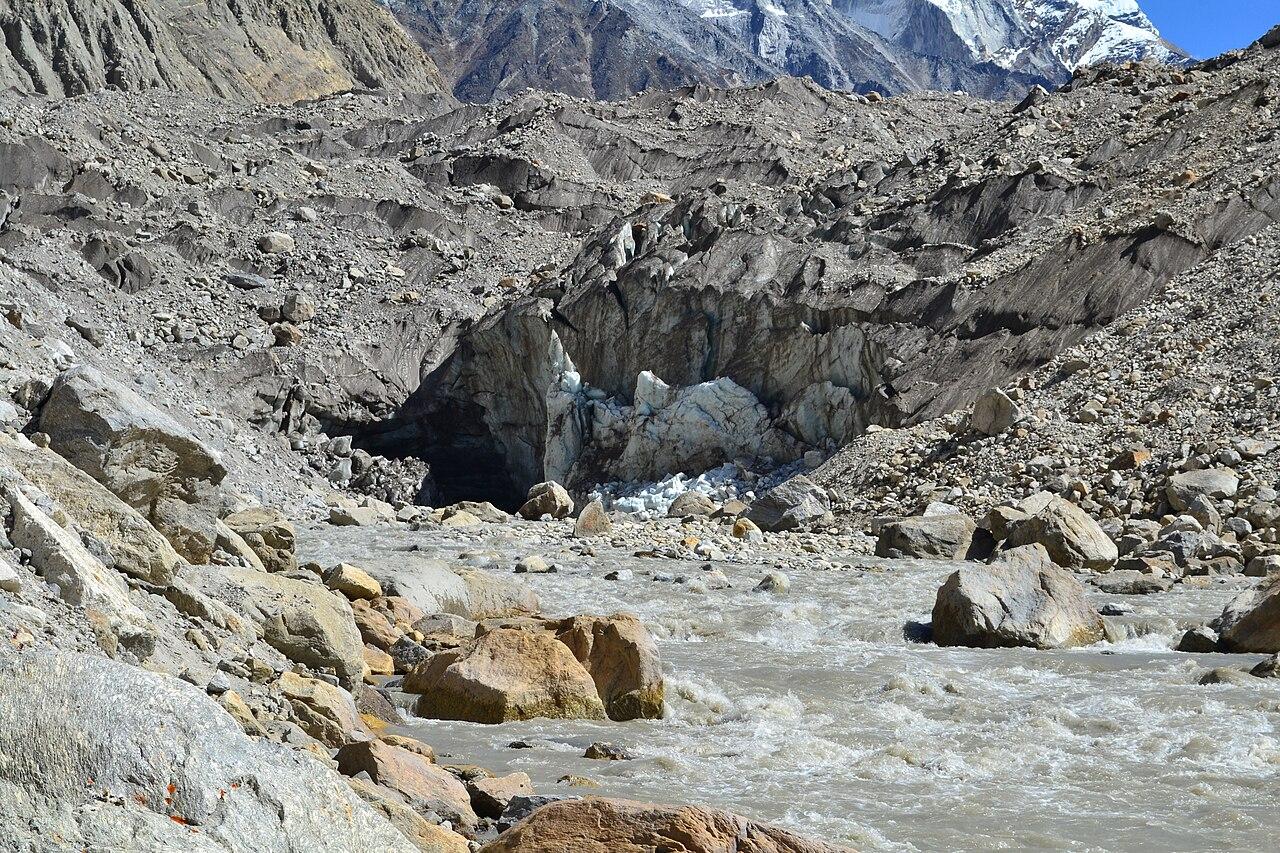
A 30-day expedition to a remote 7,075 m peak in the Indian Garhwal, approached on foot past Gaumukh and climbed by steep mixed ground and a 50 degree ice traverse.
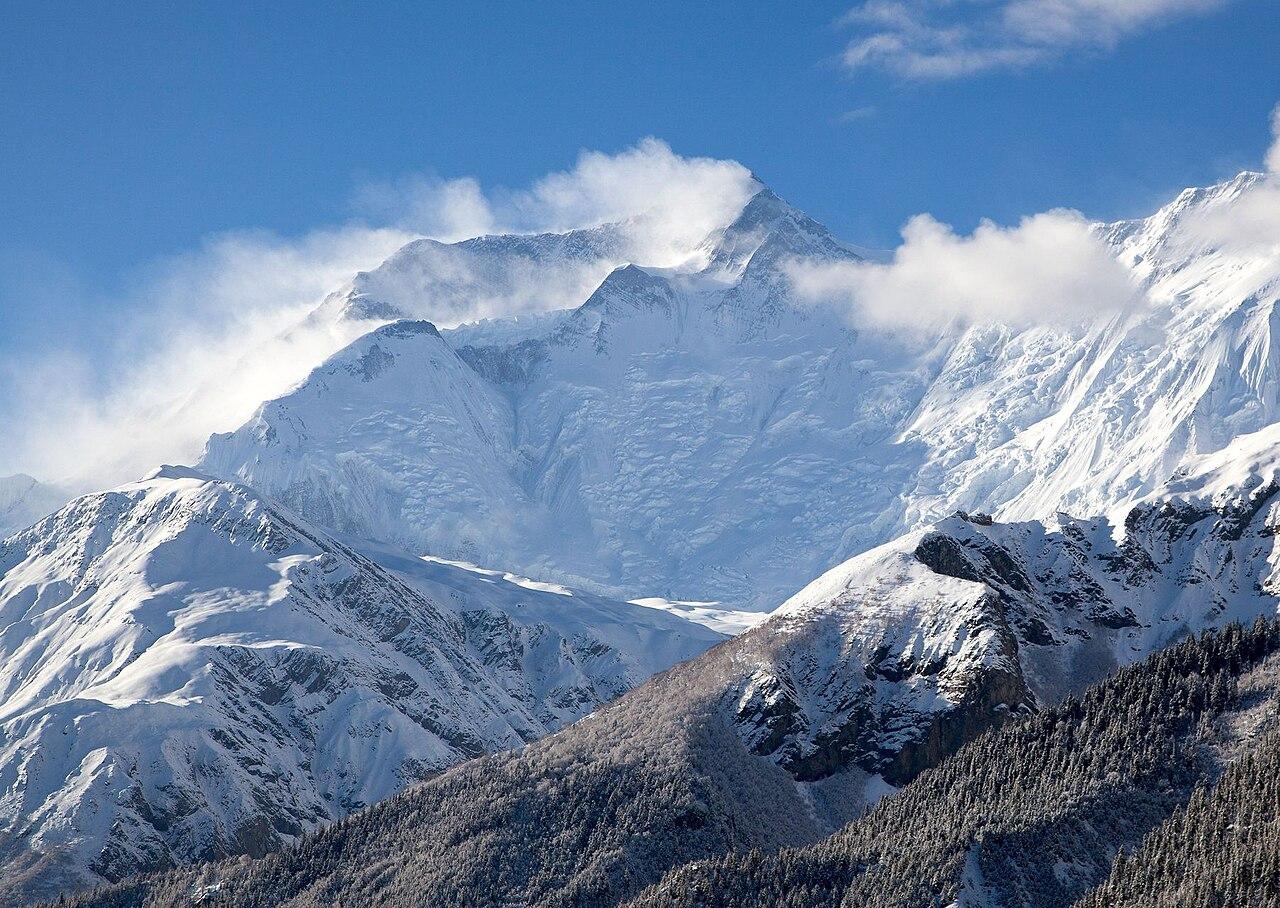
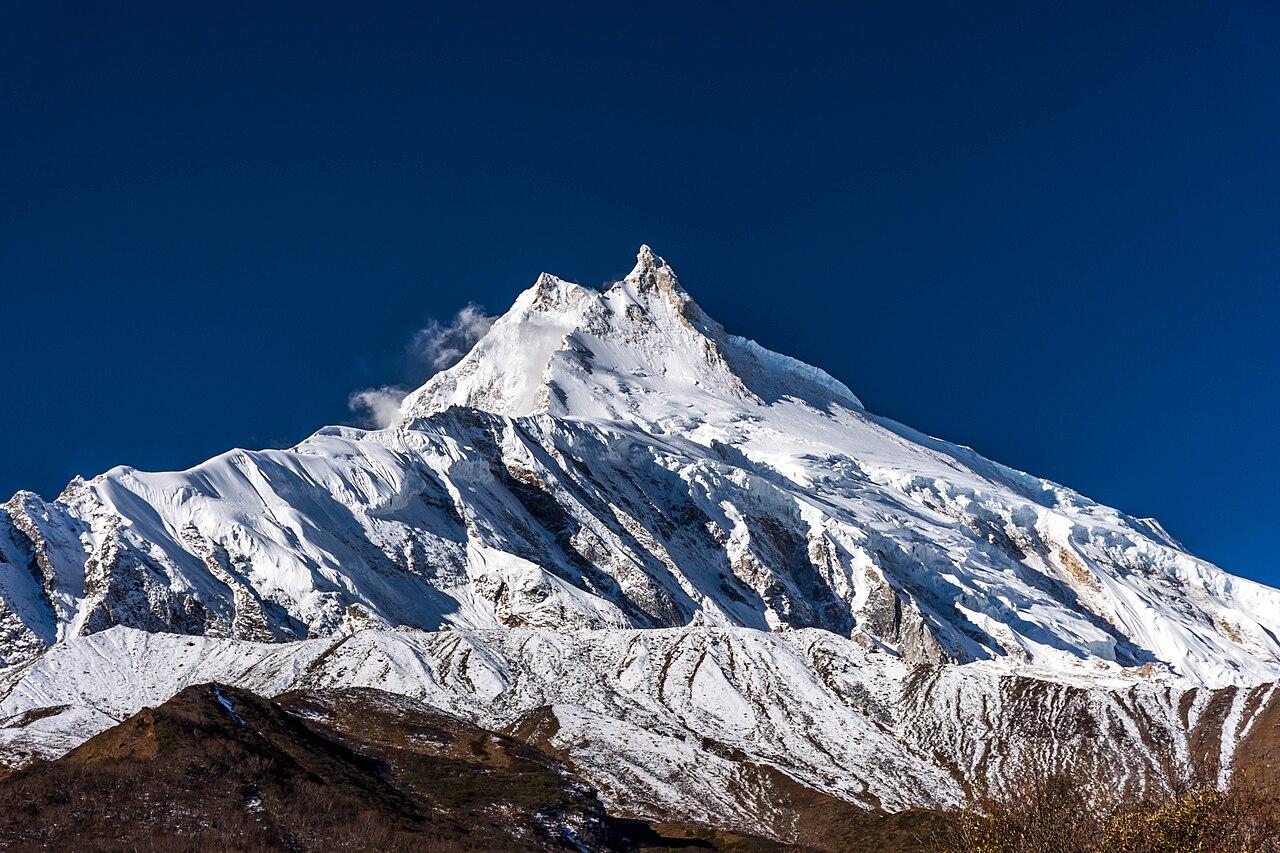
A 7,525 m snow and ice peak in the Annapurna range, climbed with four camps above base camp, a British leader and a Sherpa for every client.
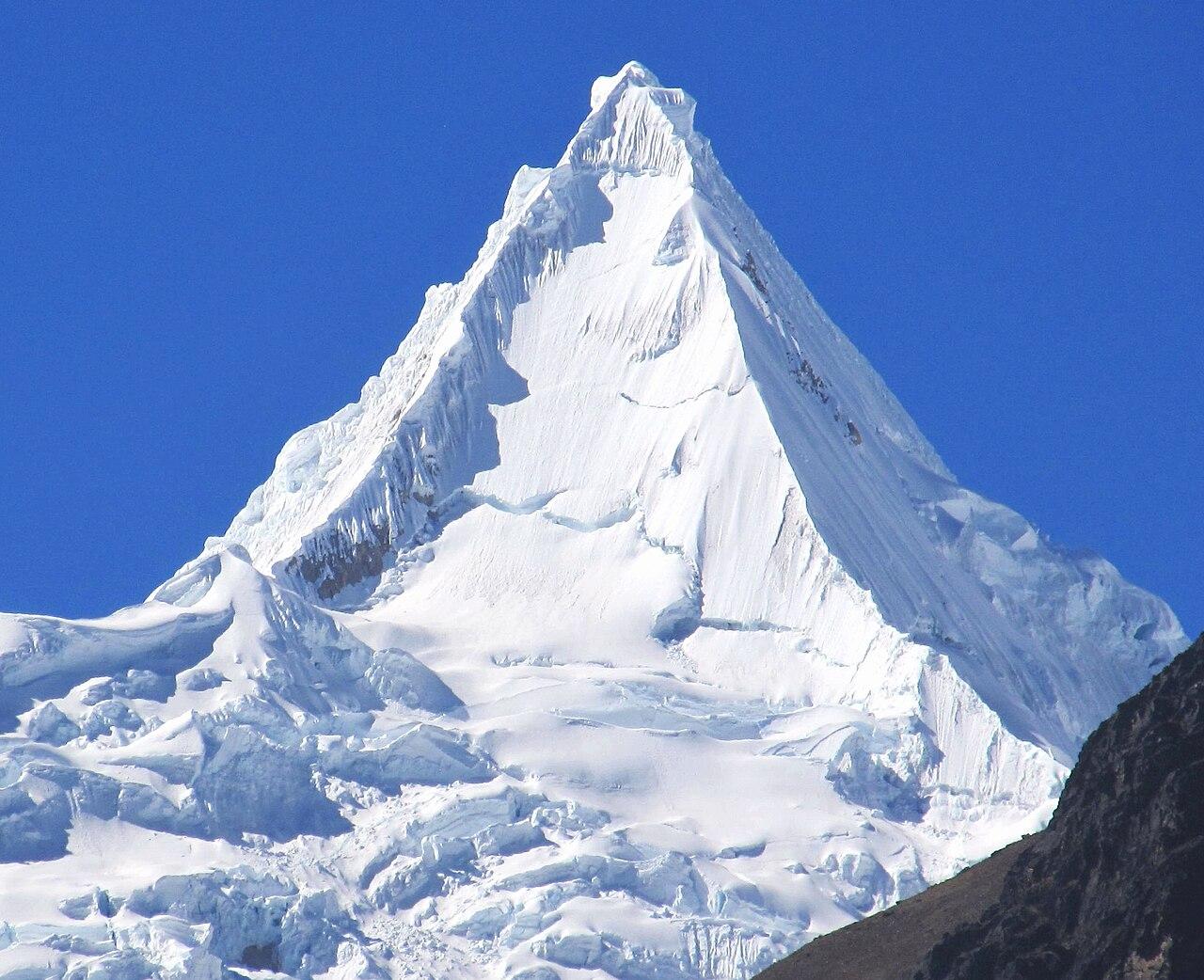
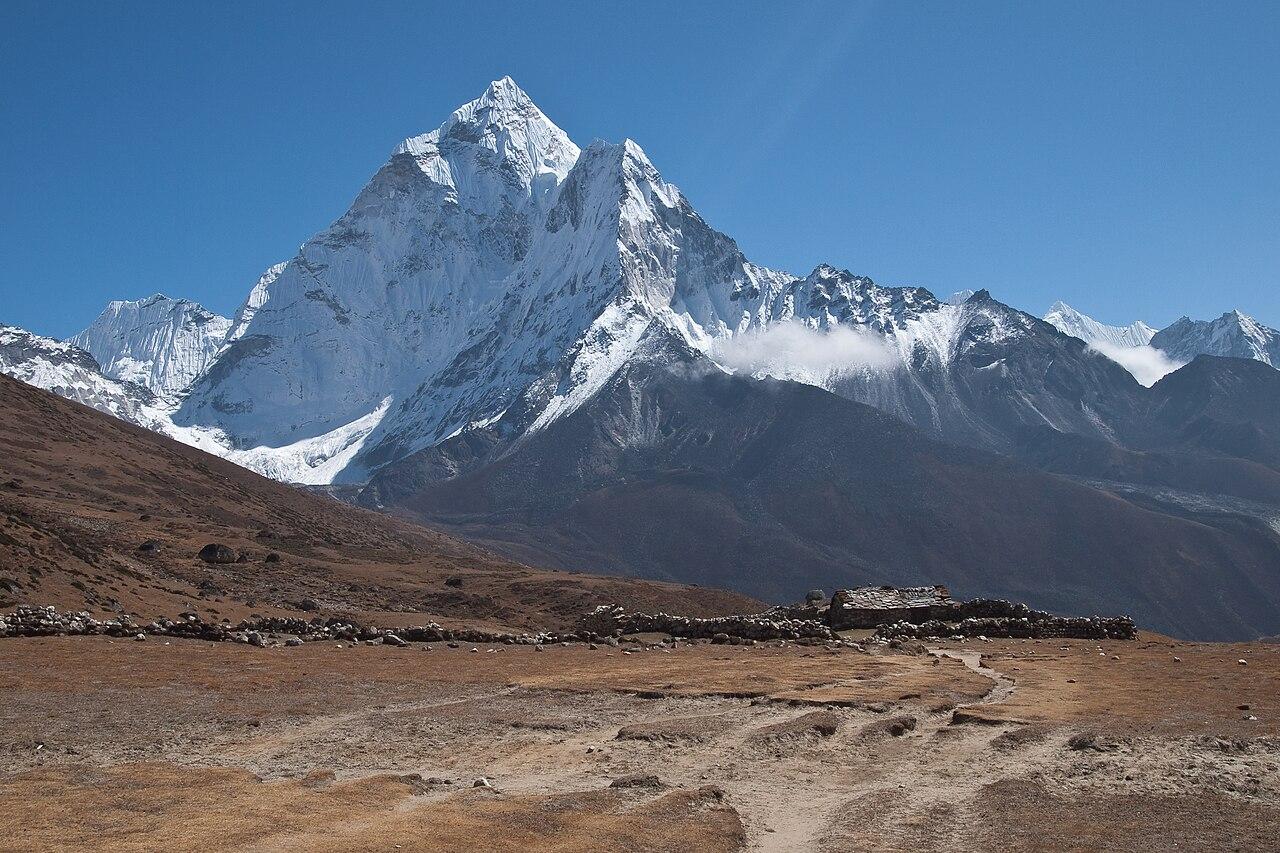
A 12-day climb of the 5,947 m ice pyramid often called one of the most beautiful mountains on Earth, up sustained steep snow and ice on its Southwest Face.
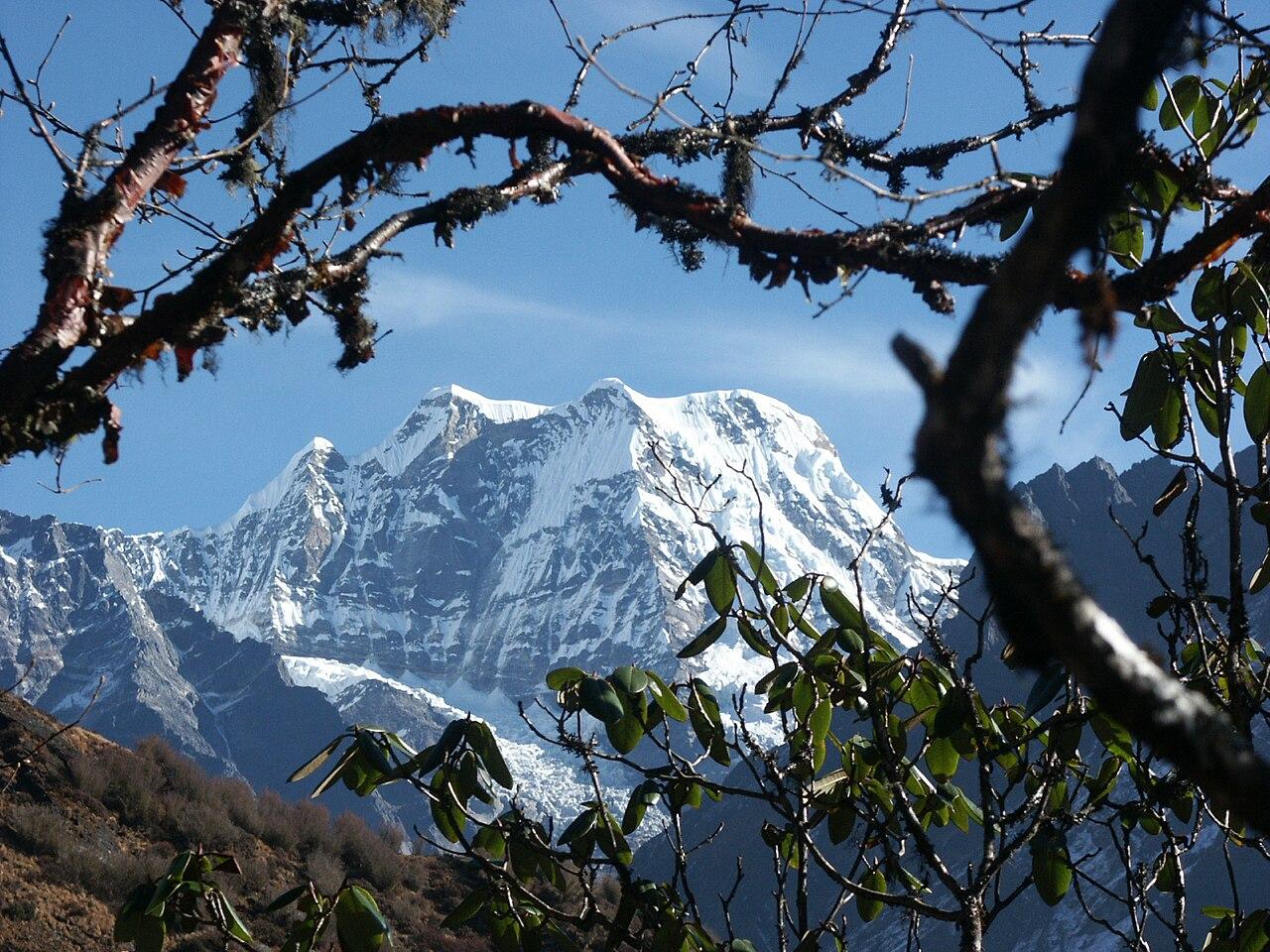
A 29-day expedition up the steep pyramid above the Everest trail, a technical climb on rock, snow and ice with Everest, Lhotse and Makalu in view.
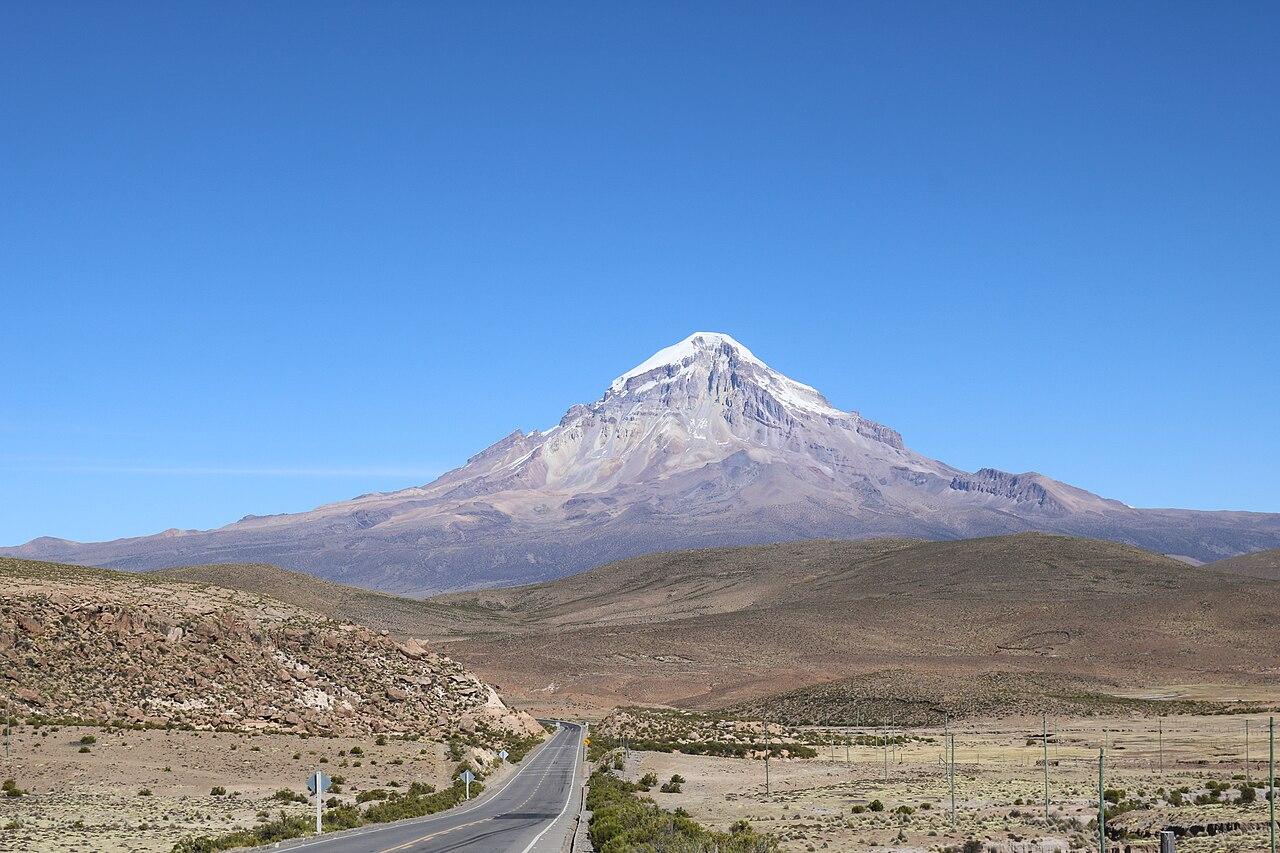
Three Bolivian summits over 6,400 m in 28 days: Ancohuma, Illimani and Sajama, after a warm-up on Pequeno Alpamayo in the Condoriri basin.
A 35-day NOLS course in India's Kumaon Himalaya: glacier travel, crevasse rescue and high passes, with stops in villages high in the mountains.
Ten days in Ecuador: Illiniza Sur's snow and ice up to 50 degrees to acclimatise, then a 1 am start up Antisana's glaciers and past its summit bergschrund.
Six days with one IFMGA guide: fly in to Plateau Hut, leave at 01:00 and climb 1,700 m through the Linda Glacier's crevasses to the ice cap at 3,724 m.
A three-week climb from Cusco: trek in from Tinke, acclimatise on 5,500 m Jampa Peak, then climb Ausangate alpine style with Peruvian IFMGA guides.
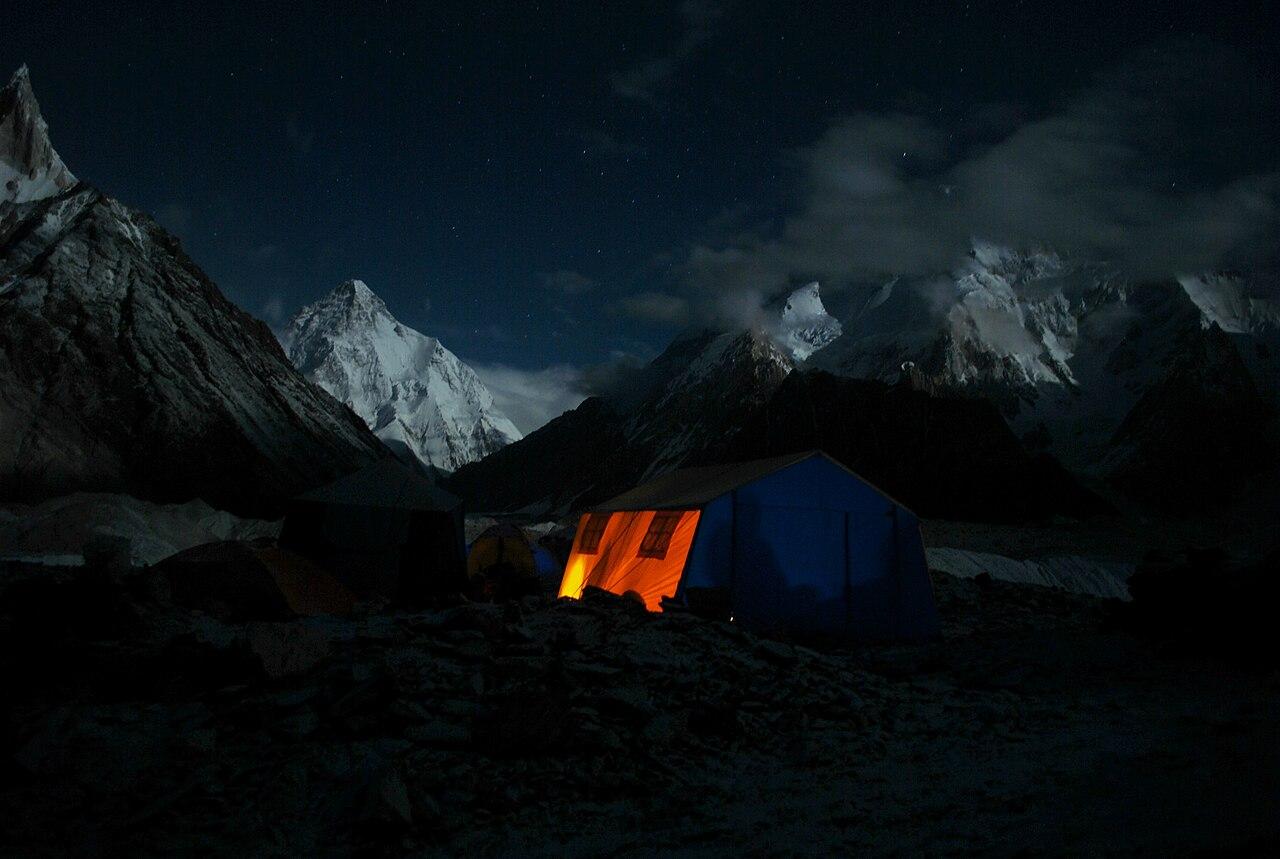
Walk up the Baltoro Glacier, climb three rotations on the world's 12th highest mountain and go for its 8,047 m summit, then leave over the 5,585 m Gondogoro La.
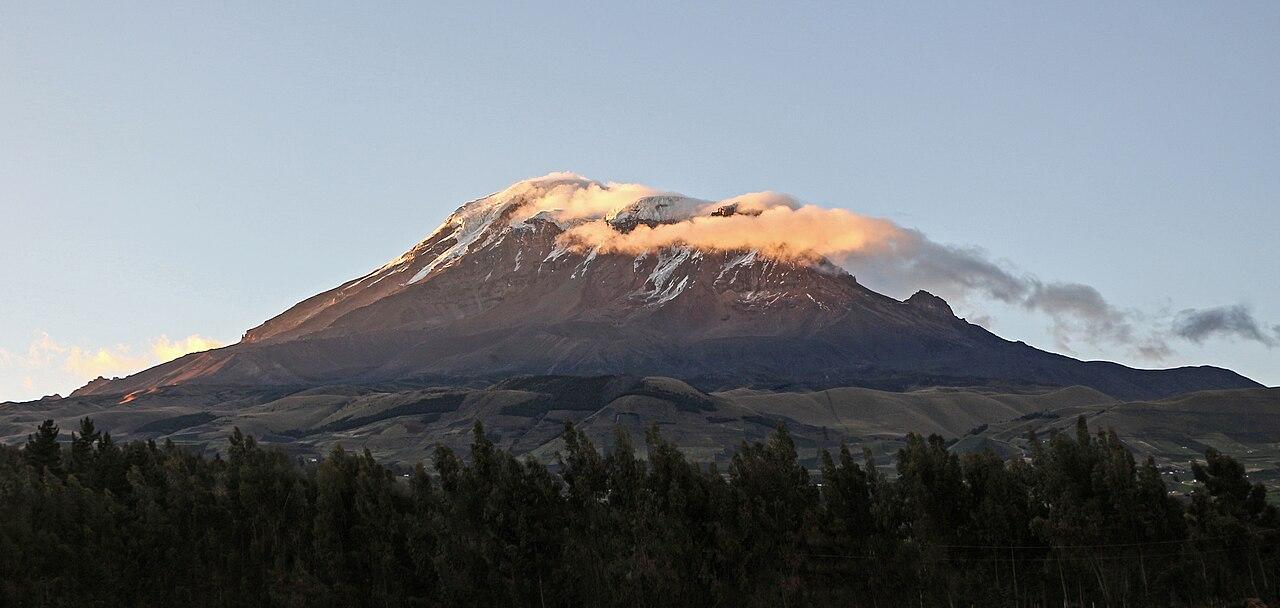
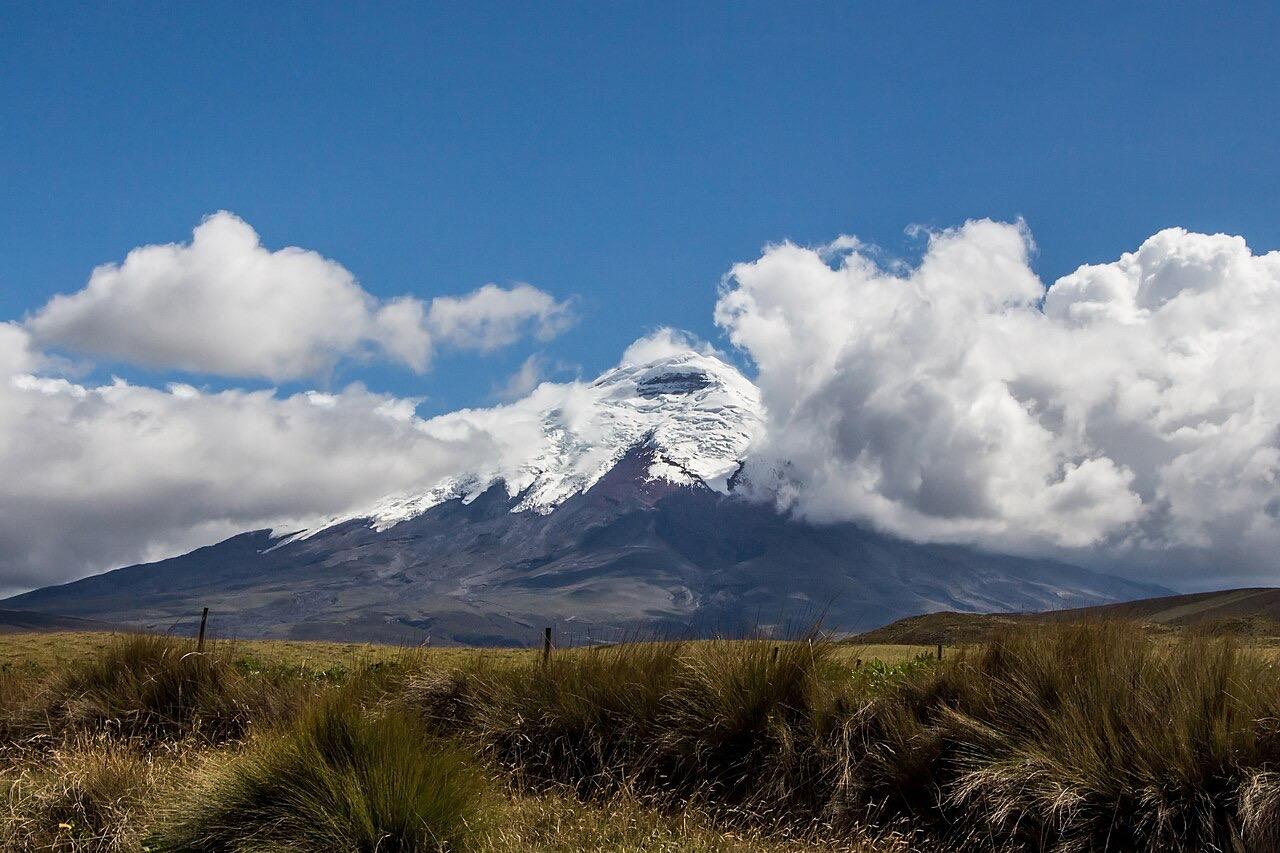
A midnight start on Ecuador's 6,263 m volcano, whose summit sits farther from the Earth's centre than Everest's because of the equatorial bulge.
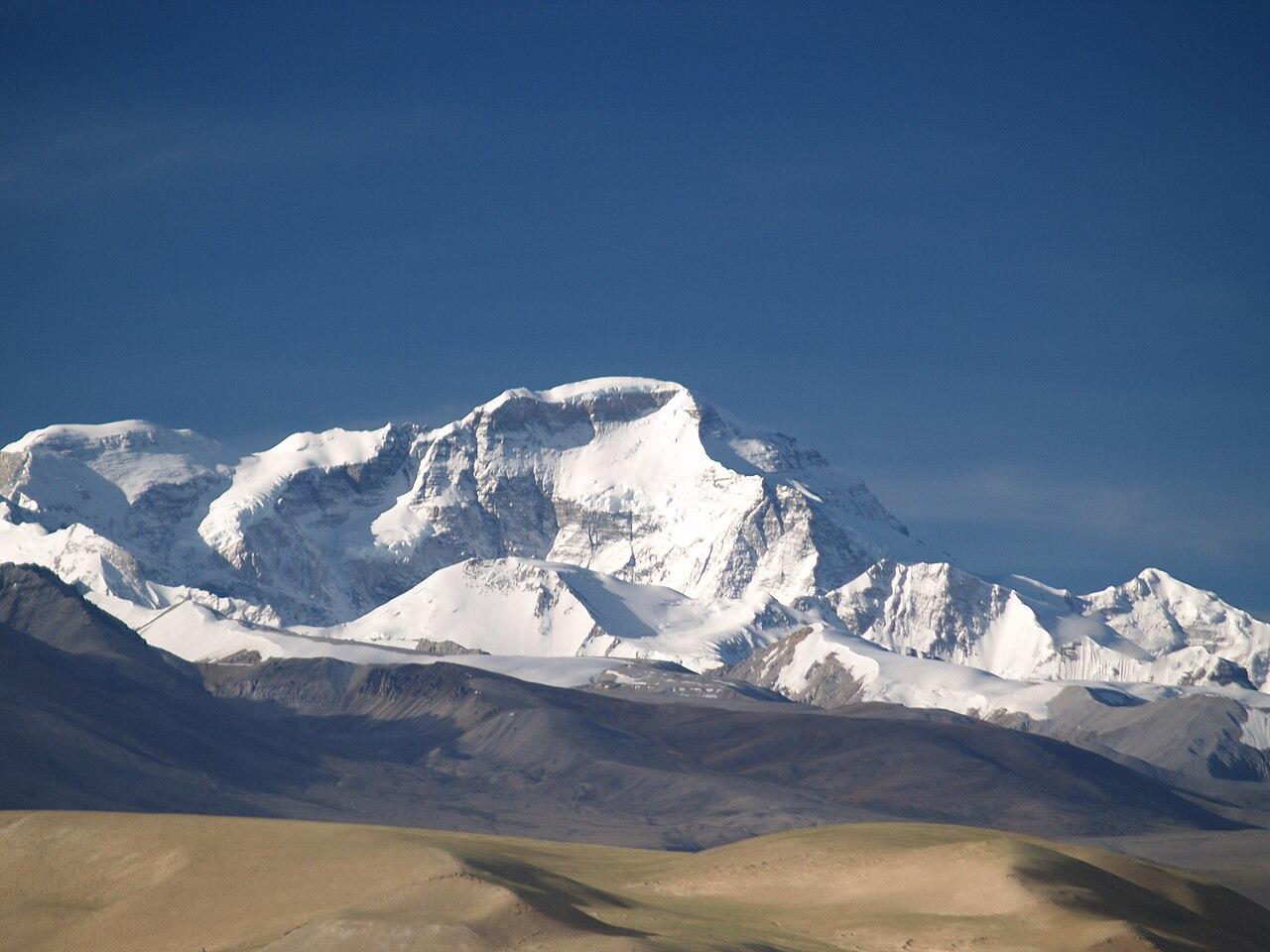
A first 8,000 m peak: 39 days from Kathmandu via Lhasa to the Tibetan side of Cho Oyu, a direct route with only a few short technical sections.
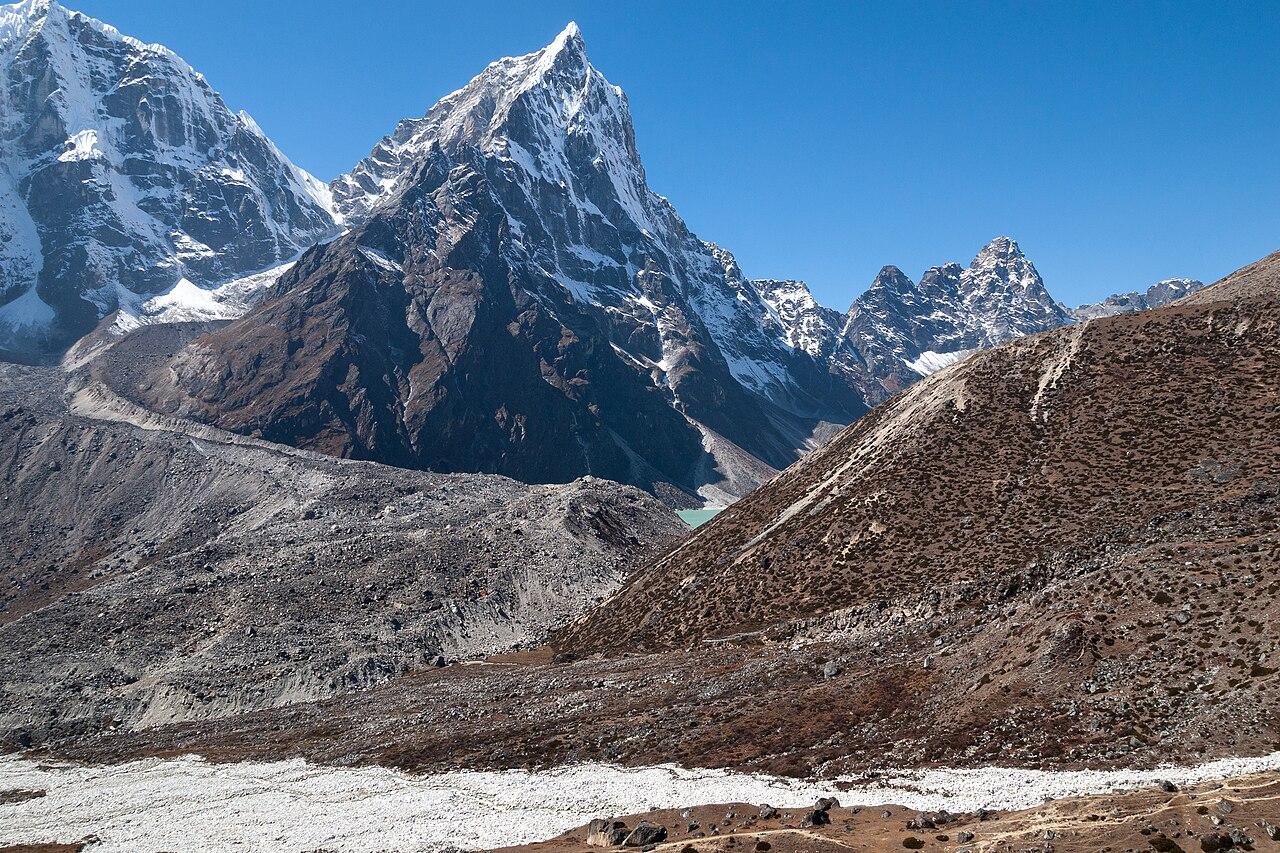
An uncrowded, technical climb between the Khumbu and Gokyo valleys: steep snow and ice, a rock crux and two alpine-style camps to Cholatse's 6,440 m top.
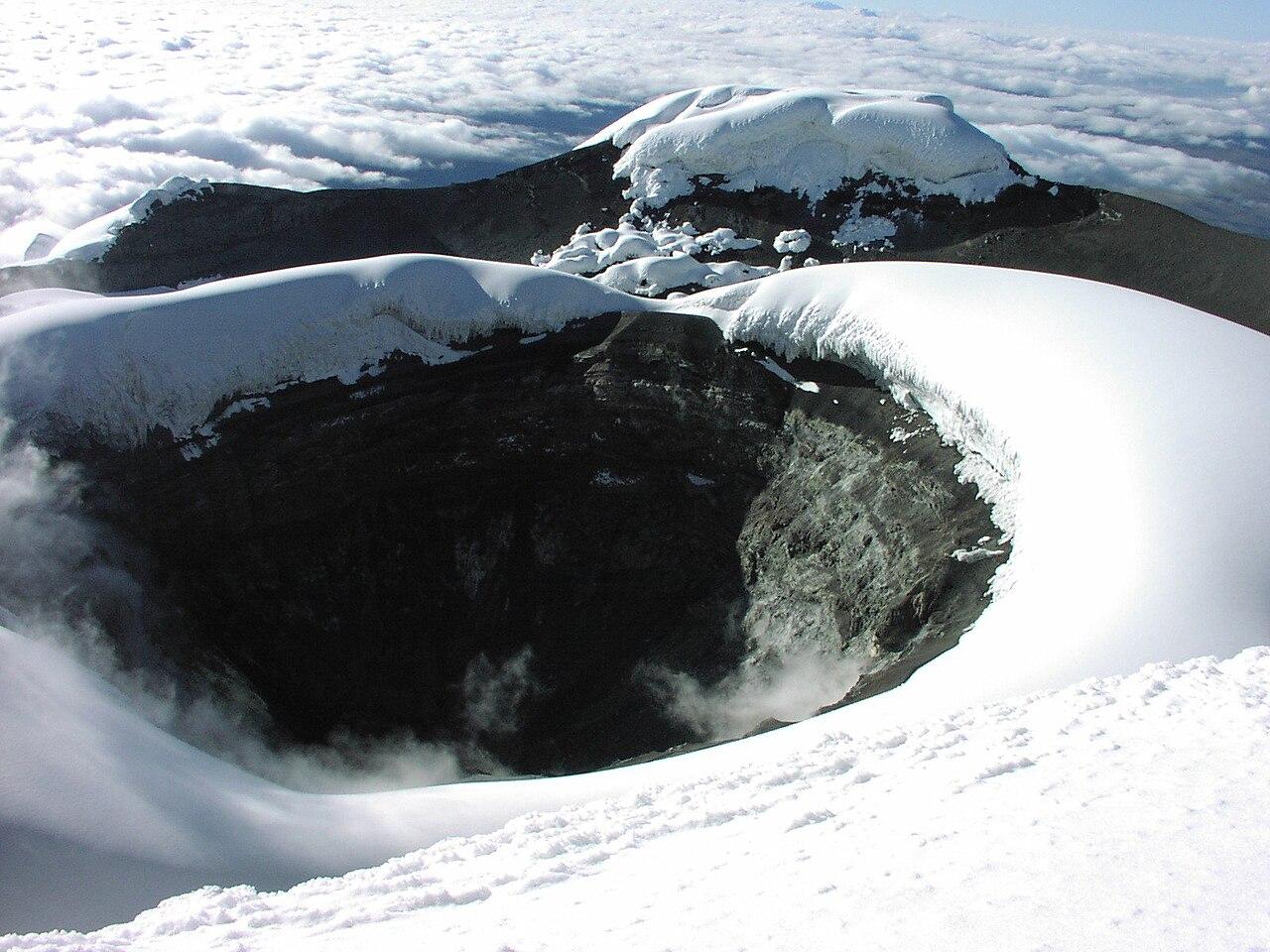
Six days that build up over Pasochoa, Corazon and Iliniza Norte before a summit attempt on the glaciated cone of Cotopaxi (5,897 m) in Ecuador.
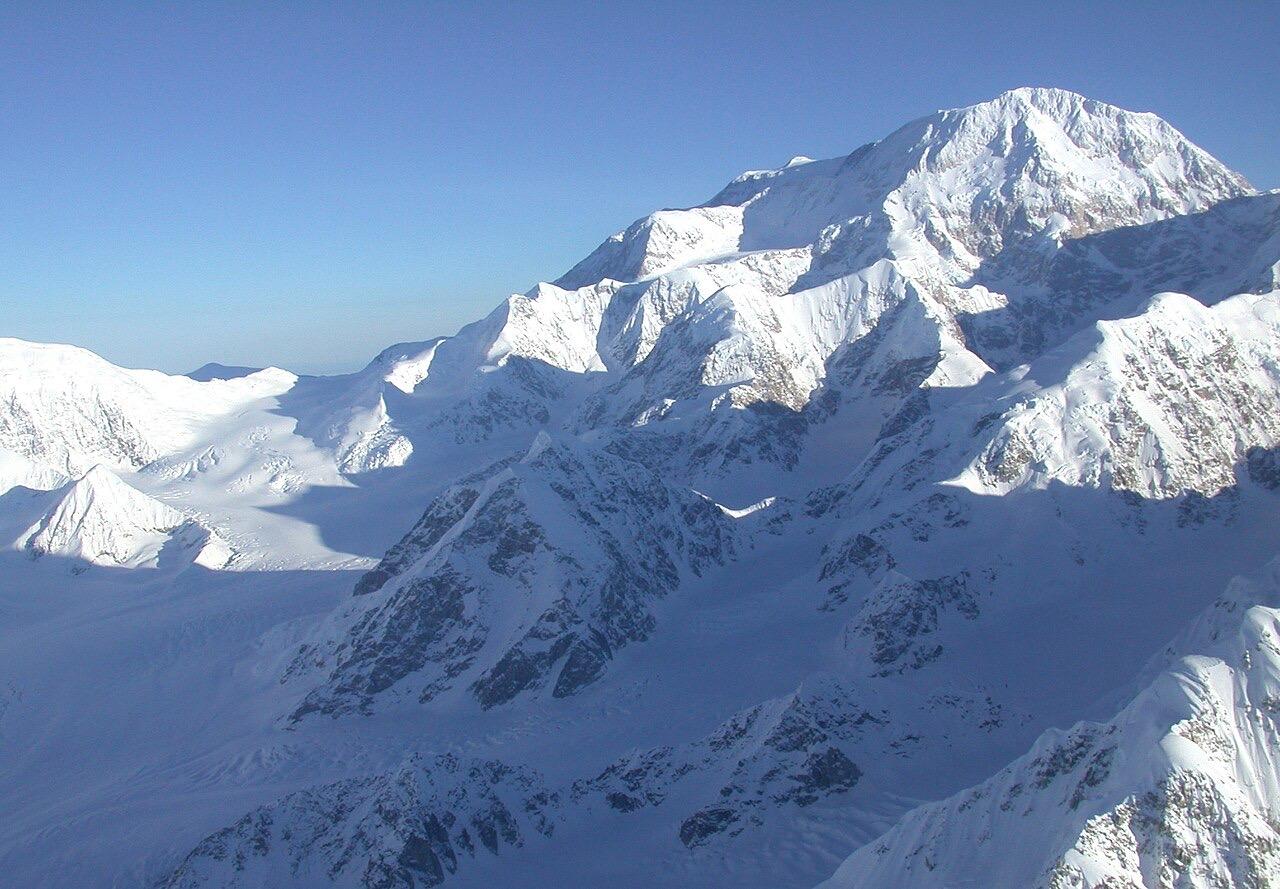
Haul a sled up North America's highest peak in classic expedition style with Talkeetna's own guide school: 6 climbers, 3 guides, 22 days.
Sixty-five days from Kathmandu to the 8,848.86 m summit by the South Col route, through the Khumbu Icefall, with one climbing Sherpa per member and seven bottles of oxygen.
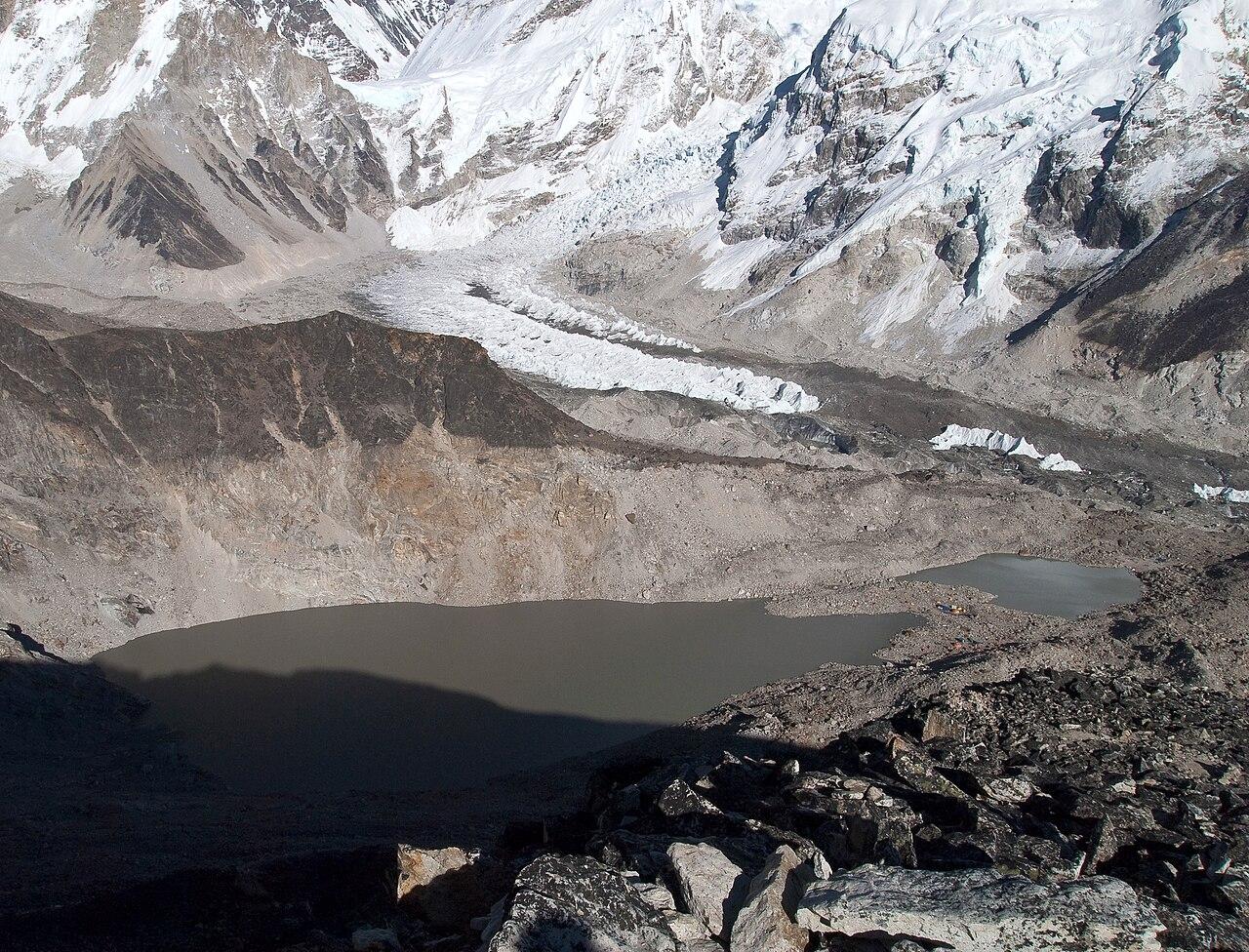
A 31-day spring expedition that trains you at Everest Base Camp, then climbs the Khumbu Icefall and the Western Cwm to Camp 3 on the Lhotse Face, at 7,300 m.
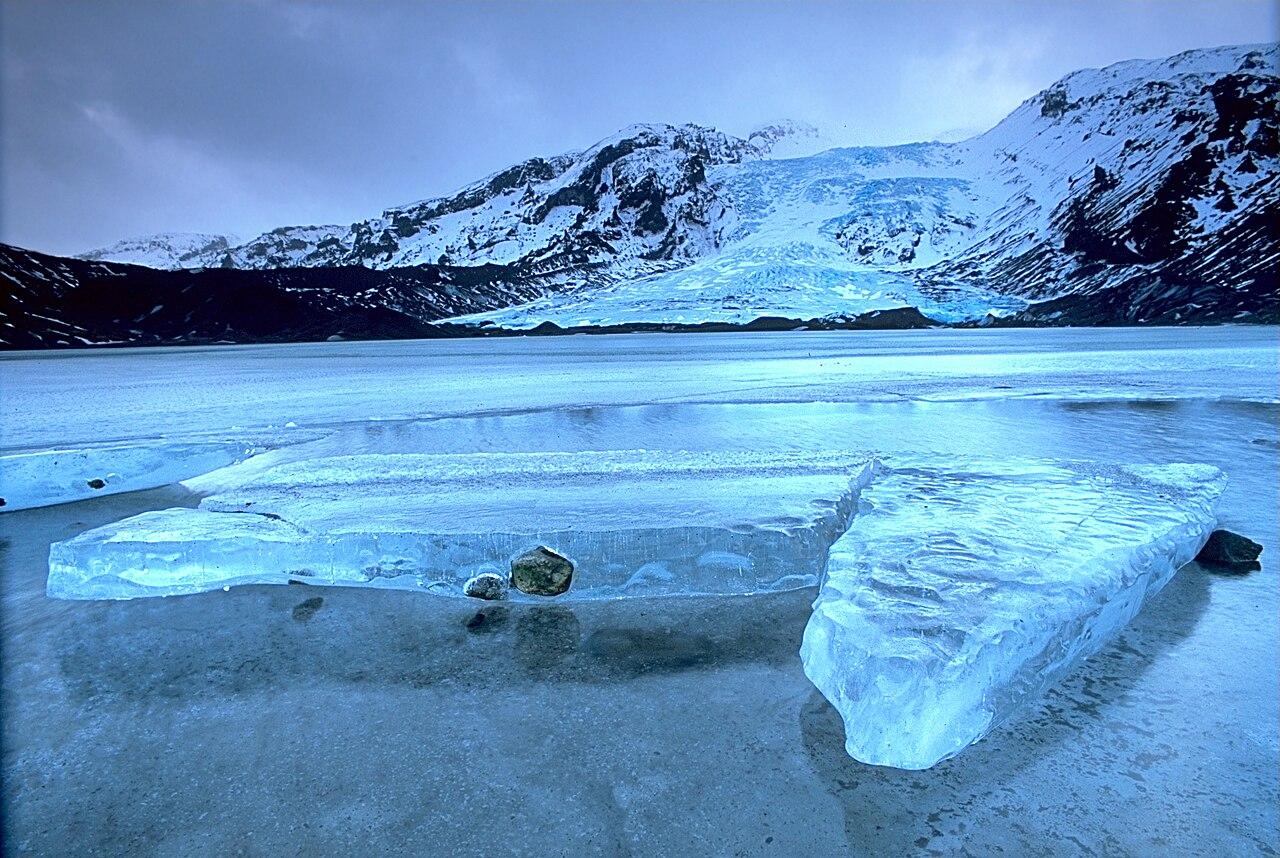
A 9 to 12 hour day from Seljavallalaug: 1,600 m of climbing, roped together on the ice from about 950 m, to the 1,651 m summit above the 2010 eruption crater.
Eight days fast and light in the North Cascades' wildest range: a long, heavy approach, then glaciers, 50 degree ice and 5.8 rock on Challenger and Fury.
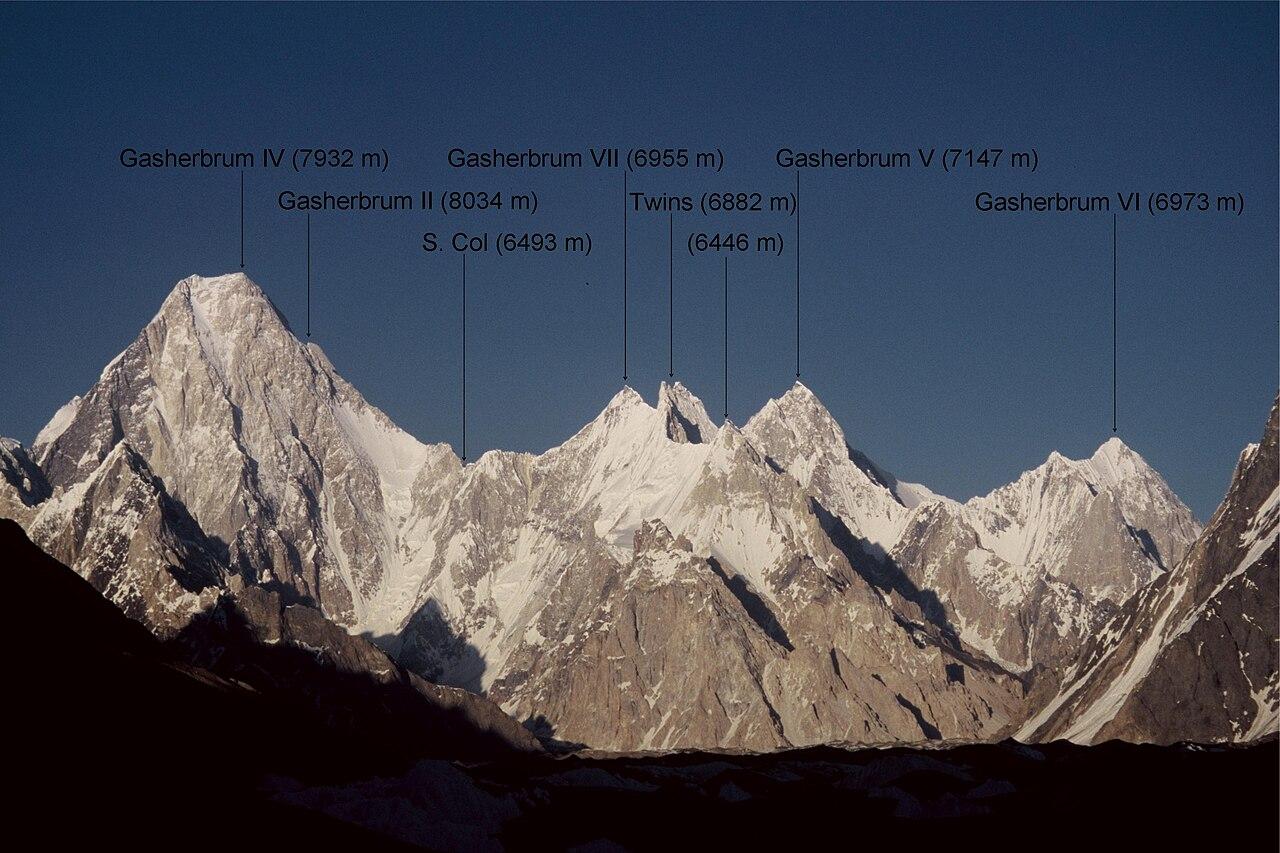
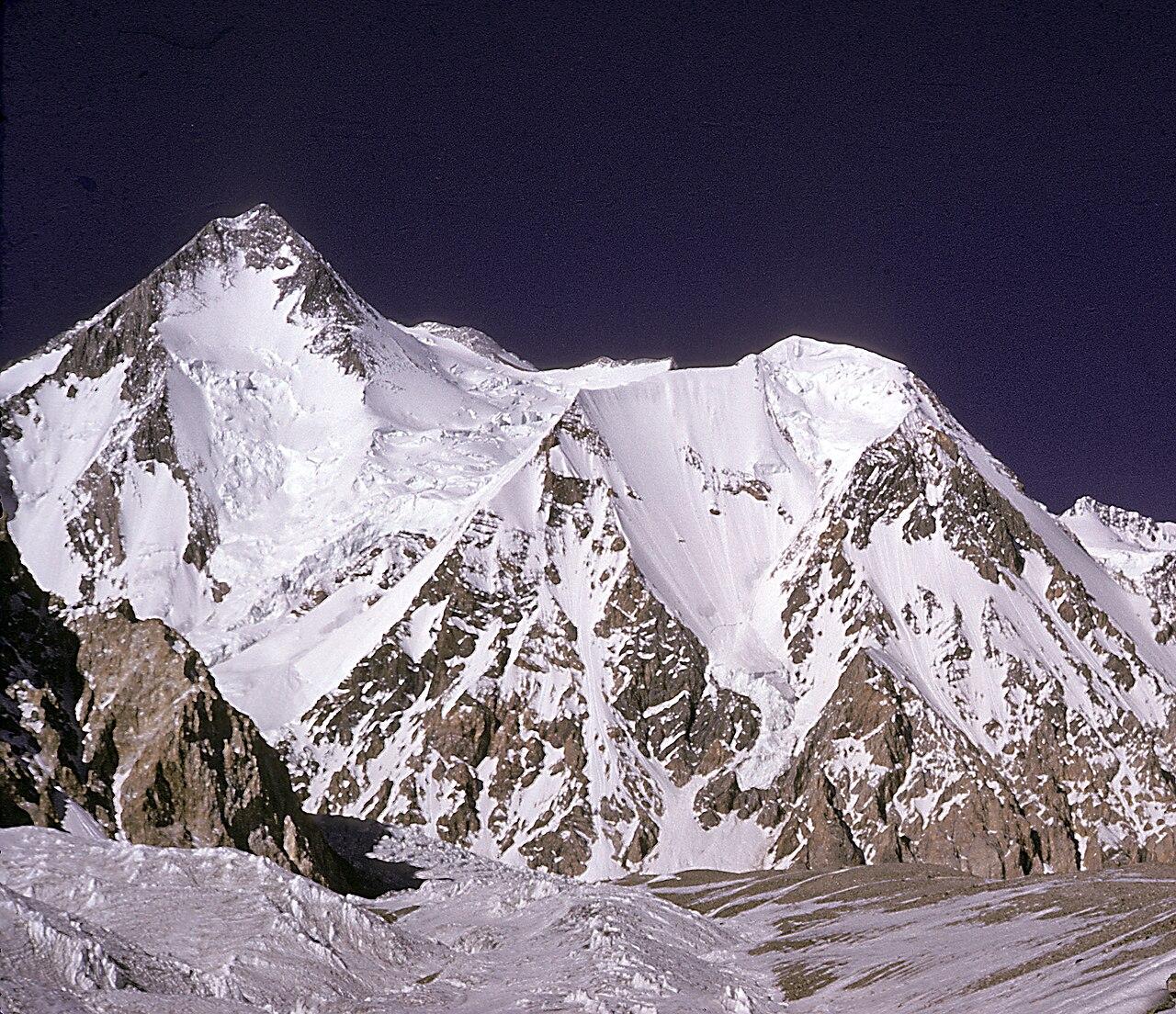
Fifty days in Pakistan's Karakoram: up the Baltoro Glacier past Concordia to climb the 8,035 m Gasherbrum 2, with Gasherbrum 1 as a second 8,000 m peak.
45 days in Pakistan for the world's 11th highest mountain and one of the most remote 8,000 m peaks, climbed in rotations to Camp 3 at 7,300 m before the summit.
Eleven days in East Greenland's Watkins Mountains, flown in by ski plane, to climb Gunnbjørn Fjeld, the Arctic's highest summit at 3,693 m, then Dome and Cone.
A 28-day climb of a quiet 7,126 m peak near the Tibetan plateau, built to make you an expedition climber through rotations, high camps and a summit push.
Learn crampons and ice axe on the glacier, sleep at 4,700 m and 5,300 m, and set off at 1:00 to stand on a 6,088 m summit at sunrise, 25 km from La Paz.
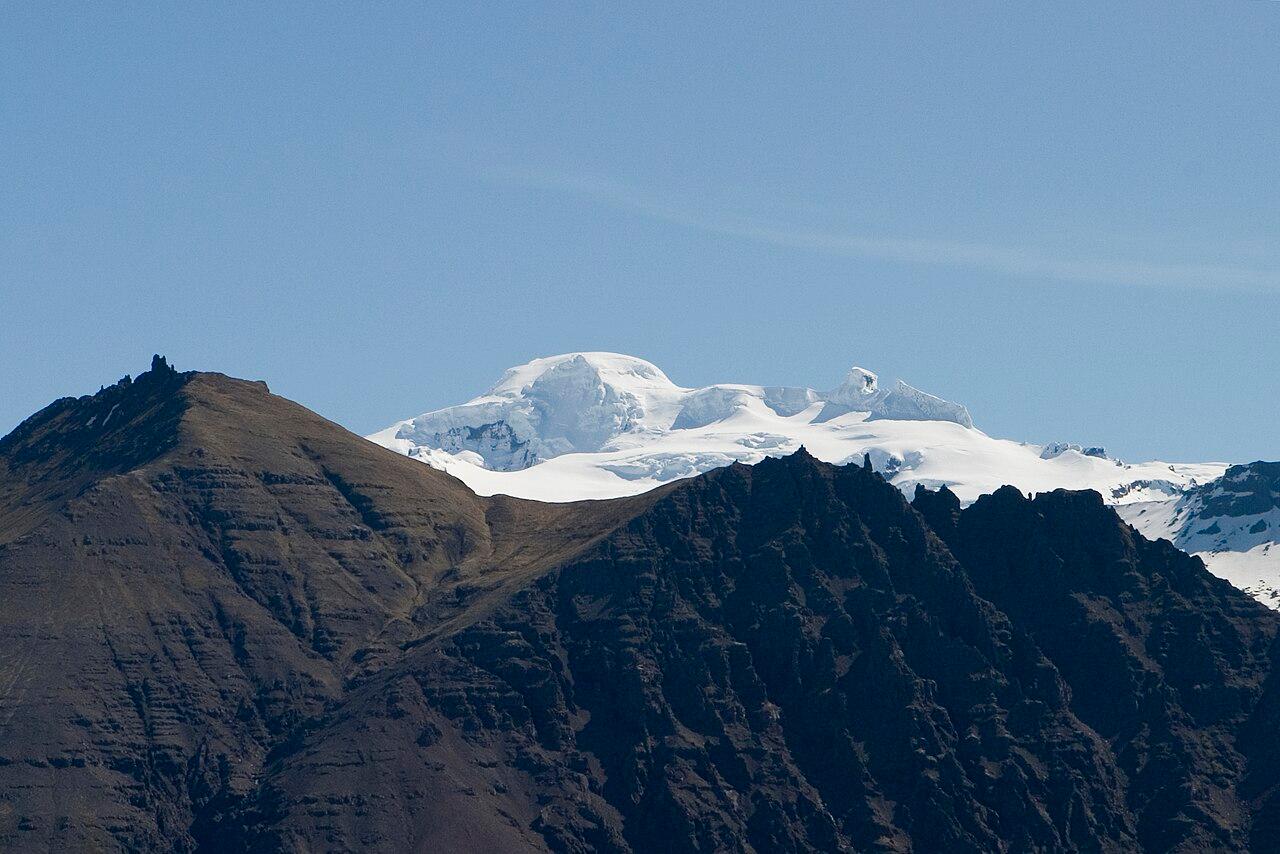
A 12 to 15 hour day from Skaftafell with a guide and glacier gear, up the ice of the Öræfajökull volcano to Hvannadalshnúkur on its rim: Iceland's highest point.
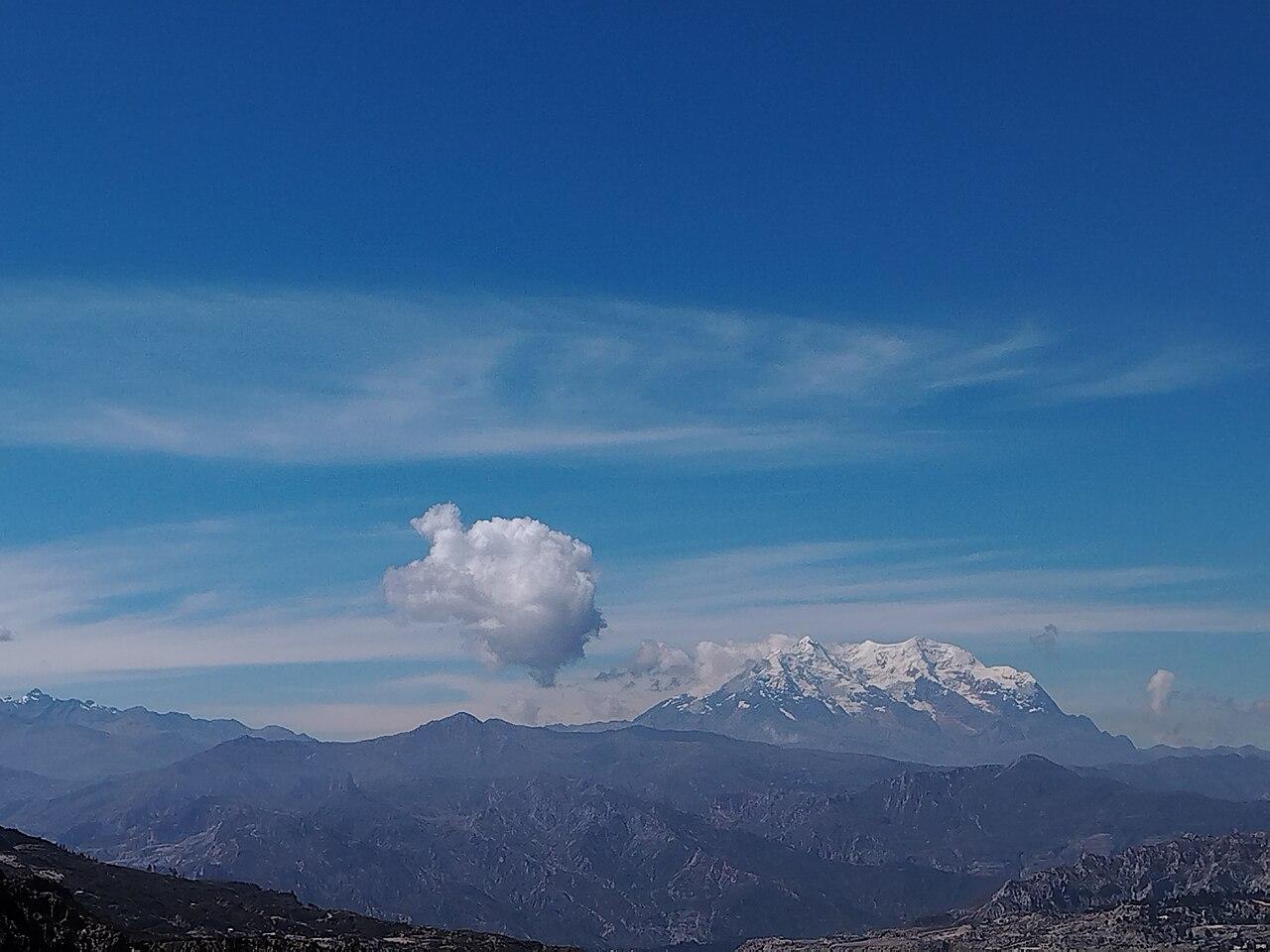
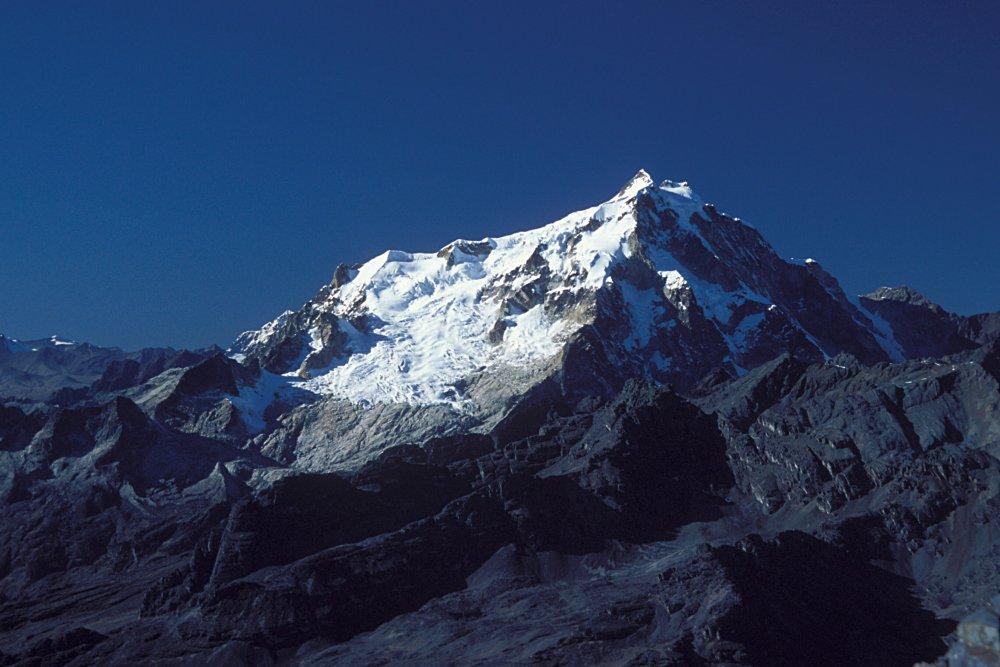
Four days from La Paz up Bolivia's second-highest mountain: base camp at 4,230 m, a rocky climb to high camp, and a summit day on snow slopes of around 50 degrees.
Fifteen days in the Khumbu, trekking up past Everest's villages to a glacier, a fixed-rope headwall and a 6,189 m summit ridge facing Lhotse.
A 26-day expedition to the highest mountain in Tajikistan: helicopter to base camp, four camps above it and a summit day on a knife-edge ridge at 7,495 m.
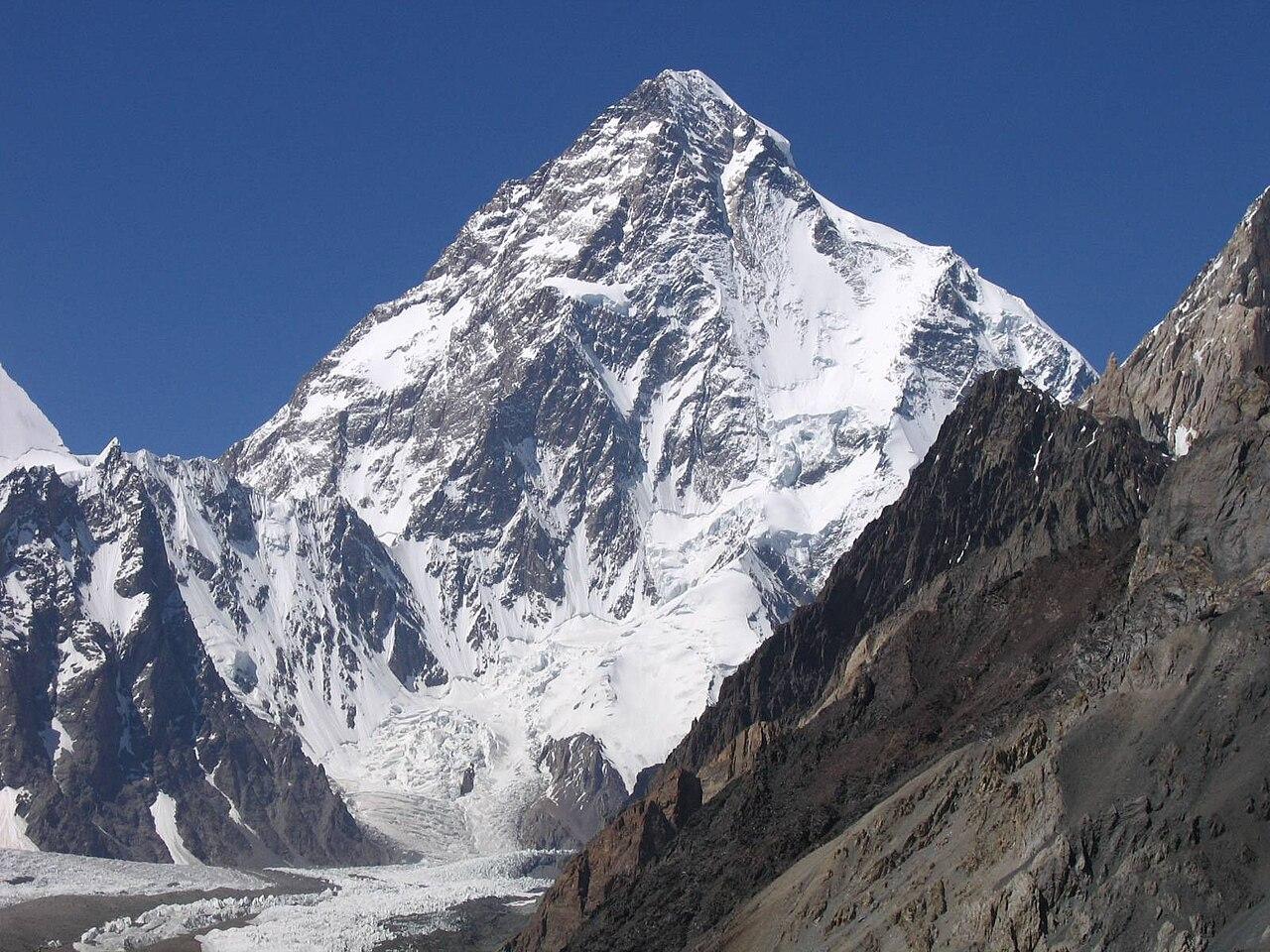
45 to 52 days in Pakistan for the summit of K2, with a personal climbing Sherpa and five bottles of oxygen, up the Black Pyramid to Camp 4 at 7,600 m.
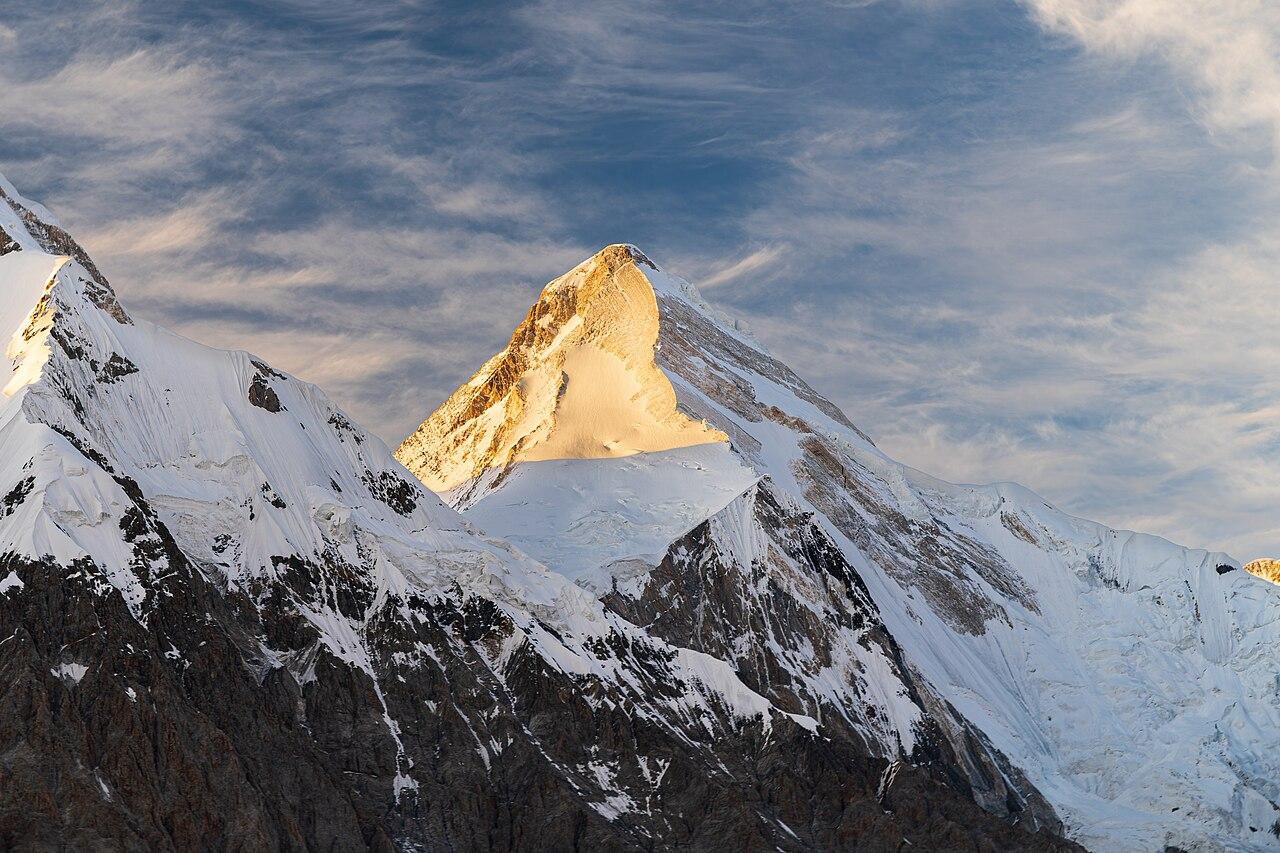
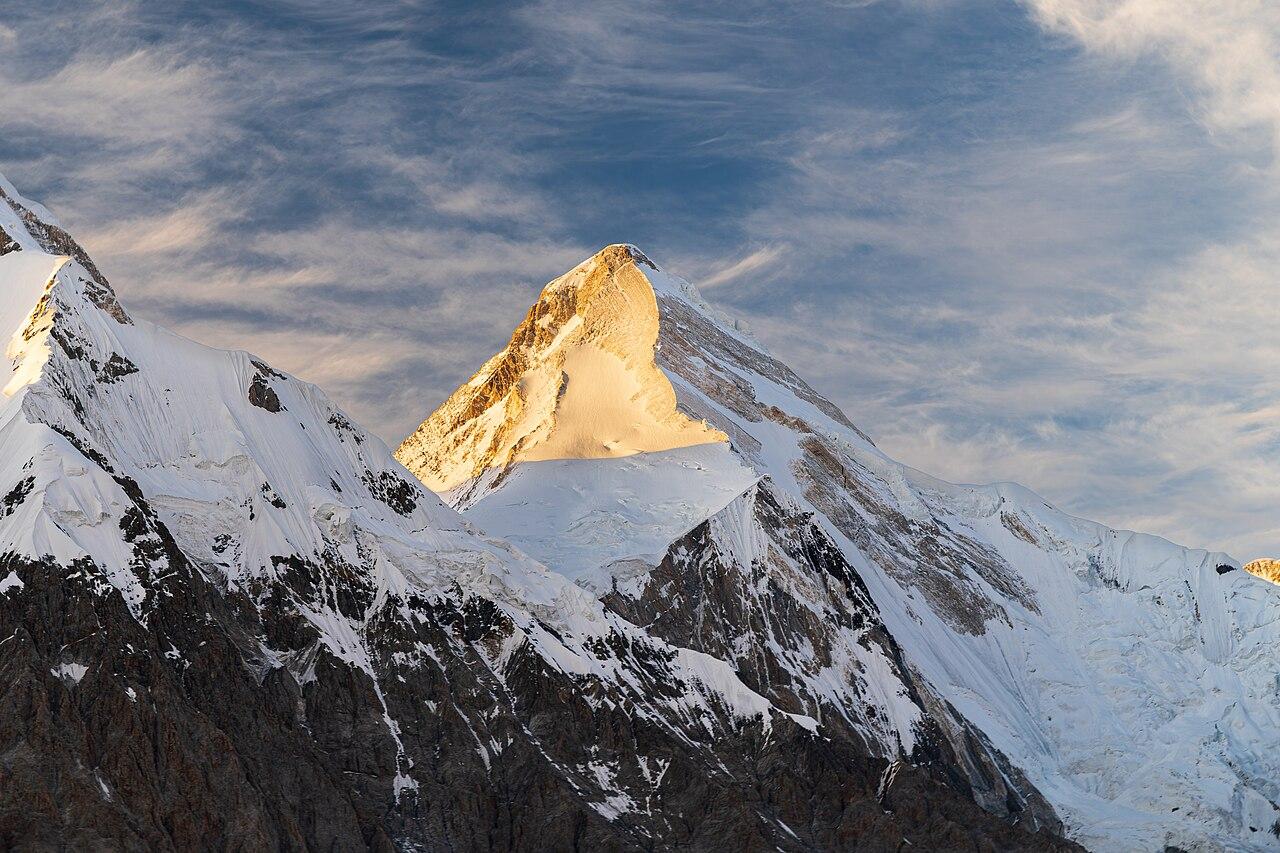
A 21-day technical expedition from the Engilchek glacier base camps, reached by helicopter, up fixed ropes and steep snow and ice to one of Central Asia's most striking 7,000 m peaks.
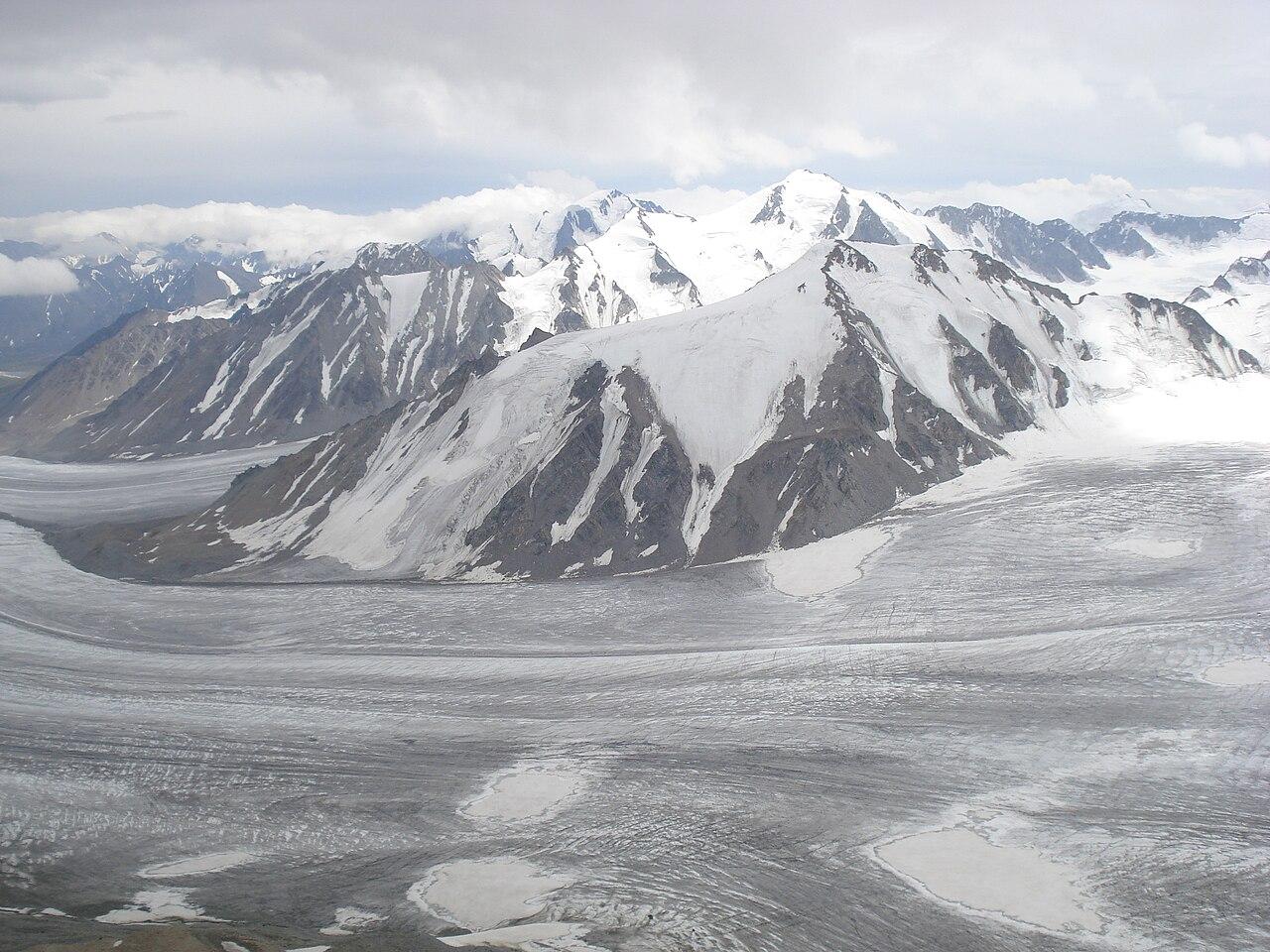
Fifteen days in Mongolia's Altai: camels haul the loads to base camp, then you rope up across the Potaniin Glacier for Khuiten, 4,374 m, and its neighbours.
A 30-day expedition to the 7,087 m summit of Kun with three camps above base camp, mixed rock, snow and ice to 50 degrees, and Sherpa support.
Trek to Gokyo and over the 5,388 m Renjo La to acclimatise, then climb from a hidden valley base camp via two camps to Kyajo Ri's pointed 6,186 m summit.
A 52-day expedition from Everest Base Camp through the Khumbu Icefall and up the icy Lhotse Face to the 8,516 m summit, alone or straight after Everest.
A 43-day spring expedition on Makalu's Southeast Ridge, about 19 km from Everest: technical climbing on steep snow, ice and rock with American guides and Sherpas.
The world's eighth highest mountain by its North East Face: a helicopter to Samagaon, four high camps and a steep snow arete to an airy 8,163 m summit.
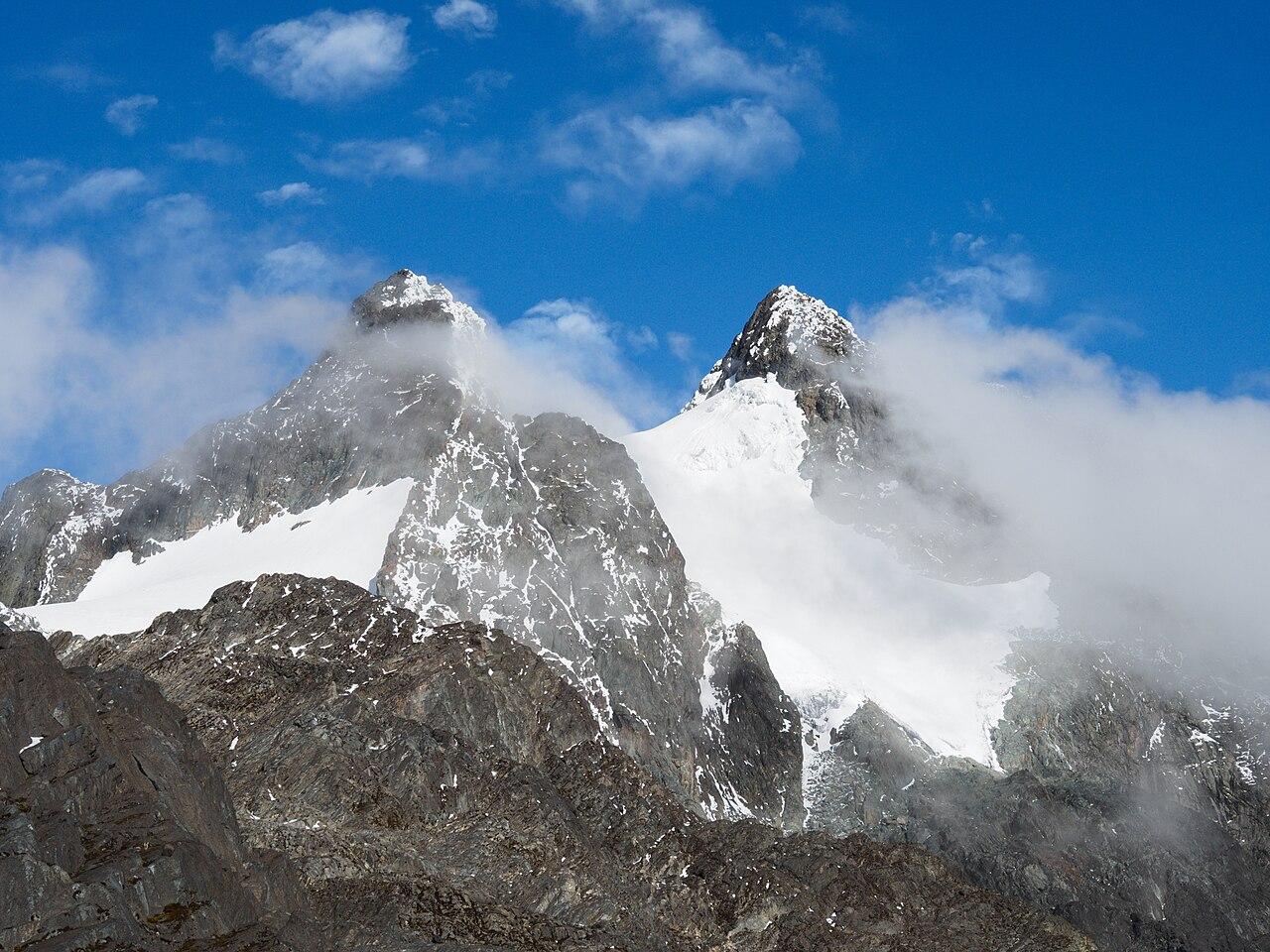
Seven or eight days up the Kilembe trail through rainforest to Africa's third highest summit, the last of it on glacier ice with crampons and ropes.
19 days: eight days walking in from Lukla through farming villages and bamboo forest to Khare, then a 2am start up the glacier to a 55 degree fixed-rope pitch.
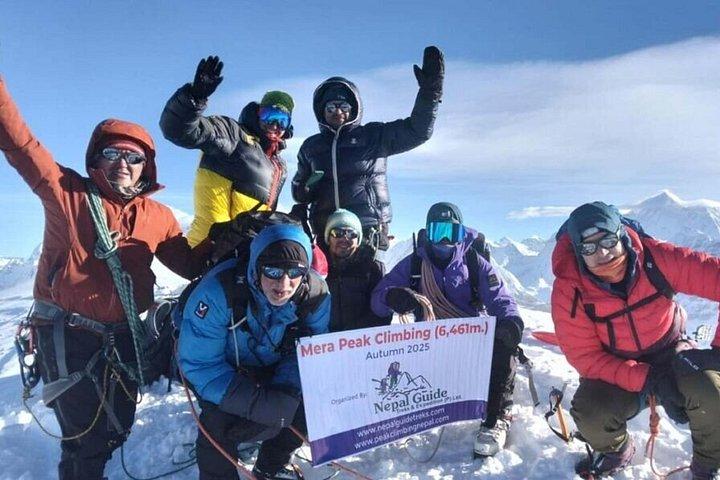
Eighteen days from Kathmandu through the empty Hinku valley to a glacier summit with five 8,000 m peaks in view: Everest, Lhotse, Makalu, Cho Oyu and Kangchenjunga.
Two Himalayan summits in 32 days: Mera Peak at 6,476 m to acclimatise, Baruntse's 7,129 m top by the South Ridge, then out over the 5,845 m Amphu Lapcha.
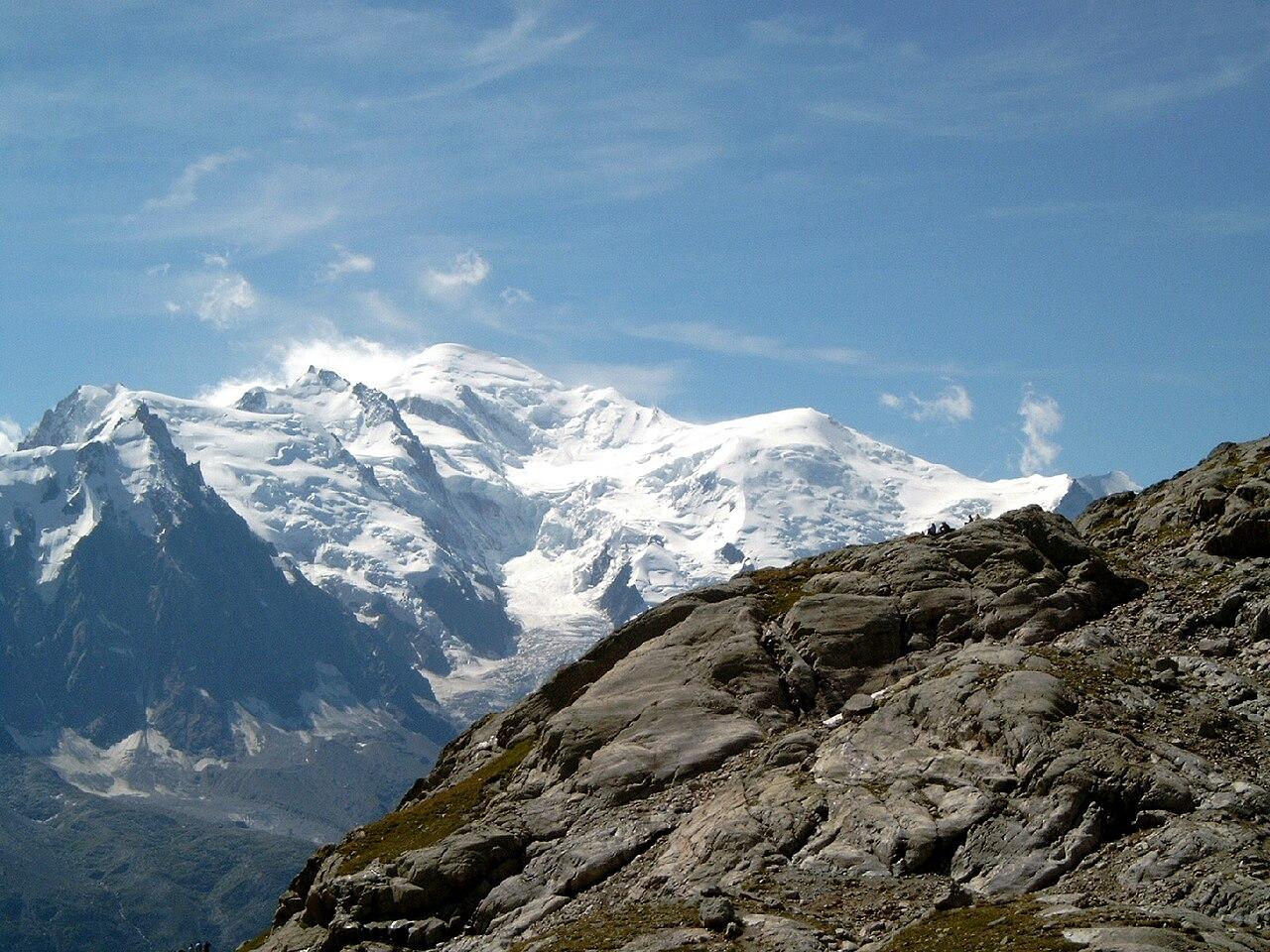
A night start from Les Houches at 1,000 m, no lifts: trails to the Goûter hut, then glacier to the 4,809 m summit and back, 13 to 17 hours with a guide.
Five days with the world's oldest guiding company: two days of acclimatisation, then three days up the 4,806 m summit of Western Europe with two hut nights.
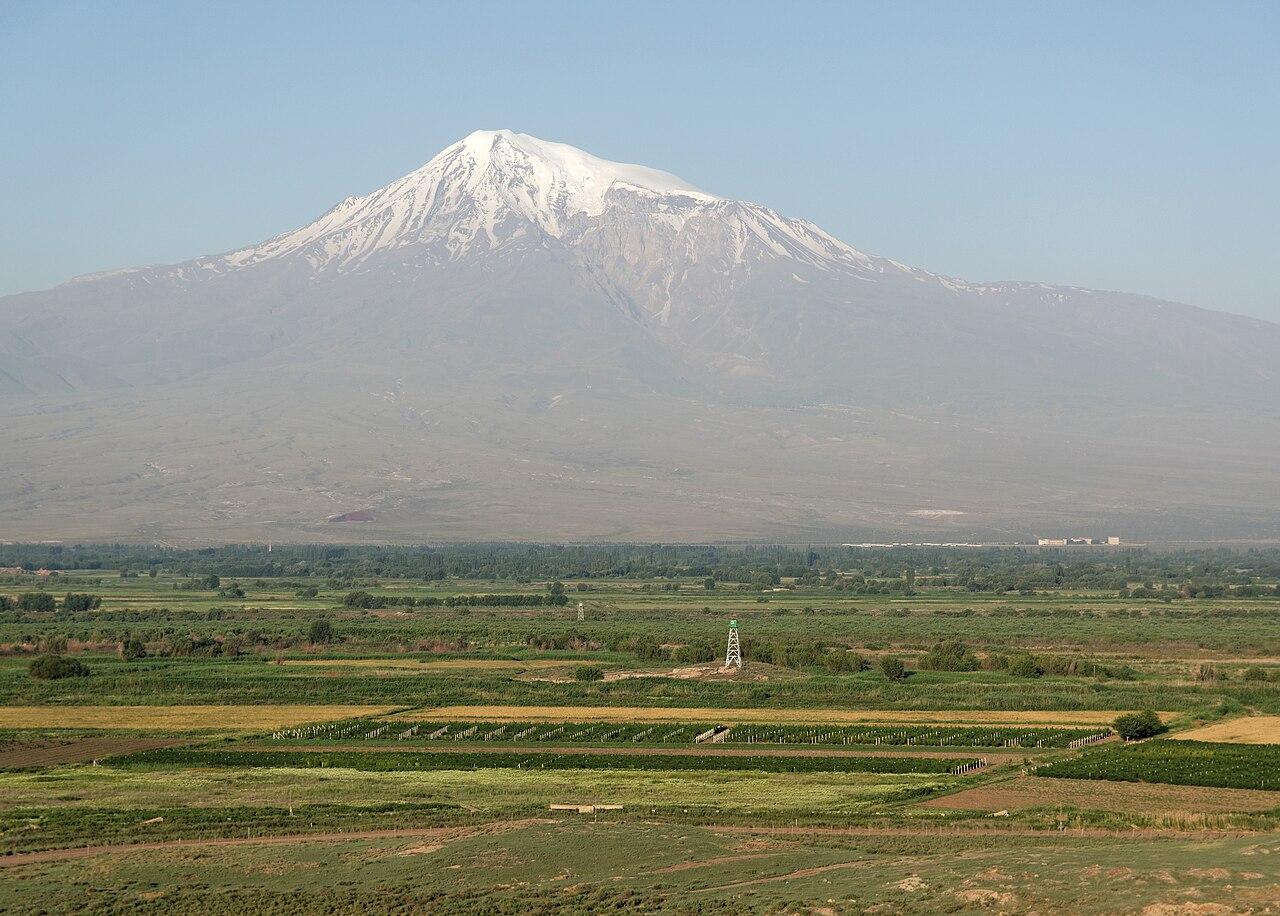
A five-night trek from Doğubayazıt to the glacier-capped summit of the mountain of Noah's Ark, with four countries in view from the top.
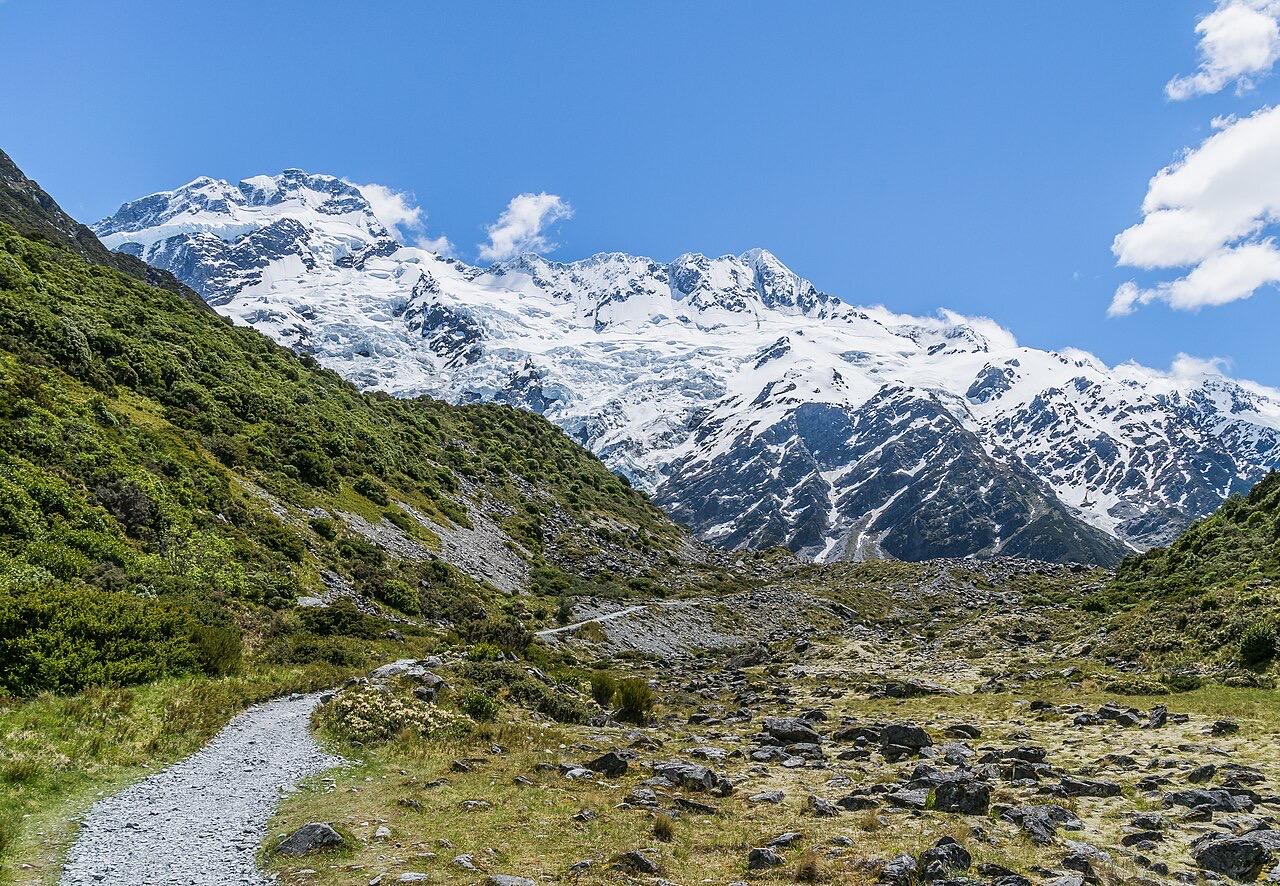
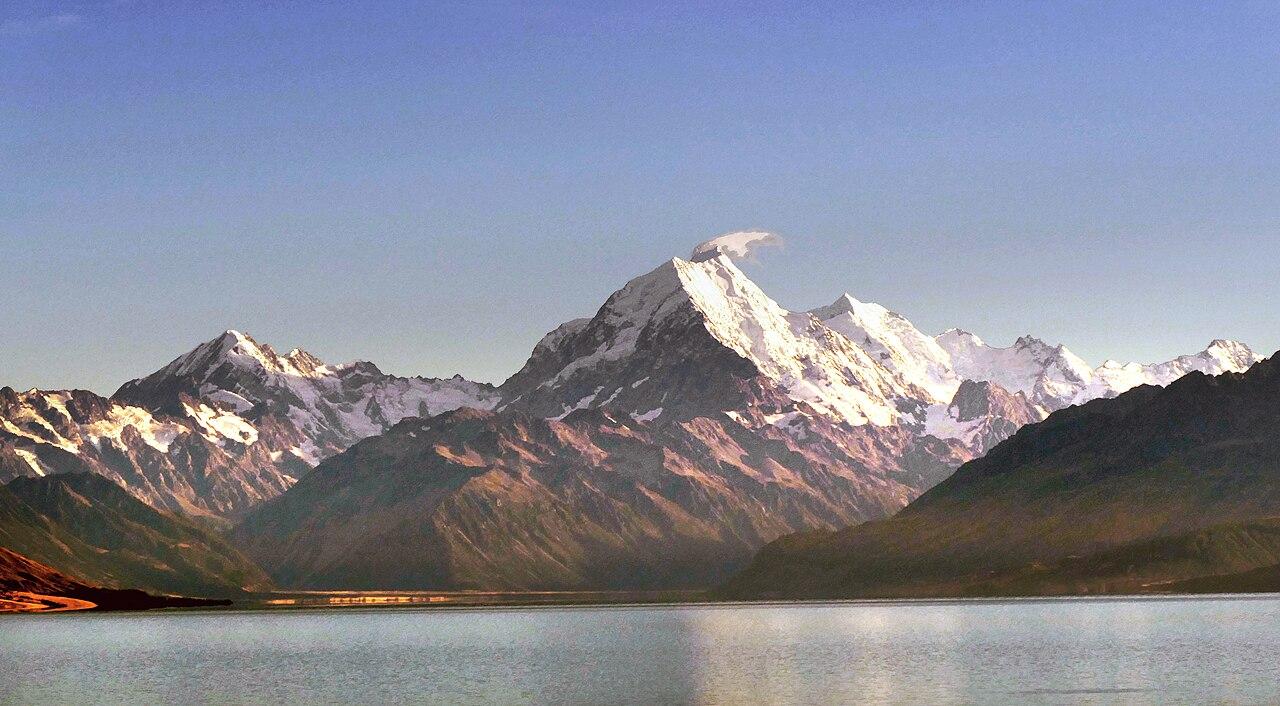
Five days from Wānaka: a helicopter into the Southern Alps, a walk across the Bonar Glacier to a hut, and a 3am start for the 3,033 m summit by the North West Ridge.
Furtenbach's Everest Flash climbs the 8,849 m north side in 21 days from Kathmandu, after 6 to 8 weeks of sleeping in a hypoxic tent at home.
Six days from Tbilisi: up to the Betlemi hut, a former Soviet meteorological station at 3,660 m, then a 2am start roped together over the glacier to the summit of one of the Caucasus's great peaks.
25 days on Canada's highest peak in the Yukon's St. Elias range: skis and sleds up the King Trench, then a 4-mile walk across the summit plateau above 5,300 m.
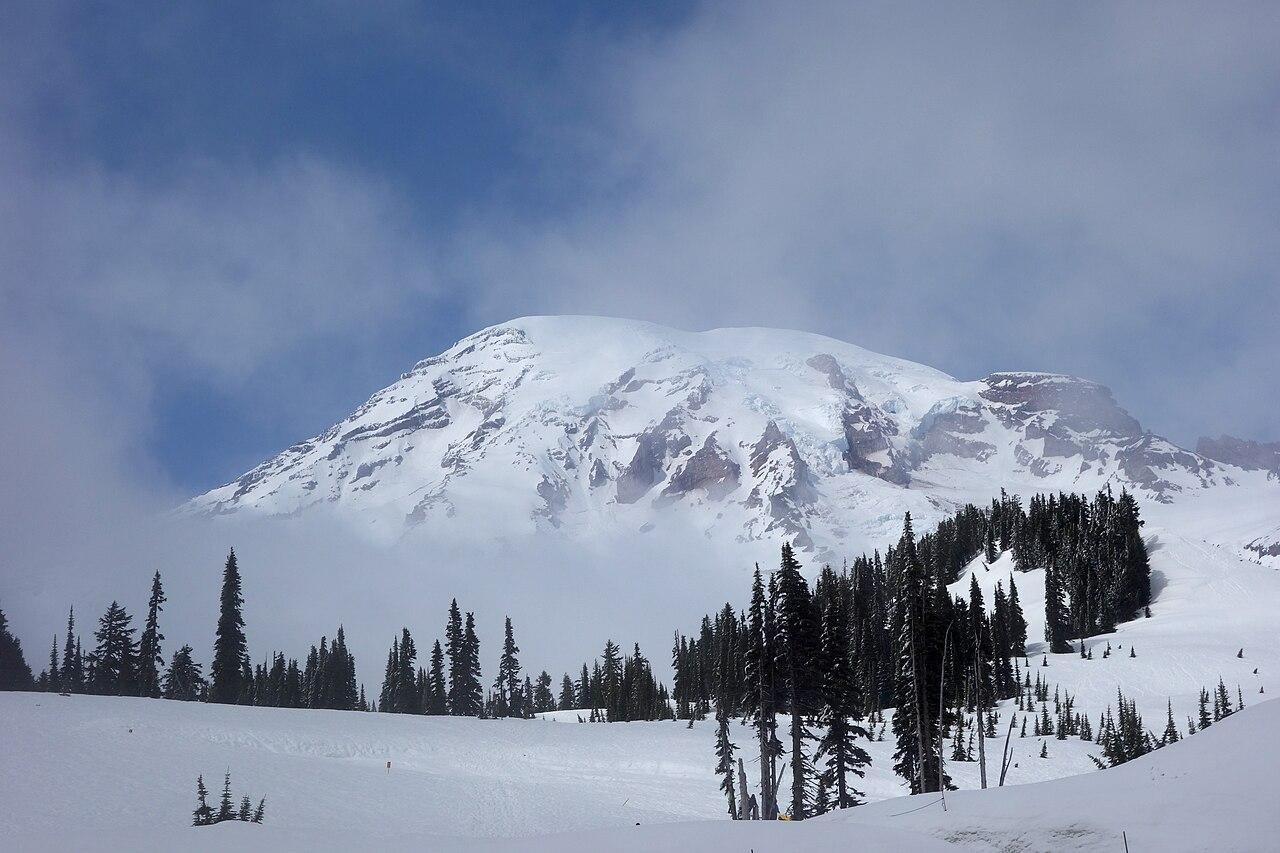
A day of mountaineering school on the mountain, a night in RMI's own hut at Camp Muir, then a pre-dawn climb up the Disappointment Cleaver and across crevassed glaciers to the crater rim.
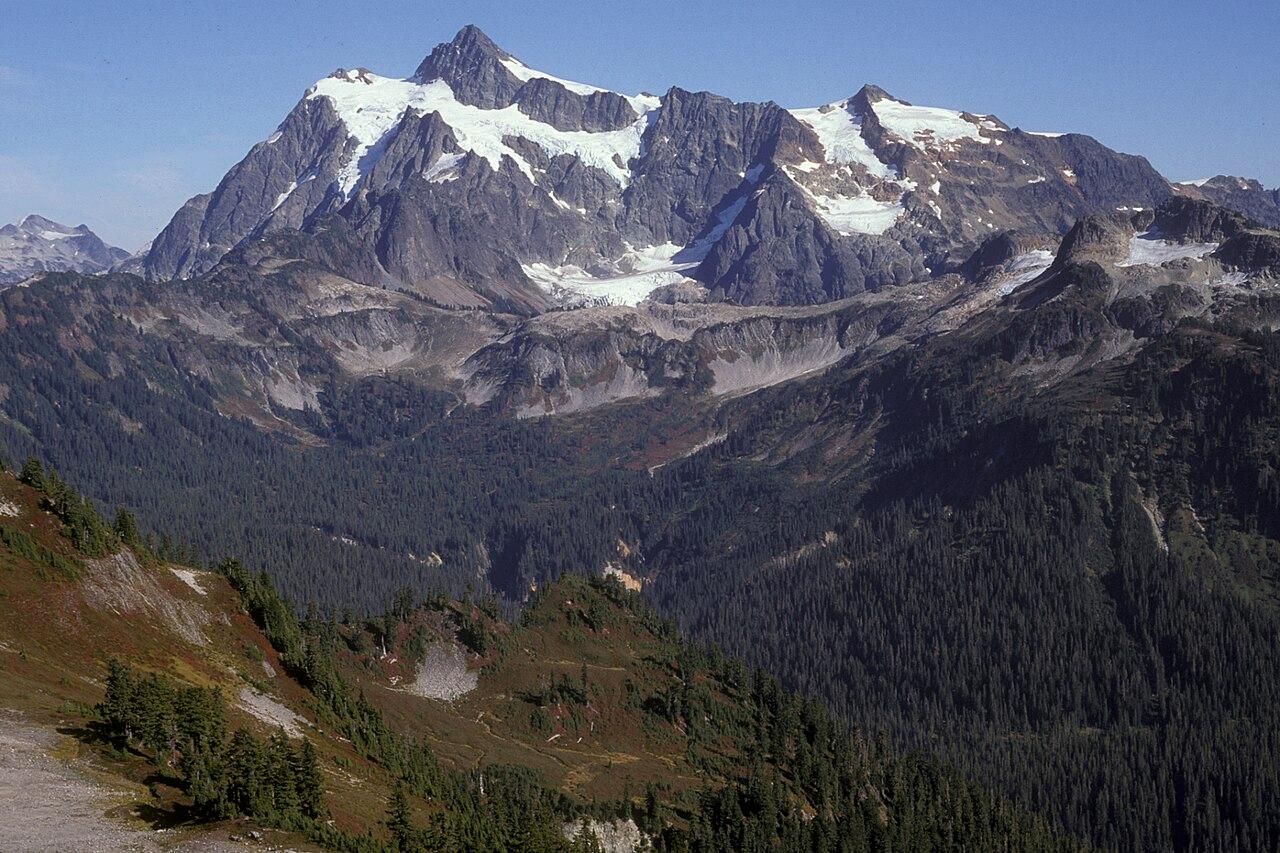
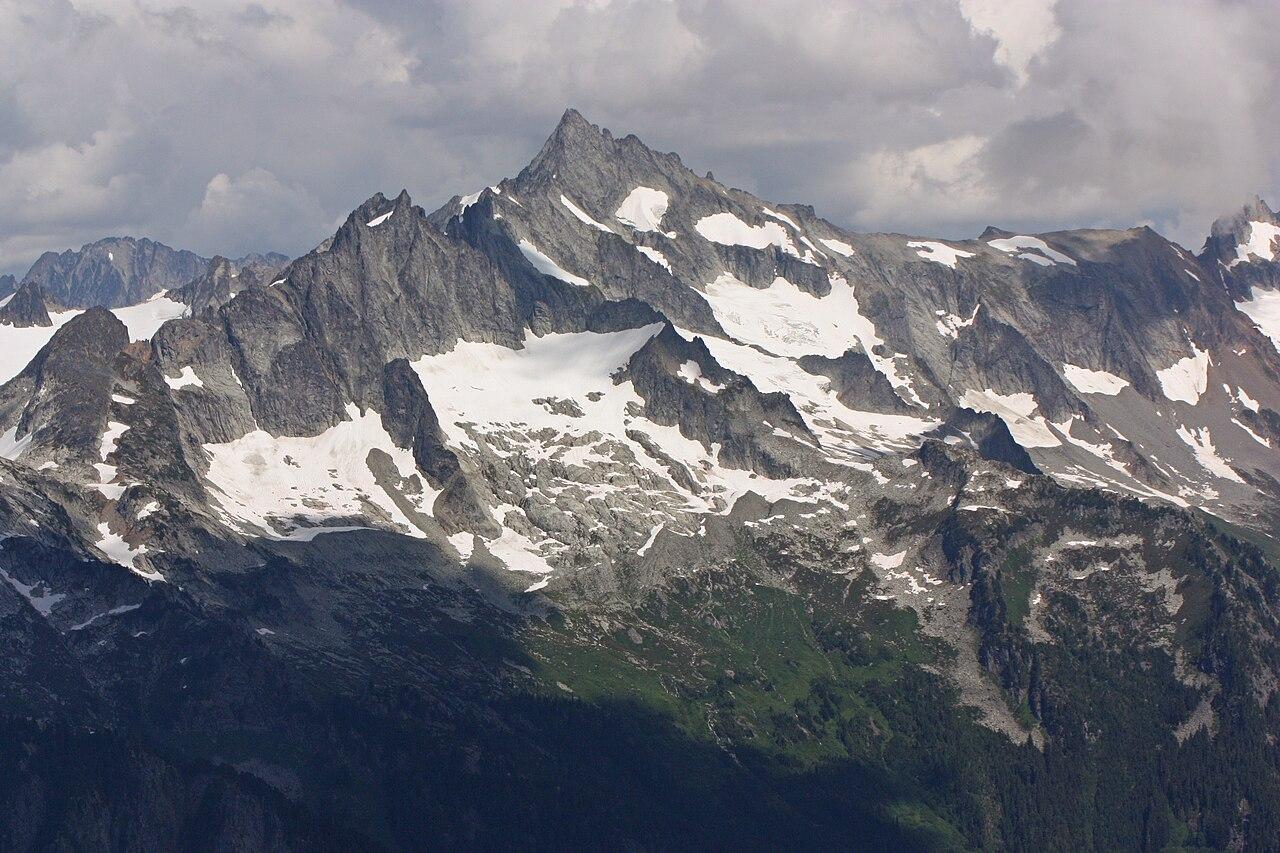
Four days on one of the most photographed US peaks: glaciers, steep snow and exposed rock to the summit pyramid of Mount Shuksan, 9,127 ft, two to a guide.
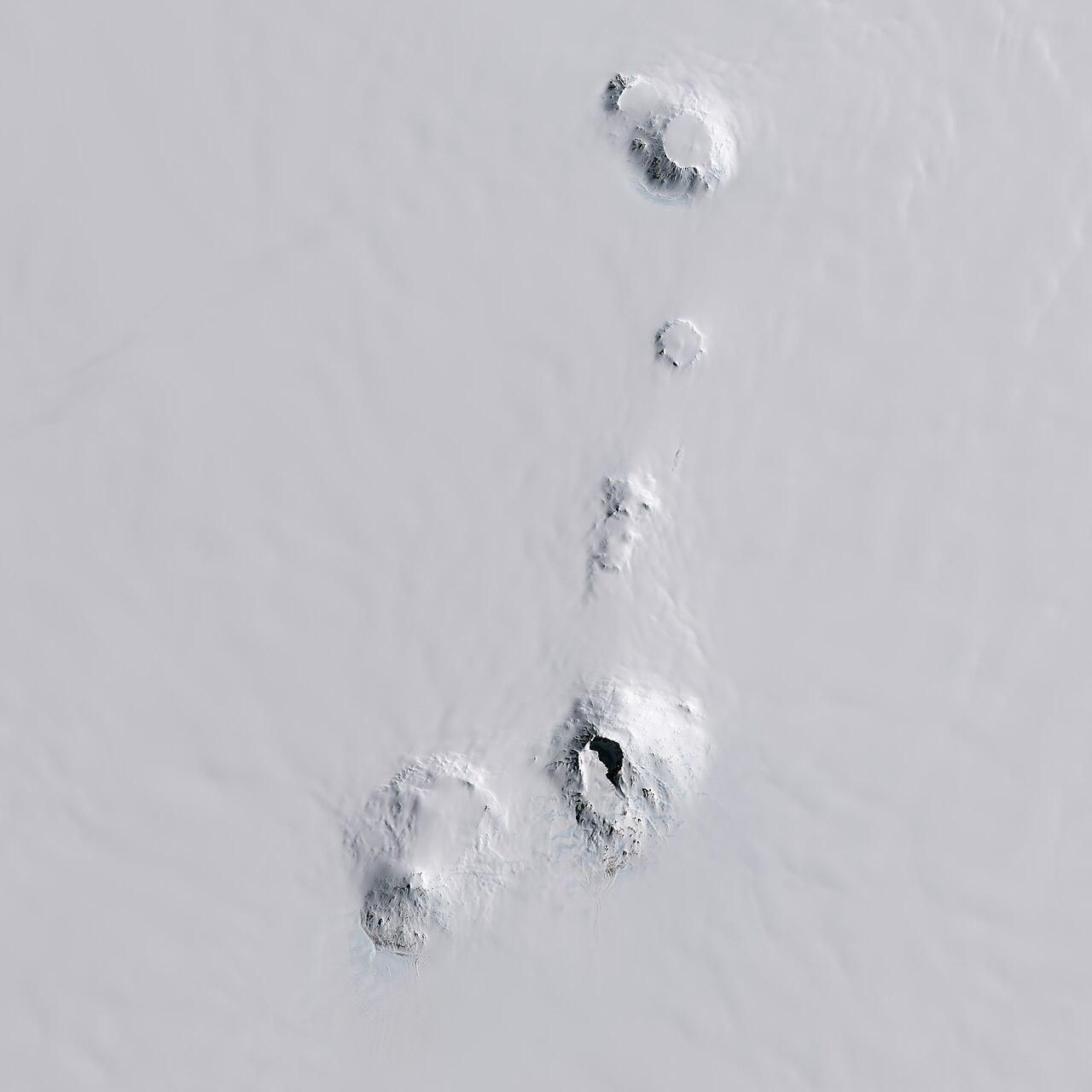
Fly from Chile into the Antarctic interior and climb a peak fewer than 10 teams have climbed, along the rim of a 5 km caldera through a maze of snow mushrooms.
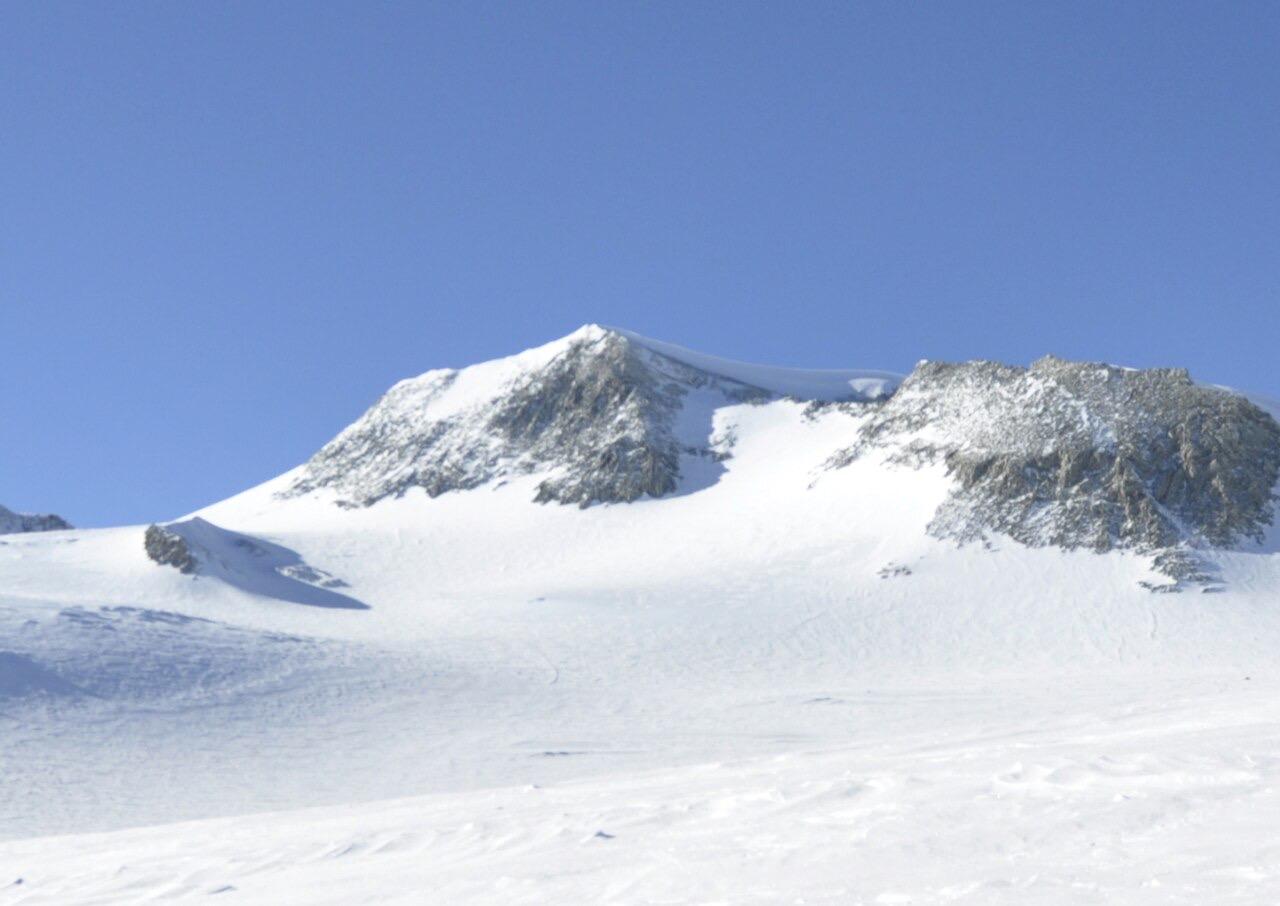
Fly from Chile into the Antarctic interior and climb Vinson's Branscomb Shoulder route with ALE, which has supported climbers there since 1985.
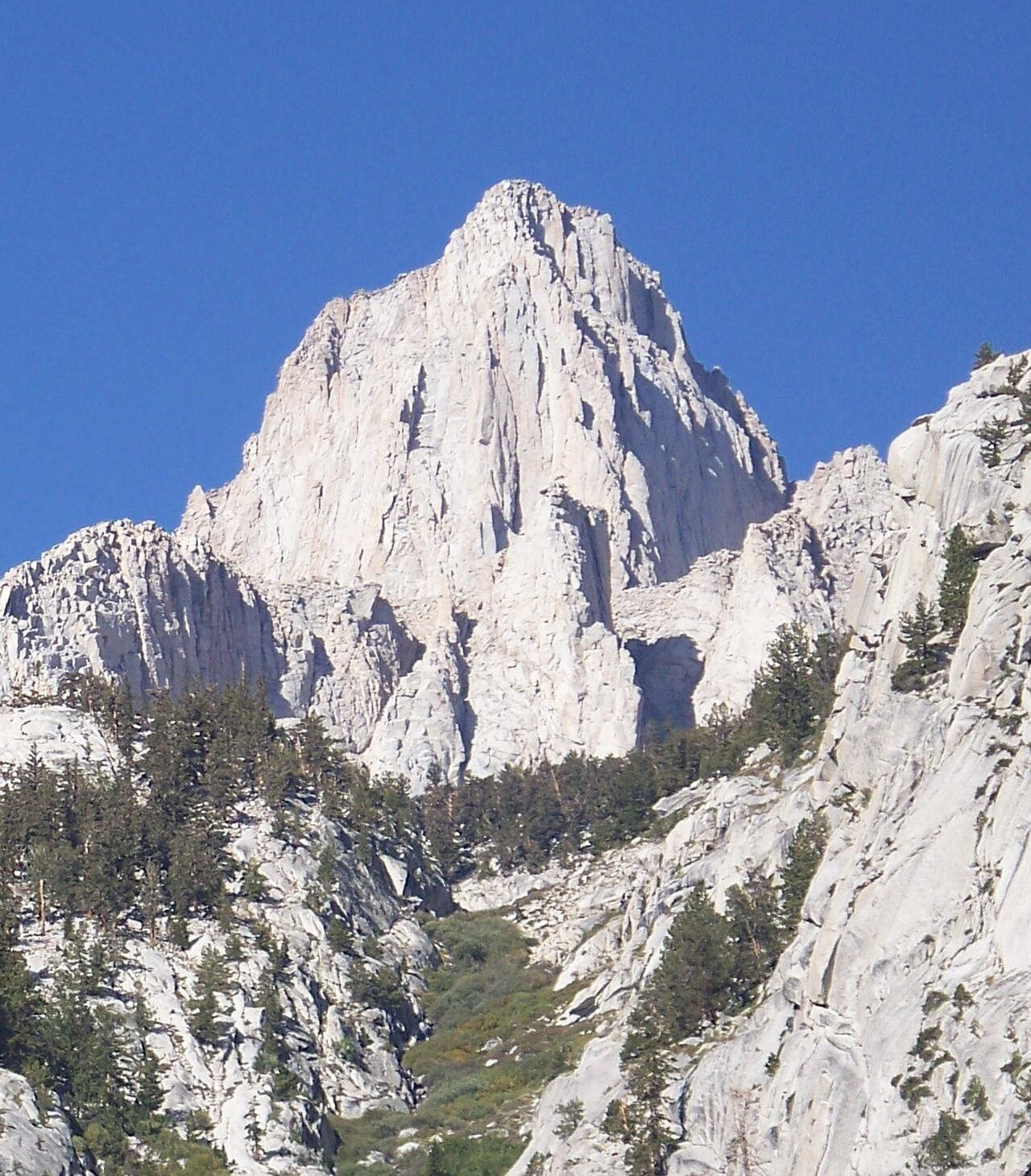
Four days on the east side of Mount Whitney, 14,505 ft (4,421 m), when the Mountaineer's Route is a snow gully up to 45 degrees with fixed ropes near the top.
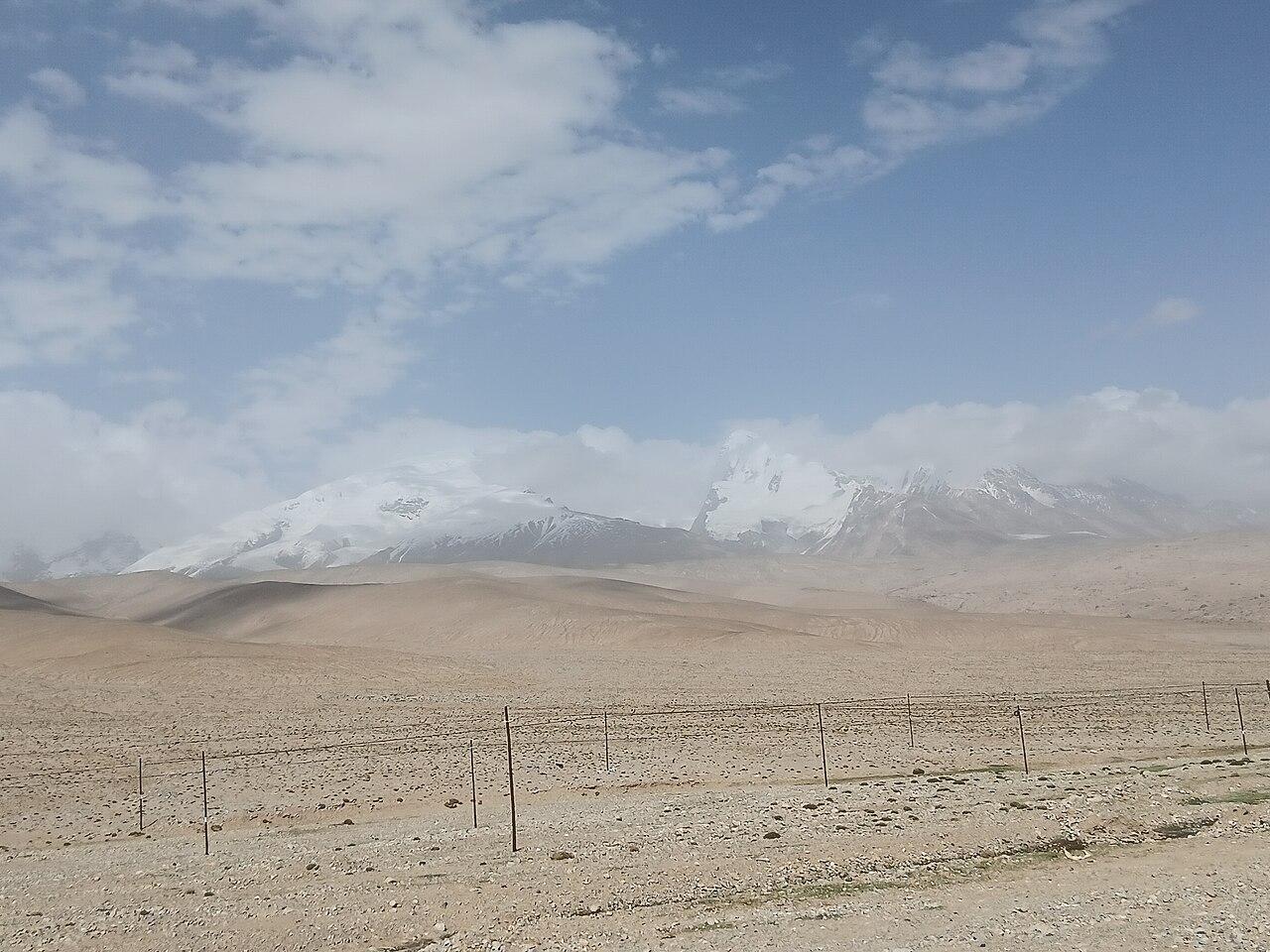
A 26-day expedition to one of the easiest 7,500 m peaks on Earth, on the edge of the Pamirs in western China, with the long descent to Camp 1 made on skis.
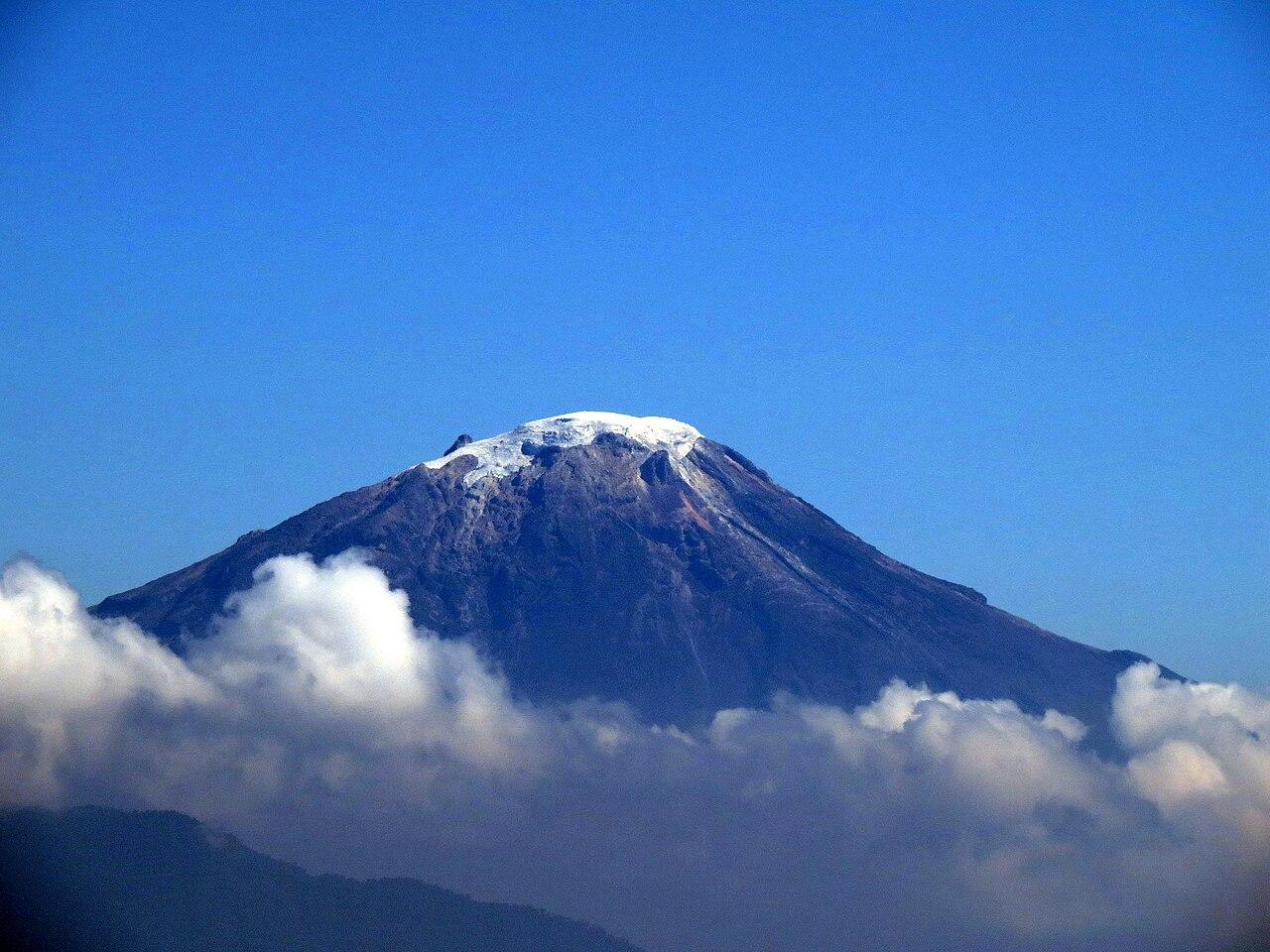
Walk up from mountain farms across the páramo of Los Nevados to a high camp at 4,345 m, then rope up on the glacier to the crater plateau and summit of Tolima.
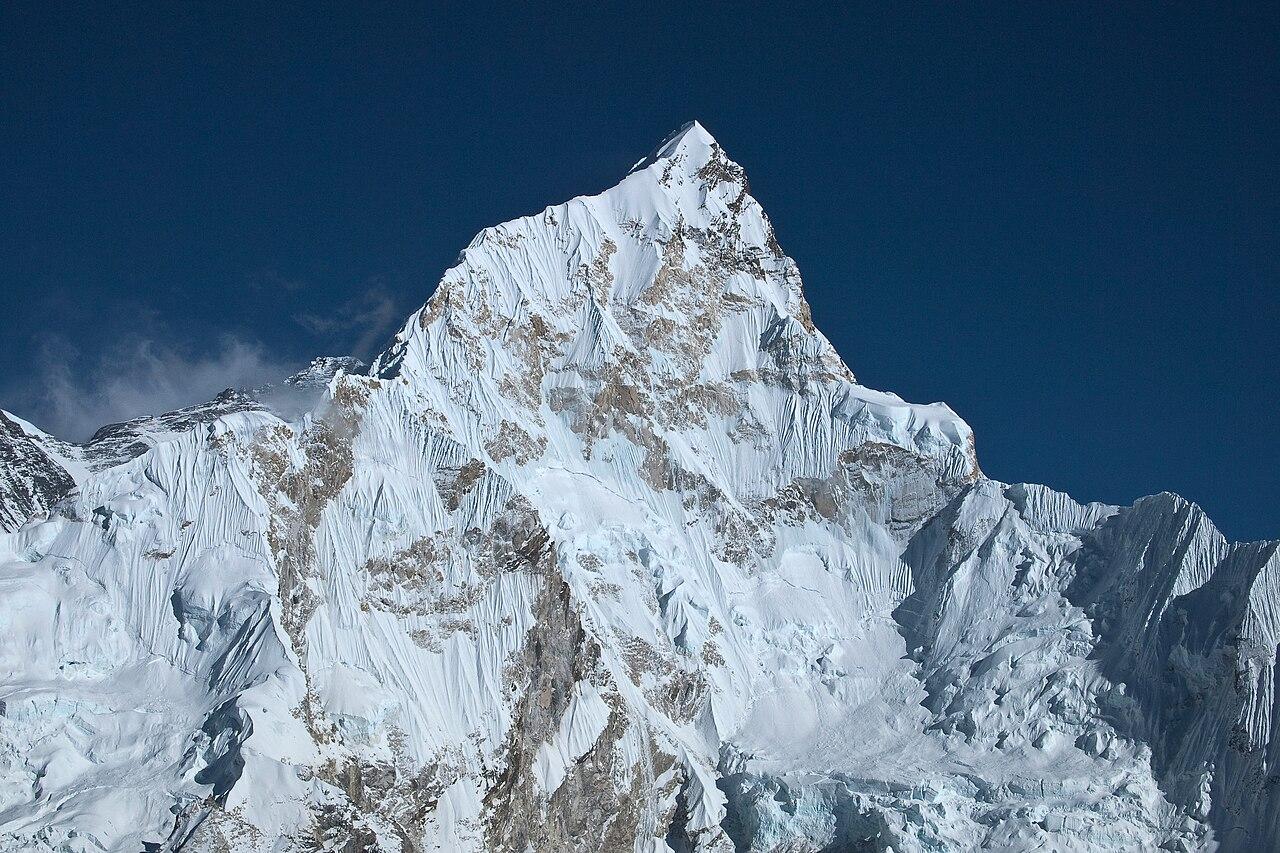
From Everest Base Camp up the Khumbu Icefall to Camp 2, then a summit push on oxygen to Nuptse's 7,861 m true summit, which Madison's team reached in 2023.
An 18-day climb of a 6,150 m Tien Shan peak with steep snow, an exposed snow arete and some mixed climbing, flown in by helicopter up the Inylchek Glacier.
A 27-day expedition to a 7,105 m Pamir peak by its classic southern ridge, with helicopter access and four days set aside for the summit.
A 30-day expedition to a 7,439 m peak the operator calls the toughest 7,000 m peak, reached by helicopter and five or six camps on the South Inylchek Glacier.
Seven days from Mexico City to the glaciated summit of North America's third-highest peak, with porters carrying the gear and one guide for every two climbers on the glacier.
A 20-day guided expedition from Osh to the 7,134 m summit on the Kyrgyz-Tajik border, the peak most climbers choose for their first 7,000 m.
16 days in the Cordillera Blanca: Pisco (5,752 m) to acclimatise, then a high camp at 5,380 m and the summit of Chopicalqui, one guide to two climbers.
A 31-day expedition to Dhaulagiri VII in Dolpo, a week's walk through a Tibetan-influenced region few climbers see, for a 7,000 m summit on snow slopes.
A 25-day combination expedition from Gangotri, trekking past Gaumukh to base camp below Shivling and climbing two 6,000 m peaks, with Sherpas fixing the lines.
Two weeks of exploratory climbing near Kulusuk: a shakedown on glaciated Apusiaajik, then a boat north to peaks in an area with no detailed maps.
A 30-day, professionally led but non-guided expedition up the long snowy south east ridge of Spantik, with three high camps and seventeen days on the mountain.
Five days with the Compagnie des Guides de Chamonix ending on the Aiguille Verte, a peak with no easy route, up 700 m of 45 to 50 degree snow from a 1 am start.
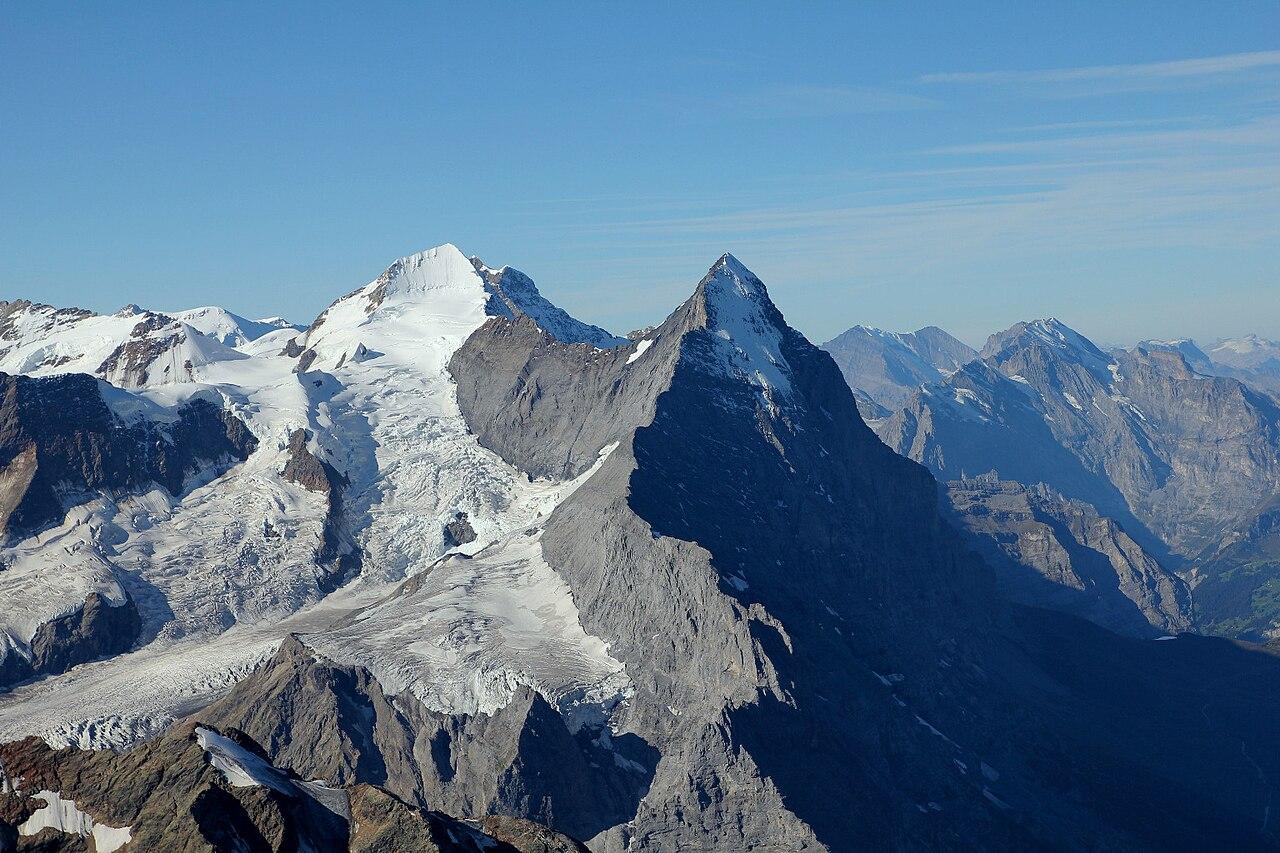
A six-day trip that warms up on Chamonix ridges and the Mönch before the long, exposed Mittellegi ridge to the summit of the Eiger above Grindelwald.
A 14 to 16 hour push with a guide and glacier gear up the snow and ice of the four Hrútsfjallstindar peaks, above the glaciers of Iceland's Öræfajökull massif.
Six days on the glaciers around Konkordia, two climbers to a guide: the Gross Grünhorn, Finsteraarhorn, Jungfrau and Mönch, all from mountain huts.
Fly into the Alaska Range's Ruth Gorge and climb the Moose's Tooth, 3,139 m, by the Ham and Eggs couloir in a single push of 13 to 22 hours.
Three days on the north side of the North Cascades' highest volcano: a crevassed glacier, then steep ice pitches up the North Ridge to the summit.
Three days around a remote peak: across the Boston Glacier to a bivouac on a col, then a rib of solid rock and snow straight up to the 2,687 m summit.
Three Himalayan summits in one trip, Pisang Peak at 6,091 m, Chulu Far East at 6,059 m and Chulu West at 6,419 m, finishing over Tilicho Lake and the Thorong La.
A 30-day Tibet expedition that takes a strong walker onto Everest's North Col, about one vertical mile below the summit, and up Lhakpa Ri, a 7,000 m peak.
A three-day guided ascent of Jebel Toubkal (4,167 m) in the High Atlas, on snow and ice with crampons and an ice axe, starting from Imlil.
Hut to hut over Monte Rosa's glaciers from the Breithorn to the Dufourspitze, 4,634 m, with a night in the Margherita hut on a 4,554 m summit.
A 20-night glaciated trek to Dhaulagiri Base Camp, over the French Col into the remote Hidden Valley and down to Jomsom, with an optional 6,060 m peak.
Ten days across the Olympics' Bailey Range: over the Catwalk, off trail across glaciers and ridges to Bear Pass, then up Mount Olympus and out down the Hoh.
Five days in the mountains around Åre led by Wim Hof himself: big group breathing sessions, cold dips in a frozen lake and at the foot of a giant waterfall, and a bare-chested mountain hike.
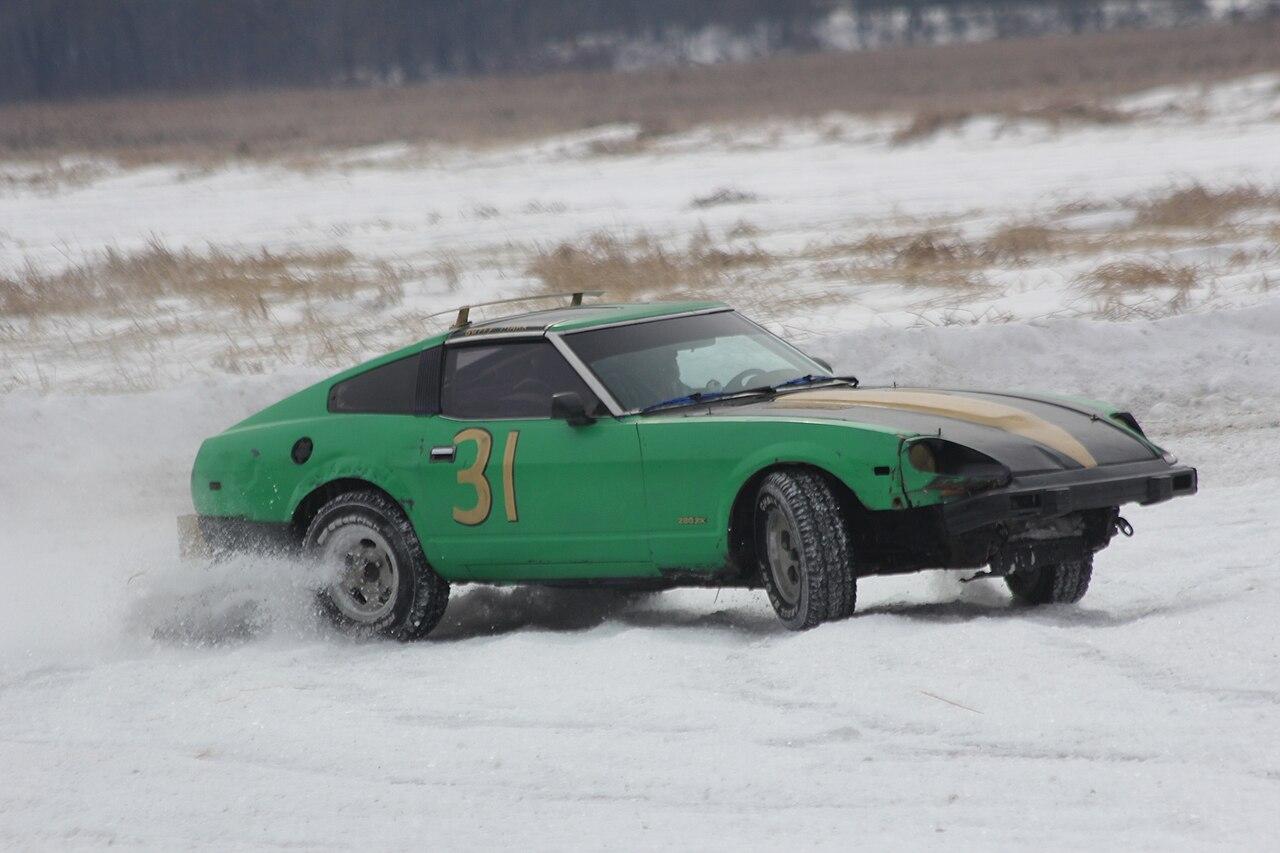
Days of driving on tracks cut into frozen lakes in Swedish Lapland, at up to 200 km/h, with a personal coach teaching you to slide and drift on ice.
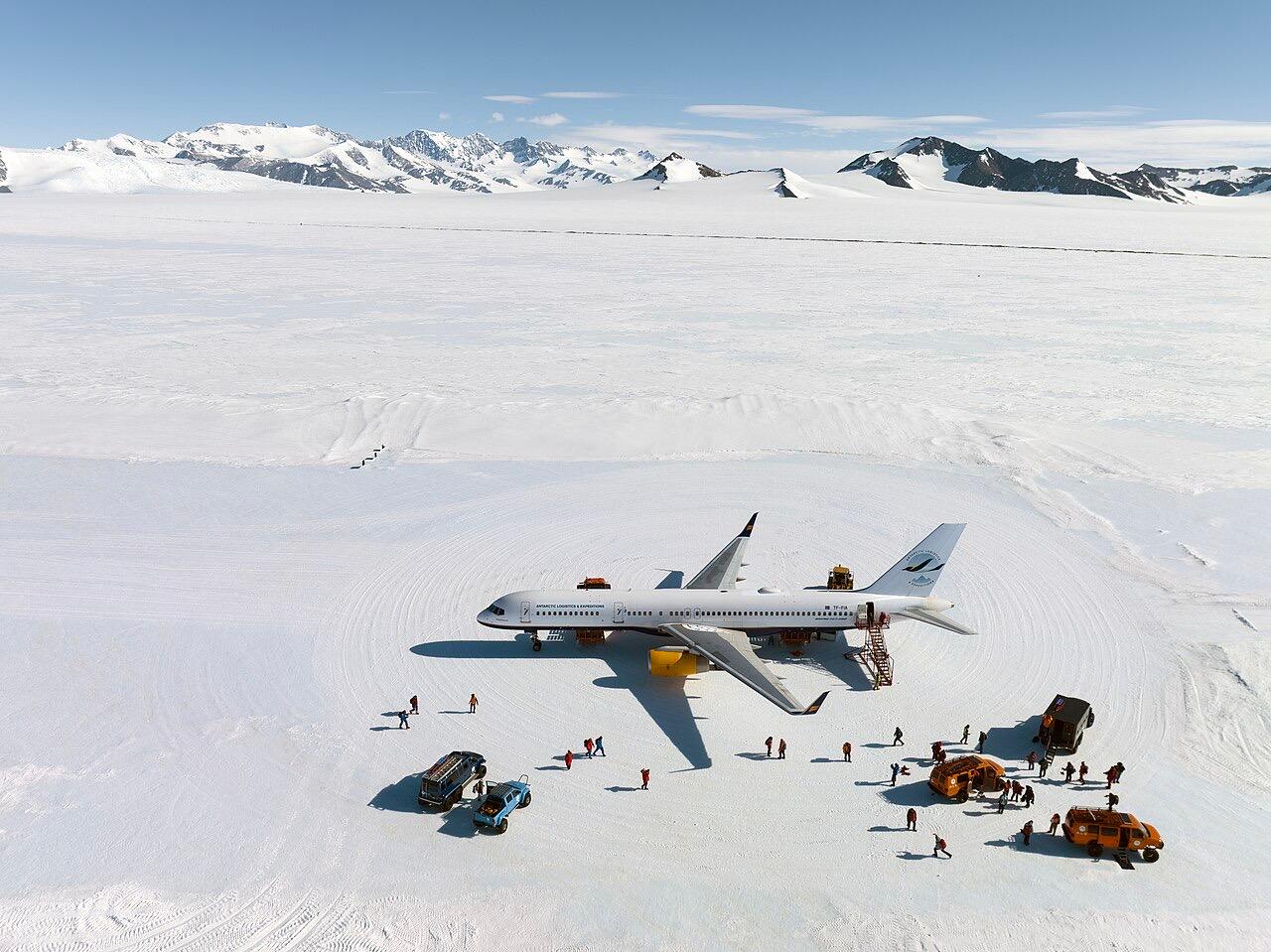
A private jet lands you on a blue-ice runway in Queen Maud Land for a few hours of ice caves, an abseil and a drink at an ice bar, then flies you back.
Nine days camped in the Ruth Glacier's Great Gorge in the Alaska Range: ice climbing, crevasse rescue, sled hauling and a summit bid on Mount Dickey.
A Saturday-to-Saturday week on Thompson Pass above Valdez with the original Alaska heli-ski operator: five hours of helicopter time in the Chugach, a guide for each group of four, and the lodge, meals and safety kit included.
One day of rock skills, then five days on Mount Baker's glaciers learning crampons, self-arrest, rope teams and crevasse rescue, ending with a summit attempt.
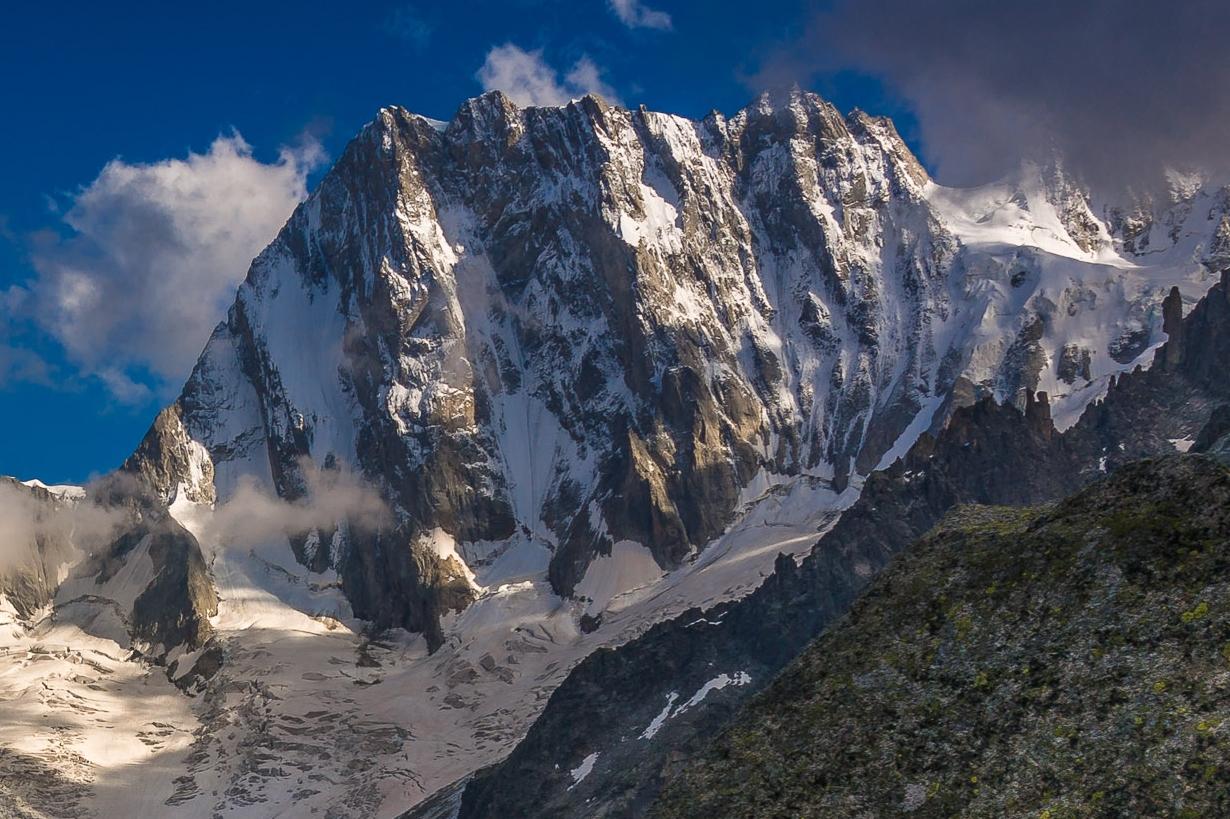
Four days: crampon, rope and glacier-travel skills from the Torino hut at 3,375 m, then the West Flank of Gran Paradiso, a classic first 4,000 m peak.
A 14-day NOLS course on the glaciers and peaks of the Chugach Range: snow camping, rope-team travel, self-arrest and crevasse rescue, for adults 23 and up.
A 26-day course for beginners in the Everest region: lectures on expedition planning and altitude, rock and rope training, practice peaks, and a climb of Lobuche East at 6,119 m.
A 15-day school on Ecuador's Avenue of the Volcanoes: glacier skills on Cayambe, then Cotopaxi at 5,897 m, with Chimborazo at 6,310 m on the 18-day version.
Seven days high in Aoraki/Mount Cook National Park, flown in by helicopter, learning the ropework and crevasse rescue to climb big mountains on your own.
A 13-day school in the Andes: four days of glacier training at Condoriri, then guided ascents of Huayna Potosi and a warm-up peak; an extension adds 6,438 m Illimani.
Two days of ice climbing in the Cogne valley in Italy's Aosta Valley, one or two climbers to a guide, finishing on a classic multi-pitch ice route.
Three days on the frozen waterfalls of the Rjukan valley in Norway, with an instructor and all the gear, for people who have never climbed ice.
Twelve days in the North Cascades: glacier skills and a Mount Baker summit bid, alpine rock at Washington Pass, then a climb your own team leads.
Three days in a gorge of farmed ice in the San Juan Mountains, learning to place screws and lead, then leading pitches on a backcountry multipitch route.
An advanced course flown into the Southern Alps, up to four climbers to a guide, learning to lead on snow, ice and rock and aiming for 2 or 3 summits.
A seven-day introductory course under Mont Blanc for people who have never climbed: crampons, ice axe, ropes and glacier travel, with small guided teams on real alpine terrain.
Six days camped below Yanapaqcha: knots, crampons, ice axe and crevasse rescue on the glacier, then a summit attempt on the 5,460 m peak at the head of the valley.
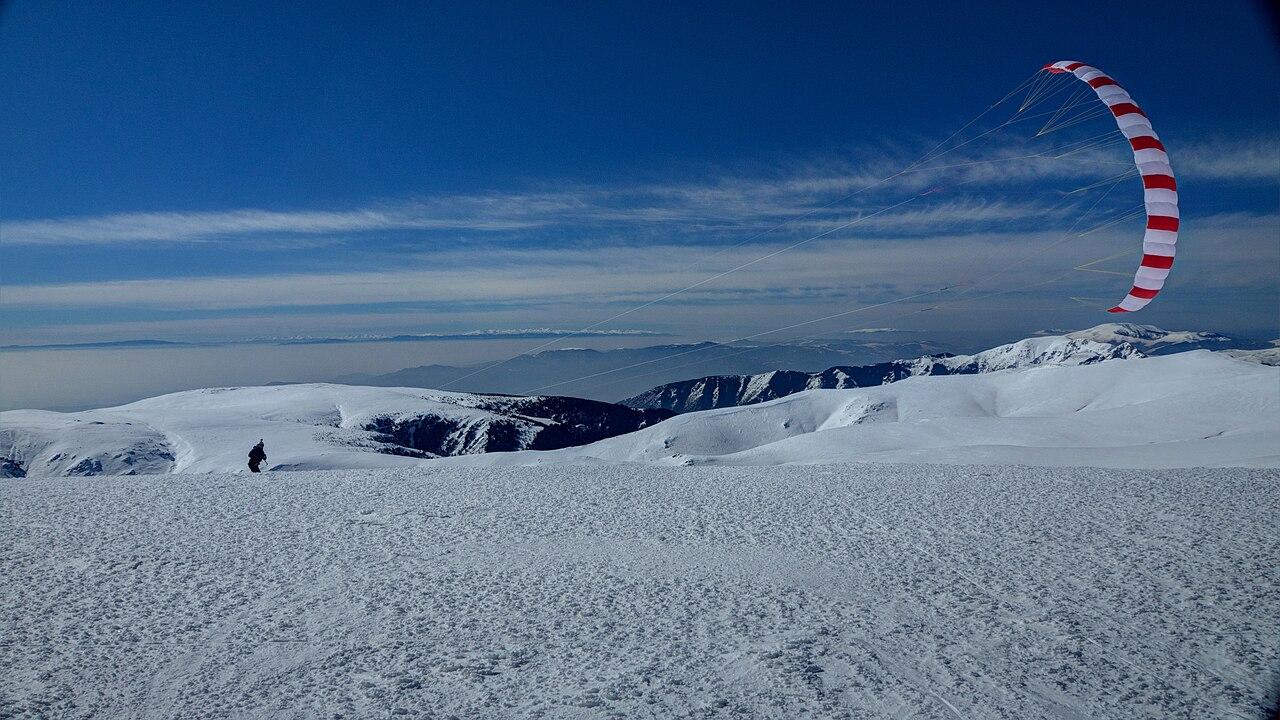
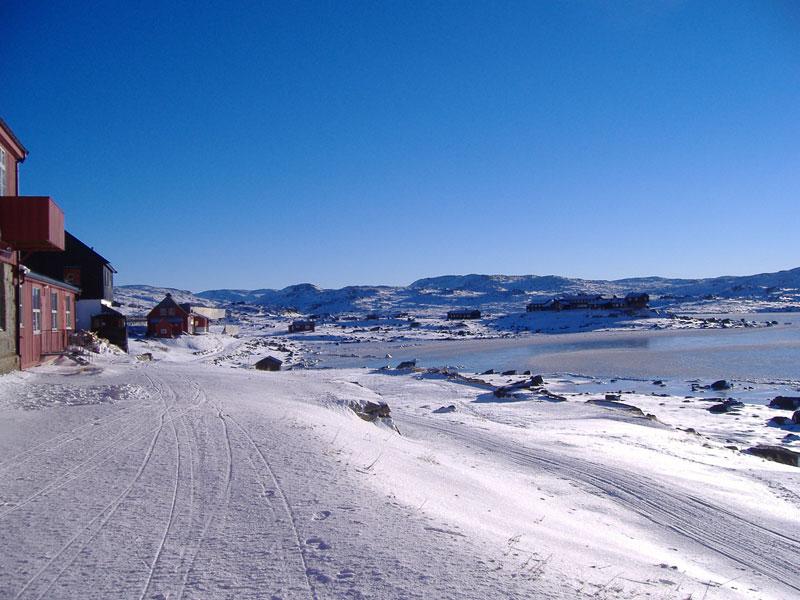
Six days of snowkiting from Finse, 1,222 m up on the Hardangervidda and reached only by train, on its frozen lake, the plateau and the Hardangerjøkulen glacier.
A week at Finse, where Amundsen trained, learning to ski with a pulk, camp at -20 C, navigate by compass and travel as a team, with three nights in tents.
A three-day course on Ben Nevis that teaches the rope work for grade I and II winter gullies, ridges and buttresses, then puts it to use on a winter route, at most three climbers to a guide.
A 30-day attempt on a peak no one has ever climbed, beyond the Gokyo lakes near Everest: steep snow and ice, route finding, glacier travel and ridge climbing.
The original 6633 Arctic Ultra: a non-stop, self-sufficient race on foot from Eagle Plains over the Arctic Circle and the frozen Peel River, with the 380 ending at the Arctic Ocean. It runs every three years.
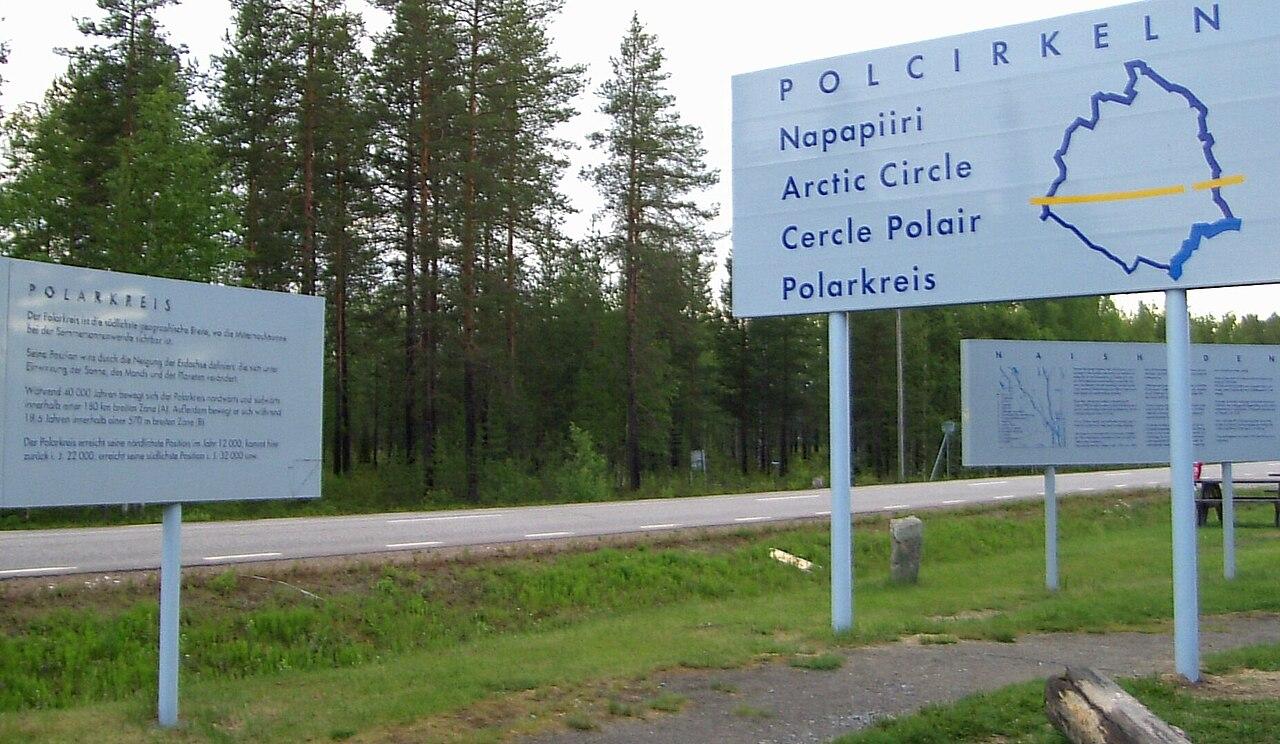
The Lapland Arctic Ultra: 185 or 500 km non-stop on snowmobile trails from Överkalix, crossing the Arctic Circle on foot, skis or bike in March.
The Yukon Arctic Ultra: 150, 375 or 480 km non-stop on foot, skis or fat bike from Whitehorse, self-sufficient in cold that can fall below -50 C.
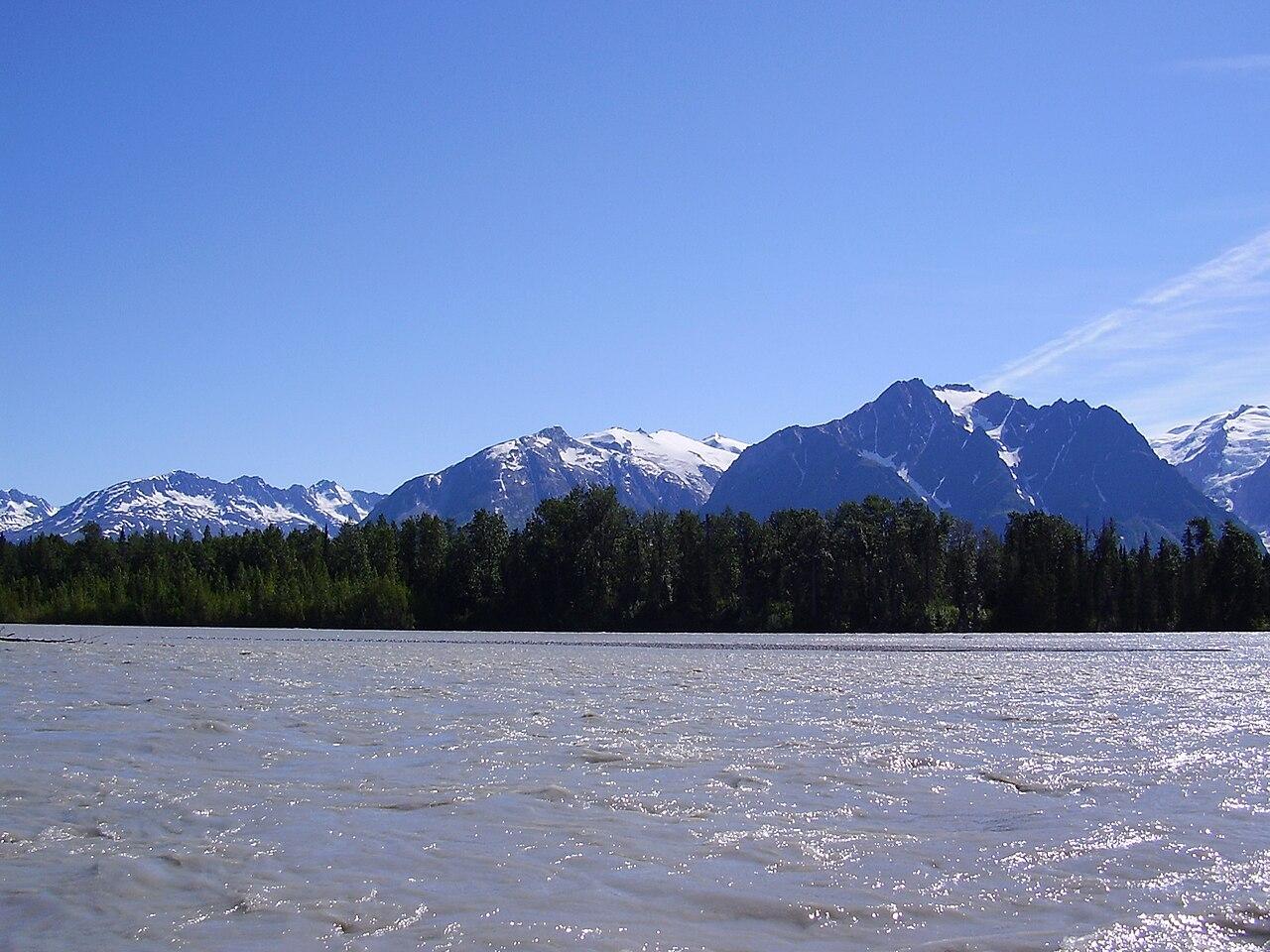
12 days and 160 miles down a glacier river: Class III-IV rapids, a maze of icebergs on Lowell Lake, and a helicopter lift over a canyon no raft can run.
13 days on a river with no roads: a Class III gorge, a valley walled by glaciers and grizzly country, then a float among icebergs to a Pacific airstrip.
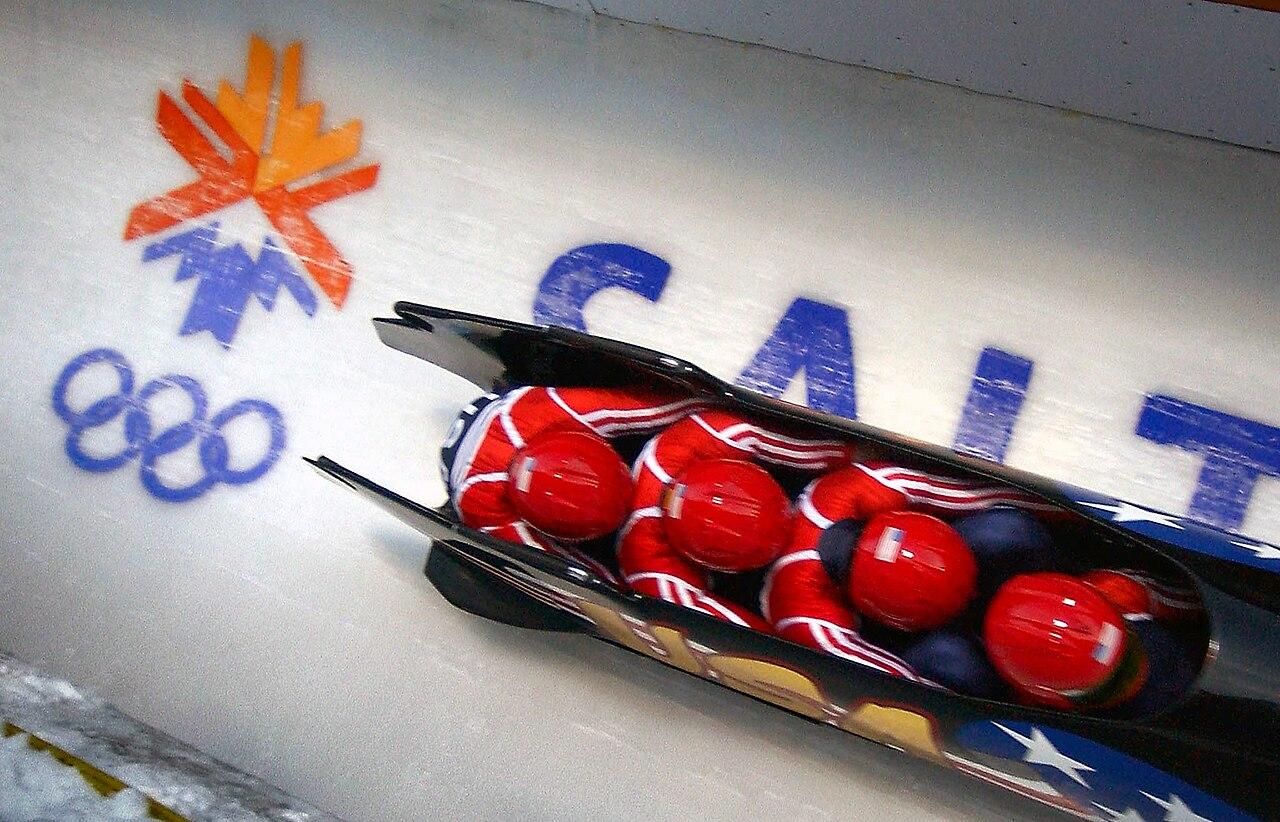
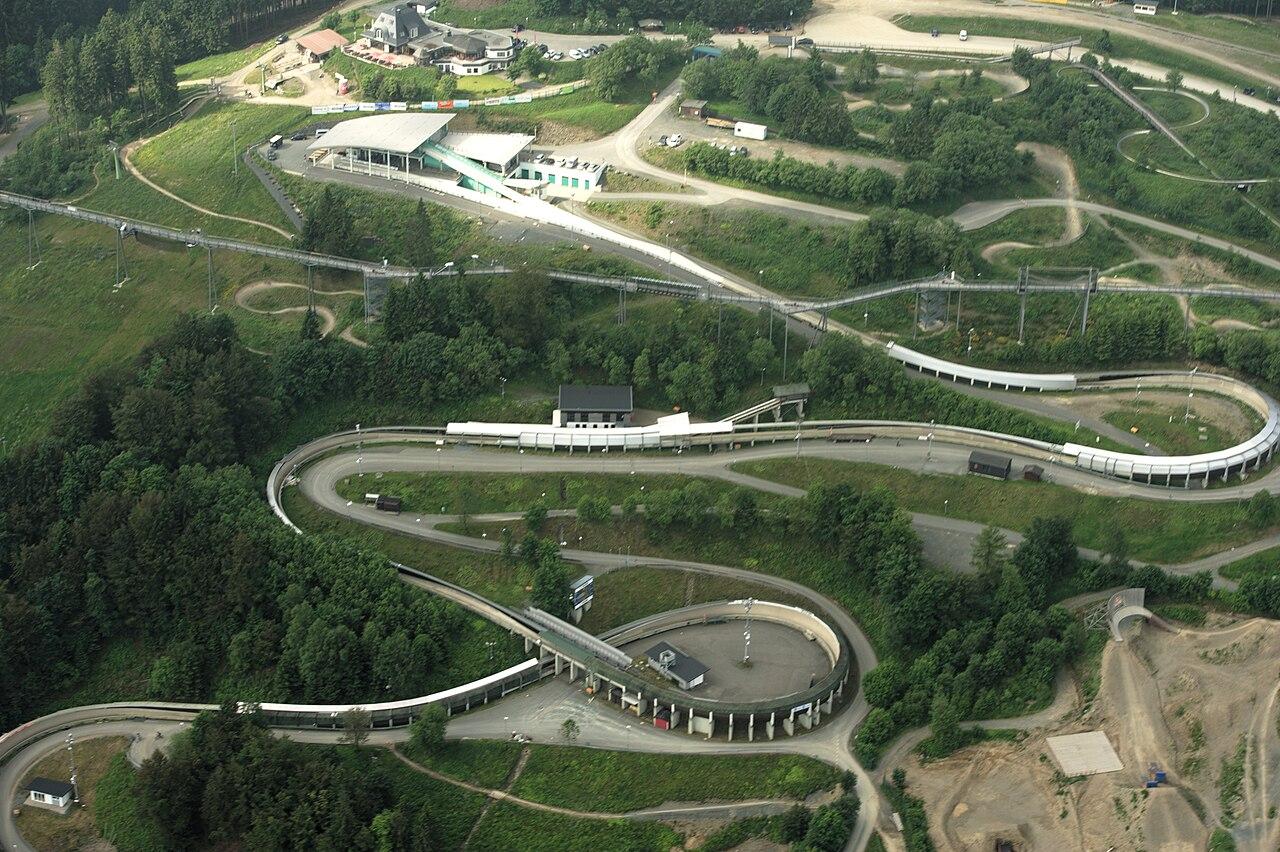
A professional pilot takes you down the 2002 Winter Games sliding track, one of four in North America, in under a minute with 4 to 5 times the force of gravity.
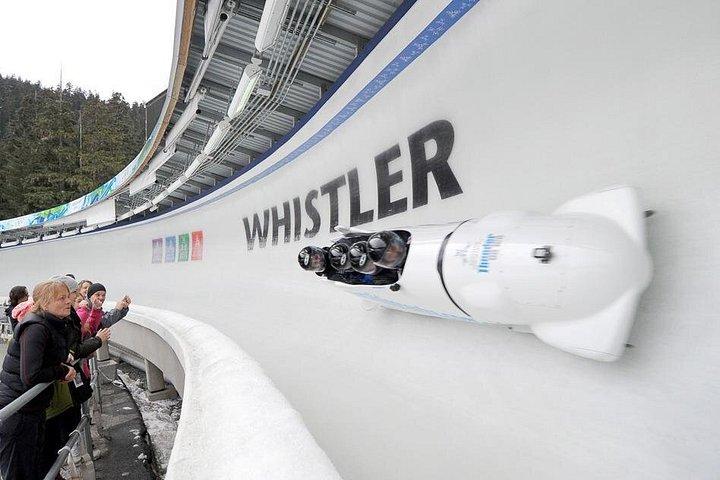
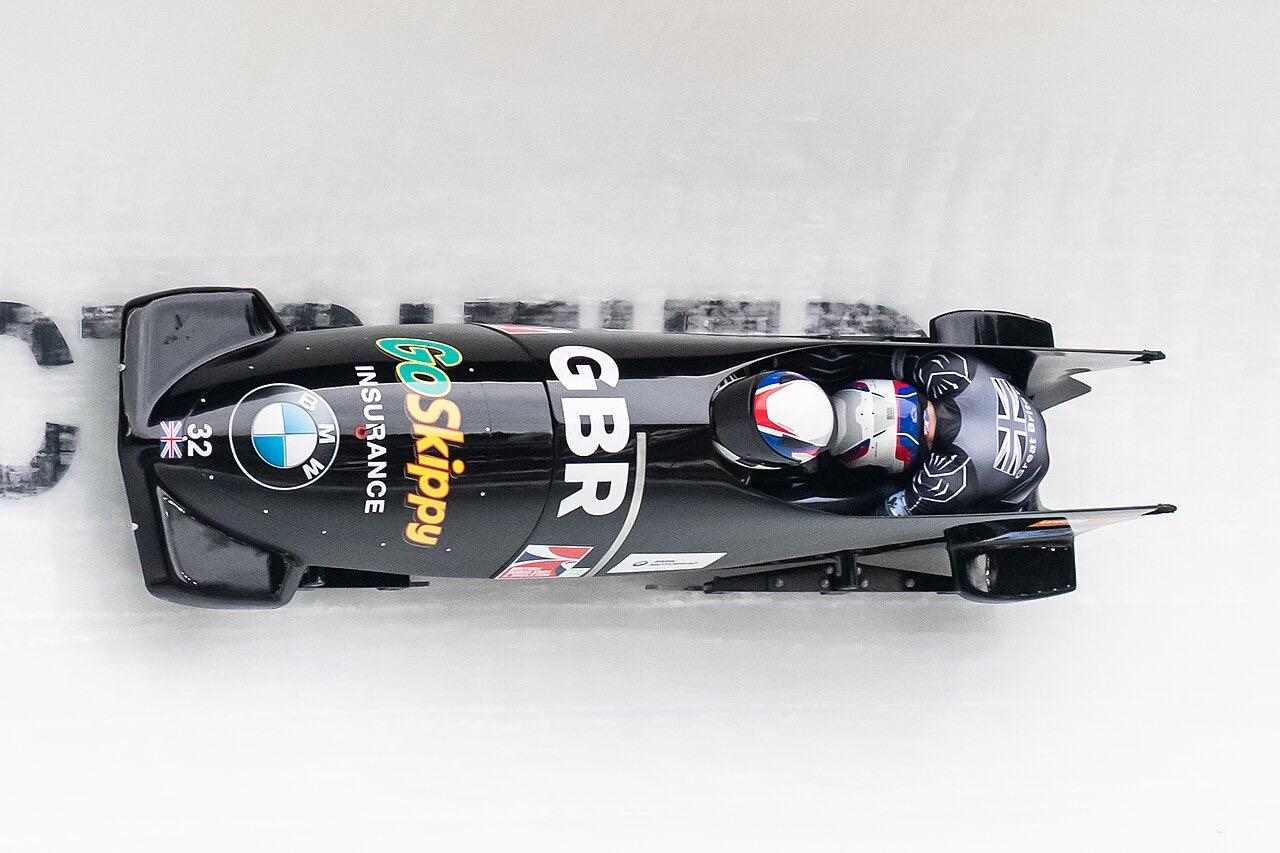
Sit behind a trained pilot in a four-person bobsleigh on the 2010 Olympic track at Whistler and take ten curves at 125 km/h with up to 4 g.
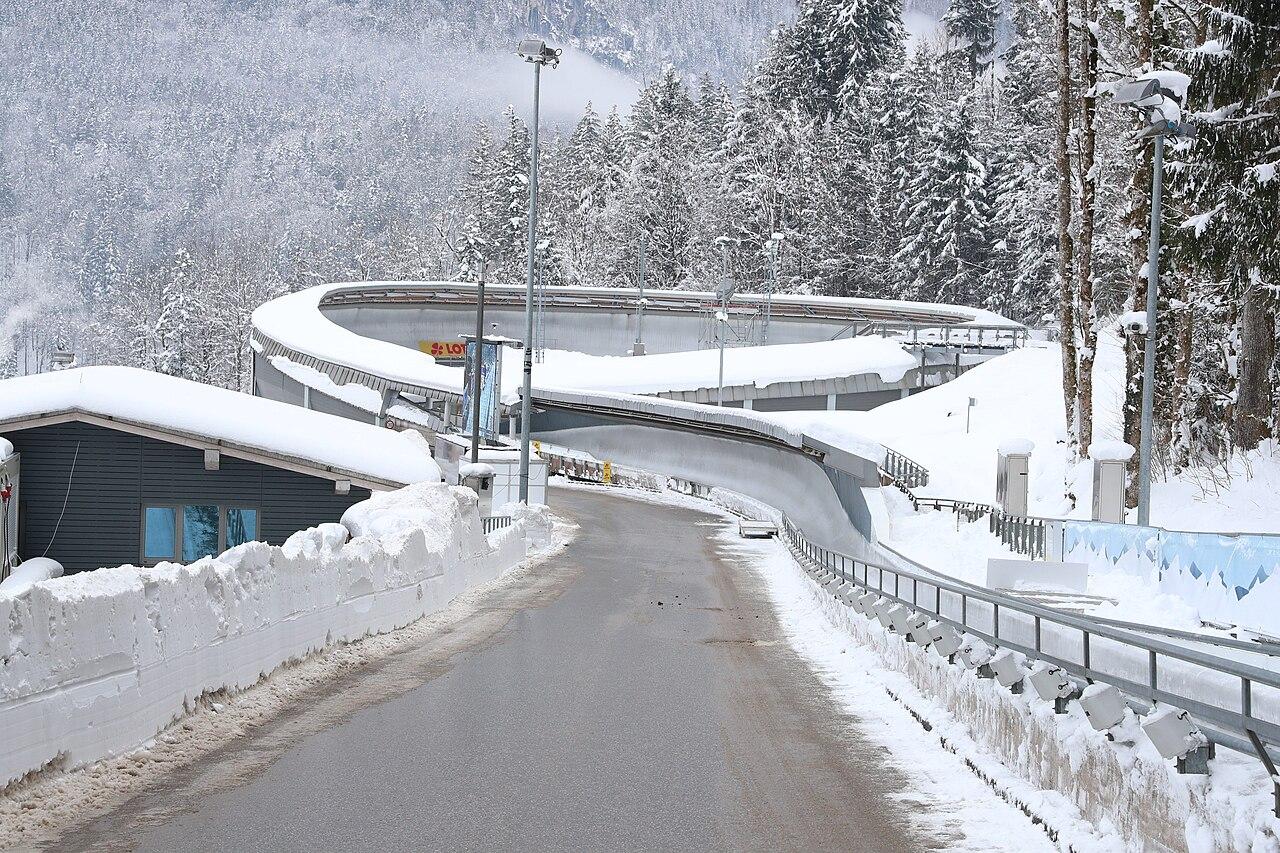
75 seconds sandwiched between a pilot and a brakeman on a 1,722 m track carved from natural ice each winter, at up to 135 km/h and 4G.
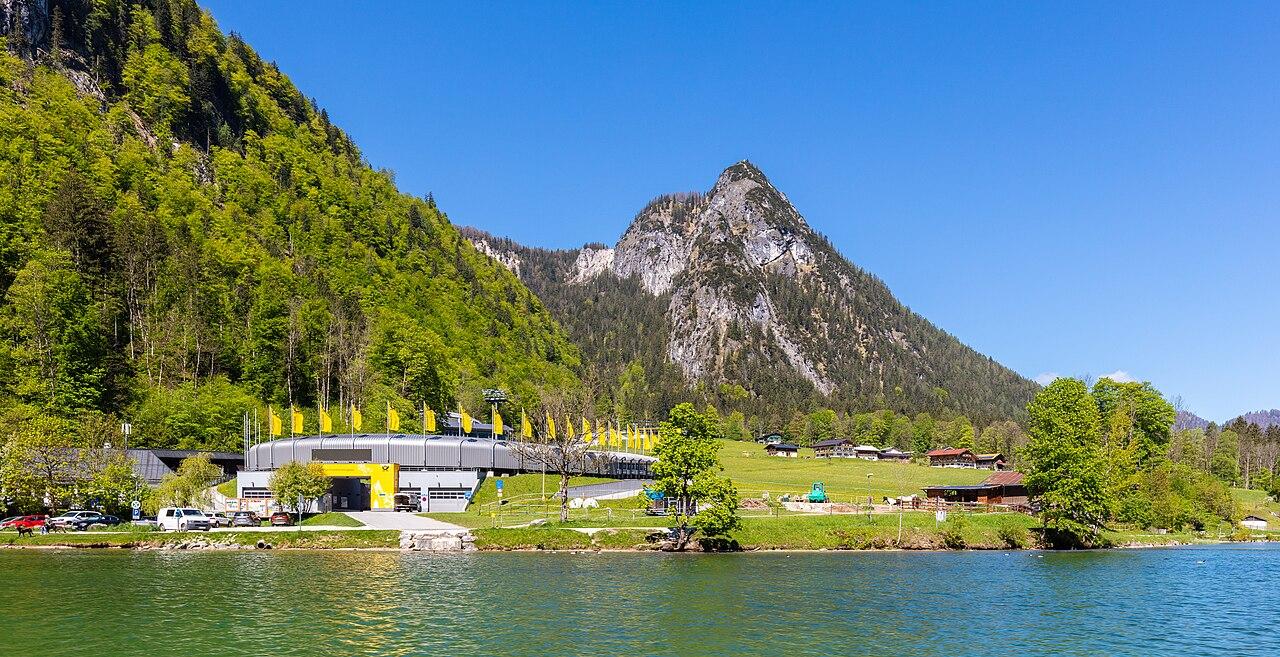
Co-pilot an original racing bob over the full 1,244 m of the Königssee ice track at up to 120 km/h, with curves pressing up to 5 G into you.
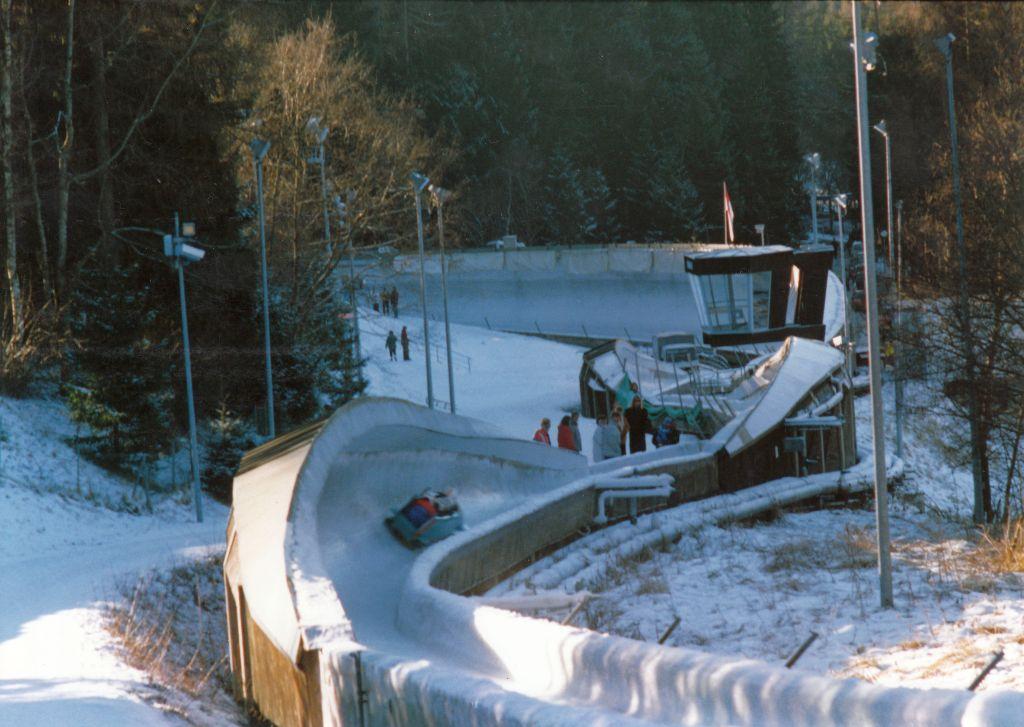
Two guests between a pilot and a brakeman in an Olympic four-man bob, from the men's start through 15 bends and the full-circle Kreisel at up to 115 km/h.
Three guests and a pilot in an original four-man bob: about 60 seconds at up to 130 km/h down the track of the 2024 bobsleigh world championships.
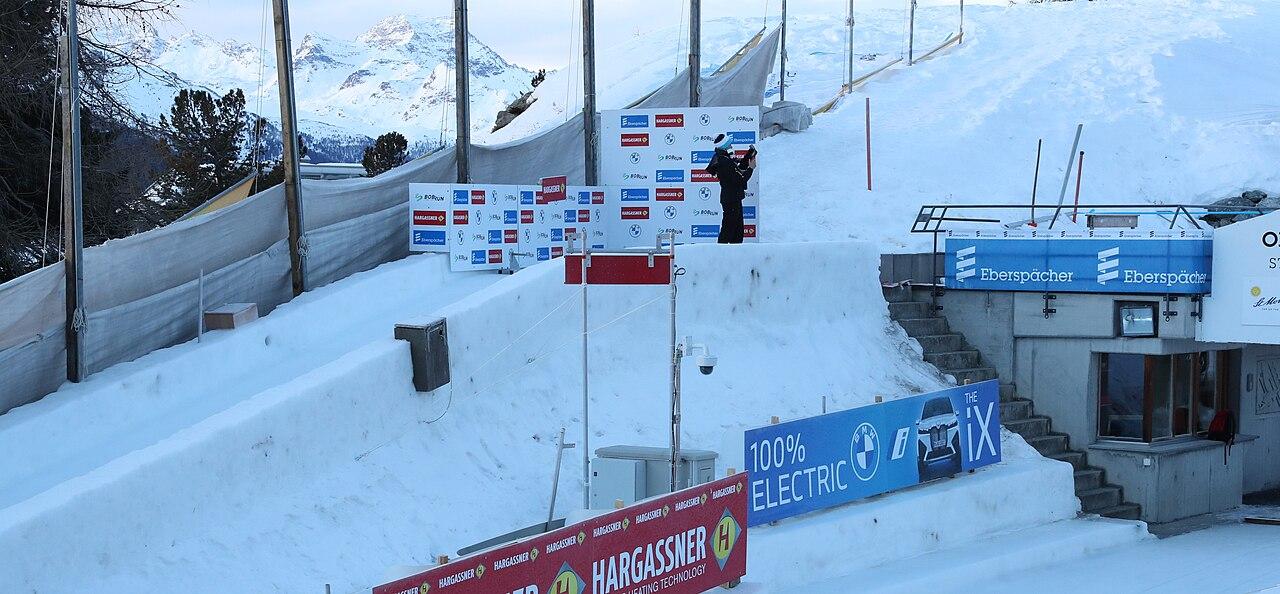
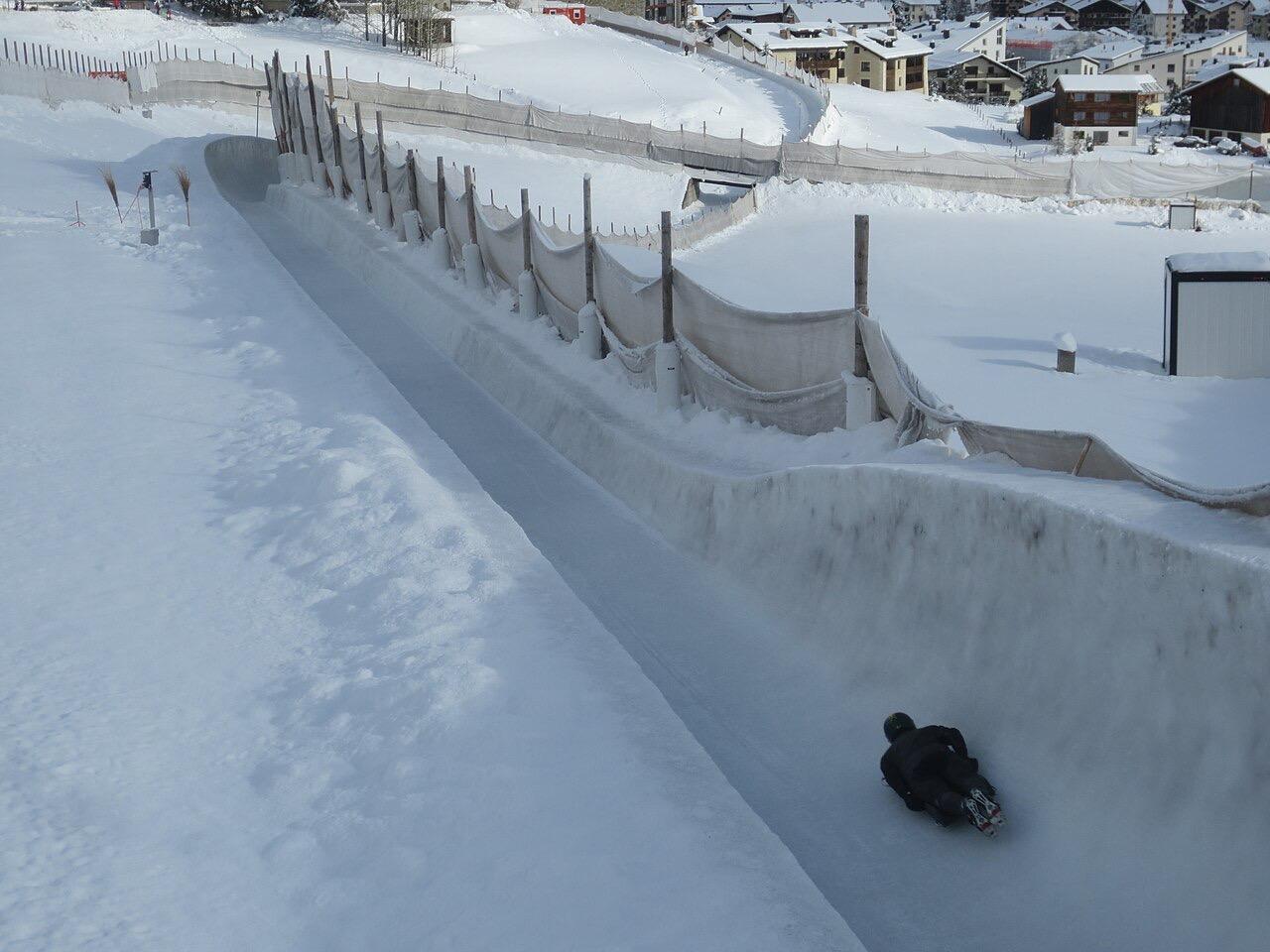
Lie flat on a steel toboggan and slide head first down the Cresta Run, the natural ice track rebuilt every winter between St. Moritz and Celerina.
Hurtle down 1.5 km of ice and 19 banked turns at up to 120 km/h behind a professional pilot on La Plagne's Olympic bob track.
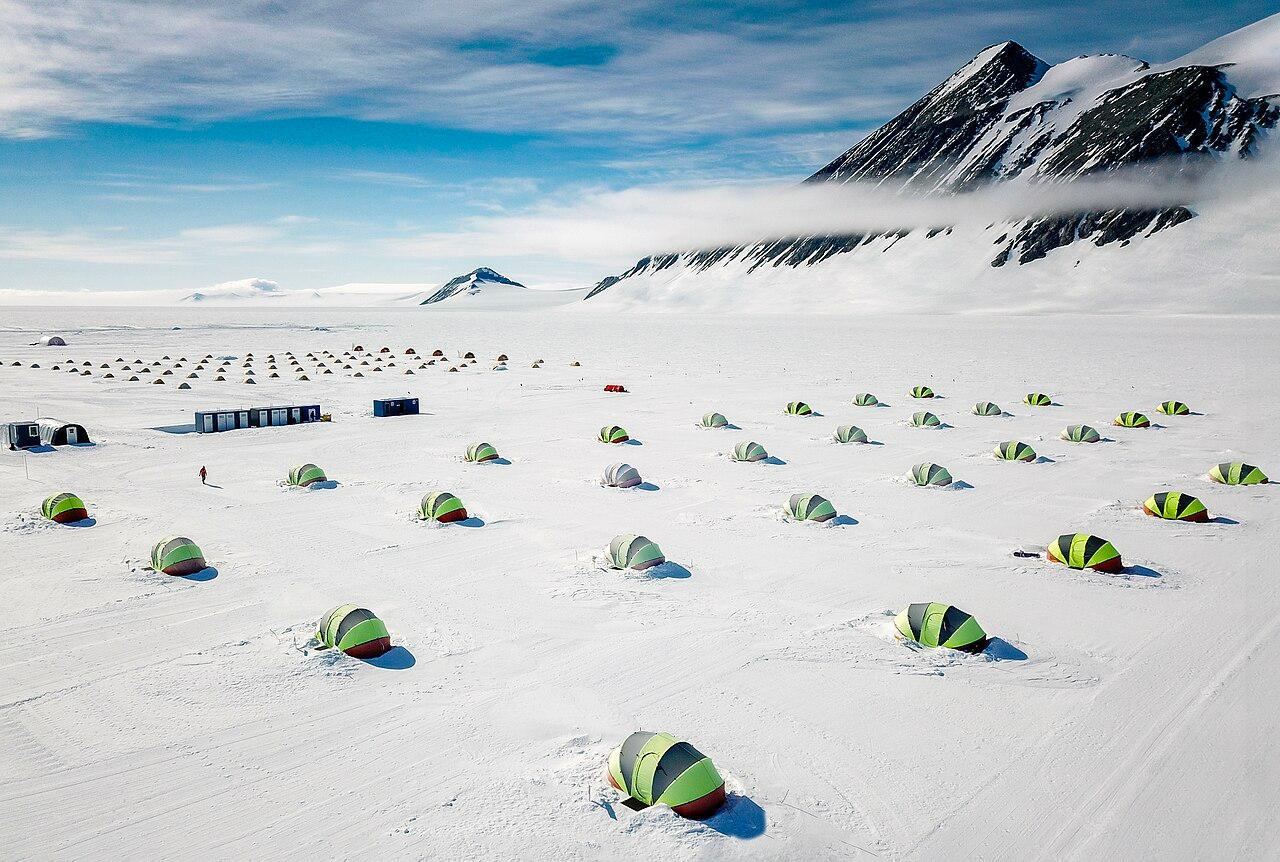
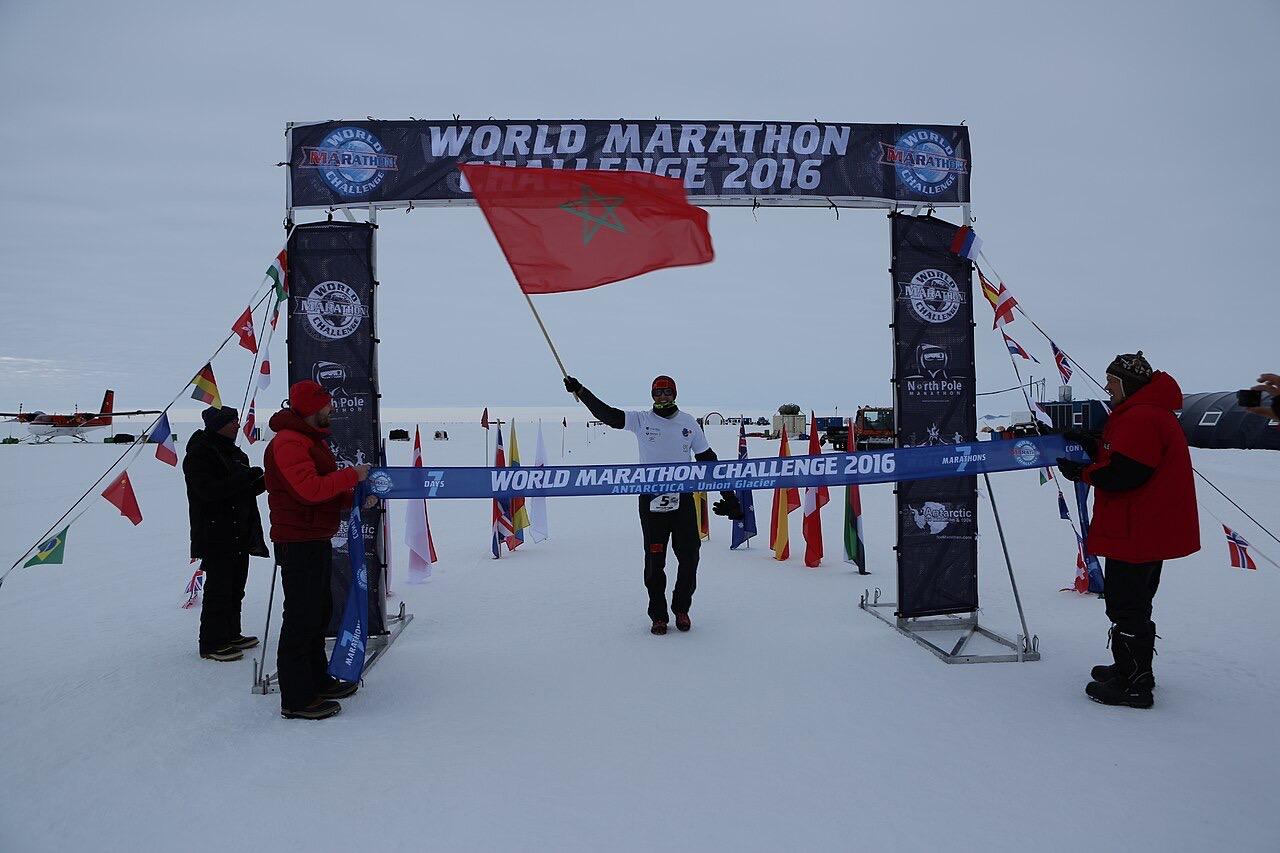
Run 42.2 km, or a half marathon, on Union Glacier in the Antarctic interior at -10 to -20 C, flying in from Punta Arenas.
A marathon or half on a winter evening at Gargia, 25 km from Alta at 69 N: ten 4.22 km loops of snow and ice, with the northern lights possible overhead.
A marathon or half run through the night in Ilulissat, Greenland, from 21:00 under the midnight sun, on rocky trails out to the UNESCO-listed Icefjord.
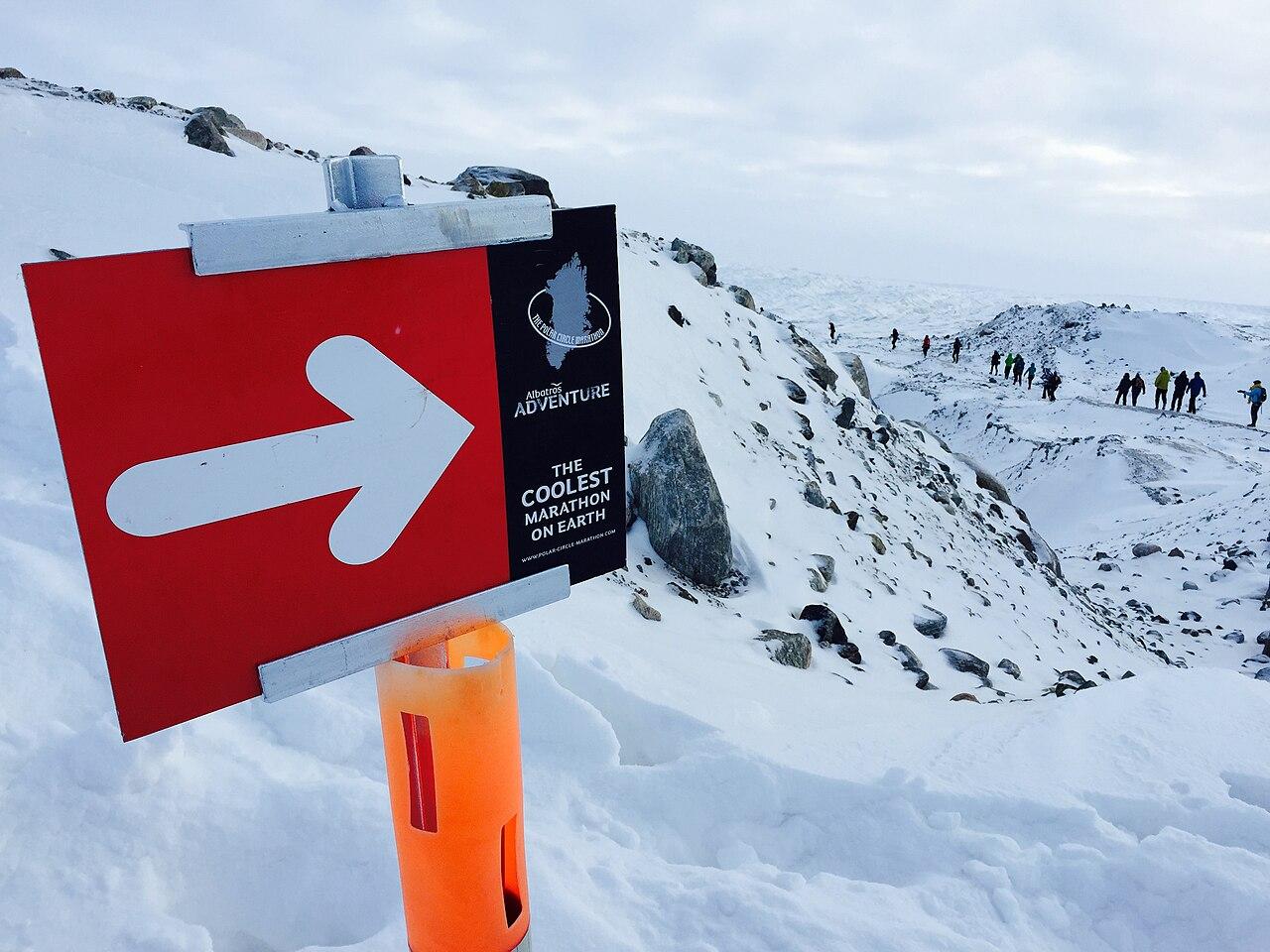
'The coolest marathon on Earth': 42.2 or 21.1 km from Kangerlussuaq onto the Greenland ice and back across the tundra, with musk oxen and Arctic foxes about.
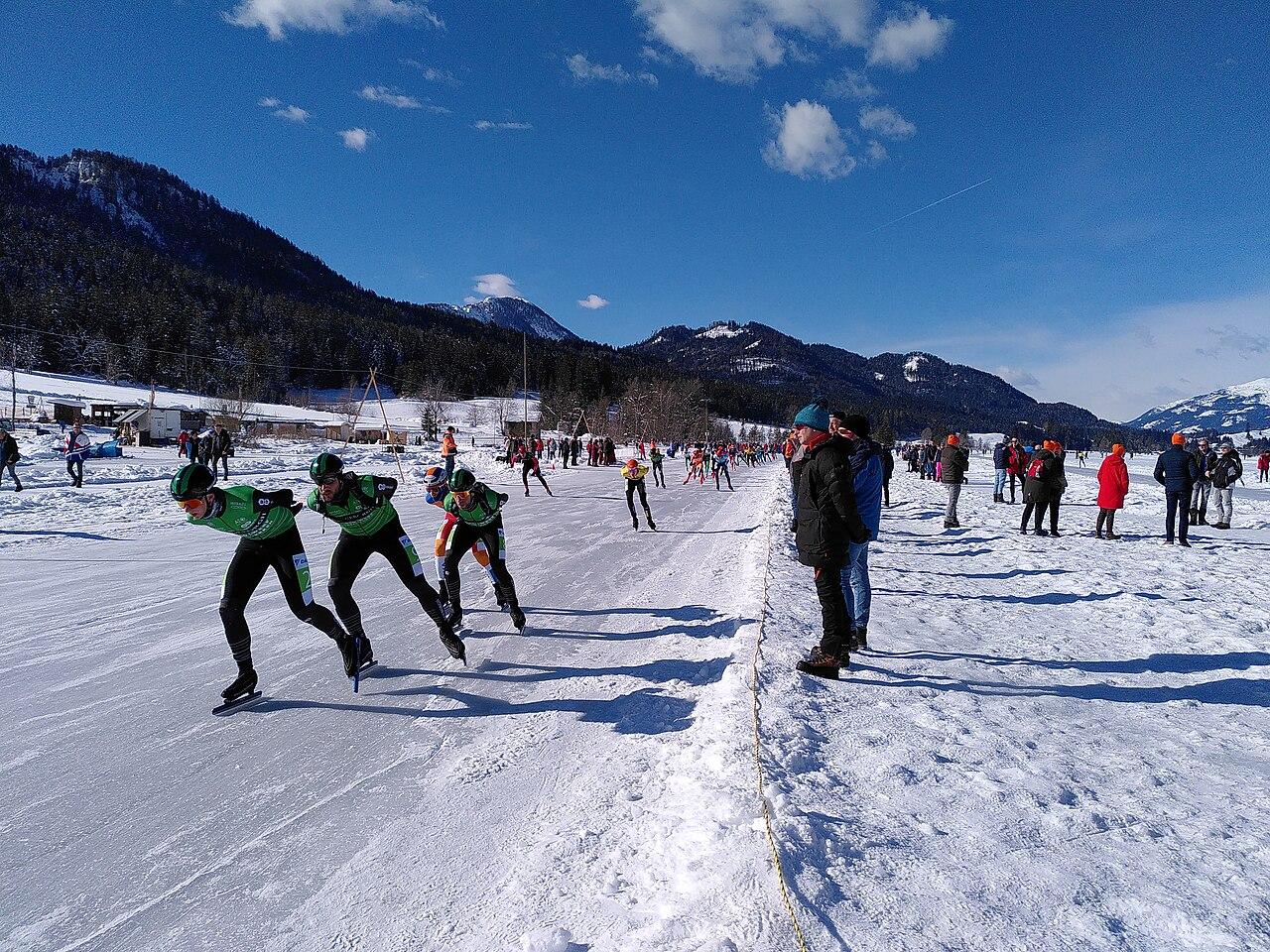
The Dutch eleven-cities skating marathon moved to Austria's Weissensee, where the lake freezes reliably: 200 km of laps on natural ice, with thousands of Dutch skaters, in one day.
Fly by ski plane into the Alaska Range, then camp on the glacier for 11 days, hauling sleds, climbing peaks and skiing steep descents.
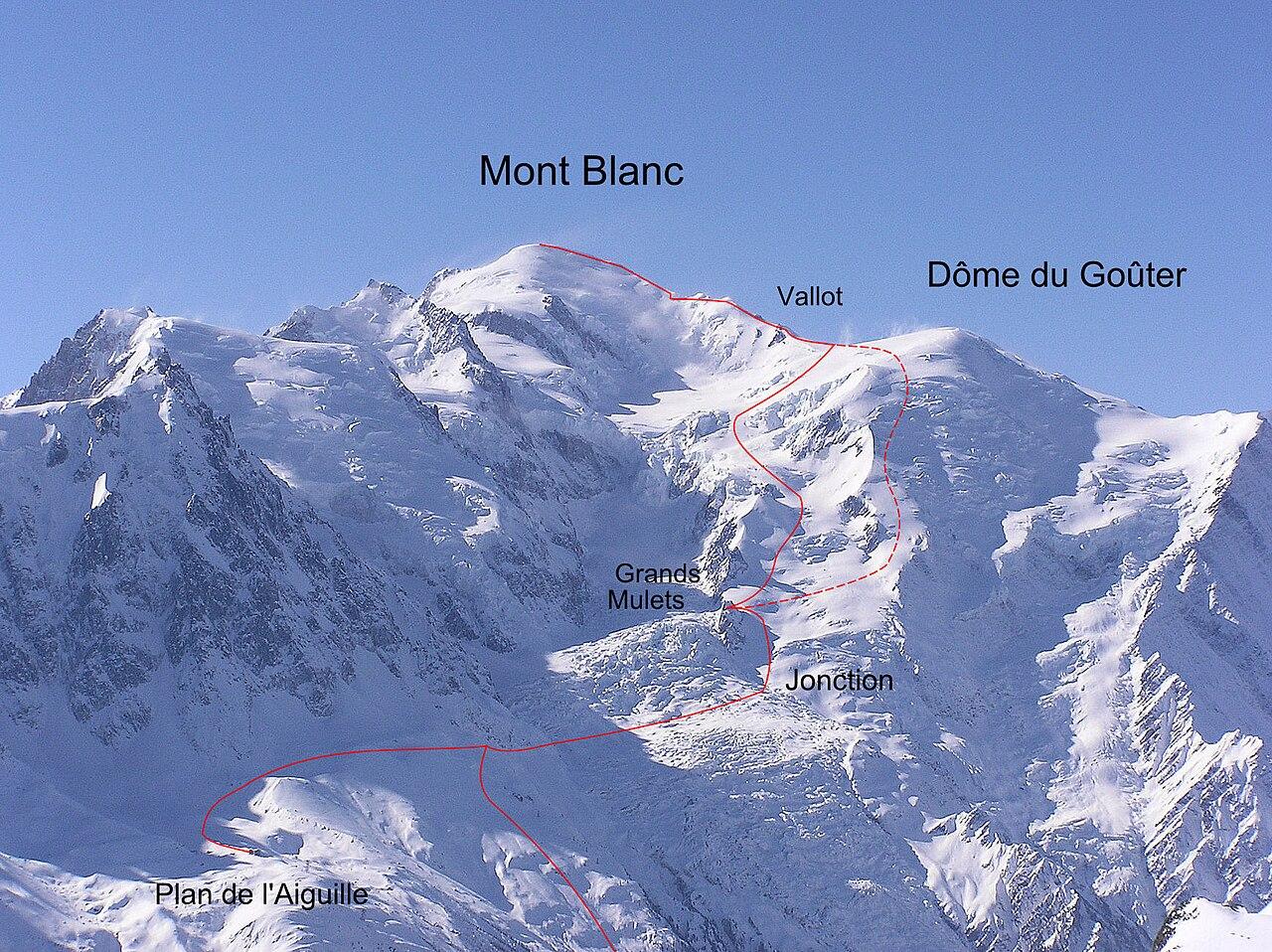
Three days on skis up Mont Blanc via the Grands Mulets hut, then down the north face from the summit, with an IFMGA guide, one or two climbers per guide.
A 08:00 mass start in the forest at Berga by in Sälen, then 90 km of classic-style skiing through seven checkpoints to the finish portal in Mora, run since 1922.
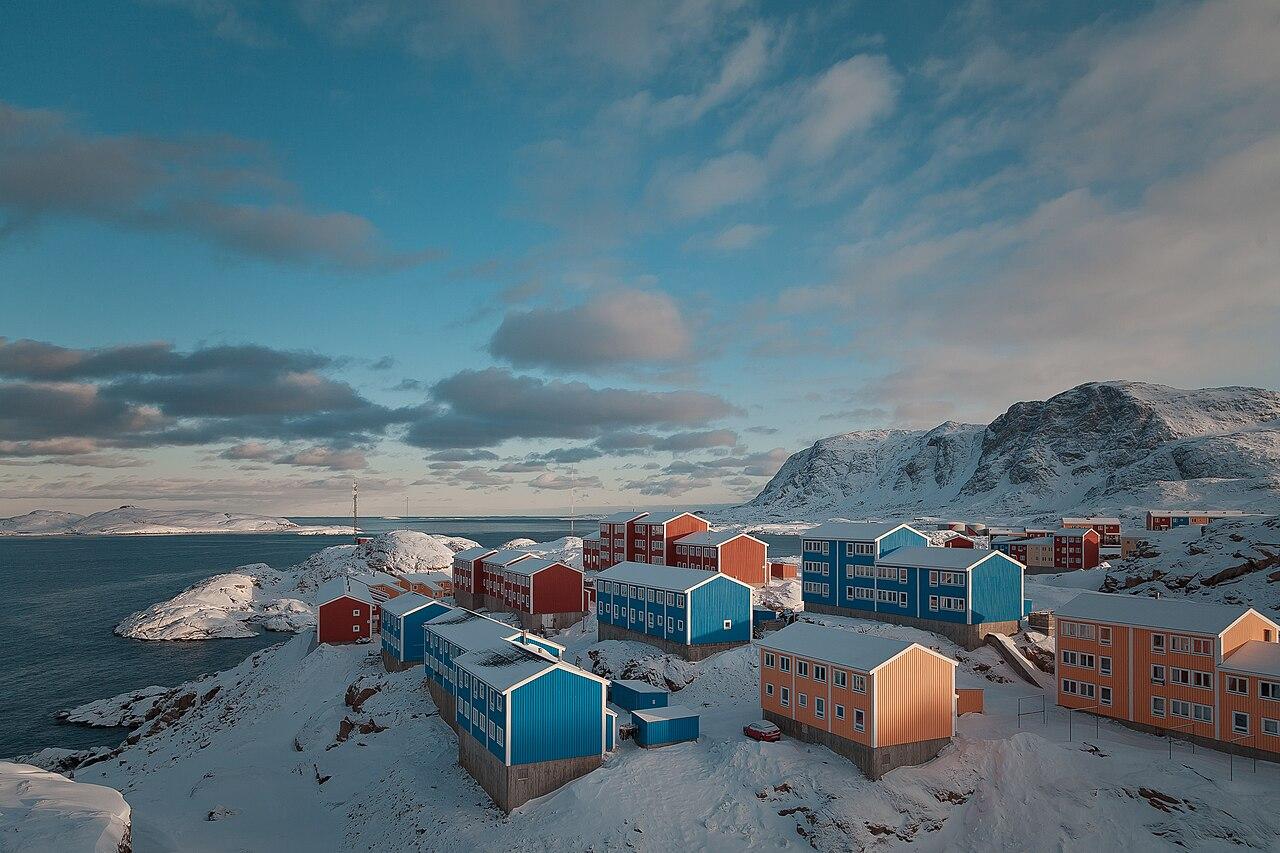
A three-day cross-country ski race from Sisimiut, 160 km or 100 km through the mountains north of the Arctic Circle, with two nights in a tent camp on the course.
Six days of ski mountaineering above Zermatt and Saas-Fee: skin up the Breithorn, Strahlhorn, Allalinhorn and Monte Rosa's 4,554 m Signalkuppe, and ski down.
Ride the Skyway to Pointe Helbronner, walk an hour across the Glacier du Géant and camp at 3,445 m below the Dent du Géant for a night of stars with a guide.
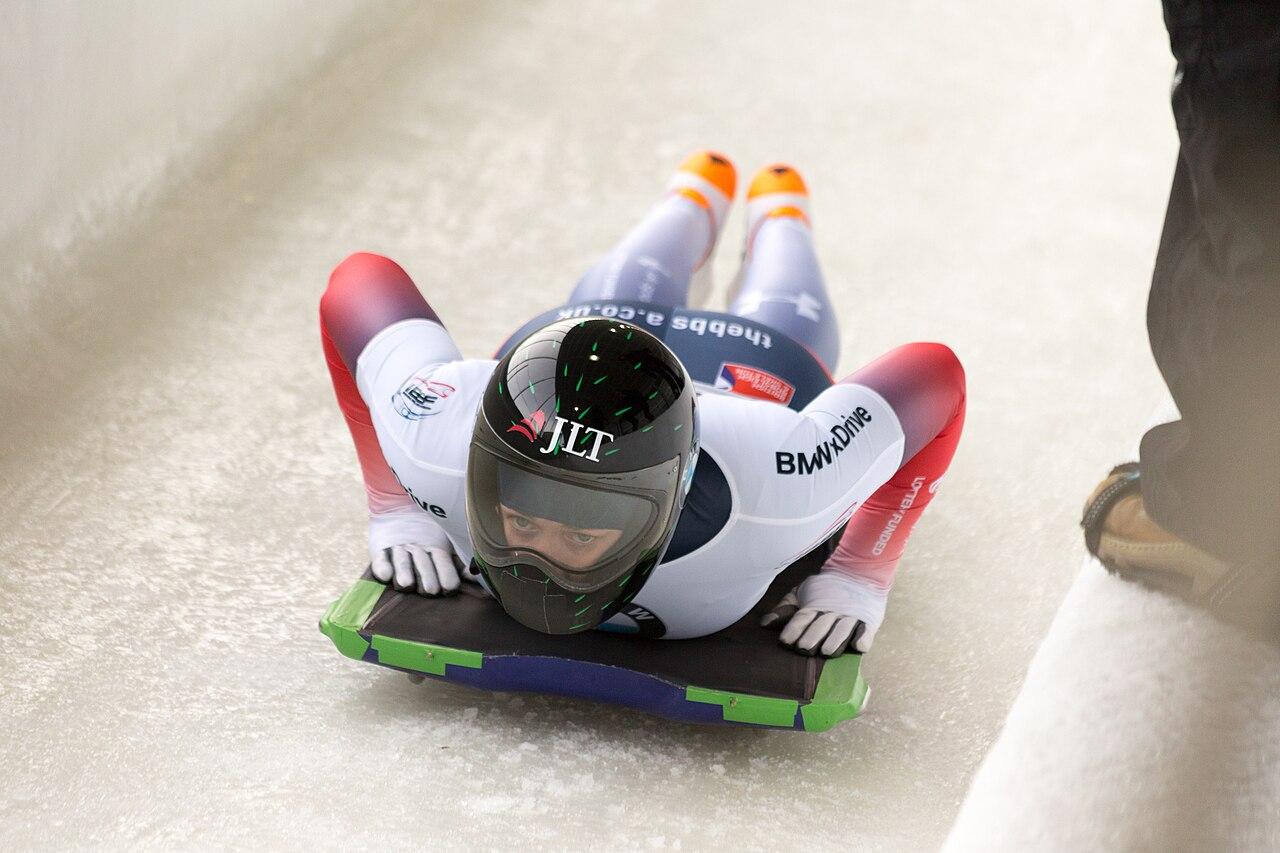
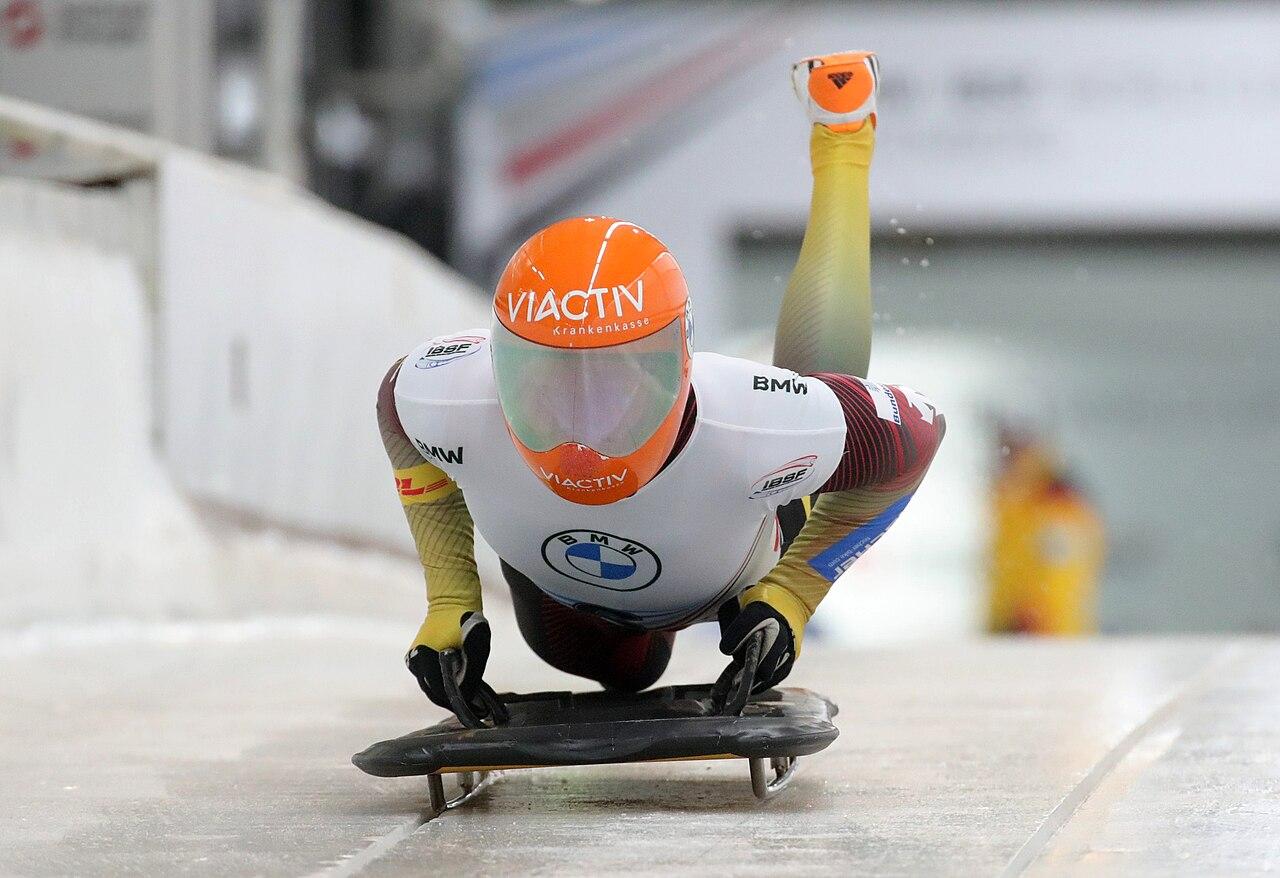
Alone, face down, centimetres above the ice: two skeleton runs through the last six corners of the 2010 Olympic track, the only place in Canada the public can.
Lie face down on a skeleton sled and go alone, head first, from the women's start of the Igls Olympic track at up to 100 km/h, above Innsbruck.
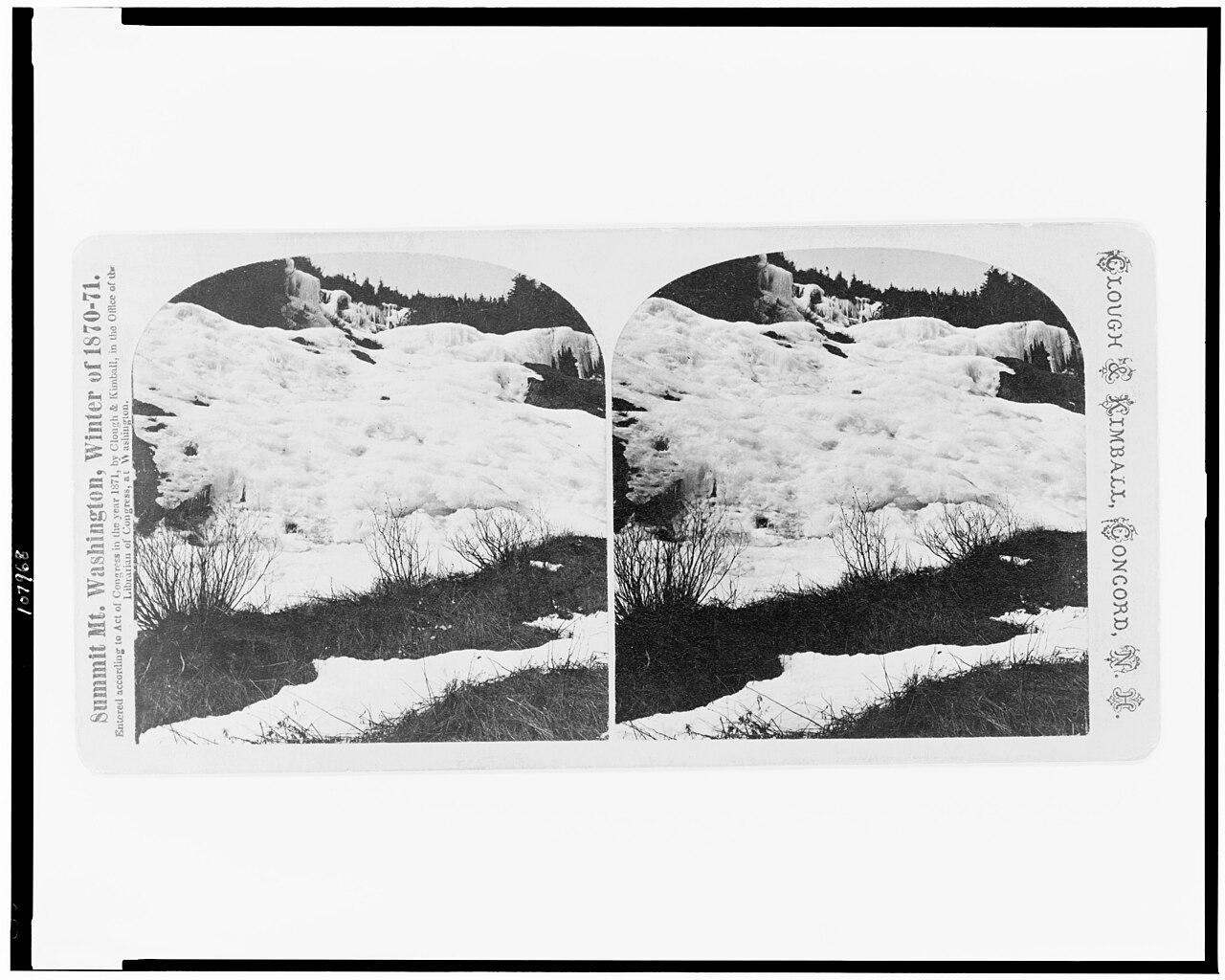
Four January days of Denali-style training in New Hampshire's White Mountains, ending with a night in a snow camp and a summit bid on Mount Washington, 6,288 ft.
A month-long NOLS mountaineering expedition from Palmer into the Chugach, Alaska Range or Wrangell-St. Elias: snow camping, glacier travel, crevasse rescue.
A 34-day NOLS mountaineering course in Patagonia's Andes: off-trail navigation, glacier travel, rope handling and rescue, ending with leading your own group decisions.
Lie back on a luge and steer it alone from the Kreisel, curve 11, to curve 15 of the Königssee track where the world's best lugers race, at up to 60 km/h.
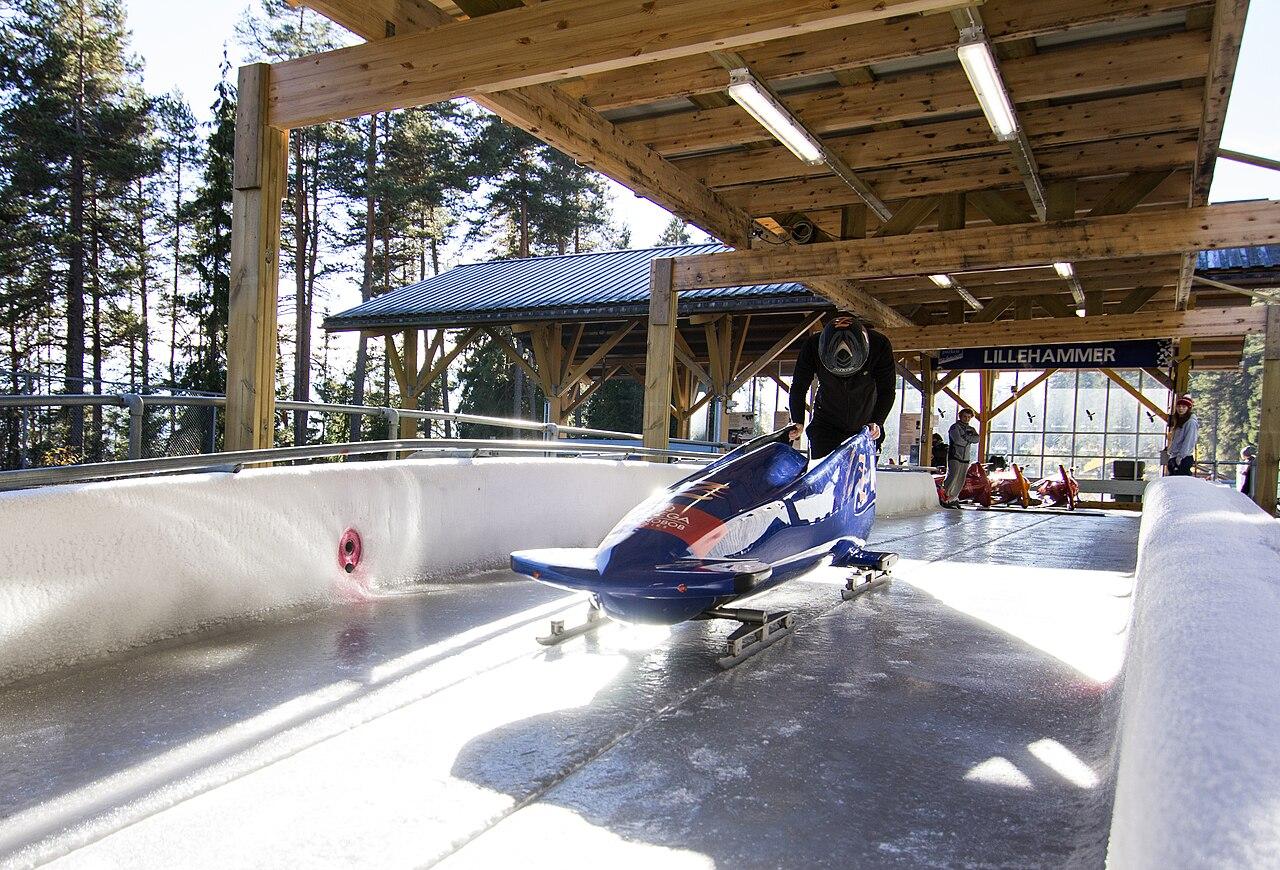
Two passengers behind an authorised pilot in a real competition bobsleigh on Lillehammer's Olympic track, at up to 120 km/h with 5 G pressing down in the curves.
Eight days in February or March learning polar travel on the Greenland ice cap, flown in from Reykjavík to Kulusuk and run expedition style.
Seven days roped up along the North Cascades crest: Eldorado Peak by its east ridge, three glaciers to Backbone Ridge, then over Isolation Peak to Highway 20.
Two days along the Rochefort ridge and the entire crest of the Grandes Jorasses, 4,208 m, with a night at the Canzio bivouac: snow, rock and mixed to 5c.
22 days in Pakistan's Karakoram: up the Baltoro Glacier past the Trango Towers to Concordia and two nights at K2 Base Camp, returning over the Gondogoro La at 5,585 m.
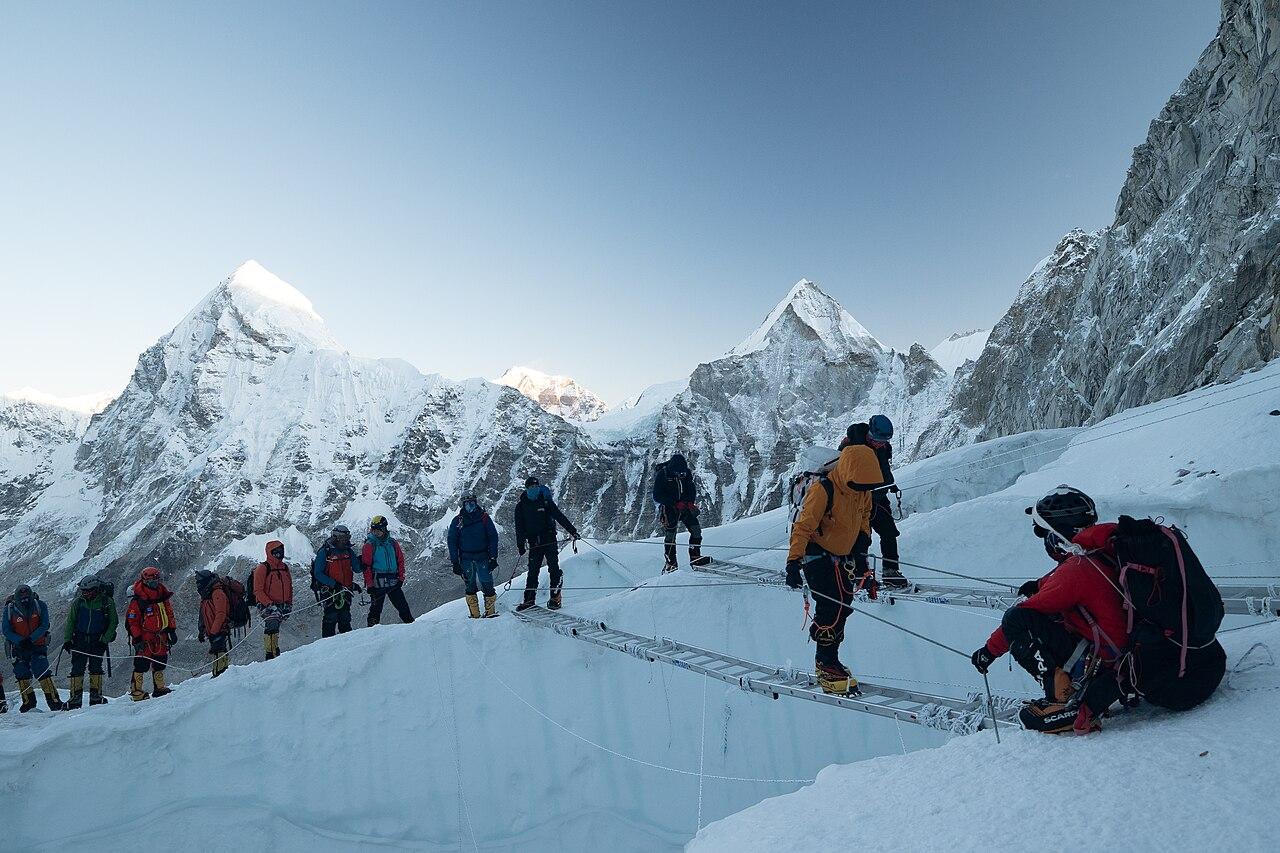
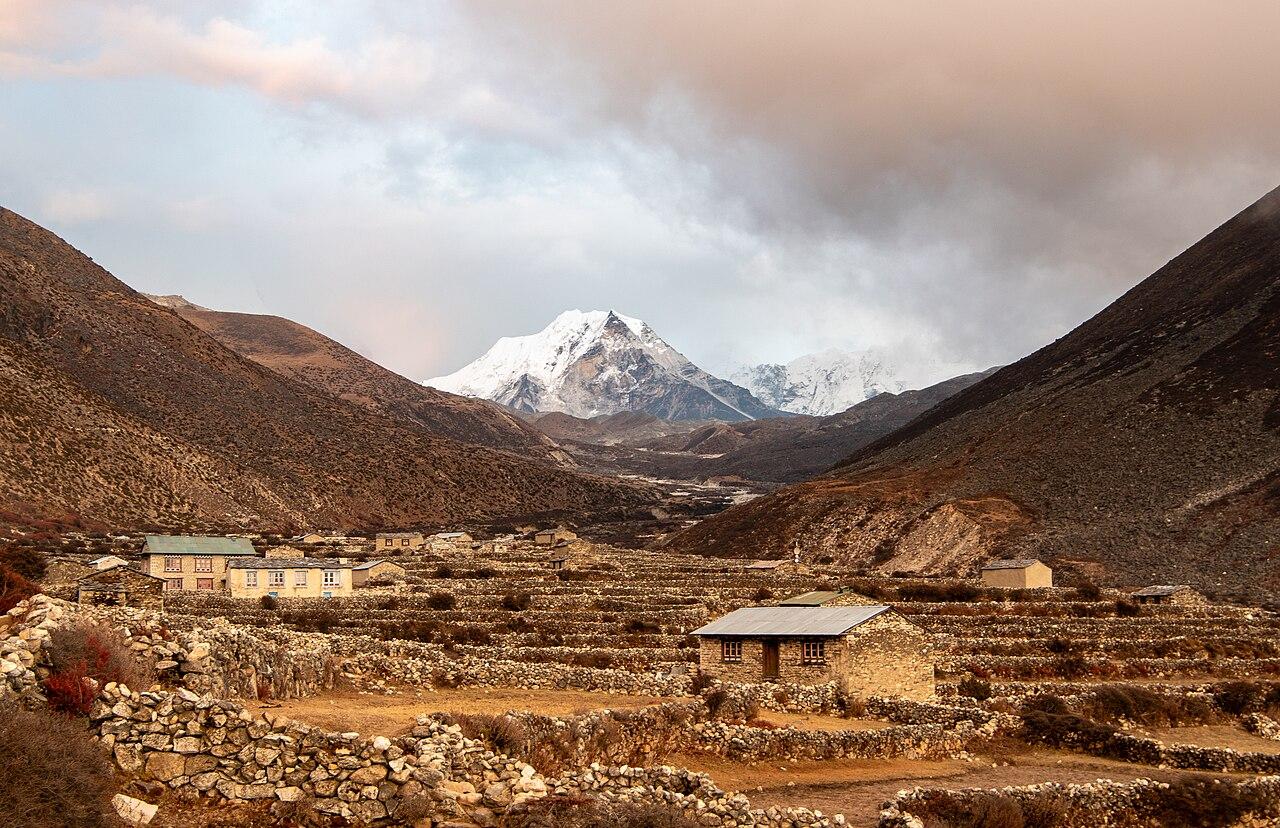
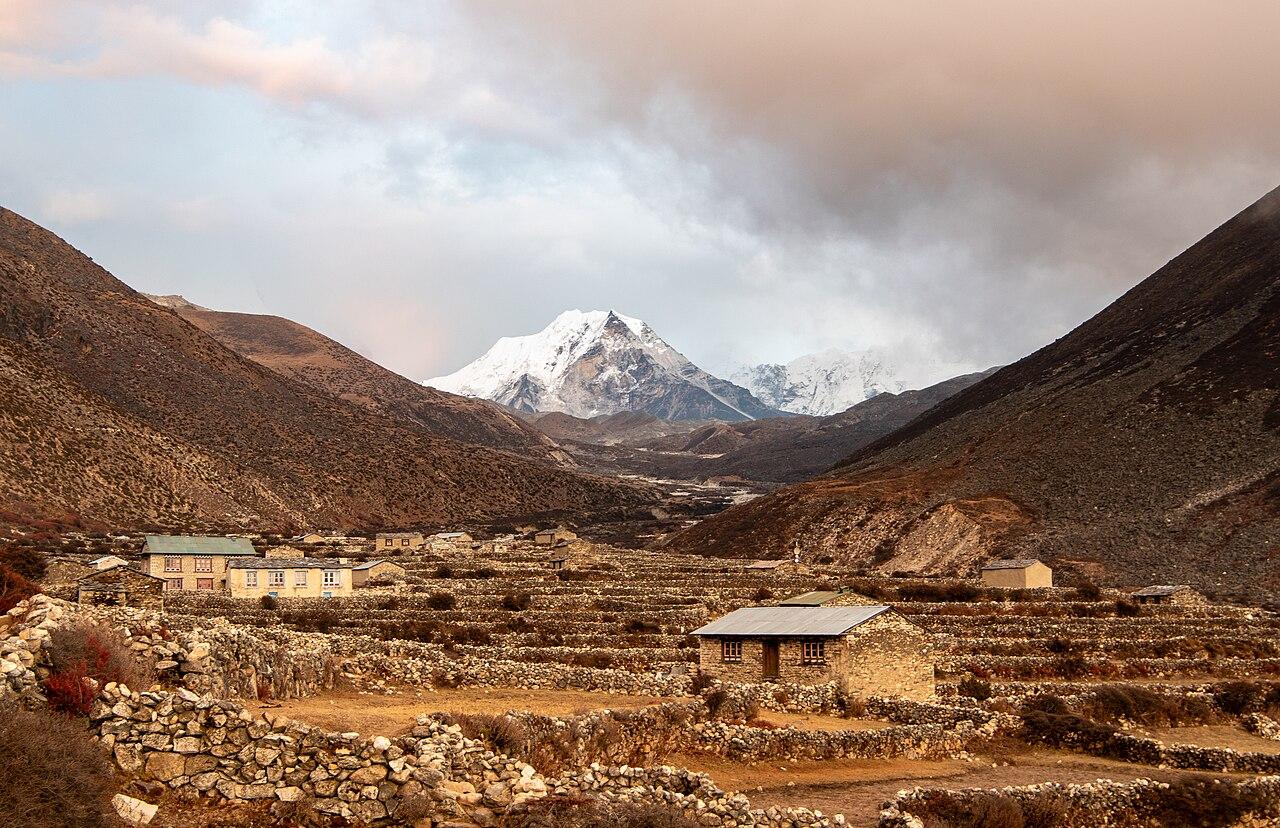
21 days in the Khumbu: Everest Base Camp and Kala Patthar first, then ladders over crevasses and a fixed-rope headwall to Island Peak's 6,189 m summit.
Five days from rainforest to glacier: up the Hoh River valley, roped across the Blue Glacier, then steep snow and summit rock to the top of the Olympics.
Five days to the 3,213 m top of Washington's most remote volcano: 9.5 miles in with a 45 to 55 lb pack, a glacier camp, then a summit day of 14 hours or more.
Six days at a private camp in Queen Maud Land, with a flight to the Atka Bay emperor colony as the chicks start to walk and a hike through blue ice tunnels.