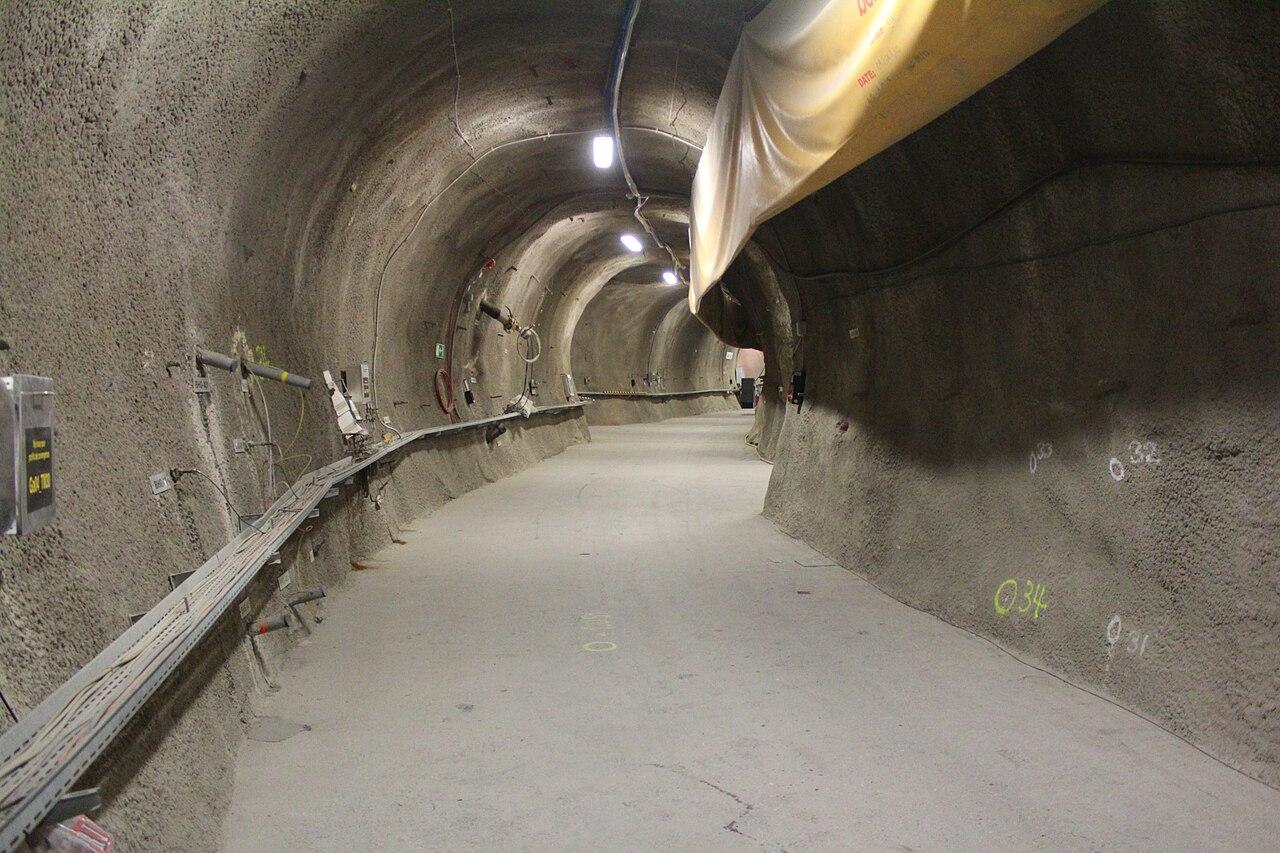
Go into the Mont Terri rock laboratory, nearly 300 m underground
Mont Terri rock laboratory, St-Ursanne, canton of Jura, Switzerlandrun by Mont Terri Project (swisstopo)
A free visit to the Mont Terri rock laboratory in the Swiss Jura, nearly 300 m below ground, where the rock for a Swiss nuclear waste repository is studied.
After coffee, the exhibition and a talk on deep geological storage at the visitor centre beside St-Ursanne station, you get a helmet and badge and ride a minibus about 1 km along the safety gallery of the A16 motorway tunnel to the laboratory, where more than 40 experiments run in some 1,200 m of galleries and niches in the Opalinus Clay. A guide walks you past almost all of them: boreholes packed with sensors on gas flow, diffusion, bacteria, CO2 and seismology, live readings from the seismic instruments, an original Leioceras opalinum fossil and a full-scale experiment showing how a deep repository is planned.
The catch
Visits are organised for groups of 10 to 40, so individuals must ask to join one. You stand and walk for 1.5 hours with no chance to sit, at about 13 °C all year, and construction work sometimes brings dirt and noise. People with reduced mobility are not allowed in the laboratory.
To take part: 13 or older; warm clothes and sturdy shoes; the helmet is handed out.
Getting there
Fly to Basel Mulhouse (BSL). About 1 h by road; the visitor centre is next to St-Ursanne railway station.
Flying time is a great-circle estimate, not a timetable.
How sure we are
Checked 27 Nov 2026 on the operator's own page: Mont Terri Project: Welcome to the visitor centre.
Questions
How much does it cost?
It is free.
When can you do it?
All year, Monday to Friday, morning or afternoon by appointment; the laboratory closes for holidays from mid-July to mid-August.
How do you book it?
Groups of about 10 or more register with the online form at least 10 days ahead; smaller groups and individuals write to visit@mont-terri.ch and may be combined with another group. At least 10 days ahead.
How do you get there?
Most people fly to BSL. About 1 h by road; the visitor centre is next to St-Ursanne railway station.
What is the catch?
Visits are organised for groups of 10 to 40, so individuals must ask to join one. You stand and walk for 1.5 hours with no chance to sit, at about 13 °C all year, and construction work sometimes brings dirt and noise. People with reduced mobility are not allowed in the laboratory.
Where
Mont Terri rock laboratory, St-Ursanne, canton of Jura, Switzerland (Europe). More in Switzerland · See what is near it on the map
Like this
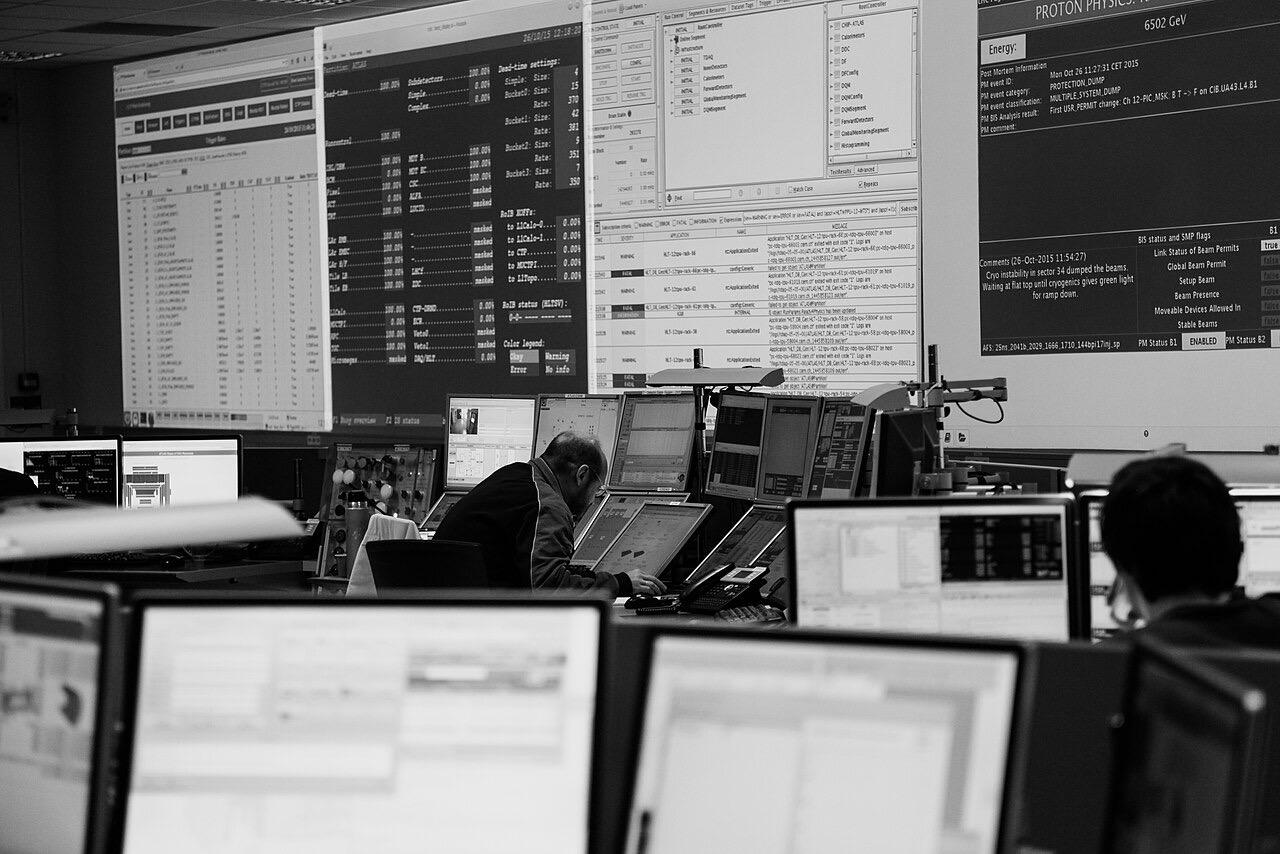
Tour CERN's ATLAS control room and its first accelerator
Free entry to CERN's Science Gateway, with 90-minute guided tours of the ATLAS control room and the 1957 Synchrocyclotron given out on the day.
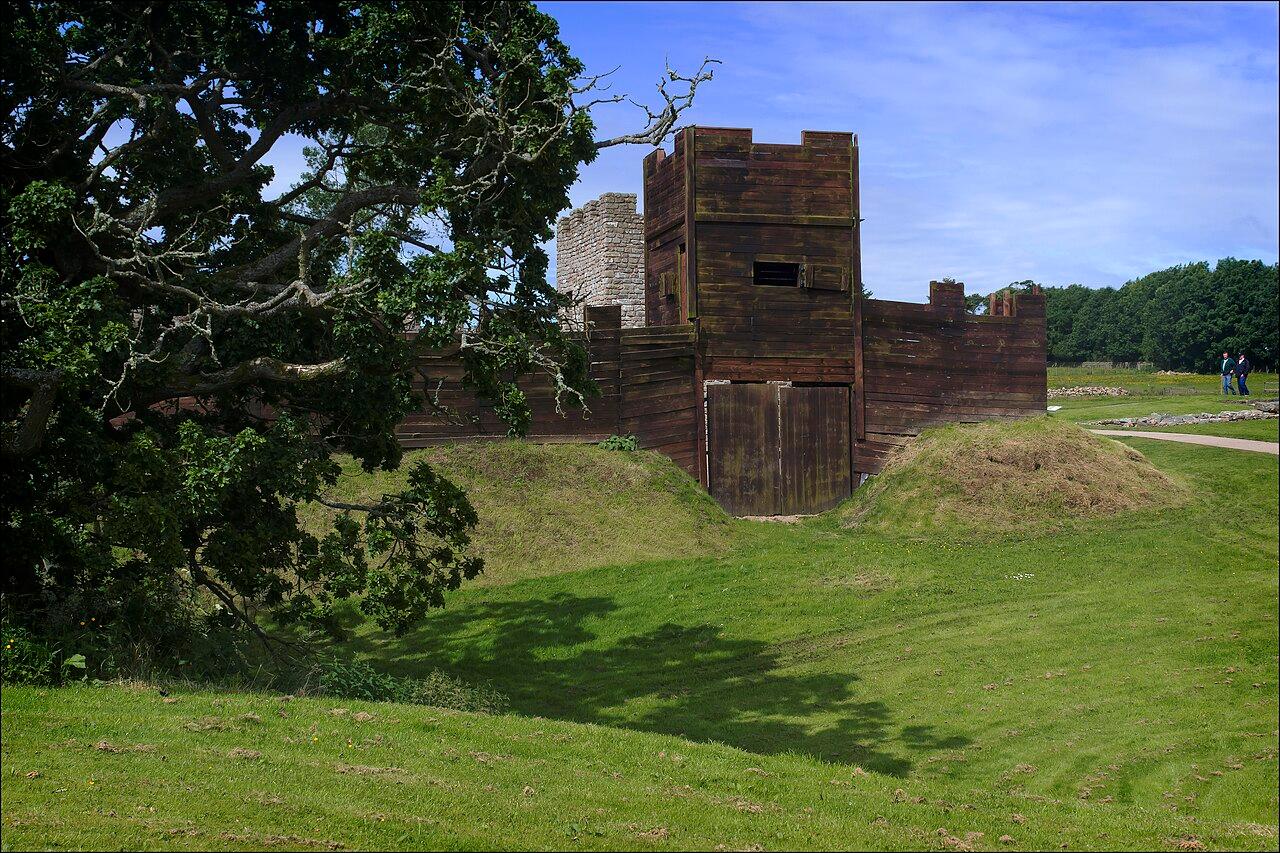
Excavate the last quadrant of a Roman fort at Vindolanda on Hadrian's Wall
Two weeks as a volunteer excavator on a live dig at Vindolanda, working with professional archaeologists on the final quadrant of the last stone fort.
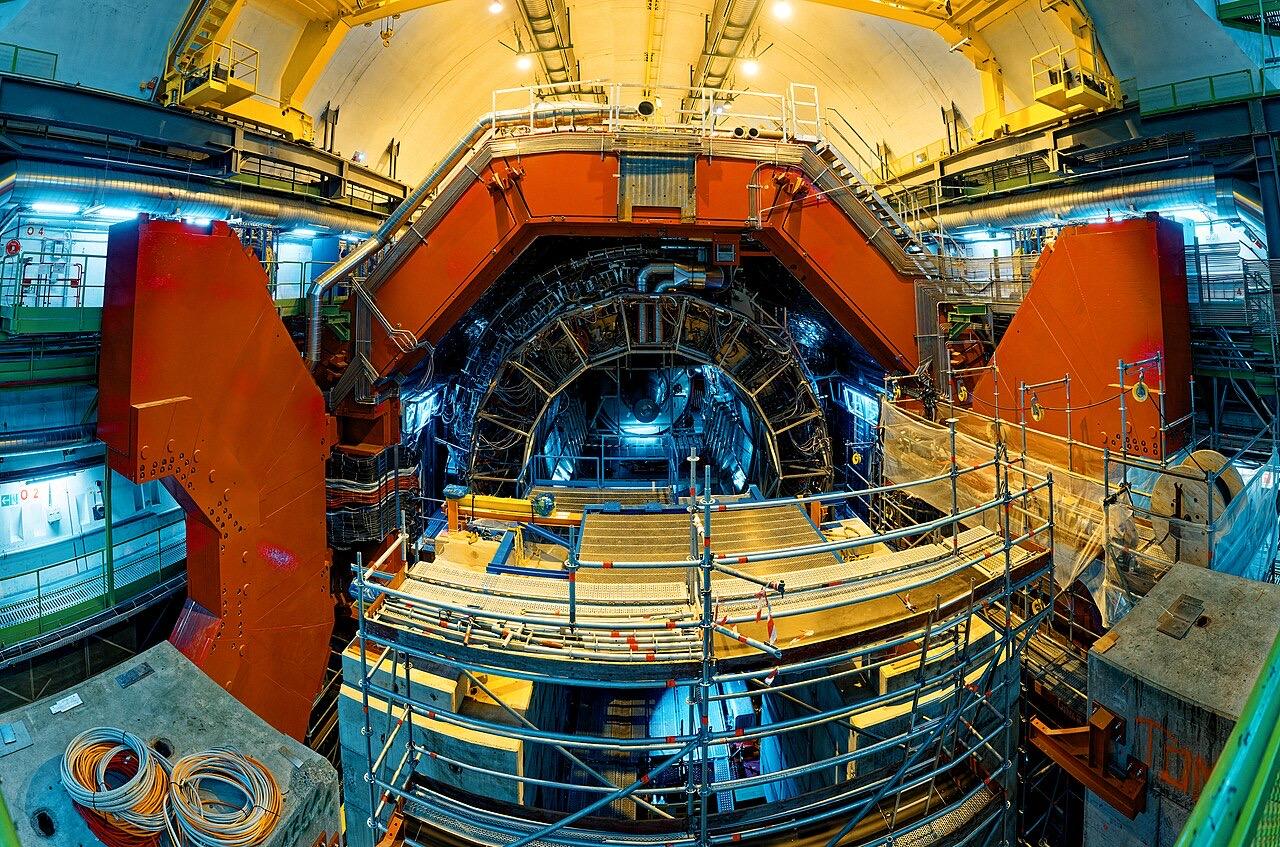
Go 56 m underground to CERN's ALICE detector cavern
A free two-hour evening tour down to the ALICE detector at LHC Point 2, open to the public only while the Large Hadron Collider is shut down.
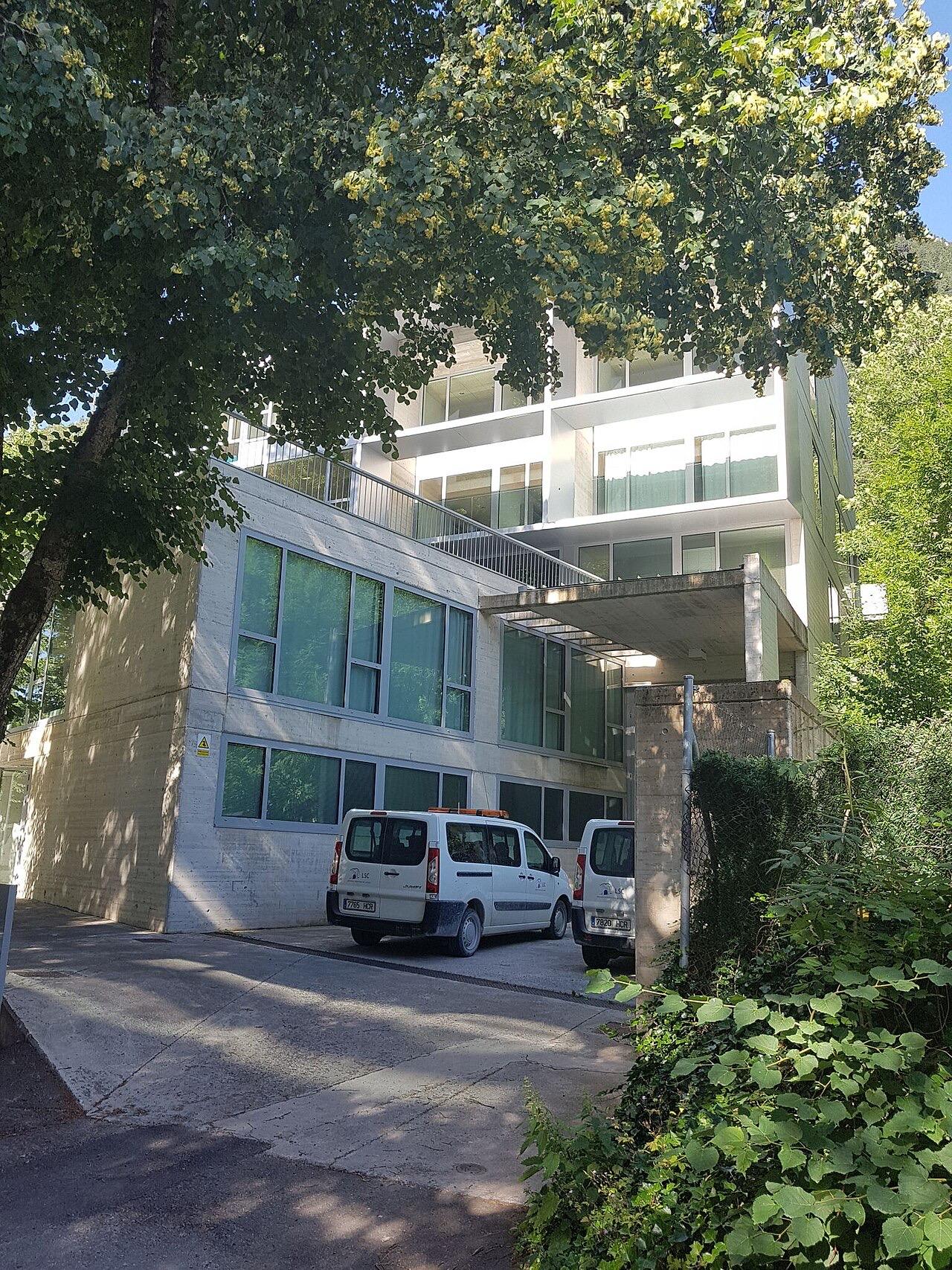
Go 800 m under the Pyrenees to the Canfranc dark matter laboratory
A free guided visit to the halls under 800 m of rock where dark matter and neutrino experiments run, open to individuals on a few summer Friday mornings.
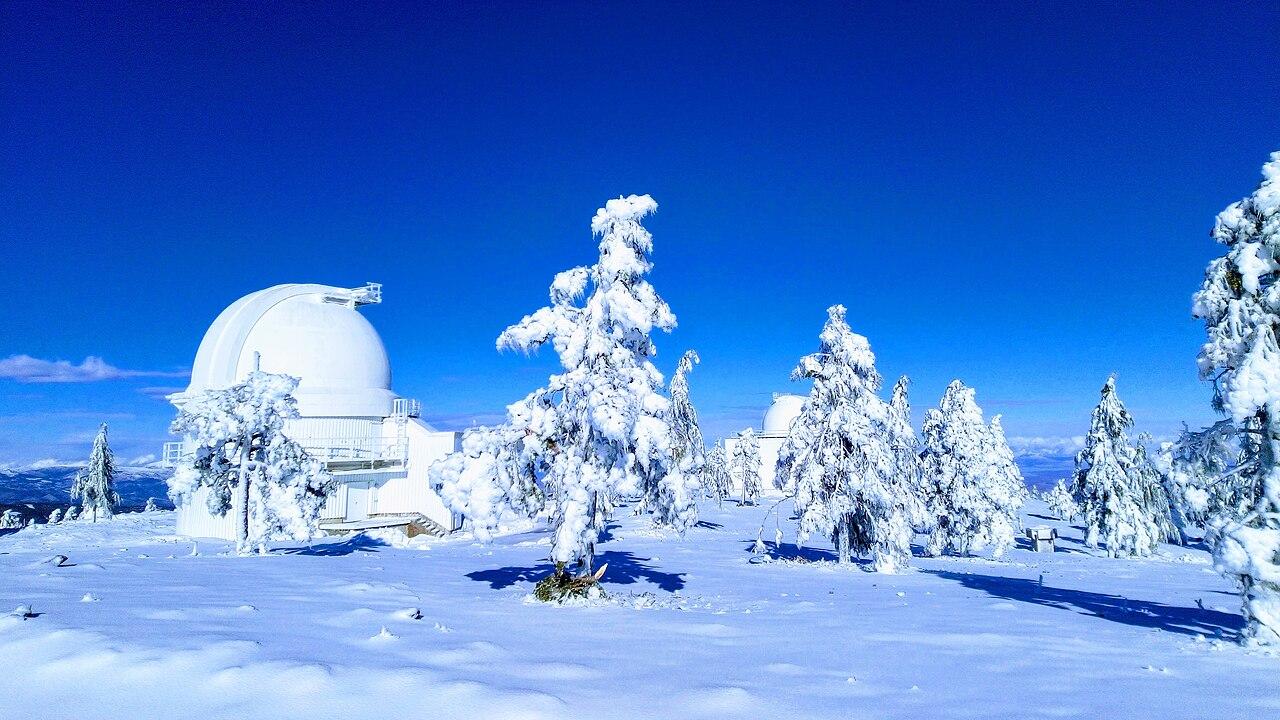
Observe the night sky through Calar Alto's 1.23 m research telescope
A night at Calar Alto Observatory in Almeria: a talk in the library, then nearly three hours at the eyepiece of the observatory's professional 1.23 m telescope.
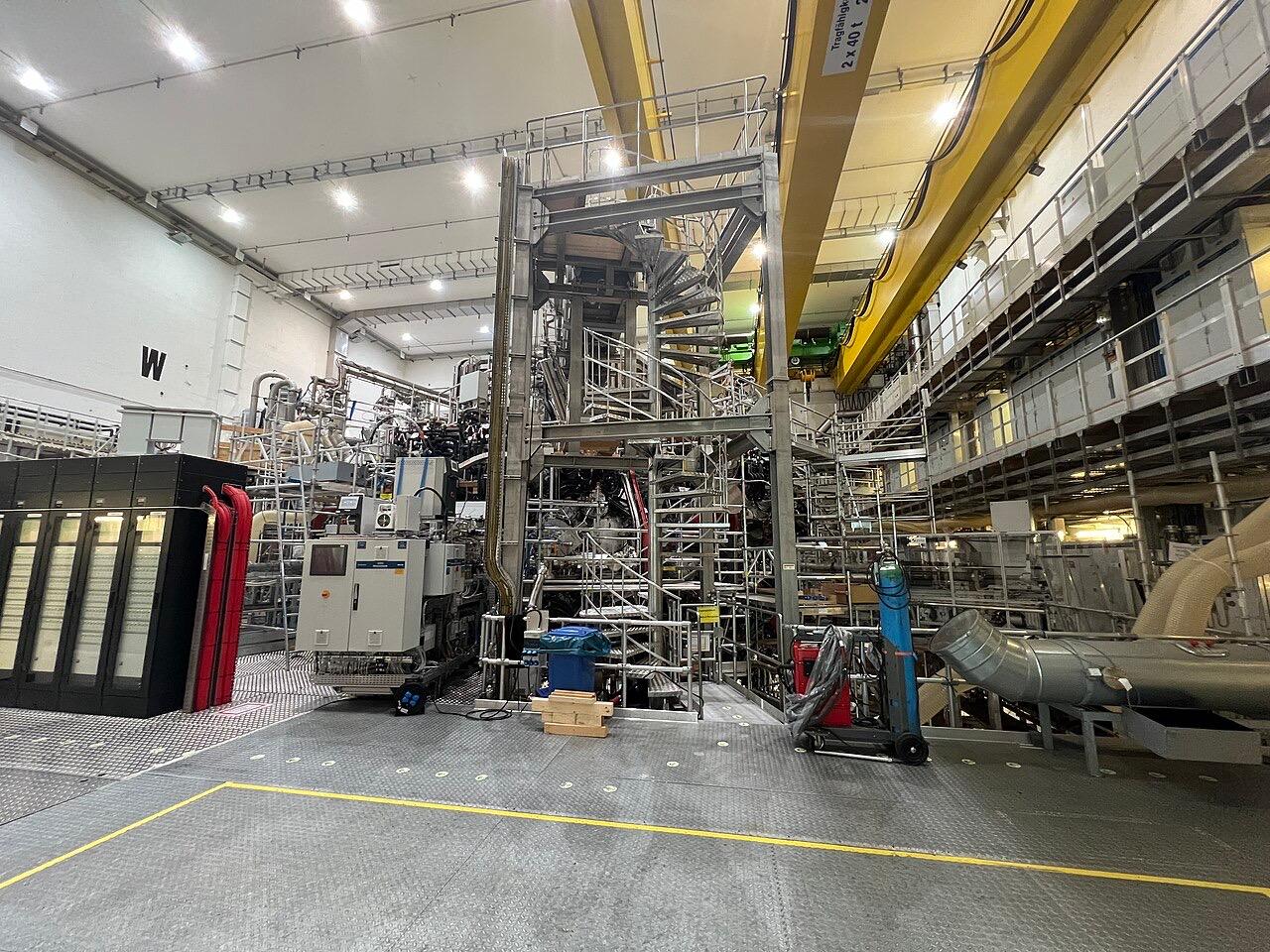
See Wendelstein 7-X, the world's largest stellarator, in Greifswald
A free lecture and tour of the hall that houses Wendelstein 7-X, the world's largest stellarator fusion experiment, on weekdays by appointment.