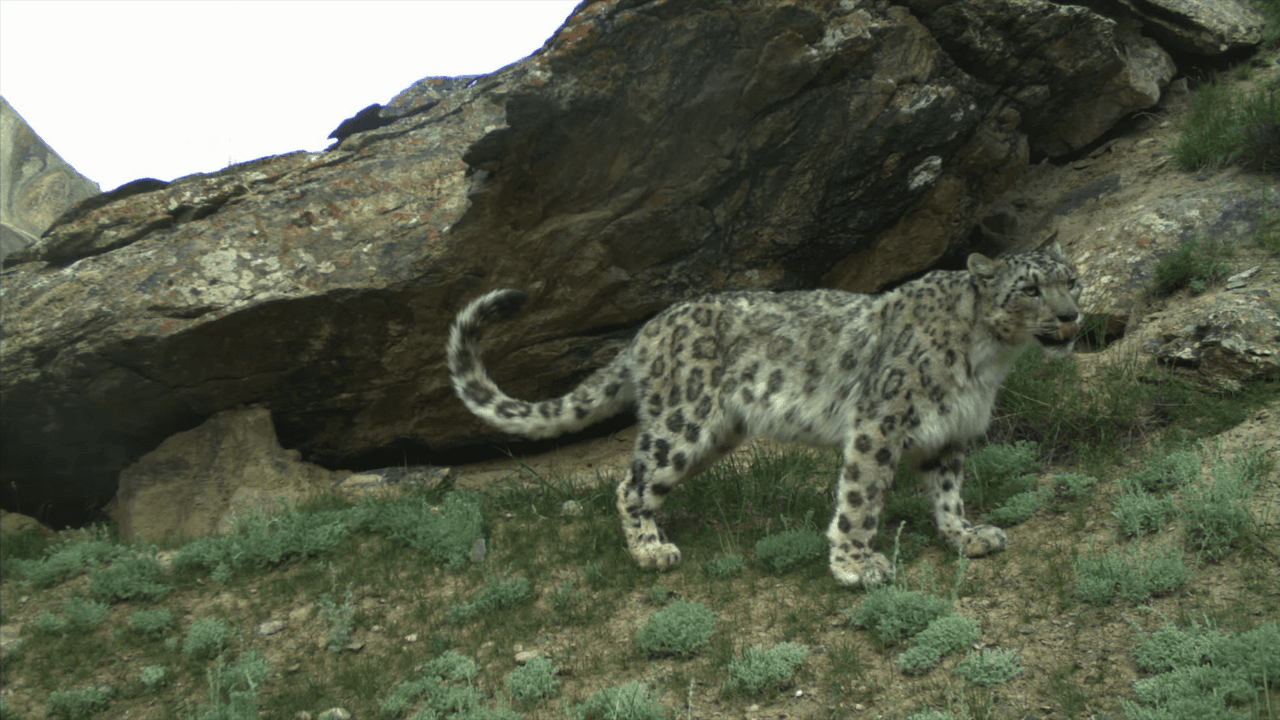
Photo: Snow Leopard Trust, CC BY 3.0
Track snow leopards for a field study in Kyrgyzstan's Tien Shan, from a mobile tent camp
Kichi Naryn valleys, Central Tien Shan, Kyrgyzstanrun by Biosphere Expeditions
Thirteen days surveying snow leopards and their prey for a real study in the Tien Shan: camera traps, tracks and scats, and nights out on a mountain.
Little is known about how many snow leopards live in the Kichi Naryn valleys of the Central Tien Shan, where the peaks around camp rise above 4,000 m, so Biosphere Expeditions sends teams of up to 12 with a local scientist and an expedition leader to find out. You drive off-road into the mountains in the expedition vehicles, then search on foot for tracks, kills, scats and the cats themselves, set and check camera traps, count argali, ibex and marmots, and talk with the herders who graze the valleys. Those who feel able can climb a mountain and spend the night up there scanning the slopes with field scopes. Back at the mobile camp of yurts, mess and kitchen, a cook feeds the team and everyone sleeps in their own dome tent.
The catch
True expedition-style camp, and the high mountain weather can turn cold with snow showers at any time. Biosphere's terms treat the wildlife it expects as intent, not a promise. Flights to Bishkek, visas and insurance are yours.
To take part: No qualifications and no age limit, but you must be able to walk 5 to 15 km a day in high mountain terrain up to 3,800 m; those less fit can work near camp or from the vehicles.
Getting there
Fly to Bishkek Manas (FRU). The team assembles in Bishkek; transport from there to the mobile base camp in the mountains is included.
Flying time is a great-circle estimate, not a timetable.
How sure we are
Checked 26 Nov 2026 on the operator's own page: Biosphere Expeditions: Tien Shan snow leopard expedition.
The price was still stated on that page on 27 Nov 2026 (our automatic re-read).
Questions
How much does it cost?
EUR 3,280 per person for a 13-day slot, flights not included; EUR 300 deposit, balance due about 100 days before the first group starts. Included: Travel between the Bishkek assembly point and base, all accommodation and base facilities, all meals, research equipment, research permits and access fees, the local scientist and helpers, and the expedition leader
When can you do it?
Three 13-day slots in 2027: 5 to 17 July and 19 to 31 July (3 places left on each) and 2 to 14 August (more than 5 left) on 26 Nov 2026. There are no other dates. Next date: 5 to 17 Jul 2027 (Snow leopard expedition, slot 1).
How do you book it?
Sign up for a slot with the form on Biosphere Expeditions' Tien Shan page; the EUR 300 deposit holds the place.
How do you get there?
Most people fly to FRU. The team assembles in Bishkek; transport from there to the mobile base camp in the mountains is included
What is the catch?
True expedition-style camp, and the high mountain weather can turn cold with snow showers at any time. Biosphere's terms treat the wildlife it expects as intent, not a promise. Flights to Bishkek, visas and insurance are yours.
Where
Kichi Naryn valleys, Central Tien Shan, Kyrgyzstan (Asia). More in Kyrgyzstan · See what is near it on the map
Like this
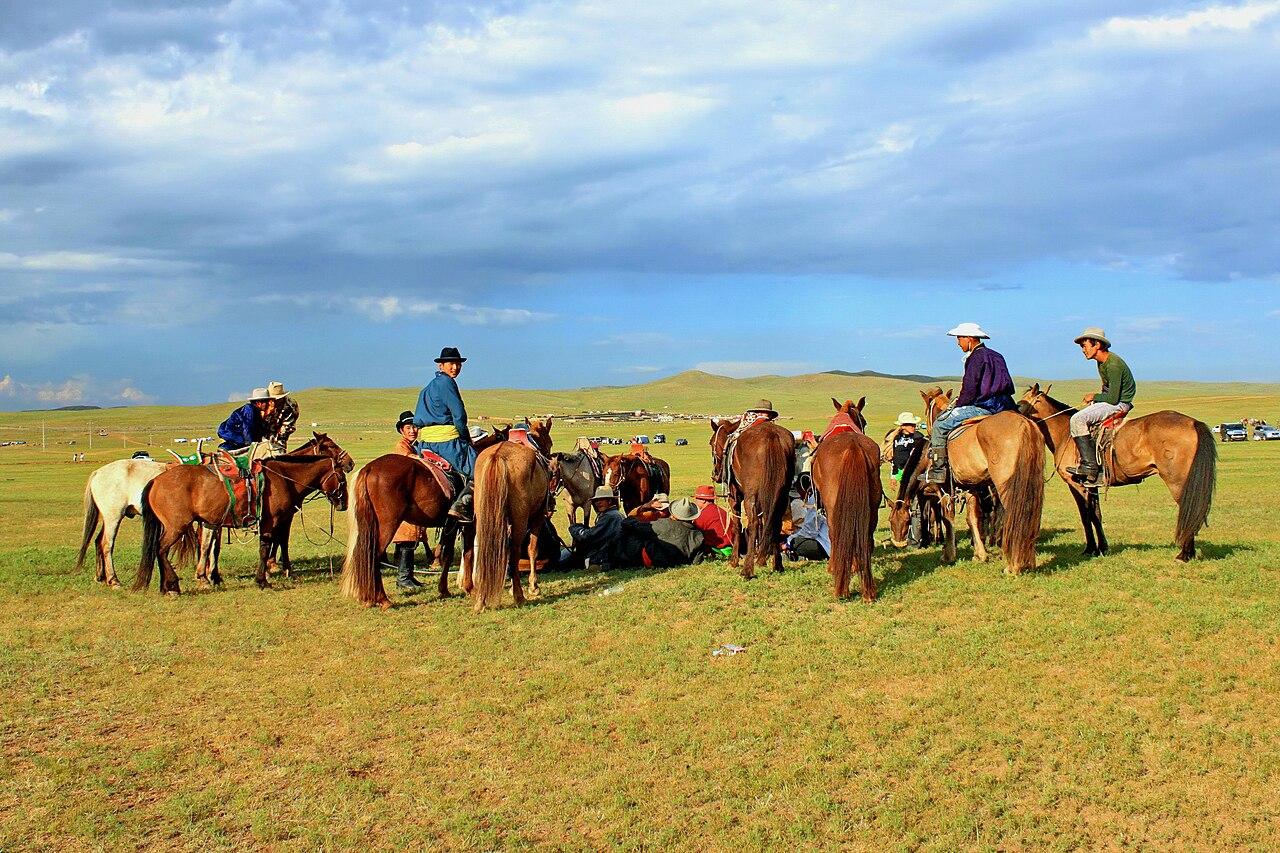
Ride two weeks into Mongolia's Khan Khentii wilderness on a horseback expedition with rangers
Stone Horse's longest ride of the year: from Gorkhi Terelj up the Tuul river into the Khan Khentii Strictly Protected Area, camping by lakes and rivers and helping with the park's conservation work.
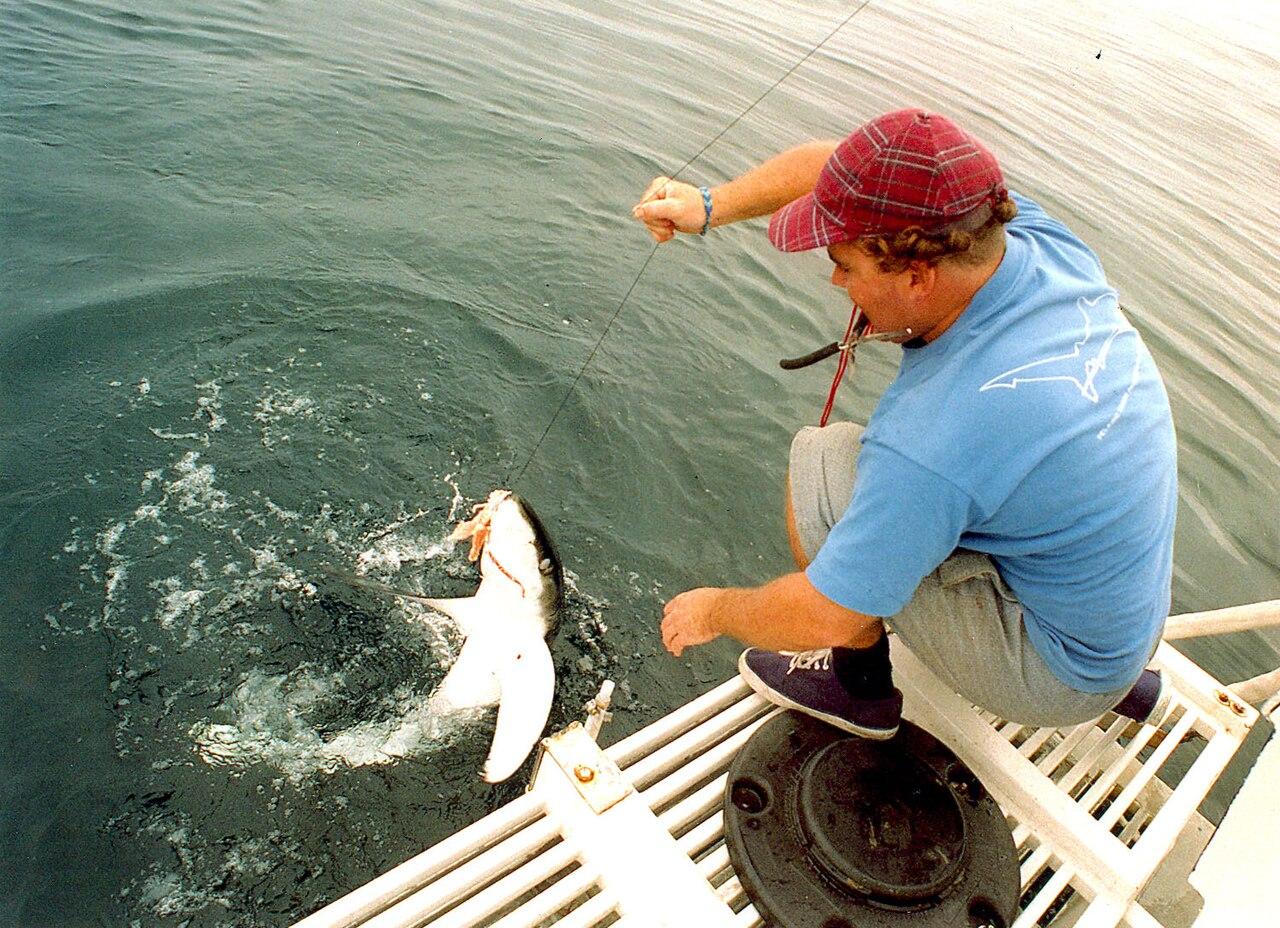
Set longlines at night and tag wild sharks with scientists in Belize
A week on Belize's coast with shark scientist Demian Chapman's team and local fishers: set longlines, haul them after dark, then measure, tag and release the sharks.
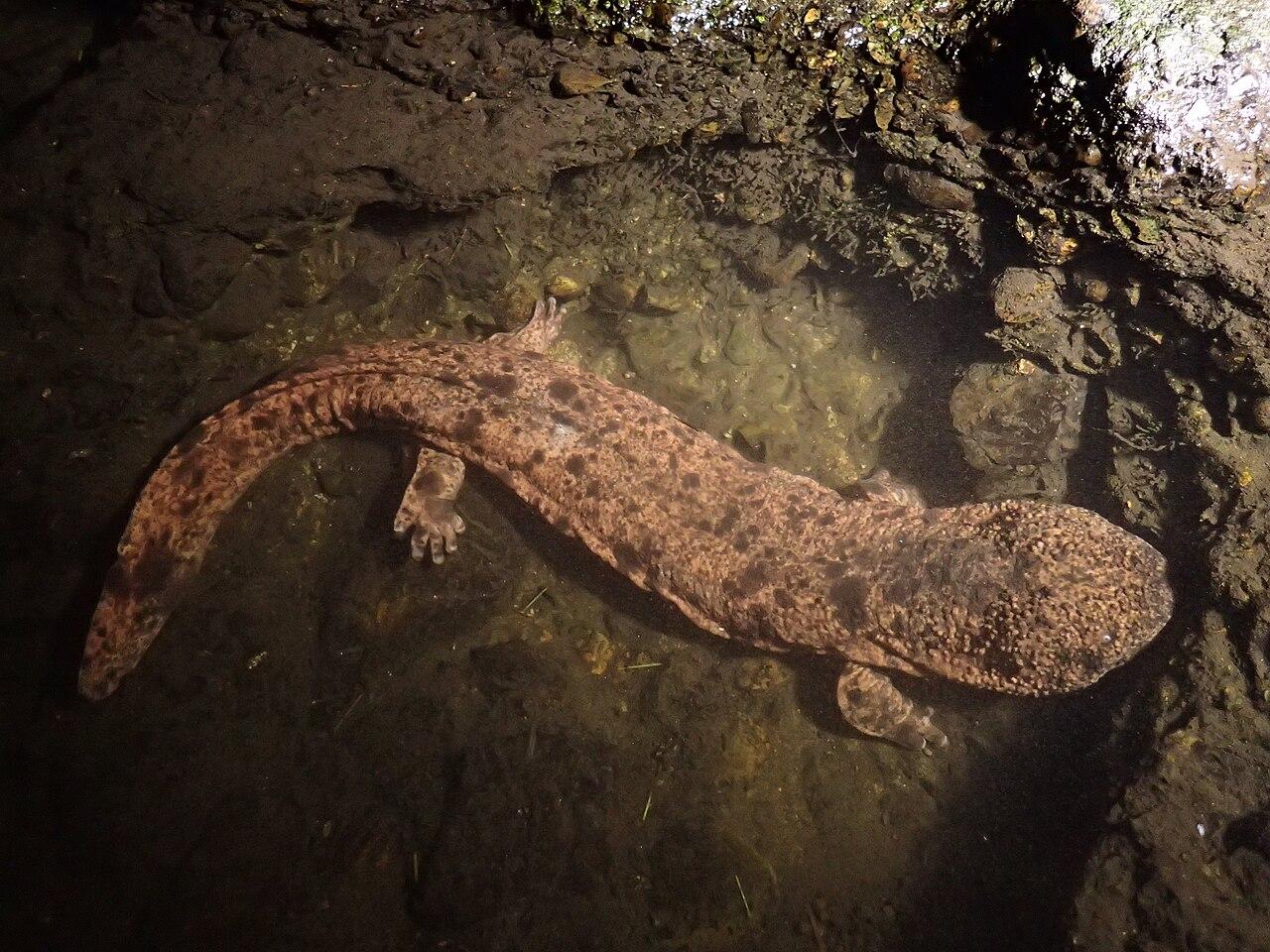
Snorkel Japan's mountain streams with giant salamanders up to 1.5 m long
Two or three days in the mountain rivers of Gifu, Japan, with a local expert, finding the world's second-largest amphibian hiding under the rocks.
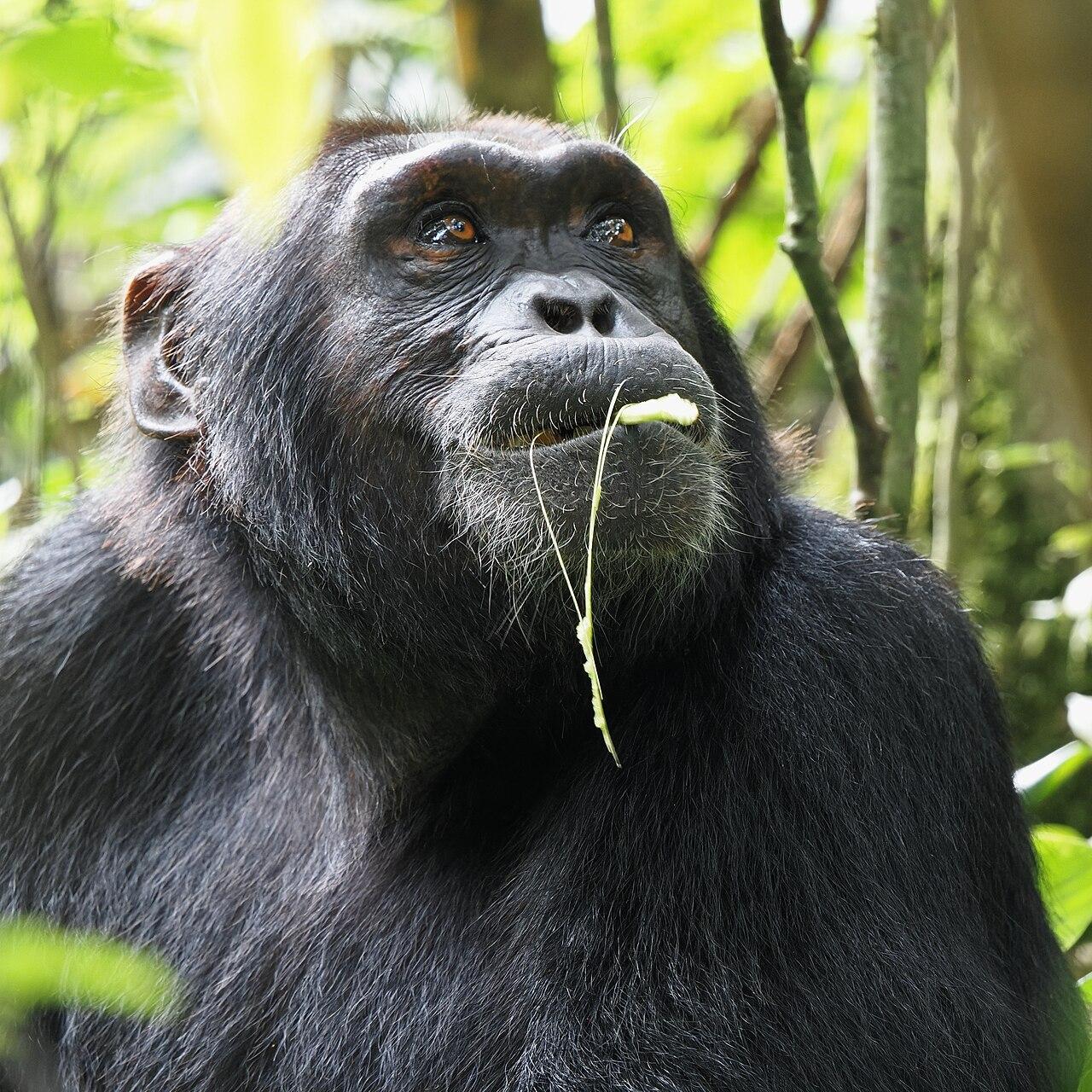
Spend a whole day with a chimpanzee community still being habituated in Kibale
Join the researchers following a chimpanzee group in Kibale Forest from the moment it wakes, instead of the usual one-hour visit.
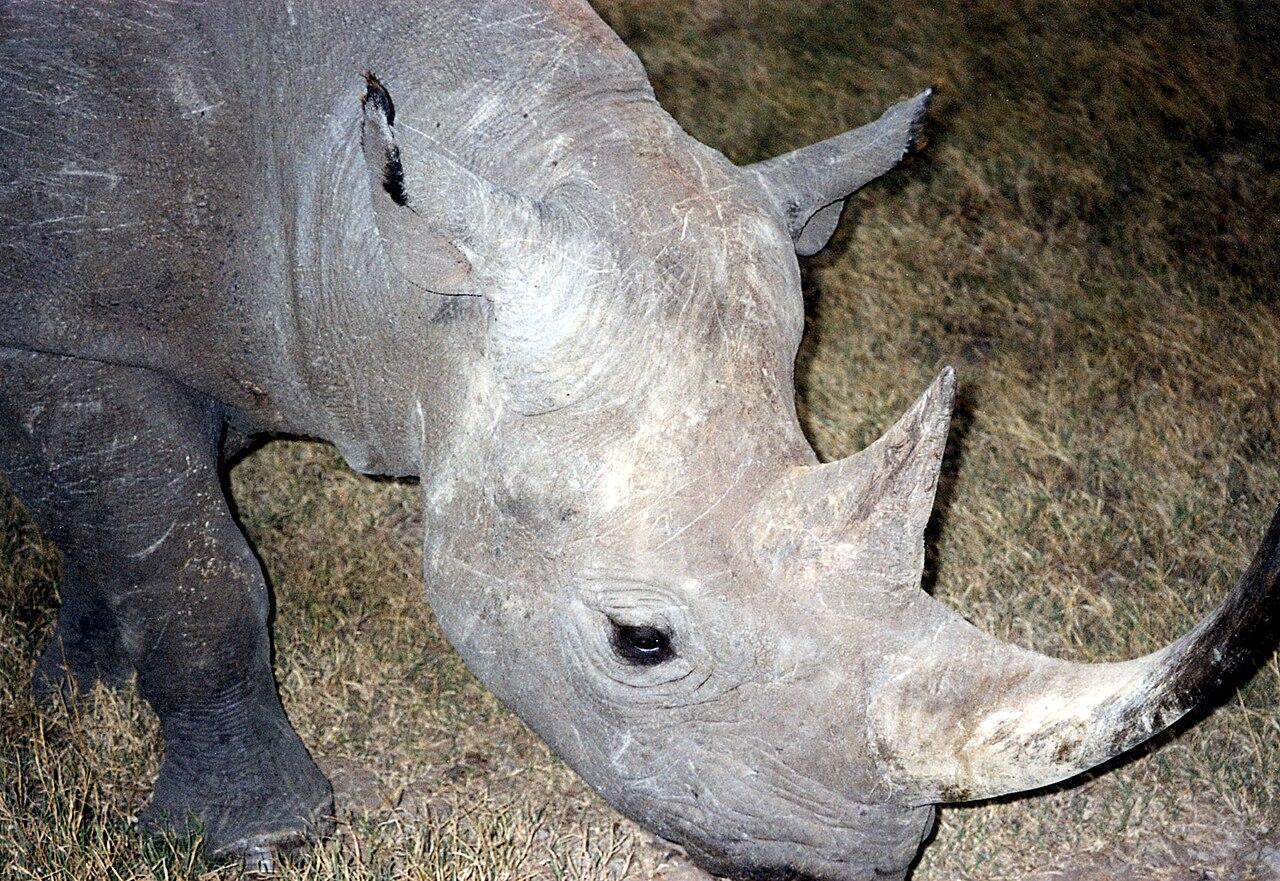
Track black rhinos on foot at Ol Pejeta and measure the habitat they need
Ten days in Kenya: walk research transects for black rhinos at Ol Pejeta with Kenyan scientists, identify them by ear notches, then meet rescued elephants at Reteti.
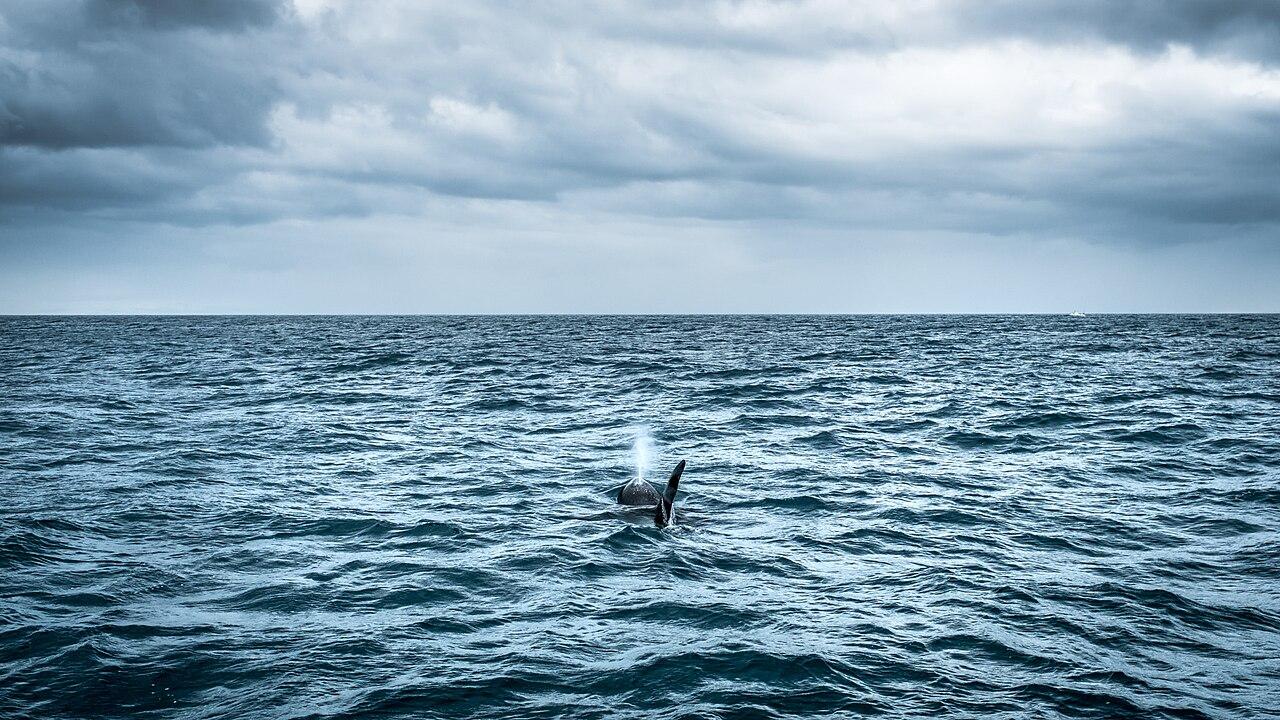
Track Iceland's orcas from research boats and cliff lookouts to learn what they eat
Eight days ending with three to four research days on the Westman Islands, photographing orca dorsal fins from small boats and lookouts for the Icelandic Orca Project.