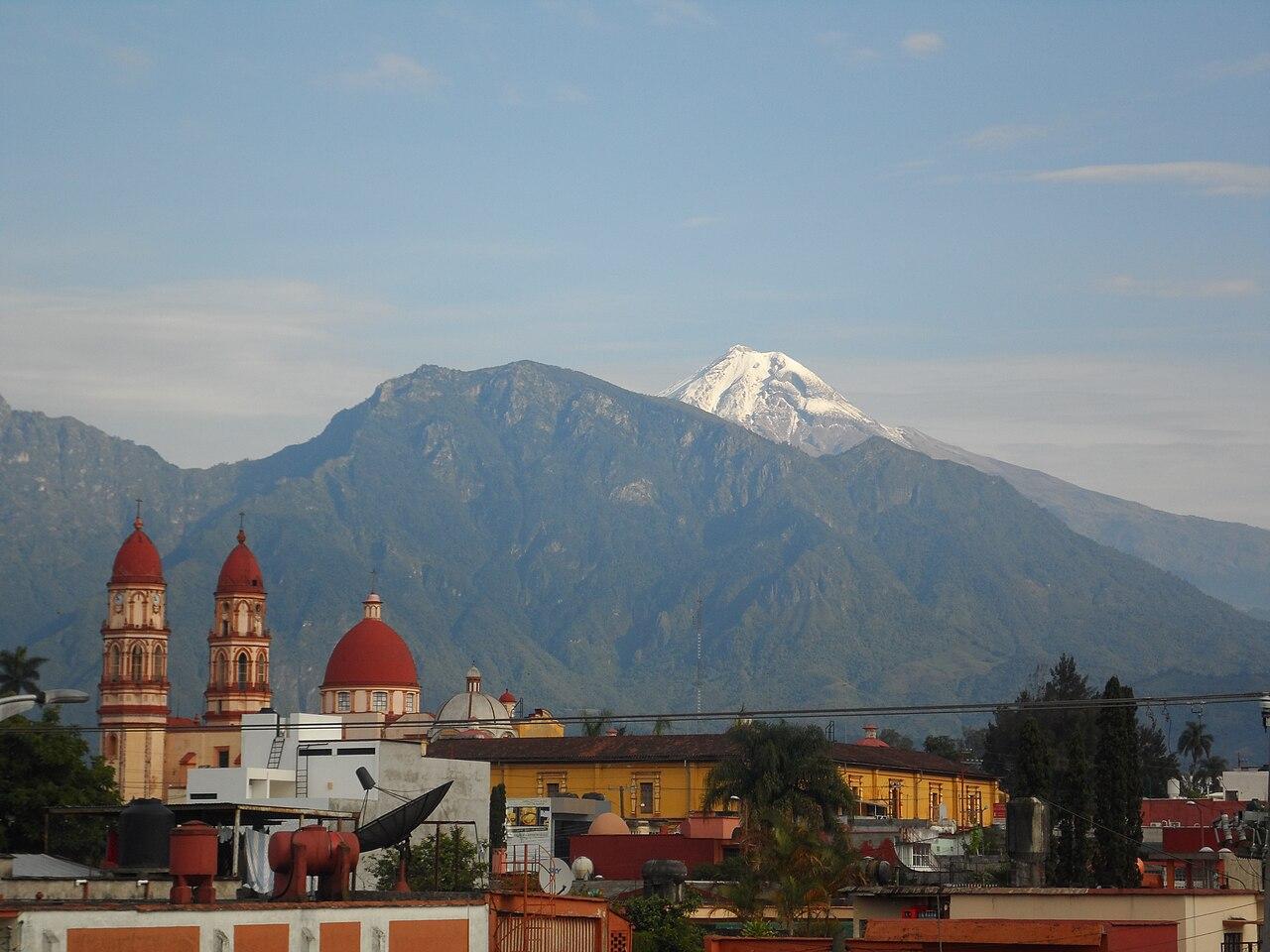
Photo: Bercarpin, CC BY-SA 3.0
Climb Pico de Orizaba, 5,636 m, Mexico's highest volcano, in a week
Pico de Orizaba (Citlaltépetl), Puebla and Veracruz, Mexicorun by Benegas Brothers Expeditions
Seven days from Mexico City to the glaciated summit of North America's third-highest peak, with porters carrying the gear and one guide for every two climbers on the glacier.
The Orizaba Express flies you into Mexico City, acclimatises you on the way east through Tlaxcala and Puebla, and moves up to the mountain, where porters carry all the gear and you climb with a day pack. Summit day is day 6: a 1am start onto the glacier with crampons and ice axe, which the guides teach you on the way, to the 5,636 m crater rim. Teams are capped at six, with one guide for every two climbers on the glacier.
The catch
A departure needs at least three climbers to run, so book changeable flights until it is confirmed. The altitude and the 1am summit start are what make it hard; rescue insurance must cover helicopter evacuation to 5,636 m.
To take part: No technical climbing experience needed; good training, a sleeping bag rated to -18 C, and insurance covering mountaineering and helicopter rescue to 5,636 m.
Getting there
Fly to Mexico City (MEX). The trip starts and ends at Mexico City airport; ground transport and the 4WD to the mountain hut are included.
Flying time is a great-circle estimate, not a timetable.
How sure we are
Checked 26 Nov 2026 on the operator's own page: Benegas Brothers Expeditions: Orizaba Express.
The price was still stated on that page on 27 Nov 2026 (our automatic re-read).
Questions
How much does it cost?
USD 5,000 per climber, the same on every departure. Included: Ground transport and 4WD transfers, lodging from Mexico City to Puebla, all meals, group climbing and camping gear, porters, guides, a training plan and the climbing permits
When can you do it?
November to February. 2026-27 departures: 14 to 20 November and 5 to 11 December 2026, 23 to 29 January and 13 to 19 February 2027, all booking on 26 Nov 2026. Next date: 5 to 11 Dec 2026 (Orizaba Express).
How do you book it?
Apply for a departure on Benegas Brothers' Orizaba page; places are confirmed after a call with a guide, your deposit and approval of your climbing background.
How do you get there?
Most people fly to MEX. The trip starts and ends at Mexico City airport; ground transport and the 4WD to the mountain hut are included
What is the catch?
A departure needs at least three climbers to run, so book changeable flights until it is confirmed. The altitude and the 1am summit start are what make it hard; rescue insurance must cover helicopter evacuation to 5,636 m.
Where
Pico de Orizaba (Citlaltépetl), Puebla and Veracruz, Mexico (Latin America and the Caribbean). More in Mexico · See what is near it on the map
Like this
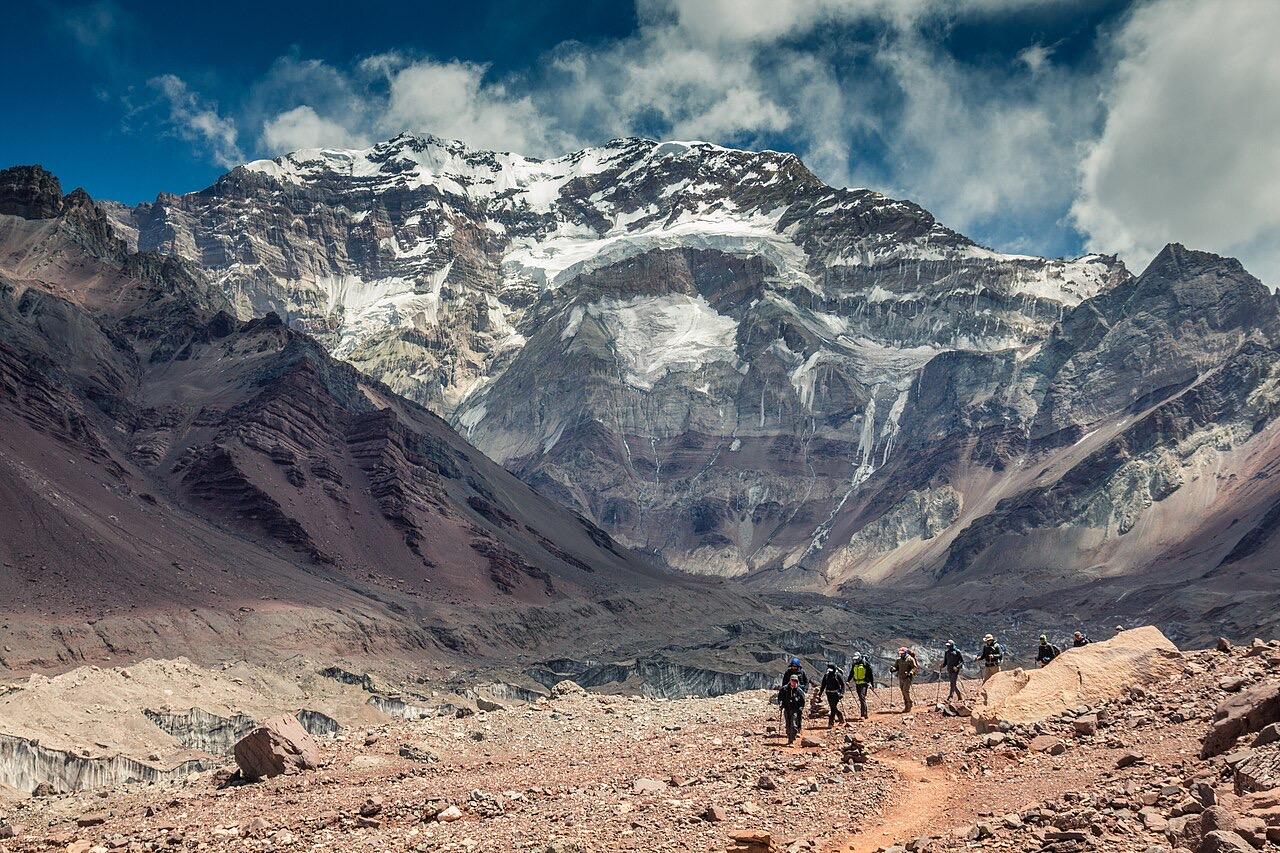
Climb Aconcagua, 6,961 m, in 16 days after acclimatising at home
Sleep four weeks in a hypoxic tent at home, then climb the highest mountain outside Asia by the Normal Route from Plaza de Mulas on a 16-day guided trip.
Climb Aconcagua, 6,961 m, on a 19-day expedition that acclimatises on the mountain
The full Normal Route expedition: acclimatise on the mountain with a 5,100 m Cerro Bonete summit, carry loads to three high camps, then push for the top.
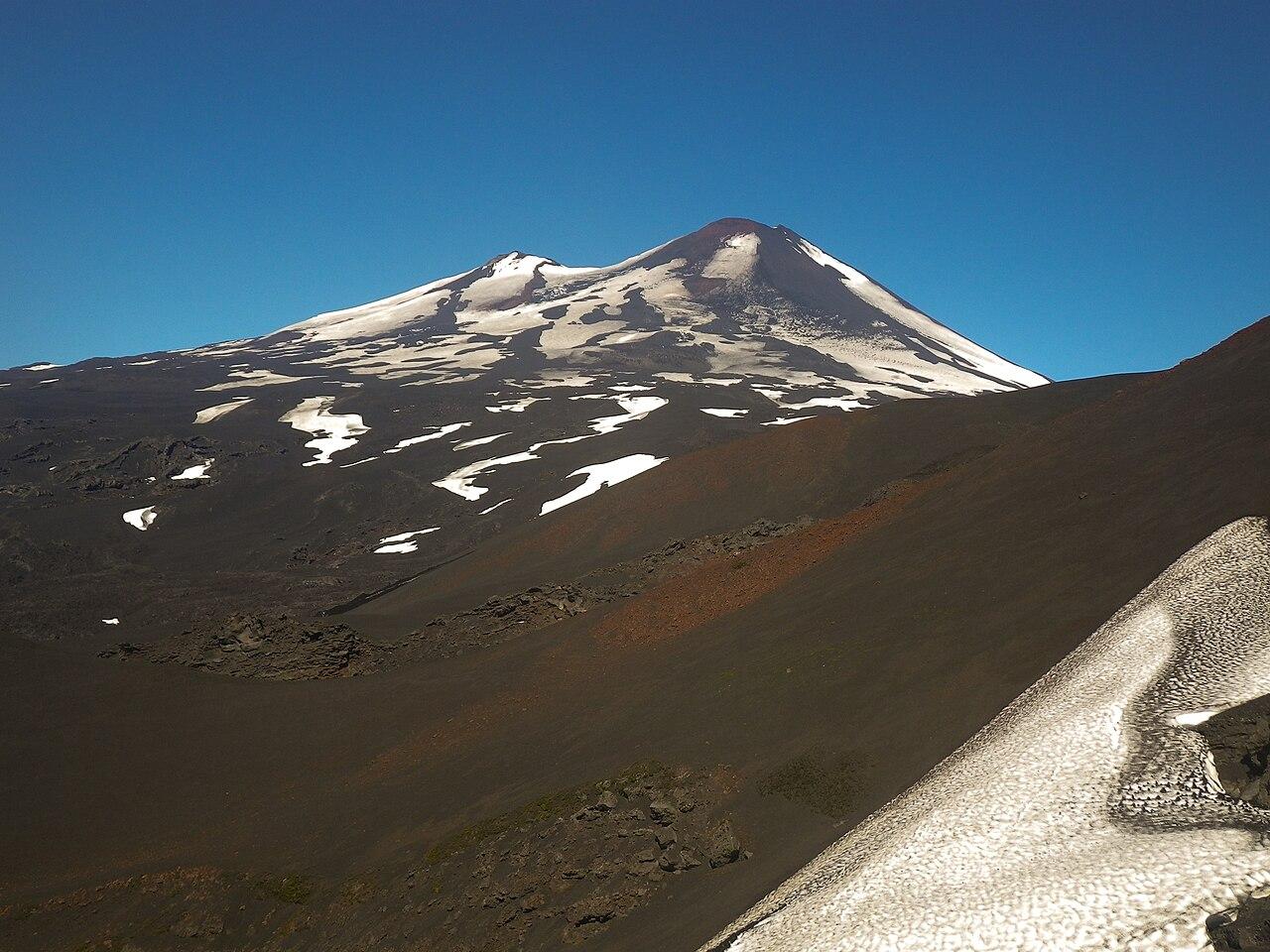
Climb and ski five volcanoes in southern Chile, from Lonquimay to Osorno
Thirteen days, five Andean volcanoes, five summit days on skins and crampons, each with up to 5,000 ft of climbing and the long ski run back down.
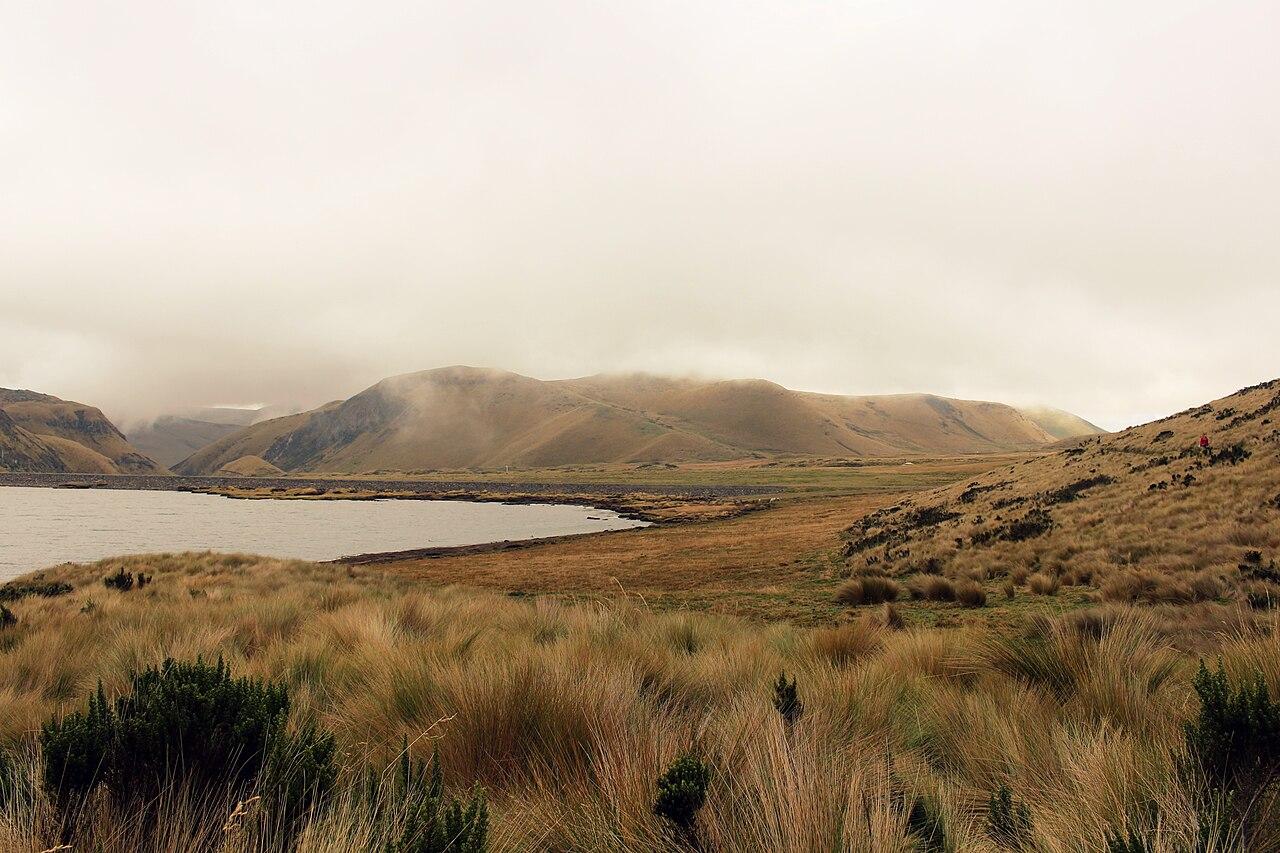
Climb Antisana, Ecuador's seldom-climbed 5,758 m glacier volcano, after Illiniza Sur
Ten days in Ecuador: Illiniza Sur's snow and ice up to 50 degrees to acclimatise, then a 1 am start up Antisana's glaciers and past its summit bergschrund.
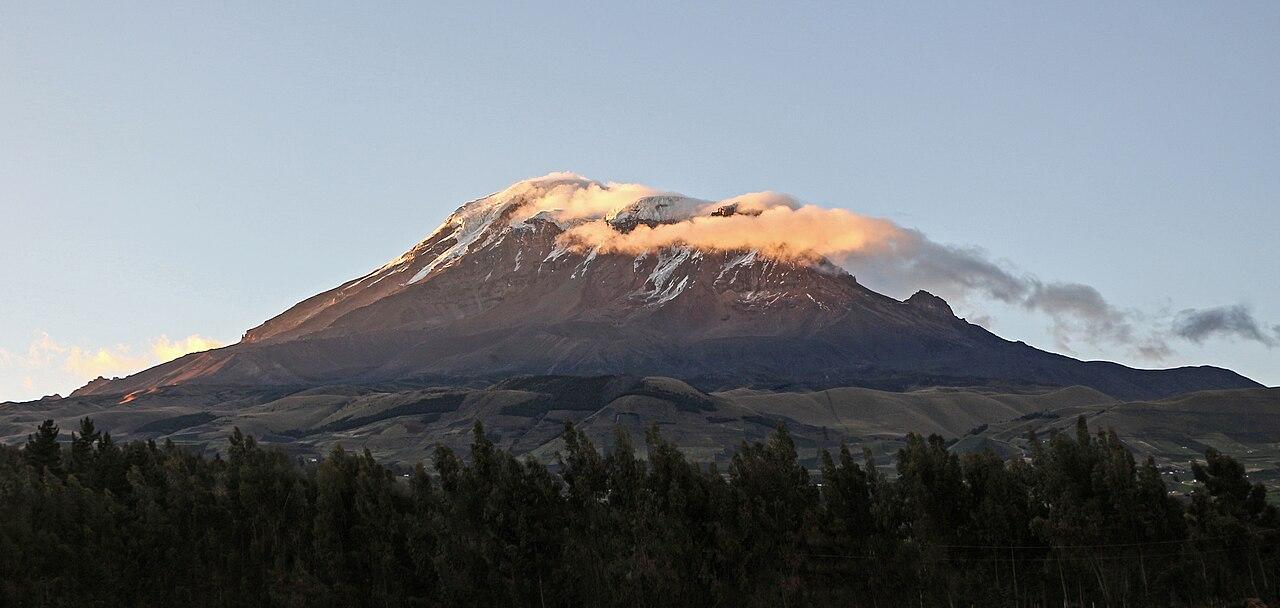
Climb Chimborazo, the summit farthest from the centre of the Earth
A midnight start on Ecuador's 6,263 m volcano, whose summit sits farther from the Earth's centre than Everest's because of the equatorial bulge.
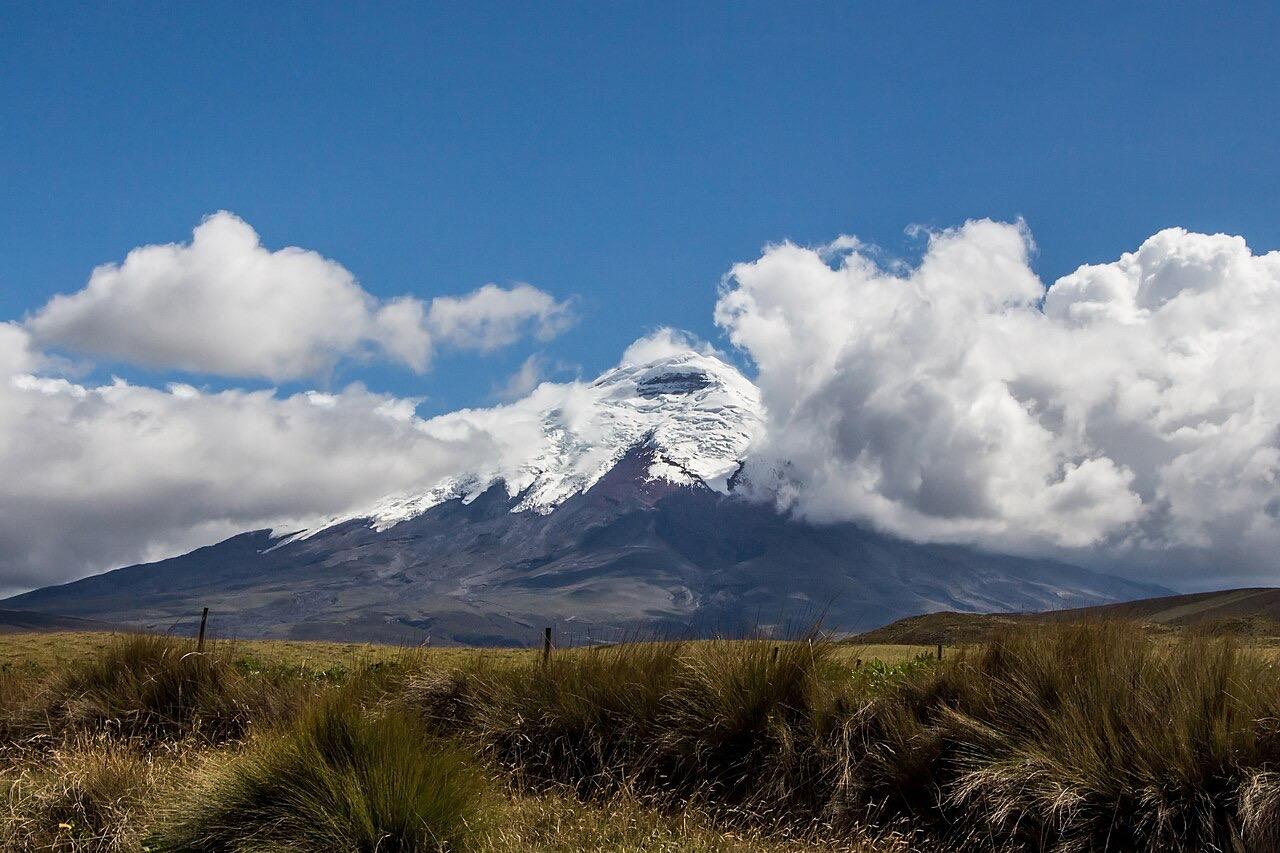
Climb Cotopaxi, 5,897 m, after three acclimatisation peaks
Six days that build up over Pasochoa, Corazon and Iliniza Norte before a summit attempt on the glaciated cone of Cotopaxi (5,897 m) in Ecuador.