Join a wildlife research expedition: tag sharks, track rhinos, orcas, bears and snow leopards with scientists
· 7 experiences compared · By FarOut
The experiences in this guide
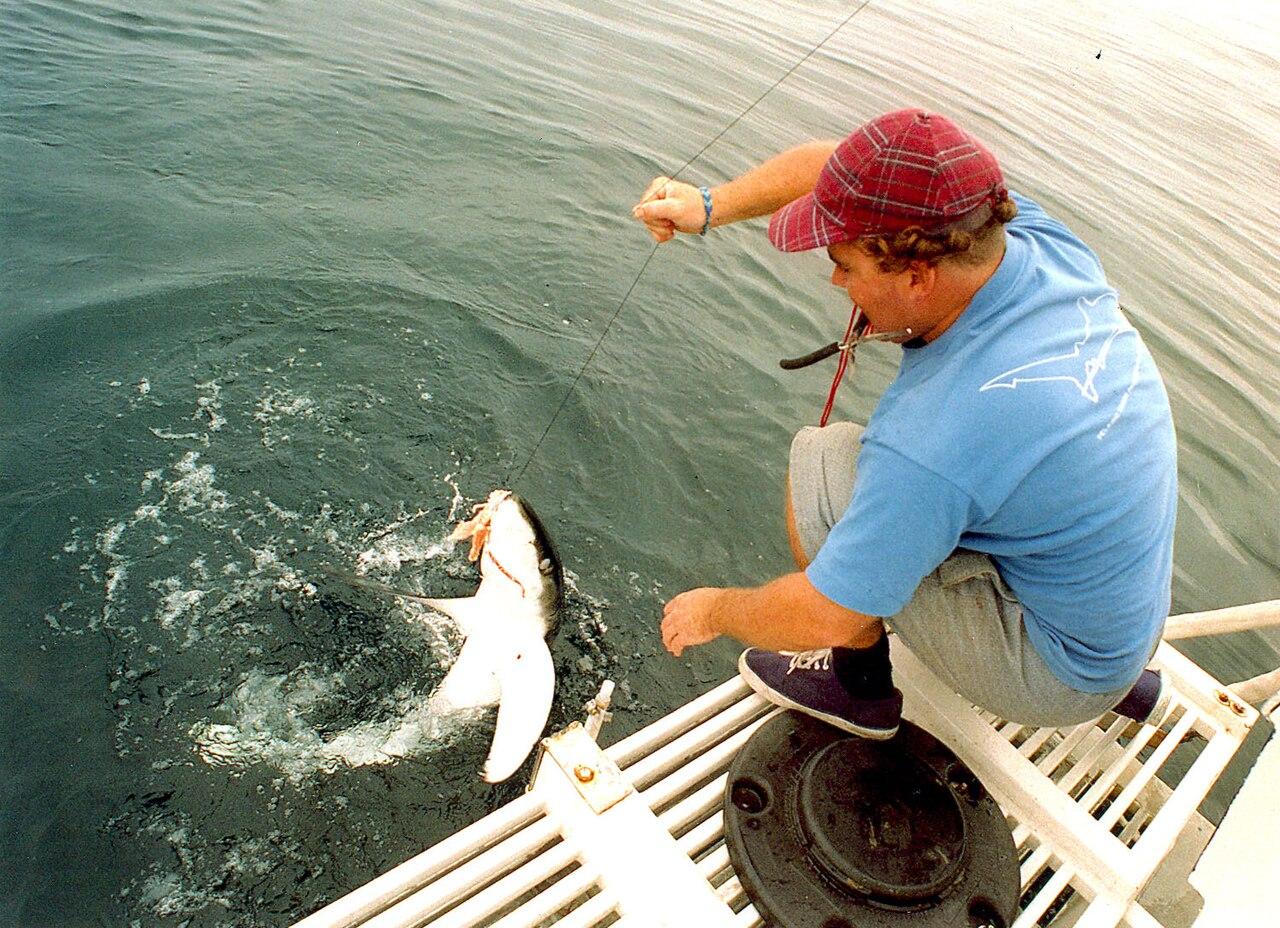
Set longlines at night and tag wild sharks with scientists in Belize
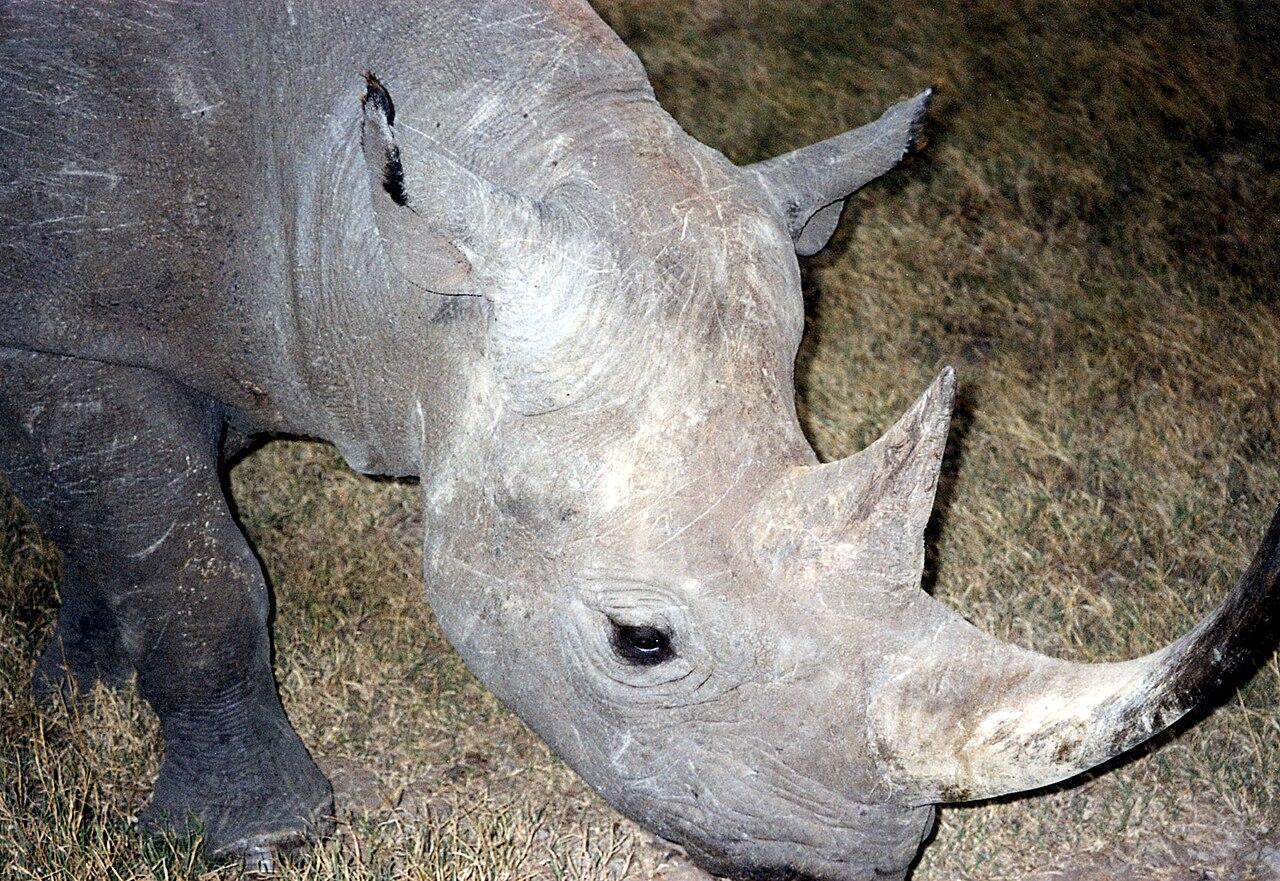
Track black rhinos on foot at Ol Pejeta and measure the habitat they need
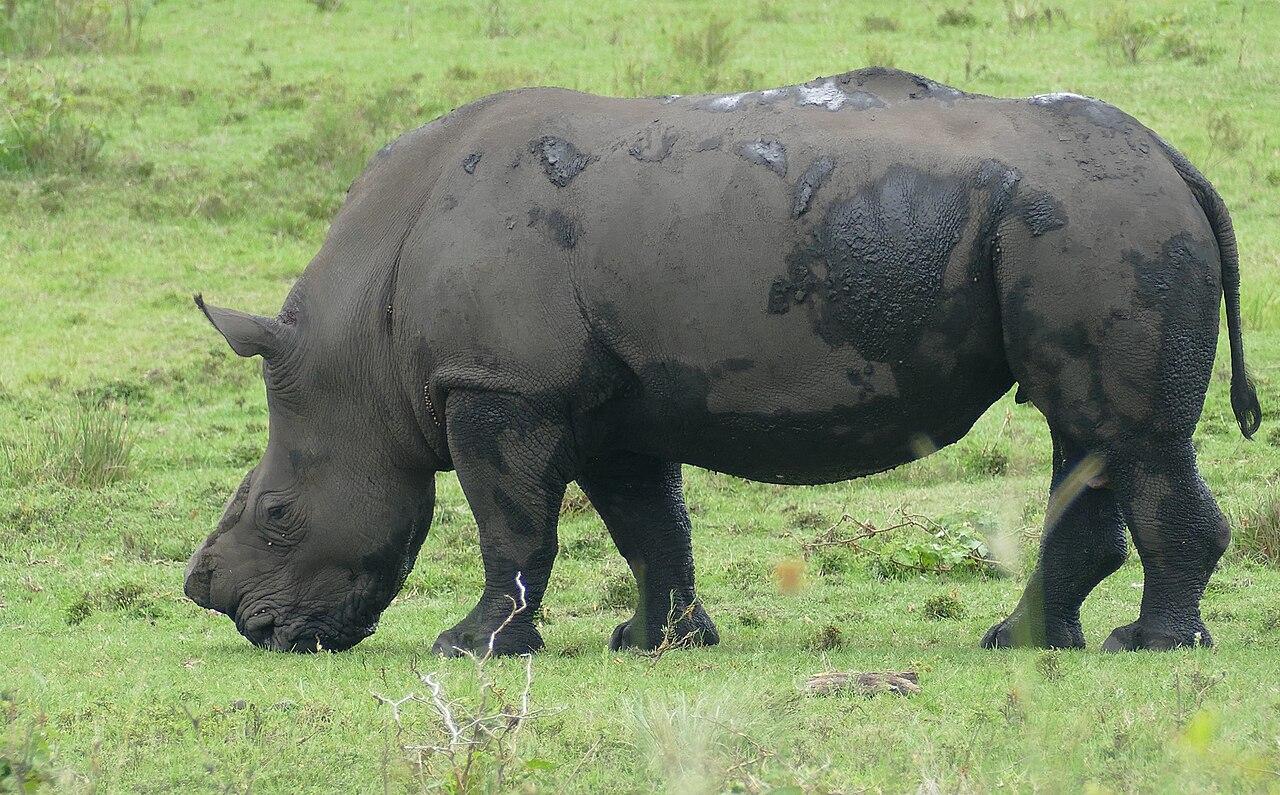
Track wild rhinos and help vets trim a rhino's horn in Greater Kruger
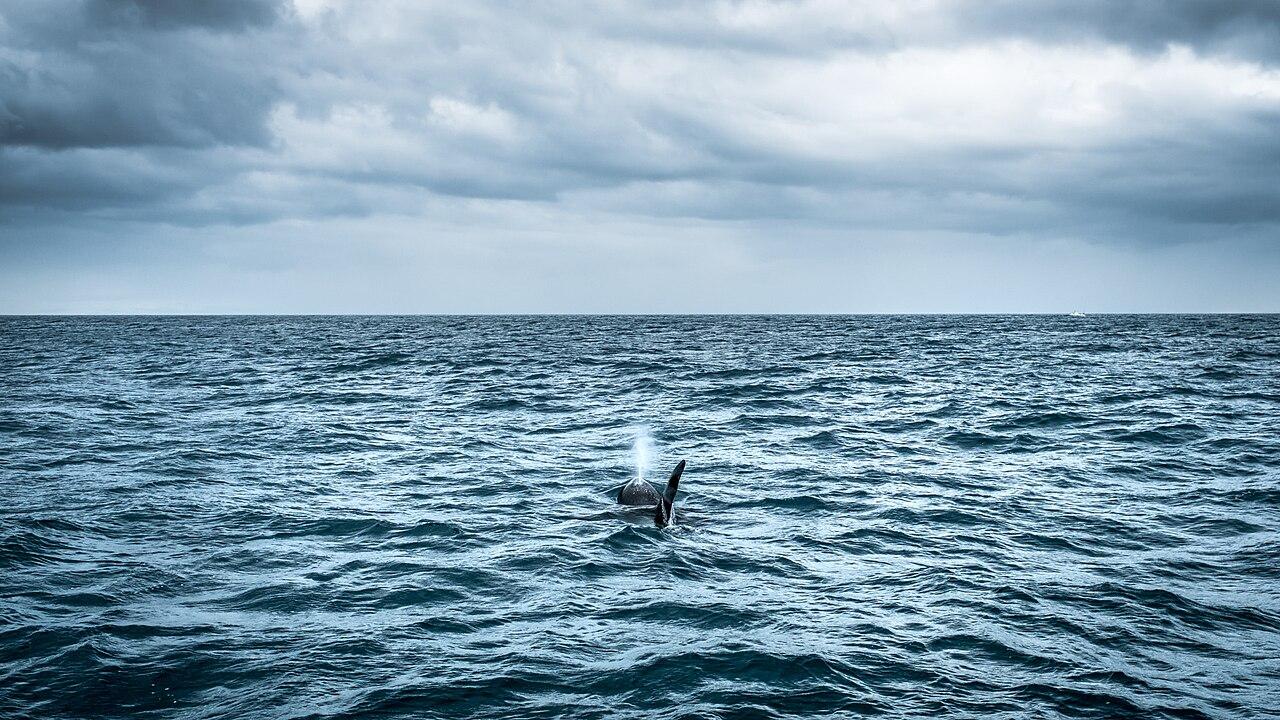
Track Iceland's orcas from research boats and cliff lookouts to learn what they eat
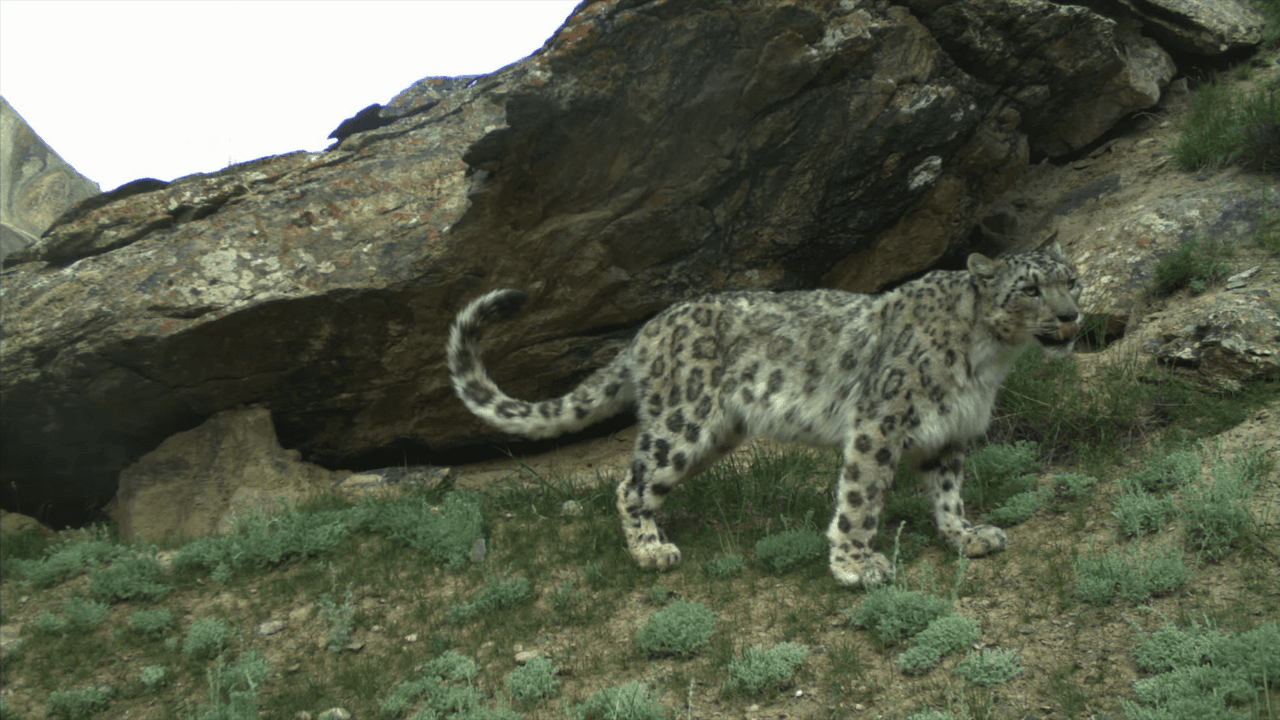
Track snow leopards for a field study in Kyrgyzstan's Tien Shan, from a mobile tent camp
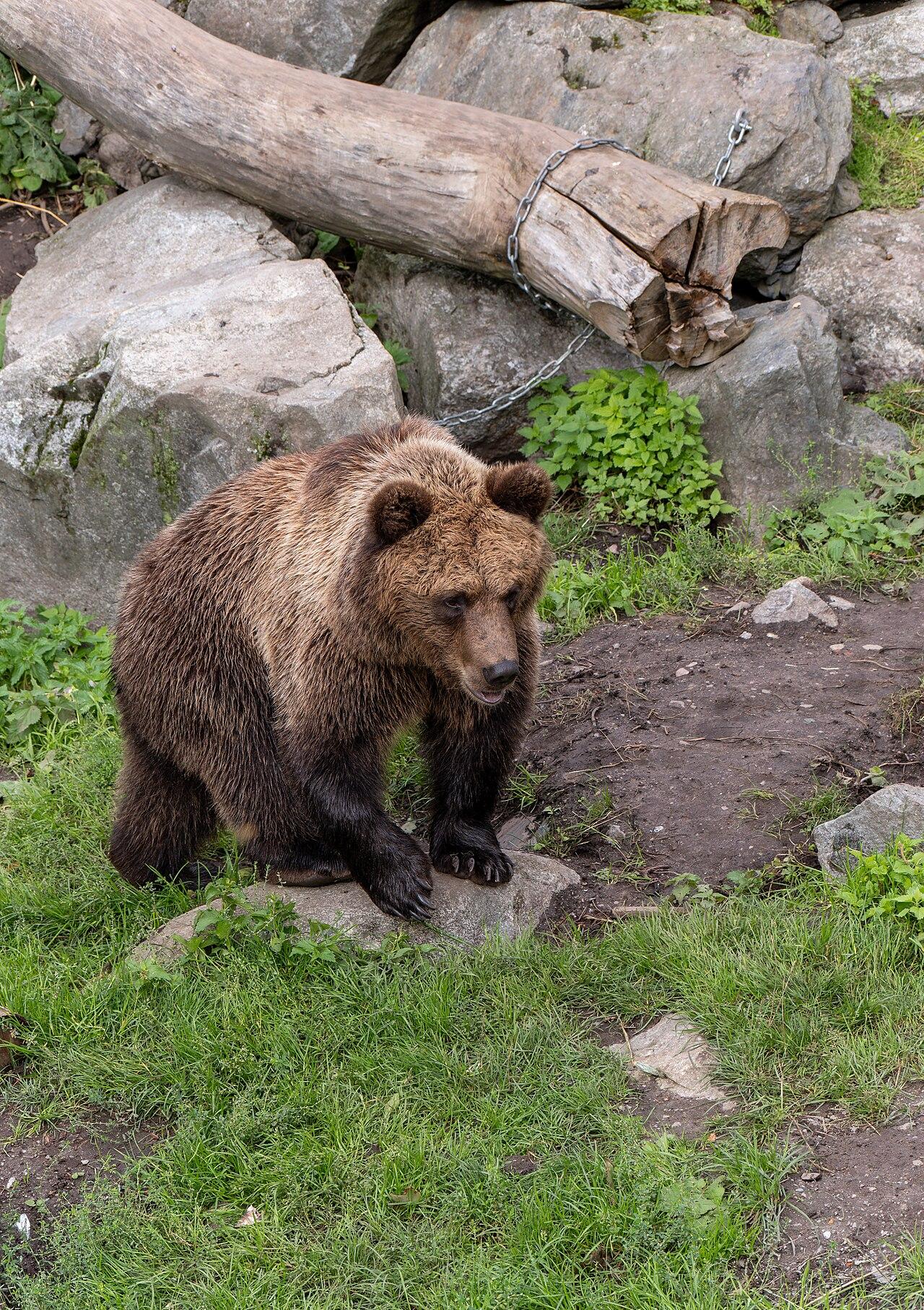
Hike to the winter dens of GPS-collared brown bears in Sweden's forests and measure them for science
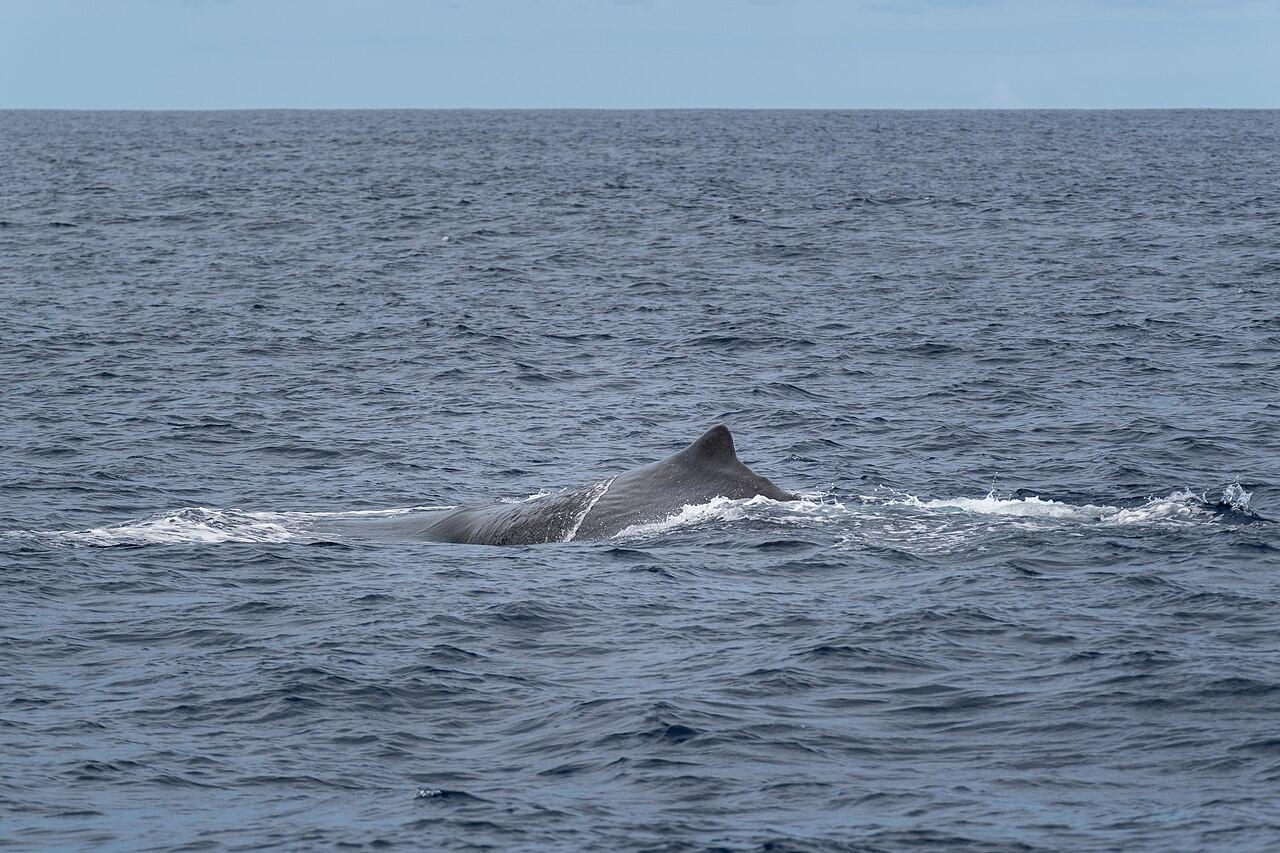
Photograph blue, fin and sperm whales for science from a research catamaran off the Azores
On a research expedition you are not a tourist with a guide but a pair of hands on a study: you set the lines, walk the transects, photograph the fins and enter the data. No qualifications are needed for any of these, only the fitness each one names. Two organisations run them: Biosphere Expeditions, whose trips are fieldwork from the first day to the last, and Natural Habitat Adventures, which since 2027 runs Earthwatch's expeditions and mixes research days with safari or sightseeing. Every fact below was read on their own pages.
The short answer
- The most hands-on: shark tagging in Belize: you help set longlines in the afternoon, haul them after dark and measure and tag each shark beside the boat. Seven days, from USD 7,982, five 2027 departures.
- Fieldwork every day, for the least money: Biosphere Expeditions' snow leopard survey in Kyrgyzstan (EUR 3,280 for 13 days), bear dens in Sweden (EUR 2,790 for 10 days) and whales off the Azores (EUR 2,690 for 10 days).
- Rhinos: black rhinos on foot at Ol Pejeta from 2028, or a vet-led horn trimming in Greater Kruger in 2027, both for about ten days at USD 18,000 to 27,000.
Side by side
| Expedition | Where | Days | Research days | Price | 2027 |
|---|---|---|---|---|---|
| Shark tagging, Nat Hab | Placencia, Belize | 7 | 3 to 4 | From USD 7,982 | Jan, Apr, May, Aug, Oct |
| Orca research, Nat Hab | Westman Islands, Iceland | 8 | 3 to 4 | USD 9,662 | 11 June to 24 July |
| Black rhino tracking, Nat Hab | Ol Pejeta, Kenya | 10 | 5 | From USD 18,472 | From February 2028 |
| Rhino horn trimming, Nat Hab | Greater Kruger, South Africa | 10 | 3 | From USD 22,936 | Jul, Aug, Sep |
| Snow leopard survey, Biosphere | Tien Shan, Kyrgyzstan | 13 | All | EUR 3,280 | 5 Jul, 19 Jul, 2 Aug |
| Bear den survey, Biosphere | Dalarna, Sweden | 10 | All | EUR 2,790 | 24 May |
| Whale research, Biosphere | Azores, Portugal | 10 | All, weather allowing | EUR 2,690 | March and April |
What the work is
Belize: with Earthwatch scientists and local fishers you set longlines each afternoon and haul them after dark, then measure, tag and record every shark before releasing it. The study is led by Dr Demian Chapman of the Center for Shark Research. Some nights bring few sharks.
Iceland: from small boats and clifftop lookouts on Heimaey you scan for orcas hunting under feeding seabirds, photograph dorsal fins and record behaviour and calls, for Dr Filipa Samarra's study of why some orcas eat herring and others hunt marine mammals. Days on the water run five to eight hours in cold and wind.
Ol Pejeta: you walk transects to find black rhinos and tell them apart by their ear notches, measure trees and browsing damage and review camera traps, with night surveys on some evenings, for Kenyan scientists led by Dr Geoffrey Wahungu.
Greater Kruger: you stay with wild rhinos to record their behaviour and habitat, and assist with a horn trimming led by wildlife vet Dr Ellie Milnes, cutting back the horn a poacher would take. The vets decide whether and when a trimming happens, and the group is capped at six.
Tien Shan: teams of up to twelve drive off-road into the Kichi Naryn valleys and search on foot for snow leopard tracks, kills and scats, set camera traps and count argali and ibex, from a mobile tent camp below peaks over 4,000 m.
Dalarna: you hike cross-country with a GPS to the winter dens and day beds of bears collared by the Scandinavian Brown Bear Research Project, then measure them and collect hair and scat. You will very likely not see a bear: a site is visited only once its bear has moved on.
Azores: from a research catamaran out of Horta you spot and photograph blue, fin and sperm whales for photo-ID catalogues shared across the Atlantic, and track them by hydrophone, in the spring months when hardly any other boat is out.
Before you book
- Count the research days: Biosphere's expeditions are fieldwork throughout; on Nat Hab's, between three and five days are research and the rest is safari, a reef snorkel, a glacier walk or travel.
- Fitness: the snow leopard survey asks you to walk 5 to 15 km a day up to 3,800 m; the bear survey 3 to 8 km cross-country; the Azores standing steady on a bouncing boat for hours; the rhino trips several miles a day with frequent kneeling.
- Nothing is promised: every operator here says sightings depend on the animals and the weather.
- Insurance: Nat Hab requires medical evacuation insurance on all four of its trips.
- More animals: our guides to the great shark dives and to great animals on land cover the encounters without the fieldwork.
Each experience page shows the day it was last checked and links the page every fact was read on.