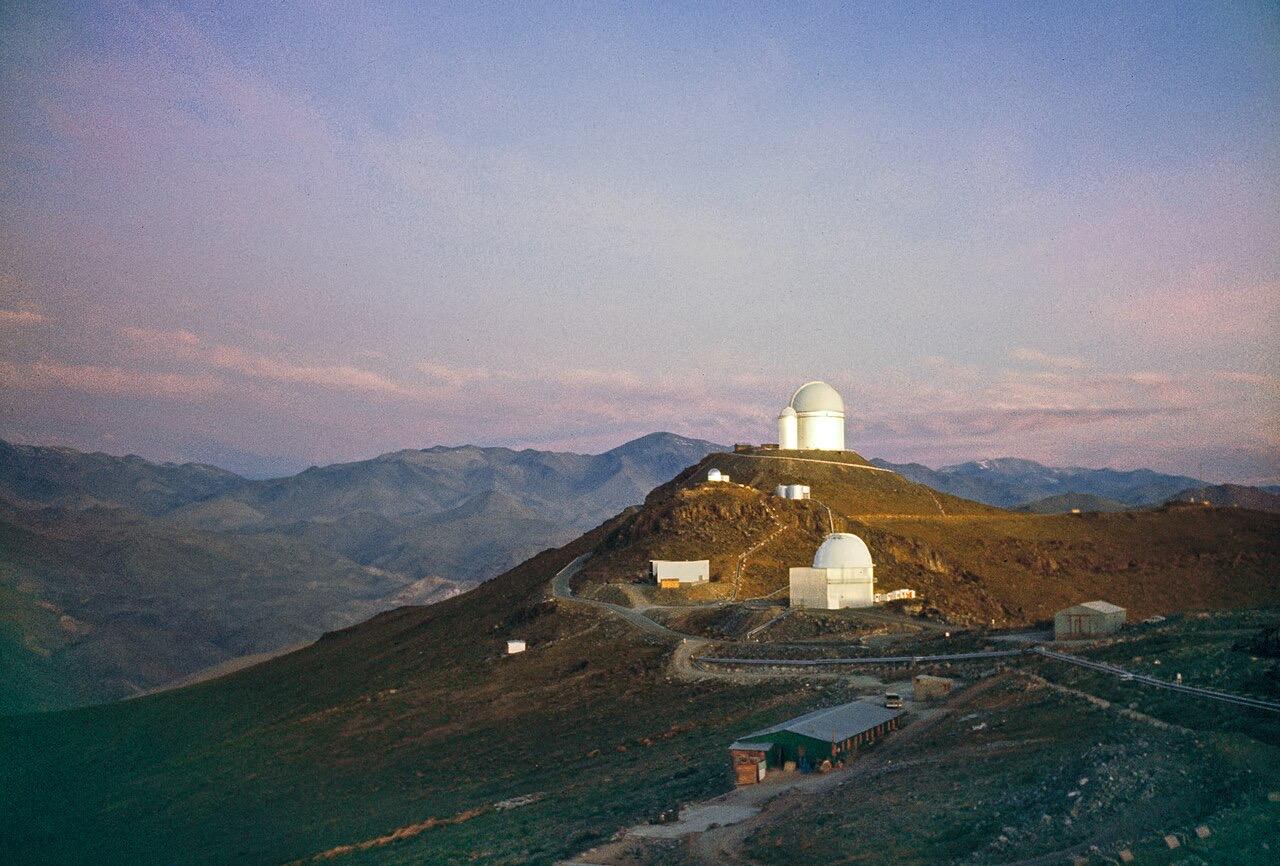
Photo: ESO/Seggewiss, CC BY 4.0
Step inside ESO's 3.6-metre telescope at La Silla on the edge of the Atacama
La Silla Observatory, Coquimbo Region, southern edge of the Atacama Desert, Chilerun by ESO (European Southern Observatory)
A free Saturday visit to ESO's La Silla Observatory at 2,400 m in Chile, inside its 3.6-metre telescope and, if conditions allow, the New Technology Telescope.
You drive to the observatory gate, show your ID and QR ticket, park and board the tour bus. The three-hour tour starts at the Visitor Centre, with an exhibition on astronomical detectors and a recreated old control room, then goes into the ESO 3.6-metre telescope and, when conditions allow, the New Technology Telescope, and ends with views over the desert and the Andes. On a few special dates a year ESO also runs night visits by bus from La Serena that include La Silla's control room.
The catch
ESO offers no transport (except a shuttle from La Serena on holiday Saturdays), no fuel and no food on site, and the tour can be cancelled for severe weather. You must arrive 30 minutes early, people with pacemakers cannot enter the telescopes, and every visitor signs ESO's release form.
To take part: No children under 4; in winter, no children under 8.
Getting there
Fly to La Serena La Florida (LSC). About 2 h by road north of La Serena, in your own vehicle.
Flying time is a great-circle estimate, not a timetable.
How sure we are
Checked 25 Nov 2026 on the operator's own page: ESO: Public Visits to La Silla Observatory.
Questions
How much does it cost?
It is free.
When can you do it?
Every Saturday of the year, 10:00 to 13:00 (be at the gate by 9:30), plus a second tour from 14:00 to 17:00 from September to March. Night visits have no fixed schedule; no next date was set on 25 Nov 2026.
How do you book it?
Reserve through ESO's online booking form only (no phone or email bookings); cancel online by 10:00 on the Friday before your visit. Capacity is limited; large groups should register as far ahead as possible.
How do you get there?
Most people fly to LSC. About 2 h by road north of La Serena, in your own vehicle
What is the catch?
ESO offers no transport (except a shuttle from La Serena on holiday Saturdays), no fuel and no food on site, and the tour can be cancelled for severe weather. You must arrive 30 minutes early, people with pacemakers cannot enter the telescopes, and every visitor signs ESO's release form.
Where
La Silla Observatory, Coquimbo Region, southern edge of the Atacama Desert, Chile (Latin America and the Caribbean). More in Chile · See what is near it on the map
Like this
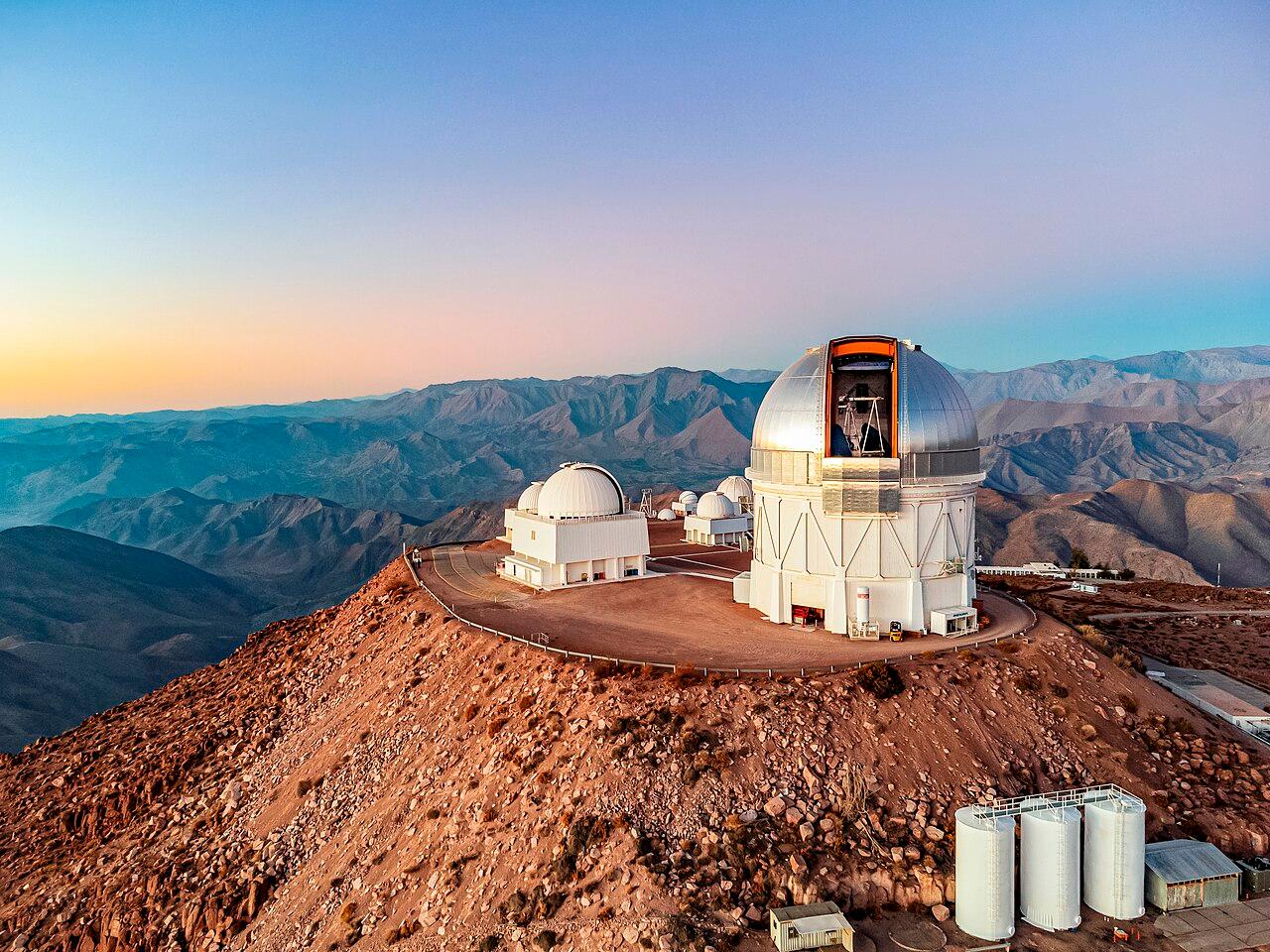
Ride up Cerro Tololo to the observing room of the Blanco 4-meter telescope
Free Saturday visits to Cerro Tololo in Chile: a working telescope's operation, the Blanco 4-meter's observing room and the platform beside its 4-meter mirror.
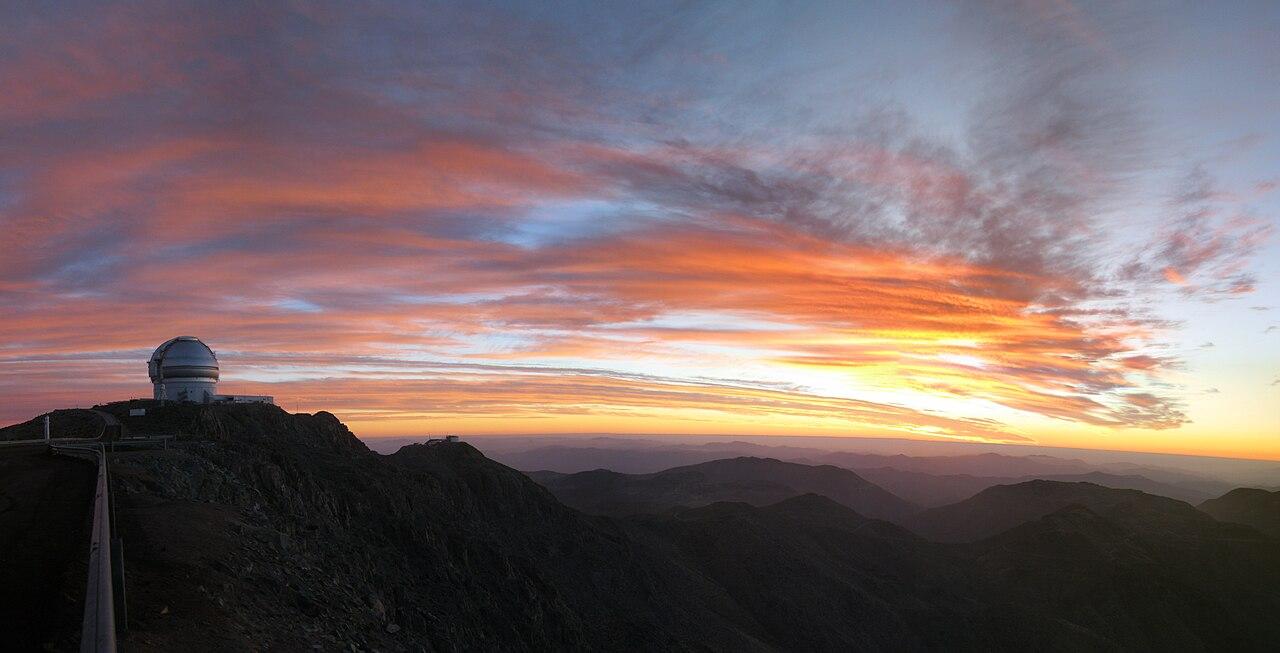
Visit the Vera C. Rubin Observatory and Gemini South on Cerro Pachon
A free combined tour, every other Friday, of the Gemini South telescope and the NSF-DOE Vera C. Rubin Observatory, 2,700 m up Cerro Pachon in Chile.
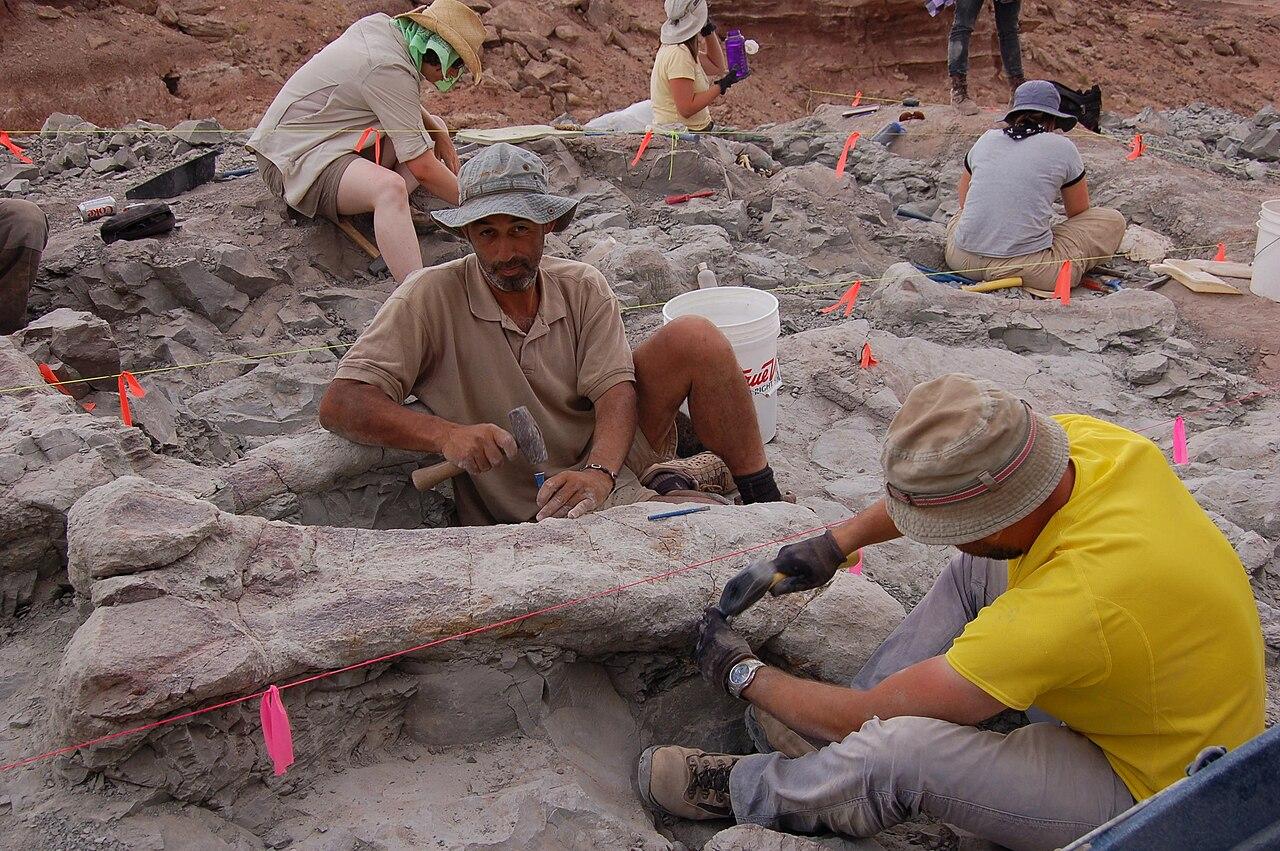
Dig for Jurassic dinosaur bones for a week in Montana's Bighorn Basin
A week on a working fossil dig for the late Jurassic Morrison Formation, excavating beside paleontologists in the badlands of southern Montana and northern Wyoming.
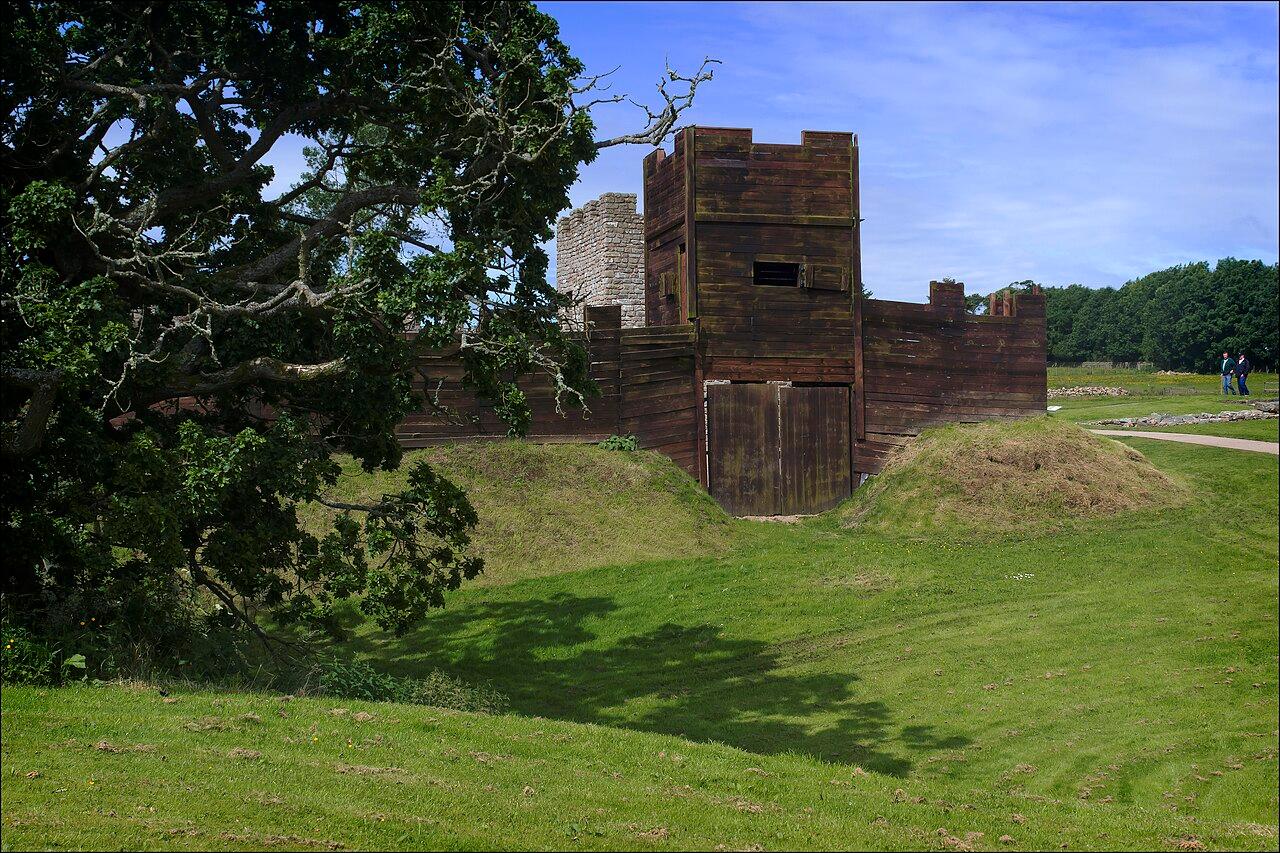
Excavate the last quadrant of a Roman fort at Vindolanda on Hadrian's Wall
Two weeks as a volunteer excavator on a live dig at Vindolanda, working with professional archaeologists on the final quadrant of the last stone fort.
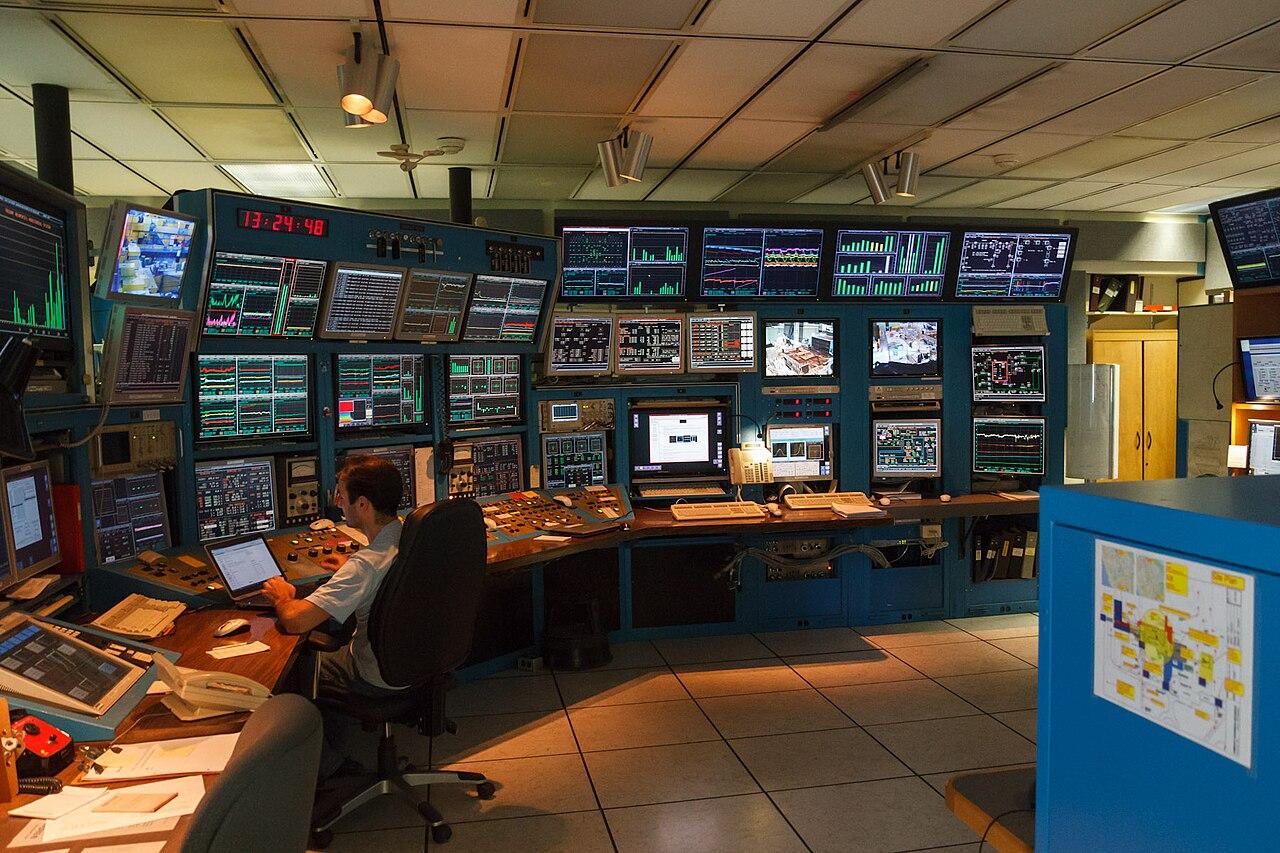
Follow the proton through TRIUMF, home of the world's largest cyclotron of its kind
A free 45 to 60-minute walk through Canada's particle accelerator centre in Vancouver, crossing most of its site and two of its largest research halls.
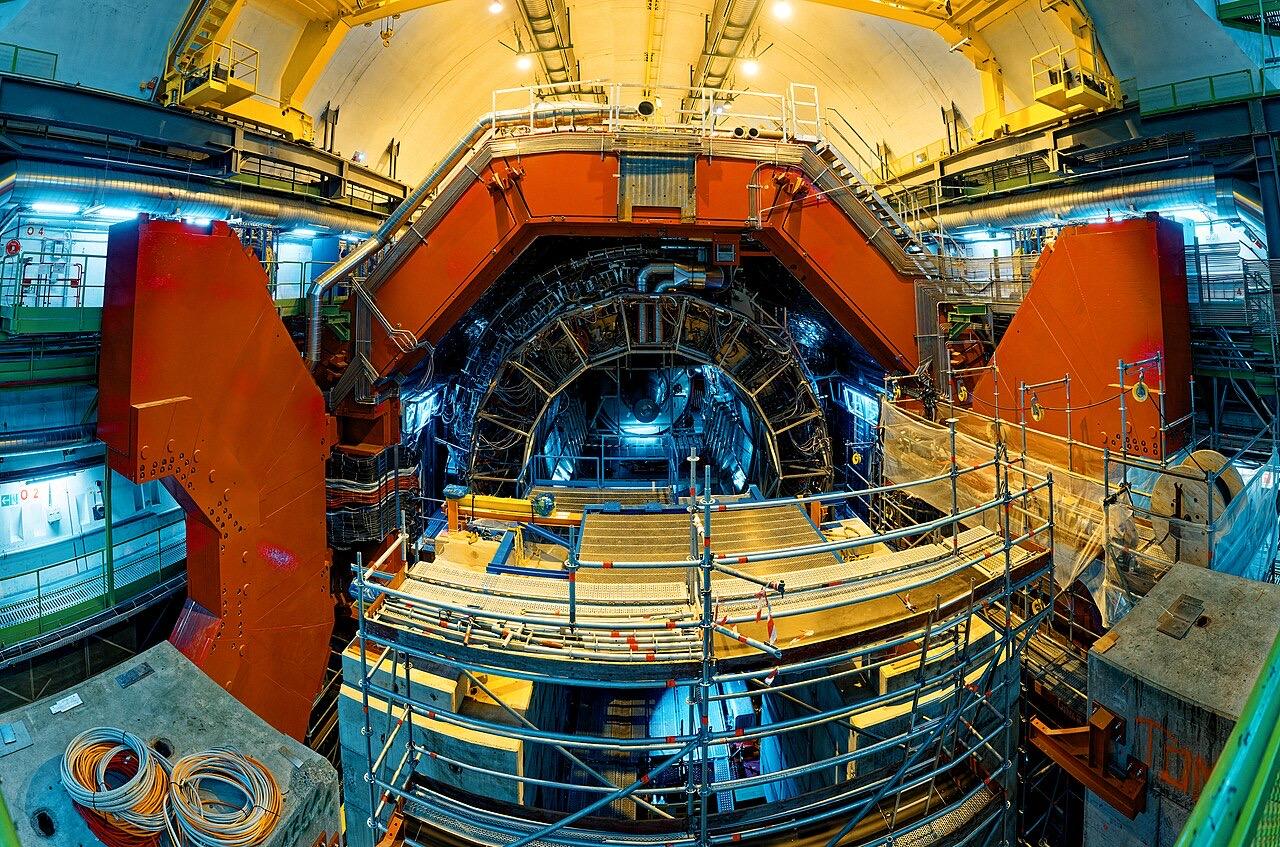
Go 56 m underground to CERN's ALICE detector cavern
A free two-hour evening tour down to the ALICE detector at LHC Point 2, open to the public only while the Large Hadron Collider is shut down.