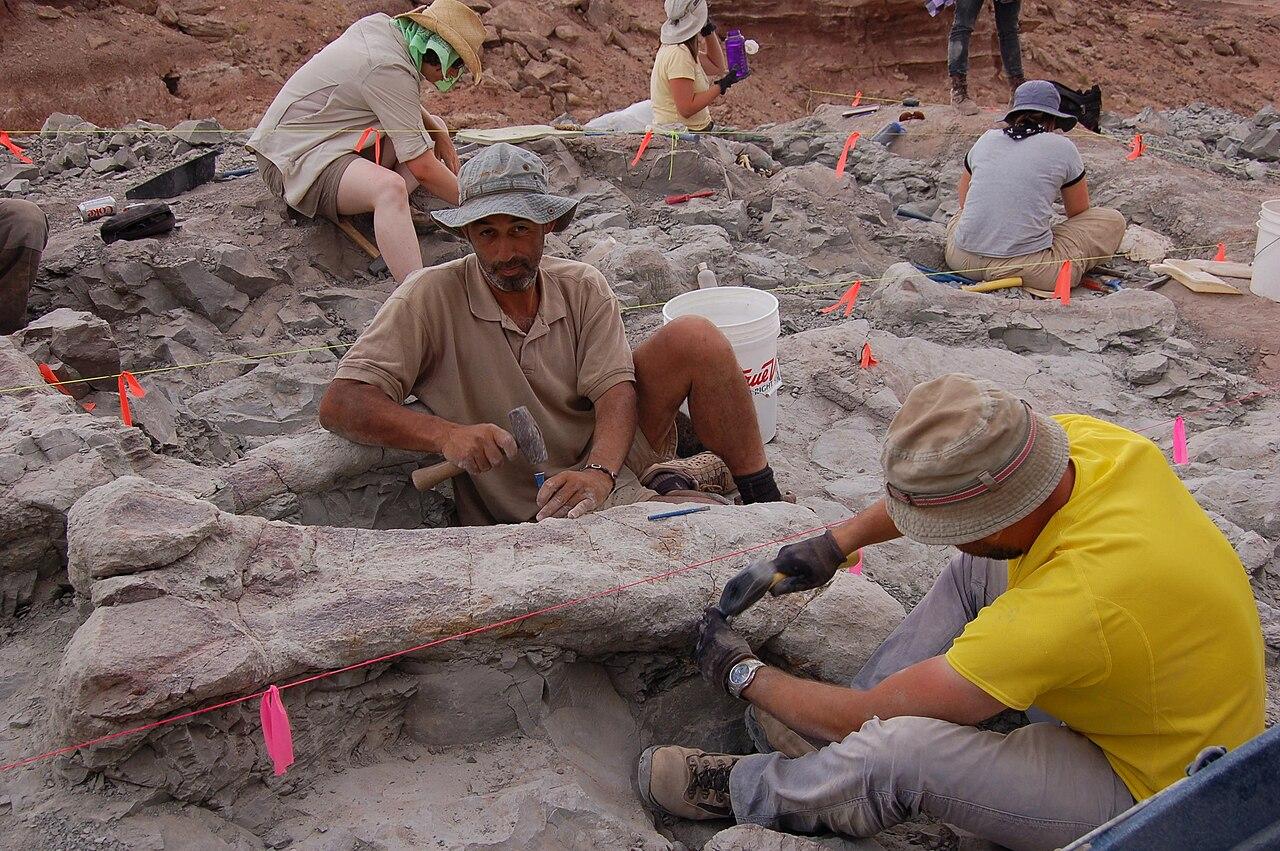
Photo: UNED Universidad Nacional de Educación a Distancia, CC BY 2.0
Dig for Jurassic dinosaur bones for a week in Montana's Bighorn Basin
Red Lodge, Bighorn Basin, southern Montana and northern Wyoming, United Statesrun by Elevation Science Institute
A week on a working fossil dig for the late Jurassic Morrison Formation, excavating beside paleontologists in the badlands of southern Montana and northern Wyoming.
Elevation Science Institute's paleontologists teach you to find, identify and excavate dinosaur and other fossil remains. Mornings start at 7:45 am with a drive to the field sites (the Andersen Area early in the week, the Mother's Day Site later), with evening lessons on geology, anatomy and fossil preparation. You sleep in cabins at the Yellowstone-Bighorn Research Association near Red Lodge and collect fossils for the institute's research.
The catch
The work is strenuous, on loose steep ground, in high summer heat and sun. Staff can keep anyone off a site they judge you cannot cross safely. Travel to Billings and medical insurance are yours.
To take part: Age 12 or older (12 to 17 only with a parent or guardian on the same week); good physical condition; proof of medical insurance.
Getting there
Fly to Billings Logan (BIL). Fly into Billings; a staff member collects flying arrivals as a group and drives them to camp near Red Lodge, and returns them to Billings airport on Saturday.
Flying time is a great-circle estimate, not a timetable.
How sure we are
Checked 26 Nov 2026 on the operator's own page: Elevation Science Institute: Fossil Dig Expeditions.
The price was still stated on that page on 27 Nov 2026 (our automatic re-read).
Questions
How much does it cost?
USD 2,750 per person per week. Included: The page says you need not spend anything more once you reach Montana: cabin lodging at the Yellowstone-Bighorn Research Association, meals, field instruction and the transfers to and from Billings airport
When can you do it?
2027 field season: weeks from 27 June to 14 August (Sunday arrival, Saturday departure); weeks 2 to 4 are for students or a private group. Next date: 27 Jun to 3 Jul 2027 (Week 1 (9 of 20 places open on 23 Nov 2026)).
How do you book it?
Register for a week on the 2027 Field Expedition page; contact the institute to confirm places, as the table is updated often.
How do you get there?
Most people fly to BIL. Fly into Billings; a staff member collects flying arrivals as a group and drives them to camp near Red Lodge, and returns them to Billings airport on Saturday
What is the catch?
The work is strenuous, on loose steep ground, in high summer heat and sun. Staff can keep anyone off a site they judge you cannot cross safely. Travel to Billings and medical insurance are yours.
Where
Red Lodge, Bighorn Basin, southern Montana and northern Wyoming, United States (North America). More in United States · See what is near it on the map
Like this
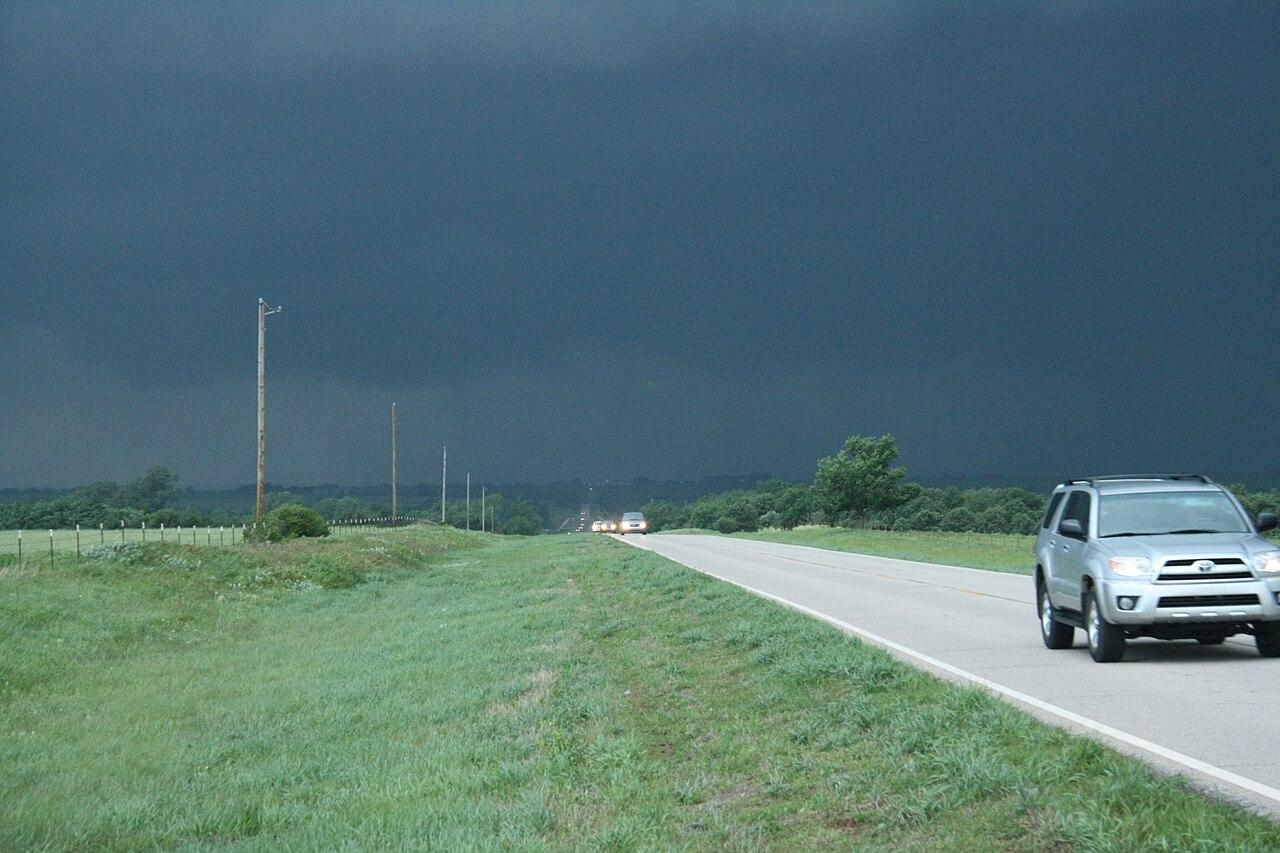
Chase supercells and tornadoes across the Great Plains
A week in a chase van across Tornado Alley, going after supercells, very large hail and tornadoes with a team in its 30th season.
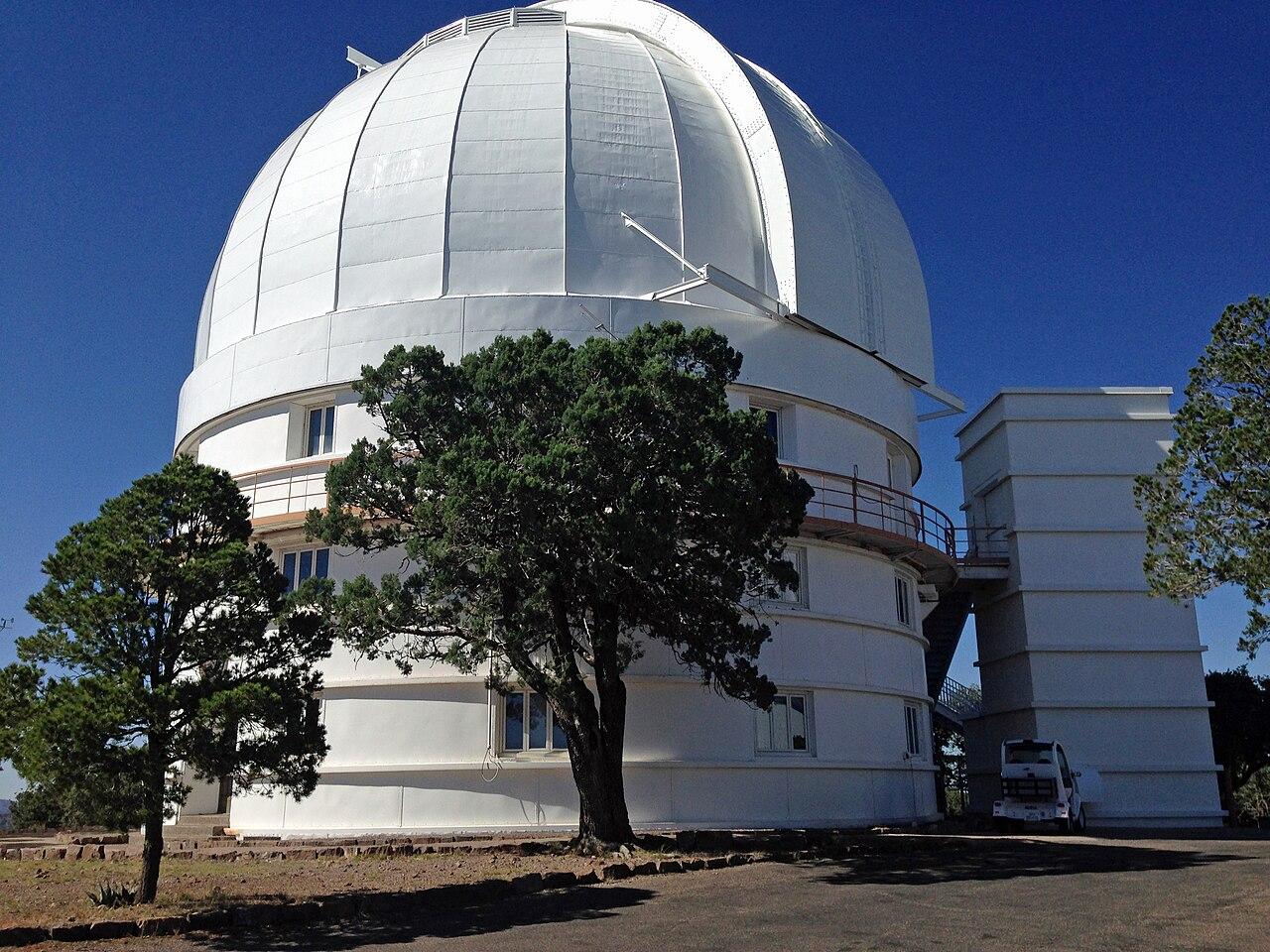
Look through the 82-inch Otto Struve research telescope on a McDonald Observatory night
On select nights McDonald Observatory in West Texas lets about 15 people observe through its 82-inch (2.1 m) Otto Struve Telescope, a research tool since 1939.
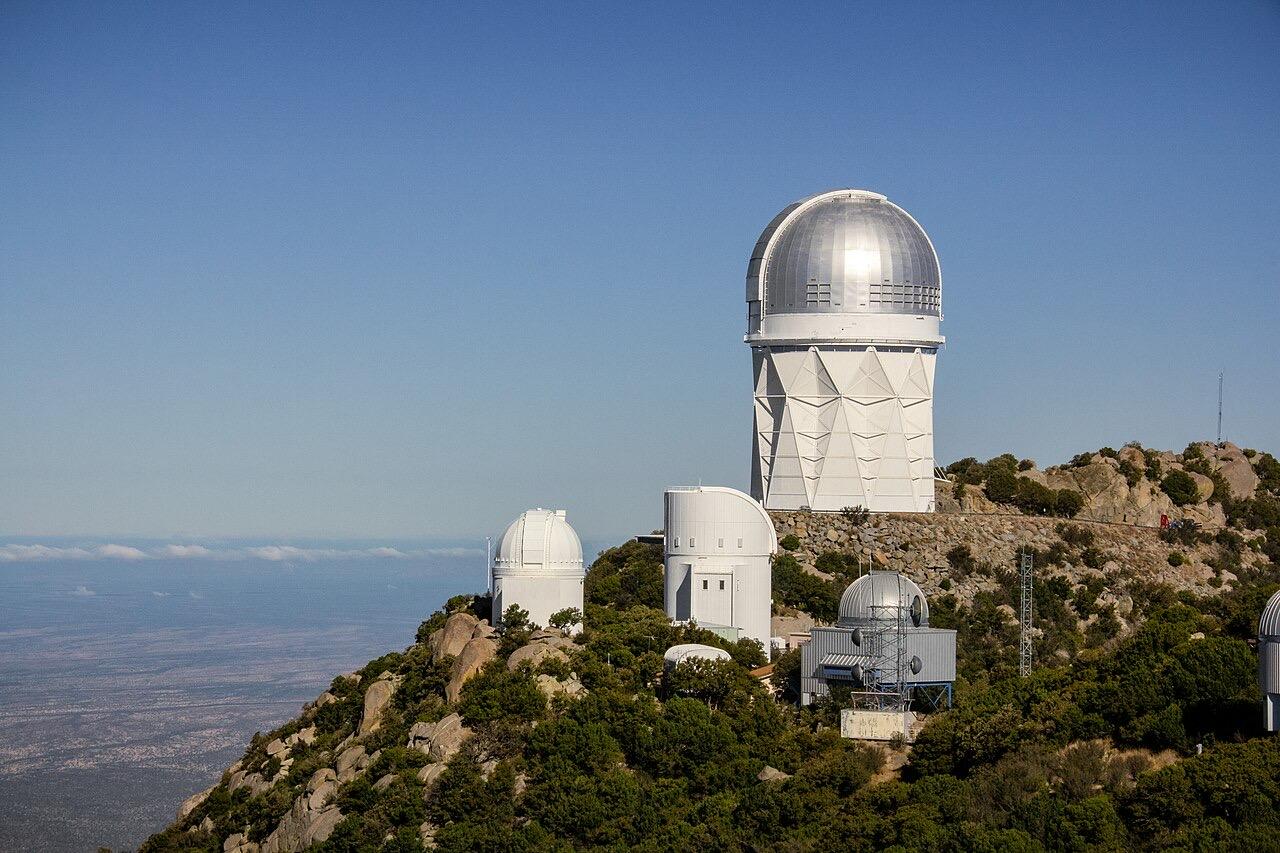
Spend a night as a visiting astronomer on Kitt Peak, at the telescope until dawn
Sleep at Kitt Peak National Observatory and run one of its visitor telescopes through the night with an operator, observing and imaging deep-sky objects.
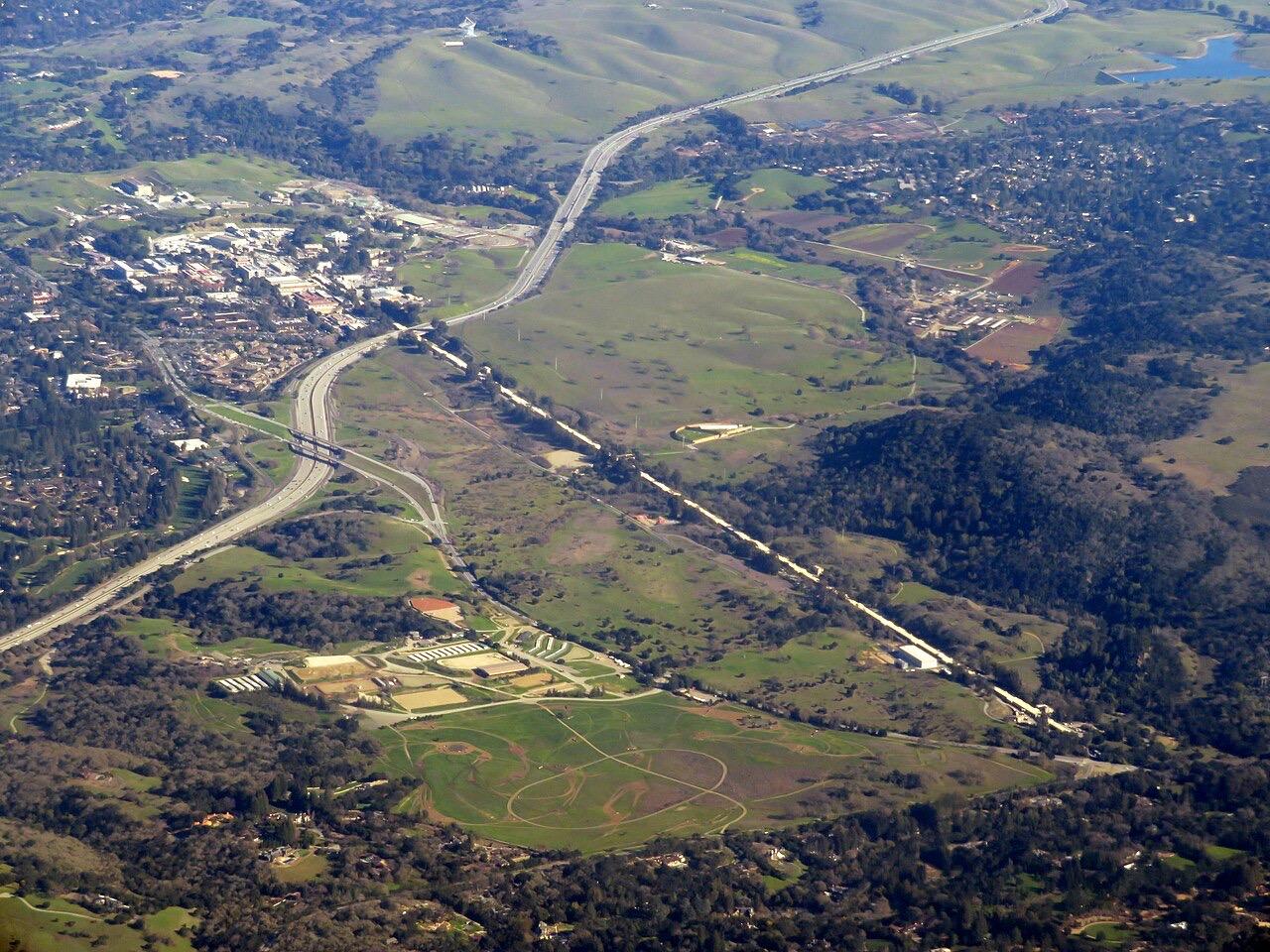
Tour SLAC's 2-mile linear accelerator and its X-ray laser halls
A free 90-minute tour of SLAC in Menlo Park, California, along its 2-mile linear accelerator to the experiment halls of the LCLS X-ray laser.
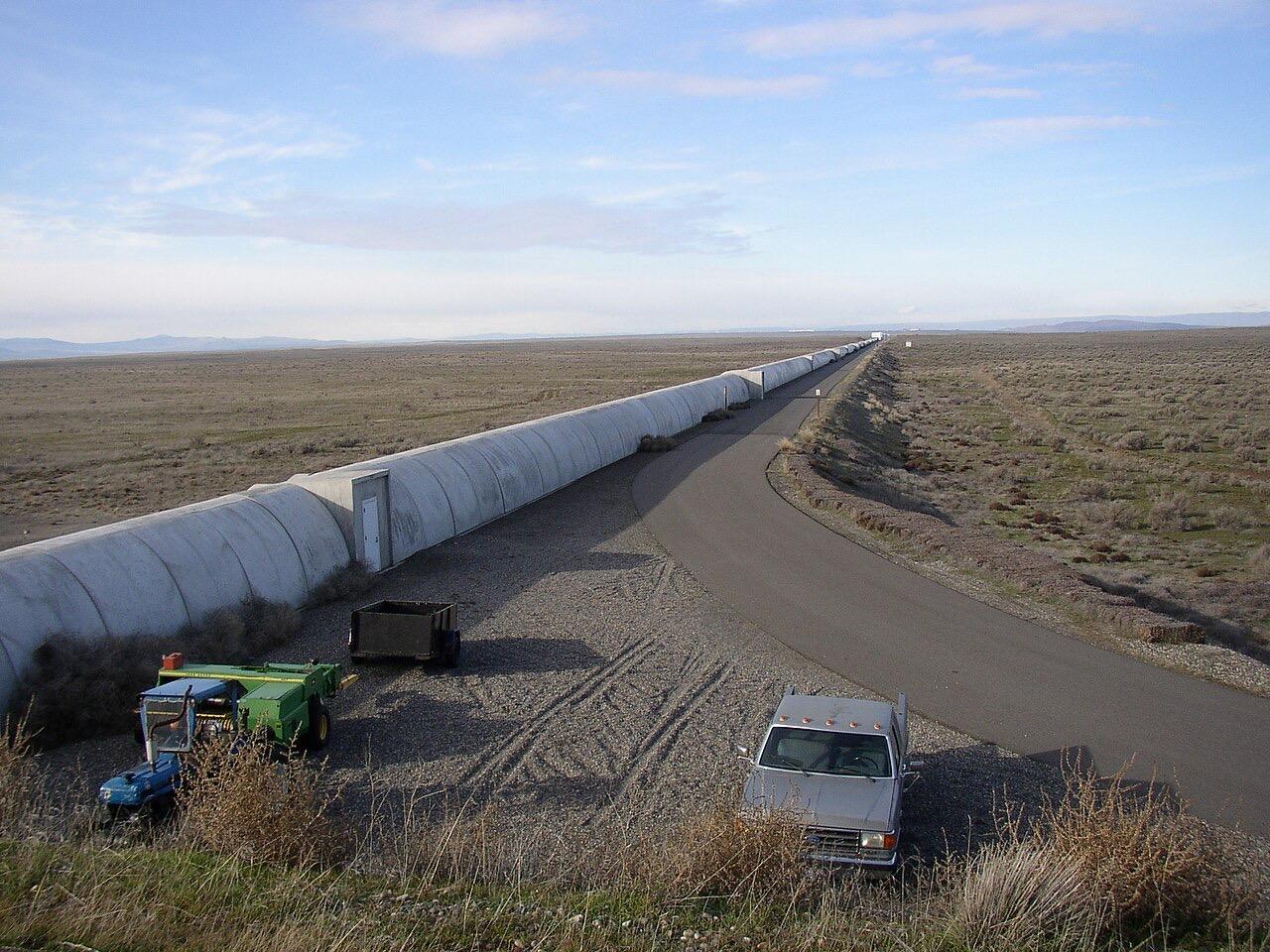
Walk into the control room of the LIGO Hanford gravitational-wave detector
A free Saturday tour of LIGO Hanford in Washington: its control room, a view down both 4 km arms, and a talk from the people who run the detector.
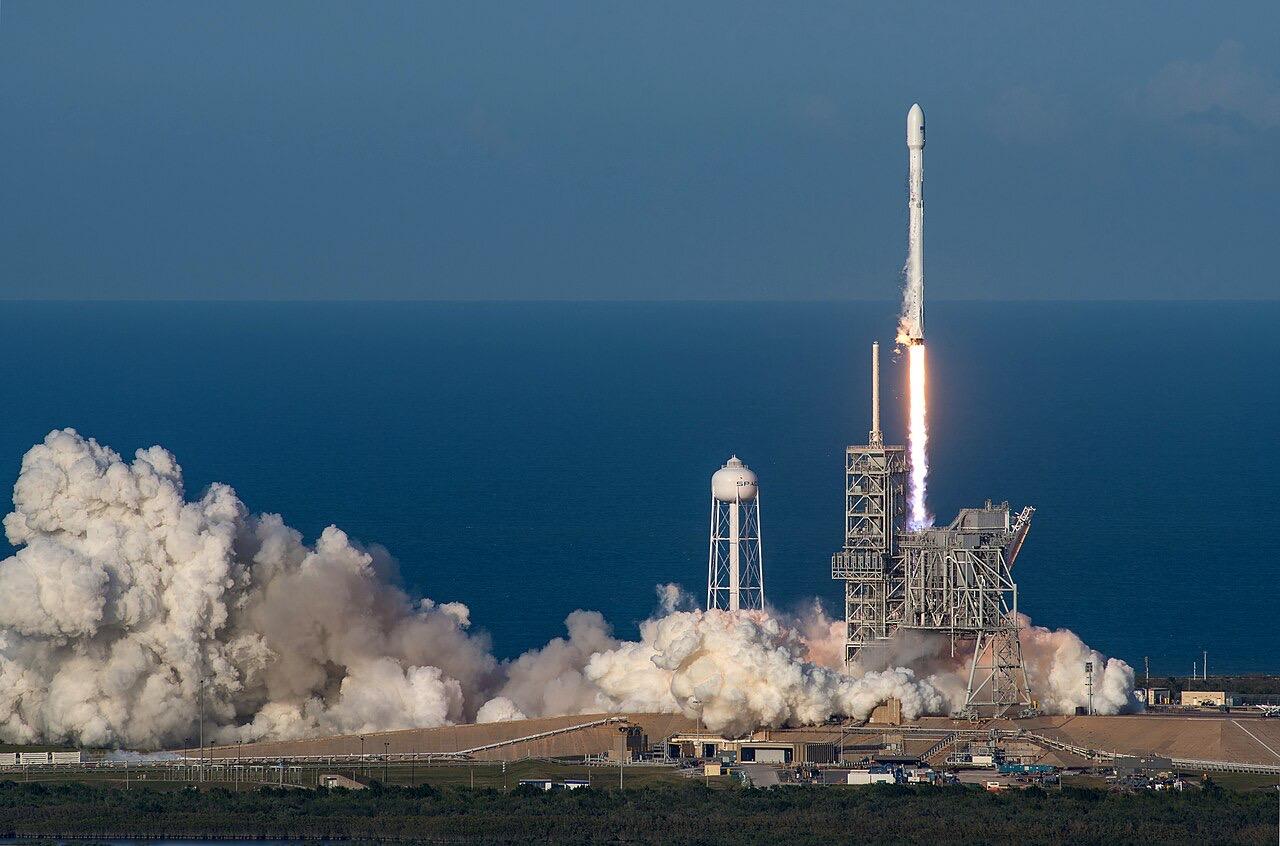
Watch a SpaceX rocket lift off from the Kennedy Space Center viewing areas
SpaceX launches from Cape Canaveral every few days, and the visitor complex's viewing areas, about 10 km from the pad, are the closest public seats.