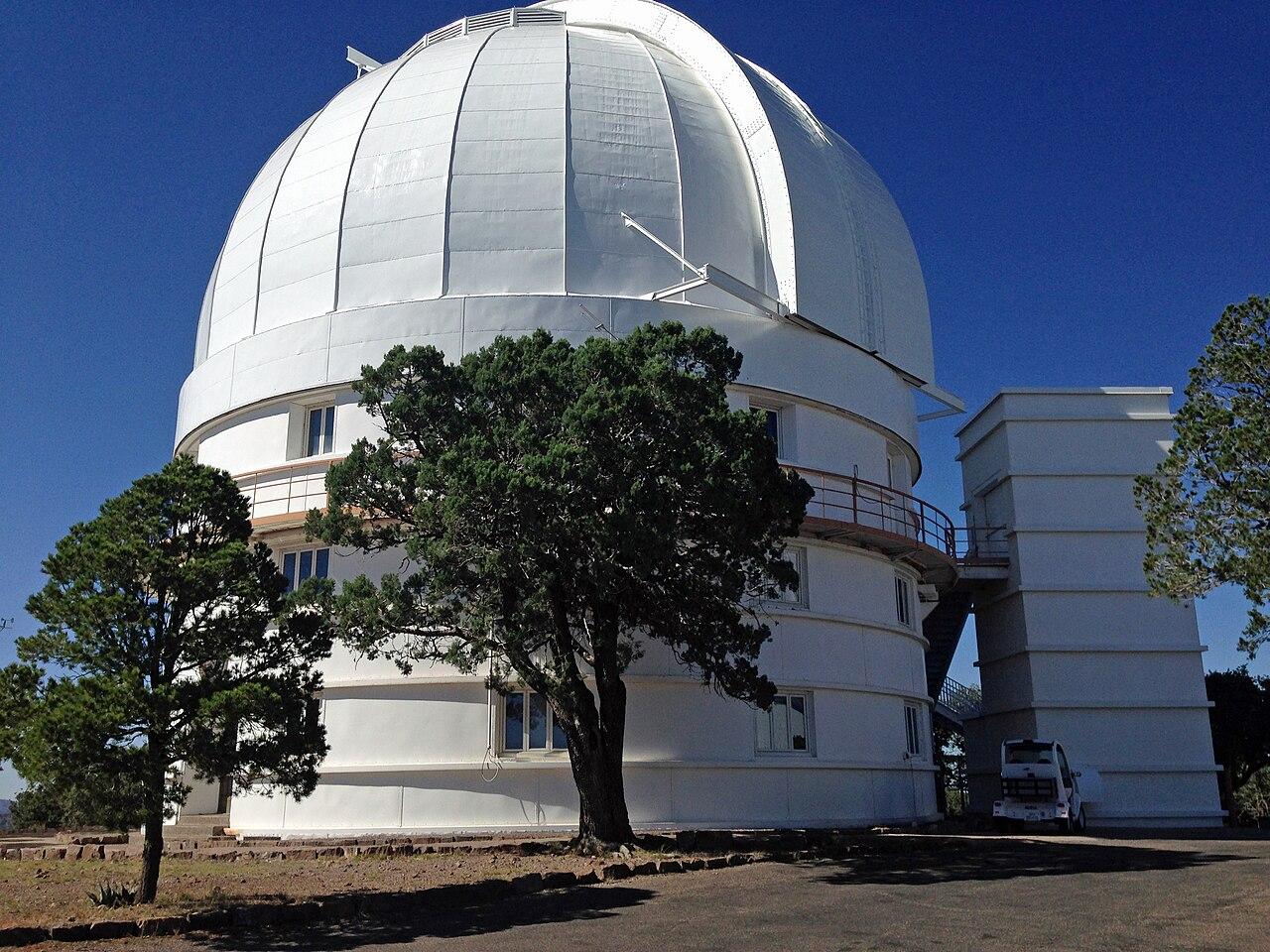
Photo: Fredlyfish4, CC BY-SA 3.0
Look through the 82-inch Otto Struve research telescope on a McDonald Observatory night
McDonald Observatory, Mount Locke, near Fort Davis, Texas, United Statesrun by McDonald Observatory (University of Texas at Austin)
On select nights McDonald Observatory in West Texas lets about 15 people observe through its 82-inch (2.1 m) Otto Struve Telescope, a research tool since 1939.
Special Viewing Nights put a small group in the dome of the historic Otto Struve Telescope, which the observatory calls one of the largest telescopes in the world routinely made available for public viewing. For about 2.5 hours staff help you find and look at what the season offers, from Jupiter and Saturn to the Whirlpool Galaxy, the globular cluster M13 and the Orion Nebula. Reaching the dome floor takes a flight of stairs, and you view from a step ladder in low light. If clouds will block the whole sky, the night becomes an up-close tour of the telescope instead, and an email at least two hours before offers a refund.
The catch
Dates follow the research schedule and are few; clouds turn the night into a telescope tour. You cannot do a Star Party and a Special Viewing Night on the same night, and the 82-inch dome is not wheelchair accessible. The observatory is about 450 miles west of Austin.
To take part: Ages 8 and up; 14 to 15 people per night.
Getting there
Fly to Midland International (MAF). About 3 h by road; Fort Davis is the nearest town with lodging.
Flying time is a great-circle estimate, not a timetable.
How sure we are
Checked 27 Nov 2026 on the operator's own page: McDonald Observatory: Special Viewing Night (82-inch).
Questions
How much does it cost?
USD 150 per person (USD 120 for members), general admission included.. Included: General admission
When can you do it?
On select nights throughout the year; dates are posted according to the observatory's research needs, and members of the Friends of McDonald Observatory hear the schedule first.
How do you book it?
Buy tickets in the observatory's online reservation system; when a night is full, join its waitlist, which emails everyone when tickets come free and the first to buy gets them. The observatory recommends booking at least three weeks before your visit.
How do you get there?
Most people fly to MAF. About 3 h by road; Fort Davis is the nearest town with lodging.
What is the catch?
Dates follow the research schedule and are few; clouds turn the night into a telescope tour. You cannot do a Star Party and a Special Viewing Night on the same night, and the 82-inch dome is not wheelchair accessible. The observatory is about 450 miles west of Austin.
Where
McDonald Observatory, Mount Locke, near Fort Davis, Texas, United States (North America). More in United States · See what is near it on the map
Like this
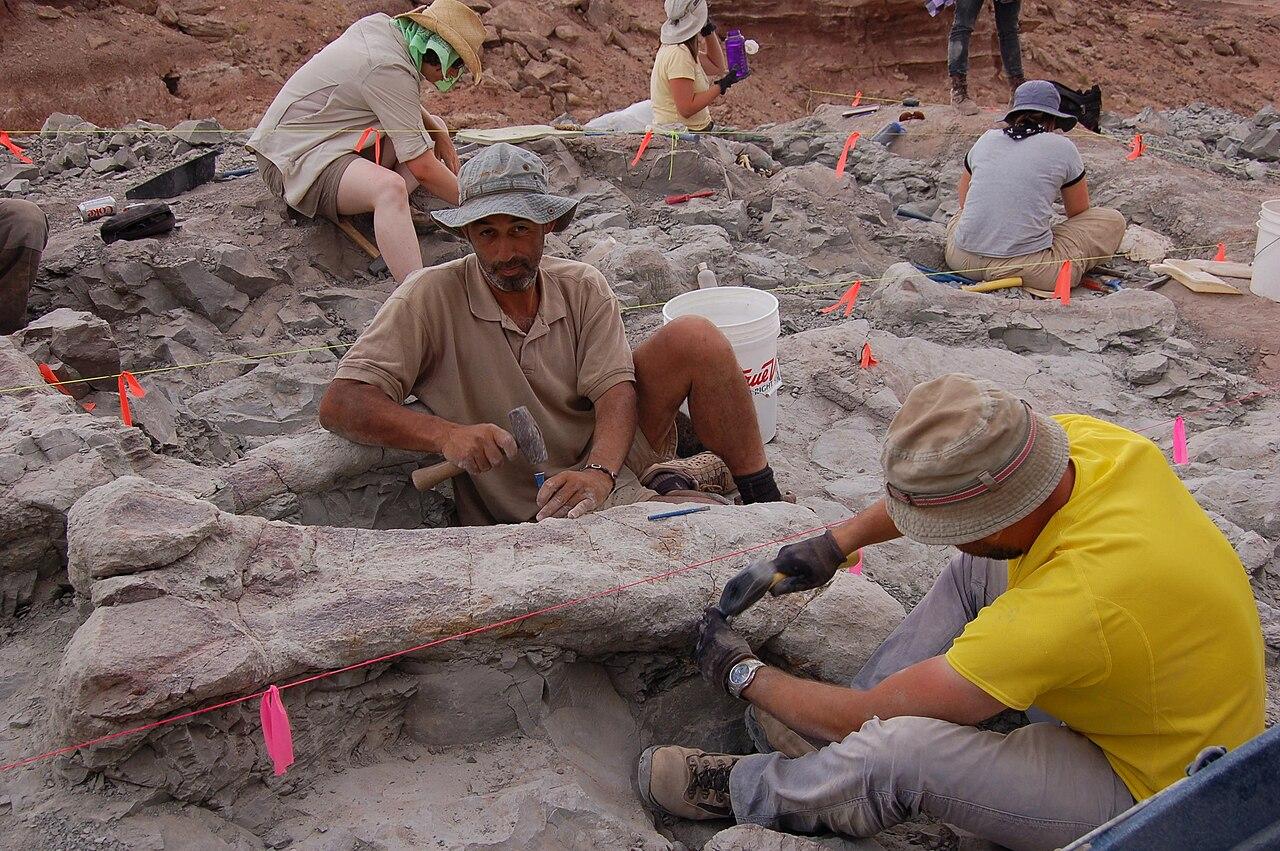
Dig for Jurassic dinosaur bones for a week in Montana's Bighorn Basin
A week on a working fossil dig for the late Jurassic Morrison Formation, excavating beside paleontologists in the badlands of southern Montana and northern Wyoming.
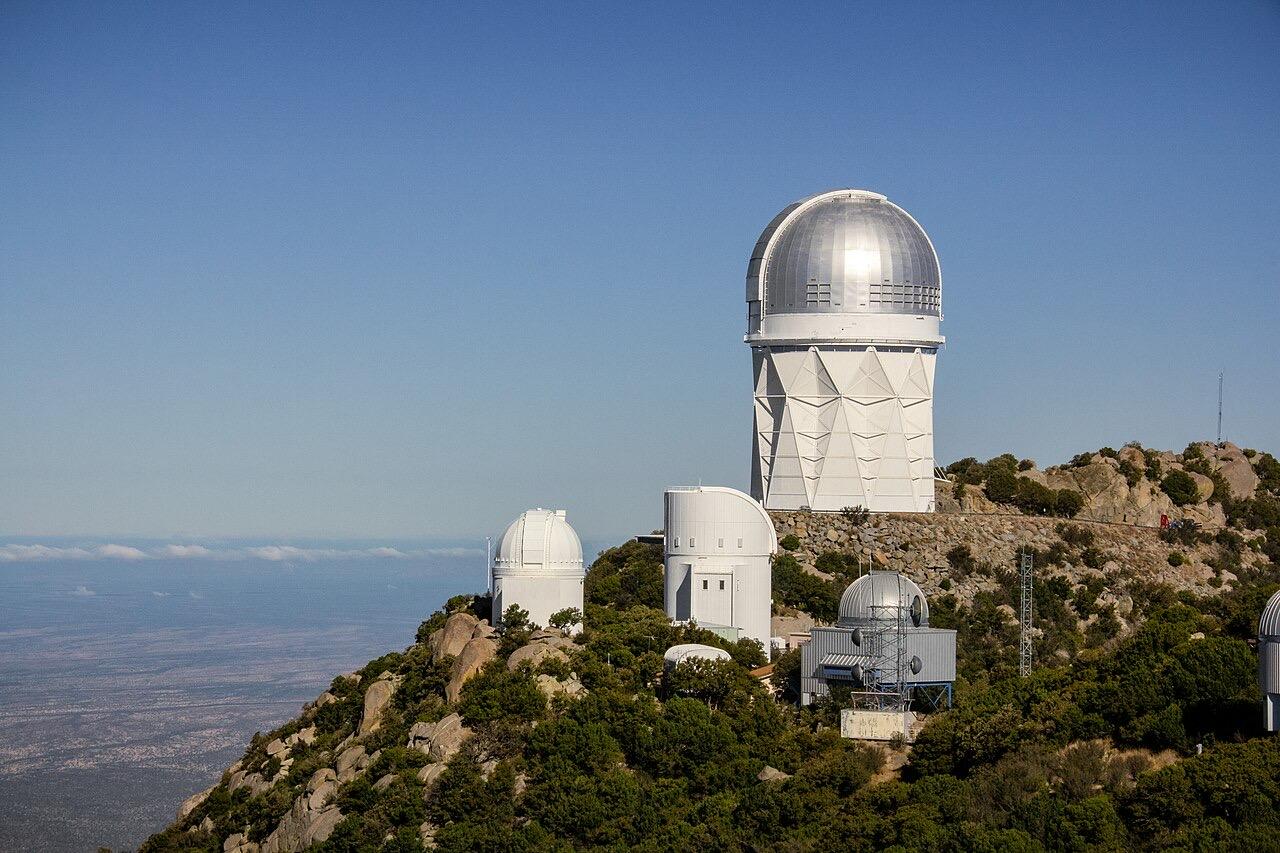
Spend a night as a visiting astronomer on Kitt Peak, at the telescope until dawn
Sleep at Kitt Peak National Observatory and run one of its visitor telescopes through the night with an operator, observing and imaging deep-sky objects.
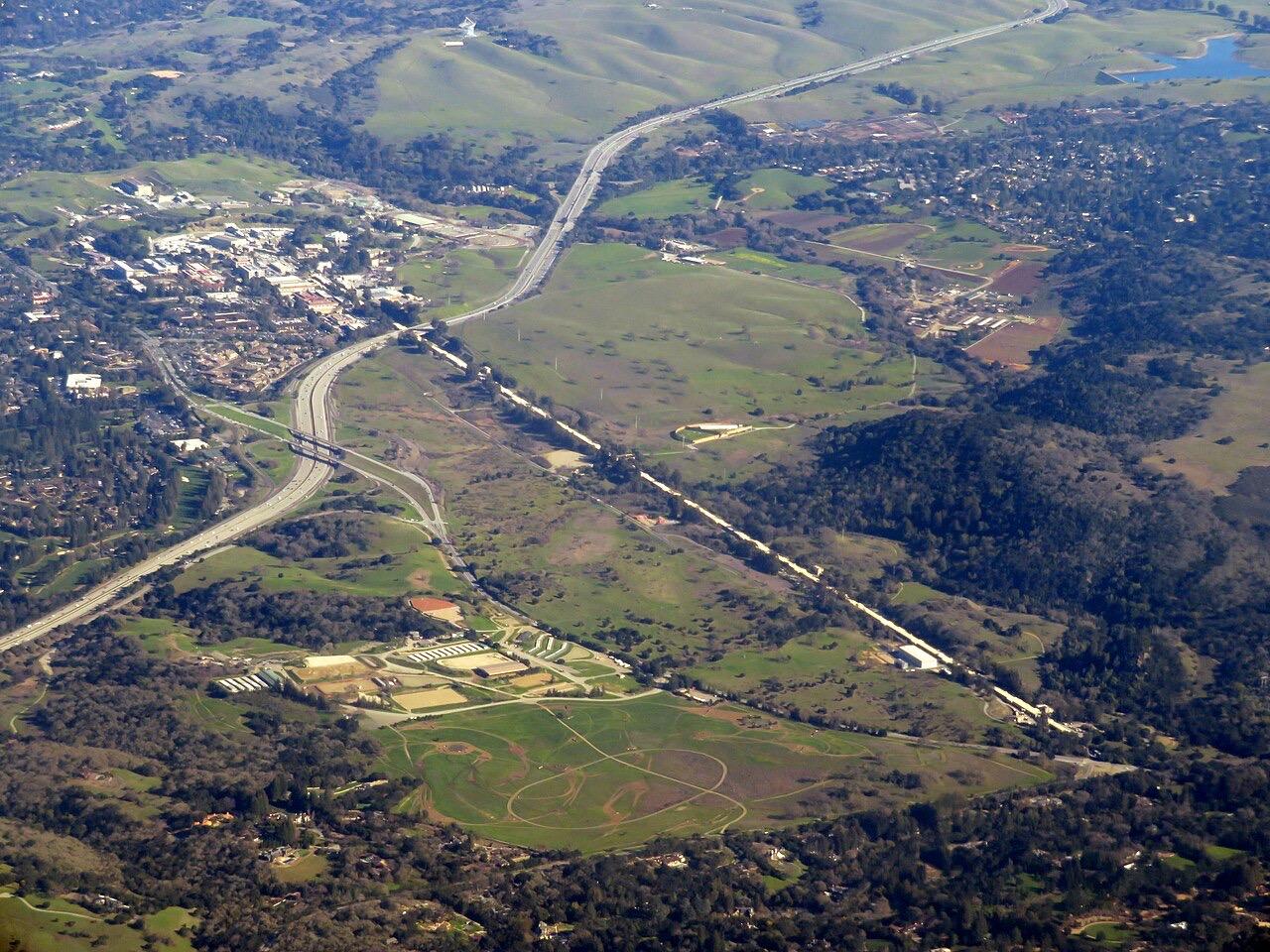
Tour SLAC's 2-mile linear accelerator and its X-ray laser halls
A free 90-minute tour of SLAC in Menlo Park, California, along its 2-mile linear accelerator to the experiment halls of the LCLS X-ray laser.
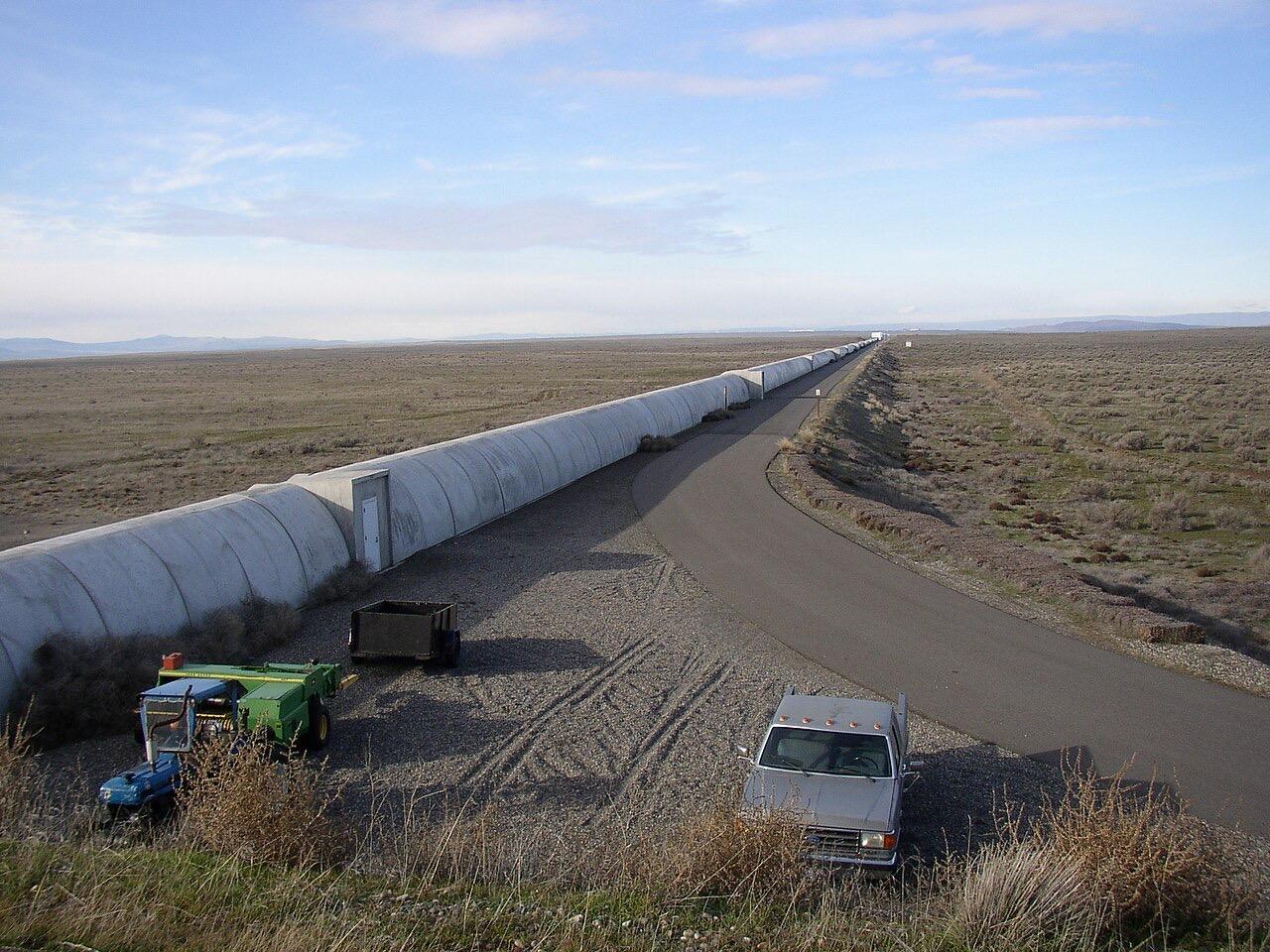
Walk into the control room of the LIGO Hanford gravitational-wave detector
A free Saturday tour of LIGO Hanford in Washington: its control room, a view down both 4 km arms, and a talk from the people who run the detector.
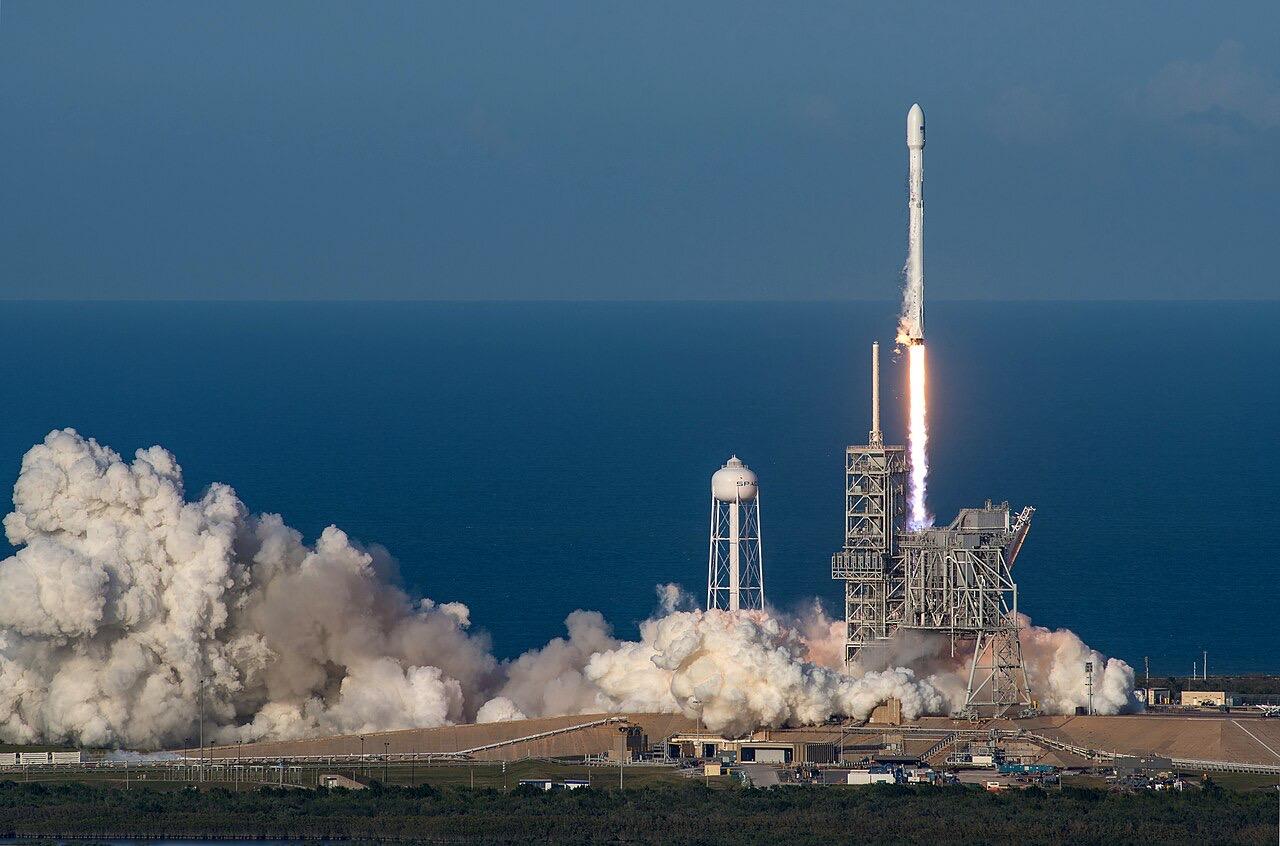
Watch a SpaceX rocket lift off from the Kennedy Space Center viewing areas
SpaceX launches from Cape Canaveral every few days, and the visitor complex's viewing areas, about 10 km from the pad, are the closest public seats.
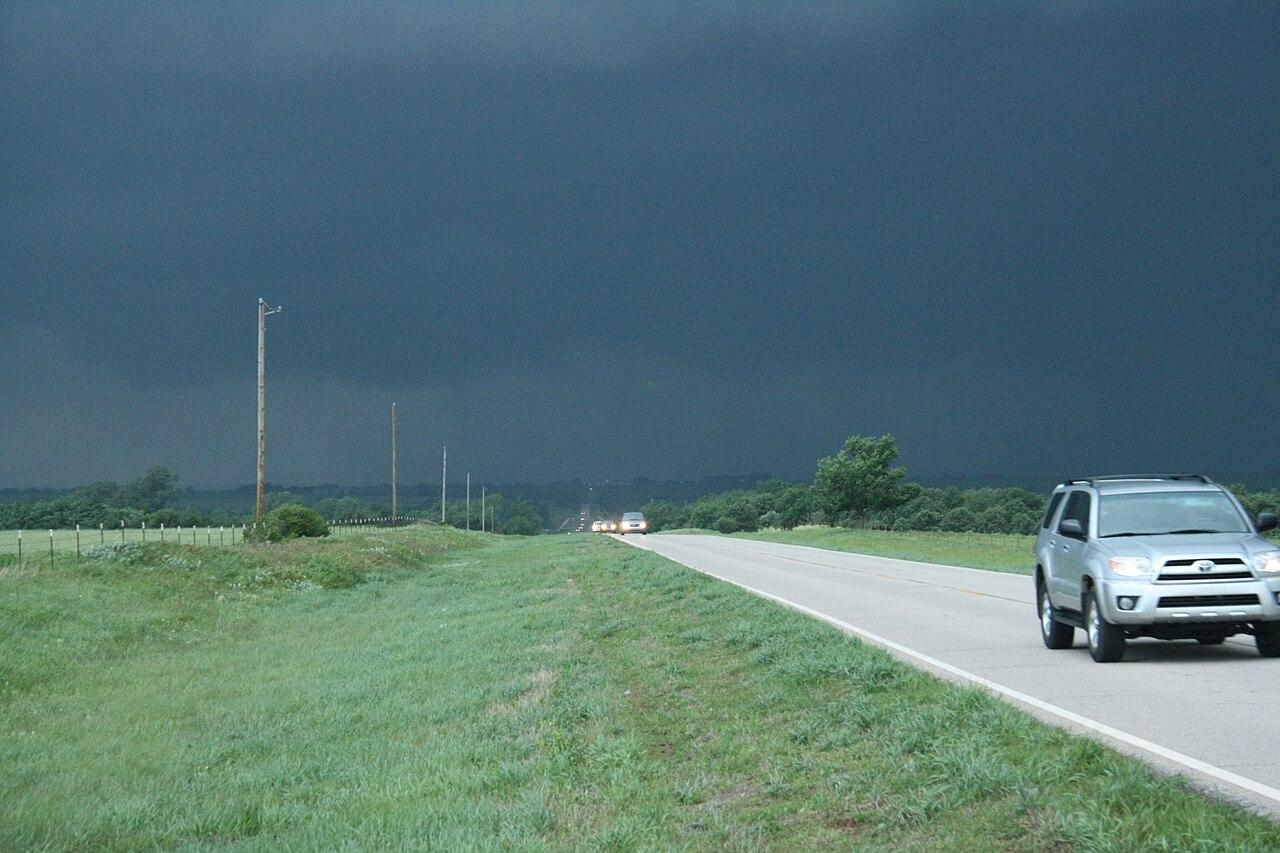
Chase supercells and tornadoes across the Great Plains
A week in a chase van across Tornado Alley, going after supercells, very large hail and tornadoes with a team in its 30th season.