117 experiences
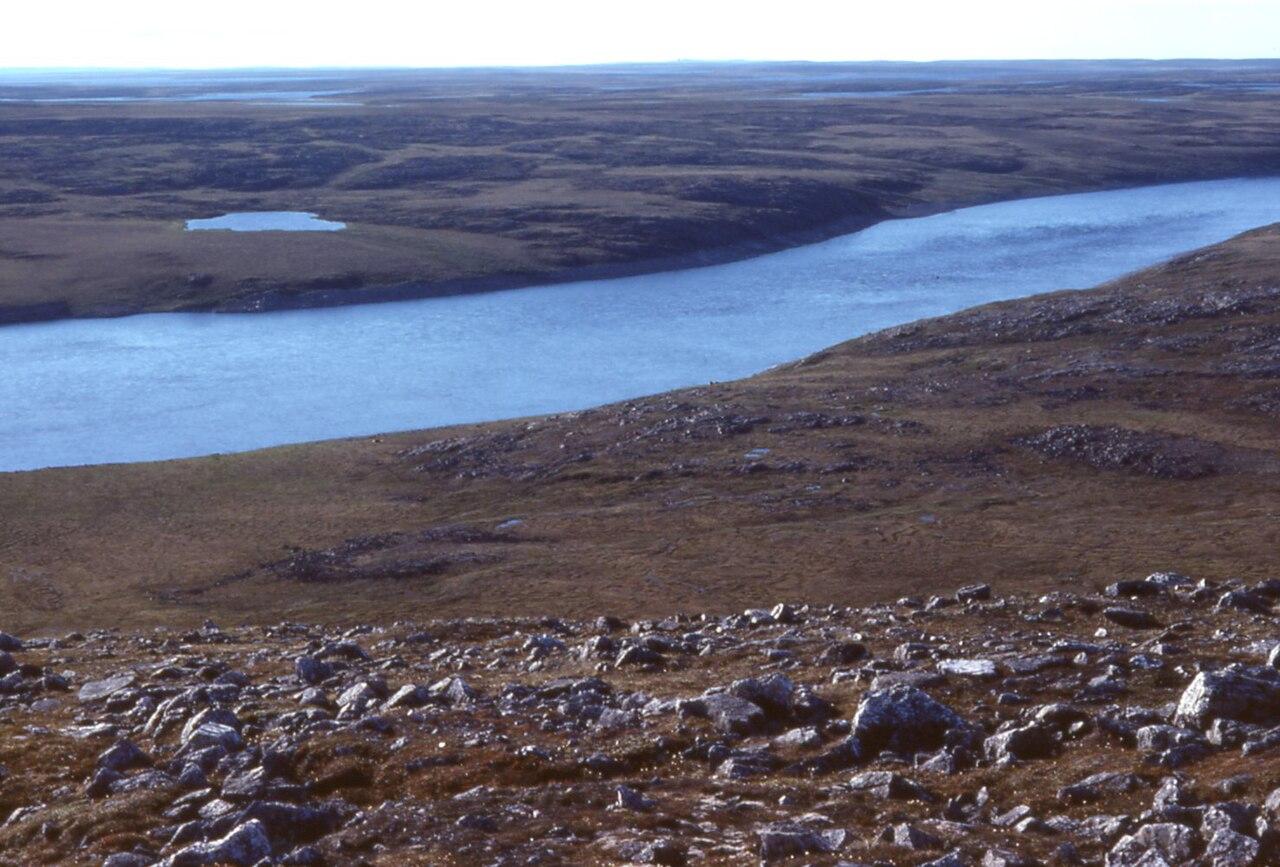
Fly by floatplane from Yellowknife onto the Barren Lands and paddle 12 days down the Thelon, a river with no road, no portages and wolves, muskoxen and grizzlies on the tundra.
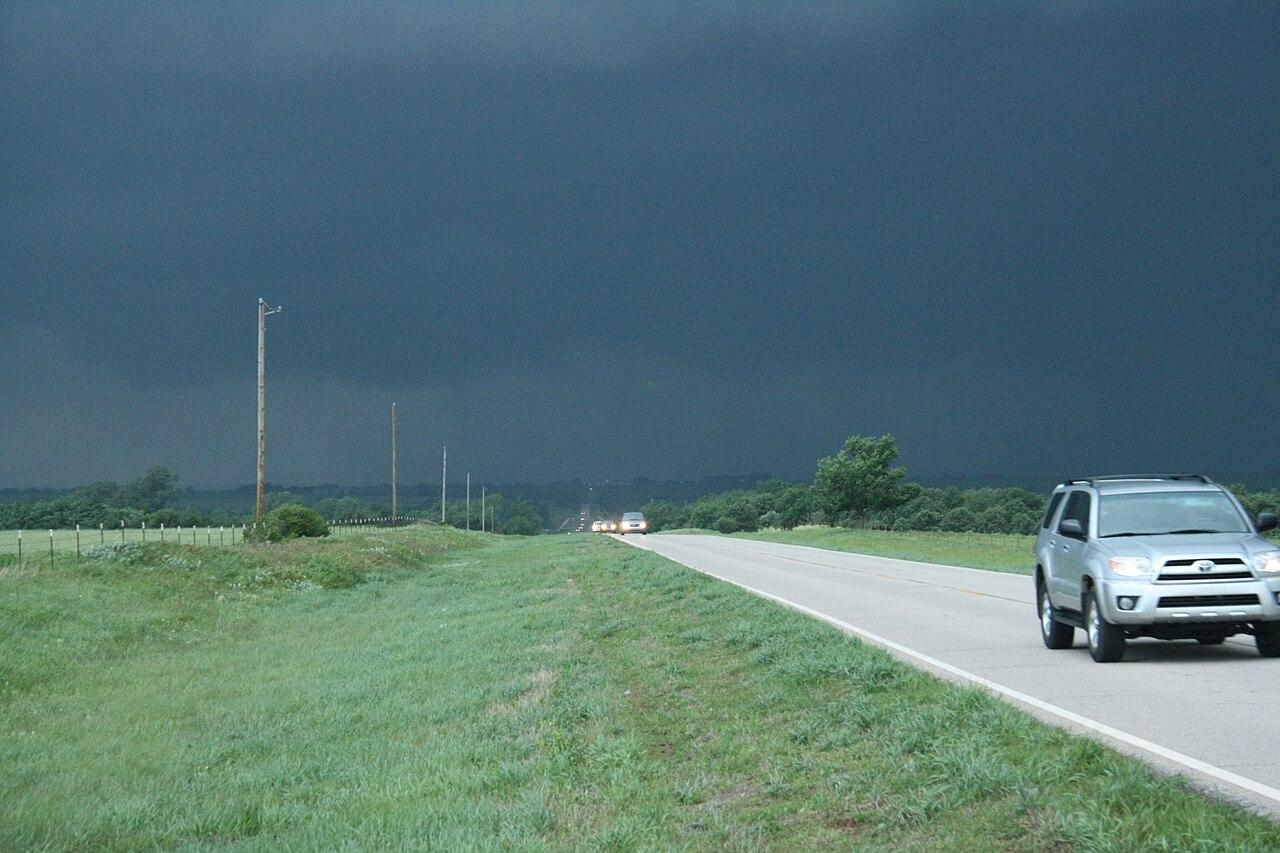
A week in a chase van across Tornado Alley, going after supercells, very large hail and tornadoes with a team in its 30th season.
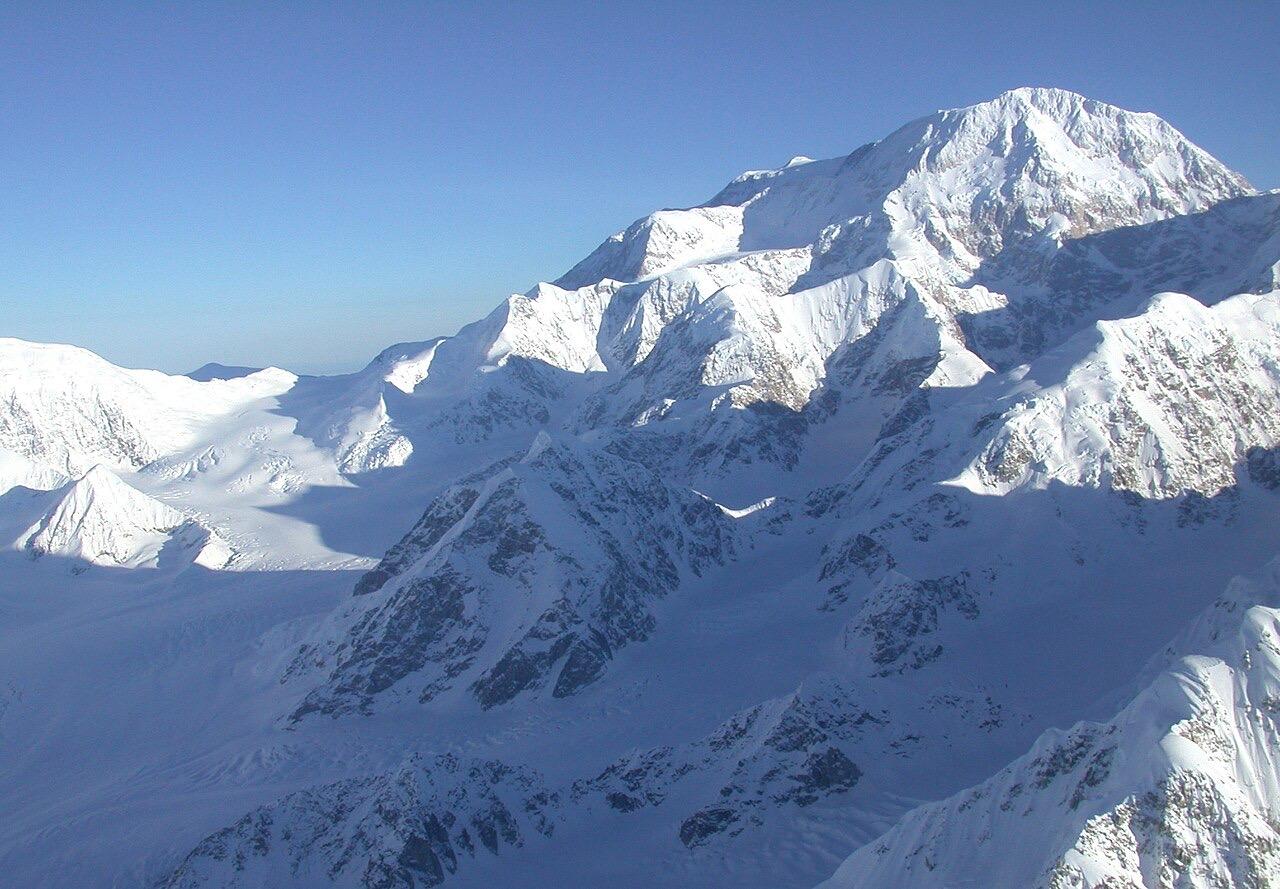
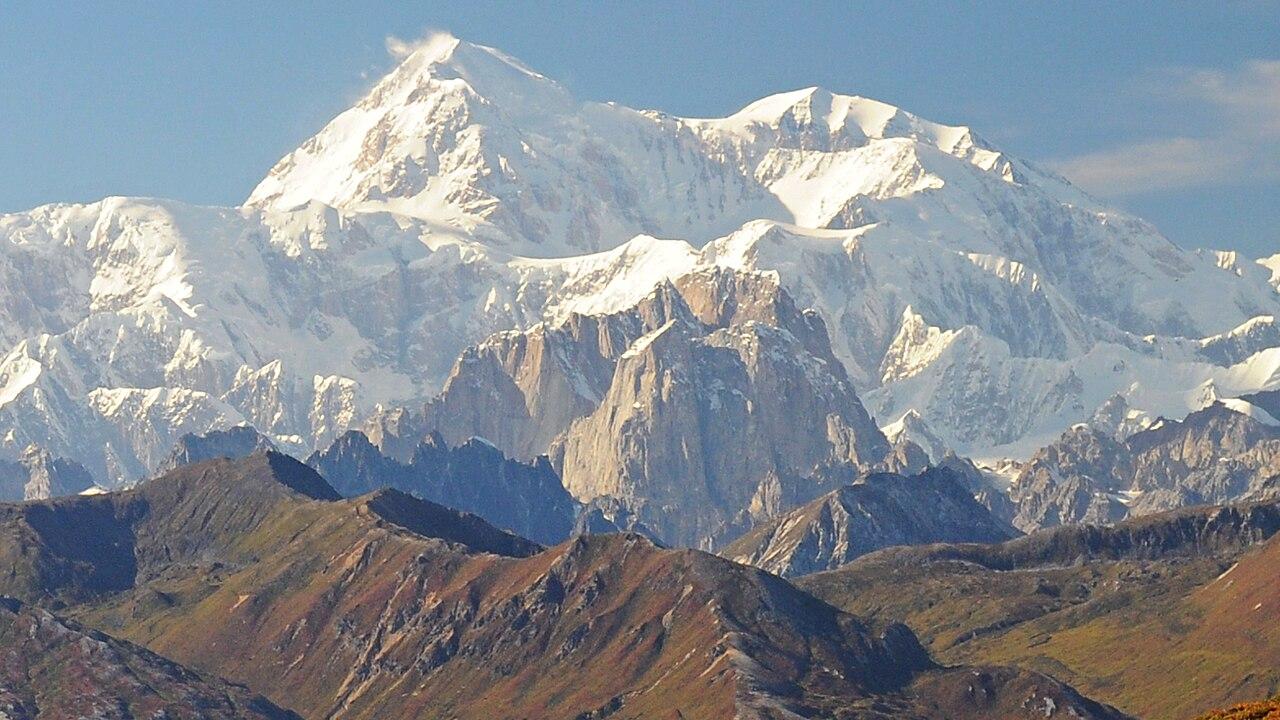
Haul a sled up North America's highest peak in classic expedition style with Talkeetna's own guide school: 6 climbers, 3 guides, 22 days.
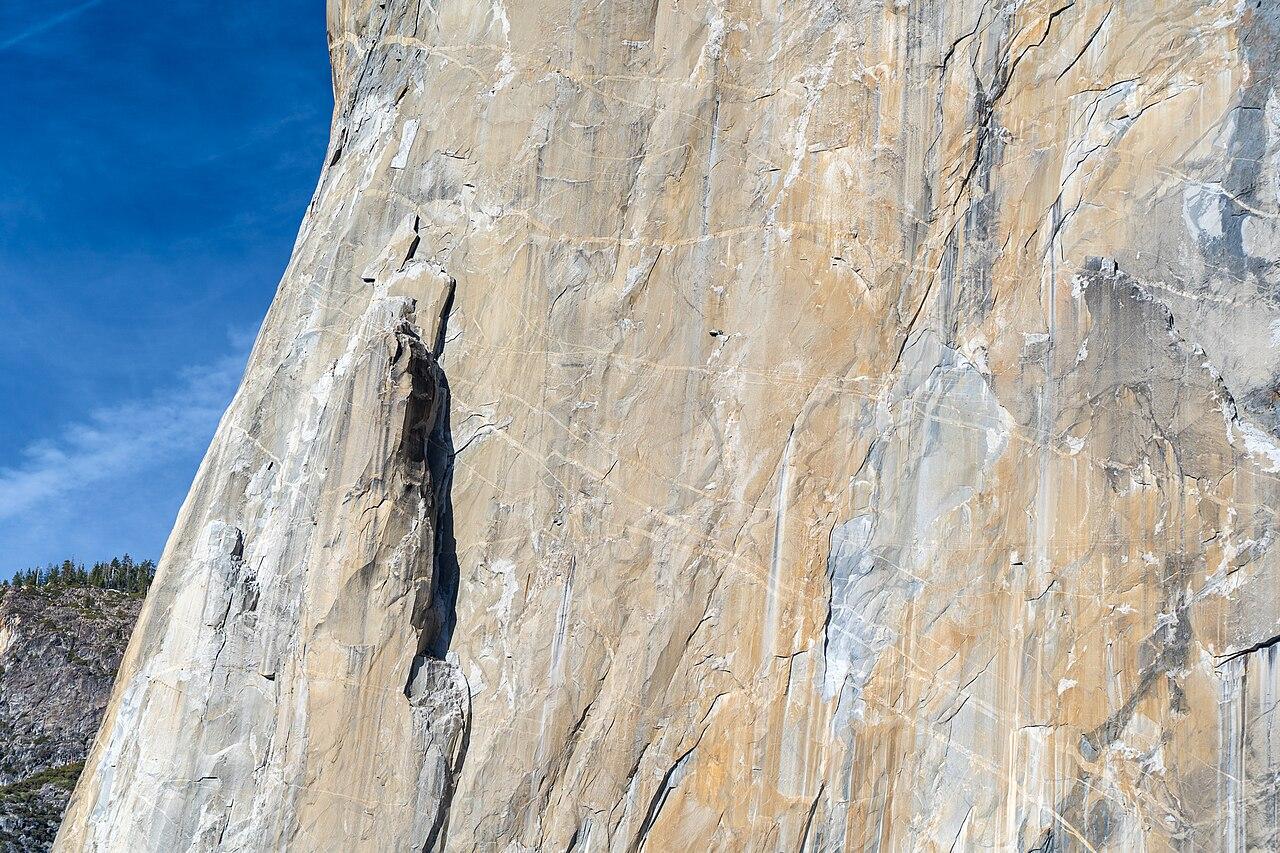
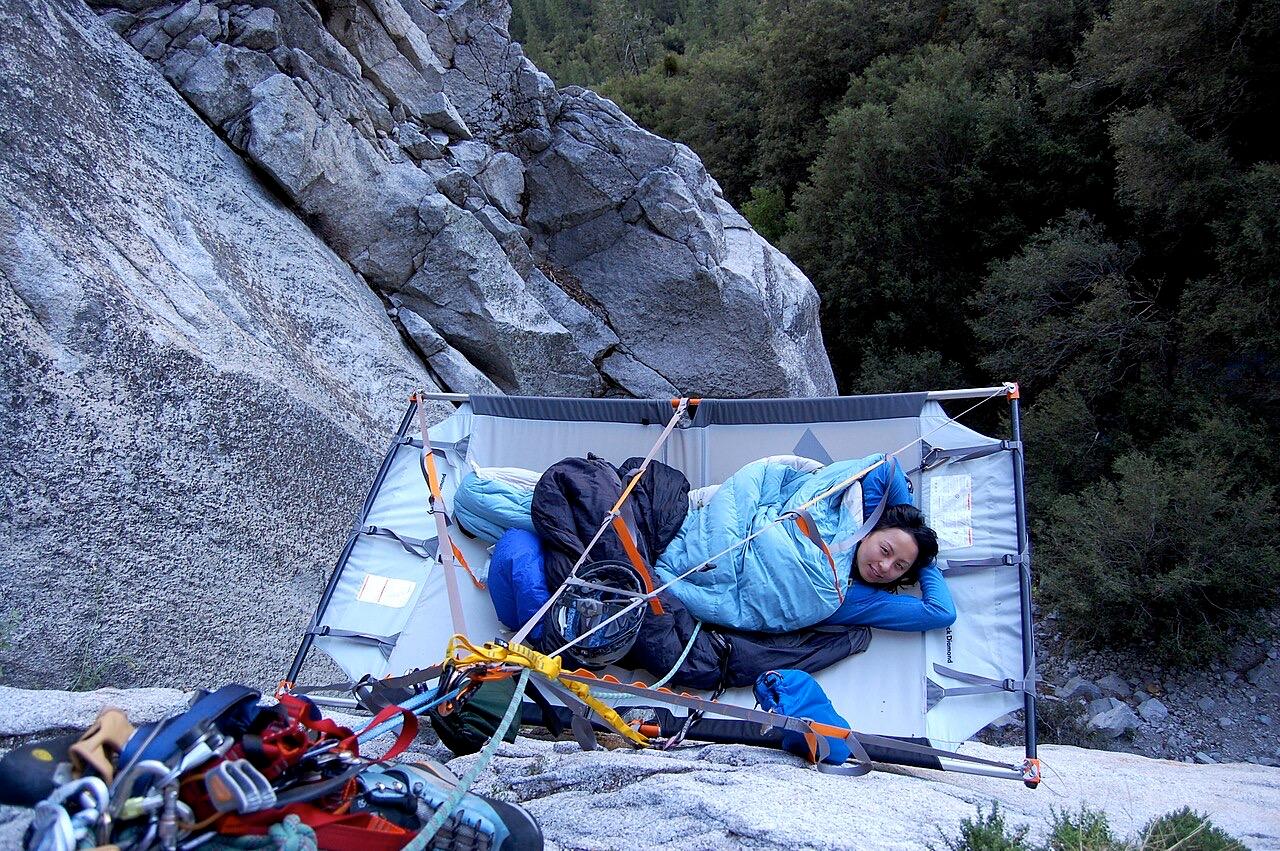
A guided big wall ascent of El Capitan's 900 m granite face in Yosemite Valley: six days climbing and sleeping on a portaledge with a Yosemite Mountaineering School guide.
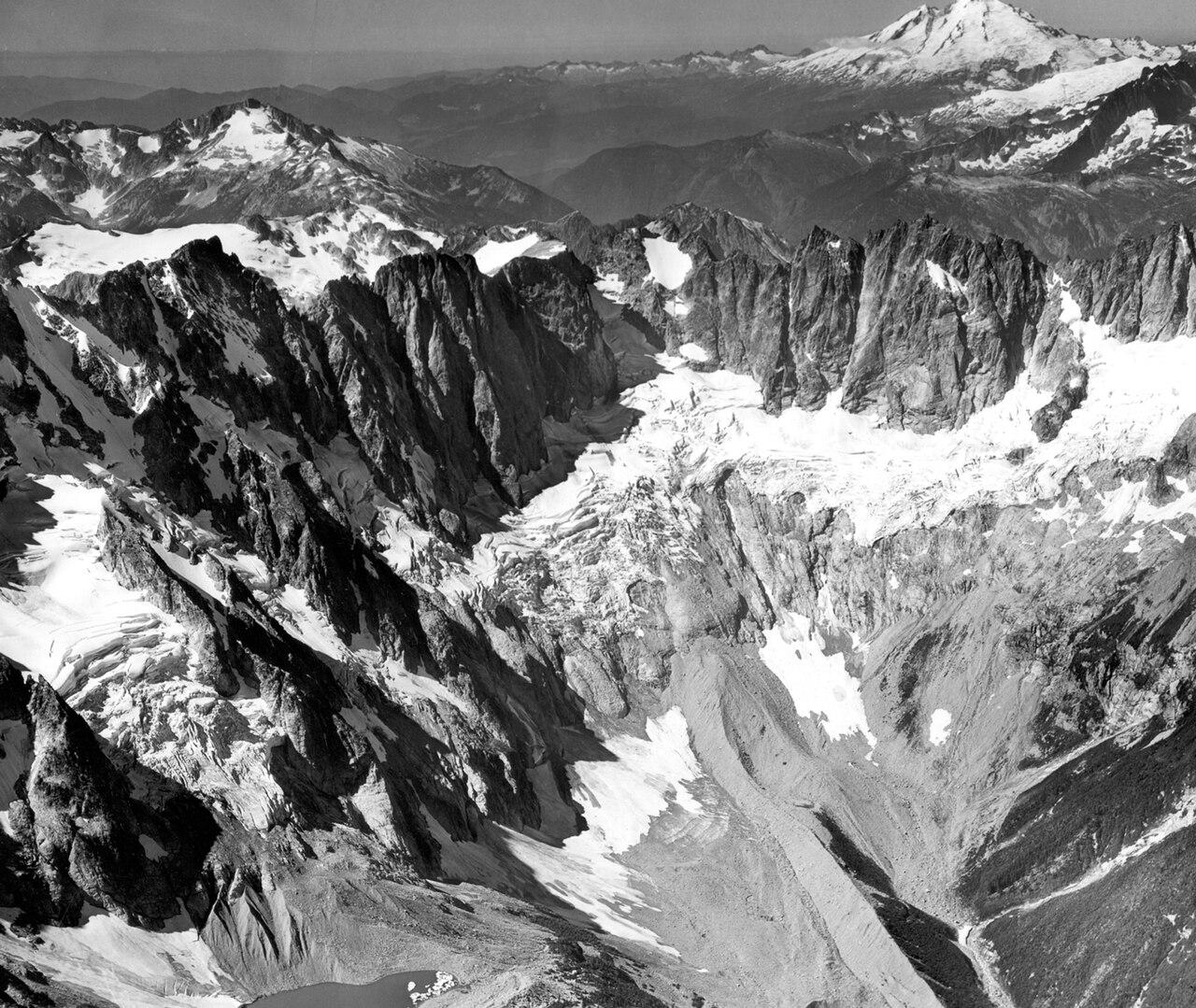
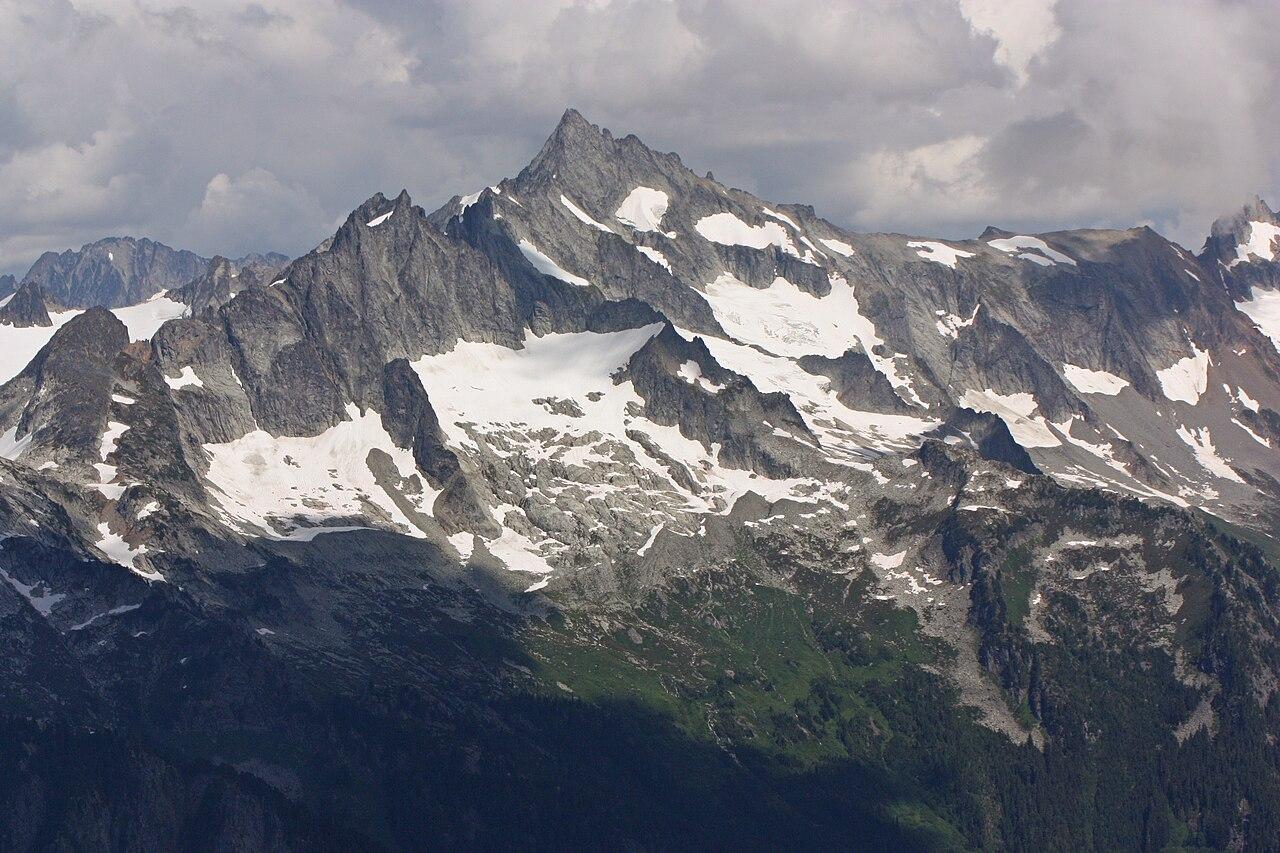
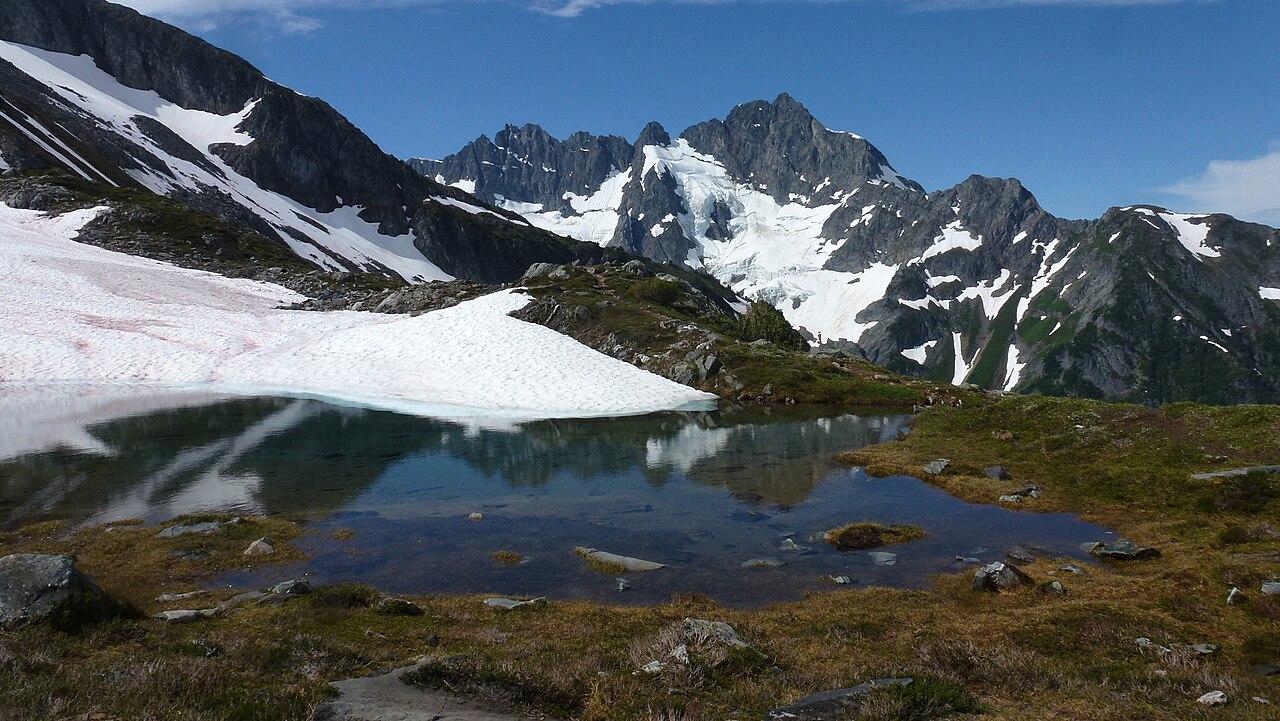
Eight days fast and light in the North Cascades' wildest range: a long, heavy approach, then glaciers, 50 degree ice and 5.8 rock on Challenger and Fury.
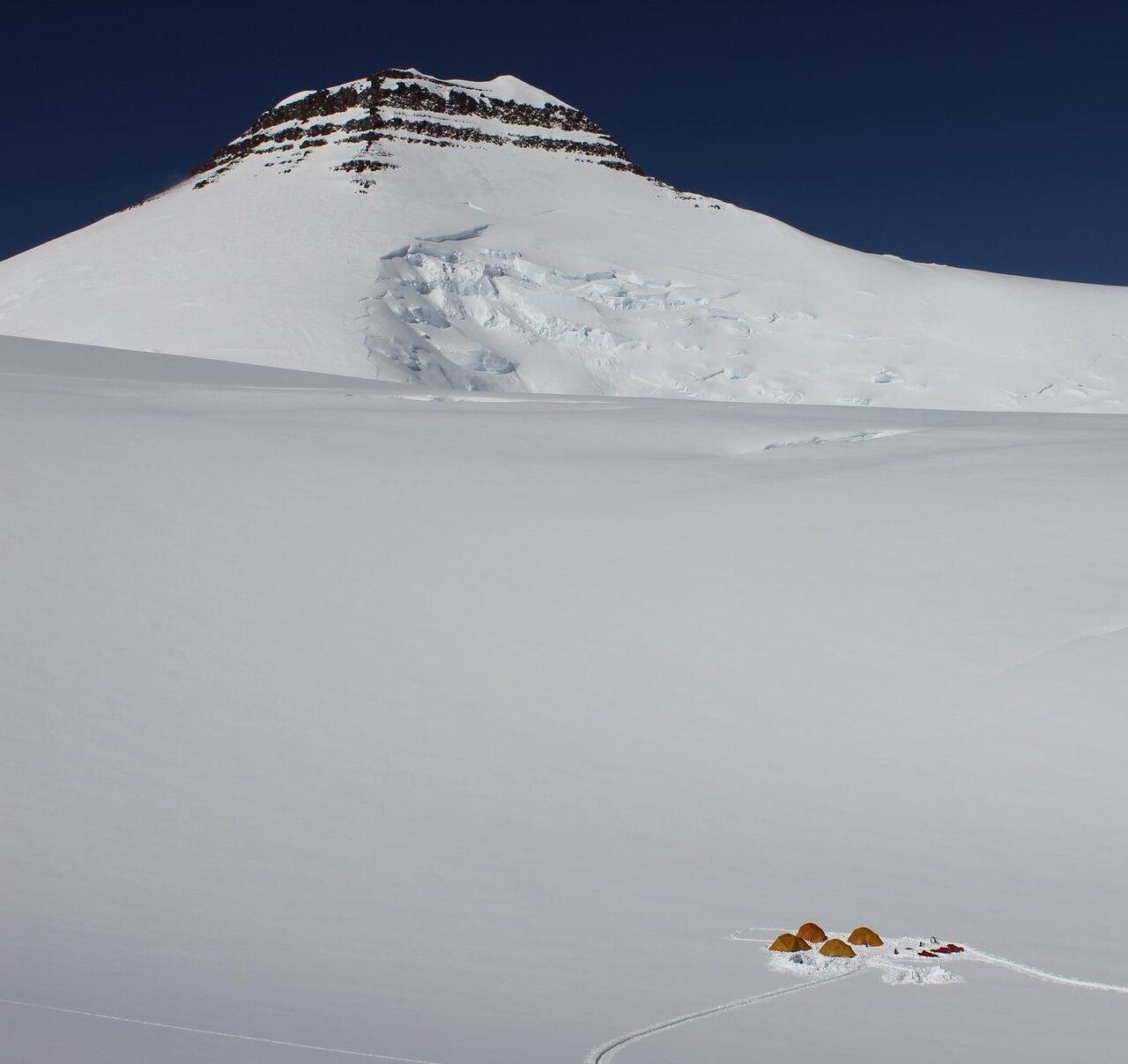
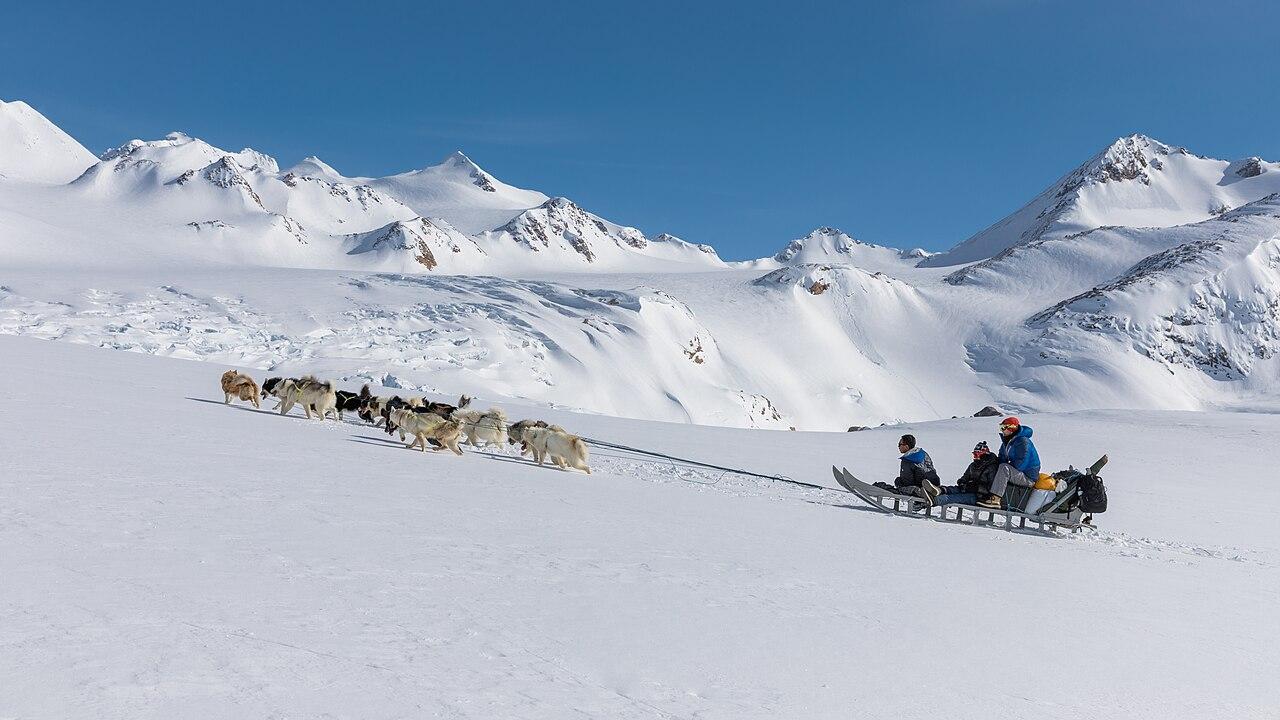
Eleven days in East Greenland's Watkins Mountains, flown in by ski plane, to climb Gunnbjørn Fjeld, the Arctic's highest summit at 3,693 m, then Dome and Cone.
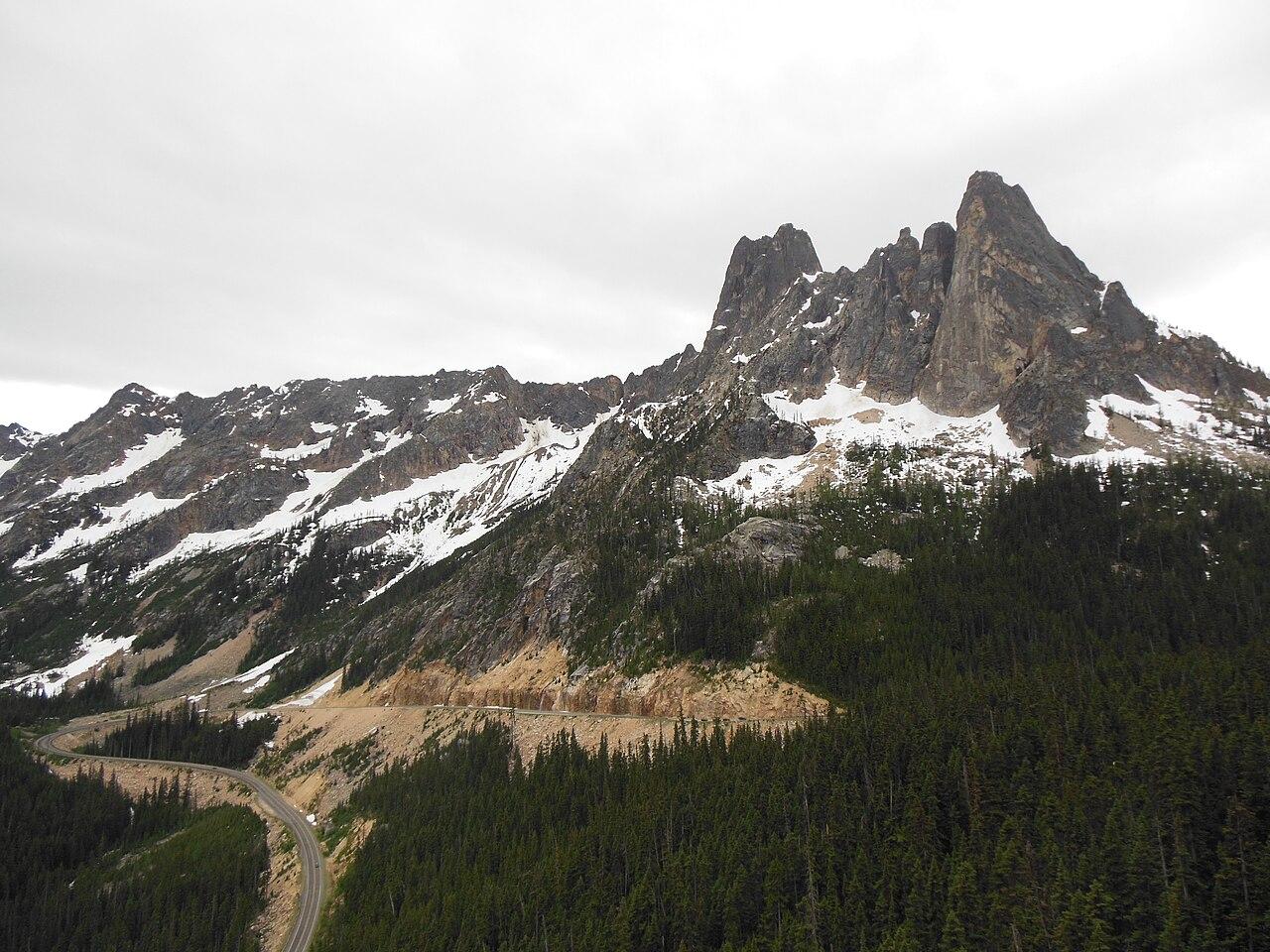
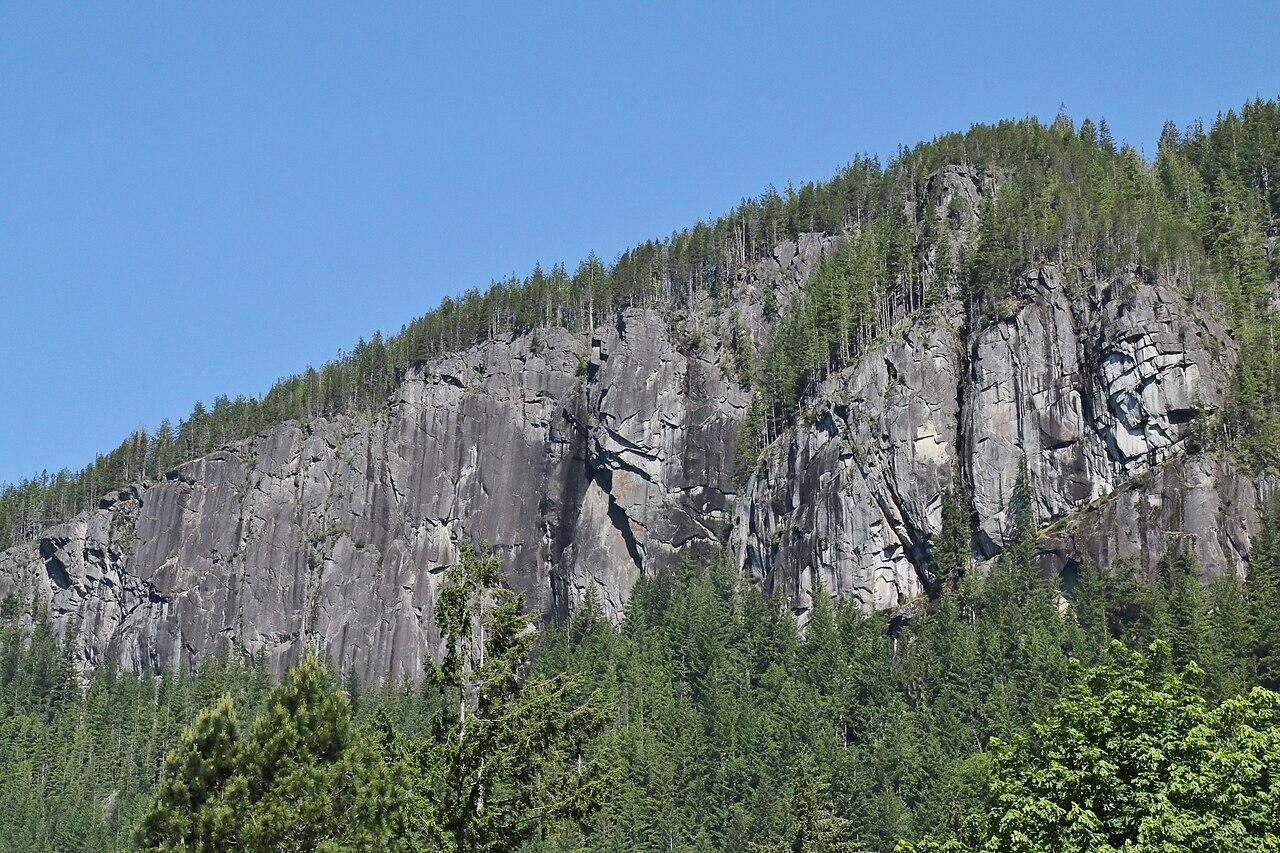
A guided day up Liberty Bell, the most iconic of the five granite spires above Washington Pass, by the grade II 5.6 Beckey Route, open to first-time climbers.
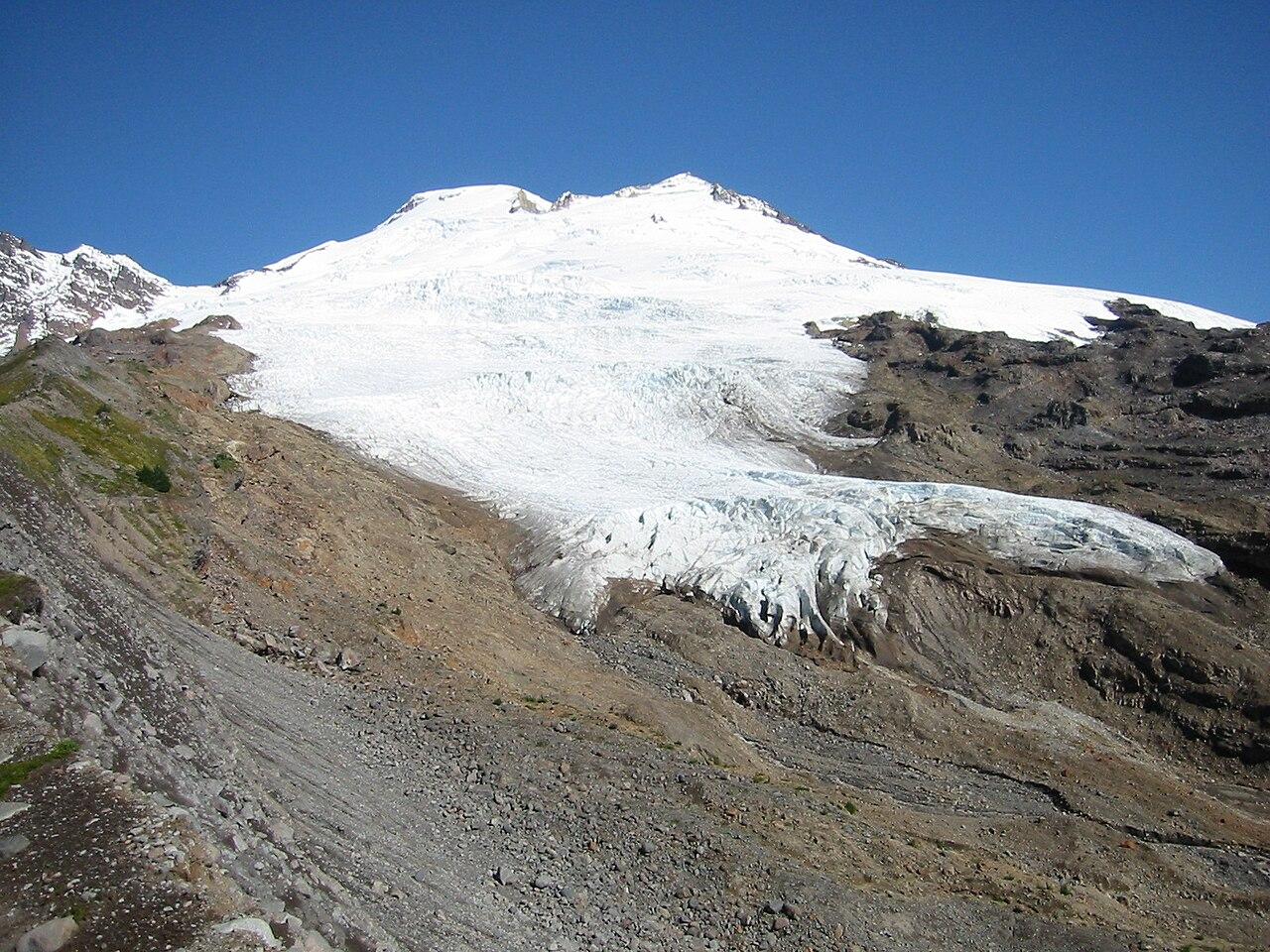
Three days on Mount Baker: tour up the Easton Glacier, boot up the 35 to 40 degree Roman Wall with skis on your pack, then ski 5,000 ft from the 3,286 m top.
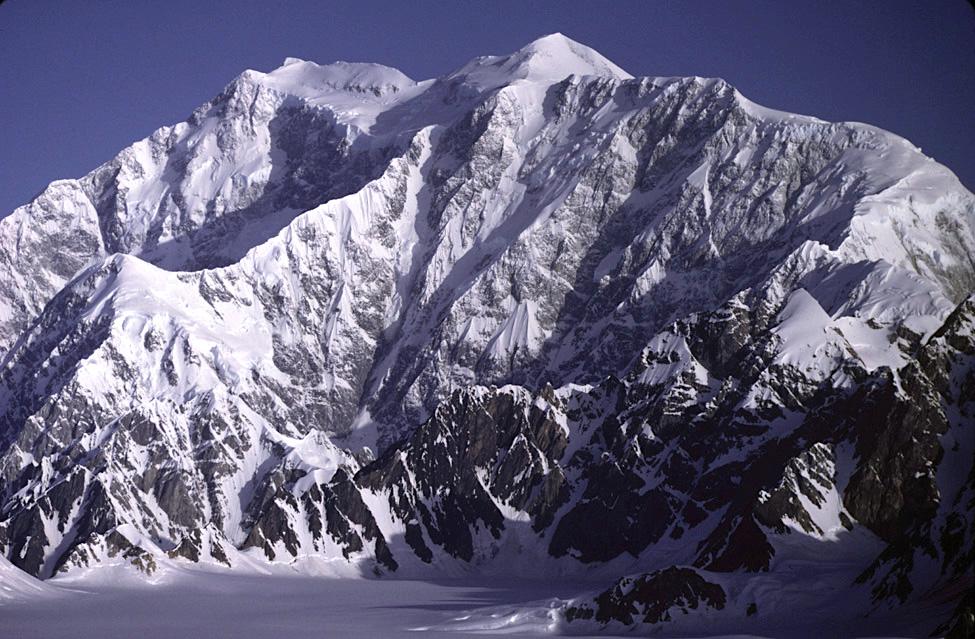
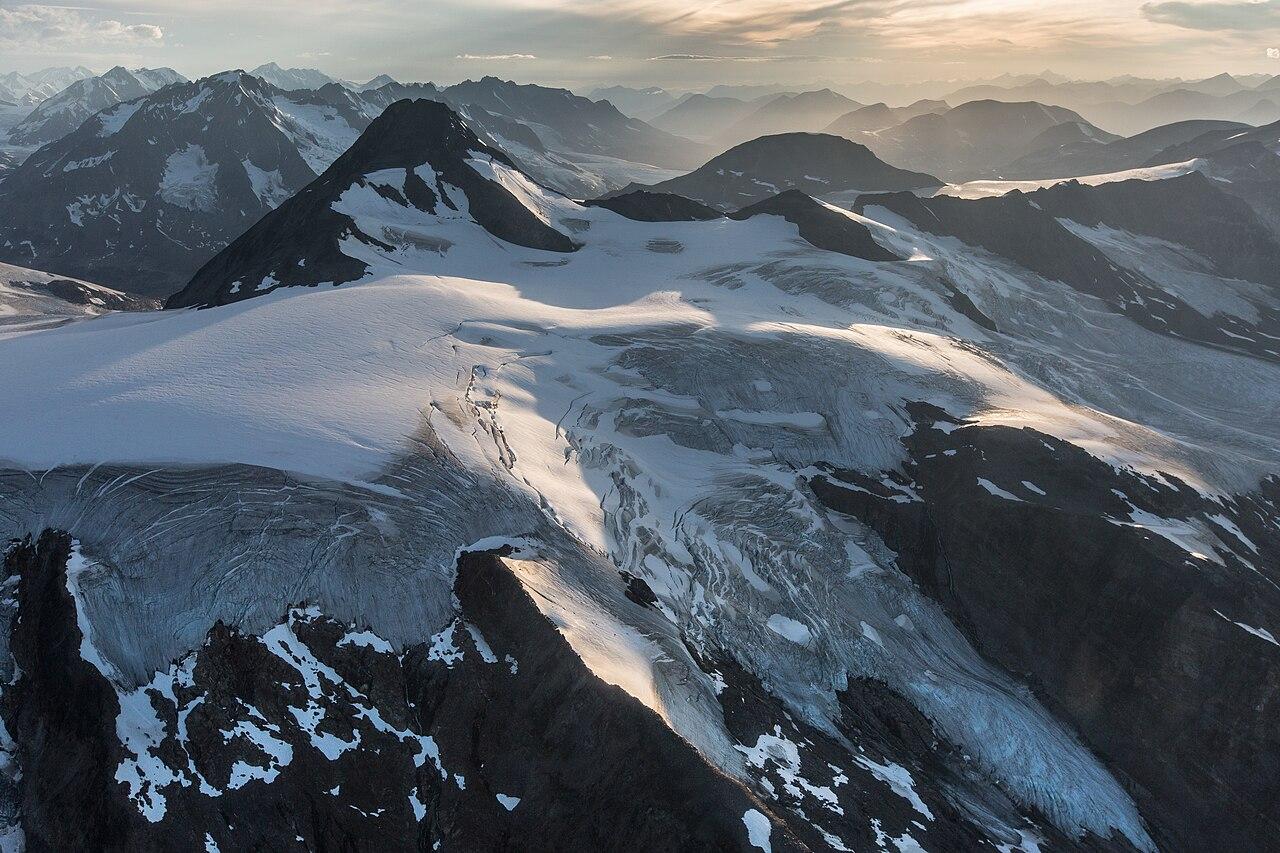
25 days on Canada's highest peak in the Yukon's St. Elias range: skis and sleds up the King Trench, then a 4-mile walk across the summit plateau above 5,300 m.
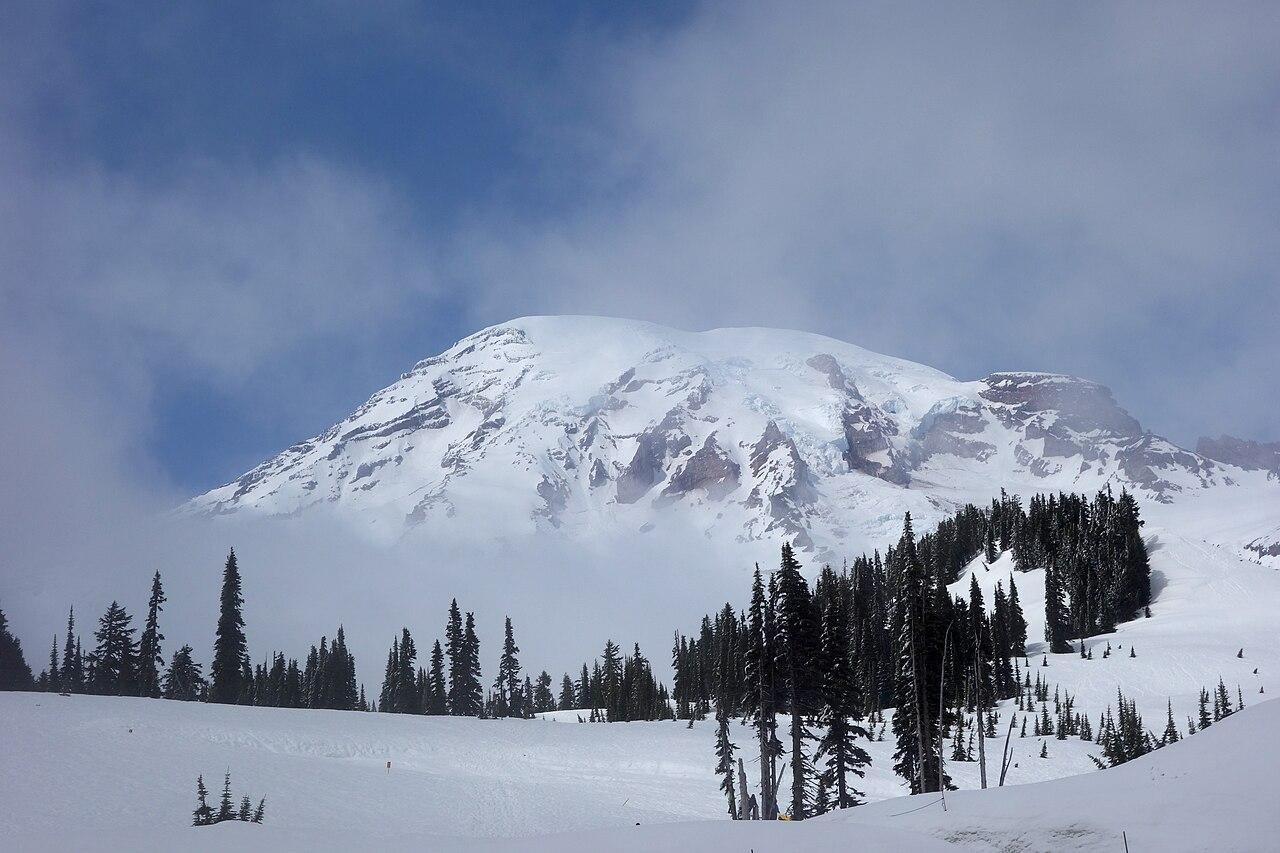
A day of mountaineering school on the mountain, a night in RMI's own hut at Camp Muir, then a pre-dawn climb up the Disappointment Cleaver and across crevassed glaciers to the crater rim.
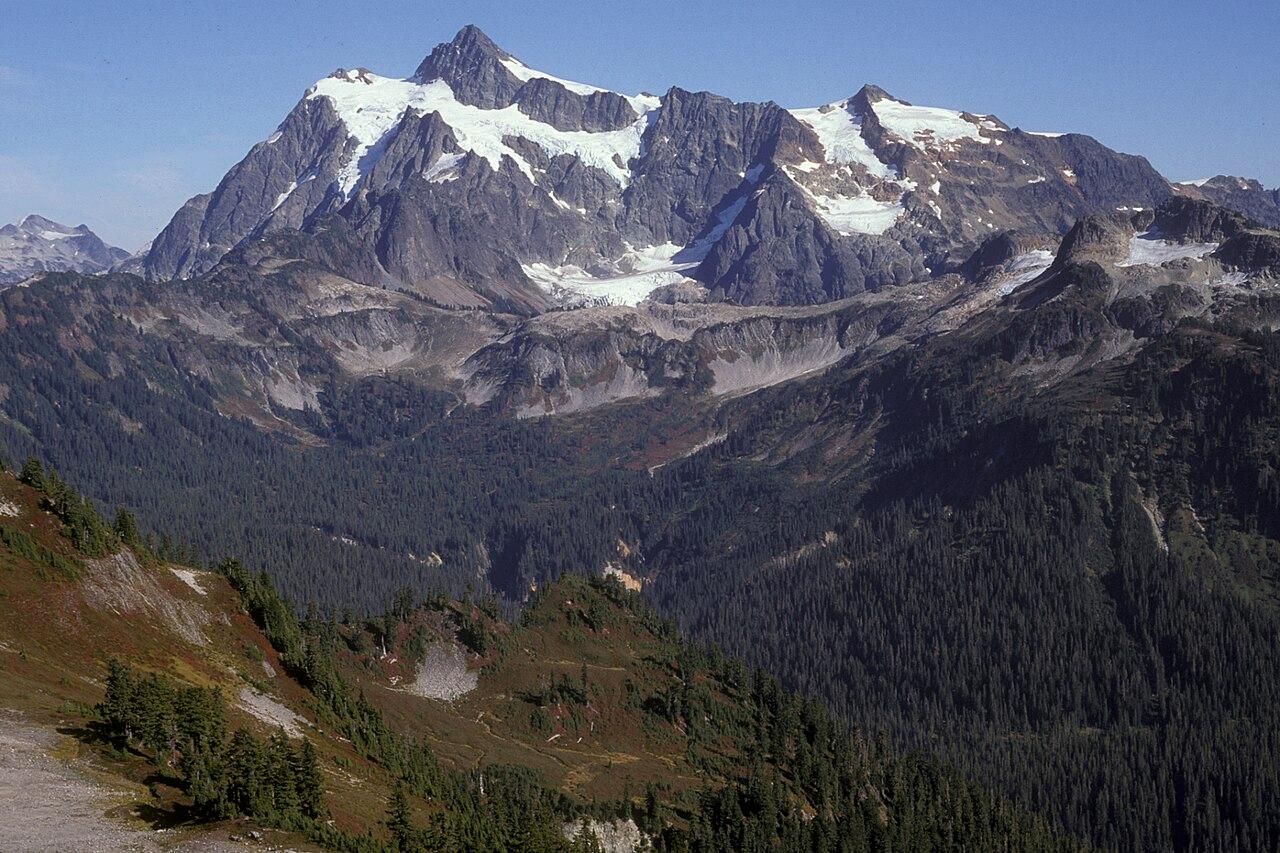
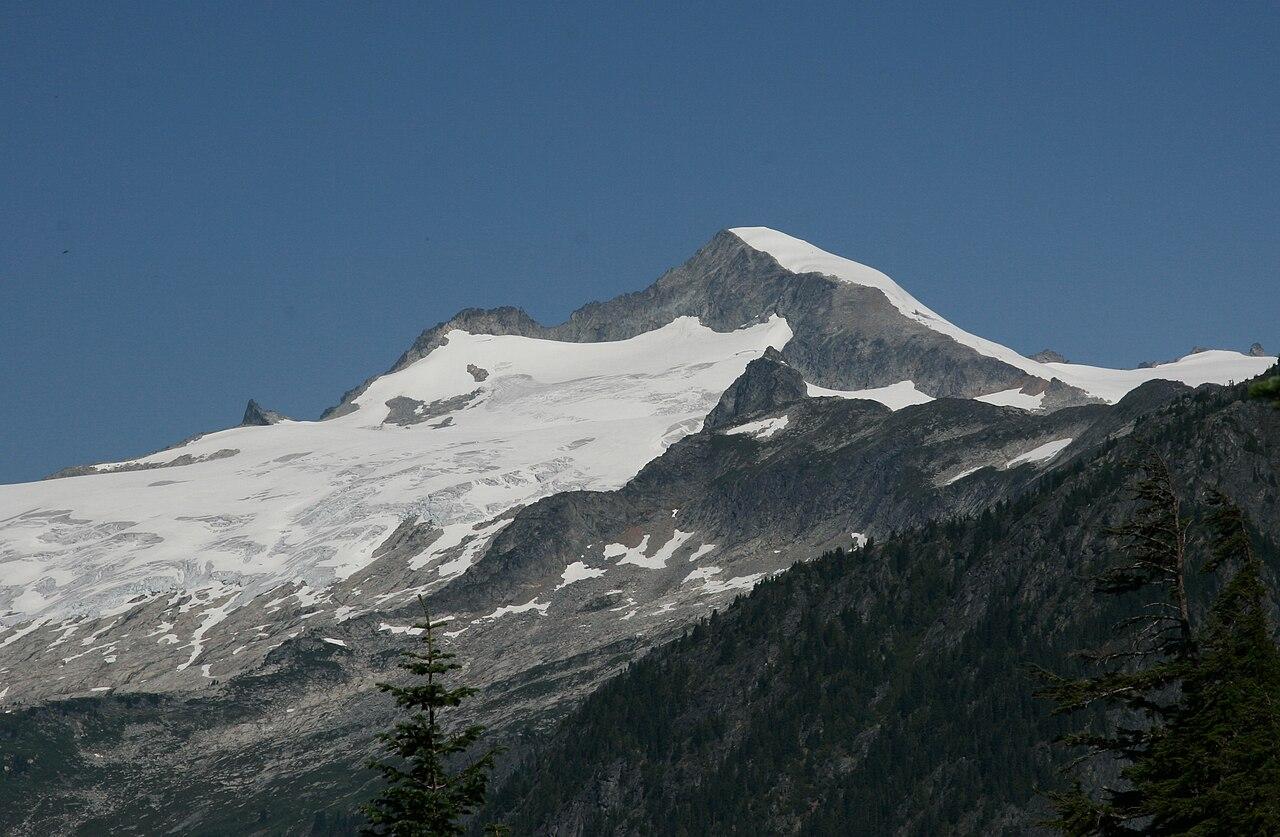
Four days on one of the most photographed US peaks: glaciers, steep snow and exposed rock to the summit pyramid of Mount Shuksan, 9,127 ft, two to a guide.
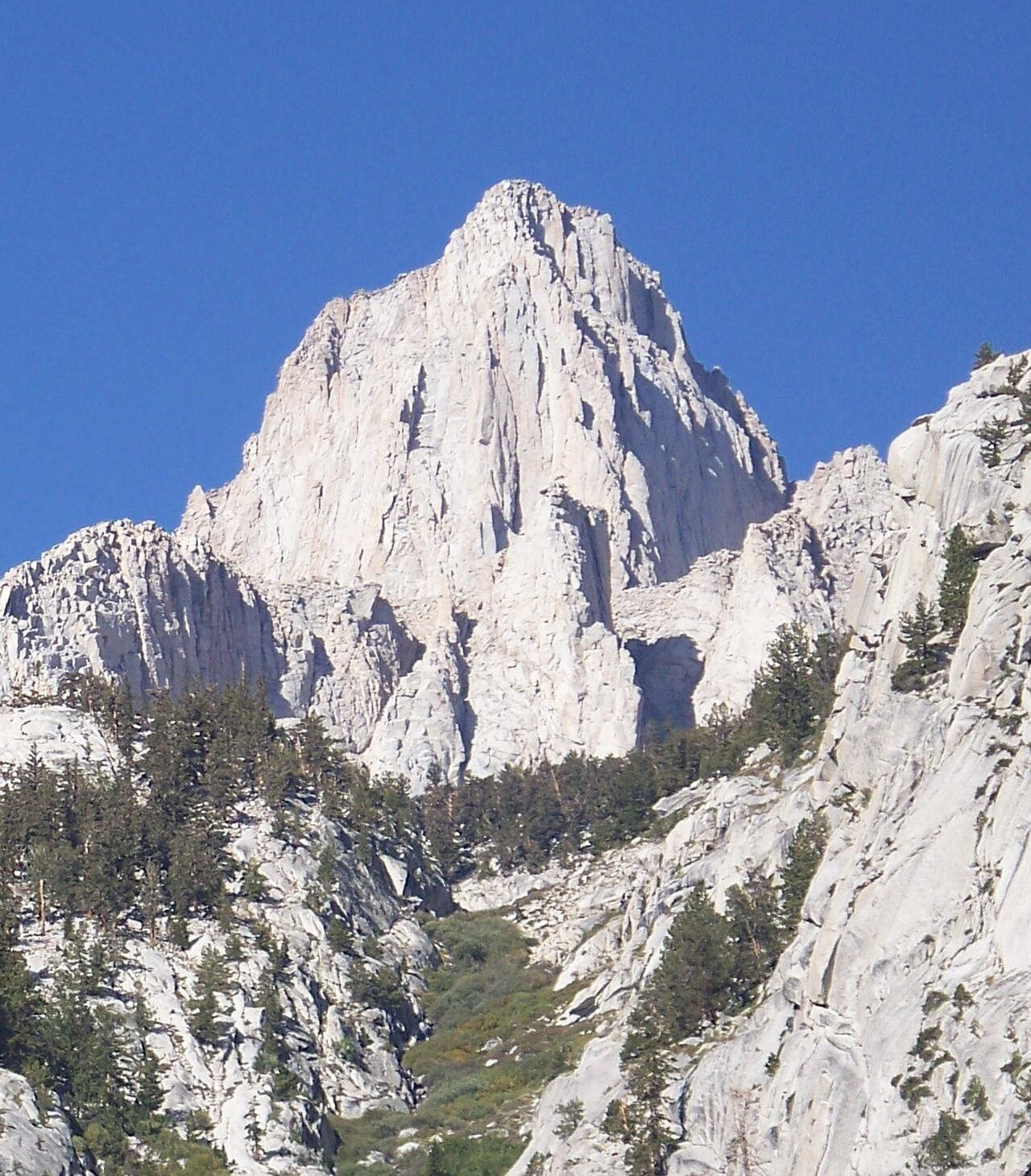
Four days on the east side of Mount Whitney, 14,505 ft (4,421 m), when the Mountaineer's Route is a snow gully up to 45 degrees with fixed ropes near the top.
Two weeks of exploratory climbing near Kulusuk: a shakedown on glaciated Apusiaajik, then a boat north to peaks in an area with no detailed maps.
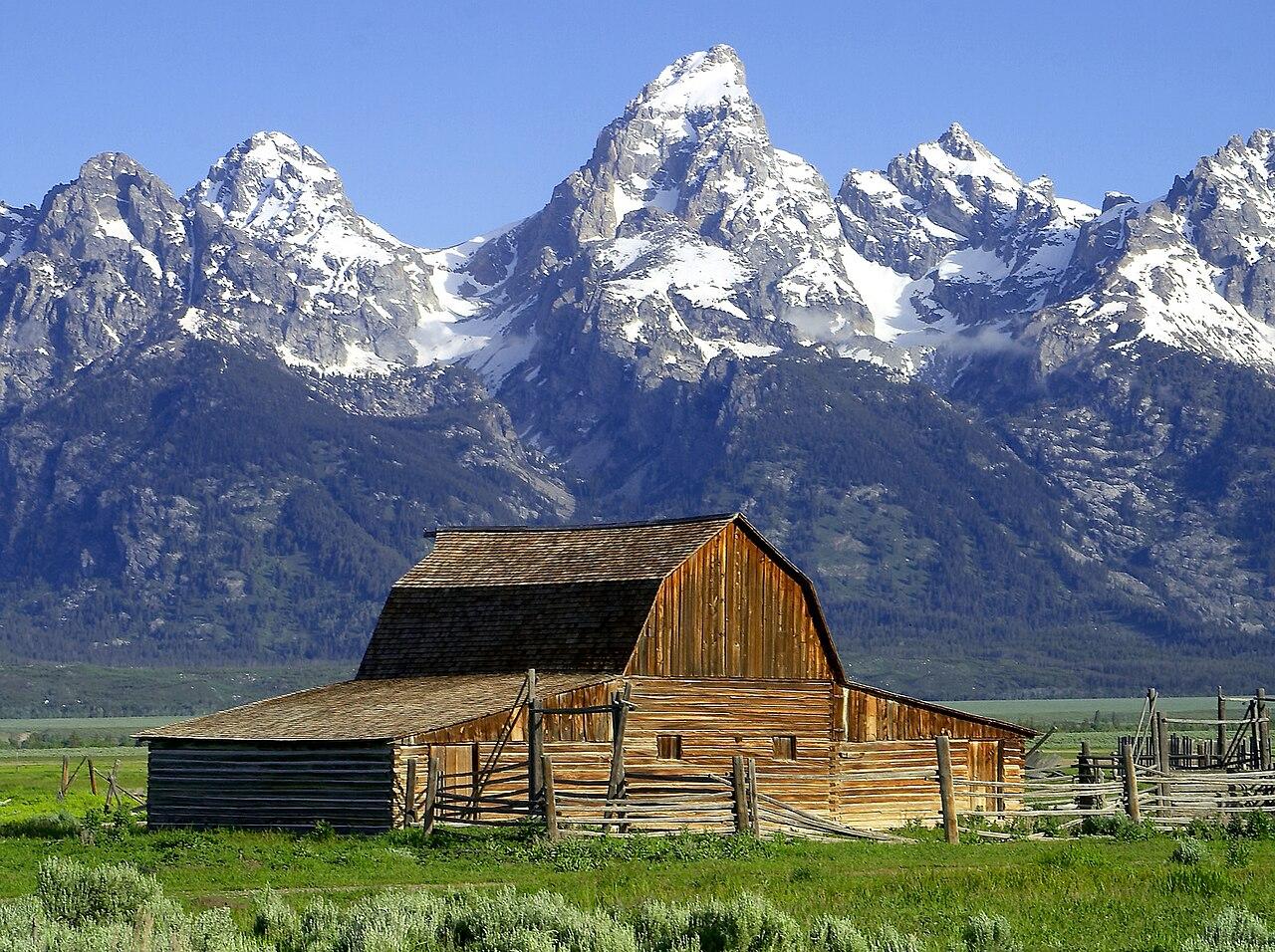
Four days in Jackson Hole: two days learning multi-pitch rock climbing, then a two-day climb to the summit of one of North America's most famous peaks, with no climbing experience needed to start.
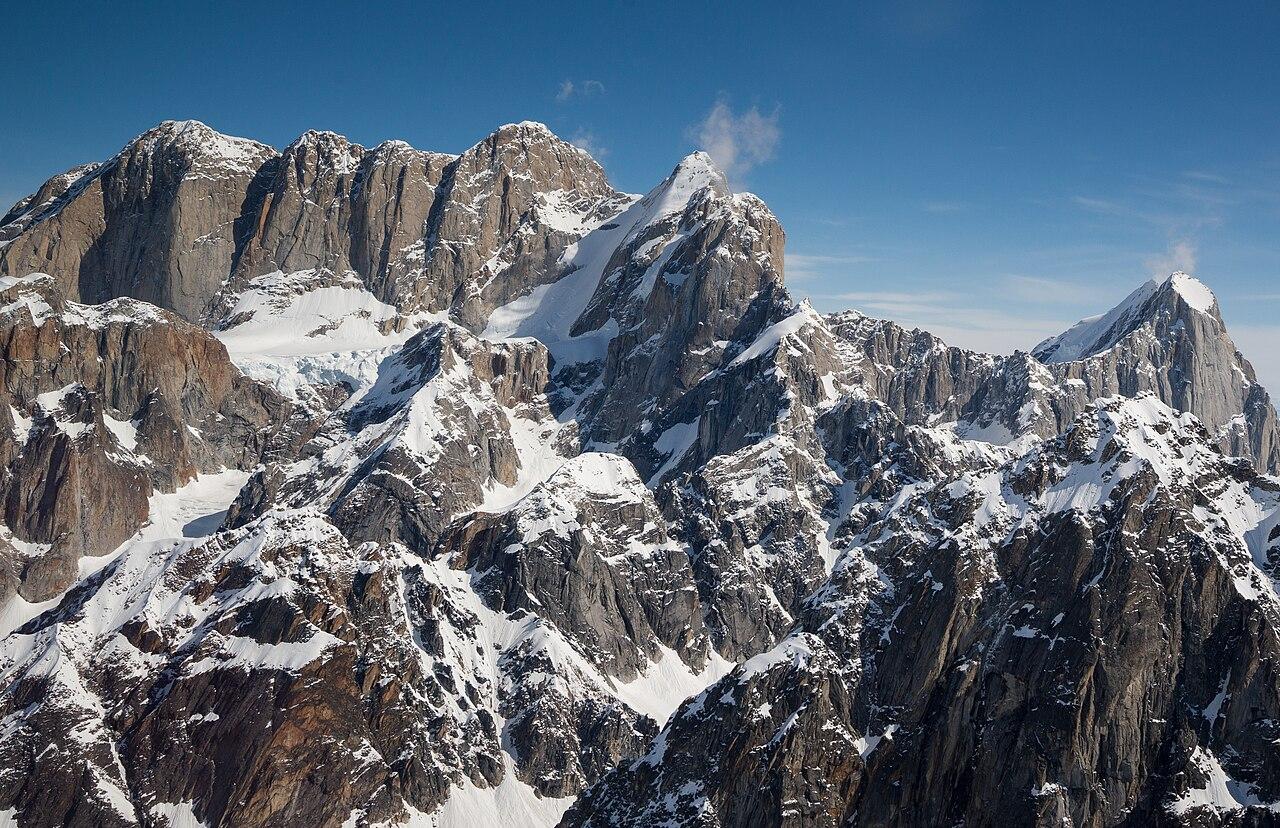
Fly into the Alaska Range's Ruth Gorge and climb the Moose's Tooth, 3,139 m, by the Ham and Eggs couloir in a single push of 13 to 22 hours.
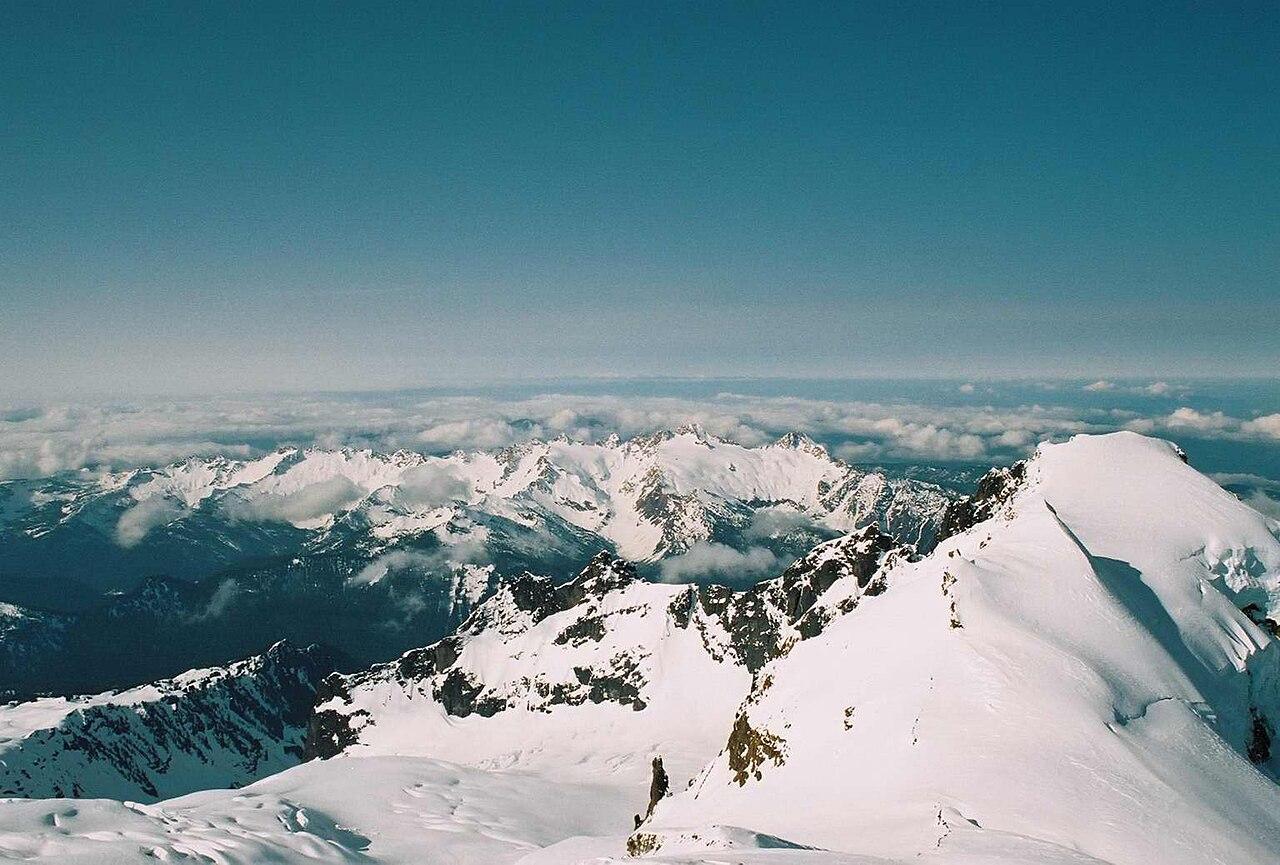
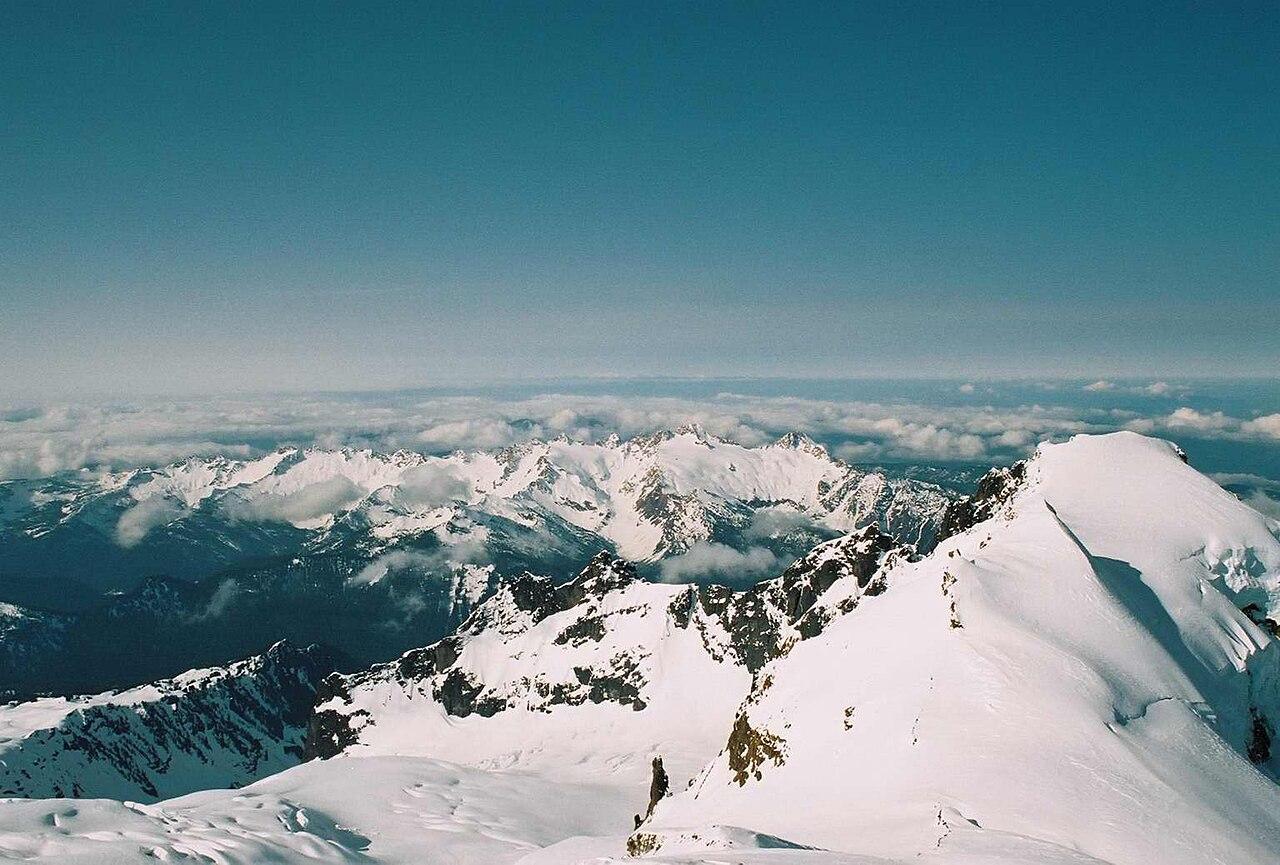
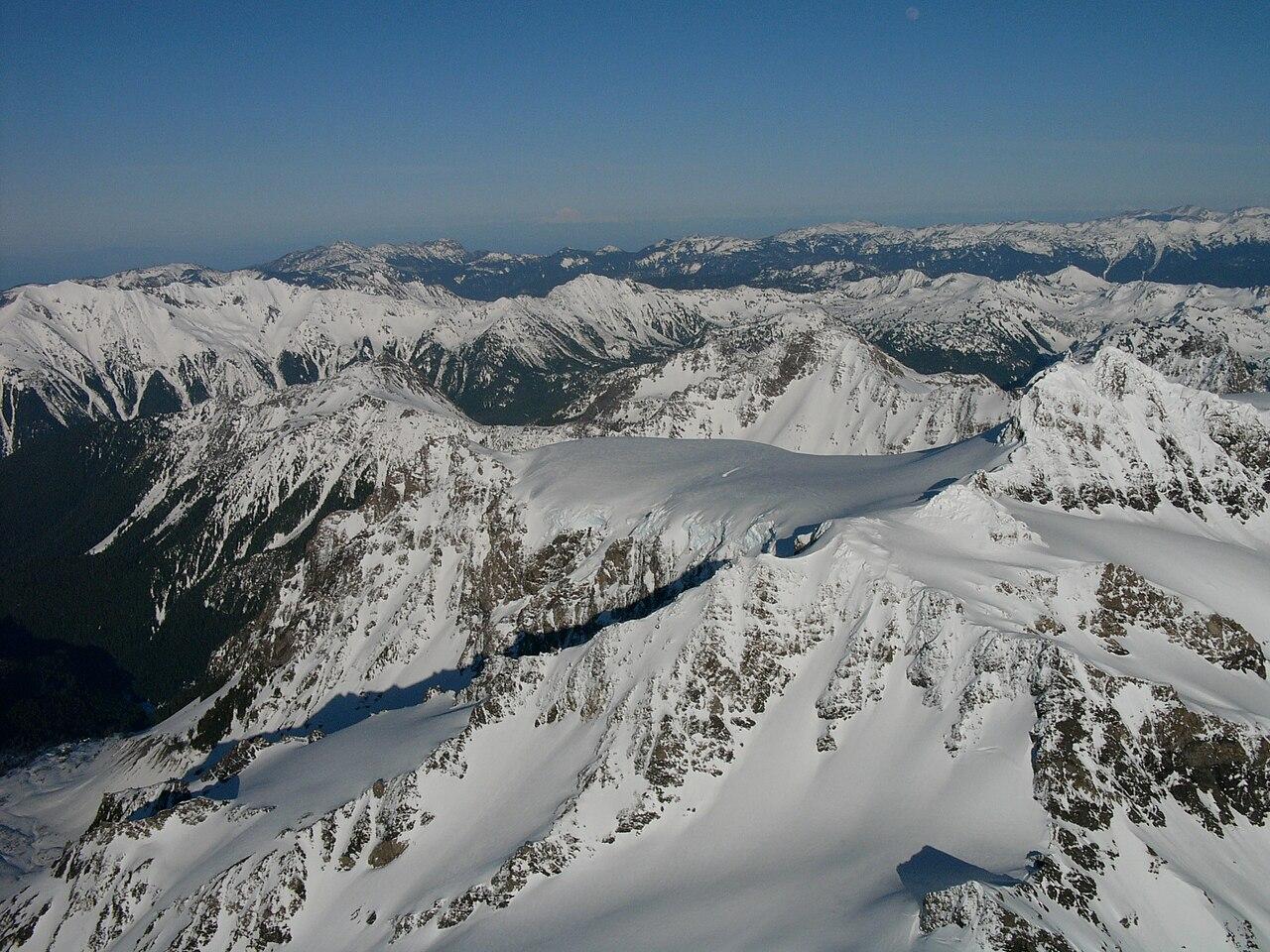
Three days on the north side of the North Cascades' highest volcano: a crevassed glacier, then steep ice pitches up the North Ridge to the summit.
Three days in Washington's Cascades: up the solid granite of Mount Stuart's North Ridge at 5.6 to 5.9 to its 2,870 m summit, then down more than 1,500 m.
Three days around a remote peak: across the Boston Glacier to a bivouac on a col, then a rib of solid rock and snow straight up to the 2,687 m summit.
Six hours off the lit paths of the world's longest known cave system, crawling through extremely tight spaces and making difficult climbs with a ranger.
Ten days across the Olympics' Bailey Range: over the Catwalk, off trail across glaciers and ridges to Bear Pass, then up Mount Olympus and out down the Hoh.
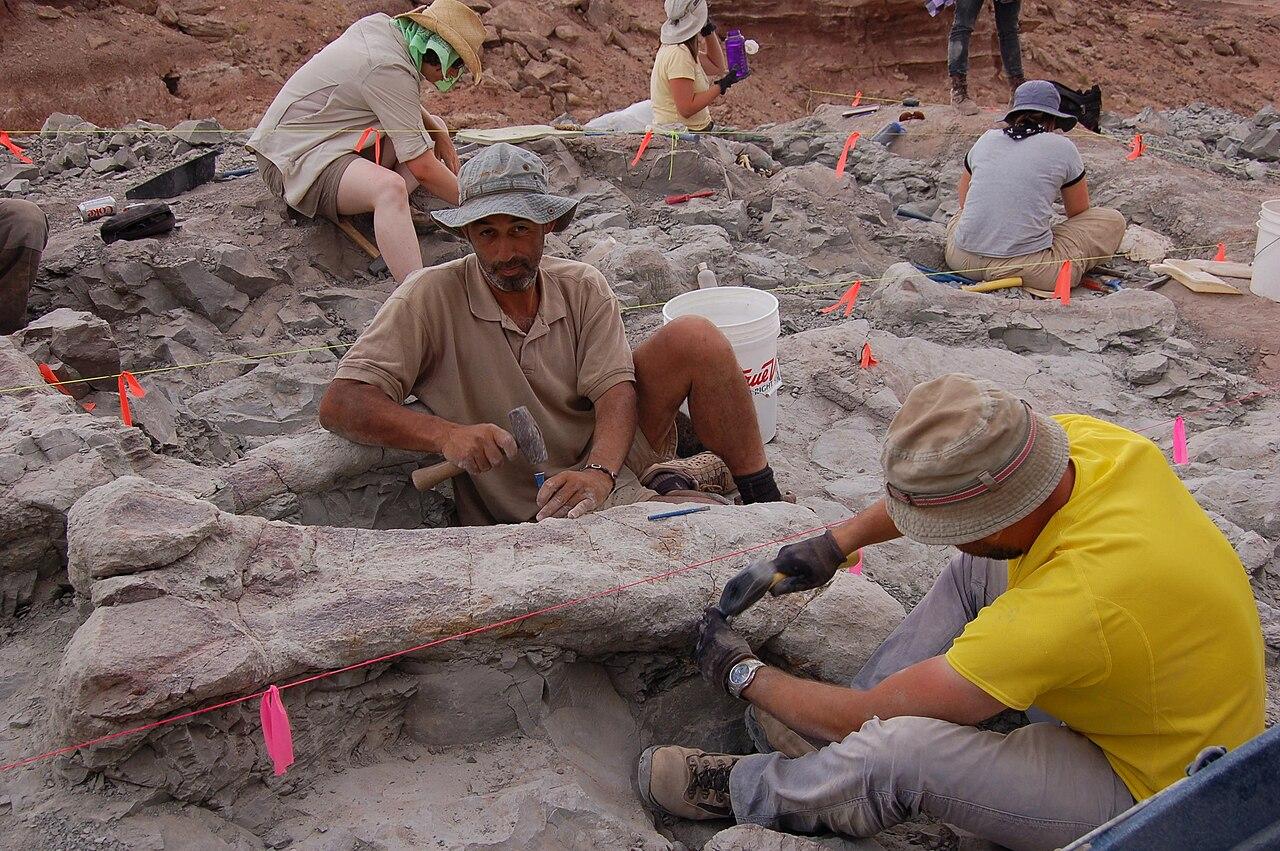
A week on a working fossil dig for the late Jurassic Morrison Formation, excavating beside paleontologists in the badlands of southern Montana and northern Wyoming.
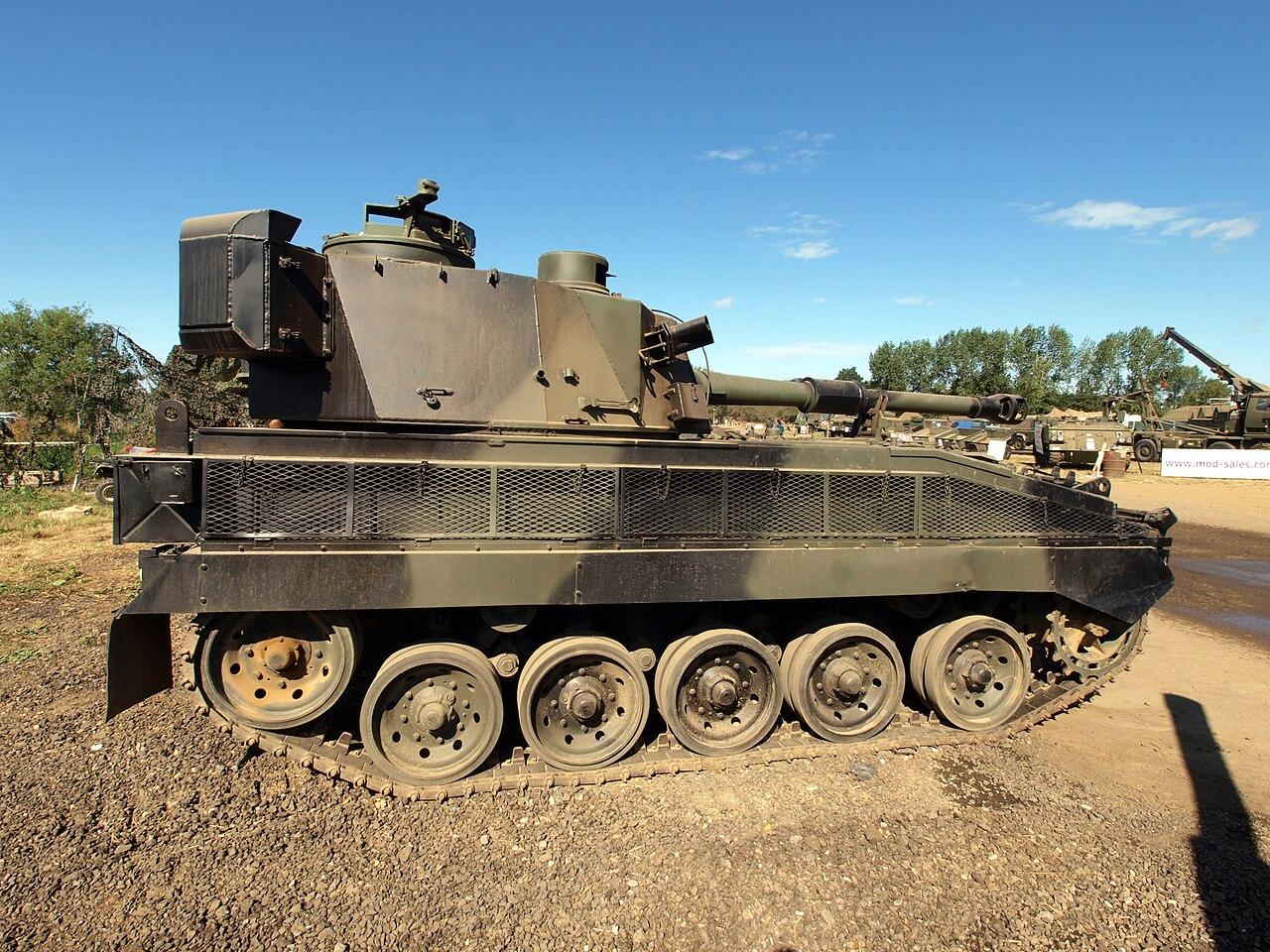
Climb into the driver's hatch of a British Abbot self-propelled gun and drive it through a dense wooded course; the top package puts you in a Centurion battle tank.
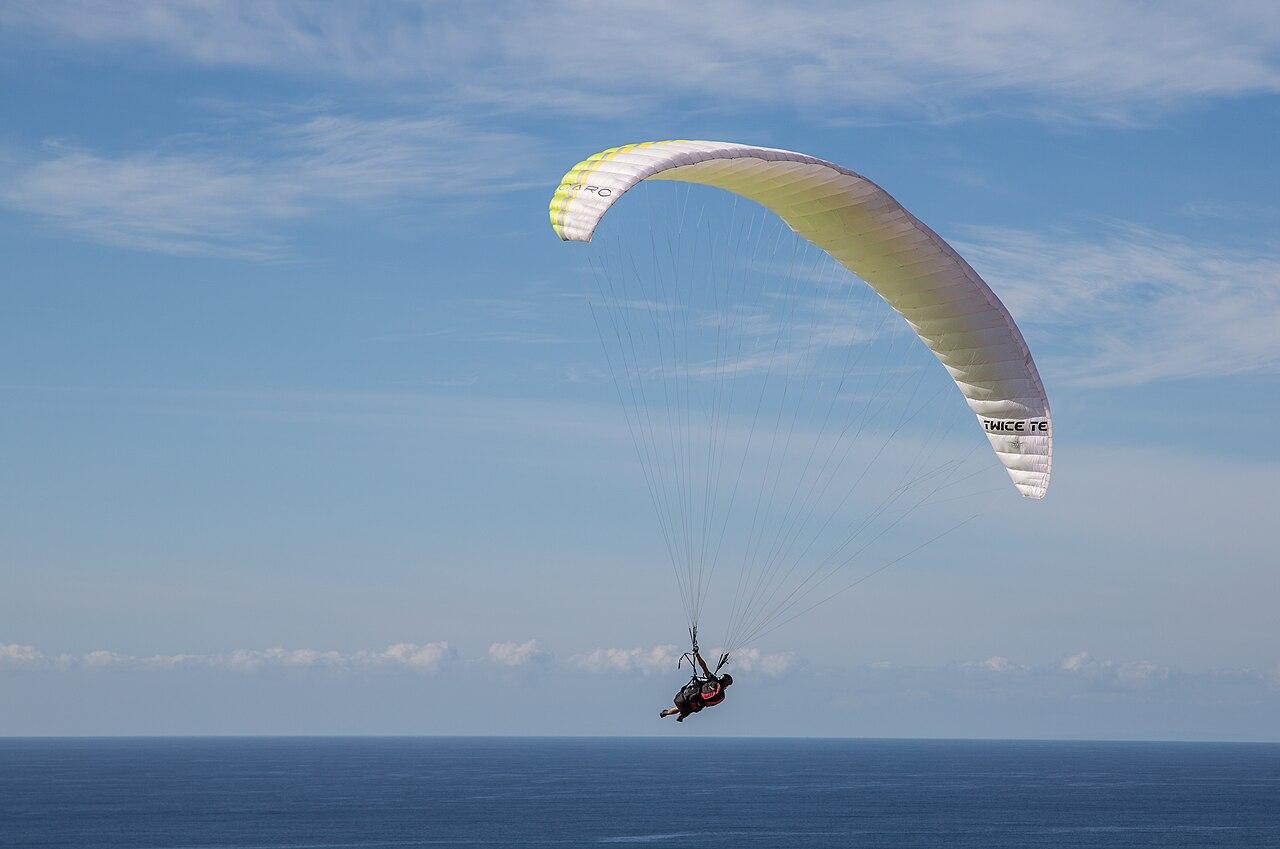
A 15 to 20 day course on the cliffs above Black's Beach in San Diego that ends with the USHPA P2 rating, so you can fly rated mountain sites on your own.
A 12-day guided vision fast: five days of preparation, three days and nights alone in the backcountry drinking only water, then three days of return with two guides.
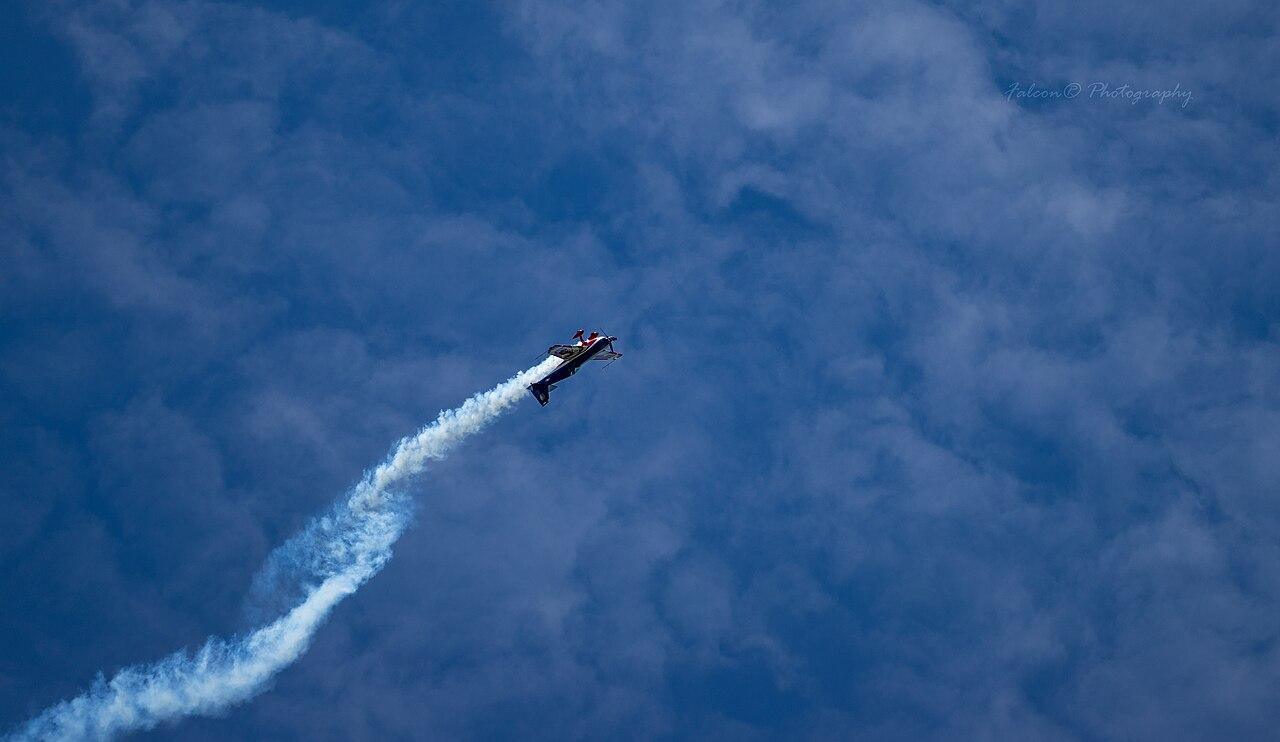
No flying experience needed: you take the controls of an aerobatic Extra 330 in a multi-plane air combat mission, coached by fighter pilots.
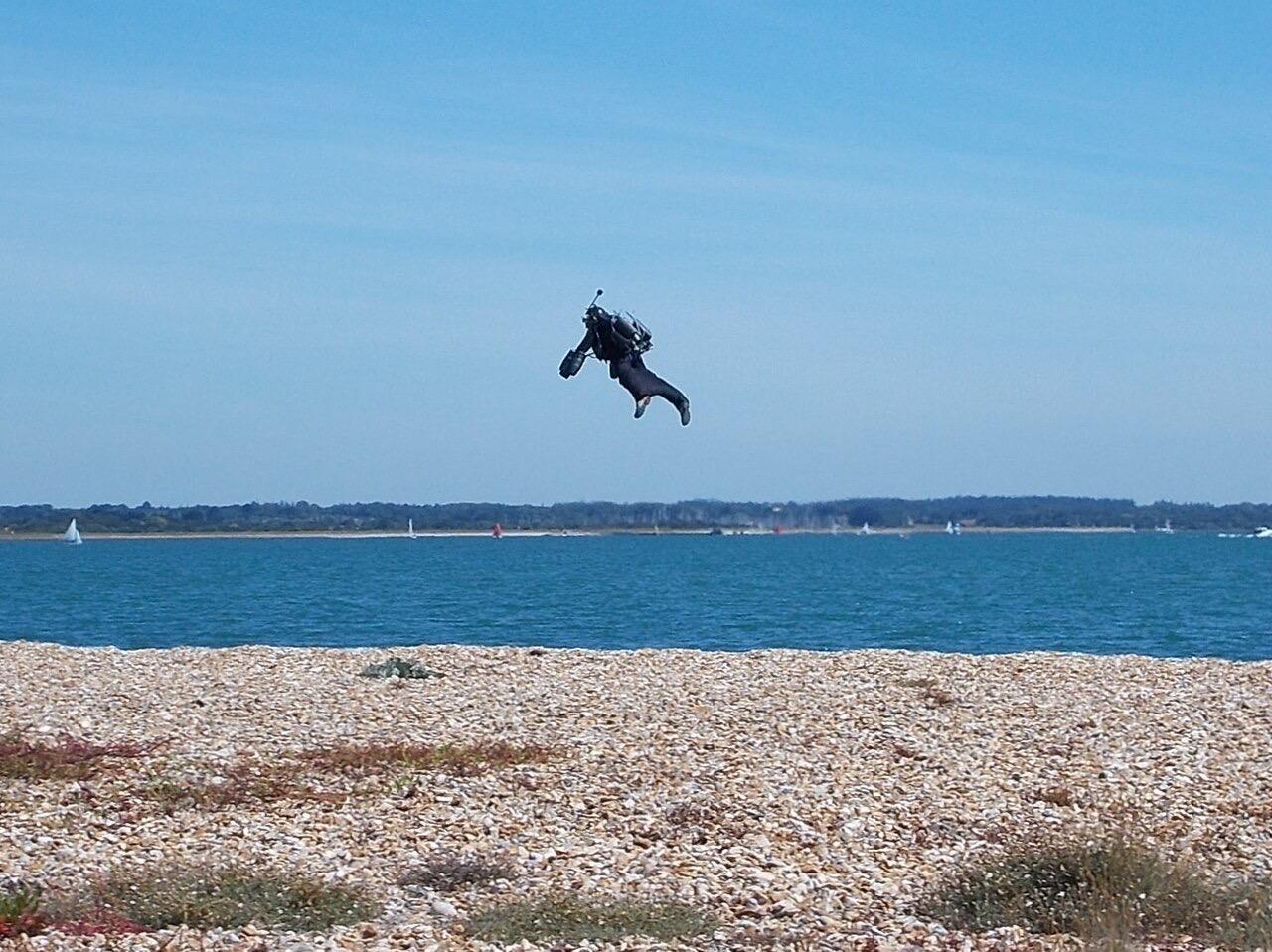
The same tethered jet suit training Gravity runs in England, at its US flight training centre in California's Central Valley.
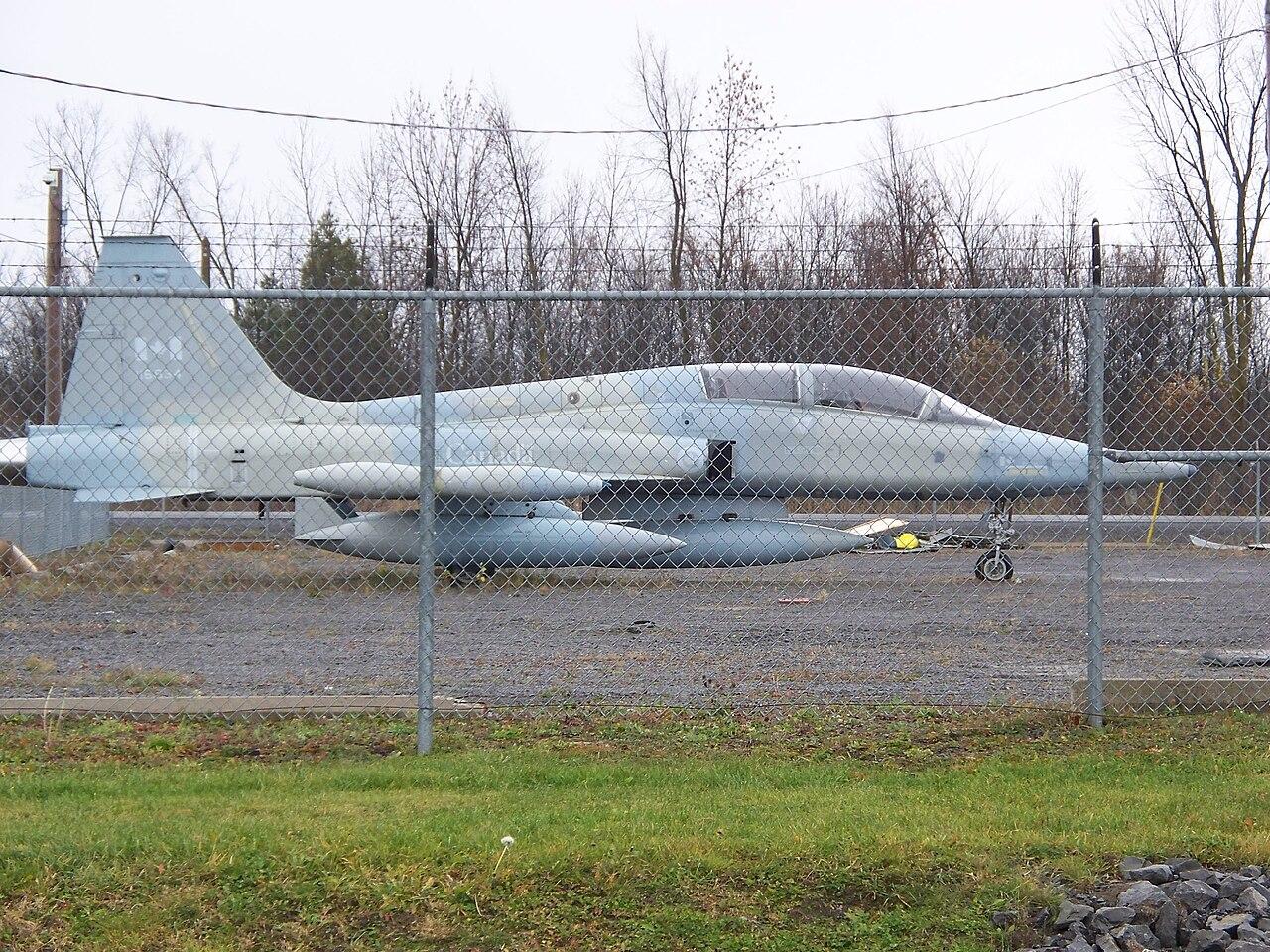
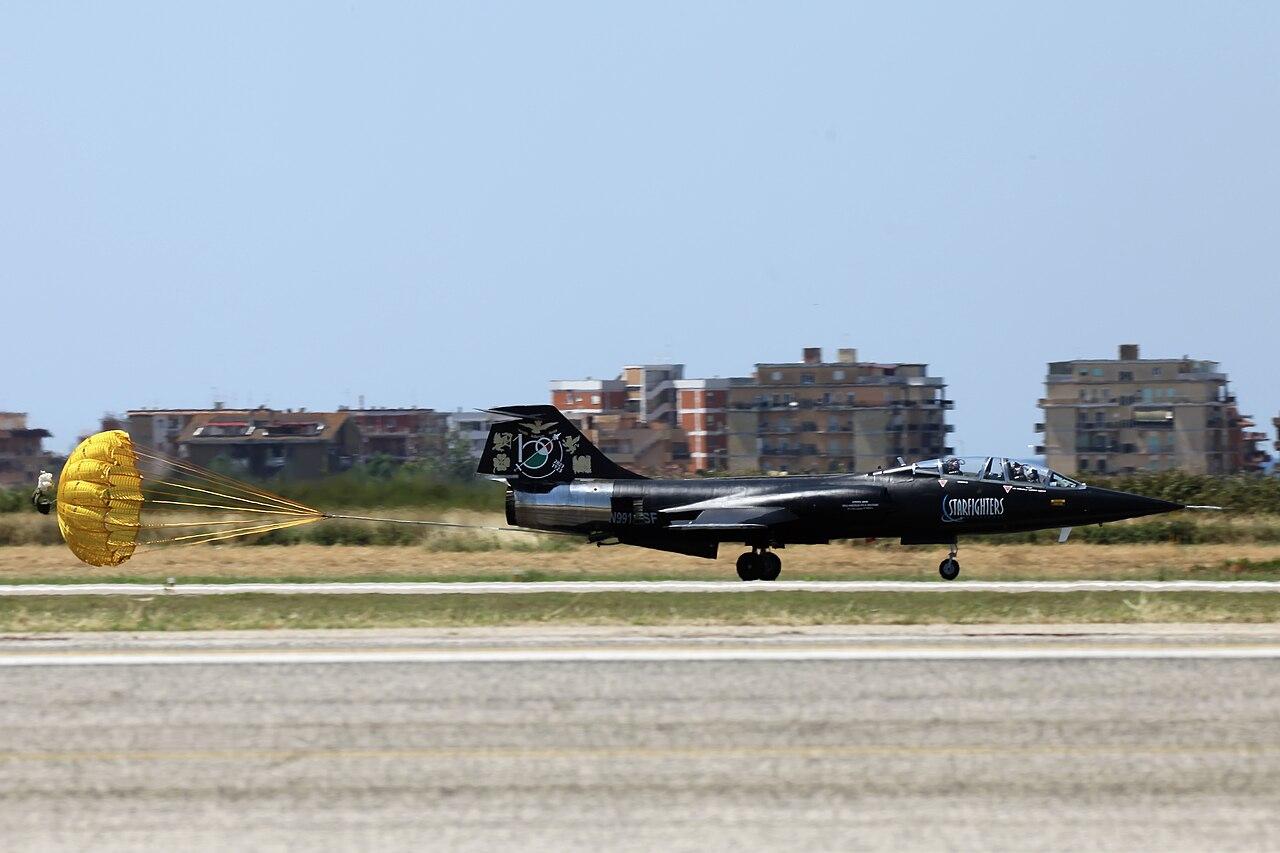
Strap into the back seat of a Canadair CF-5D, a Mach 1.7 fighter that played the MiG-28 in Top Gun, for afterburner takeoffs and high-G manoeuvres along the Front Range.
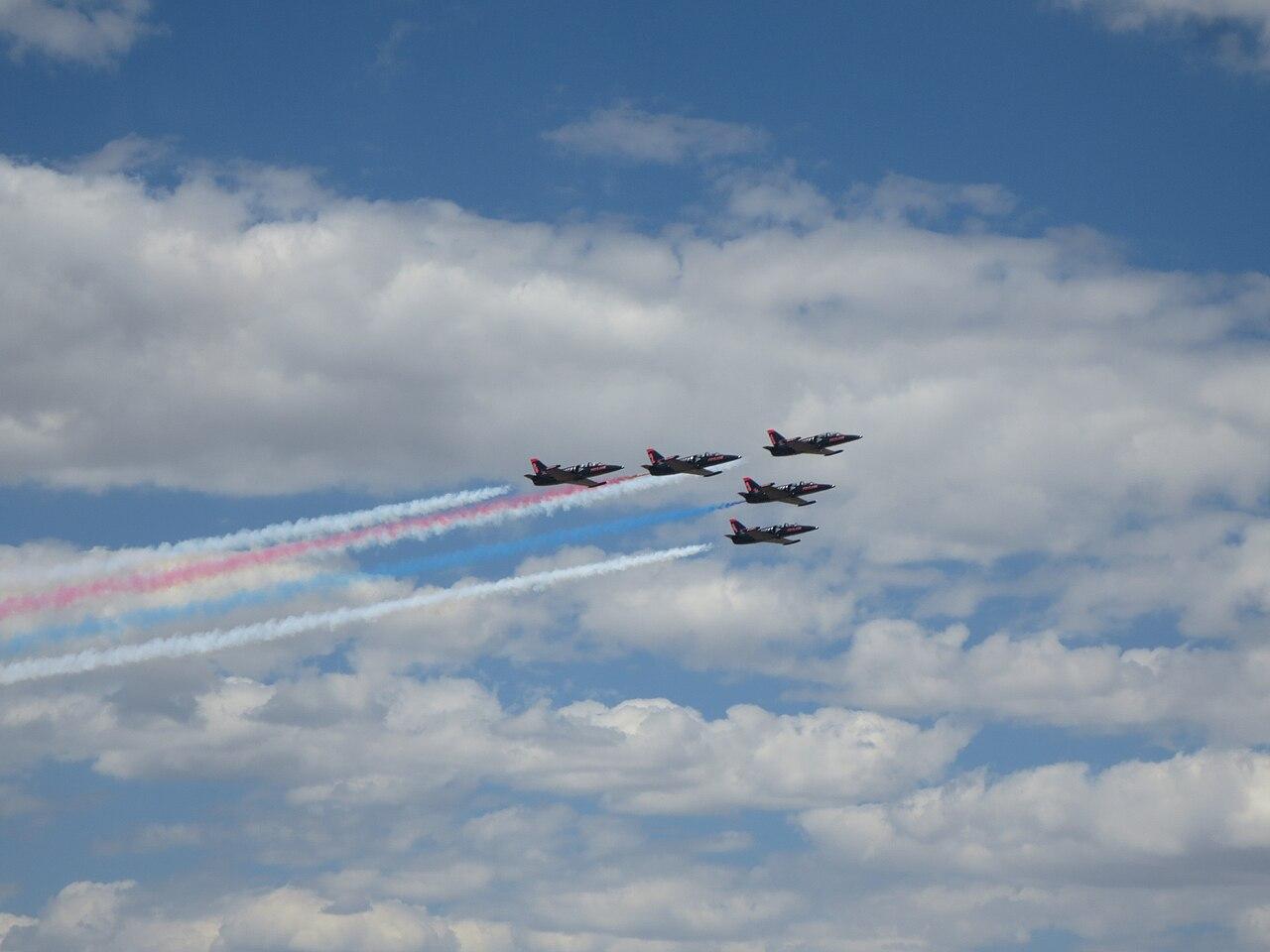
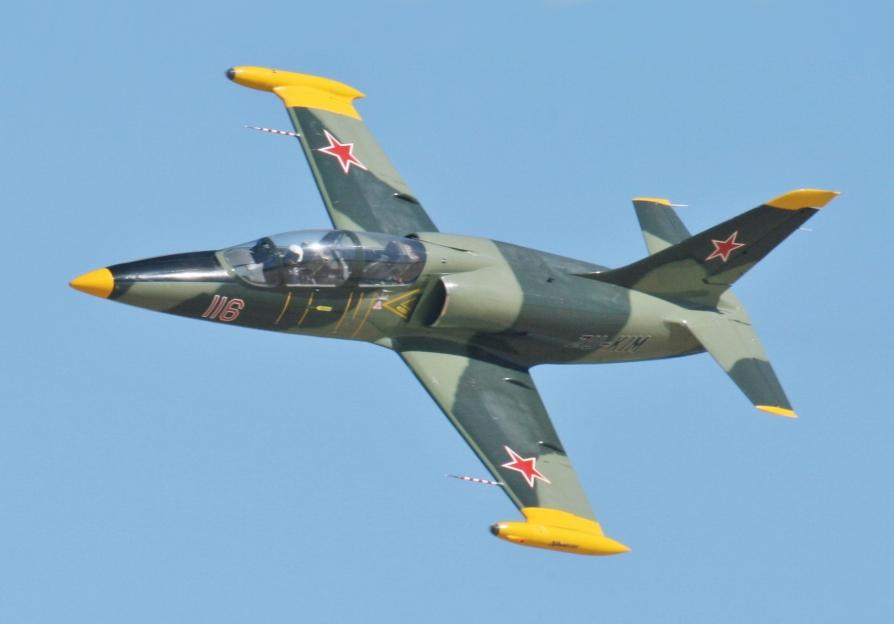
A former Air Force test pilot takes you up from Los Angeles in an L-39 Albatros for loops, split-S, inverted flight, valley runs and extreme low passes.
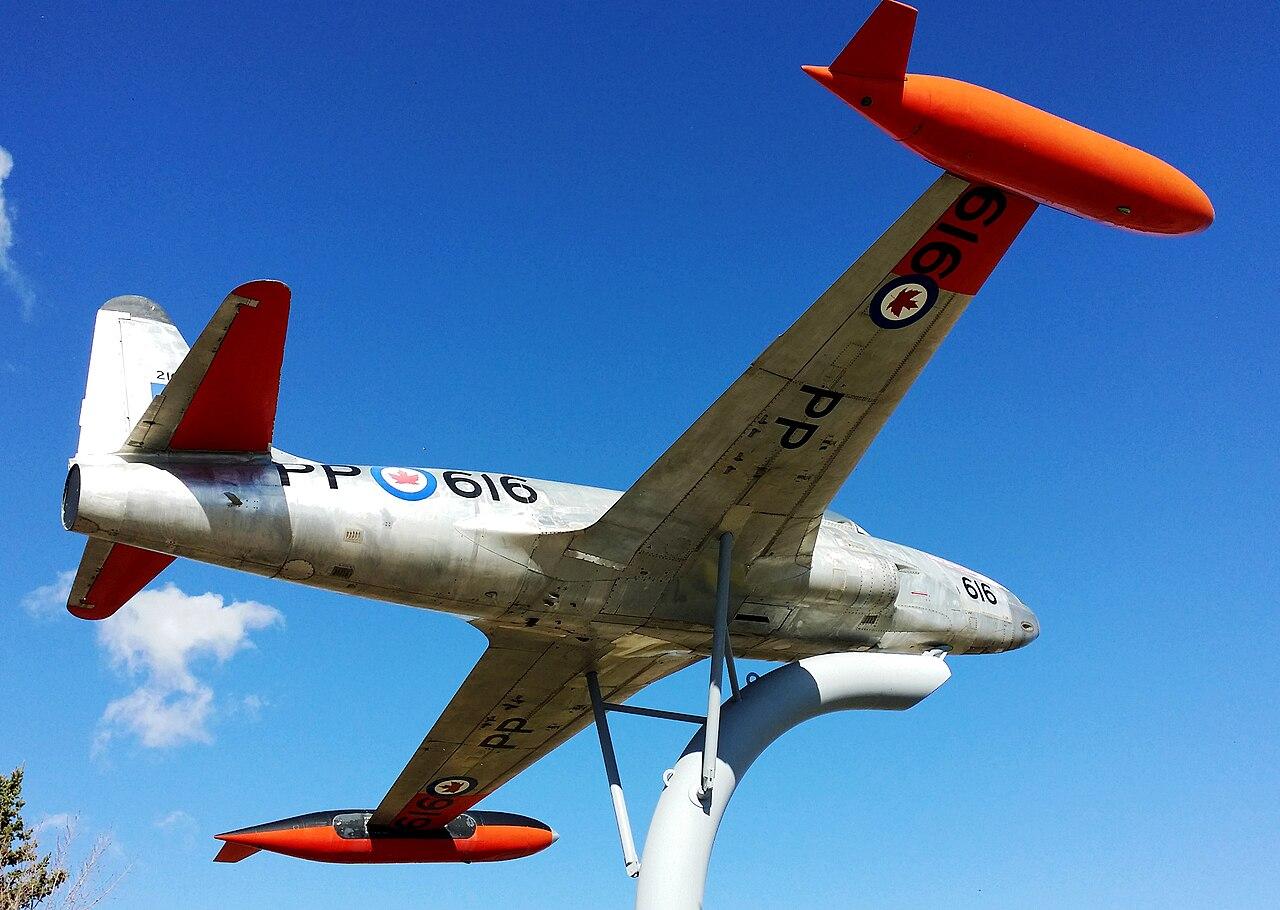
45 minutes in a Lockheed T-33 'T-Bird' from Waterloo, Ontario, over the country between Toronto and Niagara, with high G if you want it and the controls in your hands.
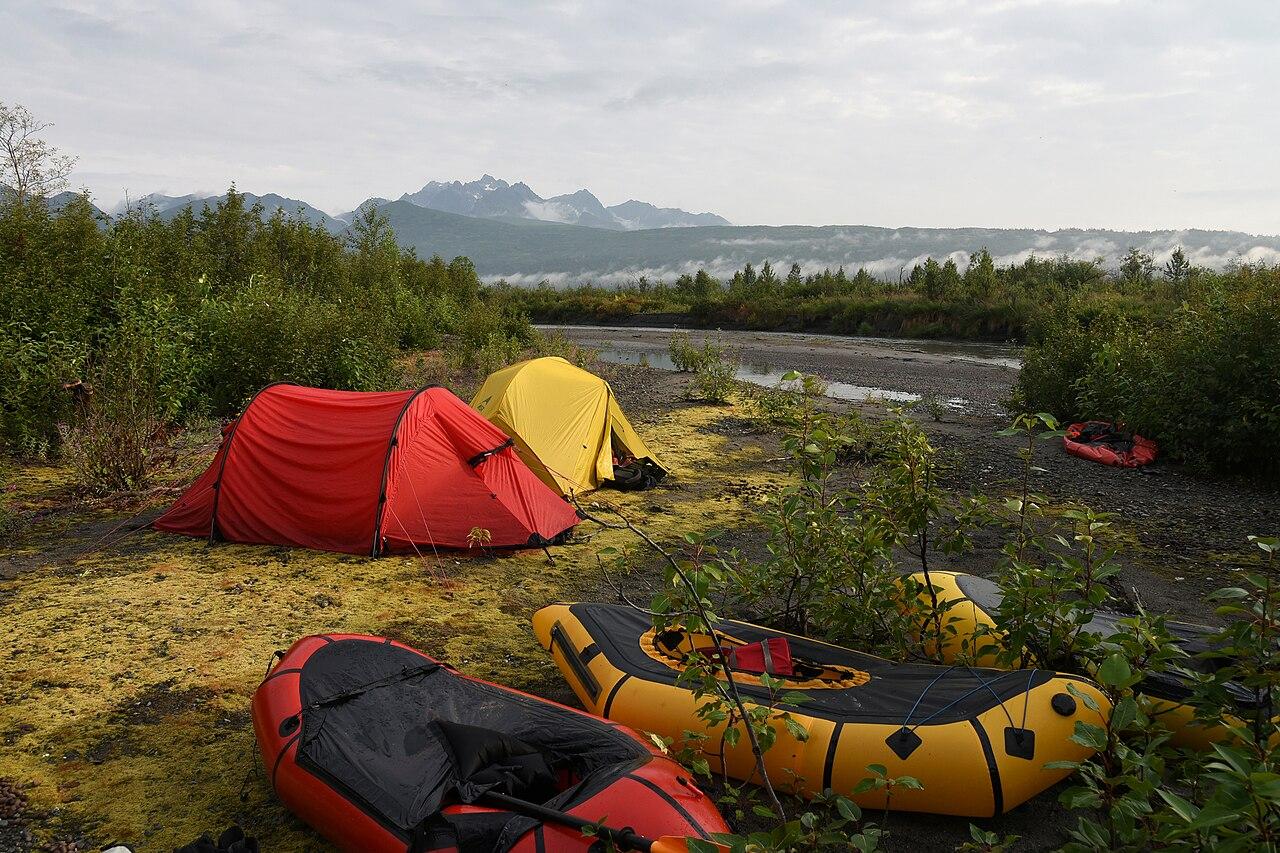
A 10-day NOLS expedition by bush plane into the Talkeetna Mountains: packraft braided glacial rivers up to Class III, hike off-trail between them and paddle into Talkeetna.
Nine days camped in the Ruth Glacier's Great Gorge in the Alaska Range: ice climbing, crevasse rescue, sled hauling and a summit bid on Mount Dickey.
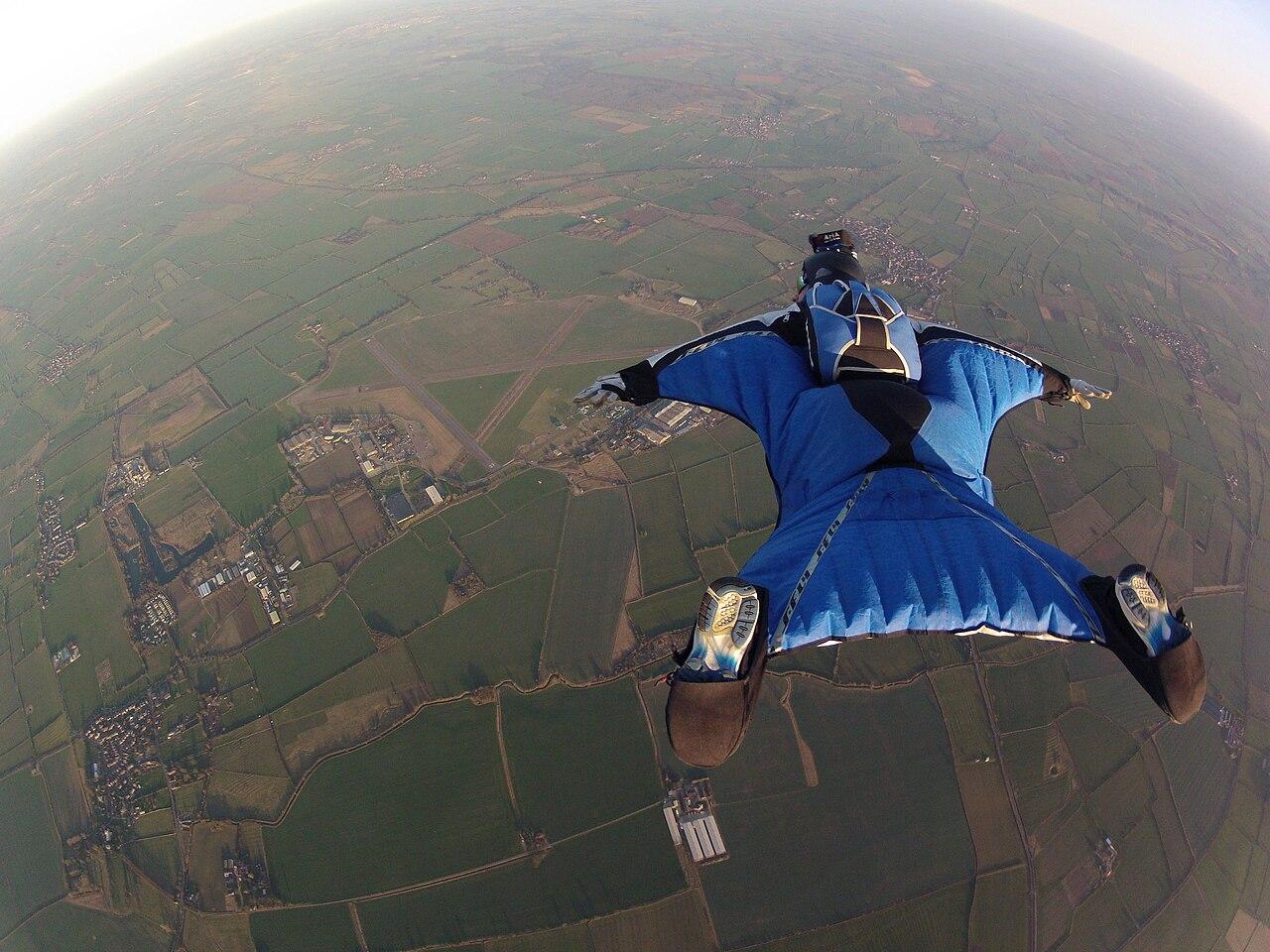
A one-on-one First Flight Course with a local wingsuit coach: at least four jumps to stable flight, a flown pattern and a clean deployment.
Three days of training at Kennedy Space Center, then a 35 to 50-minute flight past Mach 1 in 'the missile with a man in it', taking off from the Shuttle Landing Facility.
A Saturday-to-Saturday week on Thompson Pass above Valdez with the original Alaska heli-ski operator: five hours of helicopter time in the Chugach, a guide for each group of four, and the lodge, meals and safety kit included.
Days of deep powder in British Columbia's Columbia Mountains, where a helicopter replaces the lift and remote lodges replace the resort.
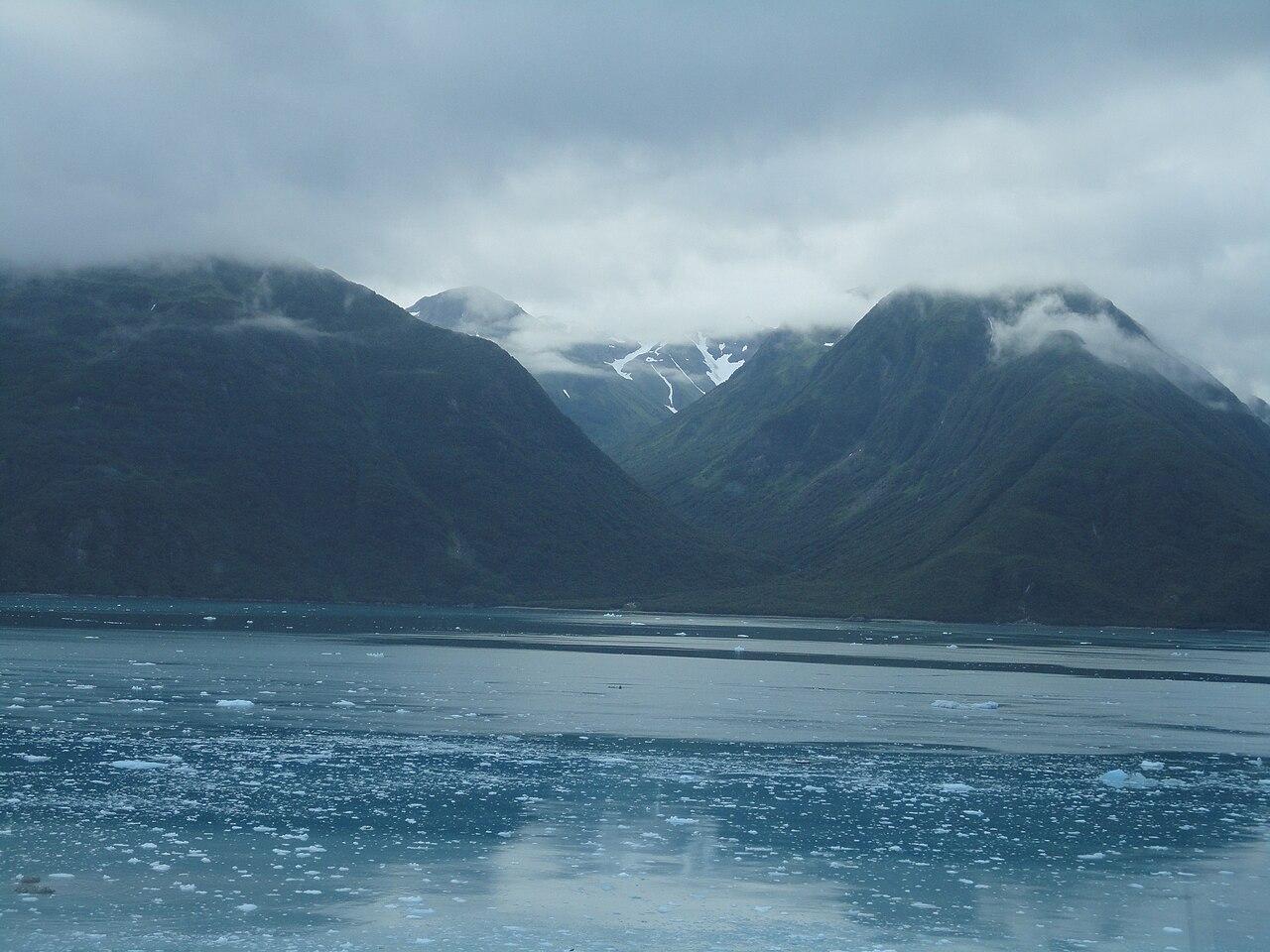
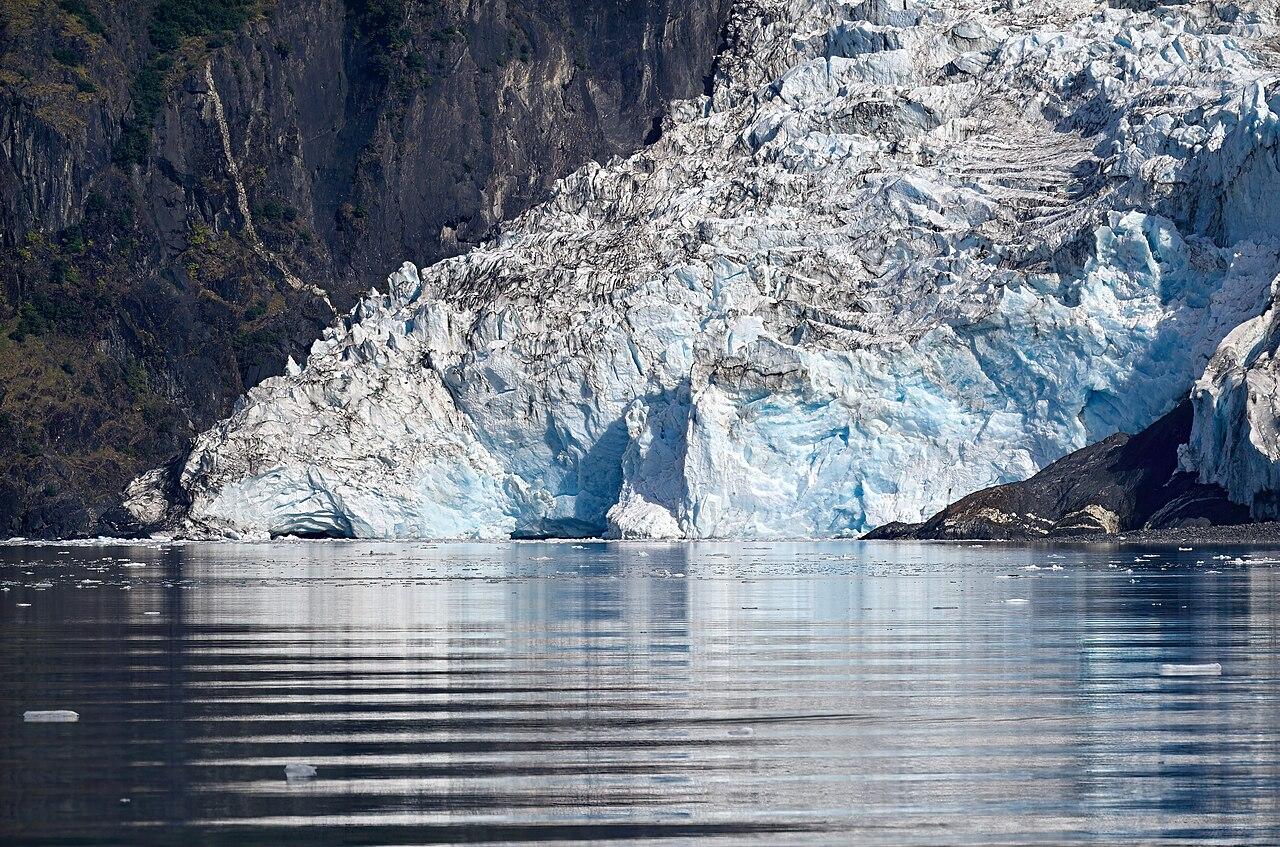
A 14-day NOLS sea kayaking expedition in Alaska's Prince William Sound: tidewater glaciers, icebergs, humpback whales and camps in forested coves, for adults 23 and up.
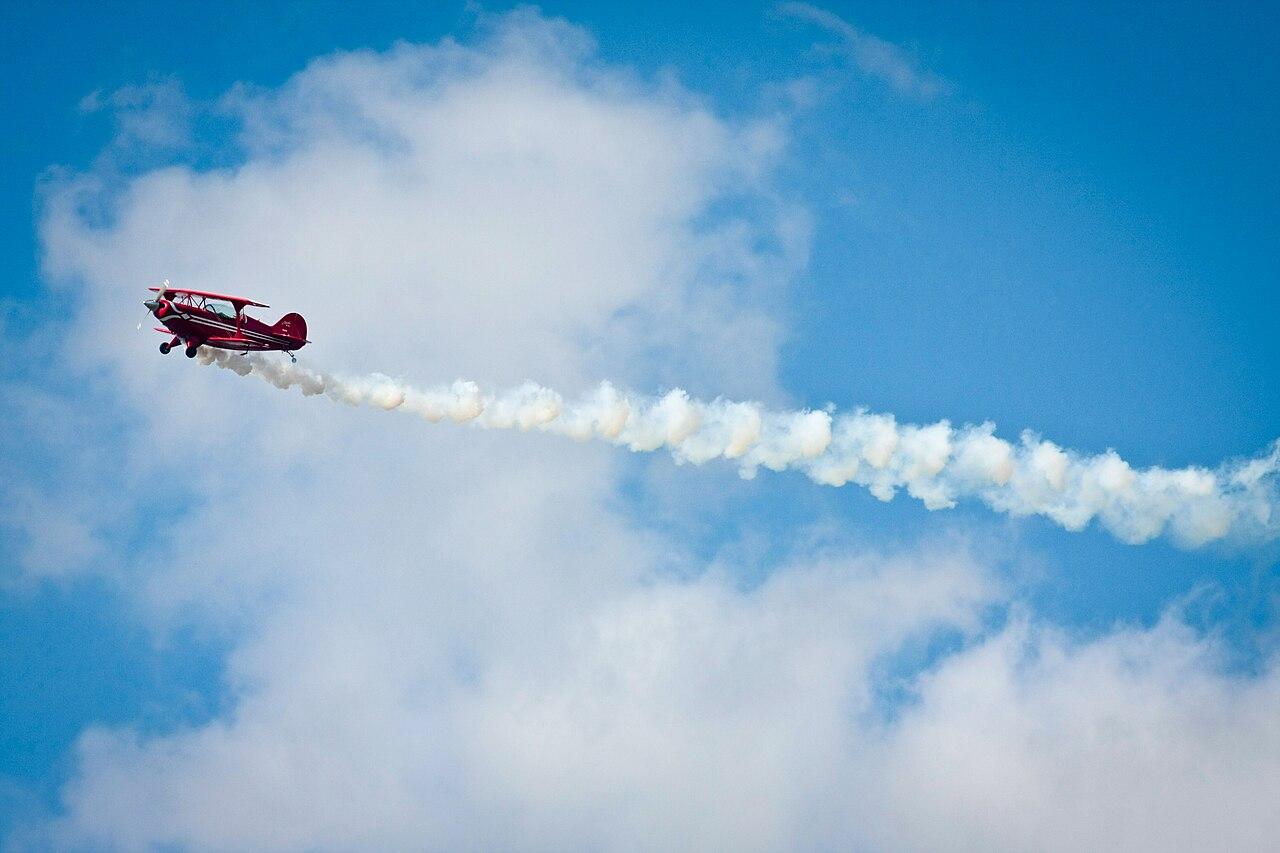
Three days and six flights in a Pitts biplane or an Extra 300 teach a certificated pilot lines, loops, rolls, hammerheads and upright spins.
One day of rock skills, then five days on Mount Baker's glaciers learning crampons, self-arrest, rope teams and crevasse rescue, ending with a summit attempt.
A 14-day NOLS course on the glaciers and peaks of the Chugach Range: snow camping, rope-team travel, self-arrest and crevasse rescue, for adults 23 and up.
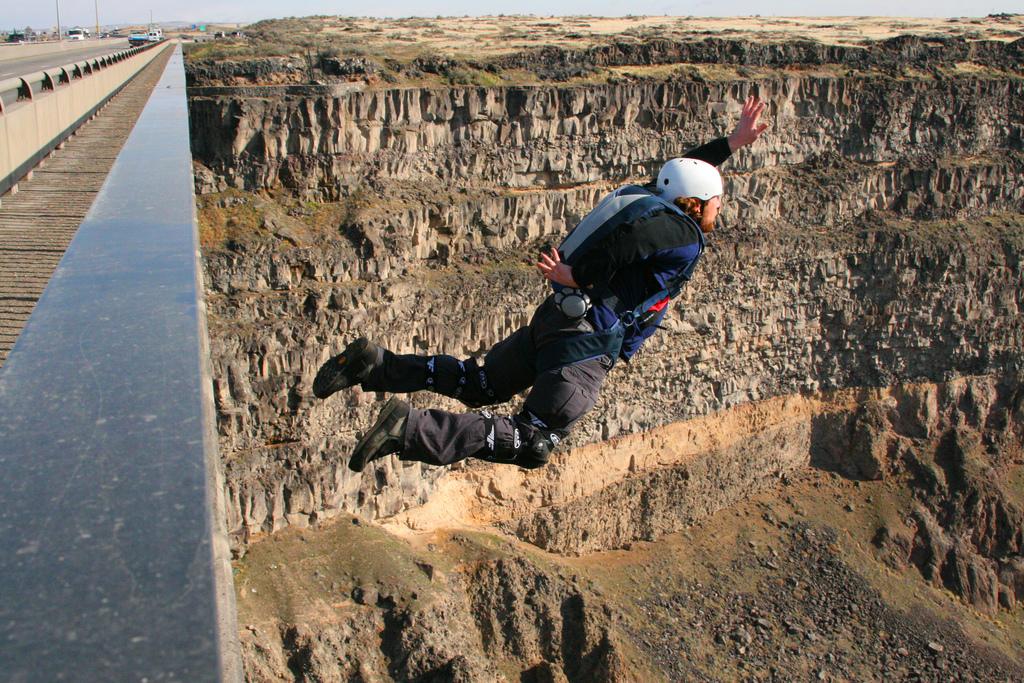
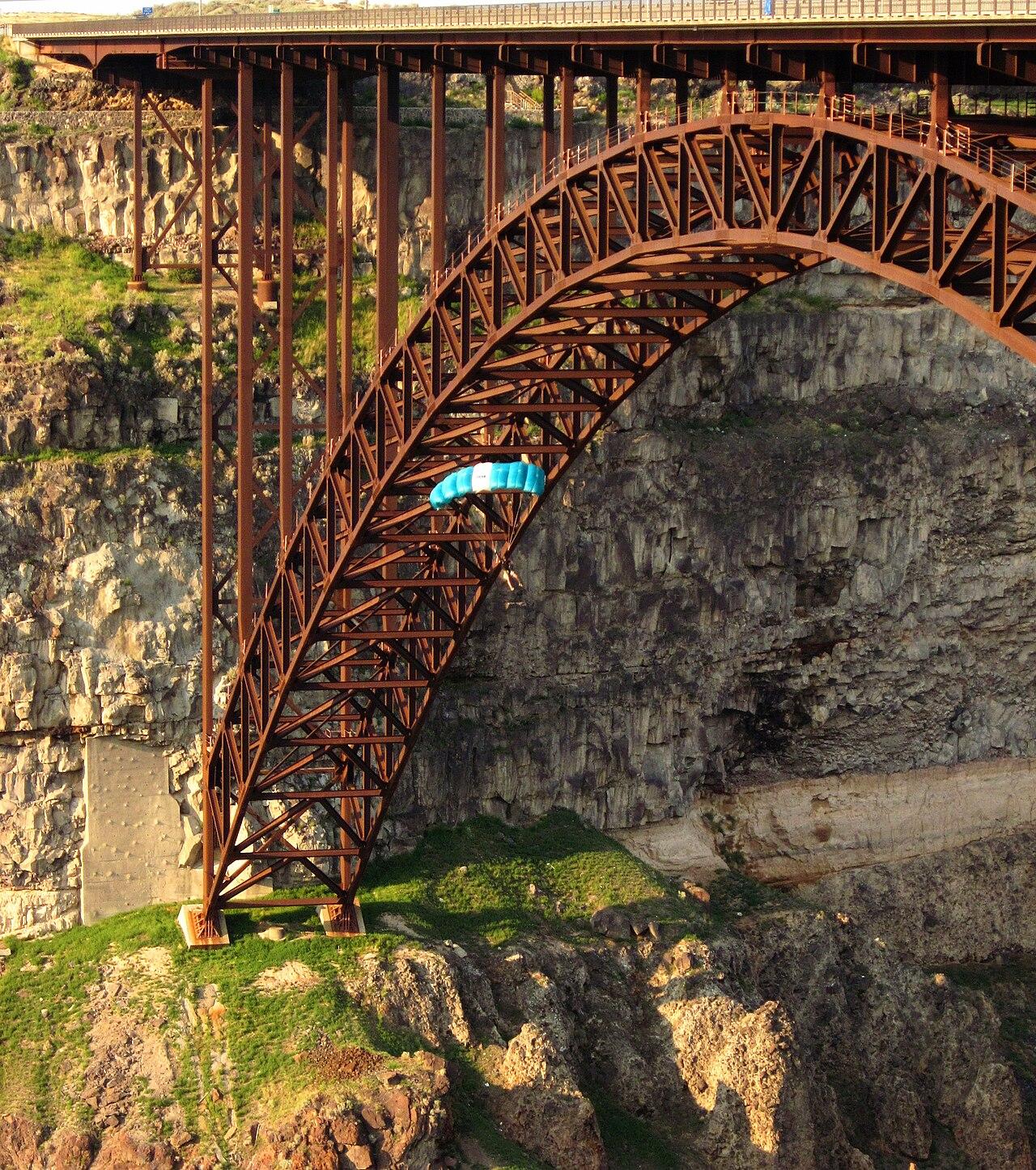
Four days of ground school, packing and jumping off a 486 ft bridge over Idaho's Snake River Canyon, with two students to each instructor, for skydivers ready to start BASE.
A four-day AAI seminar in aid and big wall climbing: aiders, ascenders, hauling, portaledges and hanging belays, two climbers to each guide.
Eight days of camping and climbing in a Colorado canyon of spires and granite cliffs, from belaying and top-roping to anchor building and mock lead climbing.
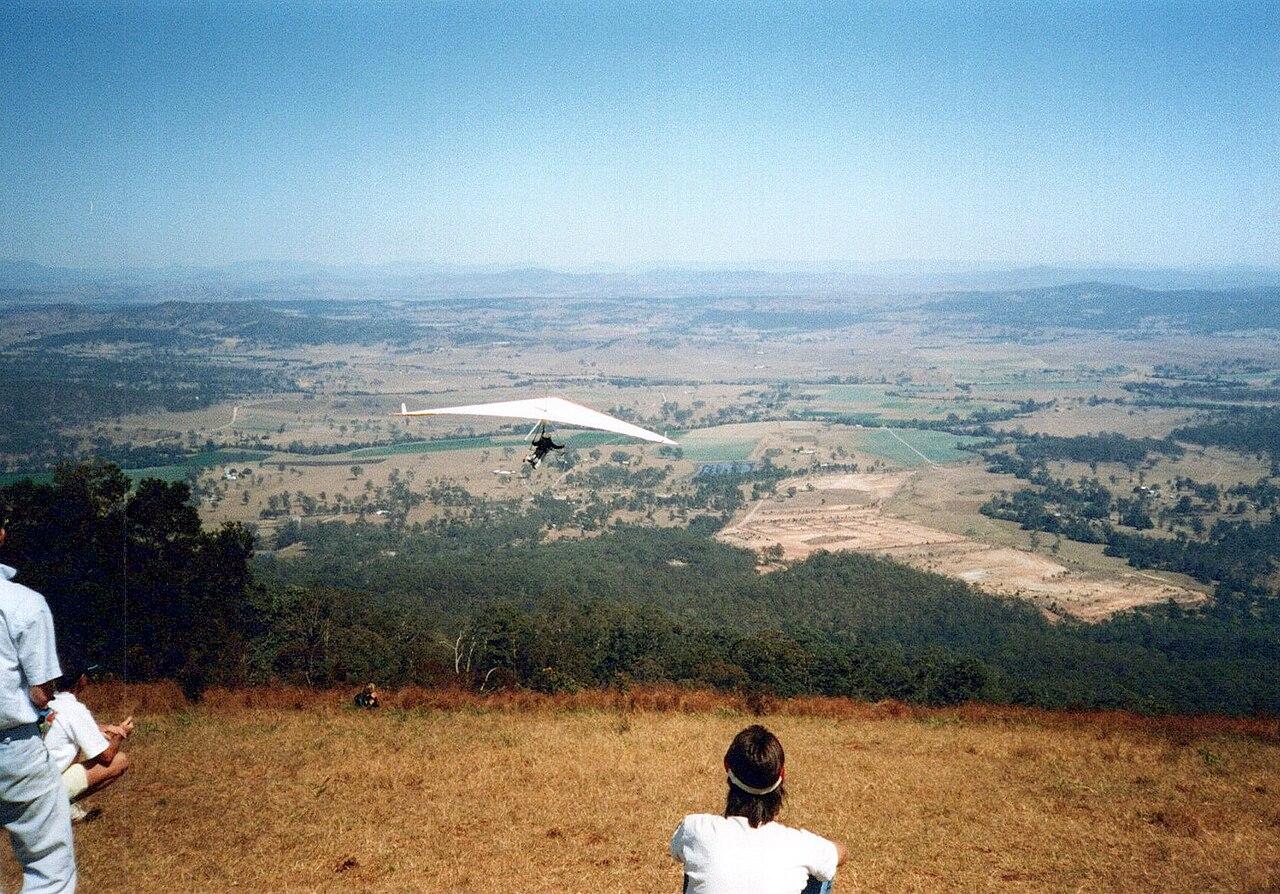
From the training hill to launching off a mountain ridge yourself: in as little as a week to ten days to a USHPA Hang 2 Novice rating at Lookout Mountain Flight Park in Georgia.
Six days in Minnesota's winter learning to ski with a loaded sled, run a stove and sleep in extreme cold, the training polar guides use to prepare North and South Pole clients.
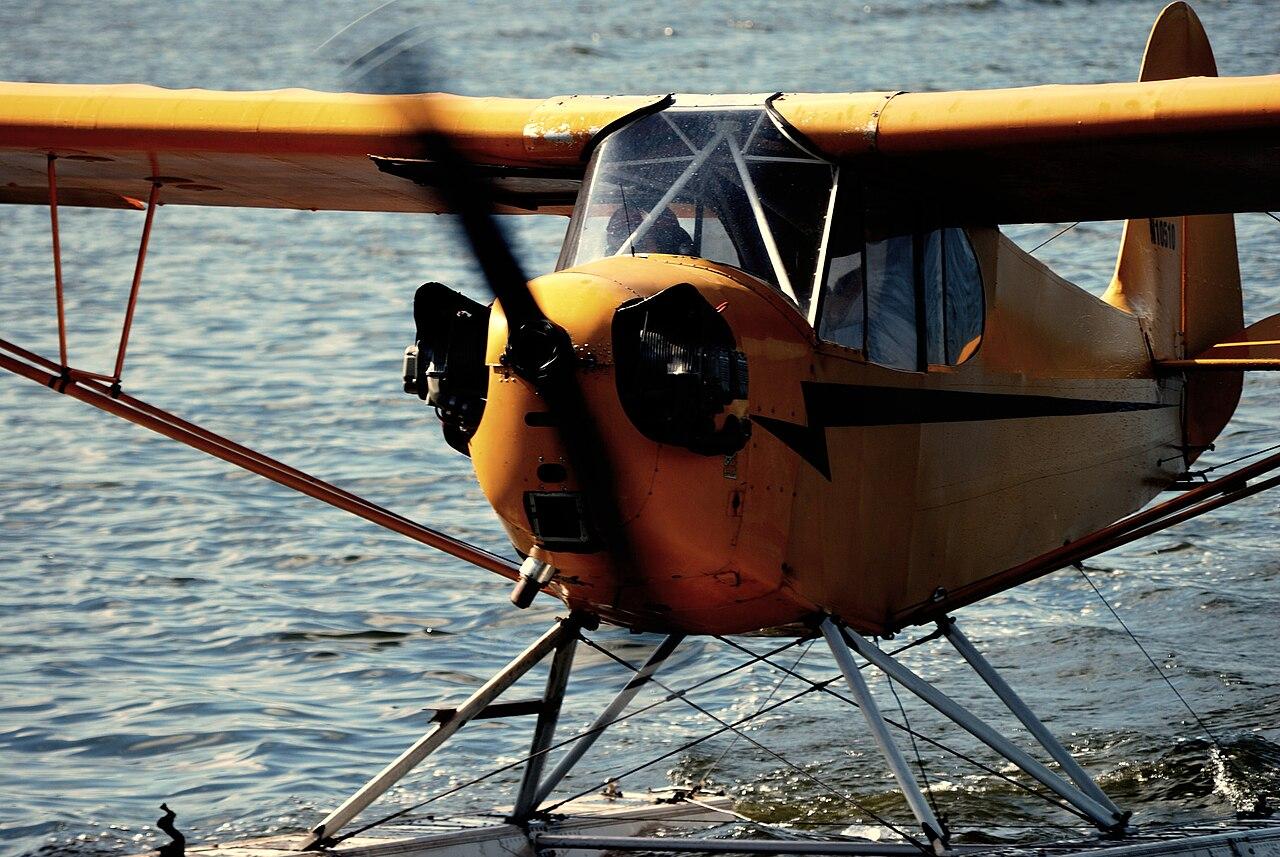
The Florida school that has taught float flying since 1963 adds the seaplane rating to a pilot's licence in two days, in a Cub or a Cessna on floats.
Twelve days in the North Cascades: glacier skills and a Mount Baker summit bid, alpine rock at Washington Pass, then a climb your own team leads.
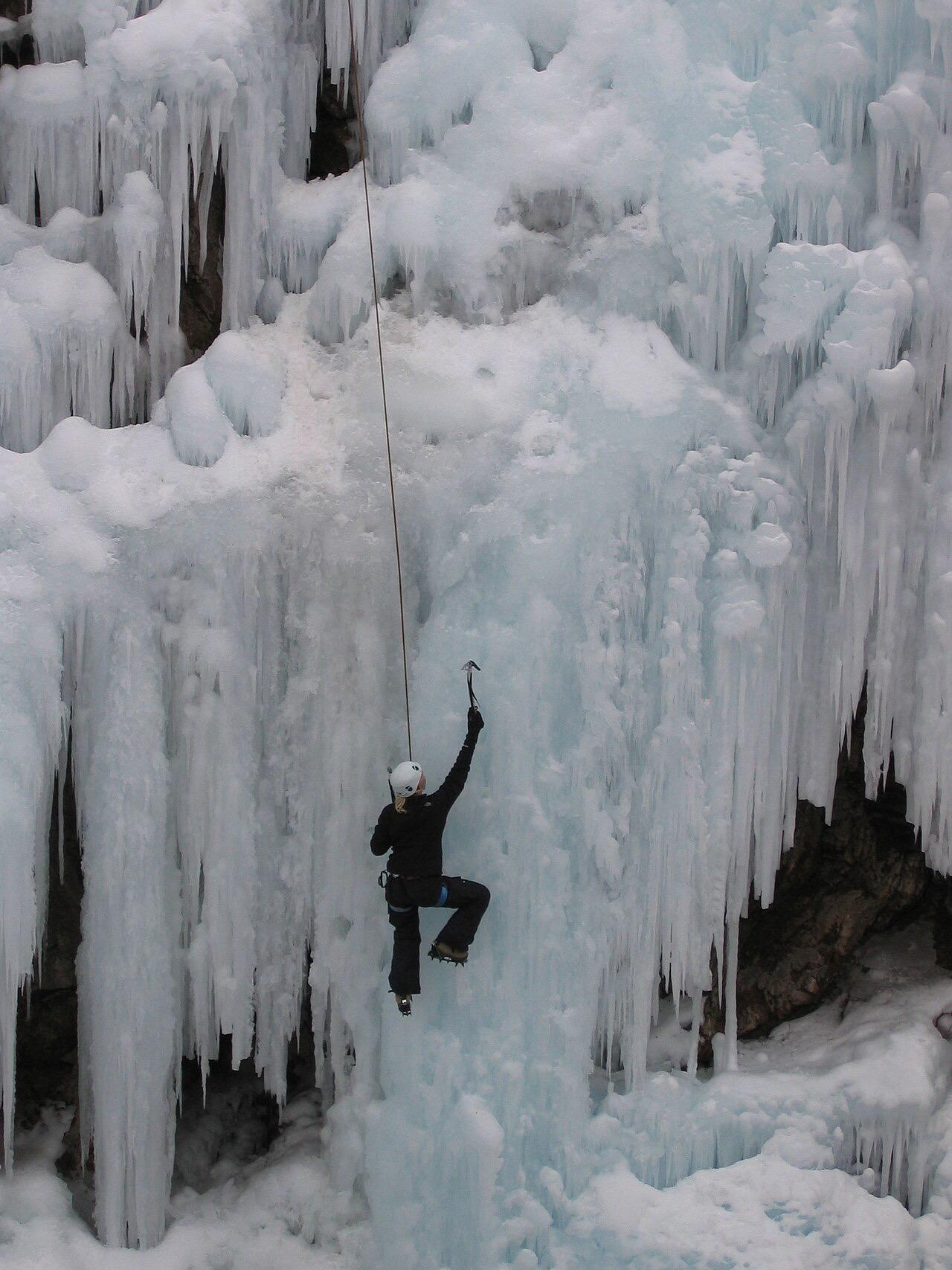
Three days in a gorge of farmed ice in the San Juan Mountains, learning to place screws and lead, then leading pitches on a backcountry multipitch route.
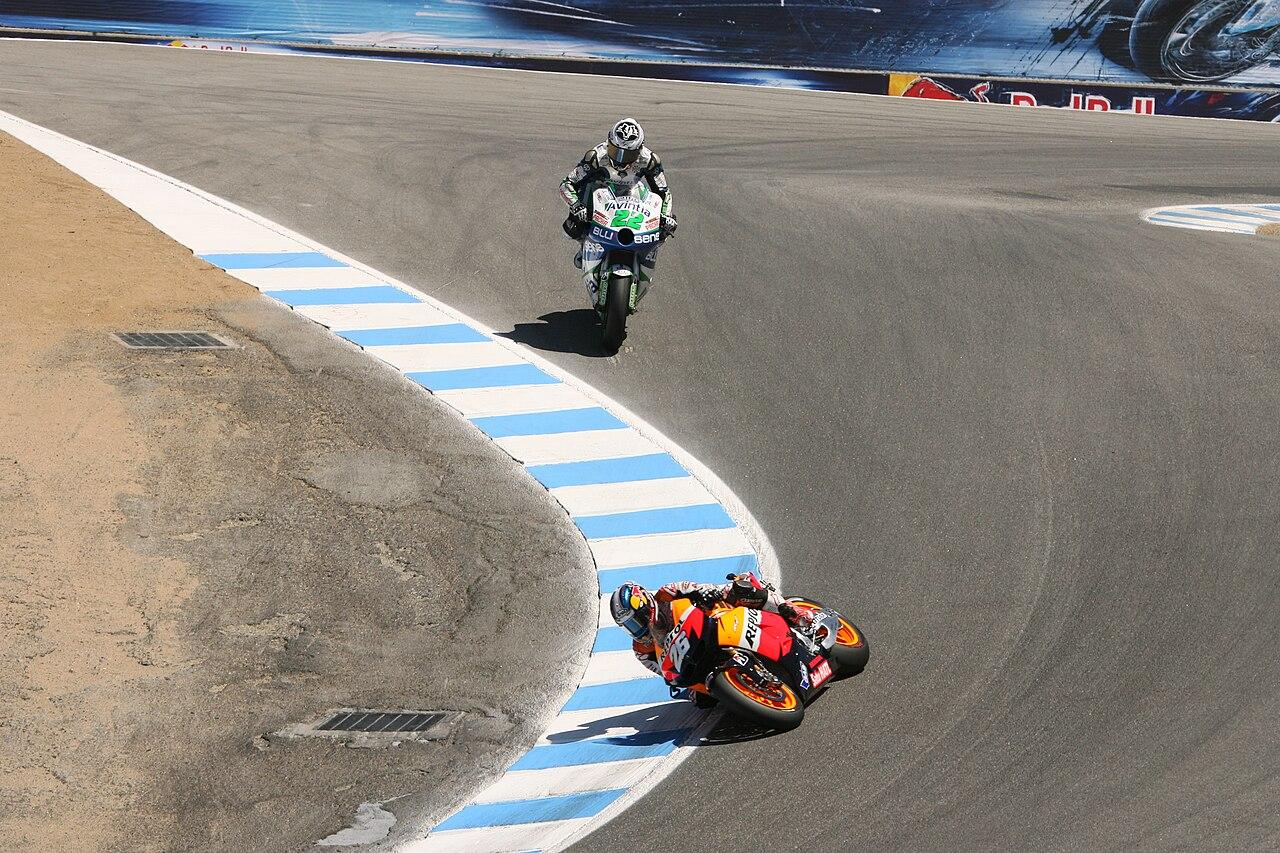
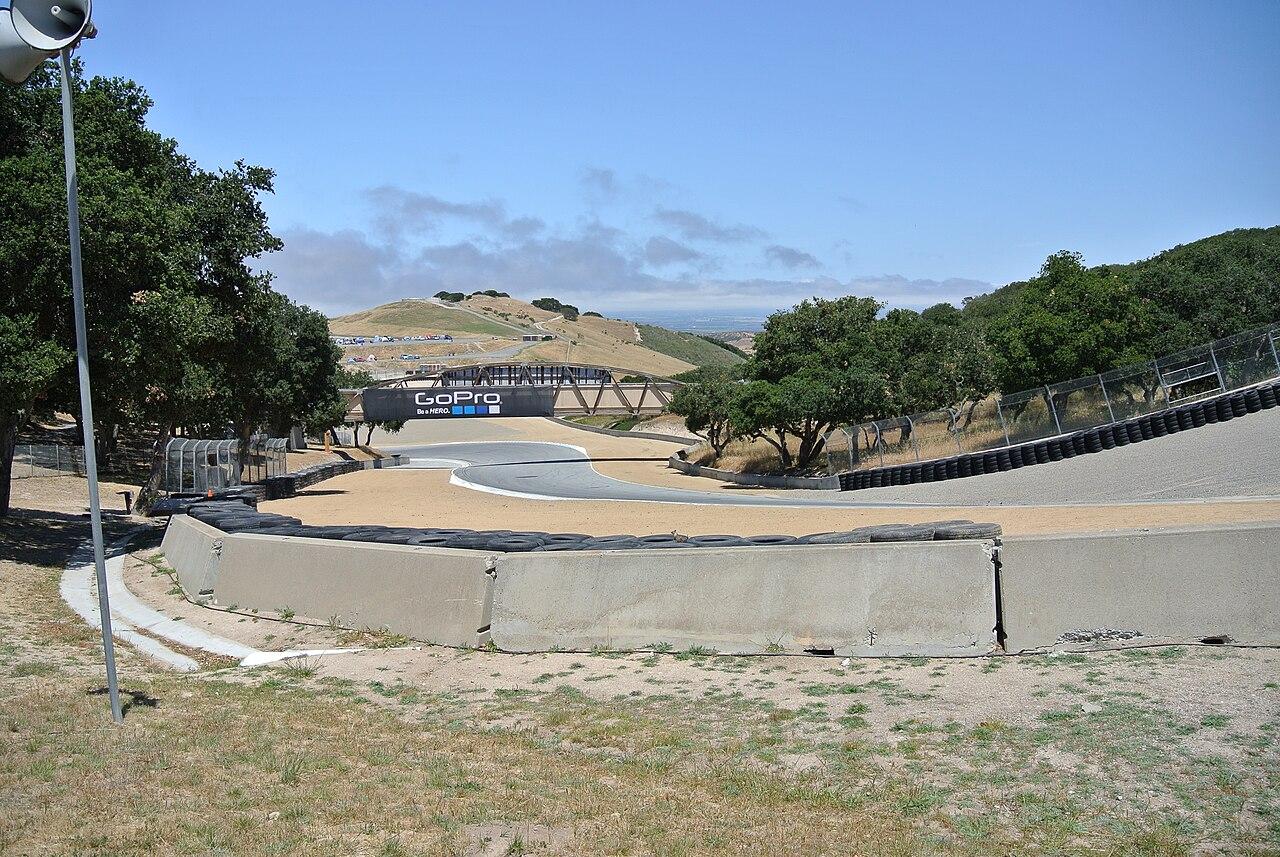
Two days of track riding school on WeatherTech Raceway Laguna Seca, on your own bike or the school's BMW S1000RR, with a school that has taught riders of all levels on race circuits since 1980.
A week on Oregon's Wild and Scenic Rogue learning to guide an oar raft through Class III-IV rapids, and to run a multi-day river trip as the guides do.
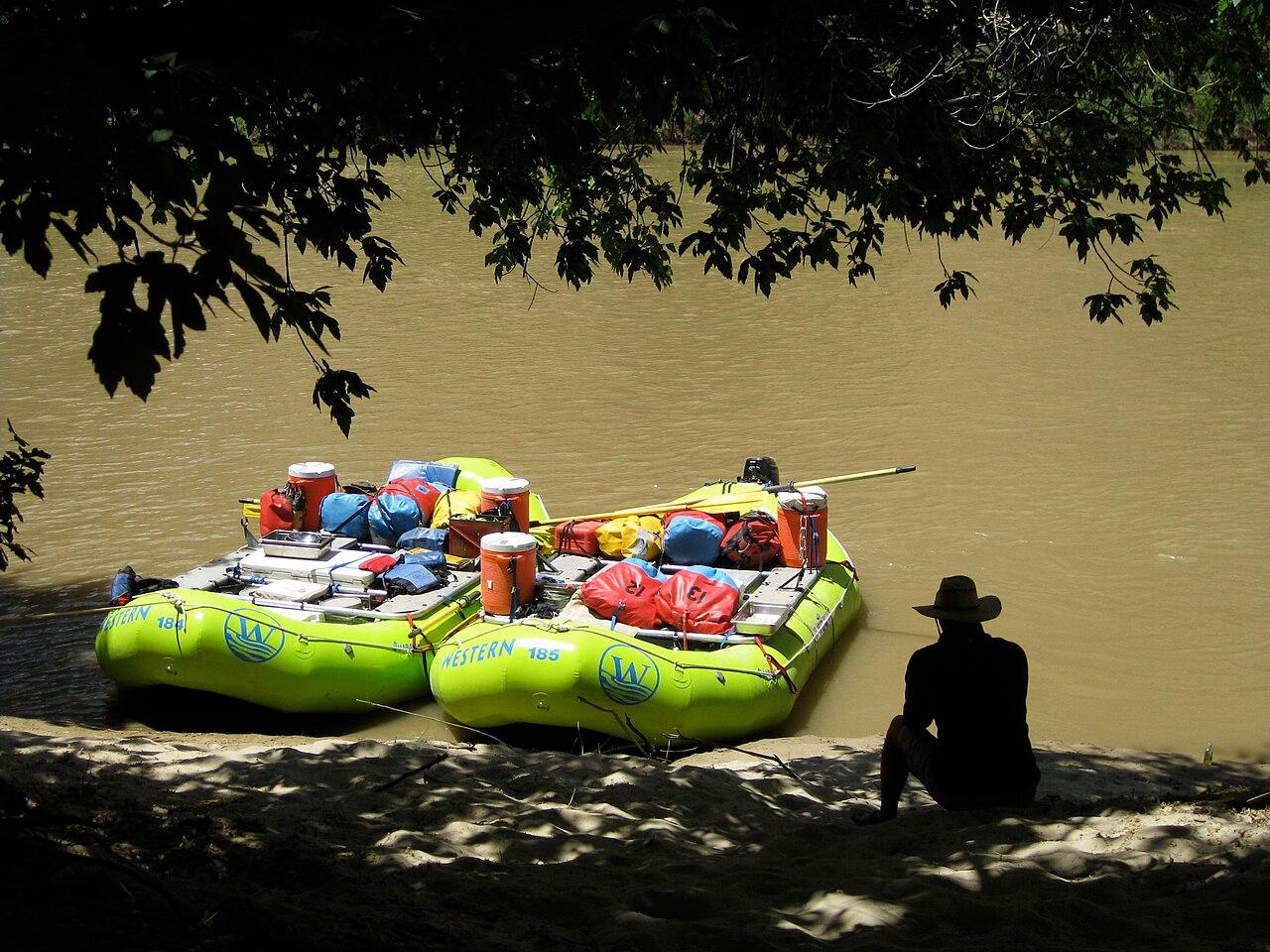
A five-day OARS clinic on Utah's Green River where you learn to read whitewater and row an 18-foot oar raft through Class II and III rapids, taught by guides at one to every three students.
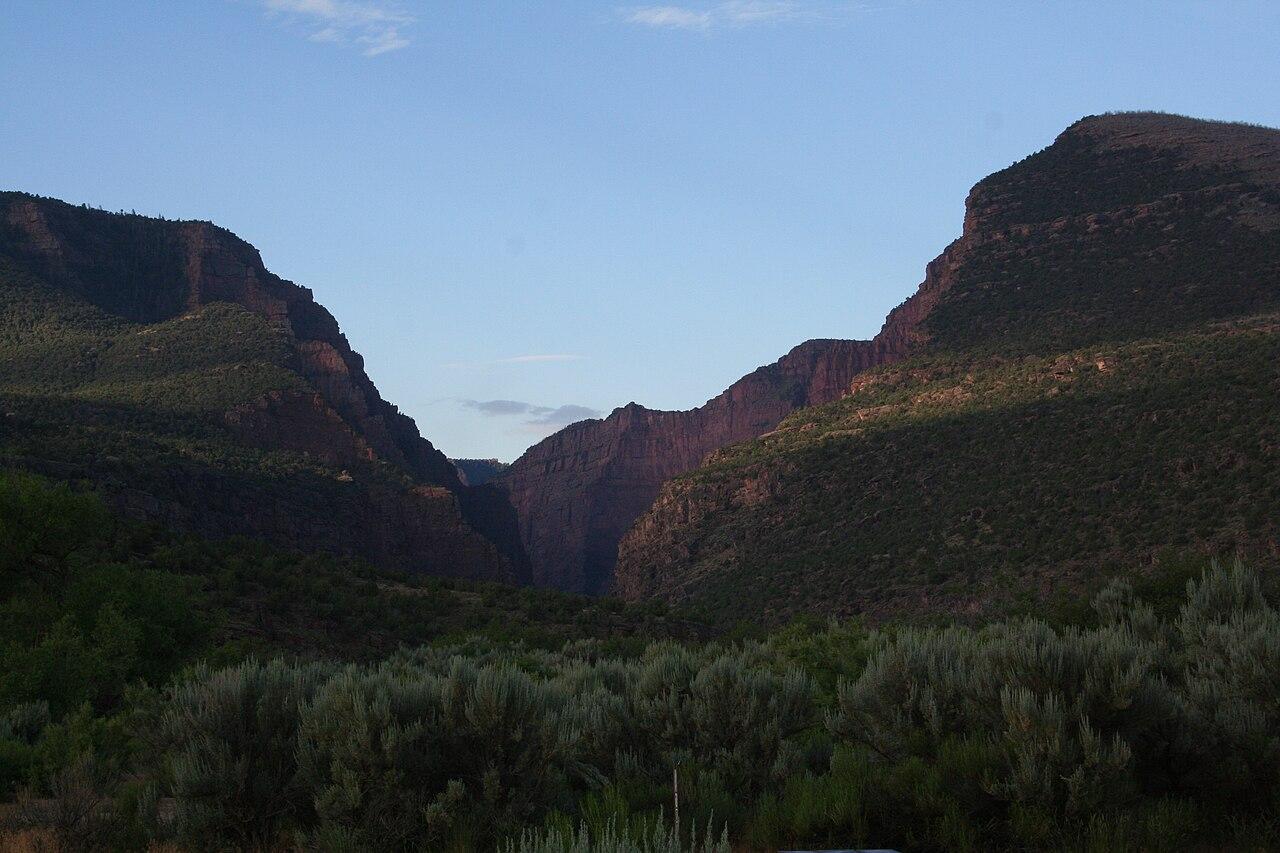
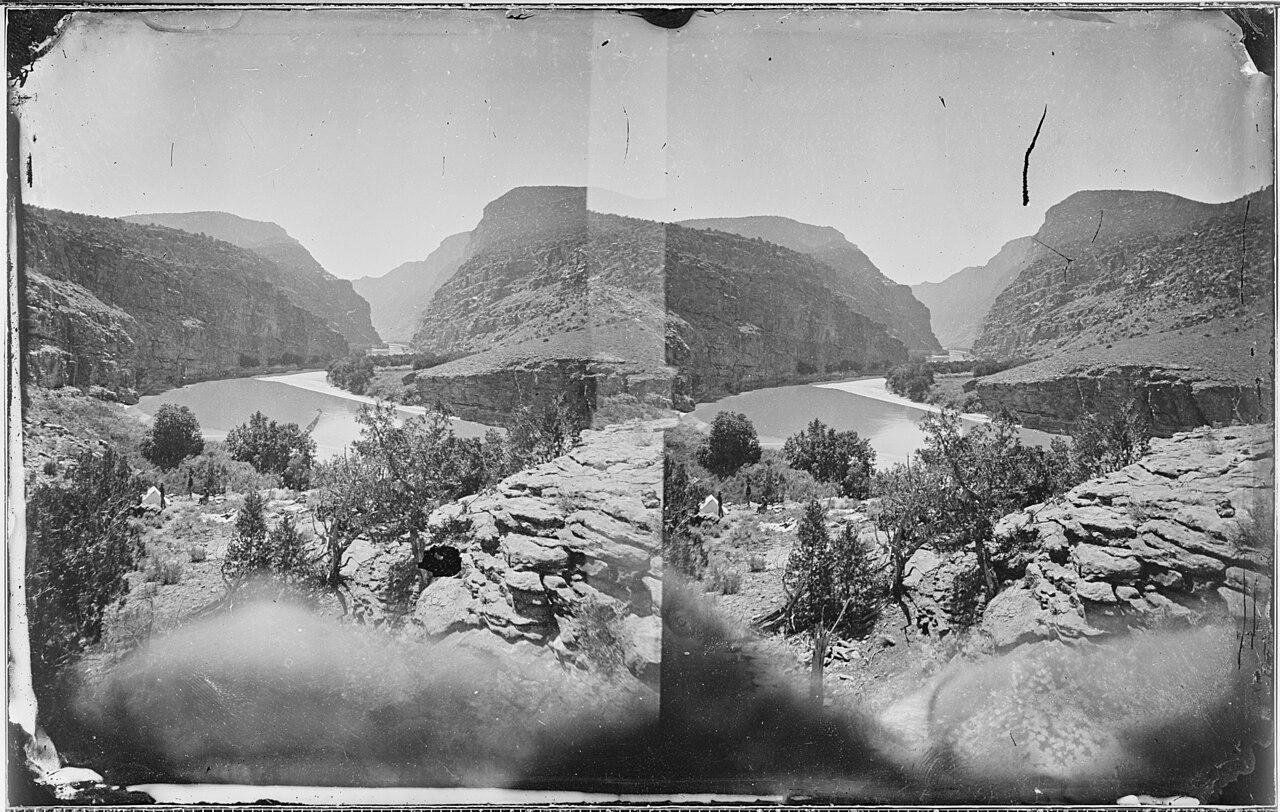
A seven-day OARS clinic on the Green River from Flaming Gorge Dam through Browns Park to Lodore Canyon, where you learn to row an 18-foot oar raft through Class III rapids such as Disaster Falls and Hell's Half Mile.
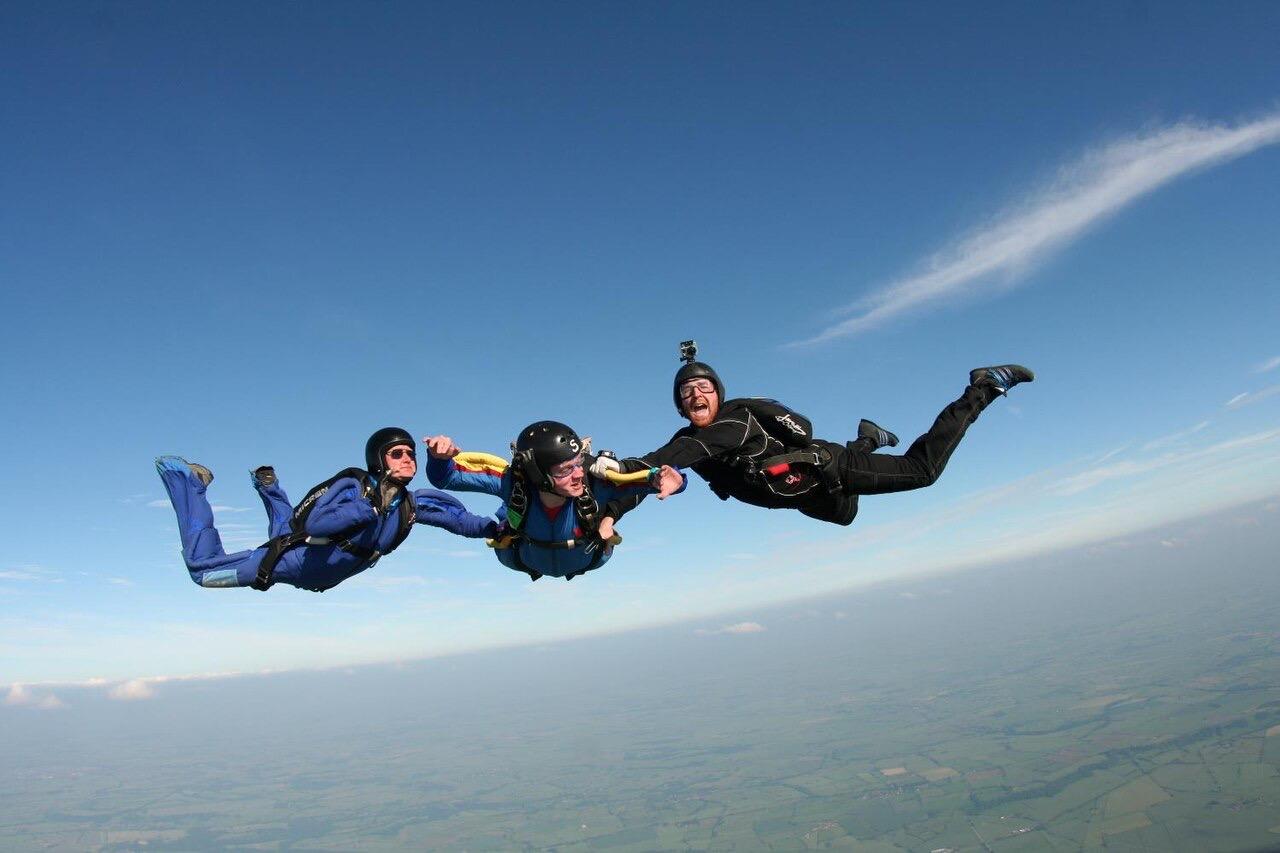
Go from an online ground course to a US skydiving A licence at Skydive Perris: 15 supervised jumps, 20 minutes of wind tunnel, then your own solo jumps.
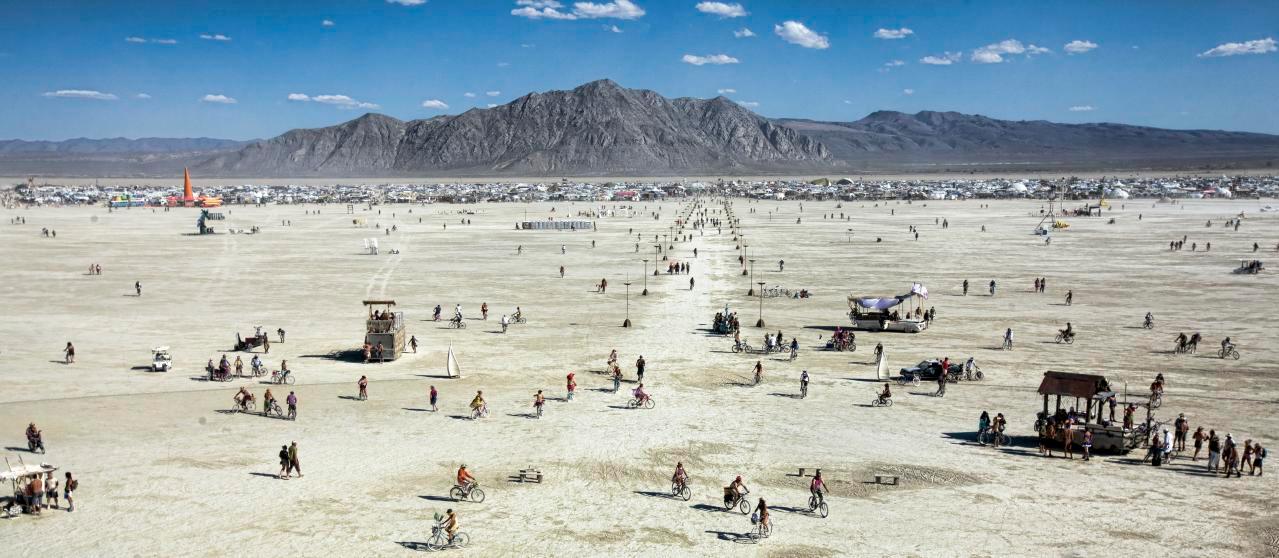
Nine days in a city that rises on the dry lakebed of the Black Rock Desert and then disappears: art, mutant vehicles and theme camps, where nothing is sold and you bring everything you need to survive.
Jump off a bridge over the Snake River Canyon in Idaho, one of the few places BASE jumping is legal all year, harnessed to the world's most experienced tandem BASE instructor.
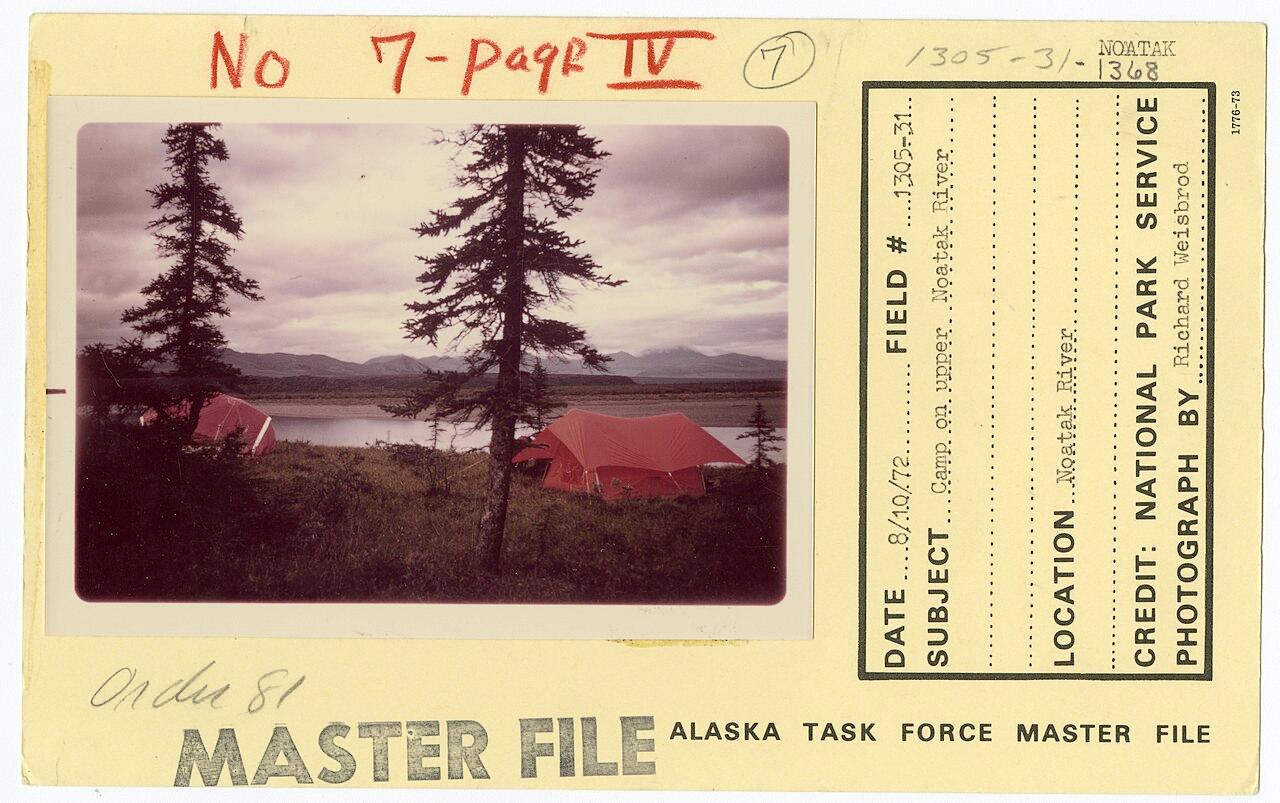
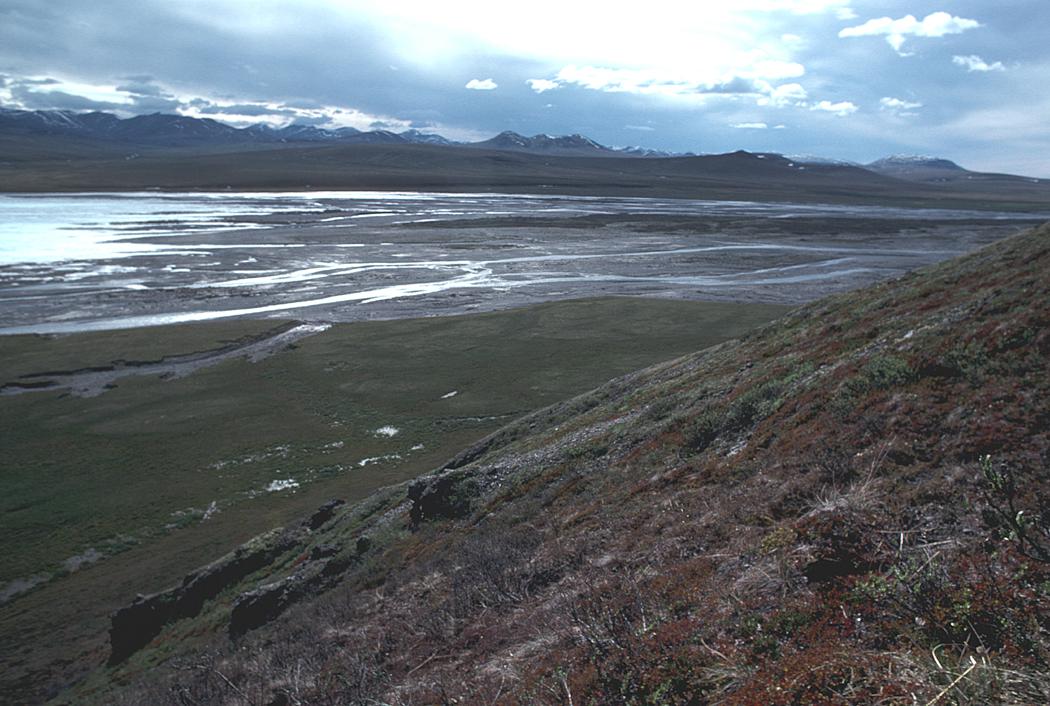
Fly by floatplane into the Brooks Range and drift 45 to 50 miles of the Noatak in a packraft, 100 miles from the nearest road, with ridge hikes into Dall sheep country.
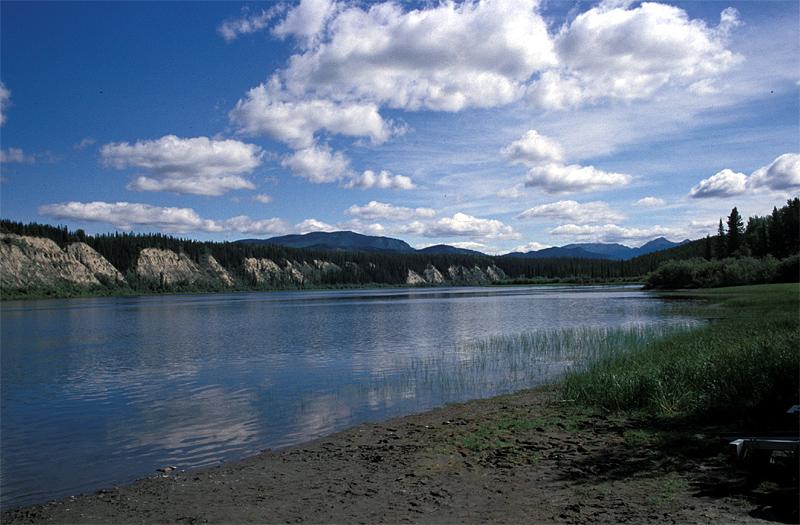
Ten days in a canoe from Johnson's Crossing to Carmacks in southern Yukon, 5 to 6 hours of paddling a day and eight nights camped on the riverbank among bears and moose.
The original 6633 Arctic Ultra: a non-stop, self-sufficient race on foot from Eagle Plains over the Arctic Circle and the frozen Peel River, with the 380 ending at the Arctic Ocean. It runs every three years.
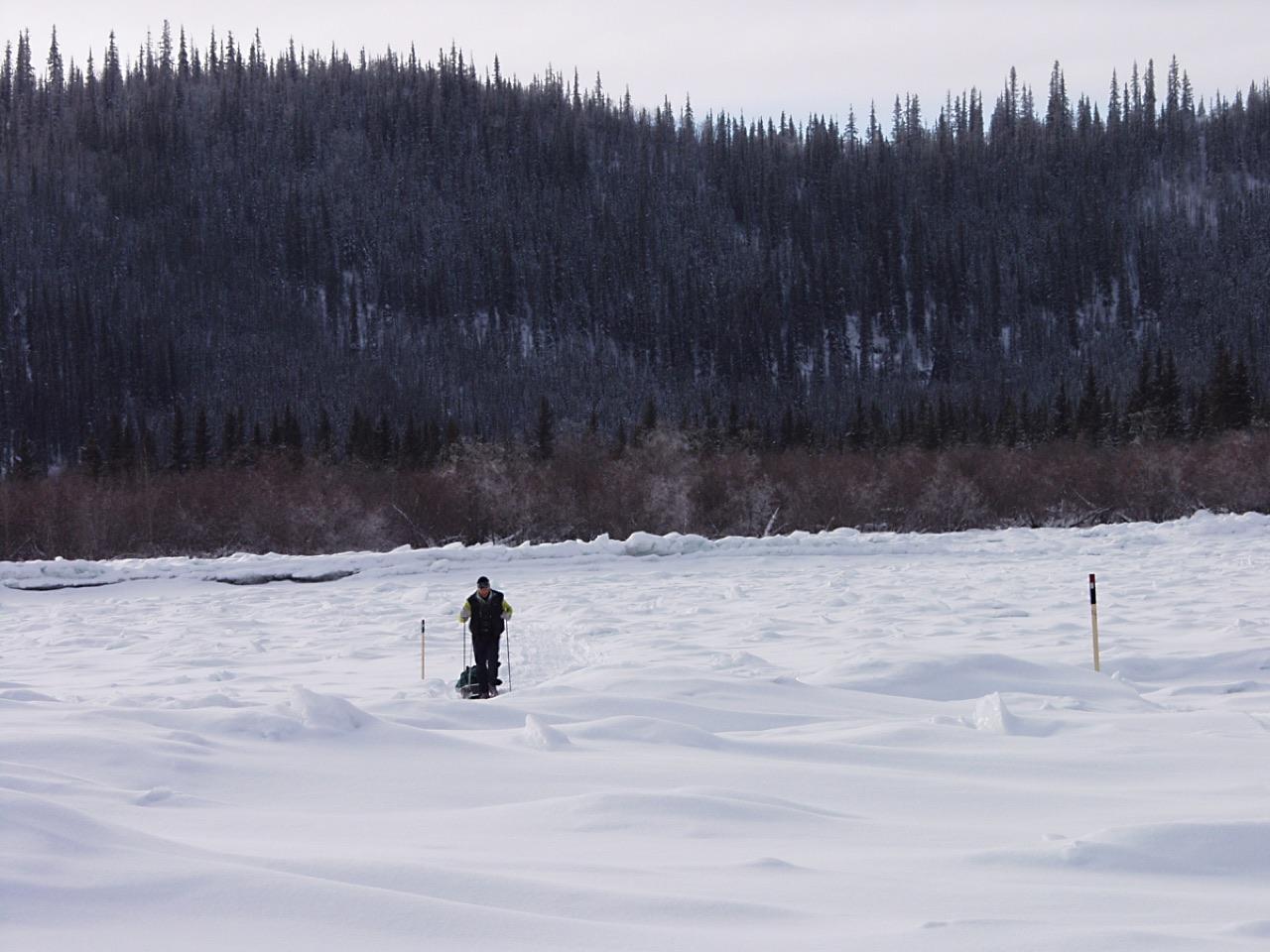
The Yukon Arctic Ultra: 150, 375 or 480 km non-stop on foot, skis or fat bike from Whitehorse, self-sufficient in cold that can fall below -50 C.
Two days in a carbon-monocoque Tatuus Formula 1600 at WeatherTech Raceway Laguna Seca, from lead-follow laps to open lapping, ending with the right to apply for an SCCA racing permit.
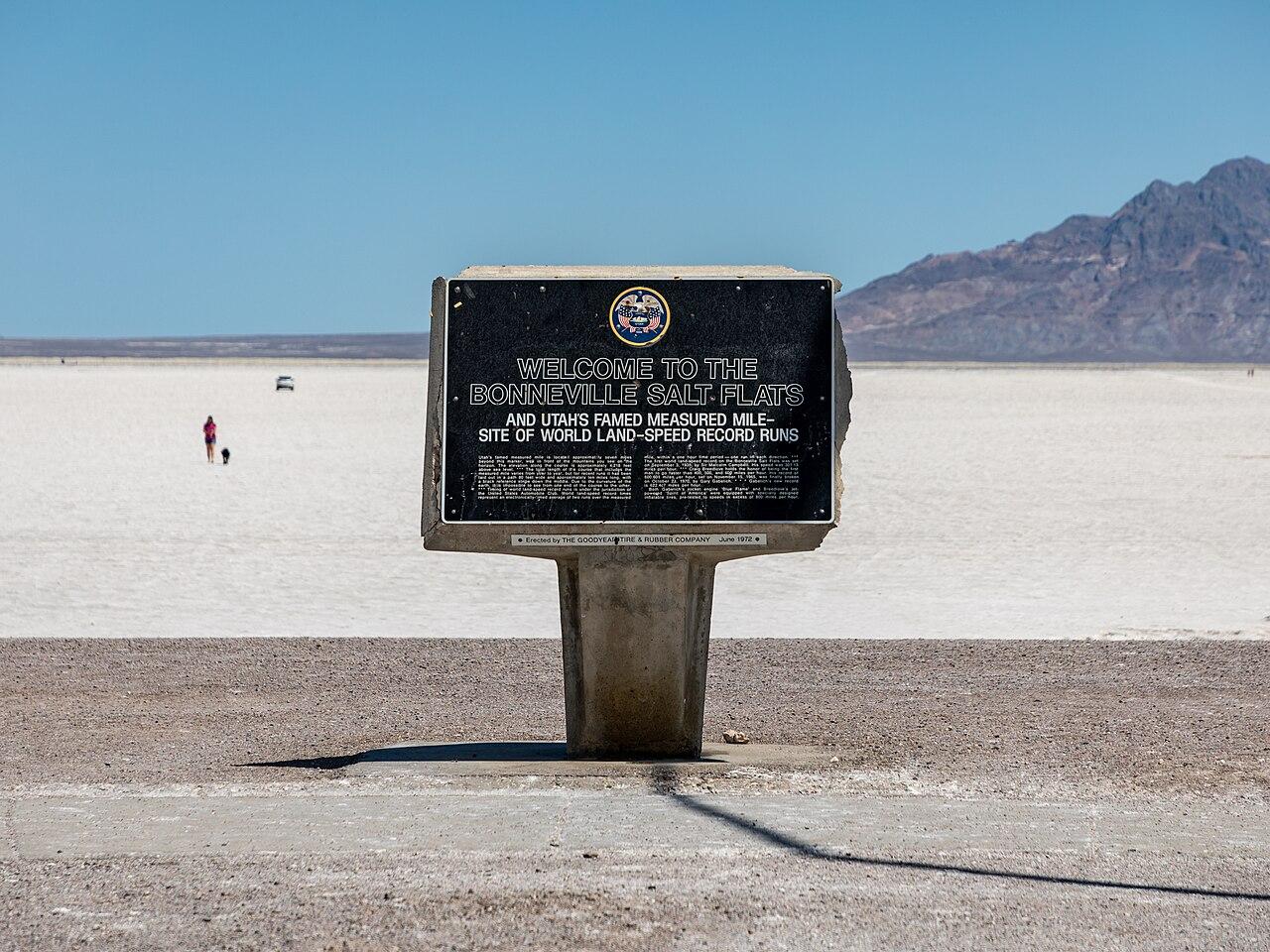
Enter a hot rod, streamliner, motorcycle or truck of your own at the week-long land speed meet on the salt, where drivers chase class records on the long course.
Seven days and 95 miles on three British Columbia rivers, opening with Lava Canyon's White Mile, billed as North America's longest run of commercial Class IV.
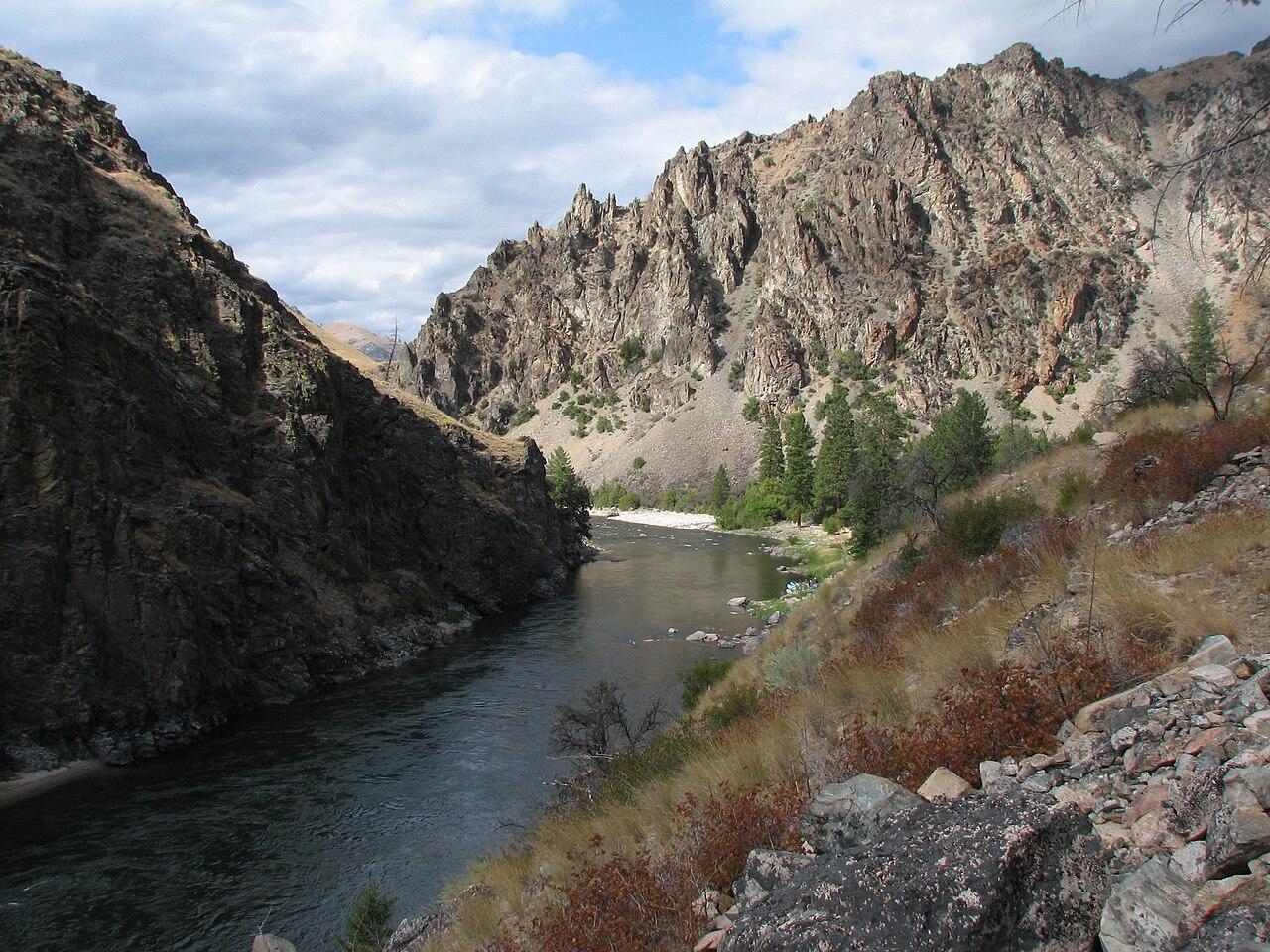
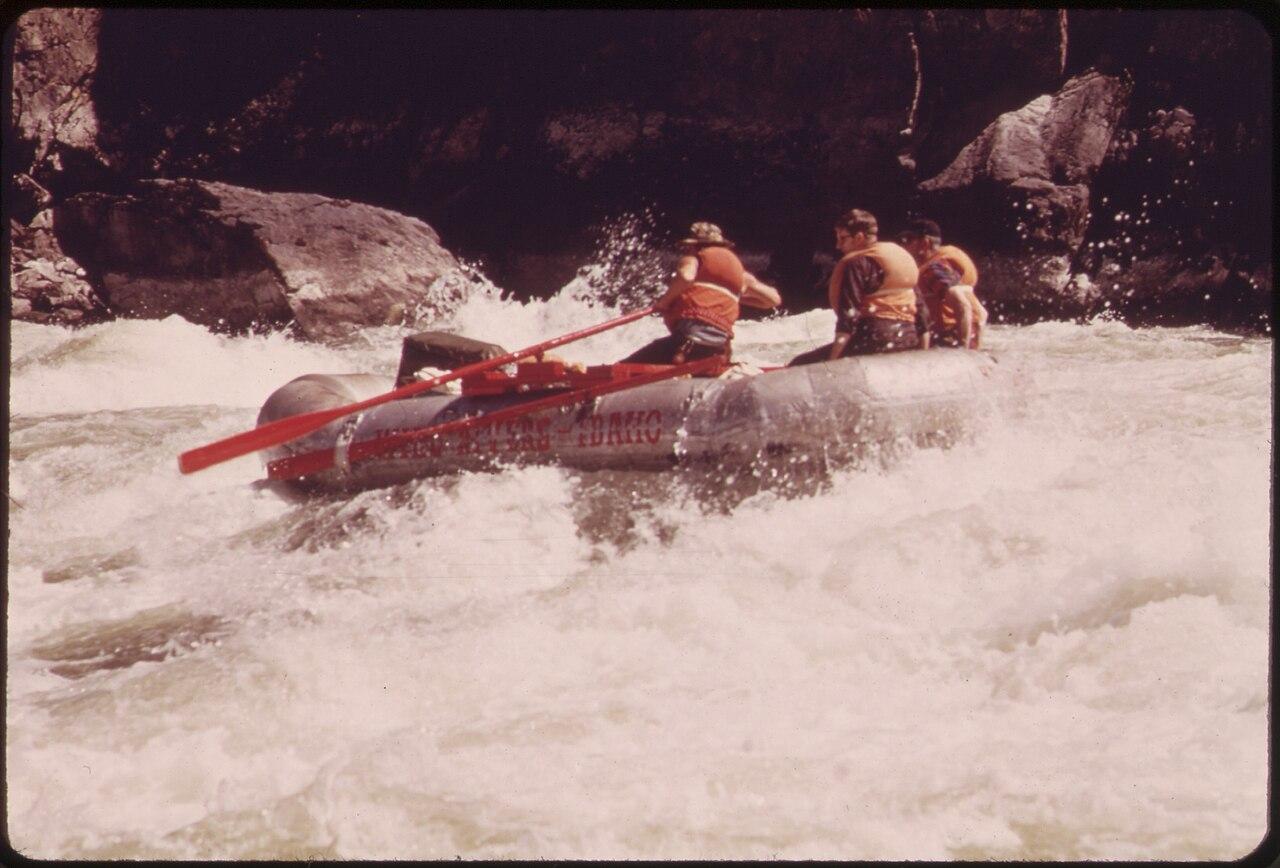
11 days from a backcountry airstrip: over 100 rapids in 100 miles down the Middle Fork and through Impassable Canyon, then on down the Main Salmon.
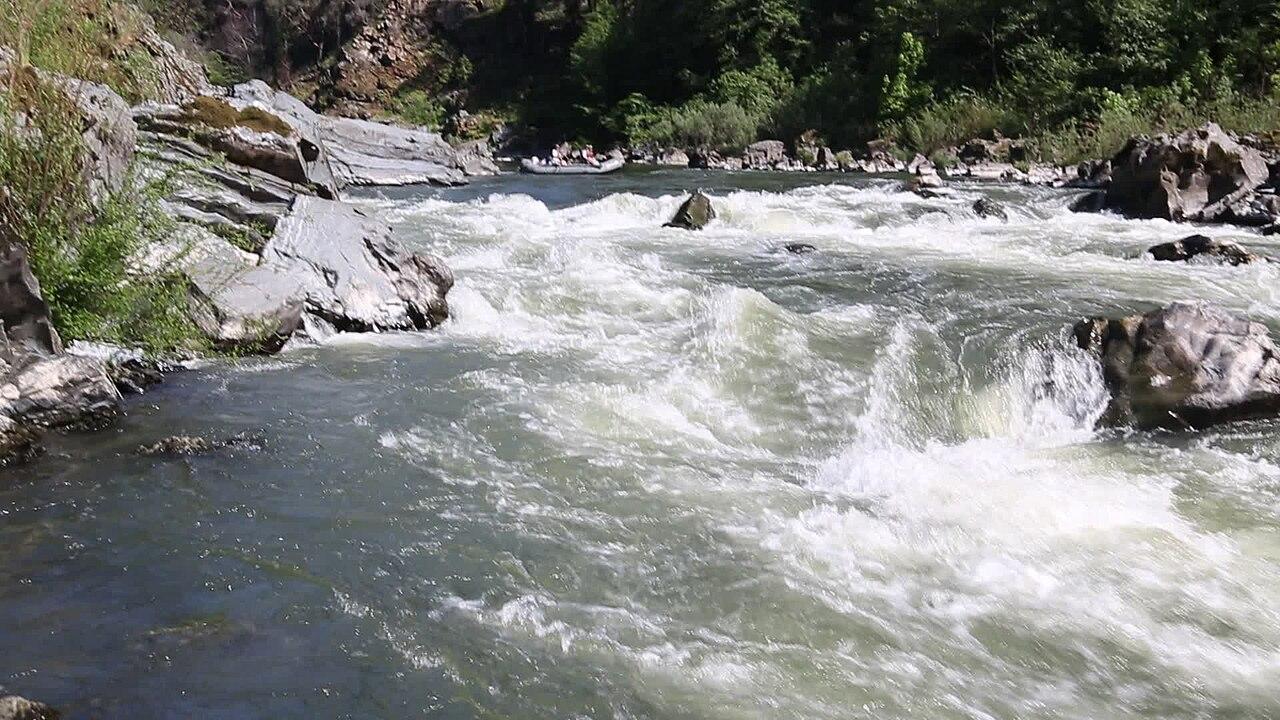
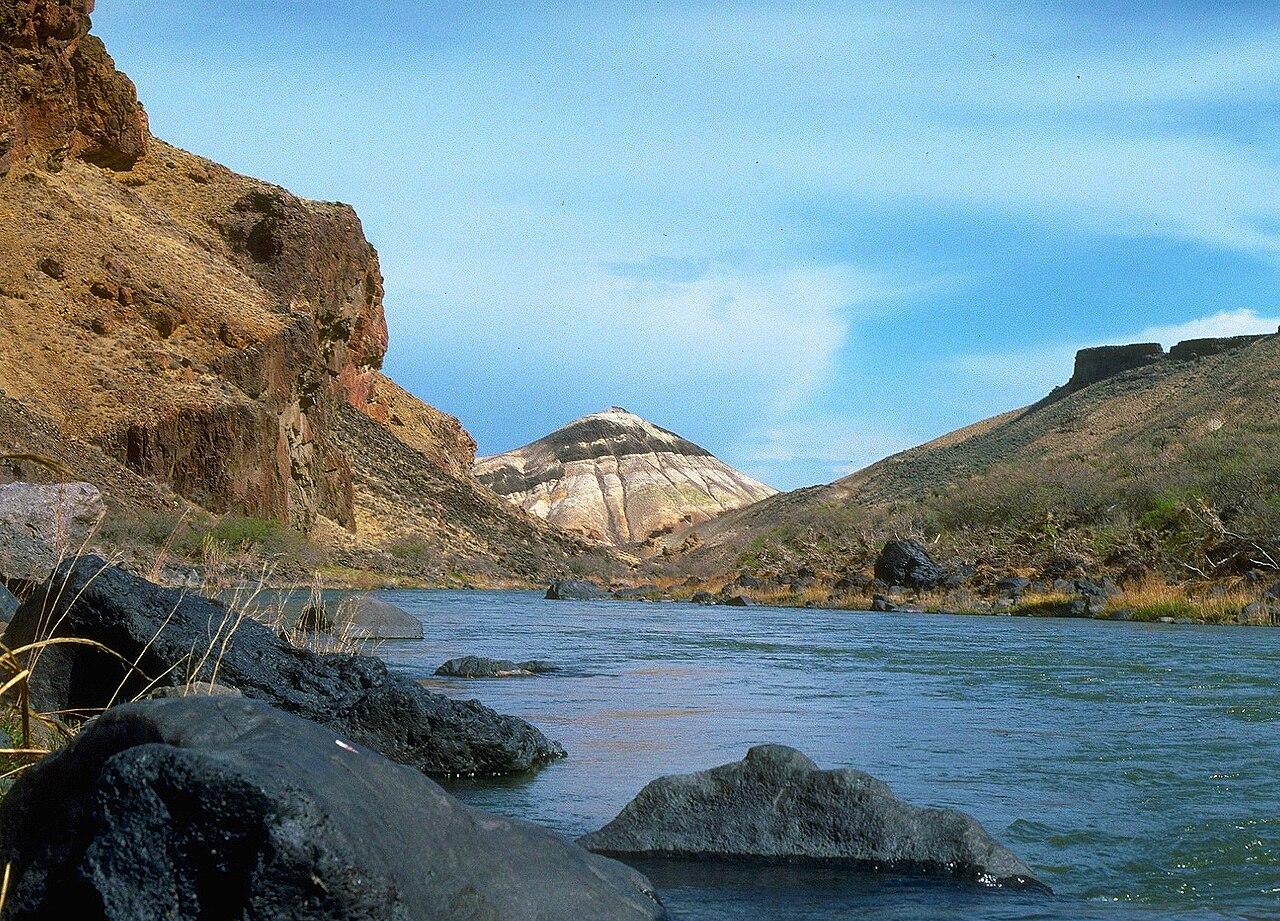
Six days down the Owyhee in southeastern Oregon, through basalt and clay canyons nobody else is in, on a river that carries enough water to raft only in April and May.
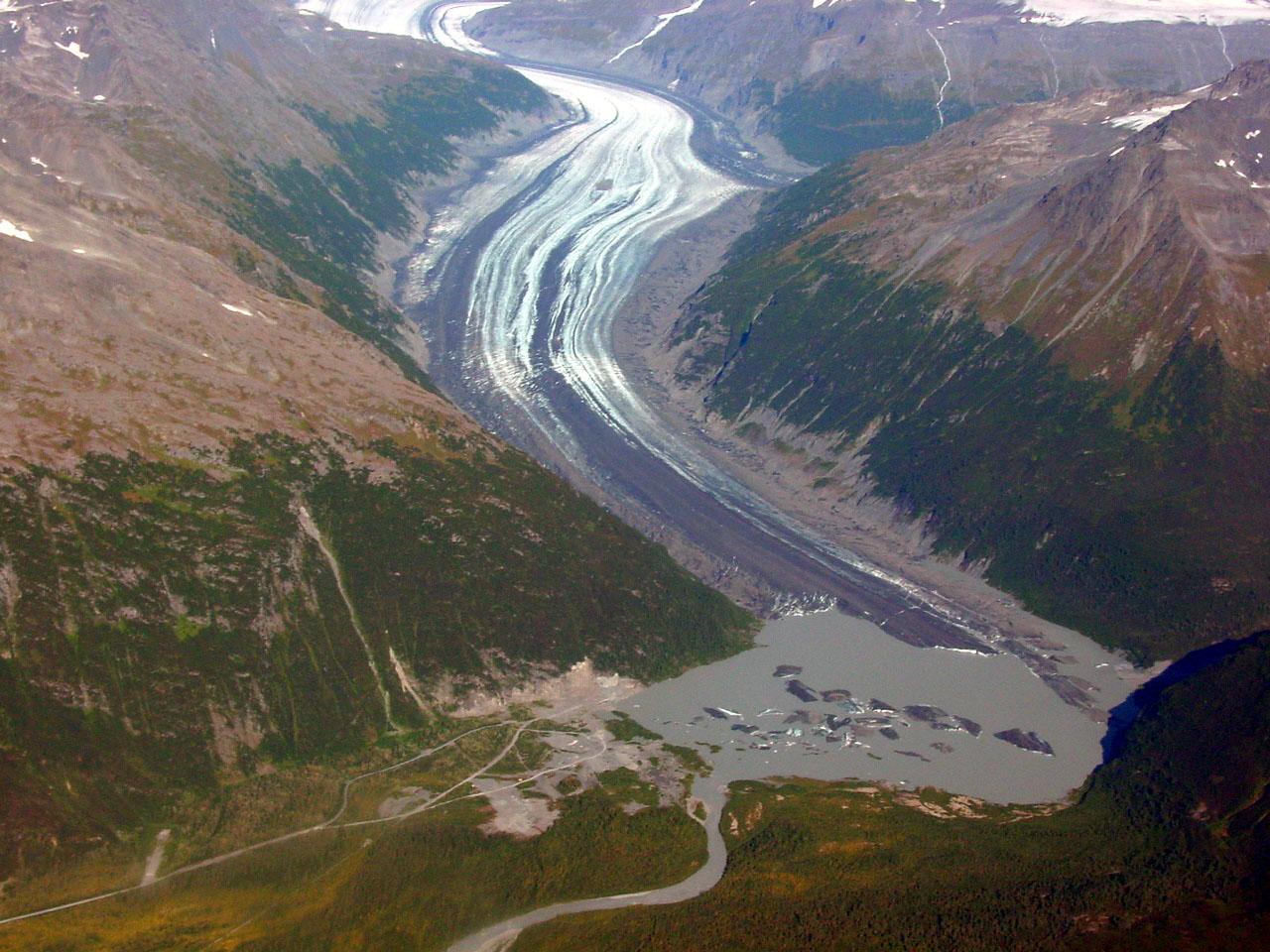
12 days and 160 miles down a glacier river: Class III-IV rapids, a maze of icebergs on Lowell Lake, and a helicopter lift over a canyon no raft can run.
Fly by bush plane into the Brooks Range and paddle 60 miles of the Kongakut under the midnight sun, with the Porcupine caribou herd's summer migration as the prize.
Four or five days on Class III and IV rapids through Hells Canyon on the Idaho and Oregon border, a gorge nearly 8,000 feet deep, starting with a charter flight over it.
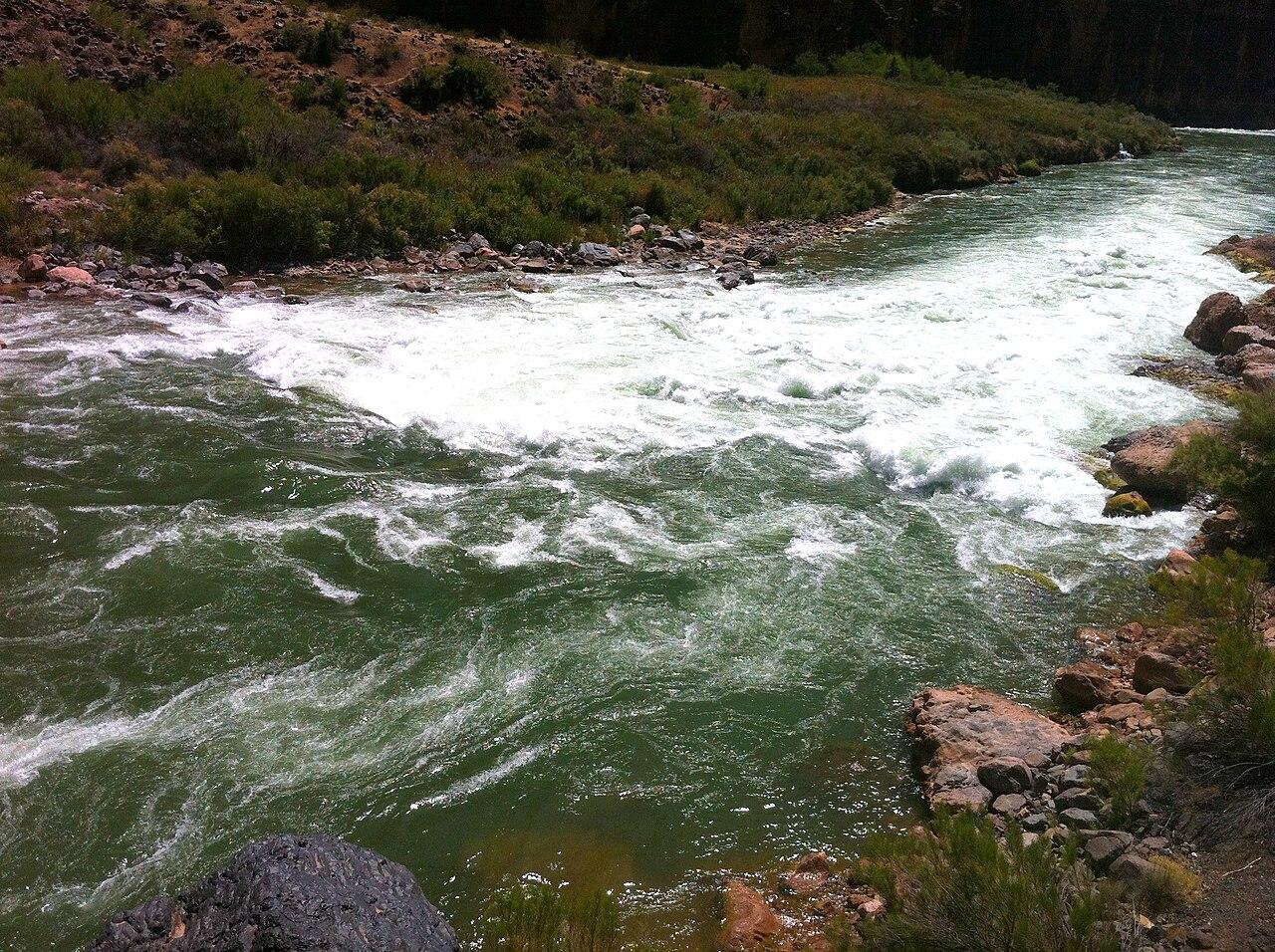
Two and a half weeks in oar-powered rafts from Lees Ferry to Pearce Ferry, through 47 major rapids including Crystal and Lava Falls, camping on the river's beaches.
Six weeks downriver from Flaming Gorge: the Gates of Lodore, Desolation and Cataract canyons with the Big Drops, then all 277 miles of the Grand Canyon.
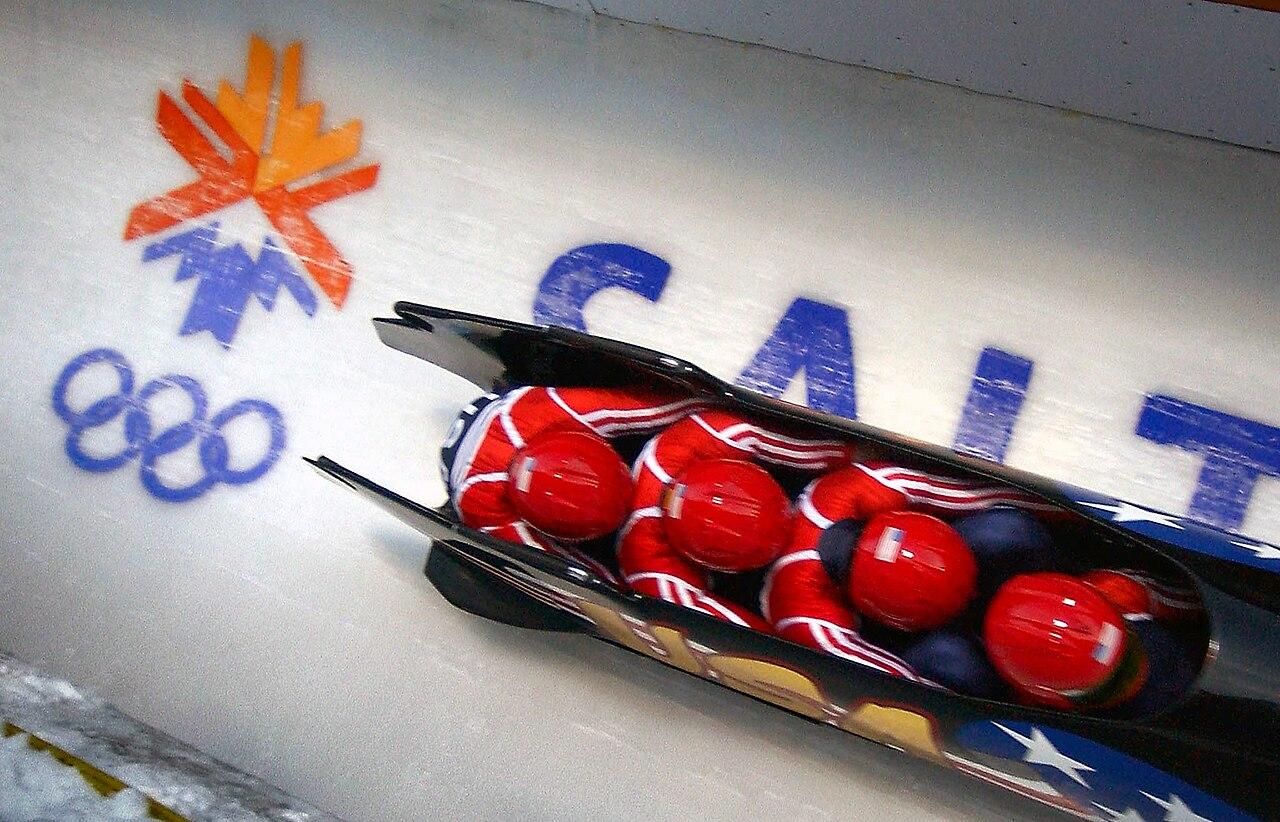
A professional pilot takes you down the 2002 Winter Games sliding track, one of four in North America, in under a minute with 4 to 5 times the force of gravity.
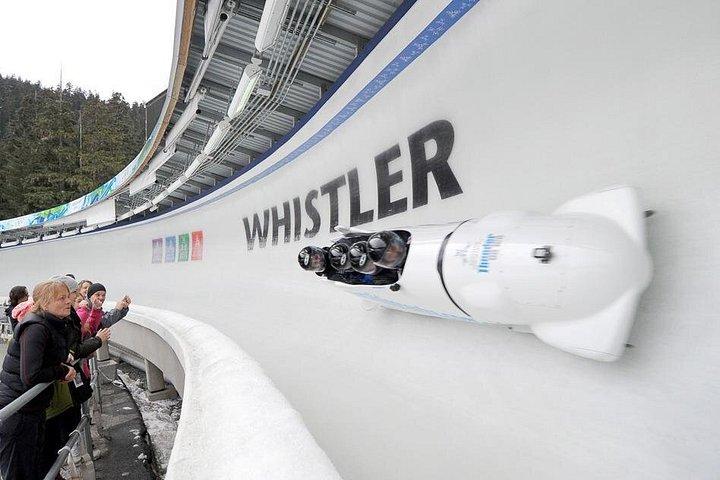
Sit behind a trained pilot in a four-person bobsleigh on the 2010 Olympic track at Whistler and take ten curves at 125 km/h with up to 4 g.
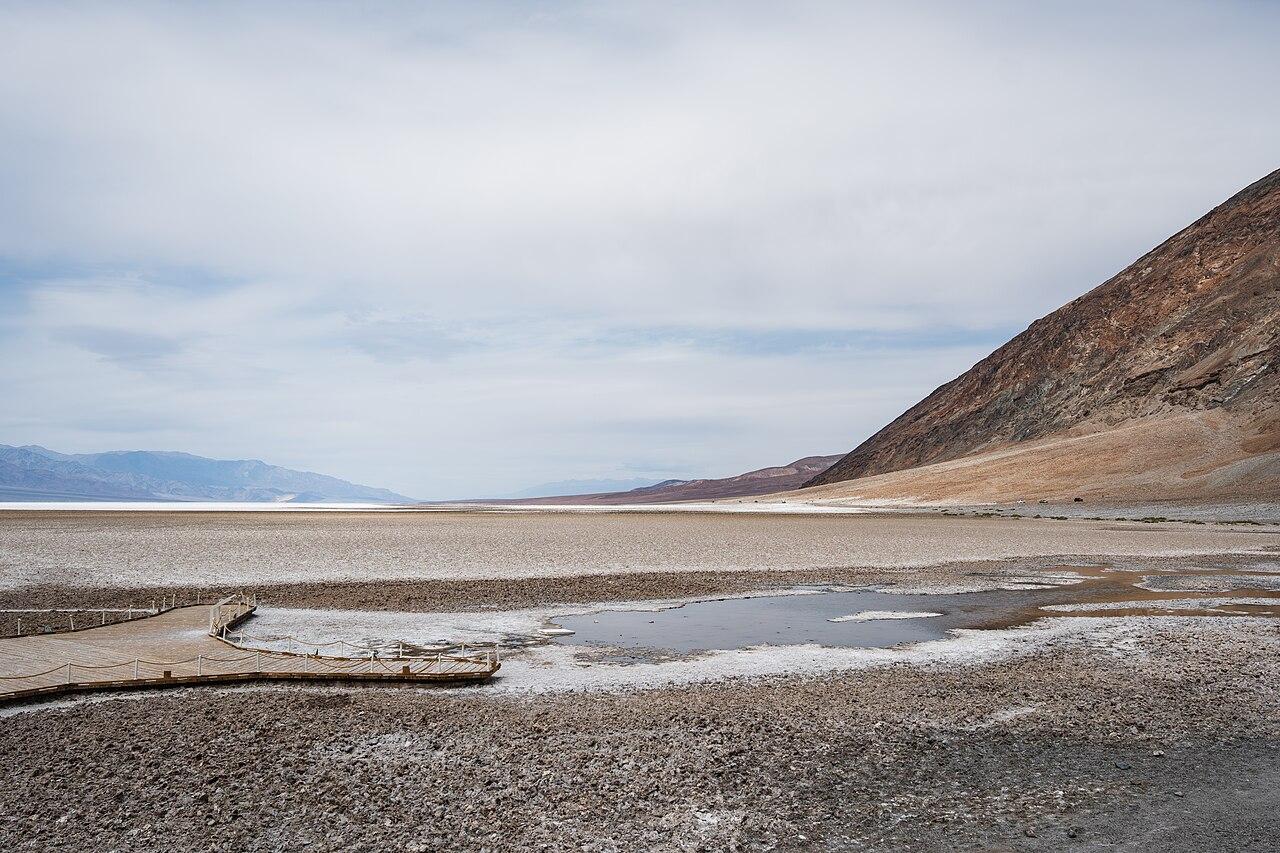
A 135-mile, 45-hour-limit foot race from 85 m below sea level in Death Valley to Whitney Portal at 2,530 m, run in July heat by an invited field of up to 100.
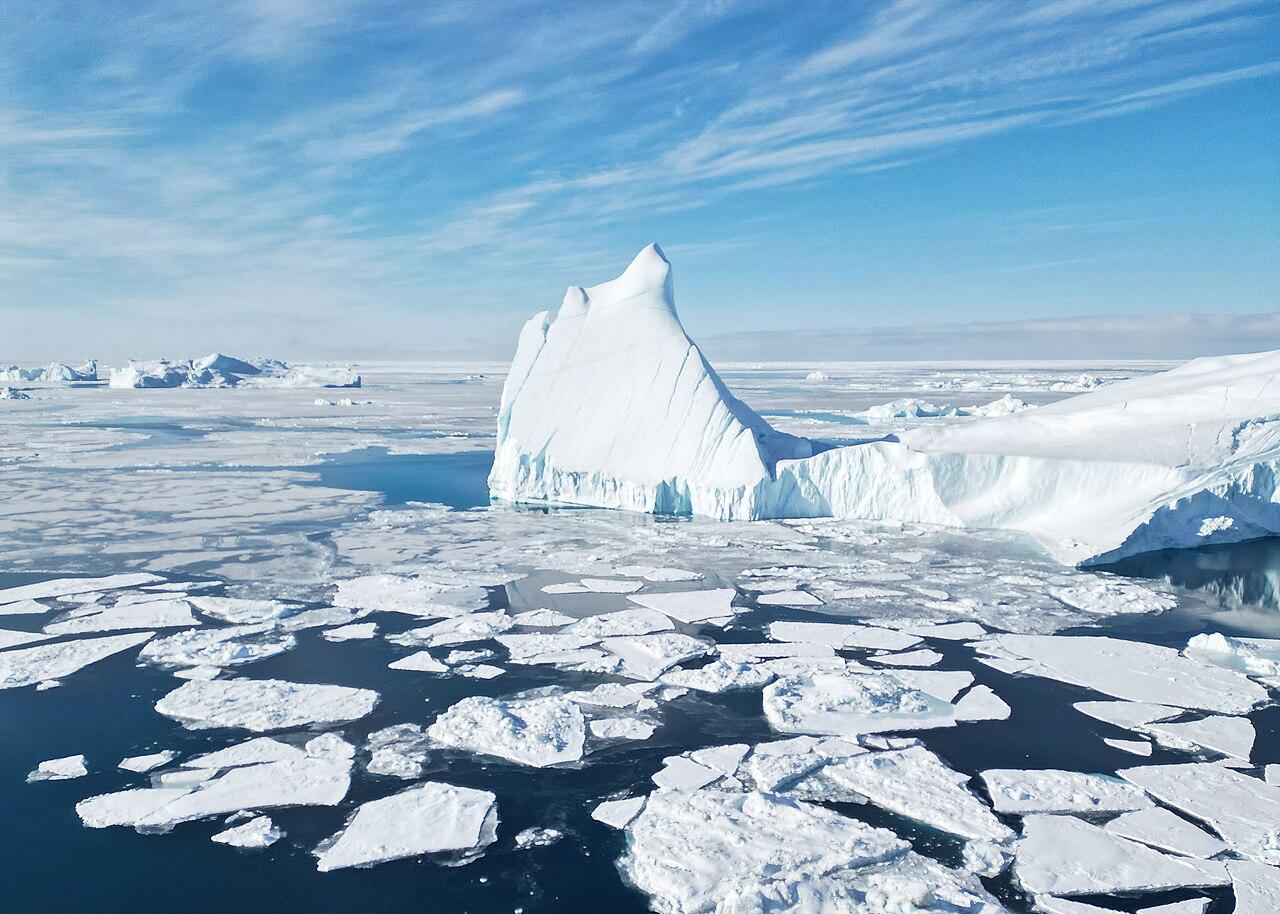
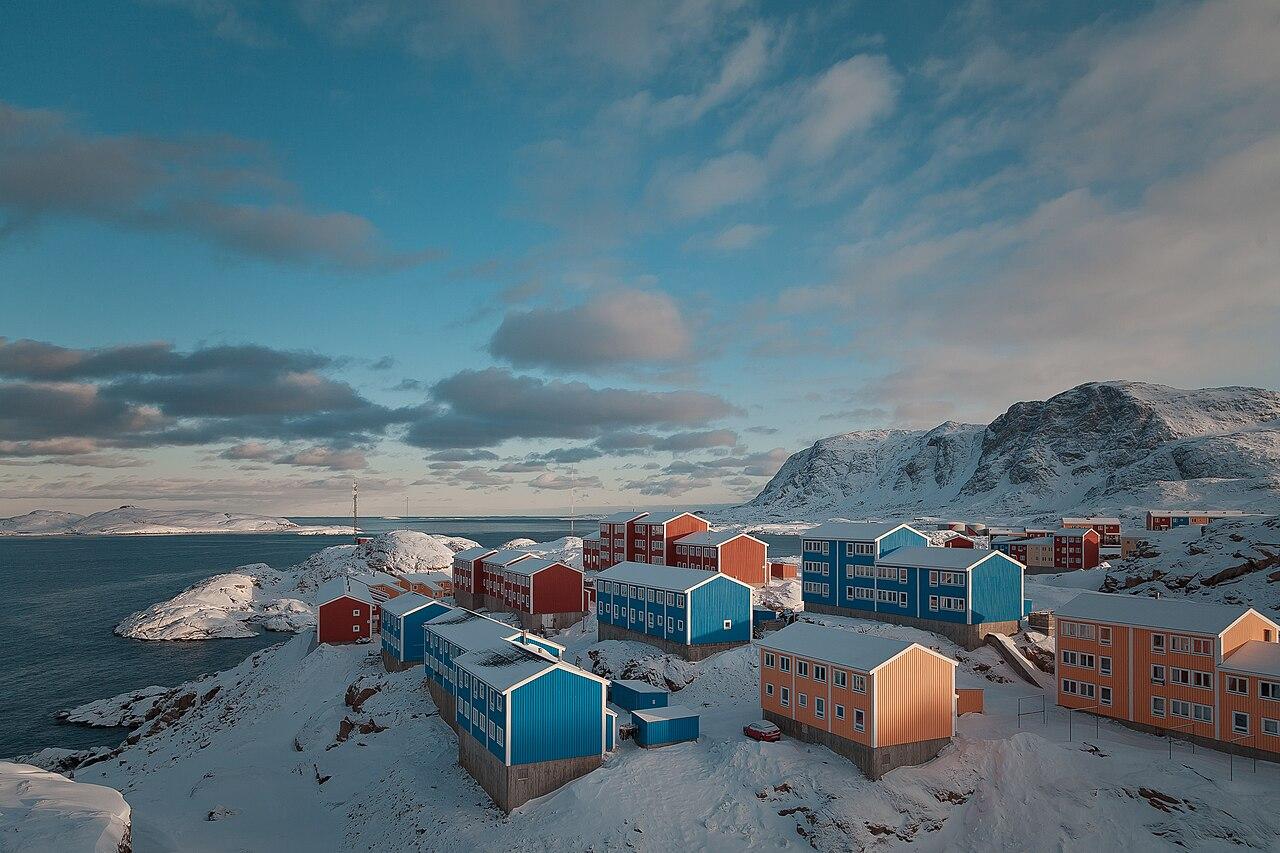
A marathon or half run through the night in Ilulissat, Greenland, from 21:00 under the midnight sun, on rocky trails out to the UNESCO-listed Icefjord.
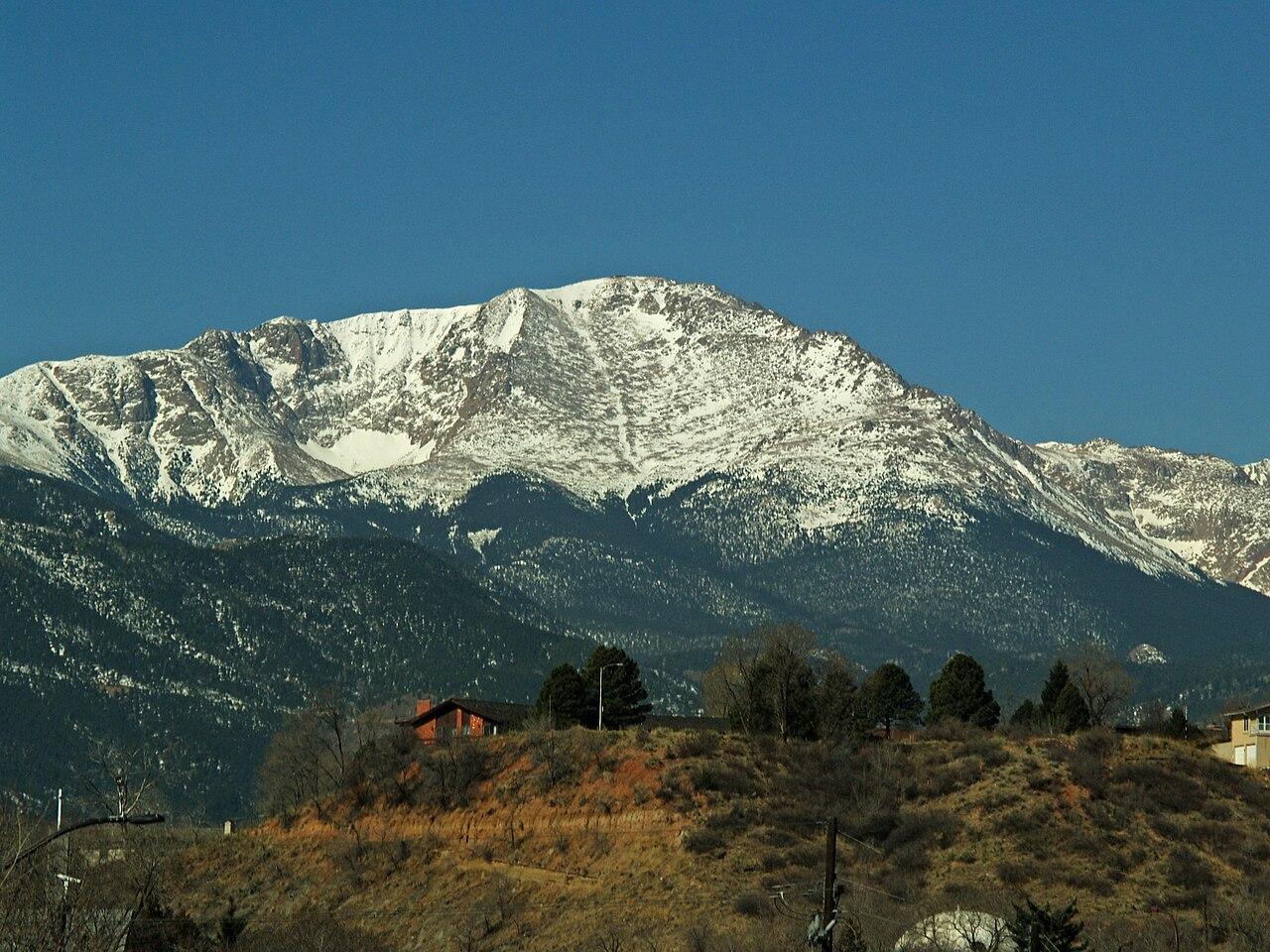
America's Ultimate Challenge: 26.2 miles from Manitou Springs up the Barr Trail to the summit of Pikes Peak and back down, with 7,800 ft of climbing.
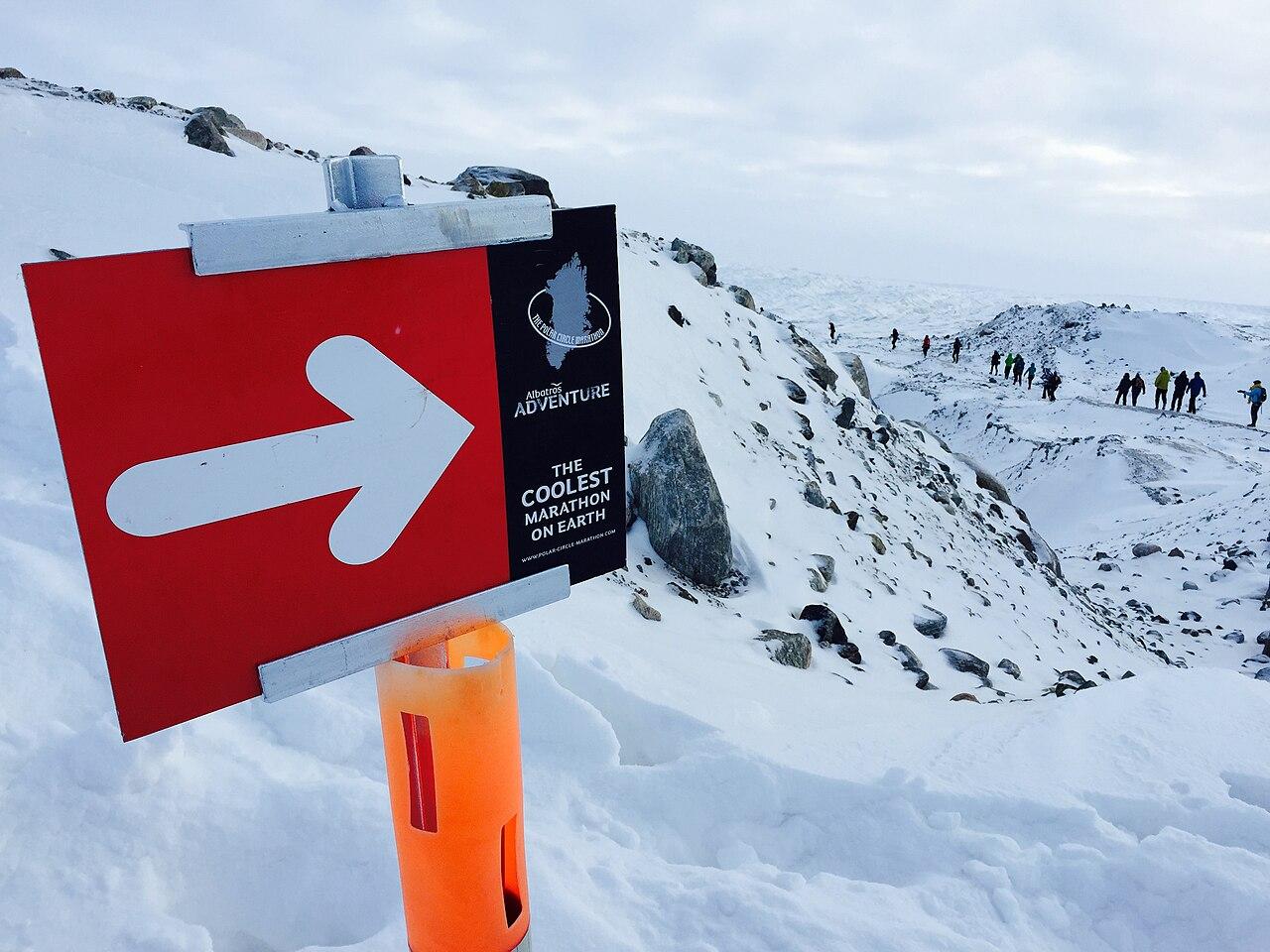
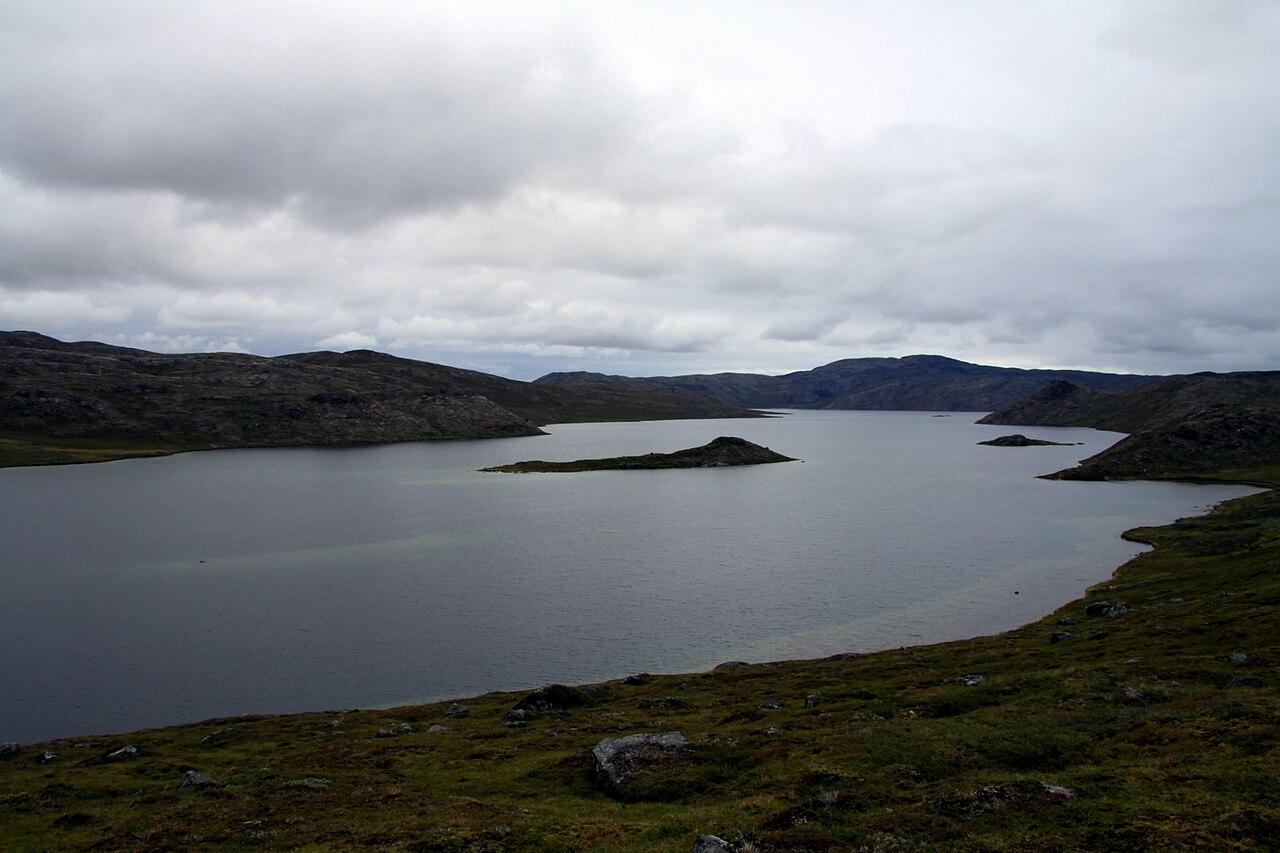
'The coolest marathon on Earth': 42.2 or 21.1 km from Kangerlussuaq onto the Greenland ice and back across the tundra, with musk oxen and Arctic foxes about.
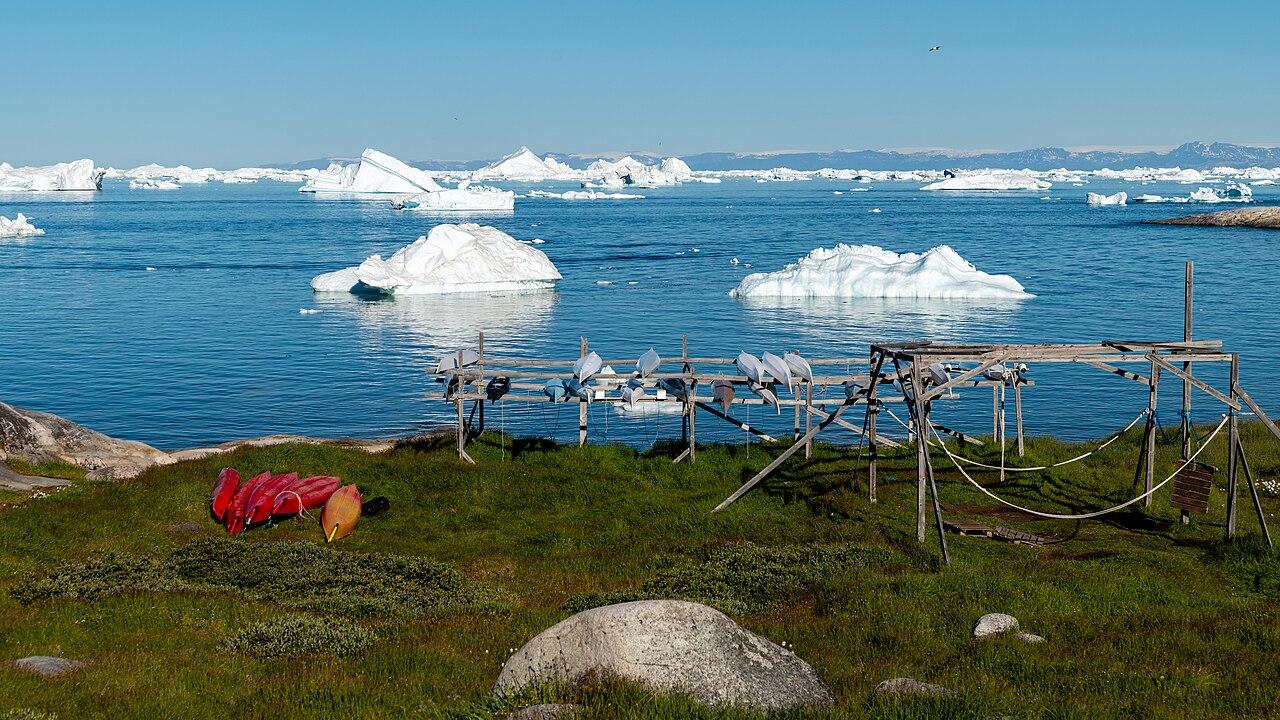
Paddle a loaded single-seat sea kayak out of Ilulissat for 10 days among the largest icebergs in the northern hemisphere, near humpback whales, camping on shore each night.
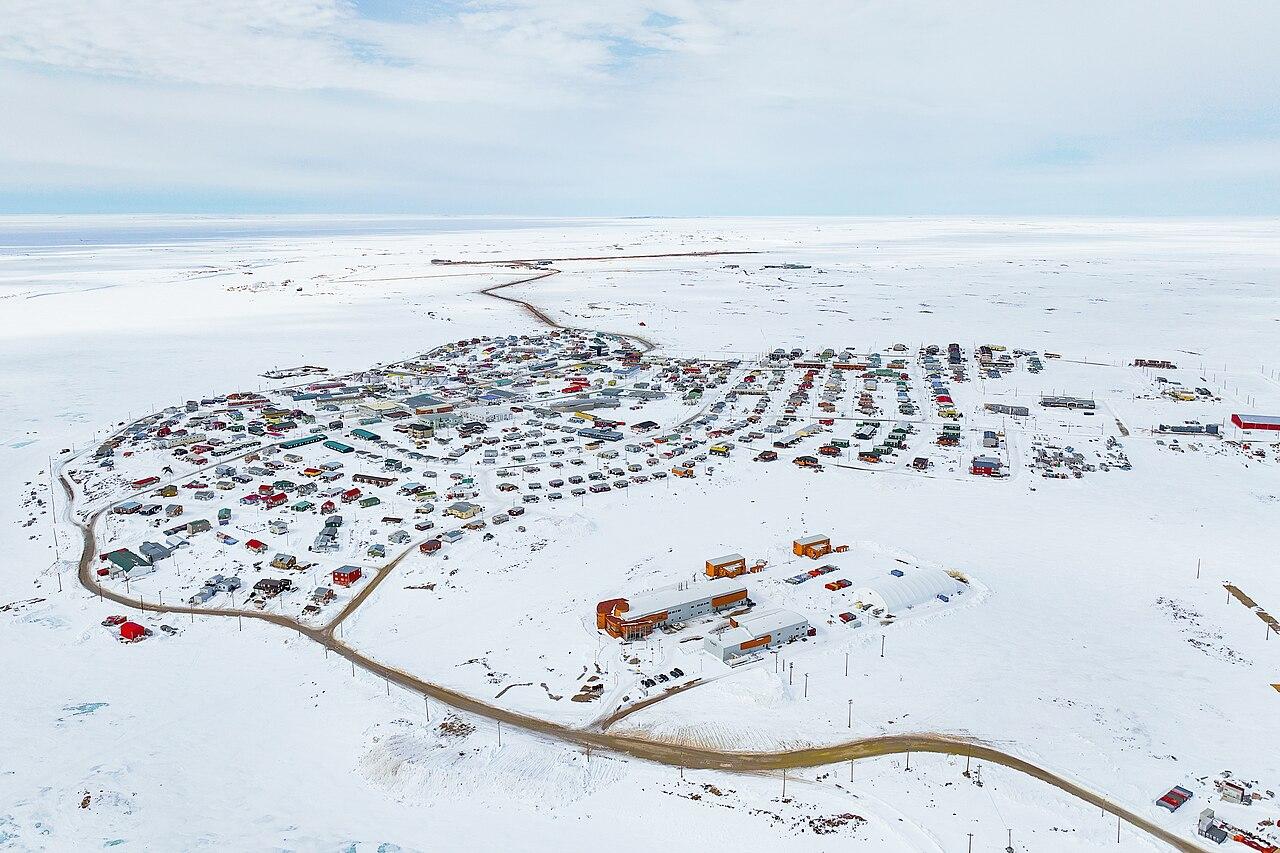
A fully self-sufficient month on skis across the pack ice from Cambridge Bay to Gjoa Haven in Nunavut, on Amundsen's route, in temperatures that can reach -40 C.
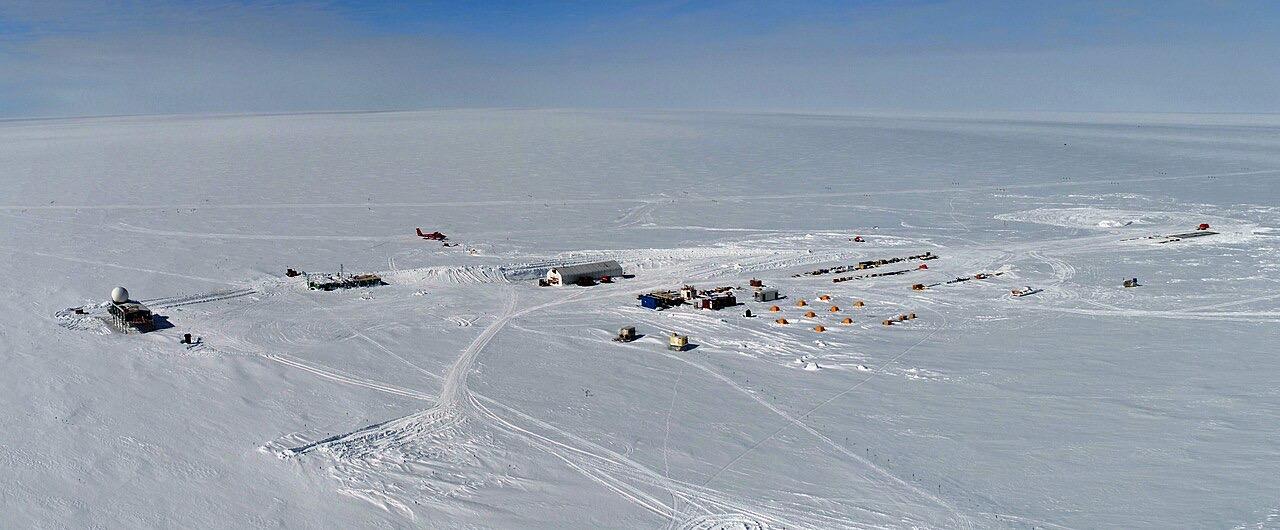
About four weeks on skis across the second-largest ice sheet on Earth, Kangerlussuaq to Isortoq, with the polar company Børge Ousland founded.
Fly by ski plane into the Alaska Range, then camp on the glacier for 11 days, hauling sleds, climbing peaks and skiing steep descents.
Ten days in the winter mountains of Wyoming and Idaho on touring skis or a splitboard, sleeping in snow shelters you build, ending with a Level 1 avalanche certificate.
A ski plane drops at most six skiers on the Alaska Range glacier with the best snow that week, and you tour from camp for six days on slopes up to 45 degrees.
A three-day cross-country ski race from Sisimiut, 160 km or 100 km through the mountains north of the Arctic Circle, with two nights in a tent camp on the course.
About ten days on skis from Kangerlussuaq to Sisimiut along the Arctic Circle Trail in the polar winter, under the northern lights, at temperatures down to -40 C.
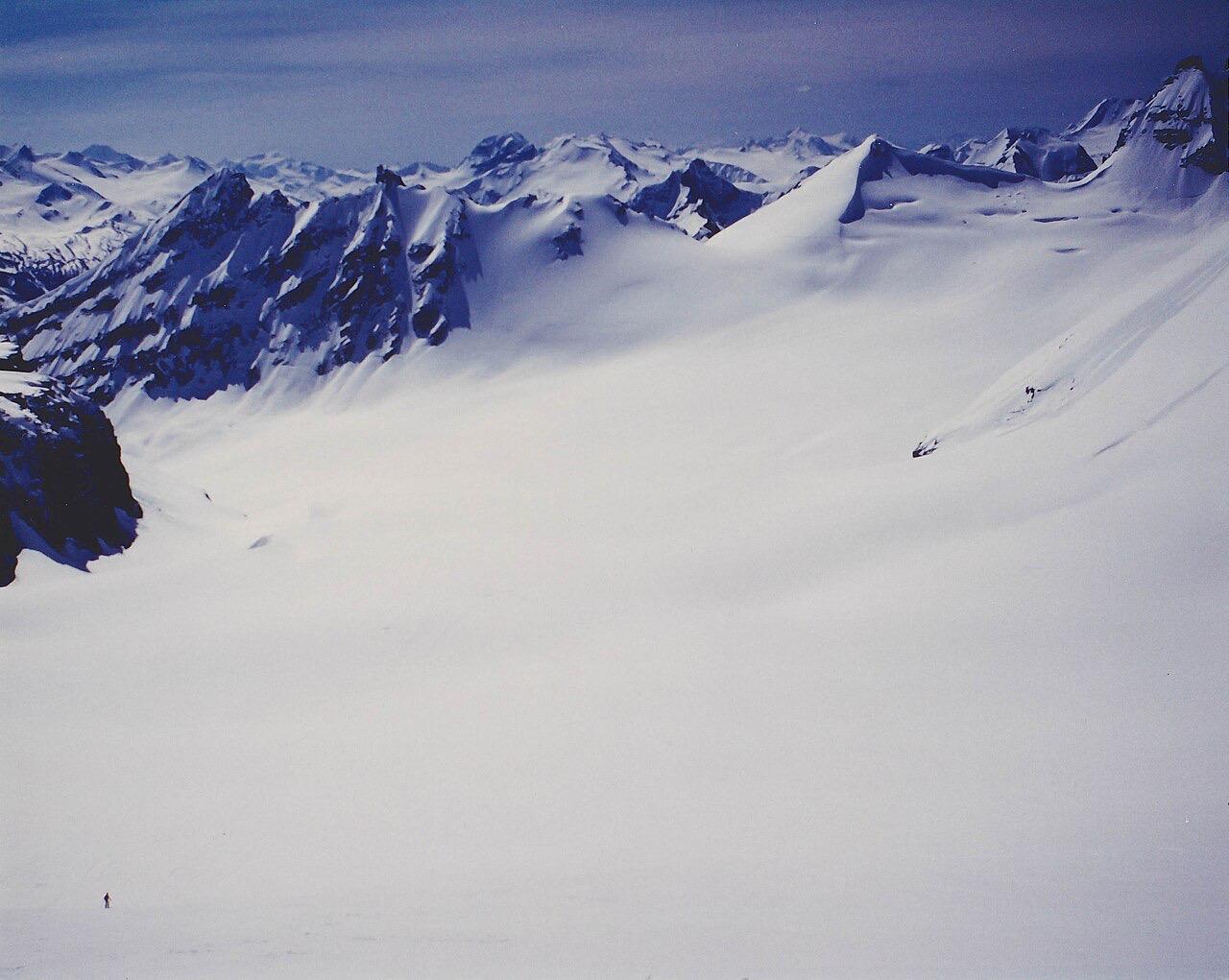
Five days on skis along the North Cascades crest from Cascade Pass to Dome Peak, skiing Le Conte, Sentinel, Sinister and Dome and camping on snow.
Pre-breathe oxygen, climb to about 28,000 ft in a King Air and freefall for up to two minutes, strapped to an expert tandem jumper, with no skydiving experience needed.
A night on a big-wall climber's portaledge, hundreds of feet up a sheer rock face near Estes Park, Colorado, with no climbing experience needed.
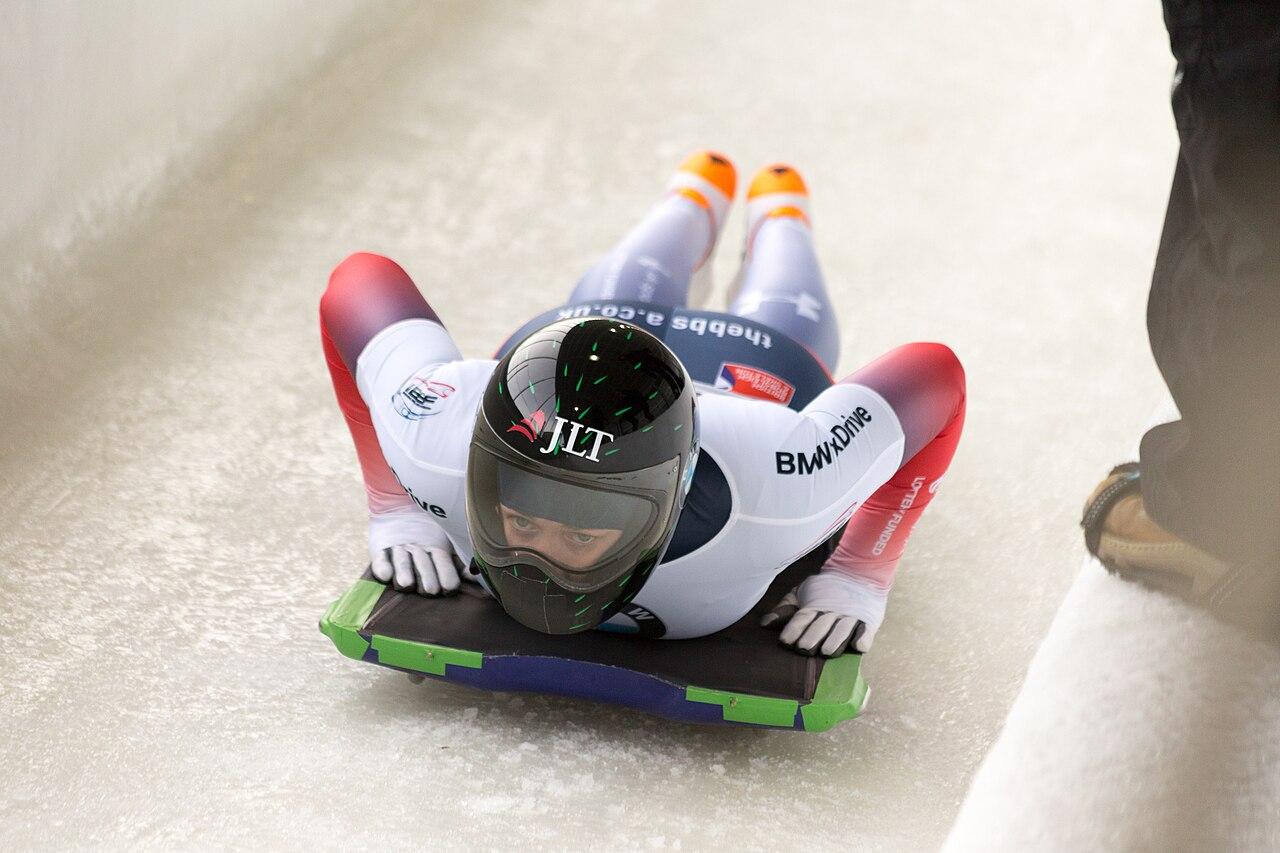
Alone, face down, centimetres above the ice: two skeleton runs through the last six corners of the 2010 Olympic track, the only place in Canada the public can.
A week at a remote lodge in Port Fidalgo, Alaska, freediving with salmon sharks in the one place, and the short summer window, where you can get close to them.
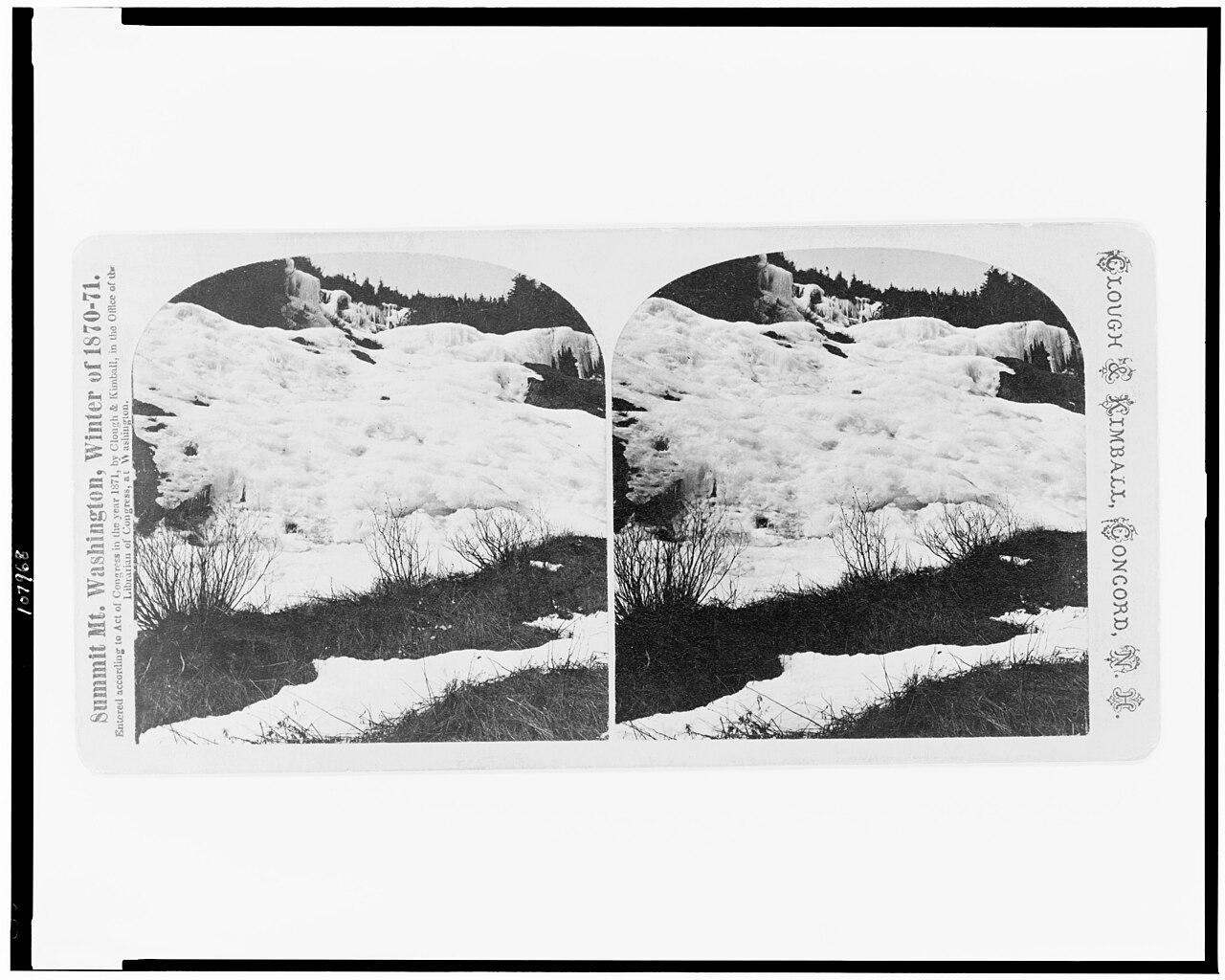
Four January days of Denali-style training in New Hampshire's White Mountains, ending with a night in a snow camp and a summit bid on Mount Washington, 6,288 ft.
About 30 days on kite skis from Kangerlussuaq to Qaanaaq, riding the ice cap's katabatic winds with 70 kg sleds, in a team of two or three.
A month-long NOLS mountaineering expedition from Palmer into the Chugach, Alaska Range or Wrangell-St. Elias: snow camping, glacier travel, crevasse rescue.
The signature course of BOSS, by its own account the oldest survival school in the world: two weeks in southern Utah with no tent, no stove and little food.
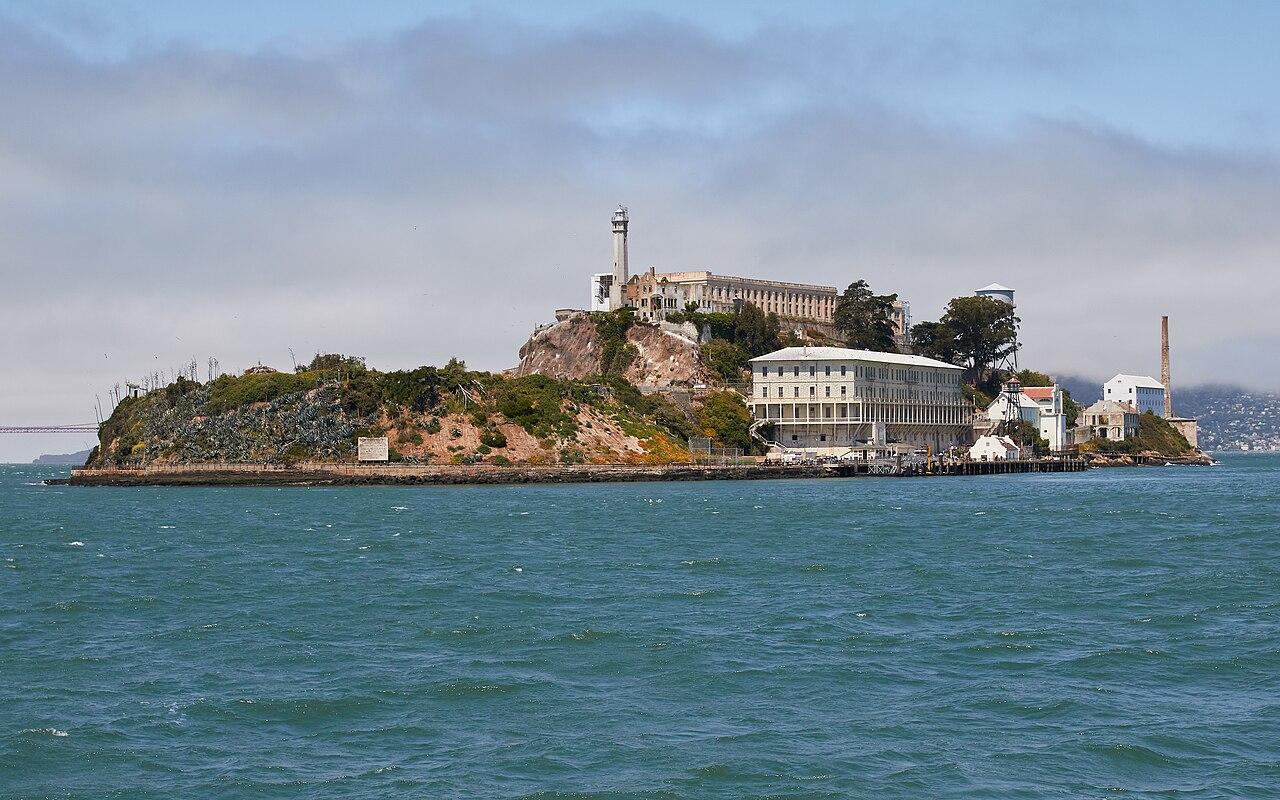
A ferry drops you off Alcatraz and you swim 1.5 miles through 58 to 64 F bay water, across the tide, to Aquatic Park, the swim the 1962 escapees tried.
An L-39 Albatros military jet trainer from the Tampa Bay area: loops, Cuban eights, tail slides, high-G turns and low-level runs, with stick time for you.
Nine days that start with swiftwater rescue training and end with you captaining a paddle raft down Class III rapids; no rafting experience needed.
Eight days in February or March learning polar travel on the Greenland ice cap, flown in from Reykjavík to Kulusuk and run expedition style.
Veteran fighter pilots teach you to fly an Italian S-211 jet trainer from takeoff to landing, with formation flying and unusual-attitude training, near Dallas.
Seven days roped up along the North Cascades crest: Eldorado Peak by its east ridge, three glaciers to Backbone Ridge, then over Isolation Peak to Highway 20.
Five days from rainforest to glacier: up the Hoh River valley, roped across the Blue Glacier, then steep snow and summit rock to the top of the Olympics.
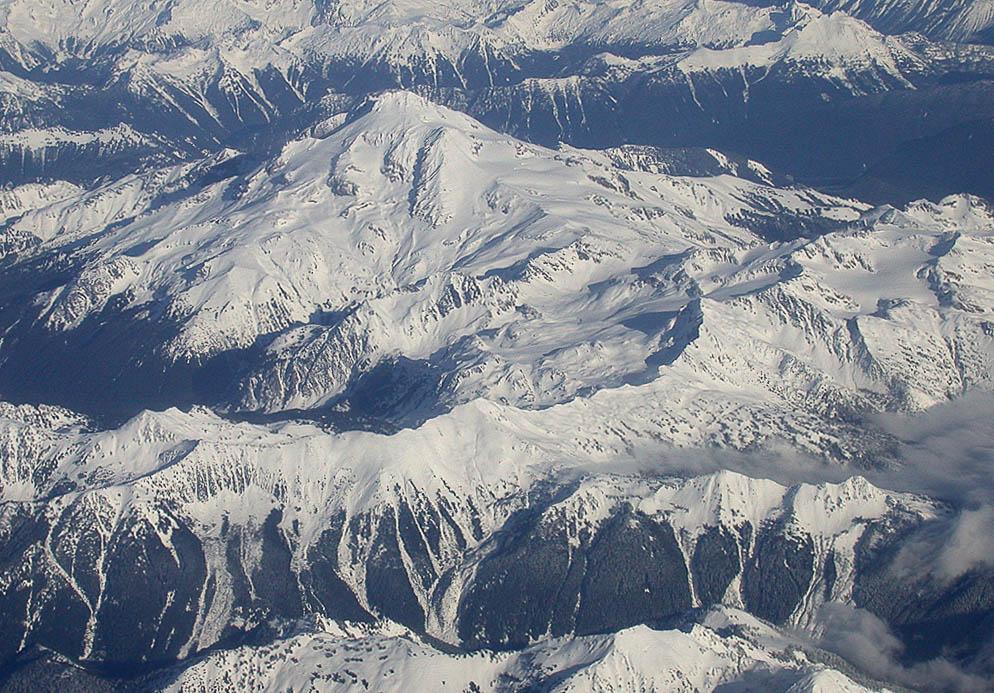
Five days to the 3,213 m top of Washington's most remote volcano: 9.5 miles in with a 45 to 55 lb pack, a glacier camp, then a summit day of 14 hours or more.
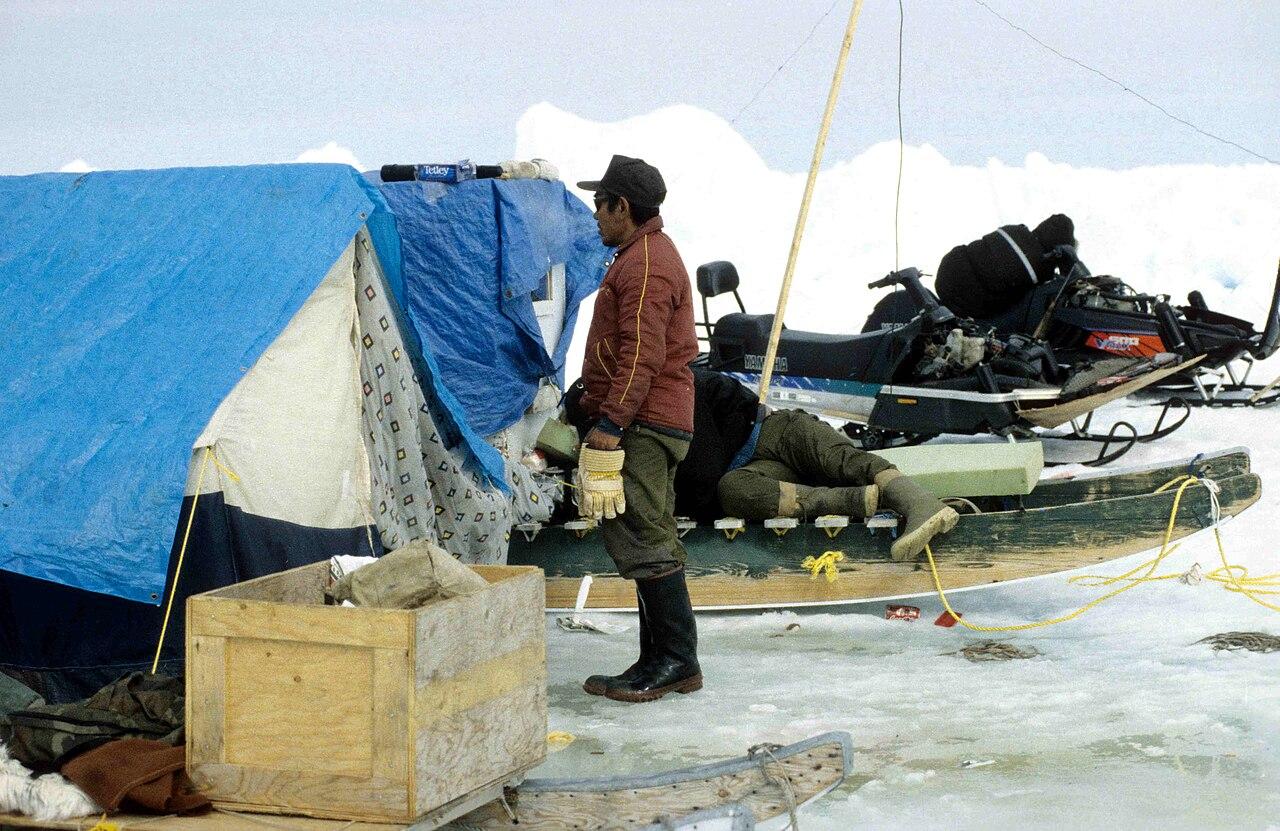
Nine days in a heated tent camp on the sea ice of Admiralty Inlet, where the narwhals arrive along the open water in spring and polar bears sometimes walk by.
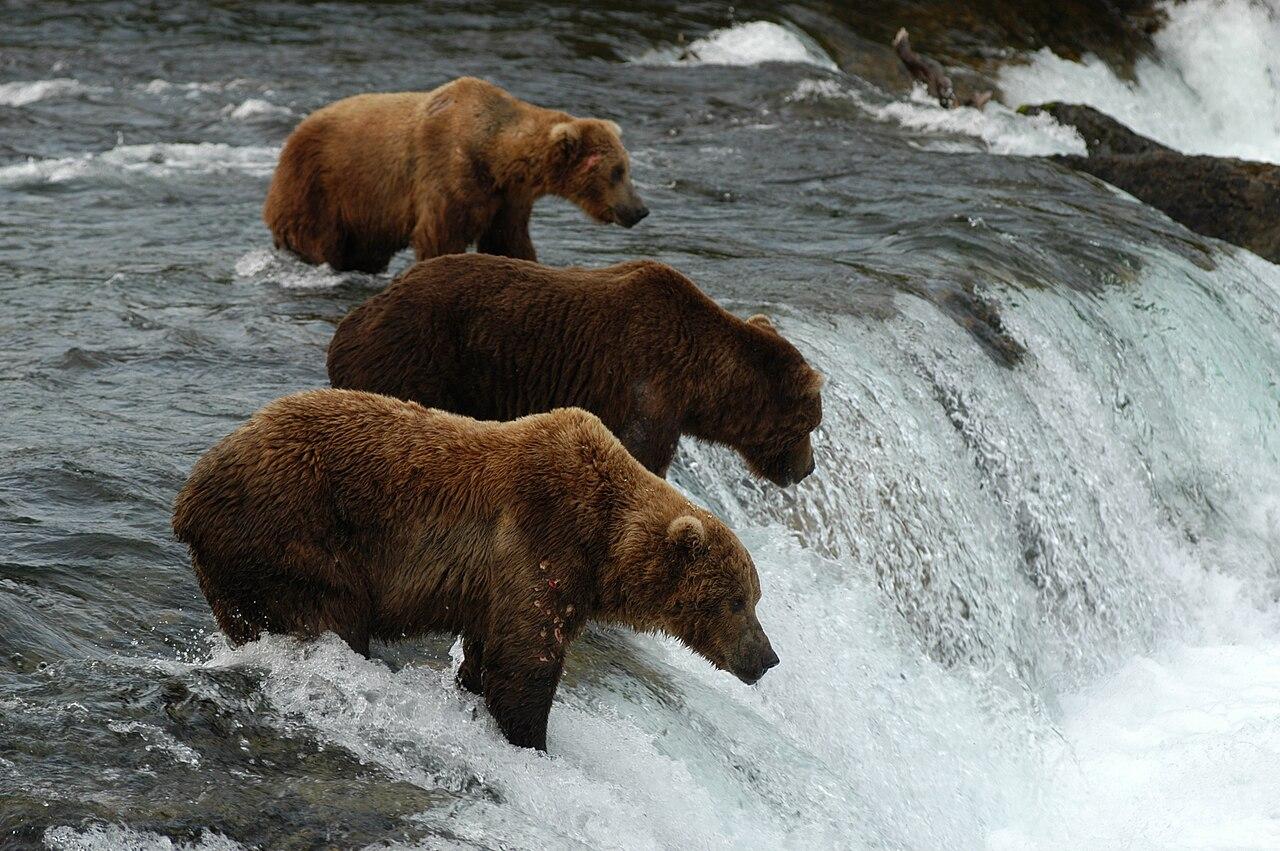
A six-hour floatplane trip from Homer across Cook Inlet into Katmai National Park, where brown bears stand in the falls and catch leaping salmon from late June to mid-September.
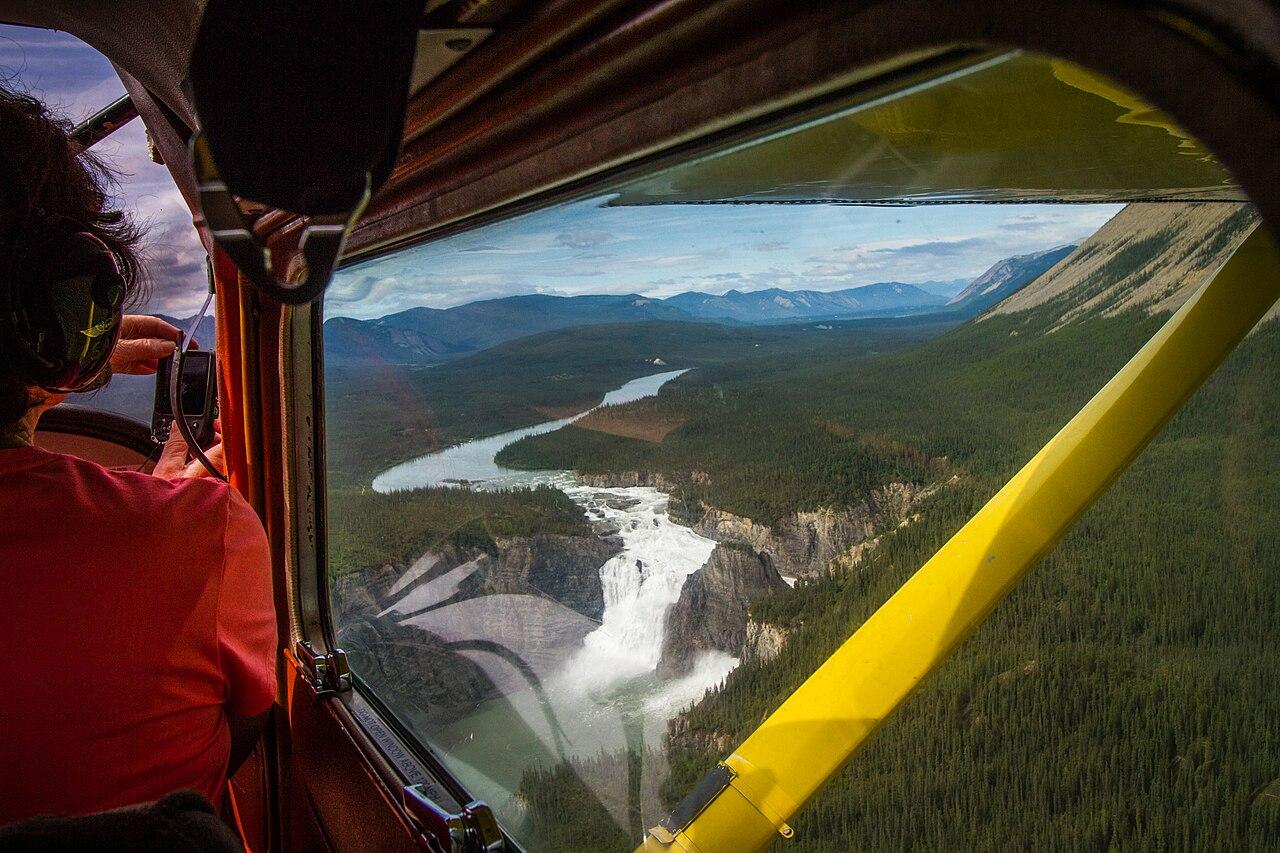
A floatplane lands you above the 96 m Virginia Falls, then 155 miles by raft through Canada's deepest river canyons, in a national park no road reaches.
A free 45 to 60-minute walk through Canada's particle accelerator centre in Vancouver, crossing most of its site and two of its largest research halls.
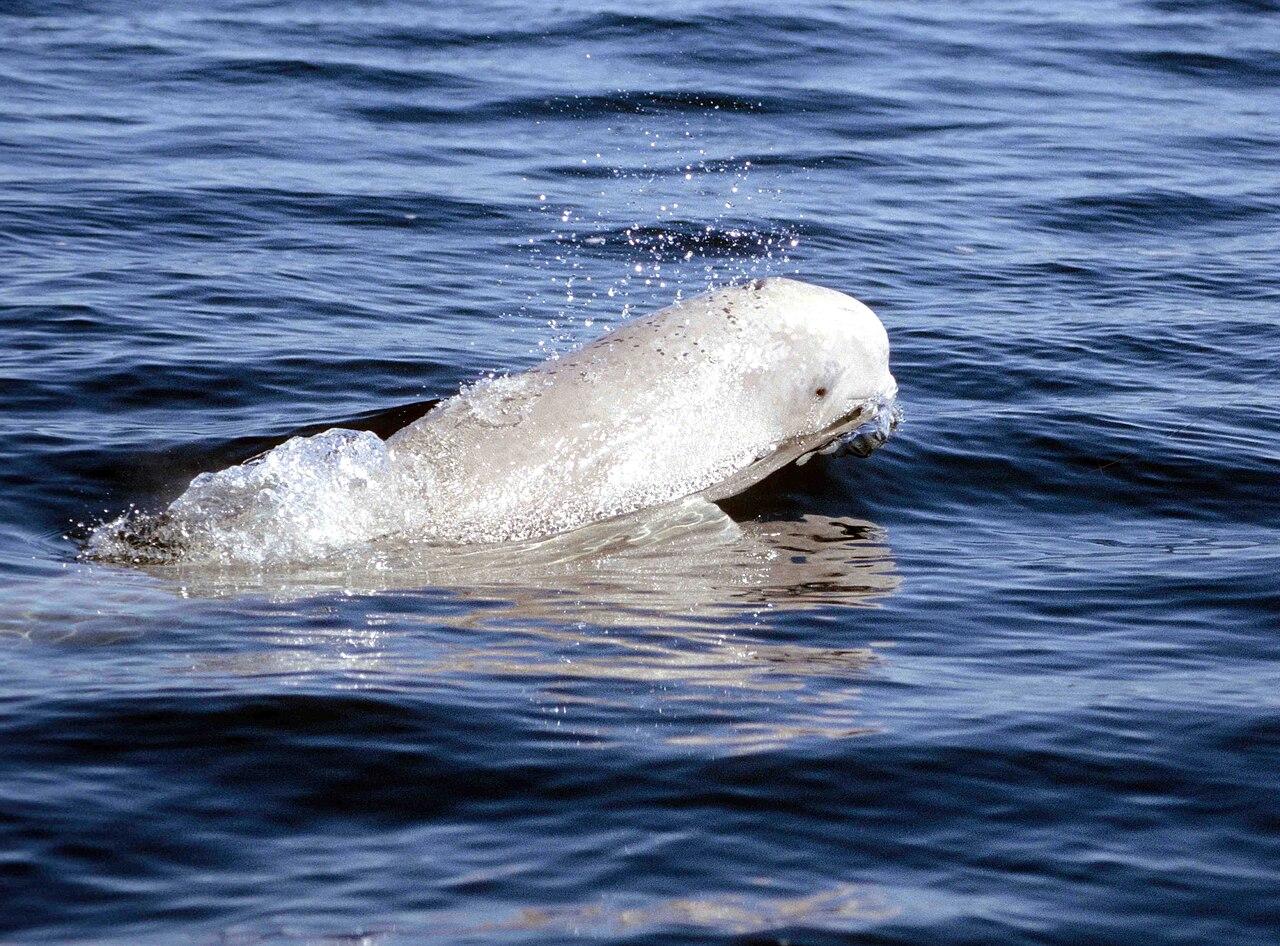
A week in Churchill, Canada, lying on a platform towed behind a zodiac with your head underwater while curious belugas, up to 60,000 each summer, swim right up.
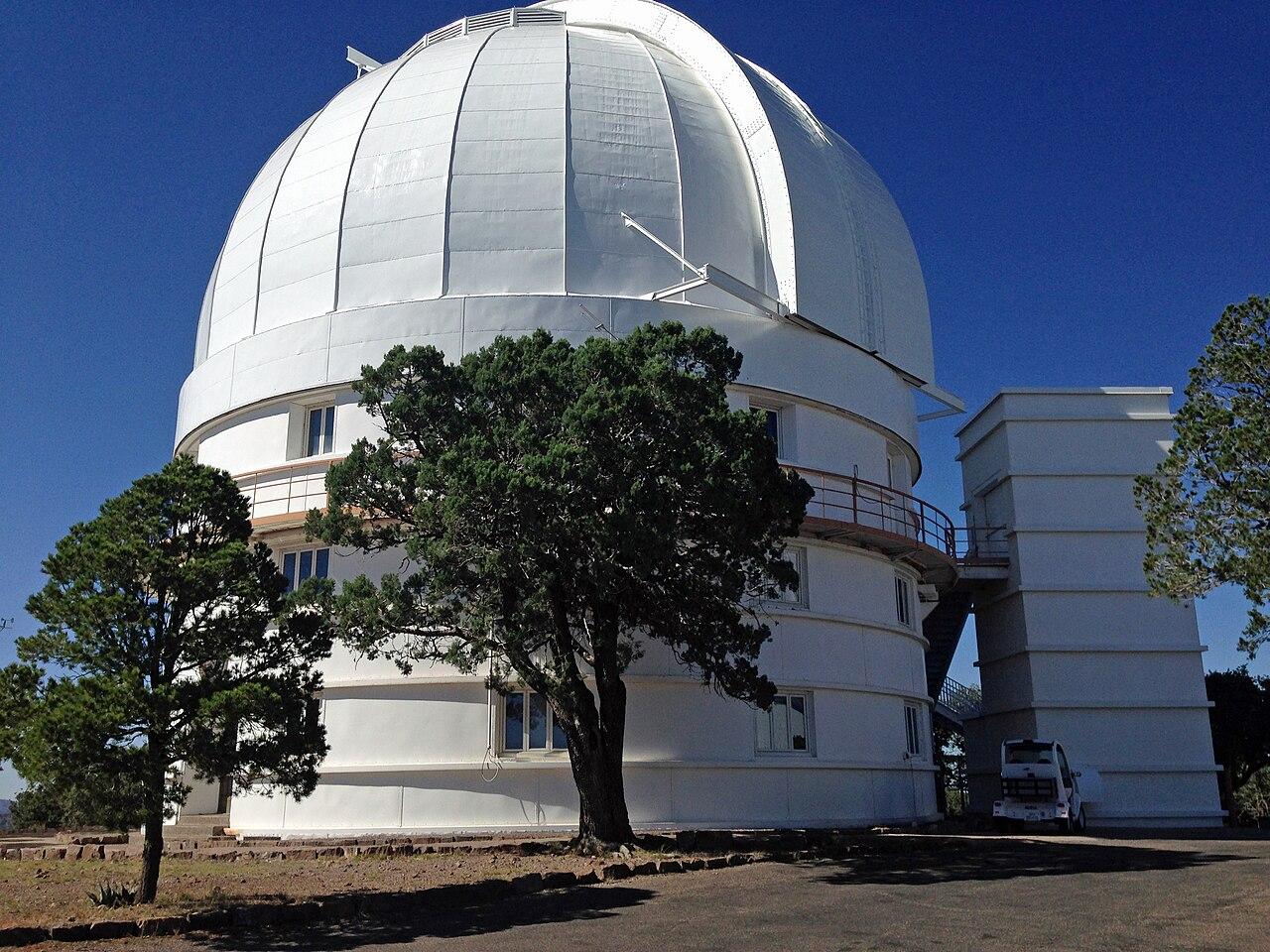
On select nights McDonald Observatory in West Texas lets about 15 people observe through its 82-inch (2.1 m) Otto Struve Telescope, a research tool since 1939.
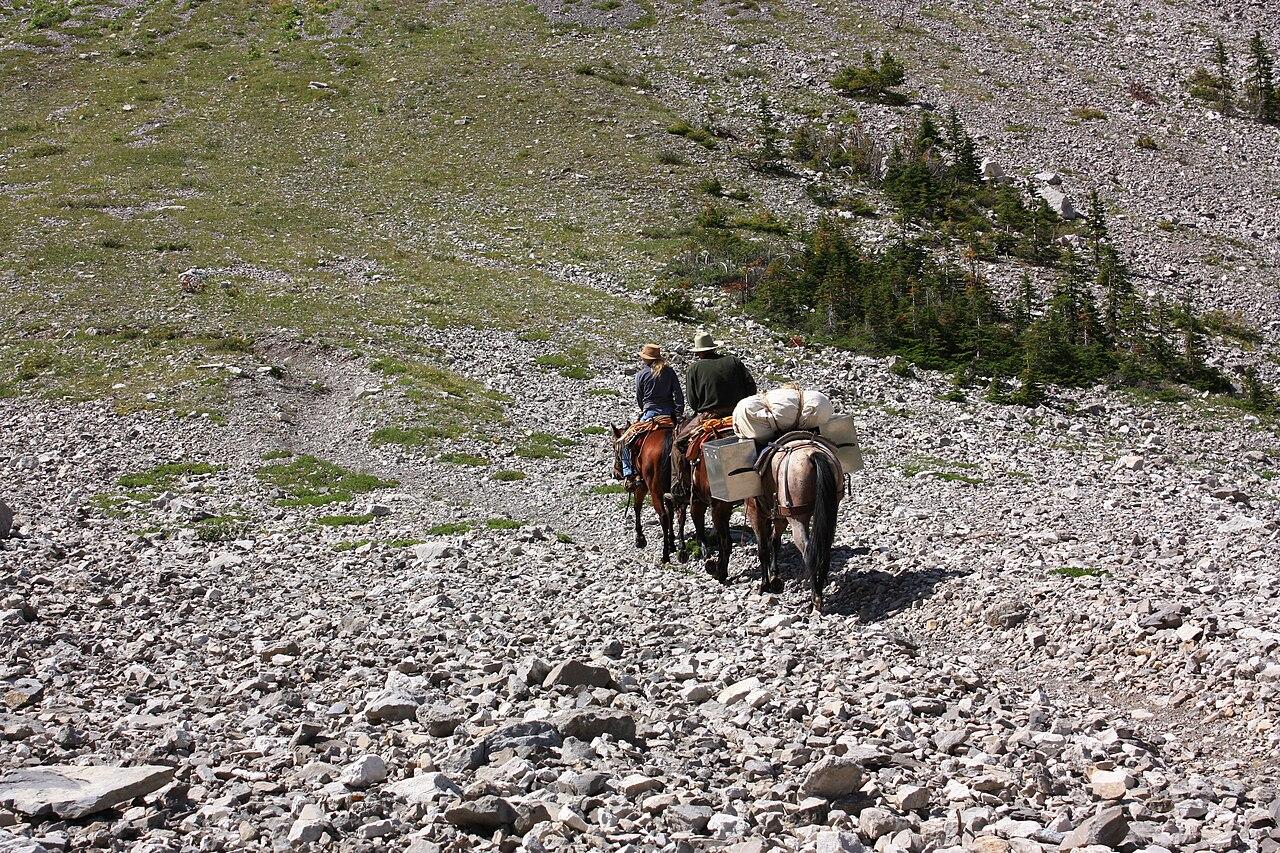
Learn to saddle, ride and pack horses, then take them into the Wind River Range or the Absarokas for two weeks of camping in the mountains.
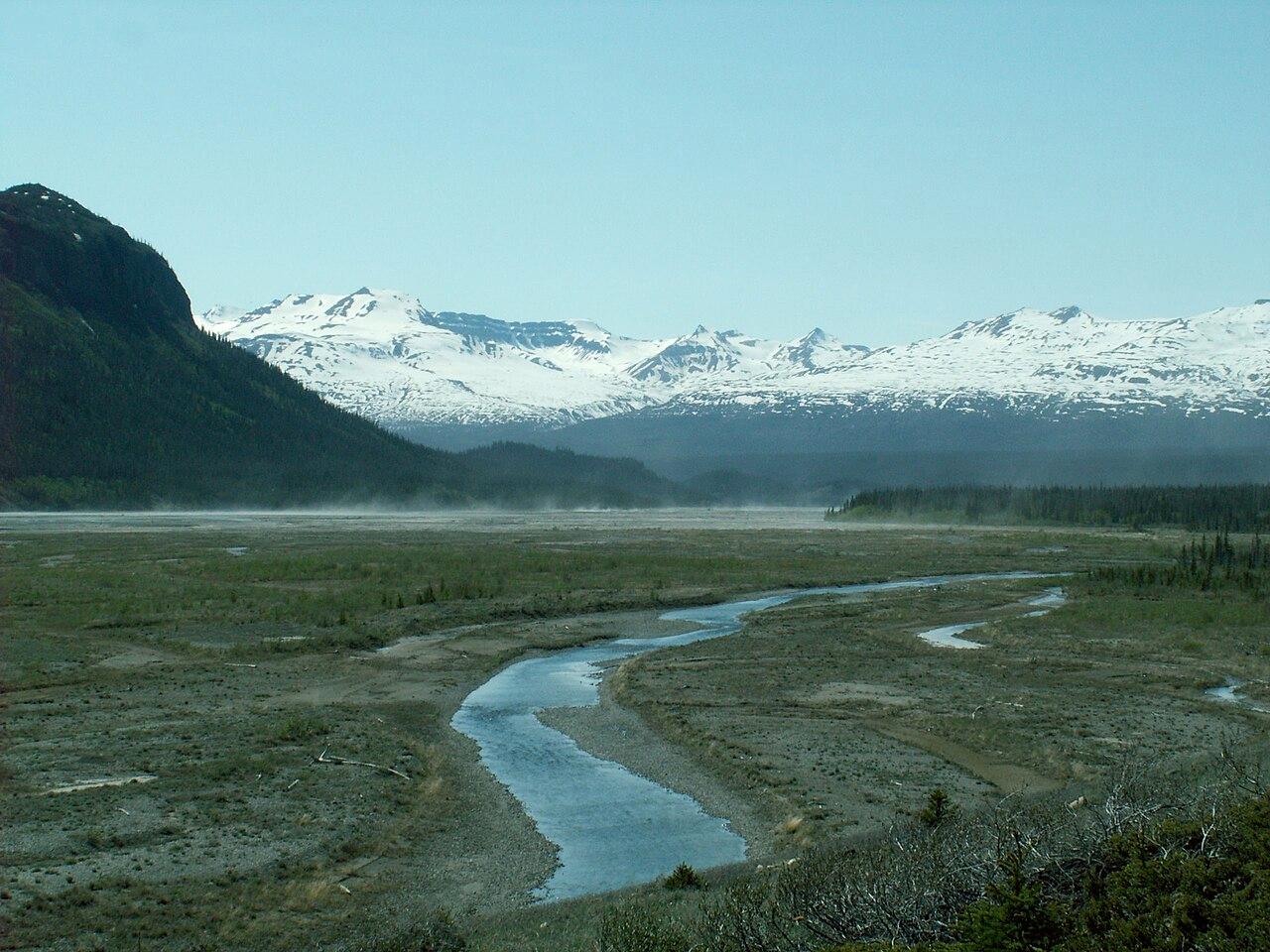
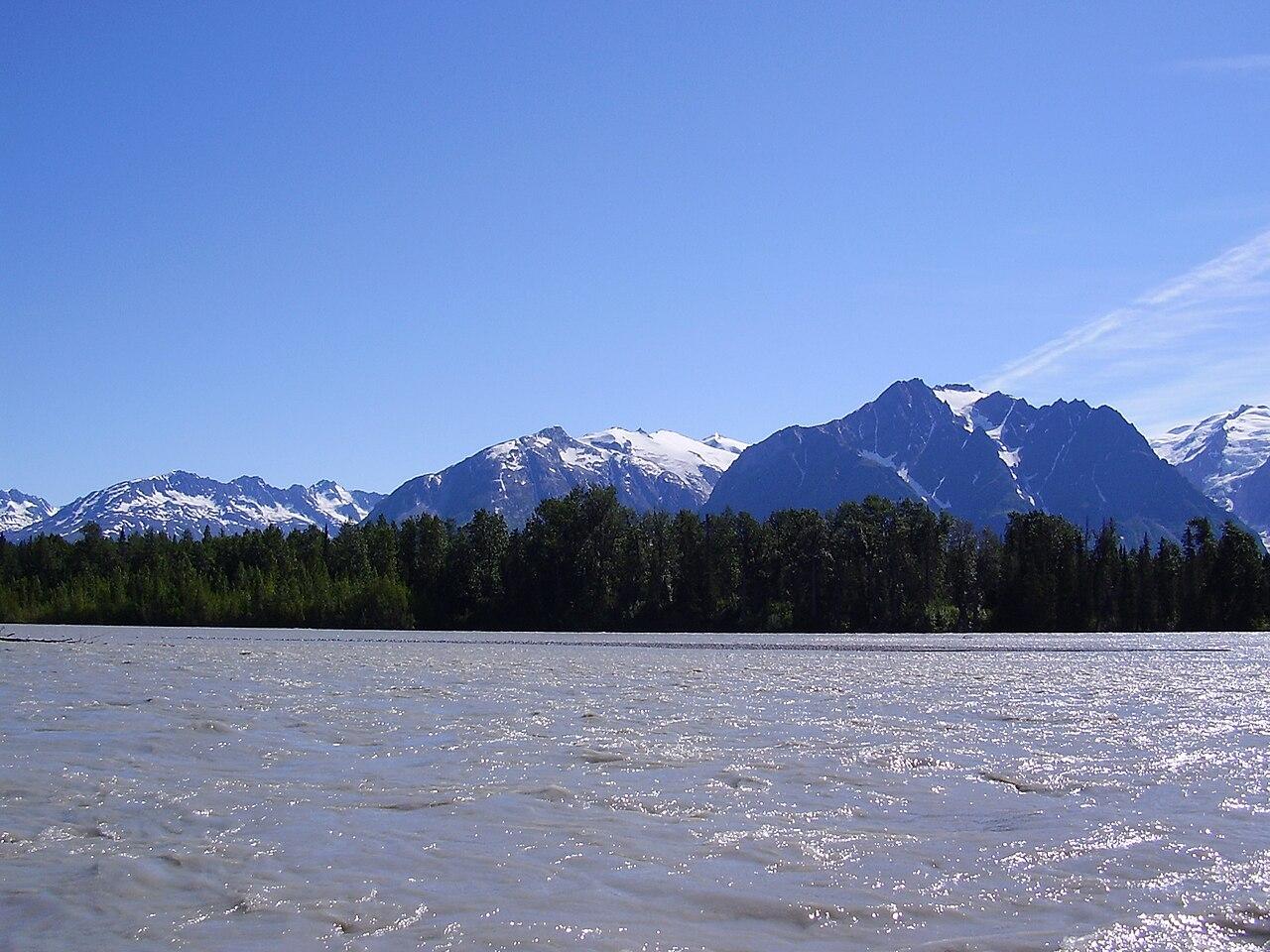
13 days on a river with no roads: a Class III gorge, a valley walled by glaciers and grizzly country, then a float among icebergs to a Pacific airstrip.
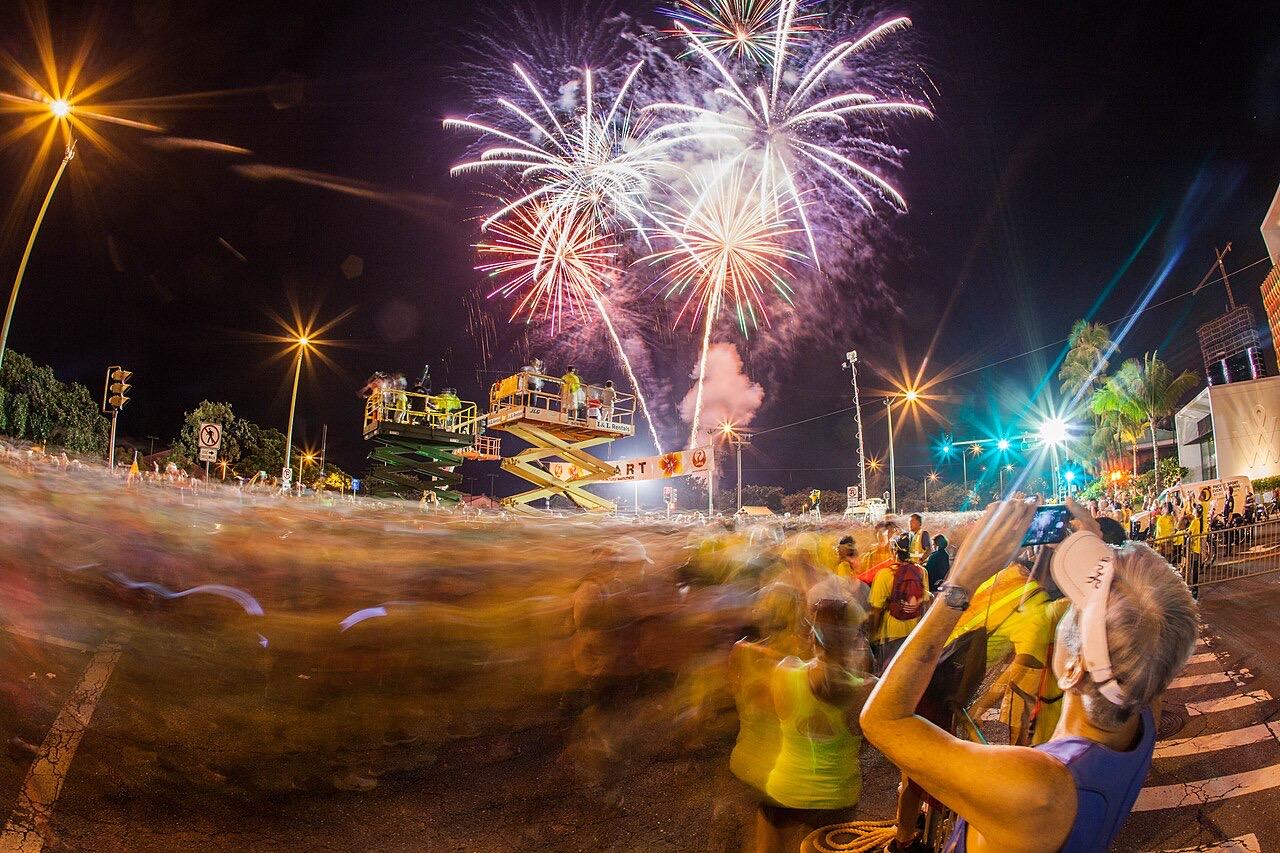
The Honolulu Marathon starts in the dark at 05:00 on Sunday 13 Dec 2026 and runs past Waikiki and around Diamond Head.
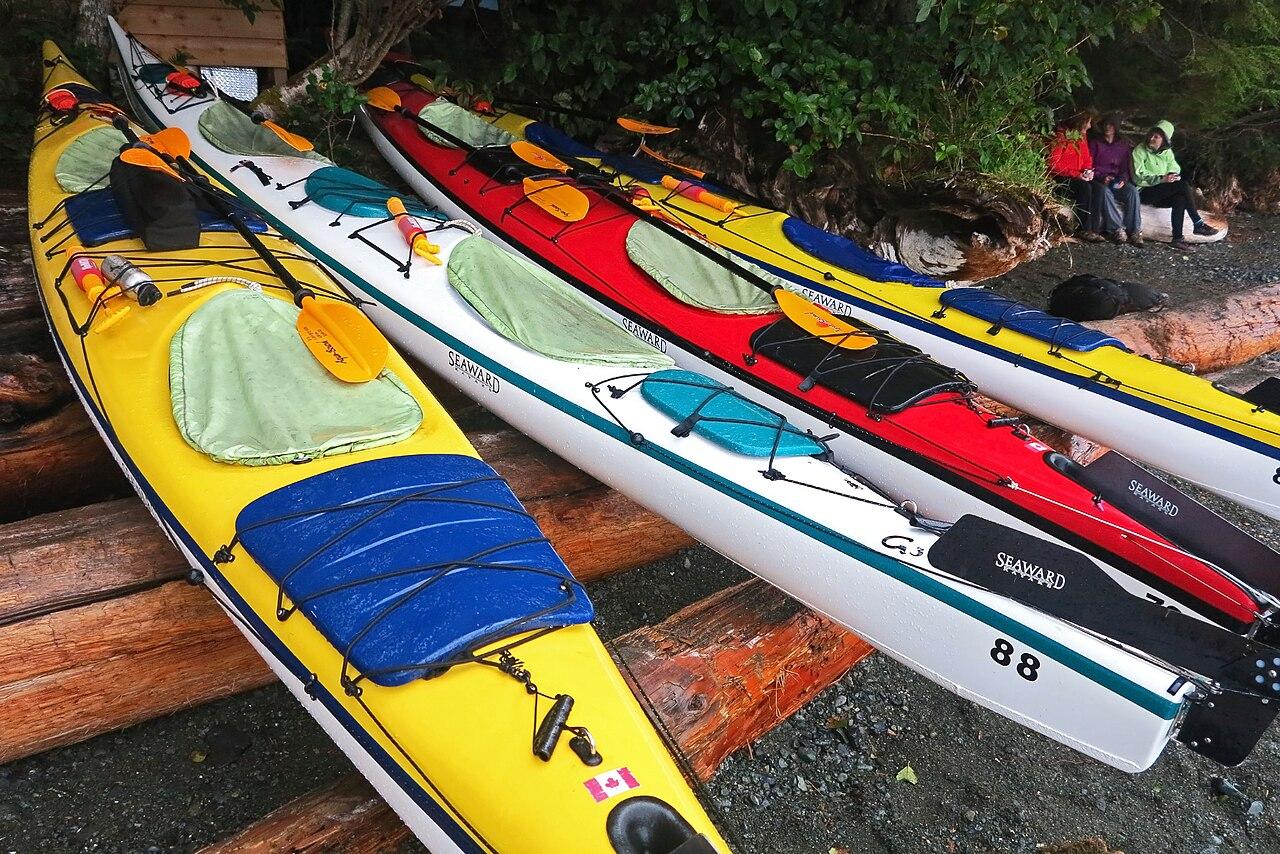
A one-way expedition by kayak through Johnstone Strait and the Broughton Archipelago, where British Columbia's Northern Resident orcas come to feed and rub on the beaches of Robson Bight, sleeping in tents on rustic shore camps.
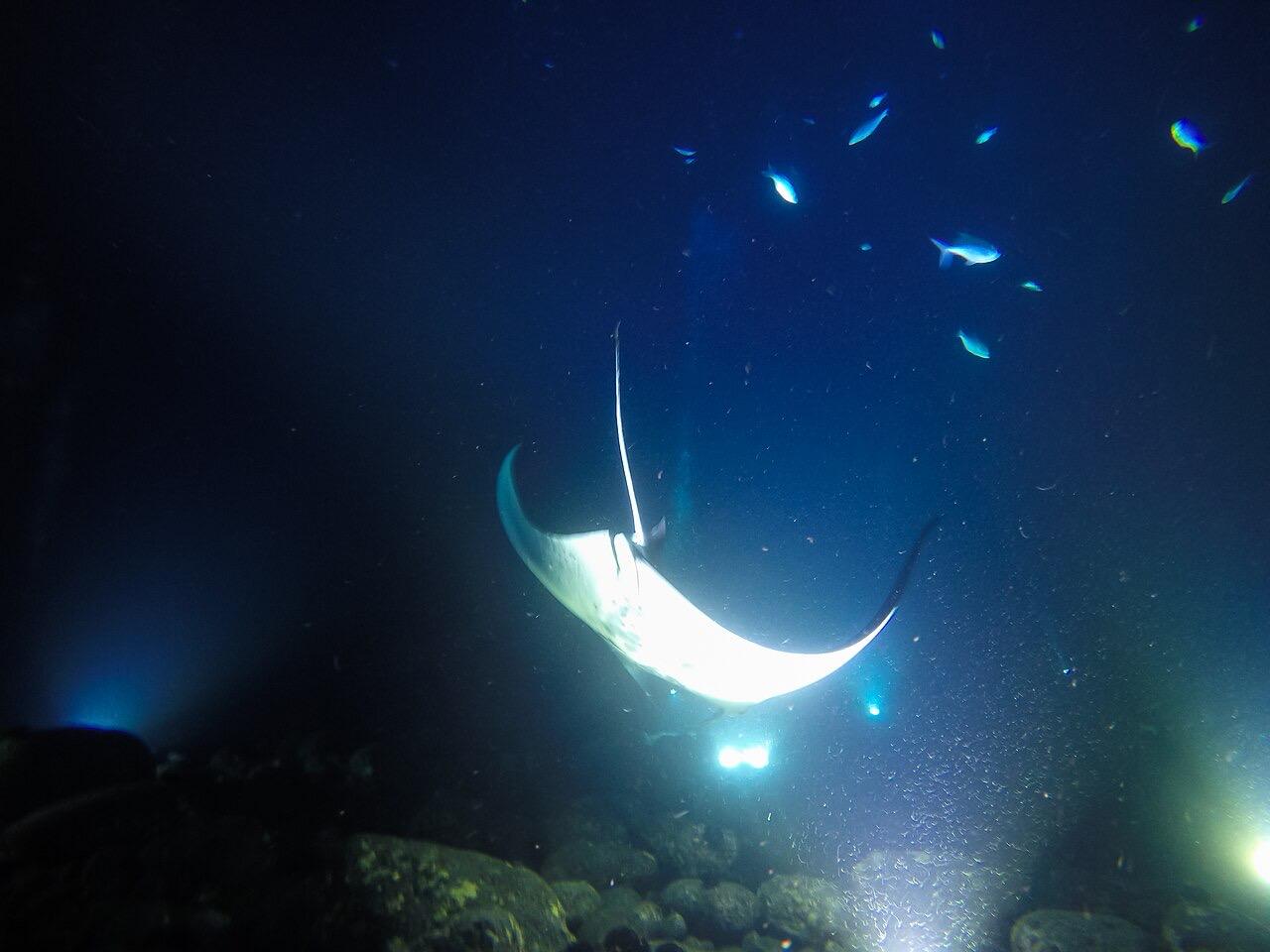
Snorkel off the Kona coast after dark, when reef manta rays come in to feed on the plankton beneath the boats' lights.
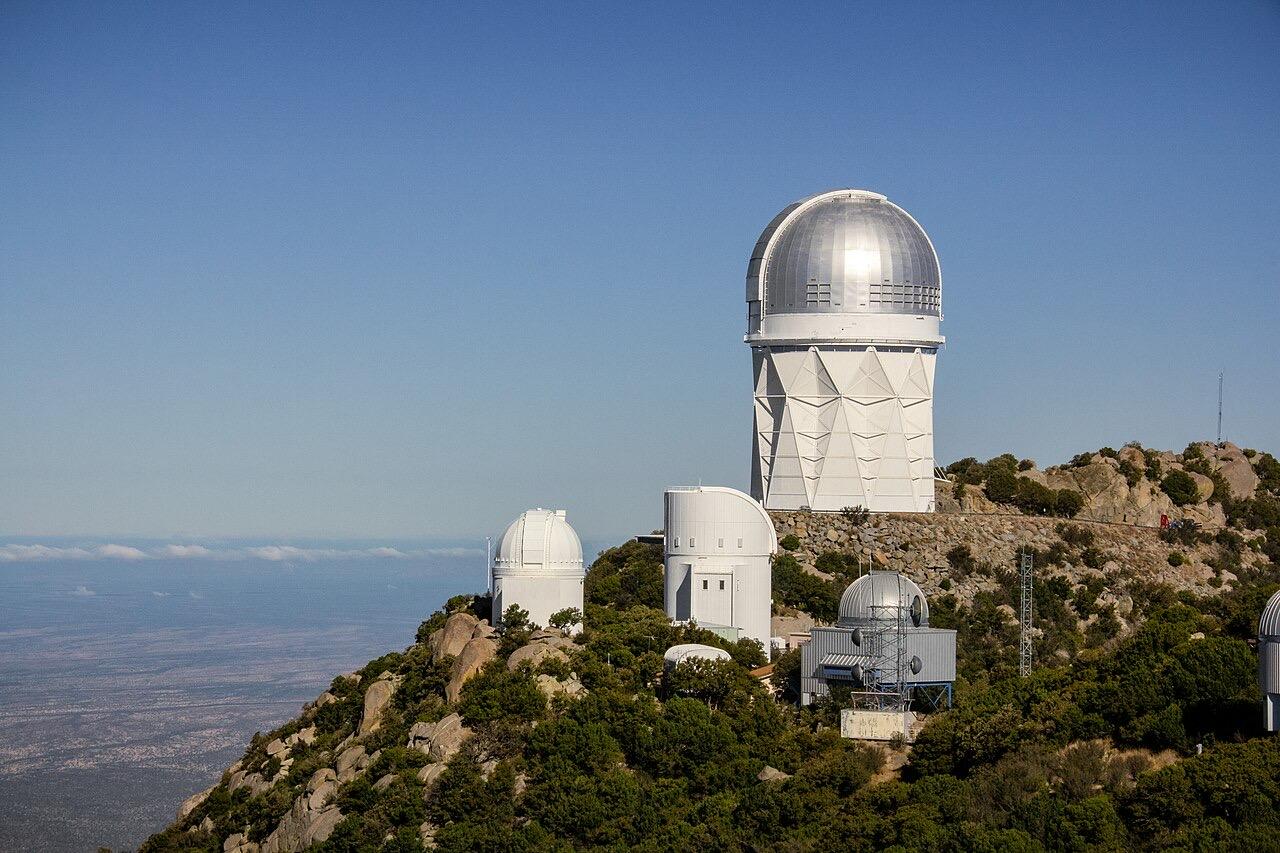
Sleep at Kitt Peak National Observatory and run one of its visitor telescopes through the night with an operator, observing and imaging deep-sky objects.
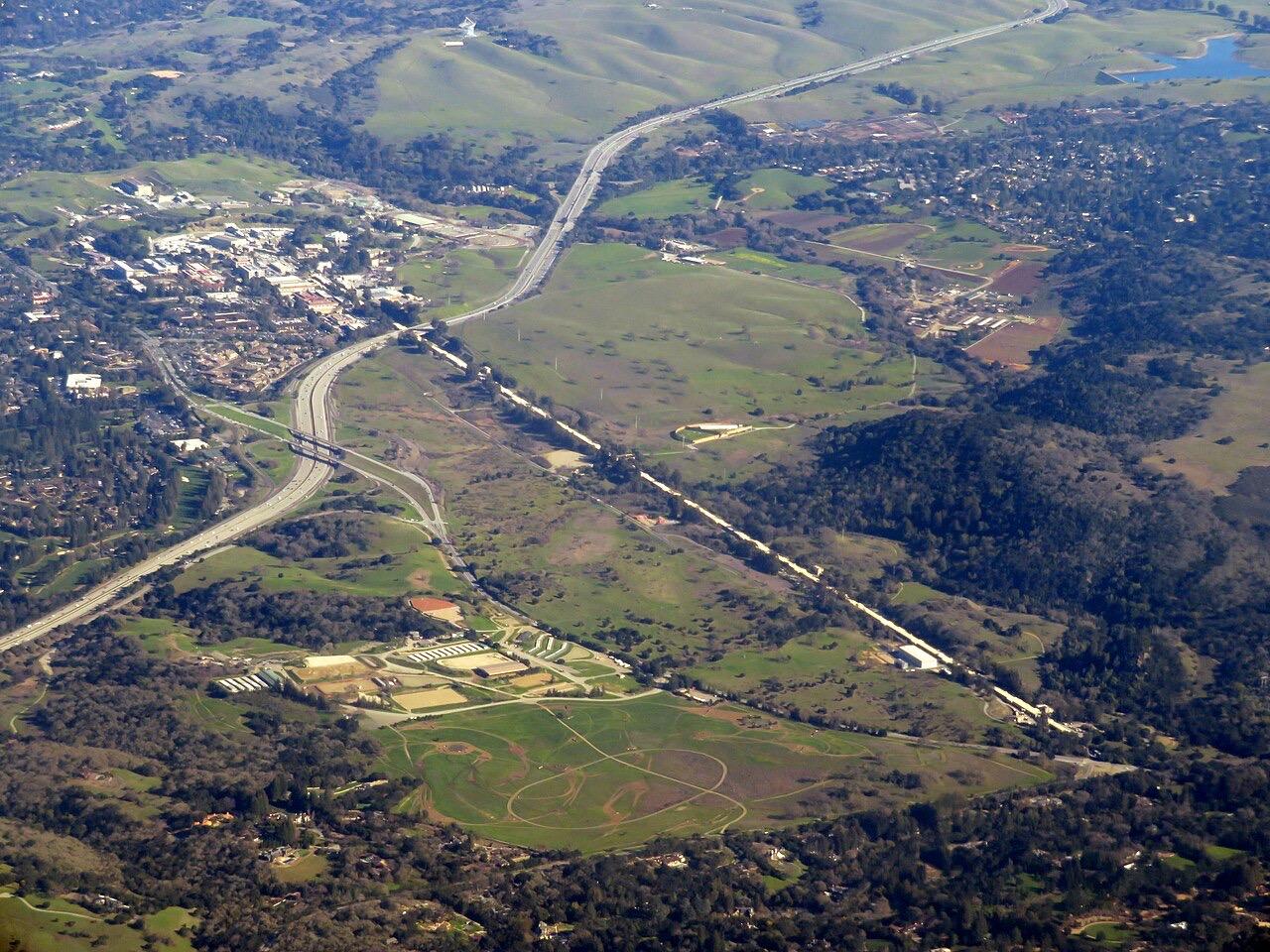
A free 90-minute tour of SLAC in Menlo Park, California, along its 2-mile linear accelerator to the experiment halls of the LCLS X-ray laser.
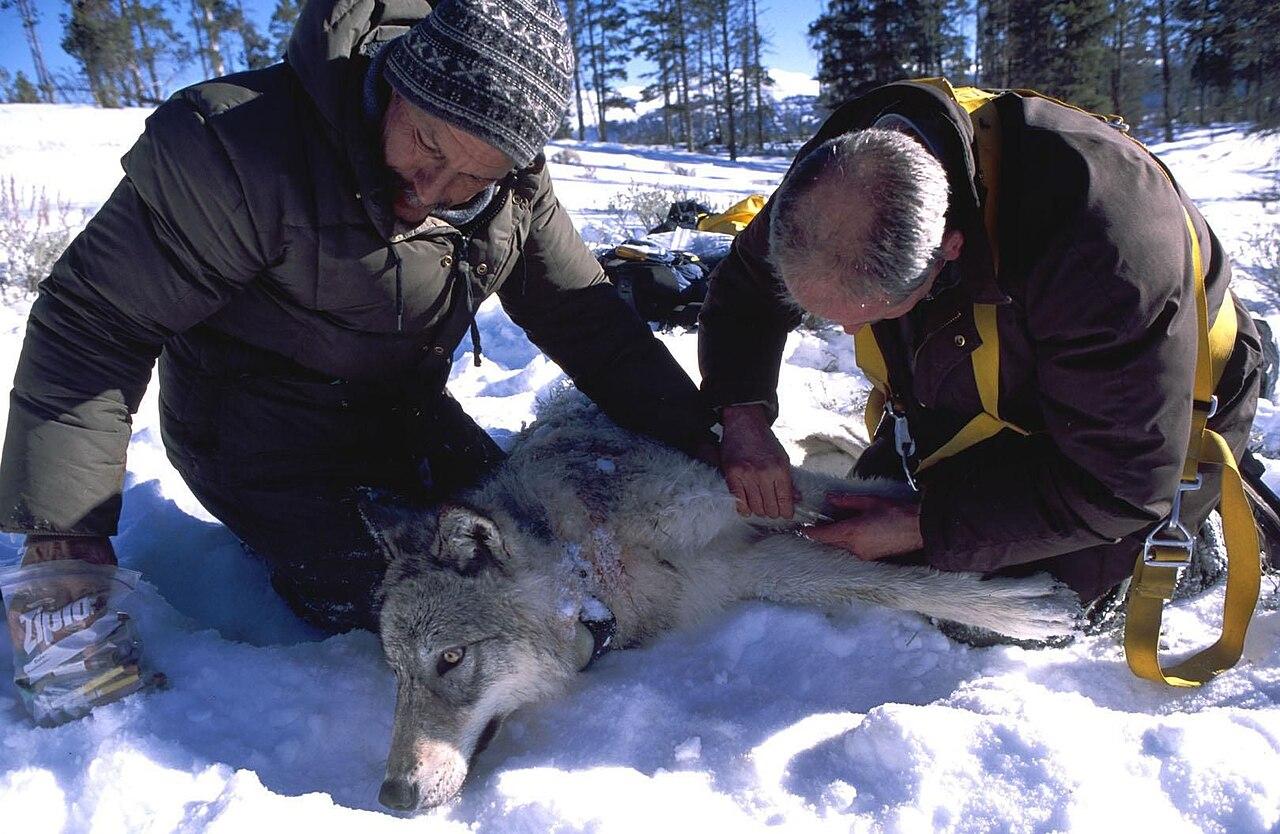
A five-day winter field seminar based at the Lamar Buffalo Ranch, searching for wolves at dawn with park educators and wolf researchers, on foot and snowshoes.
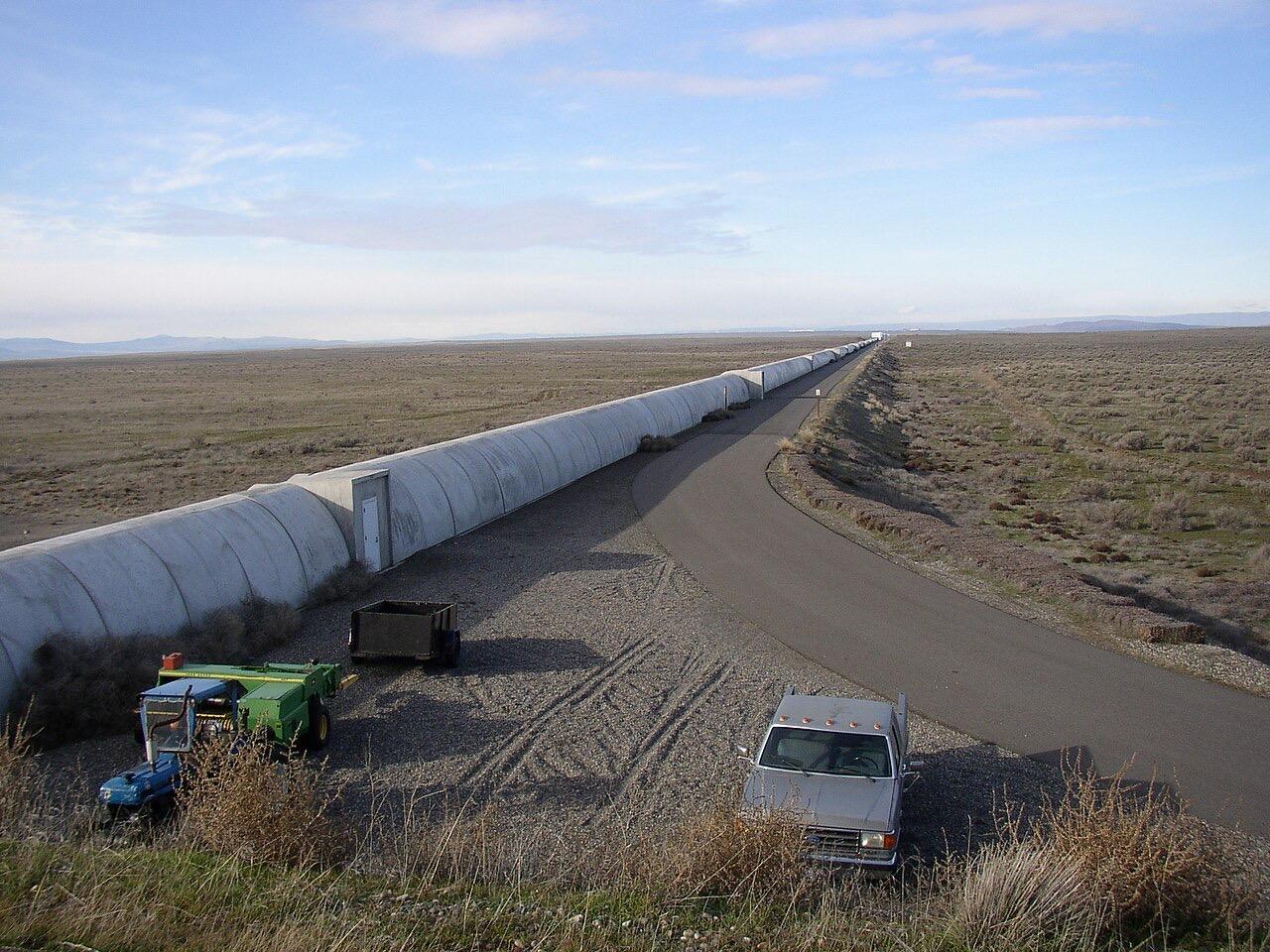
A free Saturday tour of LIGO Hanford in Washington: its control room, a view down both 4 km arms, and a talk from the people who run the detector.
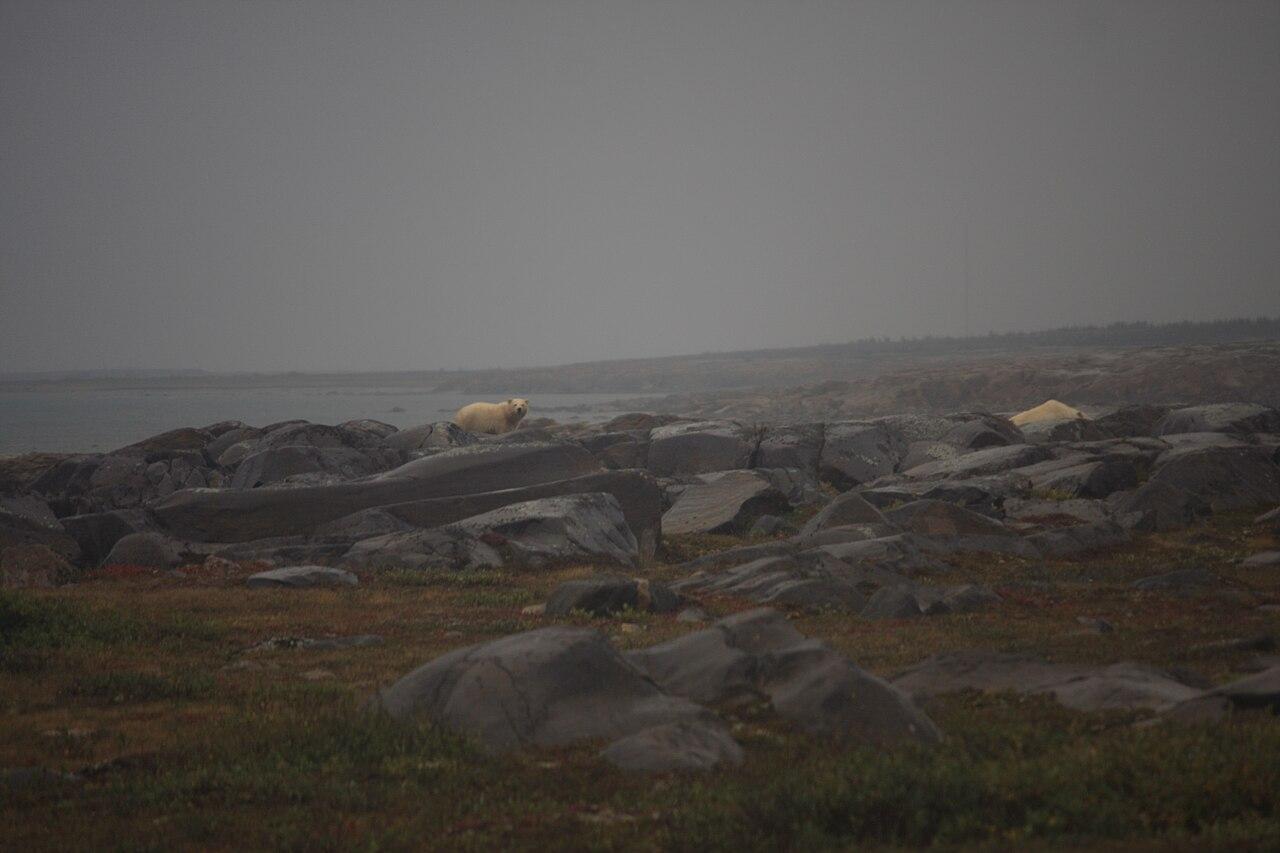
A week at a fly-in lodge on the Hudson Bay coast where bear guides take you out on foot, at ground level, among the polar bears waiting for the sea to freeze.
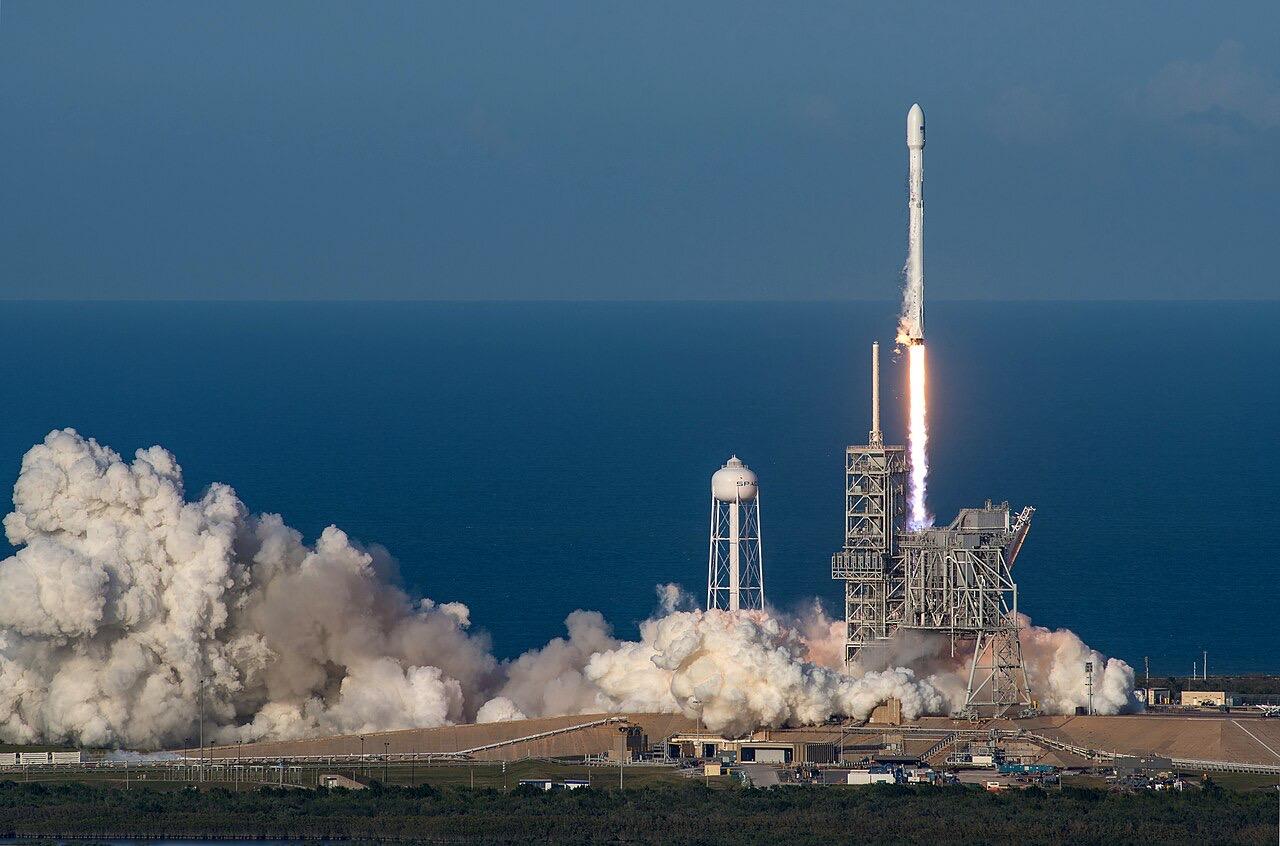
SpaceX launches from Cape Canaveral every few days, and the visitor complex's viewing areas, about 10 km from the pad, are the closest public seats.
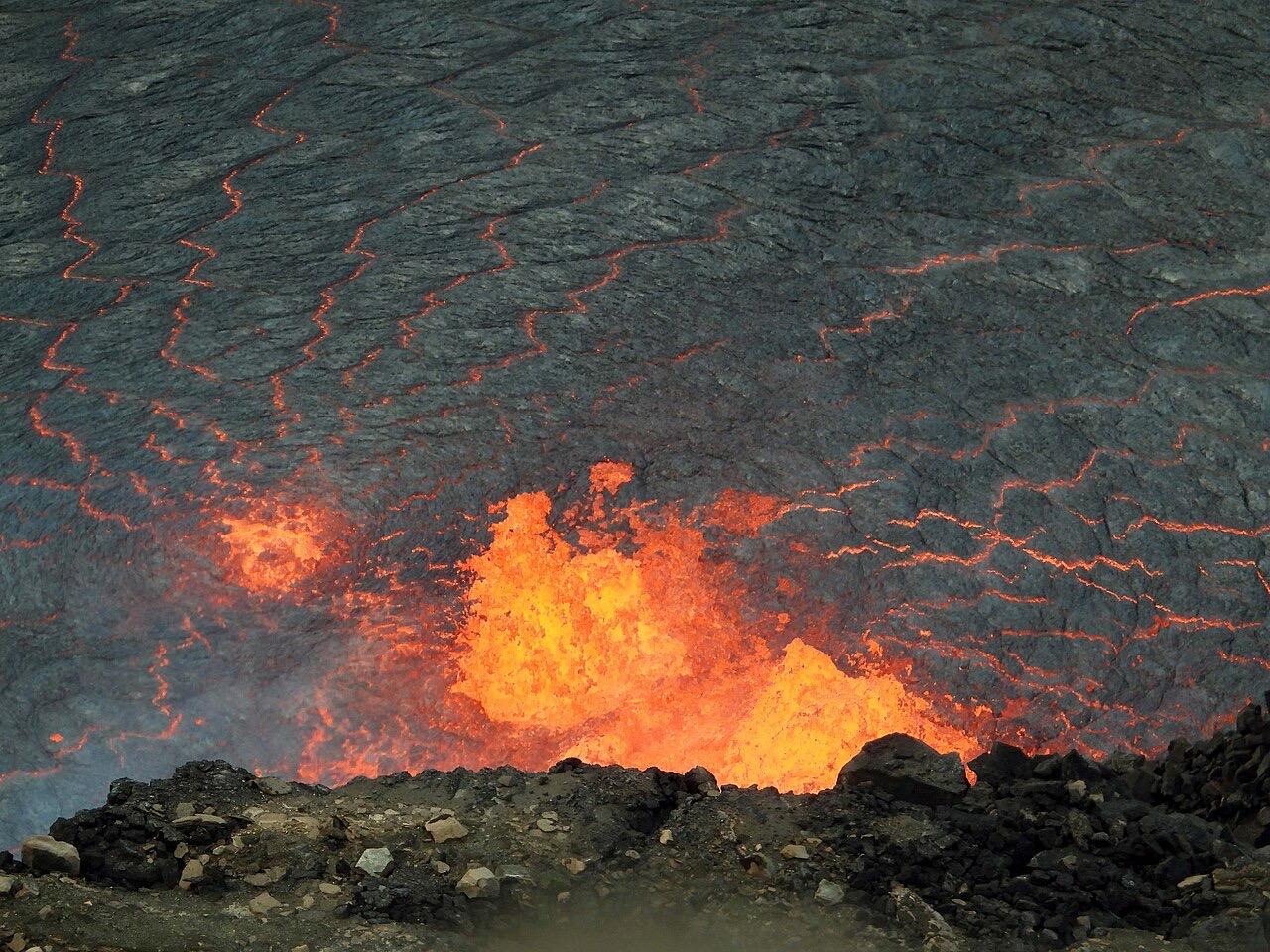
Kilauea's summit erupts in episodes of lava fountaining, the 57th on 23 Nov 2026; time a visit to the national park for the next one.
 FarOut