71 experiences
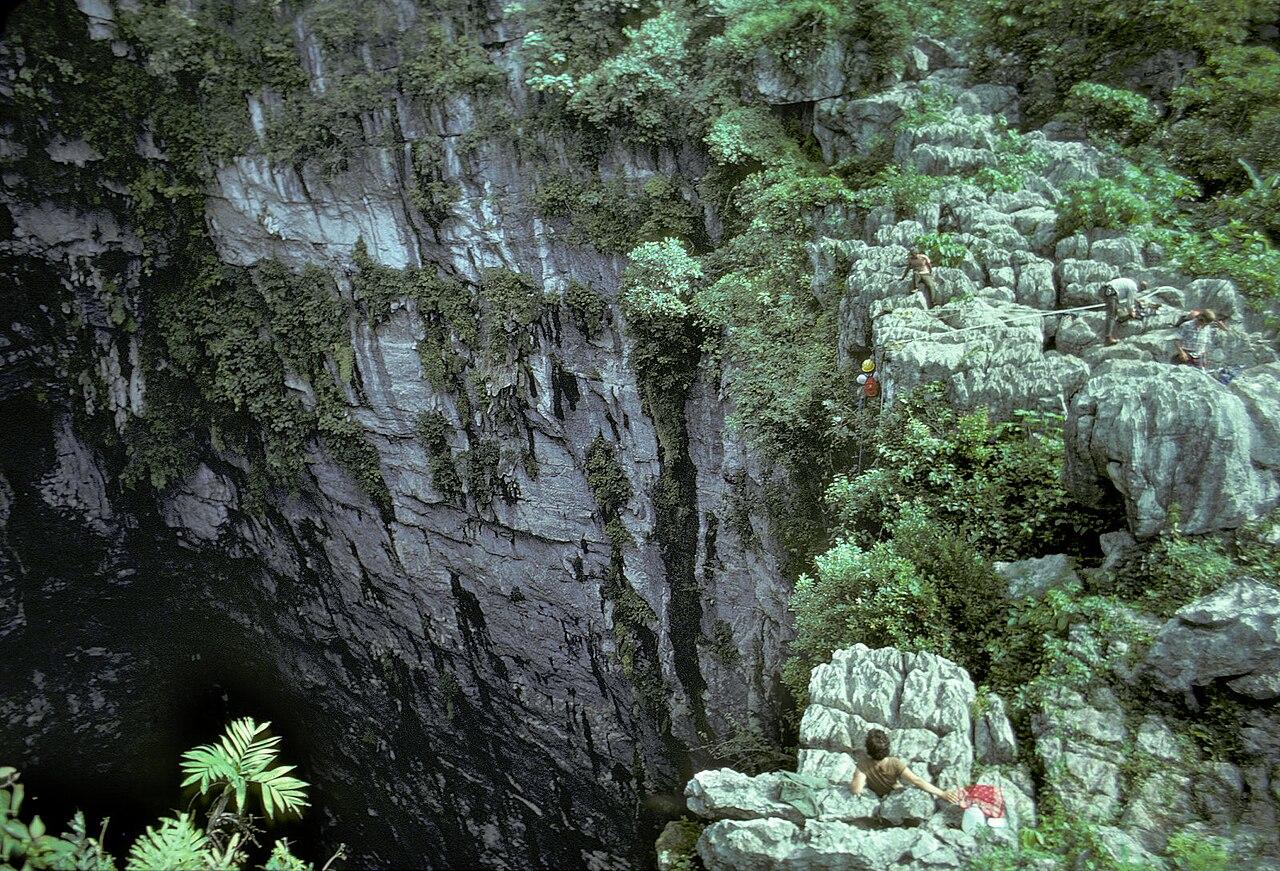
Drop 376 m on ropes into the 512 m deep Sótano de las Golondrinas, after watching thousands of swifts spiral out of the pit at dawn.
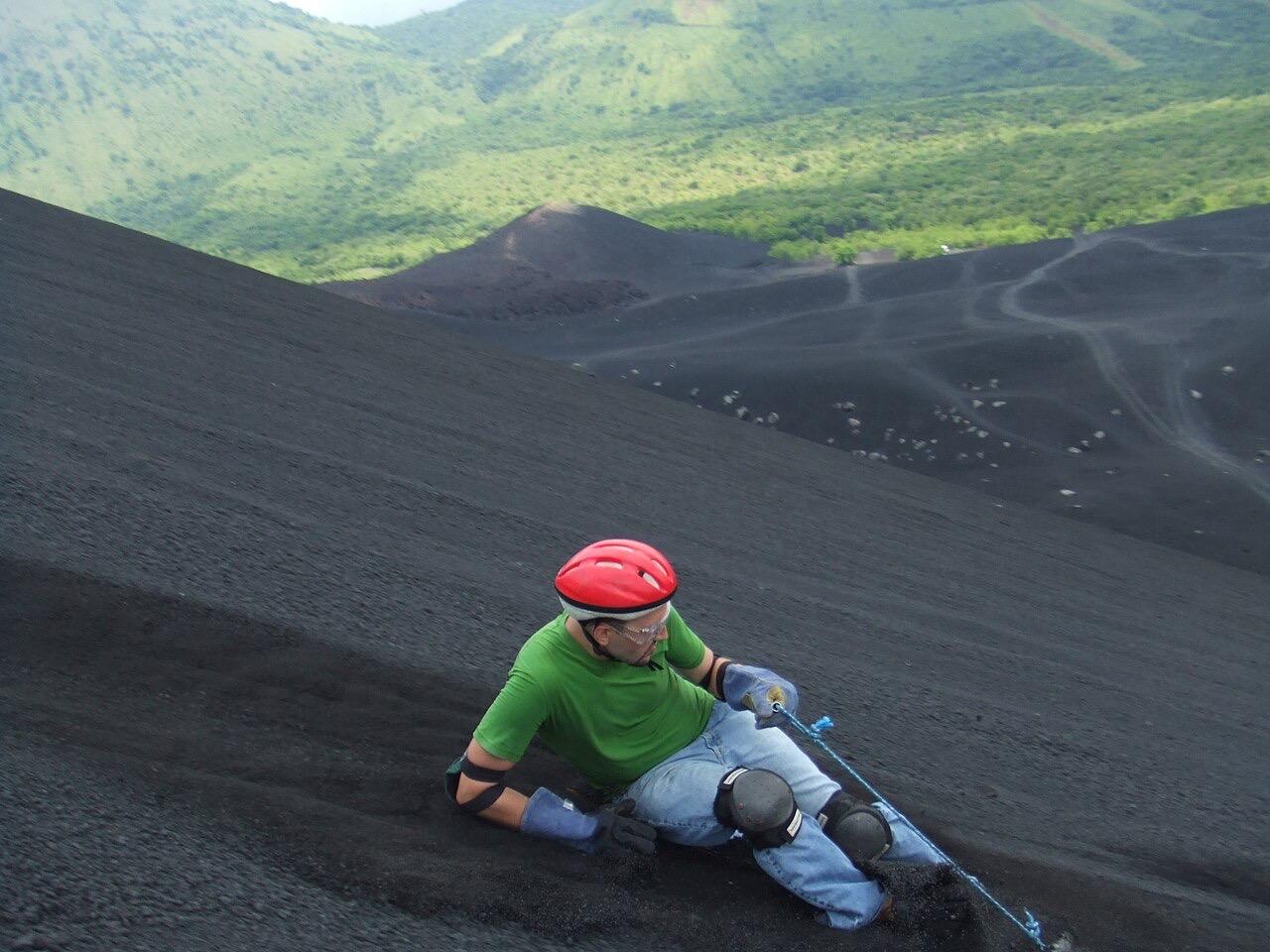
Hike up the bare cinder cone of Cerro Negro near Leon with a board on your back, then slide back down it in a jumpsuit and goggles.
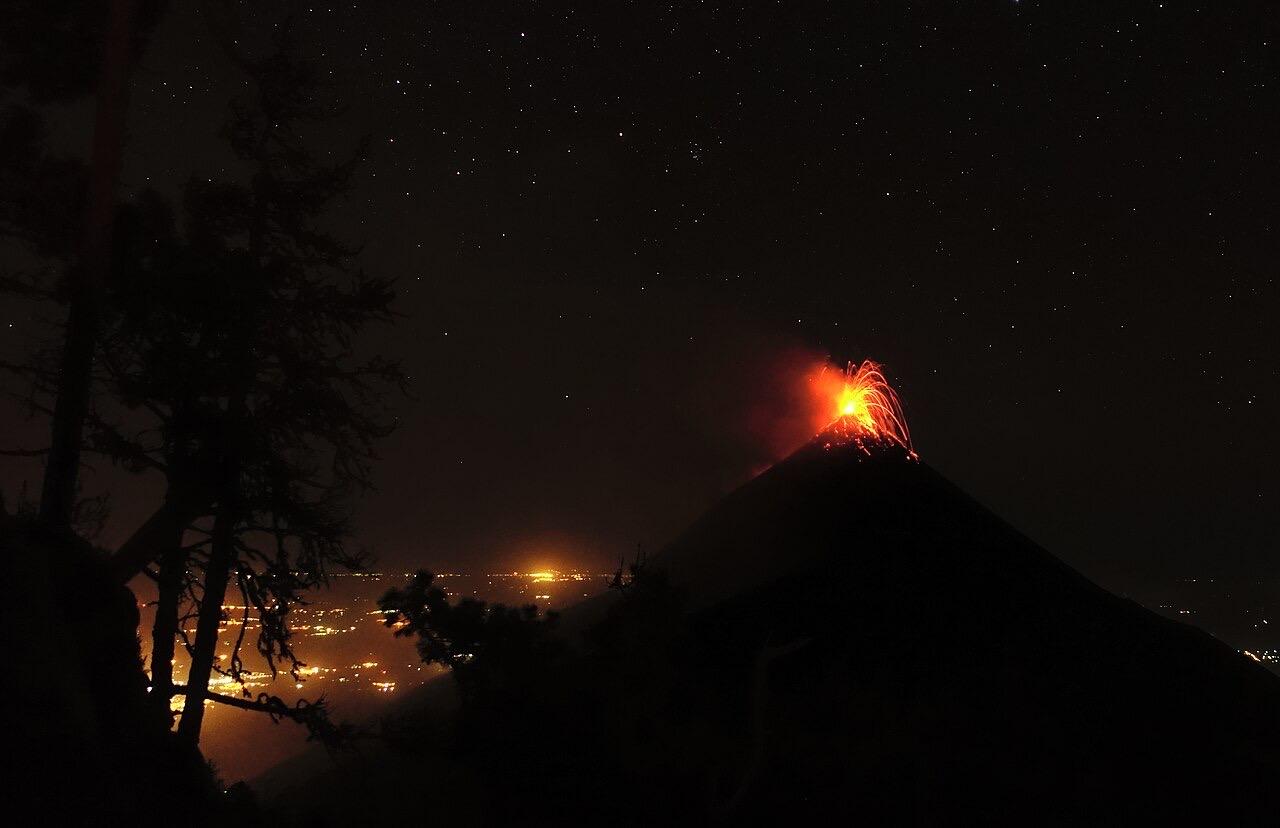
A hard 1.5-day hike up 3,976 m Acatenango to a wooden cabin camp facing Fuego, which throws lava with a boom through the night, then the summit next morning.
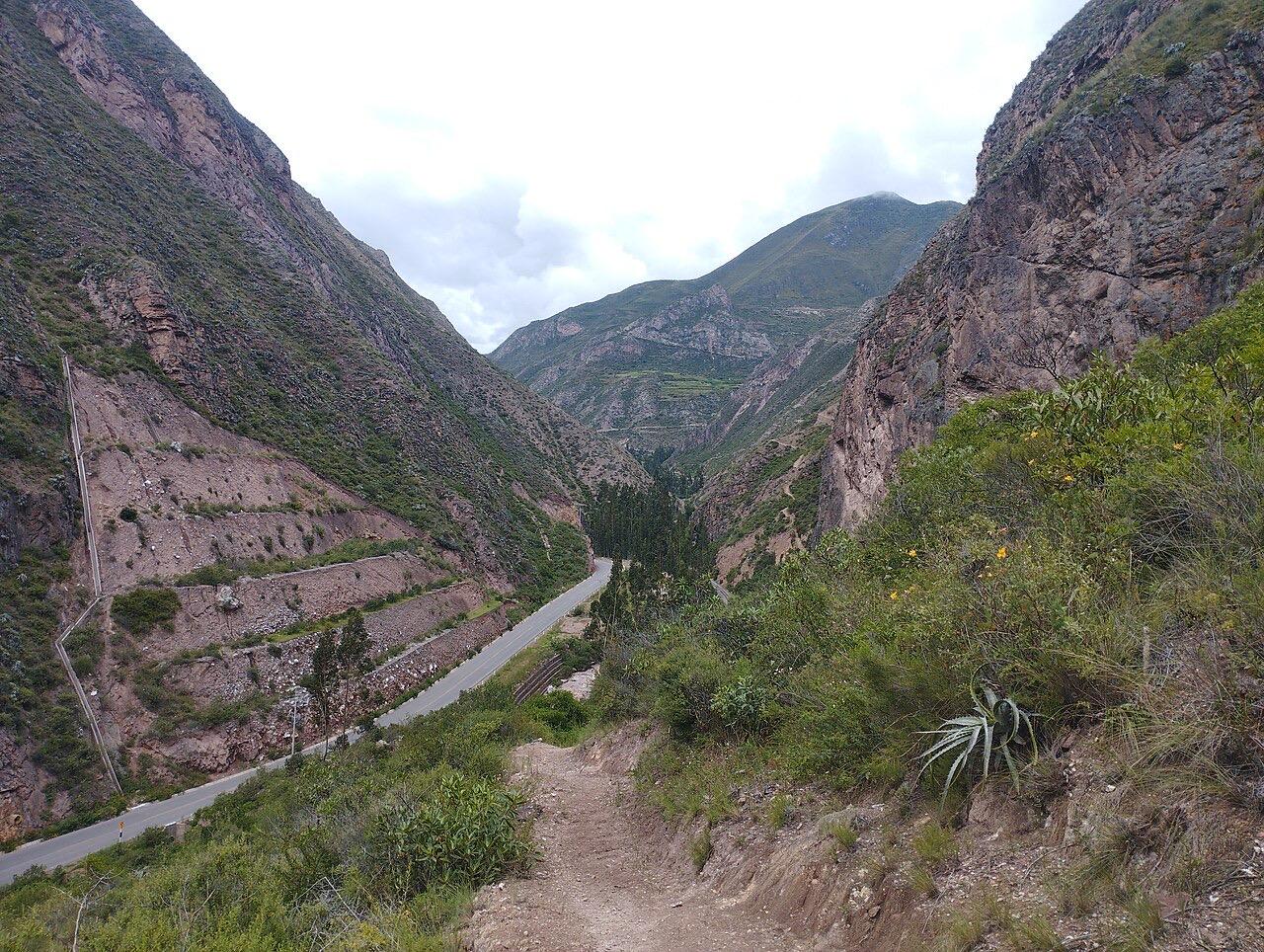
Climb 400 m of via ferrata up a cliff in Peru's Sacred Valley, sleep in a transparent capsule bolted to the rock face and zipline down after breakfast.
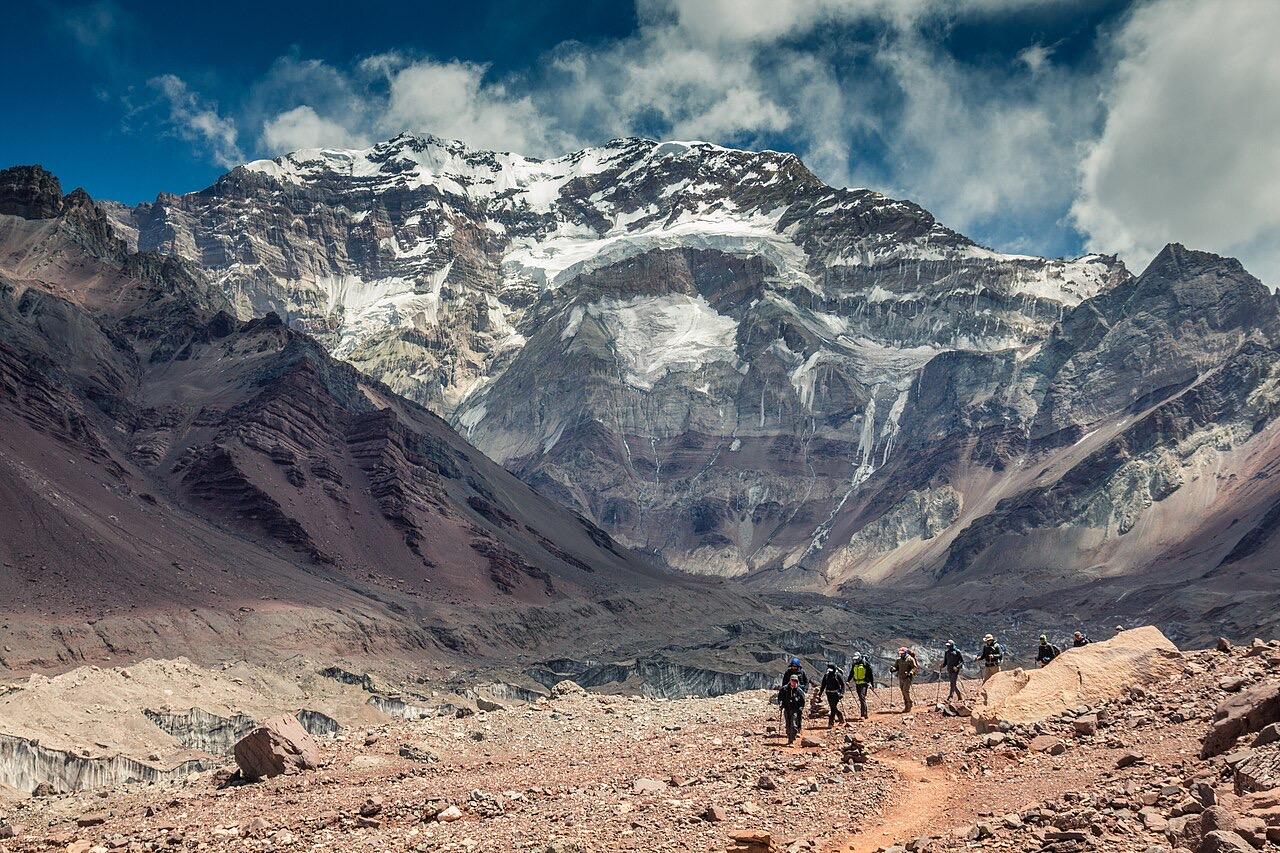
Sleep four weeks in a hypoxic tent at home, then climb the highest mountain outside Asia by the Normal Route from Plaza de Mulas on a 16-day guided trip.
The full Normal Route expedition: acclimatise on the mountain with a 5,100 m Cerro Bonete summit, carry loads to three high camps, then push for the top.
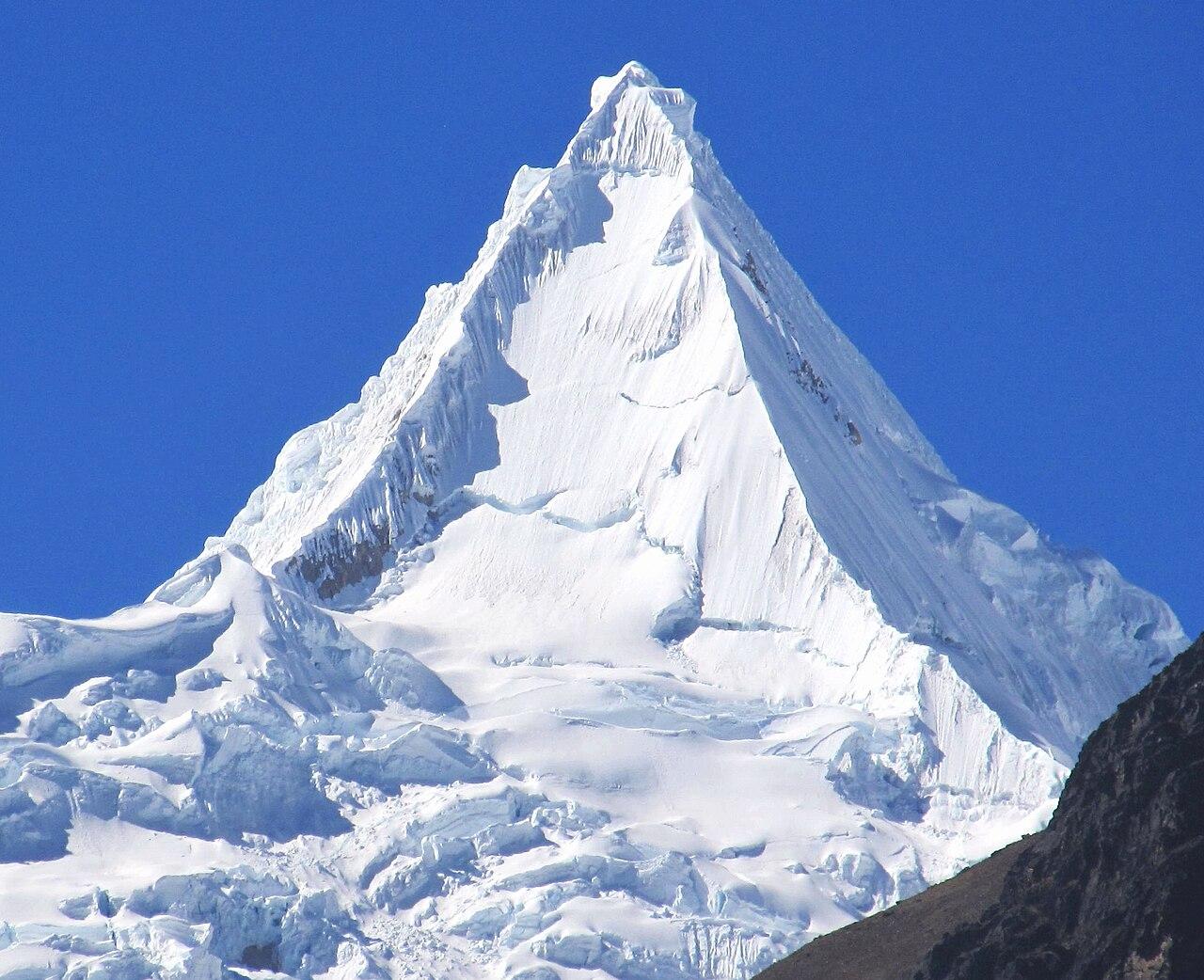
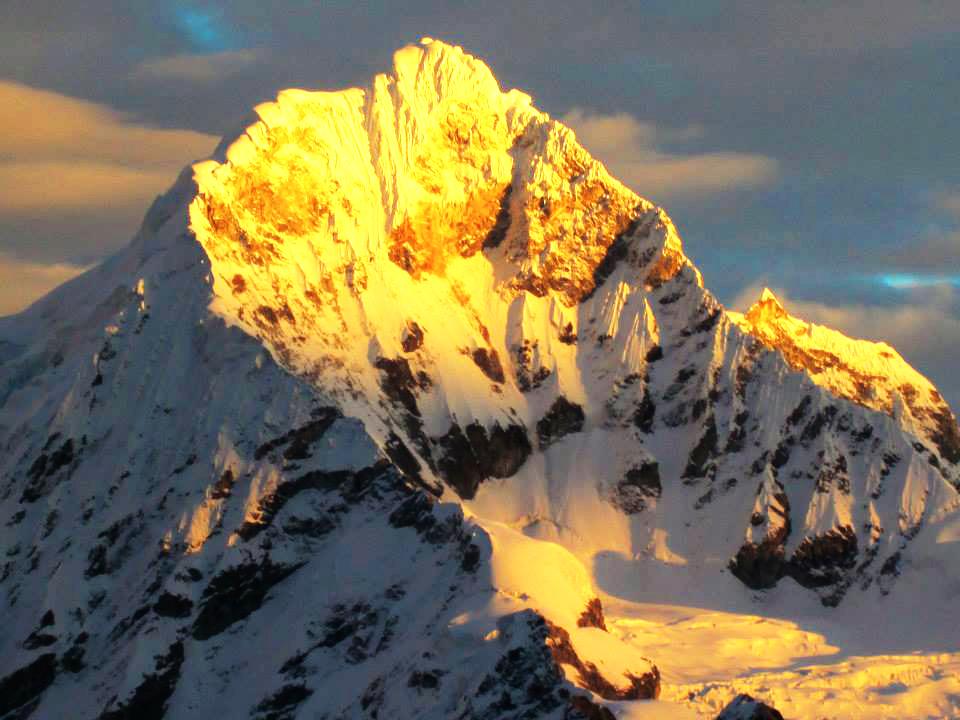
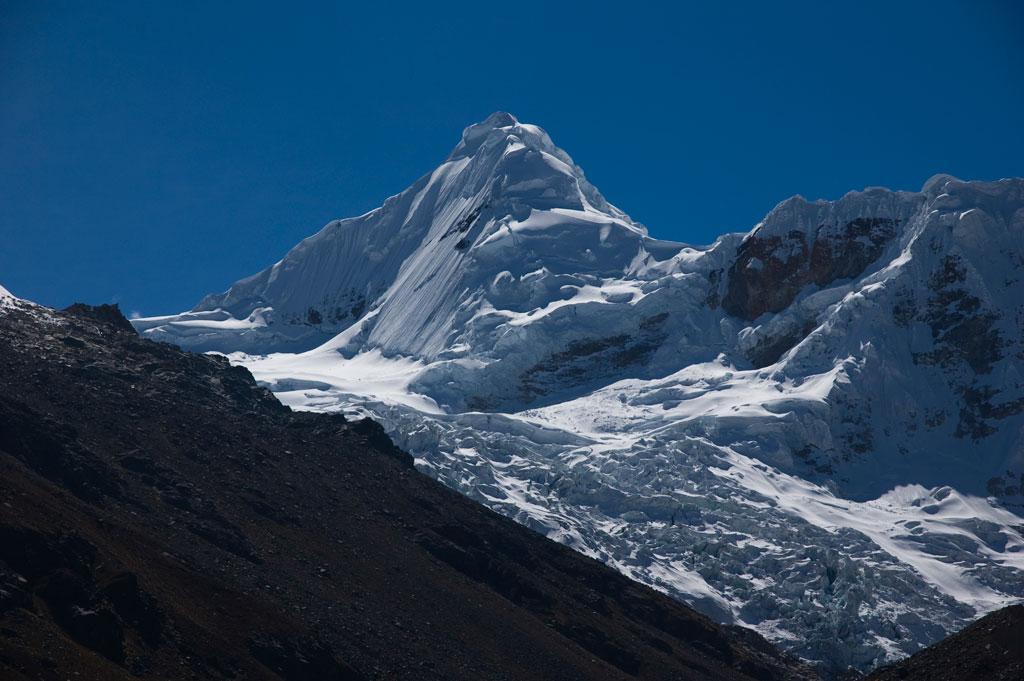
A 12-day climb of the 5,947 m ice pyramid often called one of the most beautiful mountains on Earth, up sustained steep snow and ice on its Southwest Face.
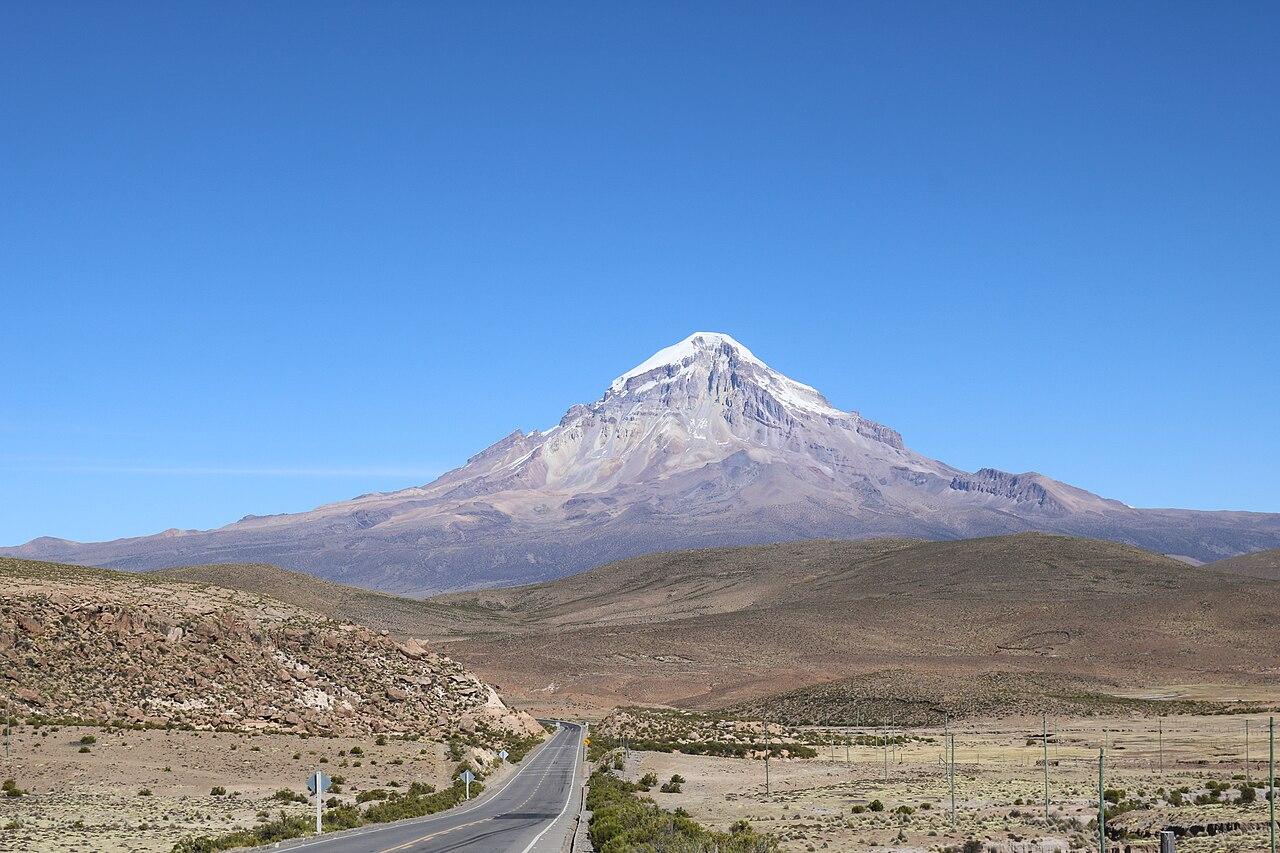
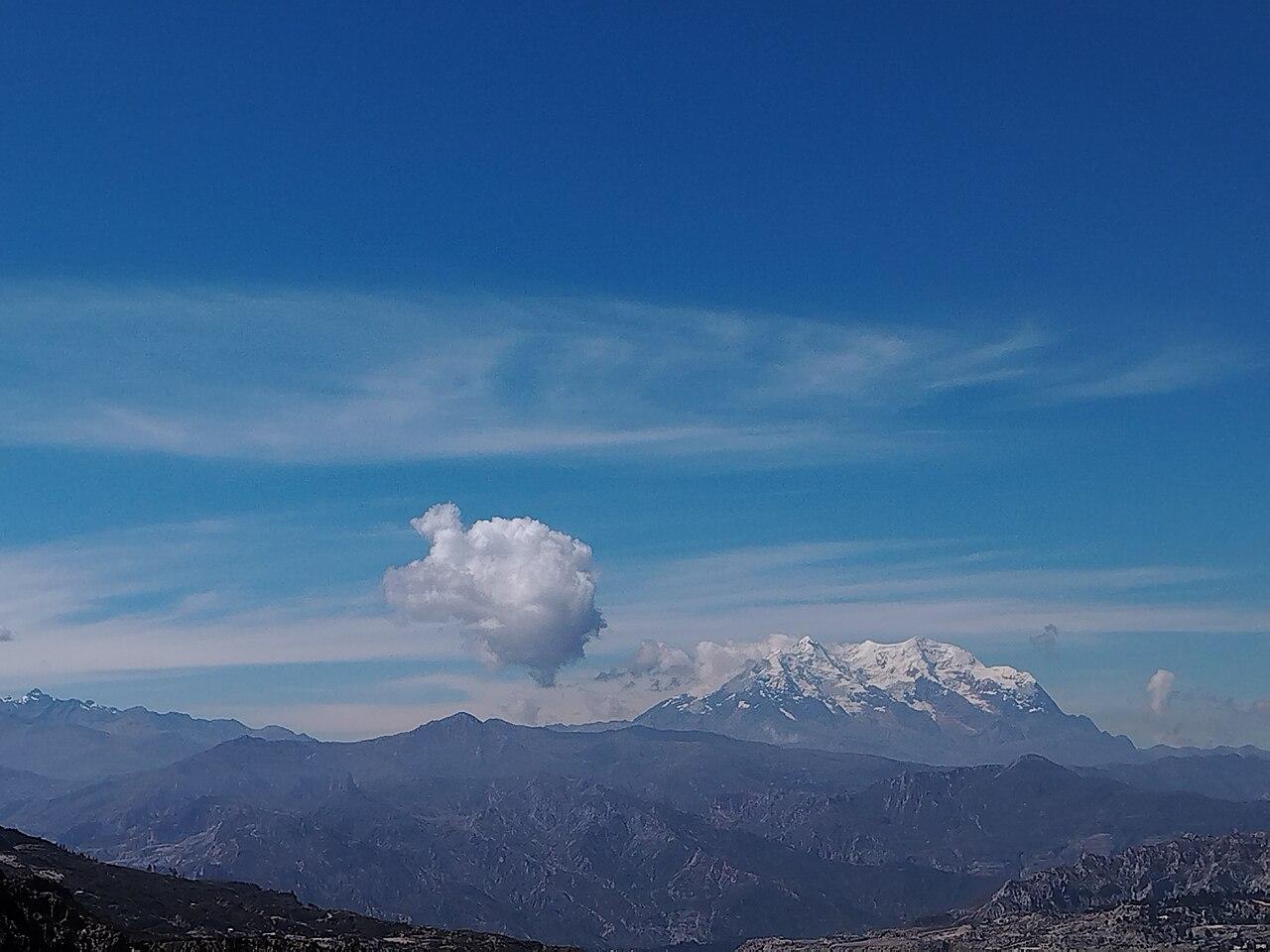
Three Bolivian summits over 6,400 m in 28 days: Ancohuma, Illimani and Sajama, after a warm-up on Pequeno Alpamayo in the Condoriri basin.
Thirteen days, five Andean volcanoes, five summit days on skins and crampons, each with up to 5,000 ft of climbing and the long ski run back down.
Ten days in Ecuador: Illiniza Sur's snow and ice up to 50 degrees to acclimatise, then a 1 am start up Antisana's glaciers and past its summit bergschrund.
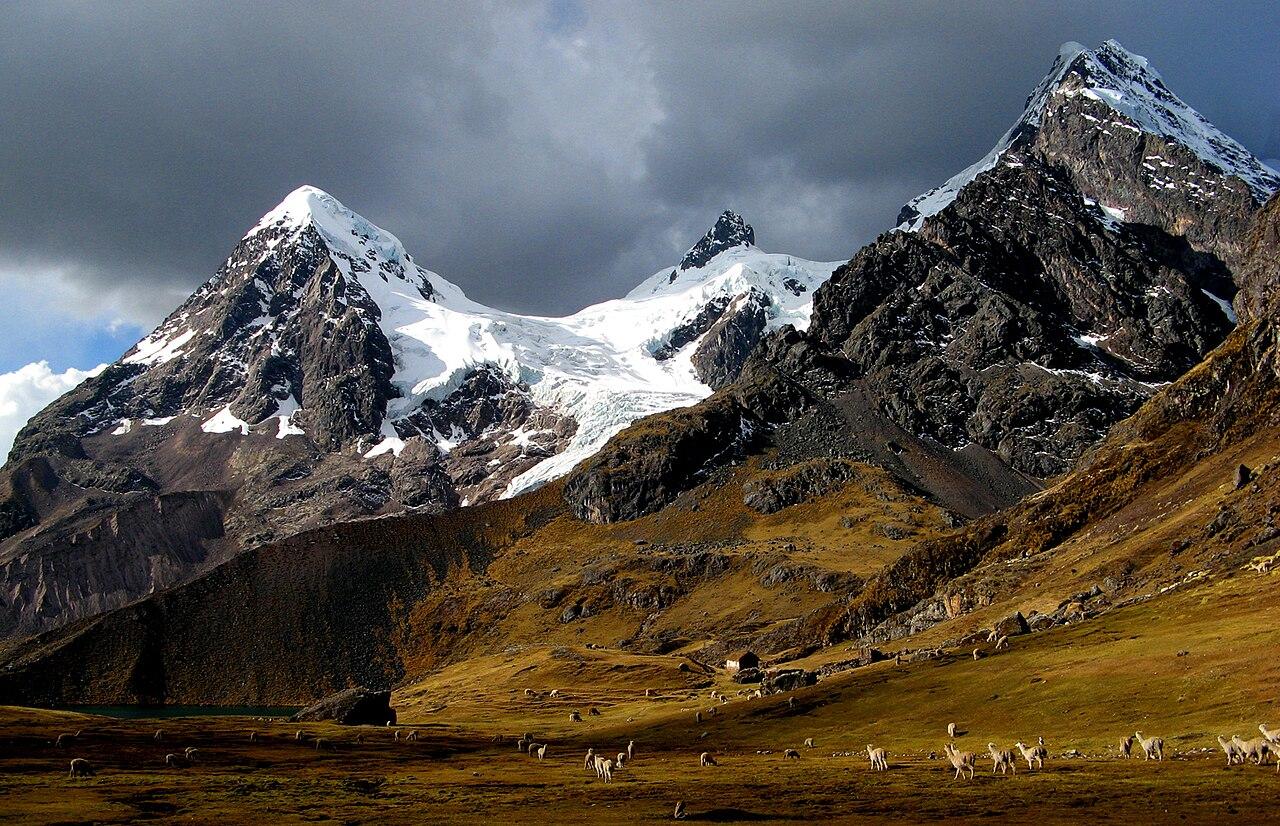
A three-week climb from Cusco: trek in from Tinke, acclimatise on 5,500 m Jampa Peak, then climb Ausangate alpine style with Peruvian IFMGA guides.
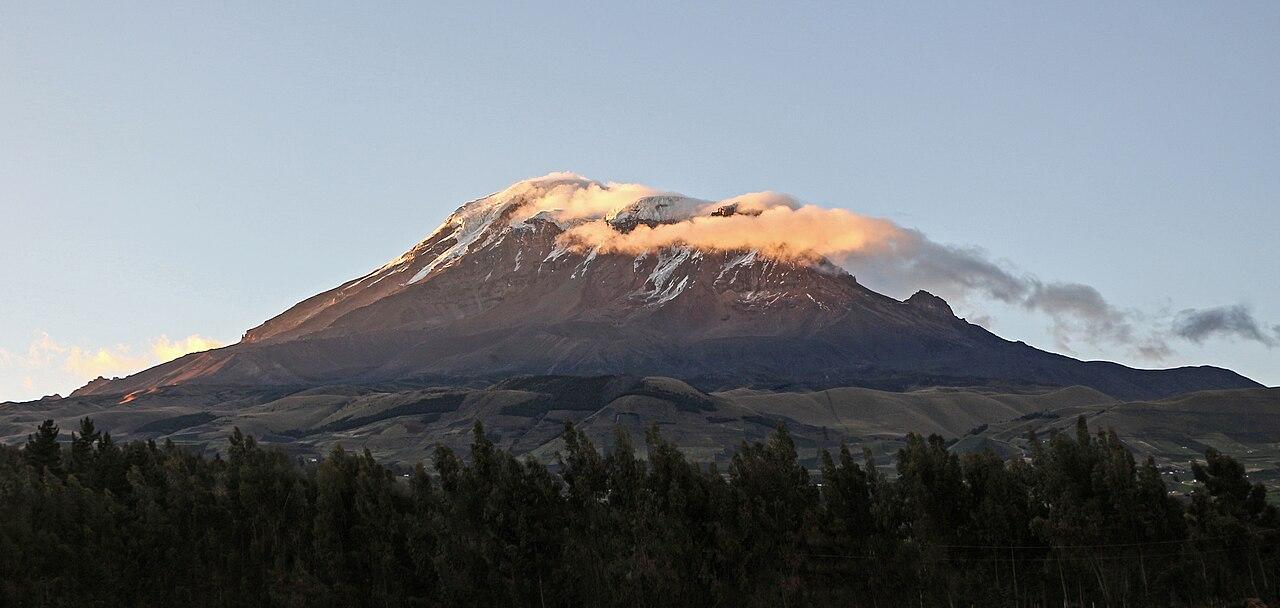
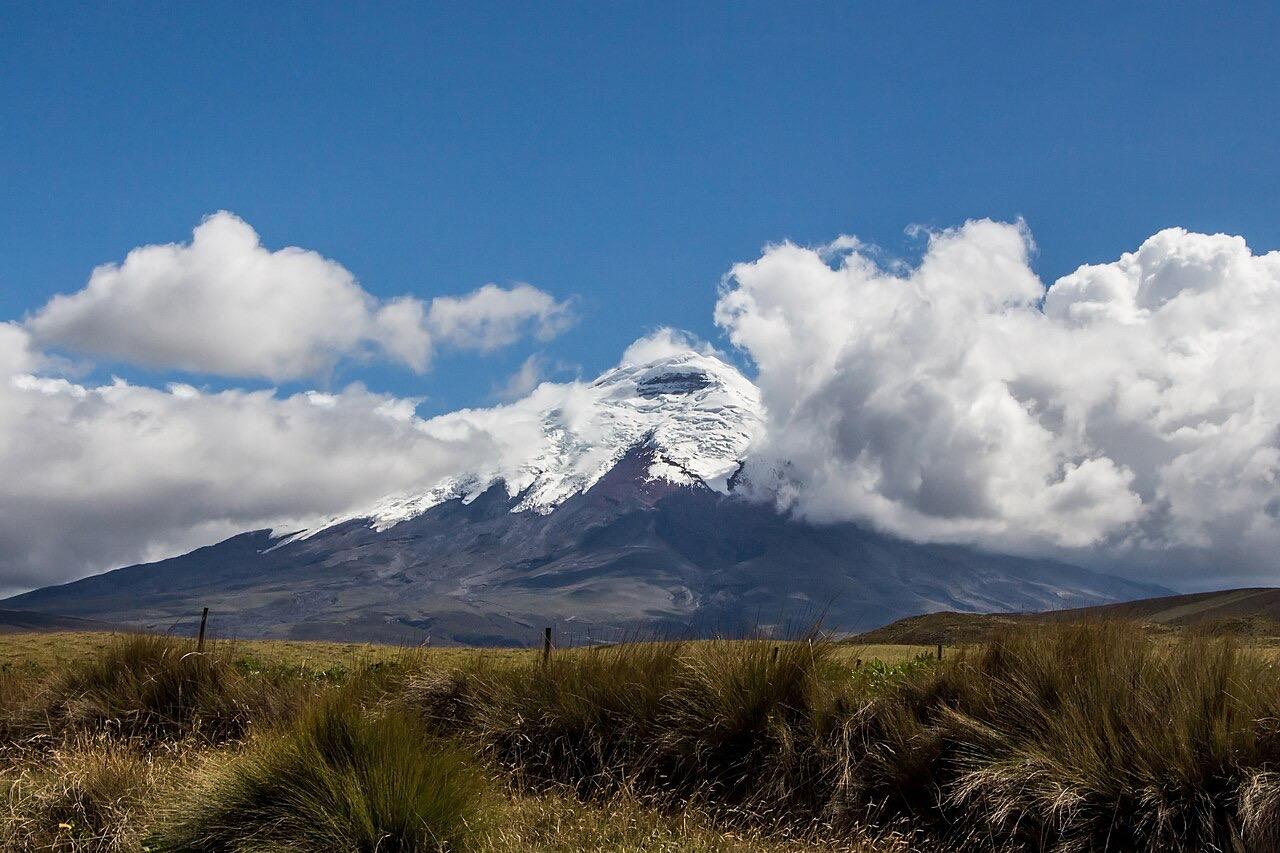
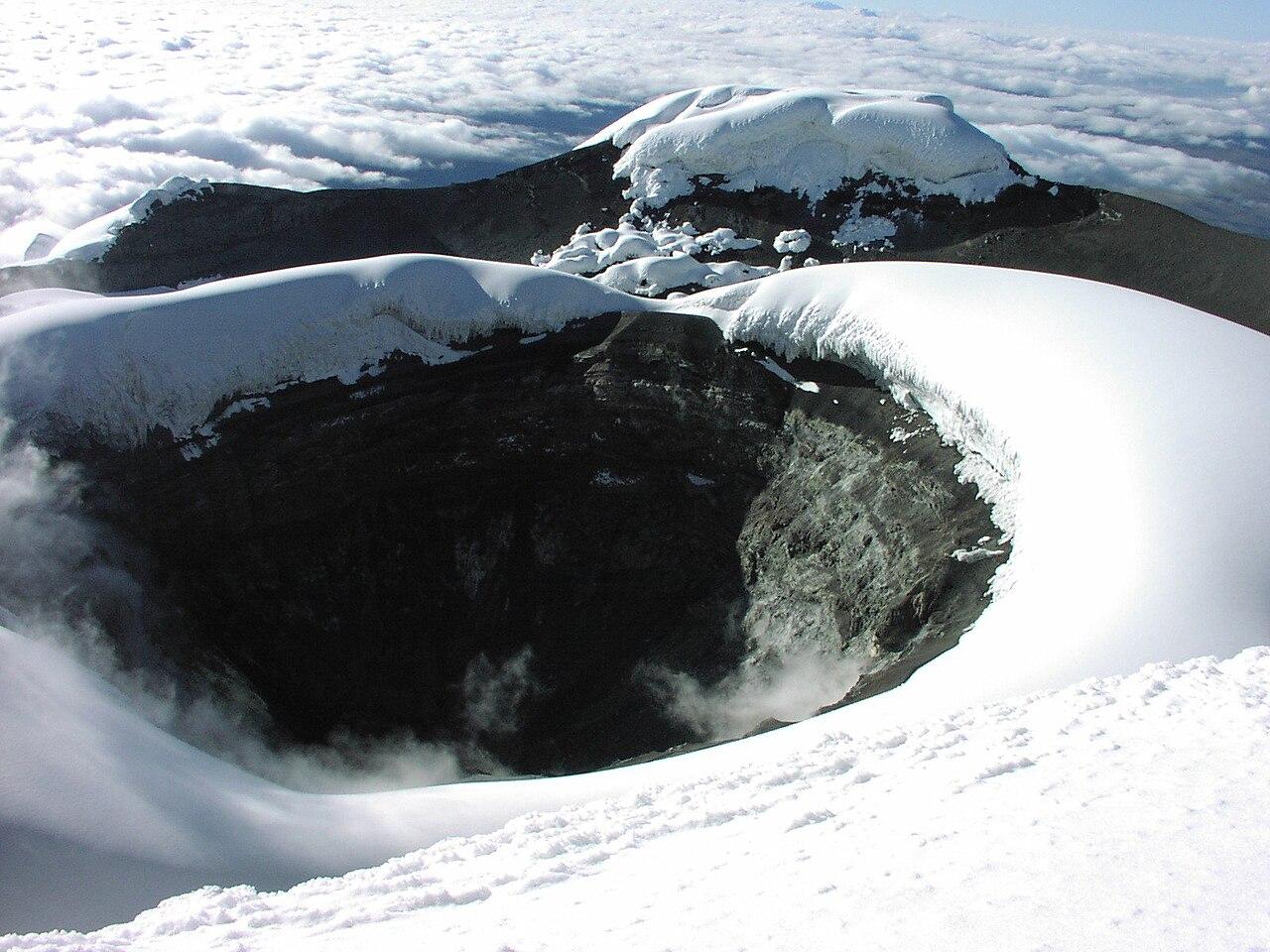
A midnight start on Ecuador's 6,263 m volcano, whose summit sits farther from the Earth's centre than Everest's because of the equatorial bulge.
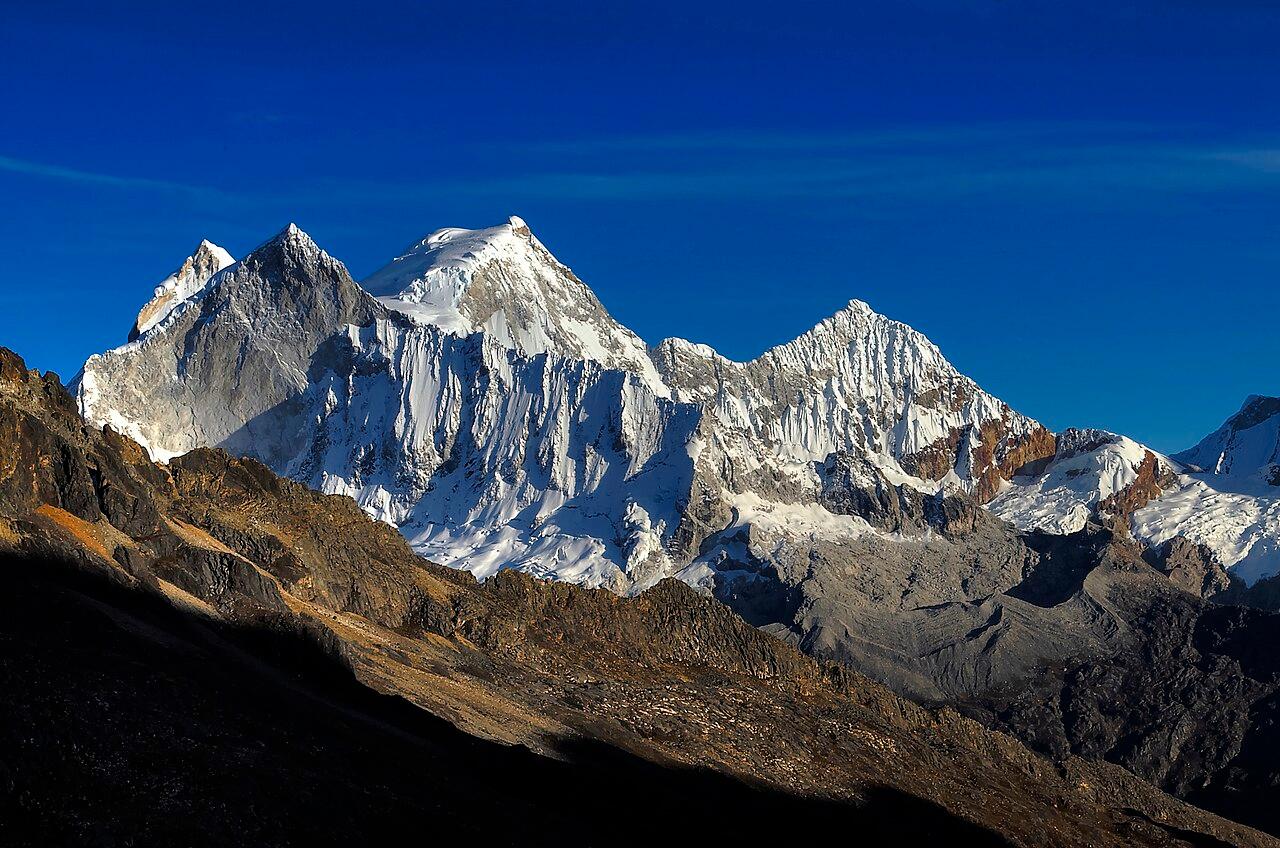
A 20-day Peruvian expedition that ends on the southwest ridge of Chopicalqui, a 6,354 m peak between Huascaran and Contrahierbas, with views of Alpamayo and Taulliraju.
Six days that build up over Pasochoa, Corazon and Iliniza Norte before a summit attempt on the glaciated cone of Cotopaxi (5,897 m) in Ecuador.
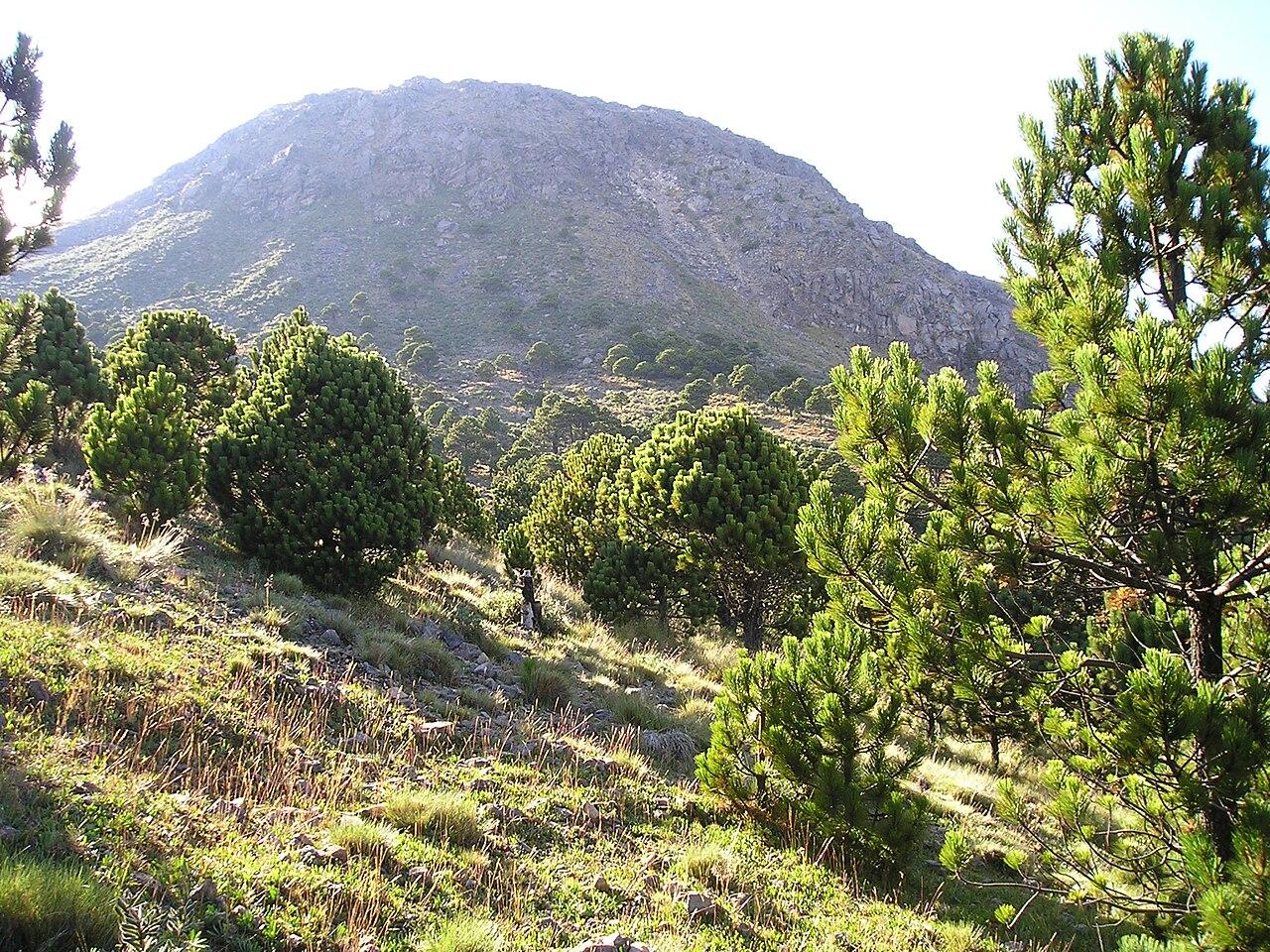
Five volcano summits in a week, from Pacaya to Tajumulco, the highest point in Central America at 4,220 m, with two nights camping on the volcanoes.
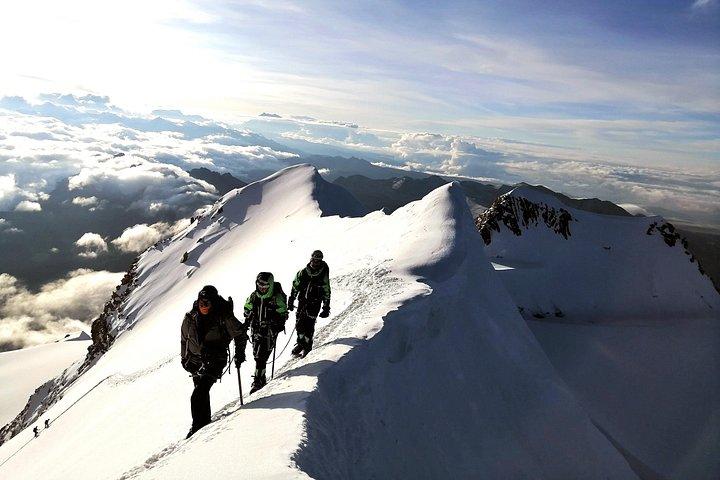
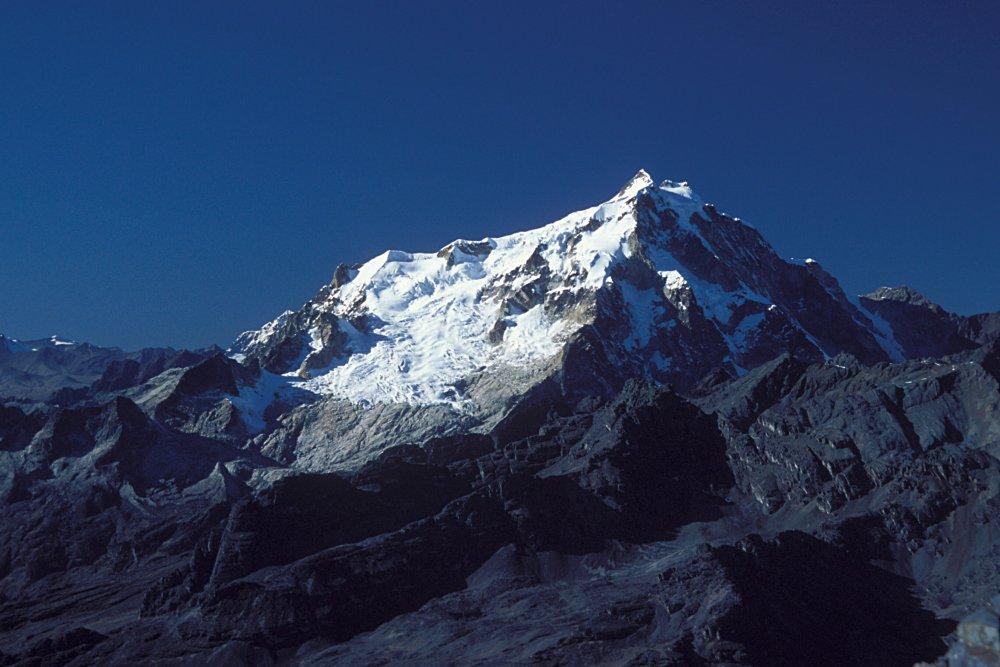
Learn crampons and ice axe on the glacier, sleep at 4,700 m and 5,300 m, and set off at 1:00 to stand on a 6,088 m summit at sunrise, 25 km from La Paz.
Four days from La Paz up Bolivia's second-highest mountain: base camp at 4,230 m, a rocky climb to high camp, and a summit day on snow slopes of around 50 degrees.
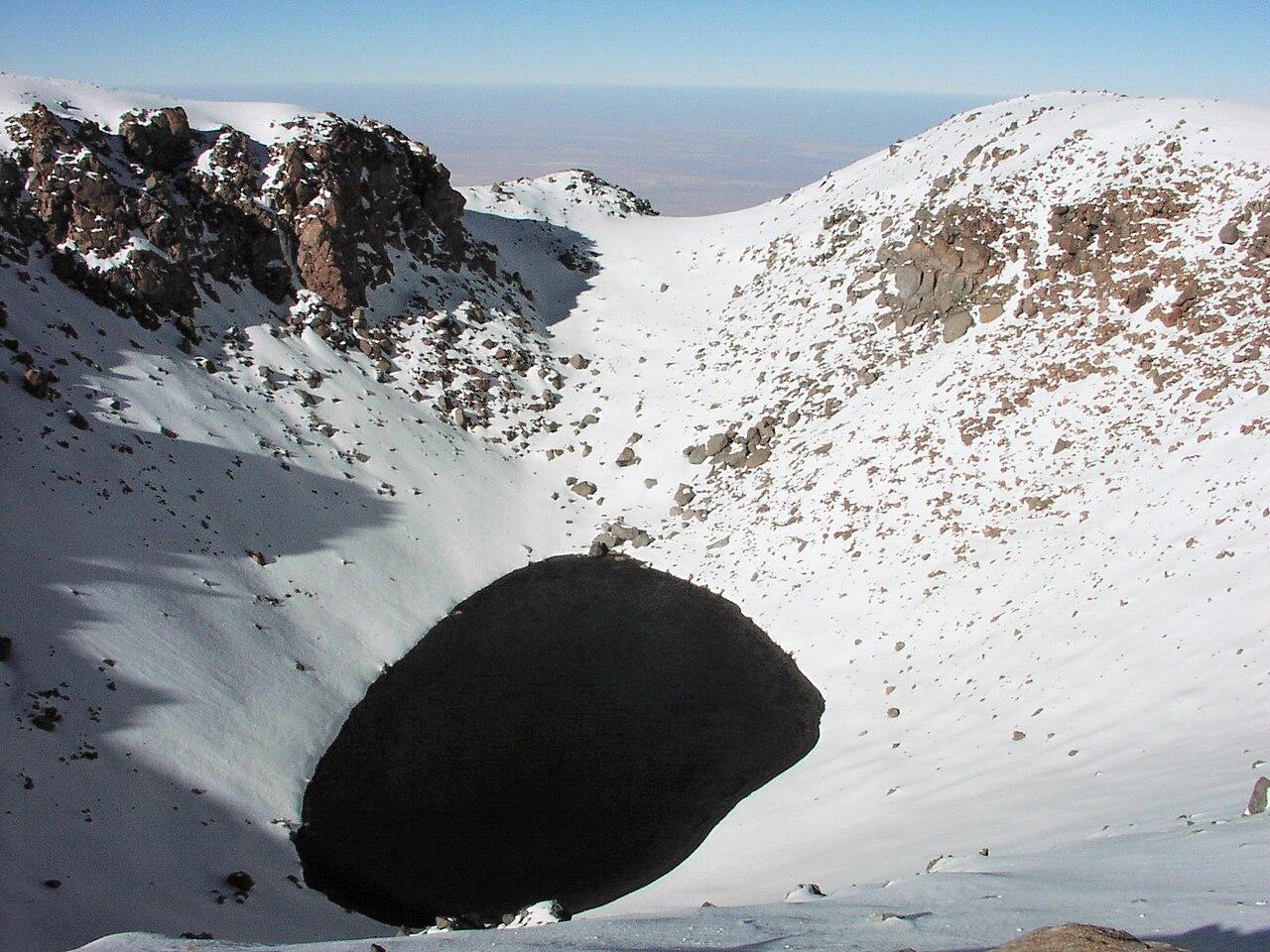
Leave San Pedro de Atacama at 05:00, climb from 4,900 m to the rim of a 300 m-deep crater full of fumaroles, and on to the summit if your body and the weather allow.
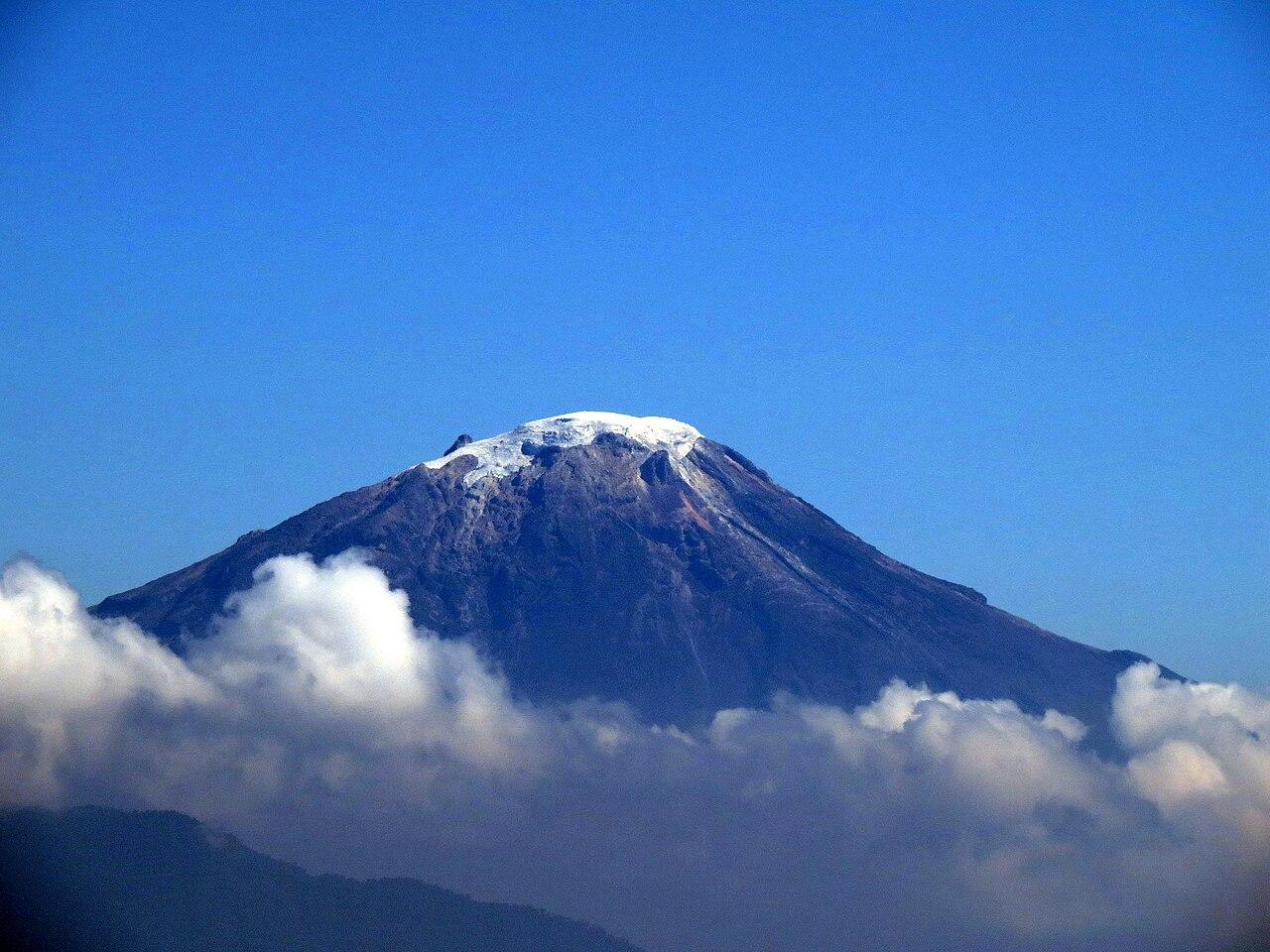
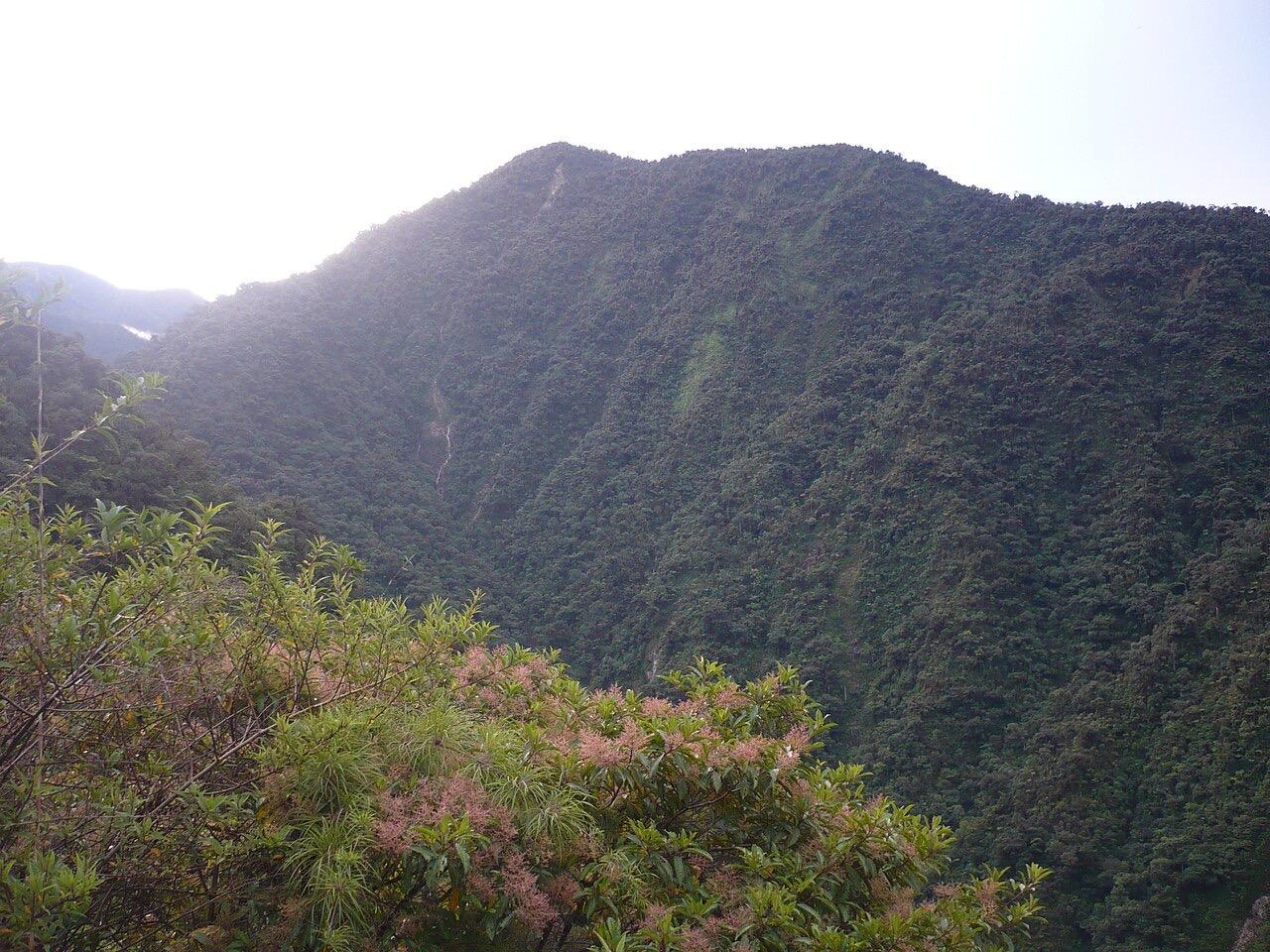
Walk up from mountain farms across the páramo of Los Nevados to a high camp at 4,345 m, then rope up on the glacier to the crater plateau and summit of Tolima.
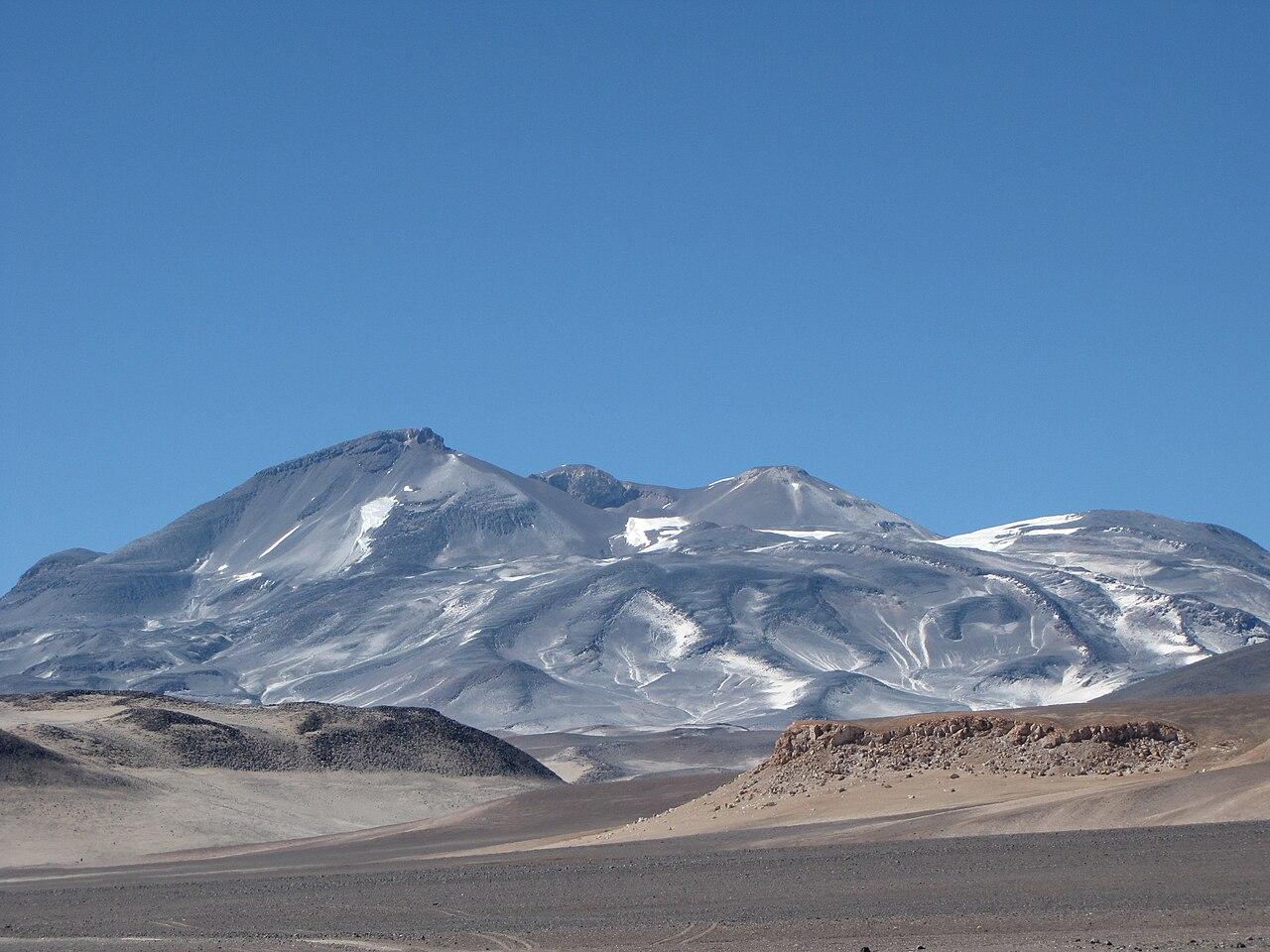
A 14-day expedition from Copiapó across the Atacama to the 6,898 m summit on the Chile-Argentina border, the second-highest peak in the Andes.
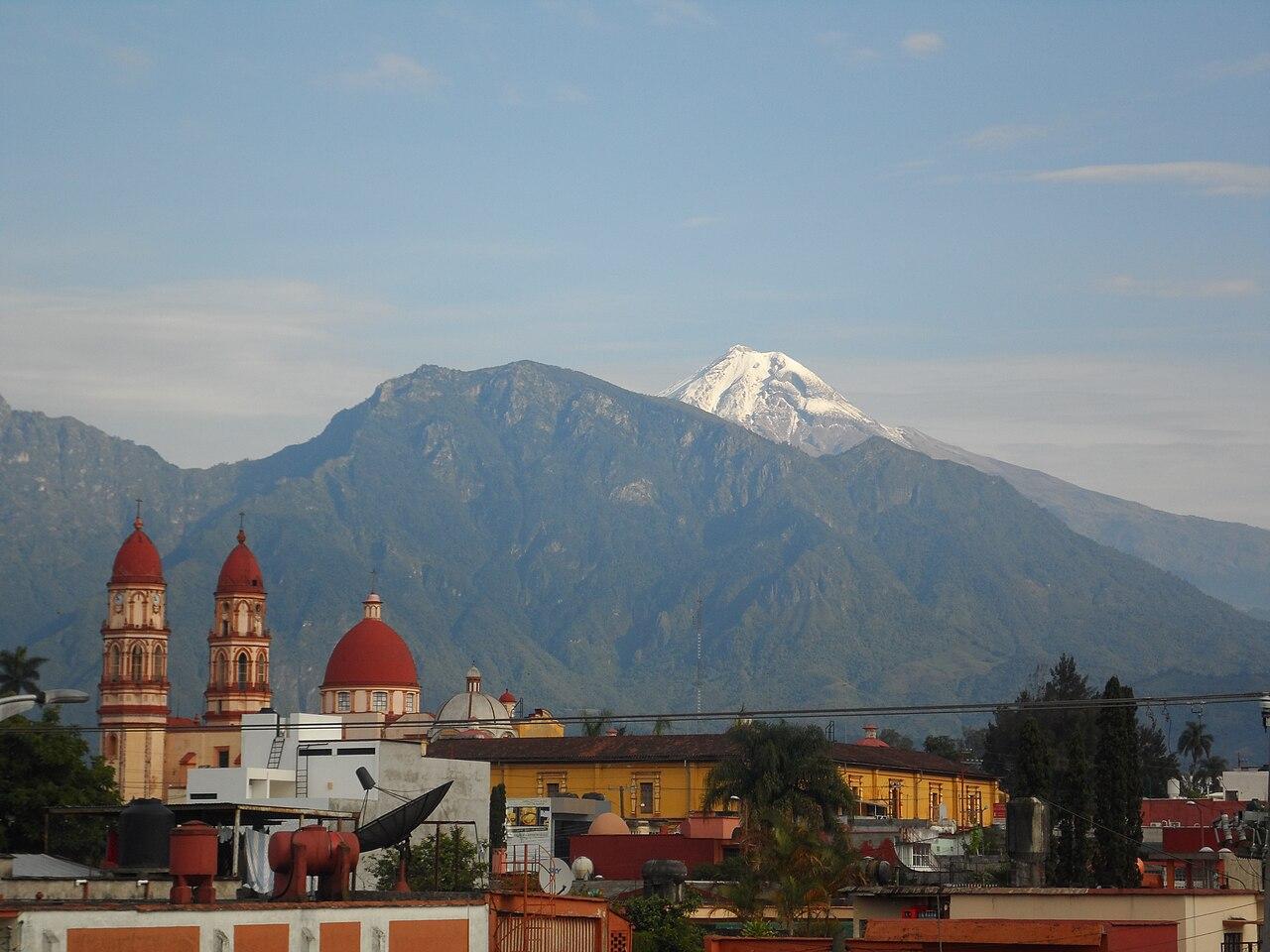
Seven days from Mexico City to the glaciated summit of North America's third-highest peak, with porters carrying the gear and one guide for every two climbers on the glacier.
16 days in the Cordillera Blanca: Pisco (5,752 m) to acclimatise, then a high camp at 5,380 m and the summit of Chopicalqui, one guide to two climbers.
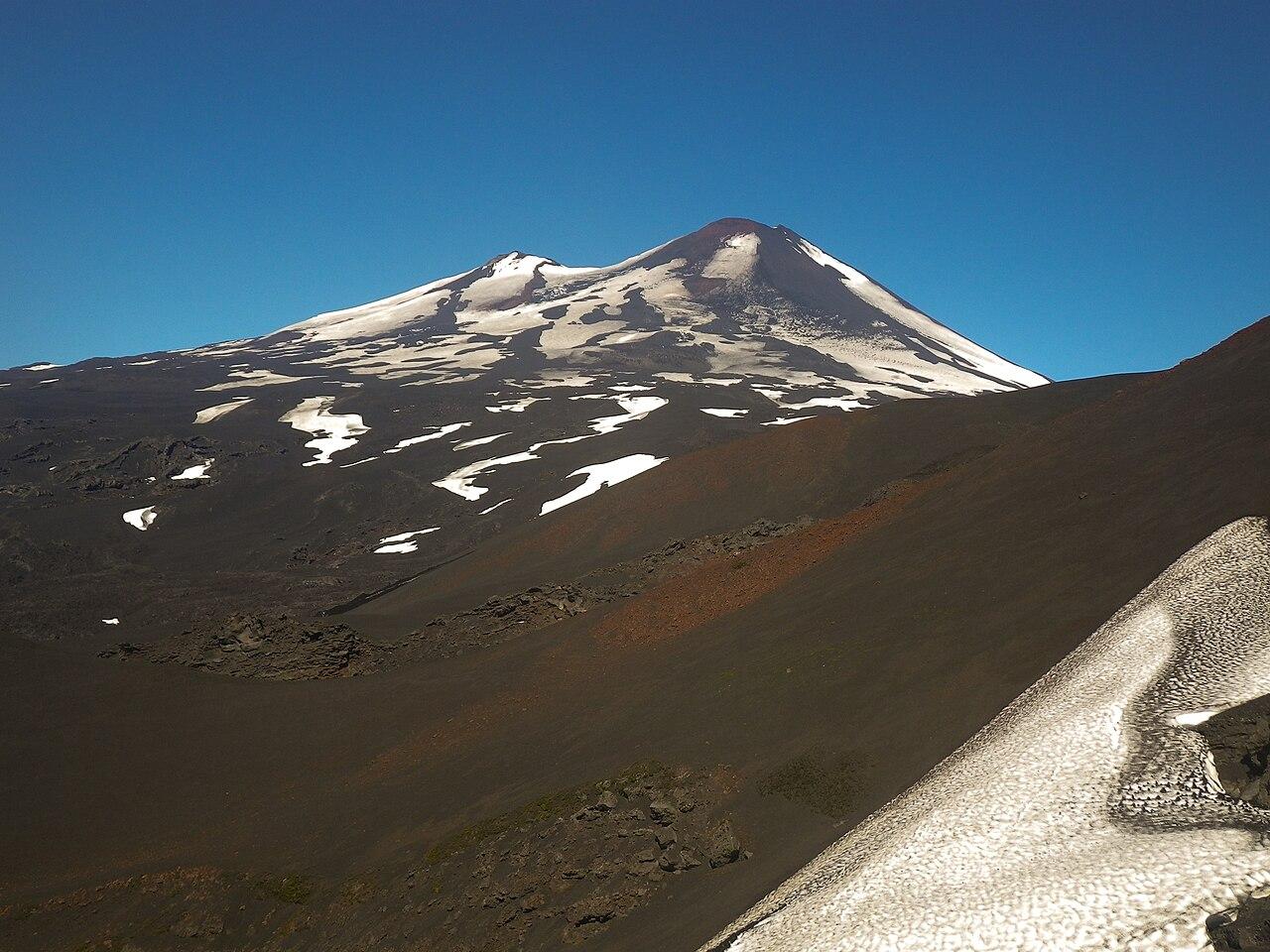
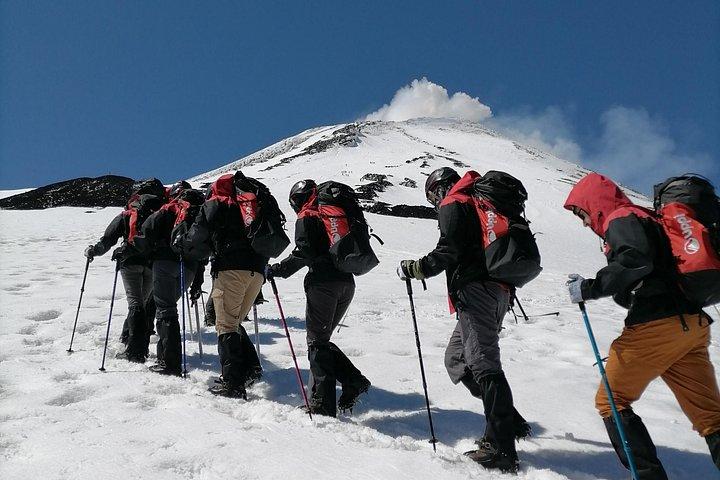
Climb 2,847 m Villarrica from Pucón in crampons with an ice axe to the rim of an open crater that breathes gas, then slide most of the way down on the snow.
A liveaboard from Puntarenas to uninhabited Cocos Island, 342 miles off Costa Rica, for 15 to 27 dives among schooling hammerheads, white-tip sharks, mantas and tuna.
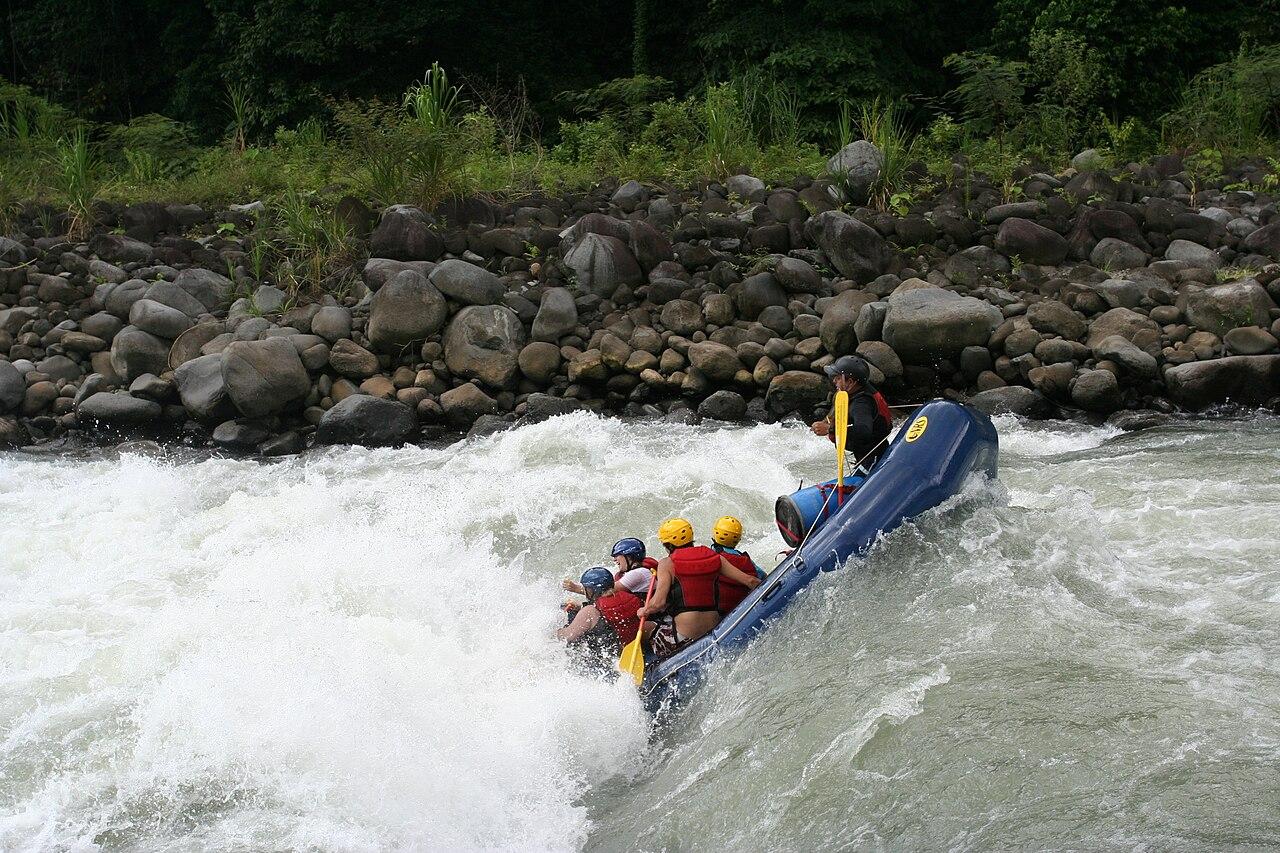
250 km from the Pacific to the Caribbean on foot, mountain bike, raft and kayak, over the 2,330 m Continental Divide, with camps in cloud forest and on the Pacuare River.
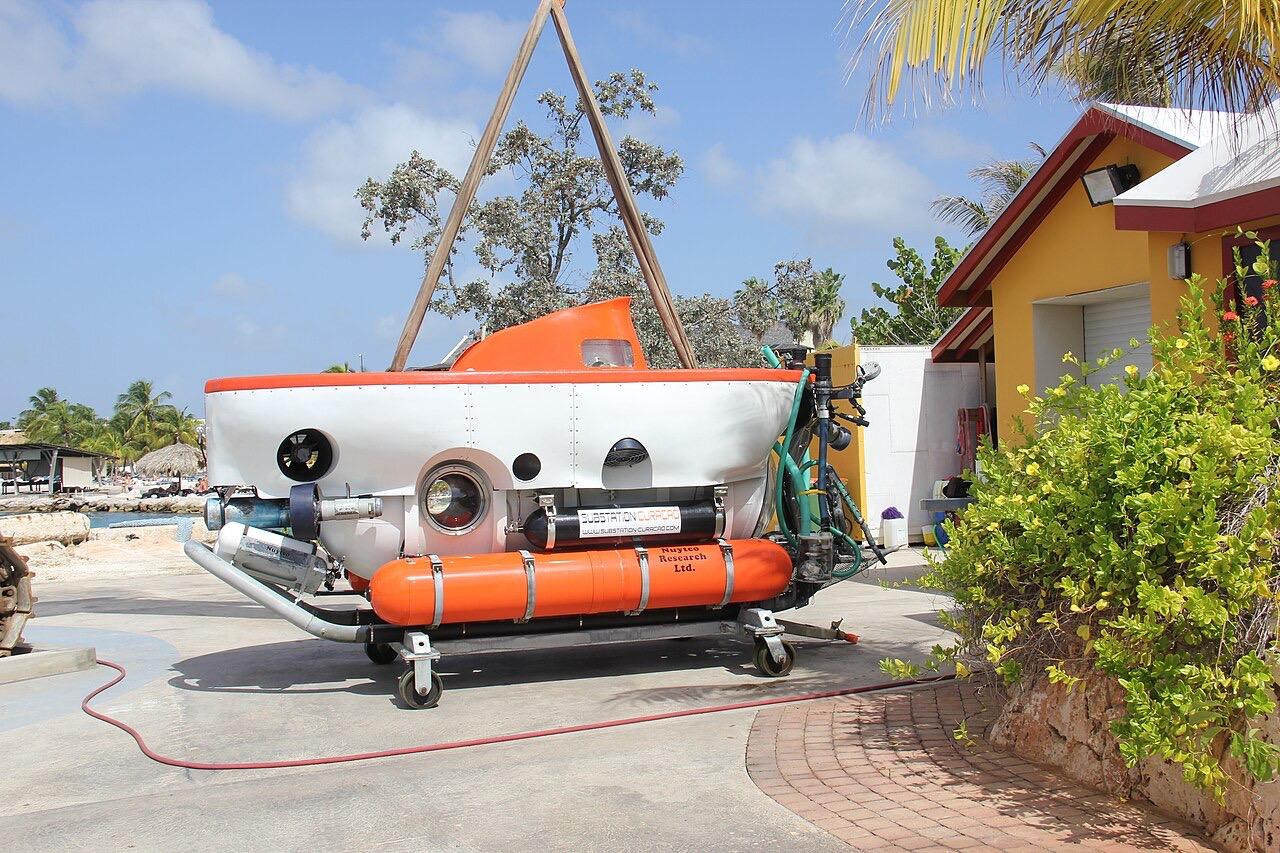
Join a pilot in the Curasub and sink 135 m, 200 m or 300 m into the Caribbean off Willemstad, far deeper than any recreational diver can go.
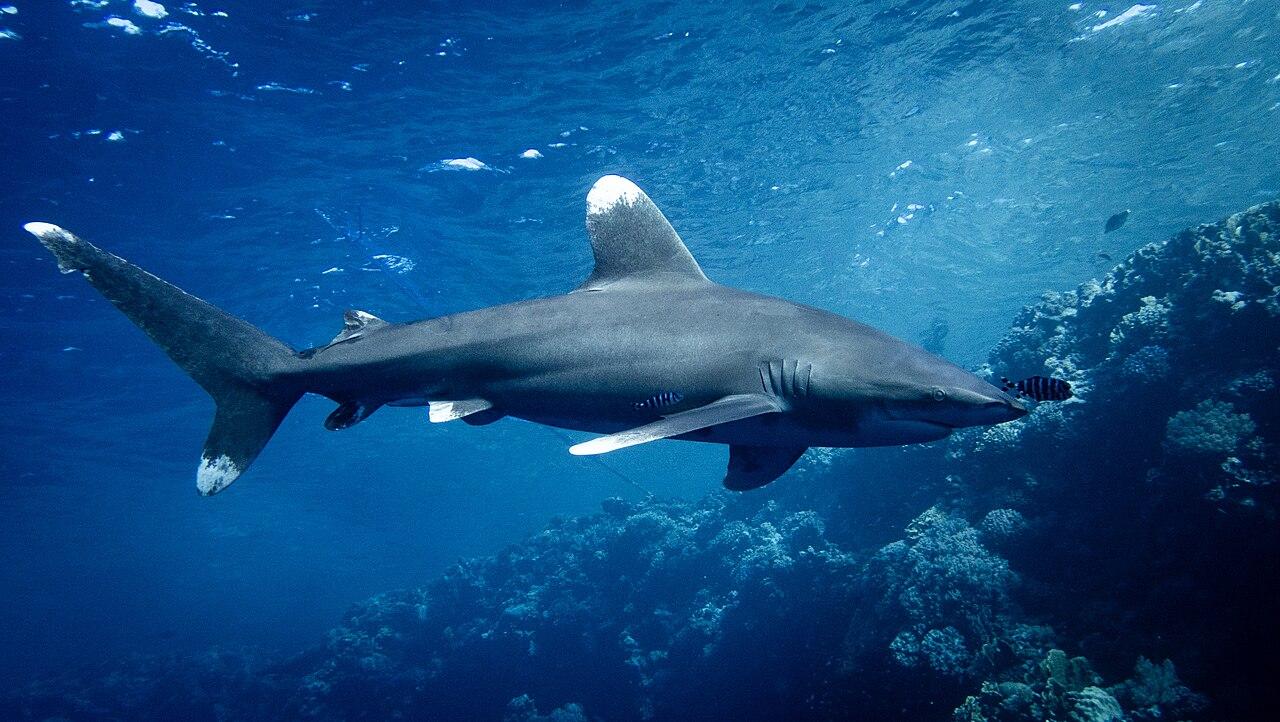
Four nights on a dive catamaran at Cat Island in the outer Bahamas, diving over deep water as oceanic whitetips, sharks of the high seas, circle in close.
Seven nights on the Galapagos Master from San Cristóbal, up to four dives a day, out to the remote northern islands of Wolf and Darwin for strong currents and sharks in numbers.
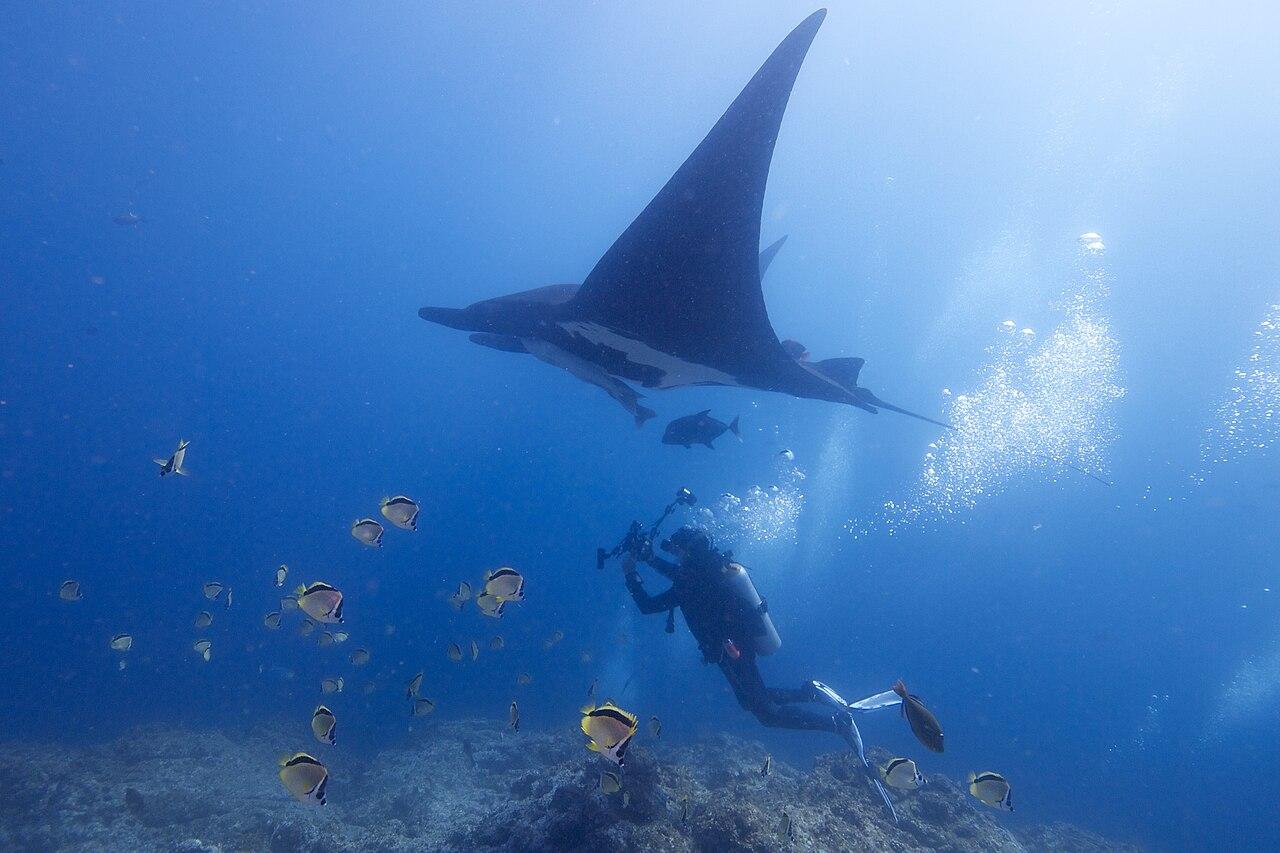
Eight or ten nights on a liveaboard at the Revillagigedo islands, a UNESCO site reached only by boat, where giant oceanic mantas come to divers and sharks patrol the walls.
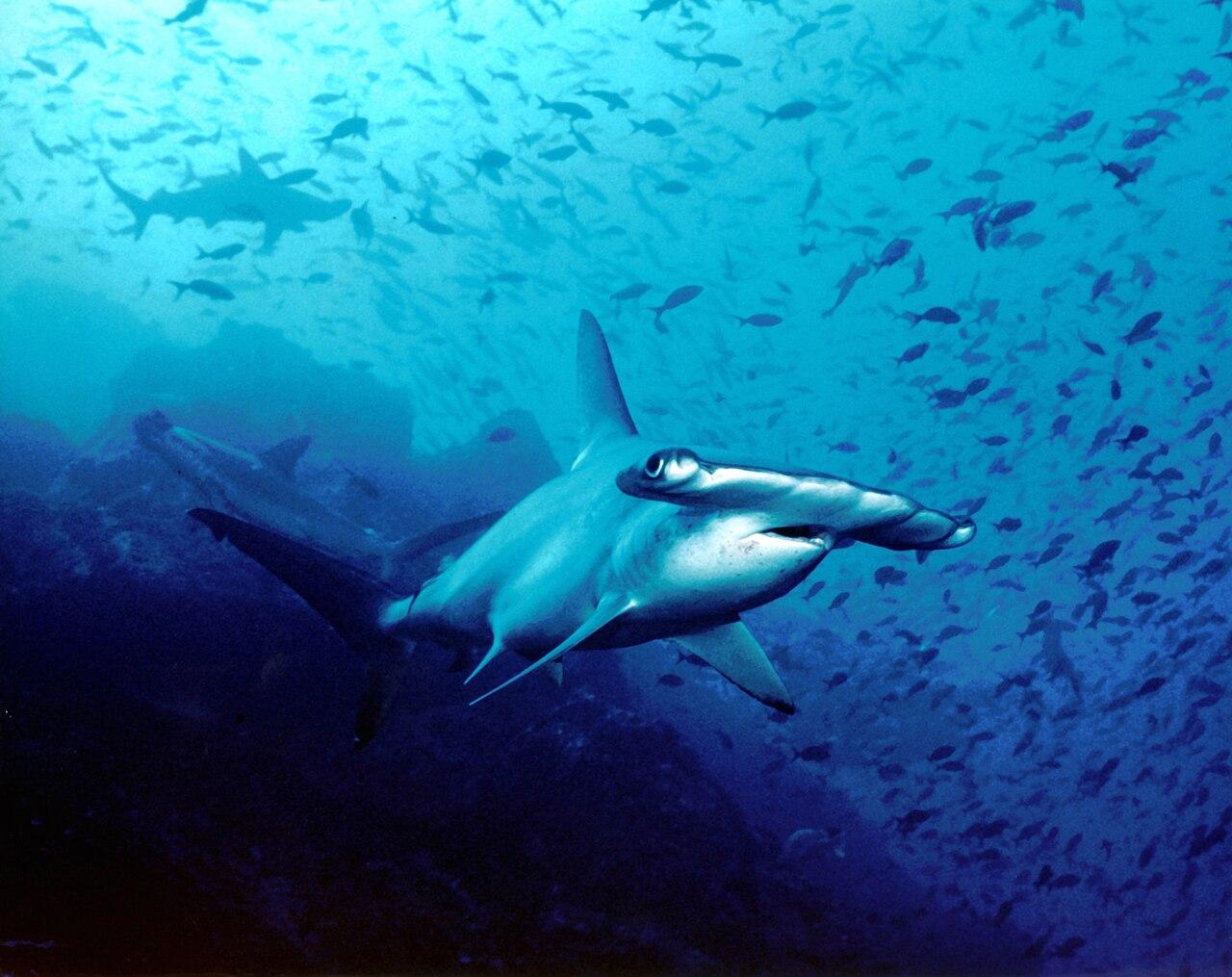
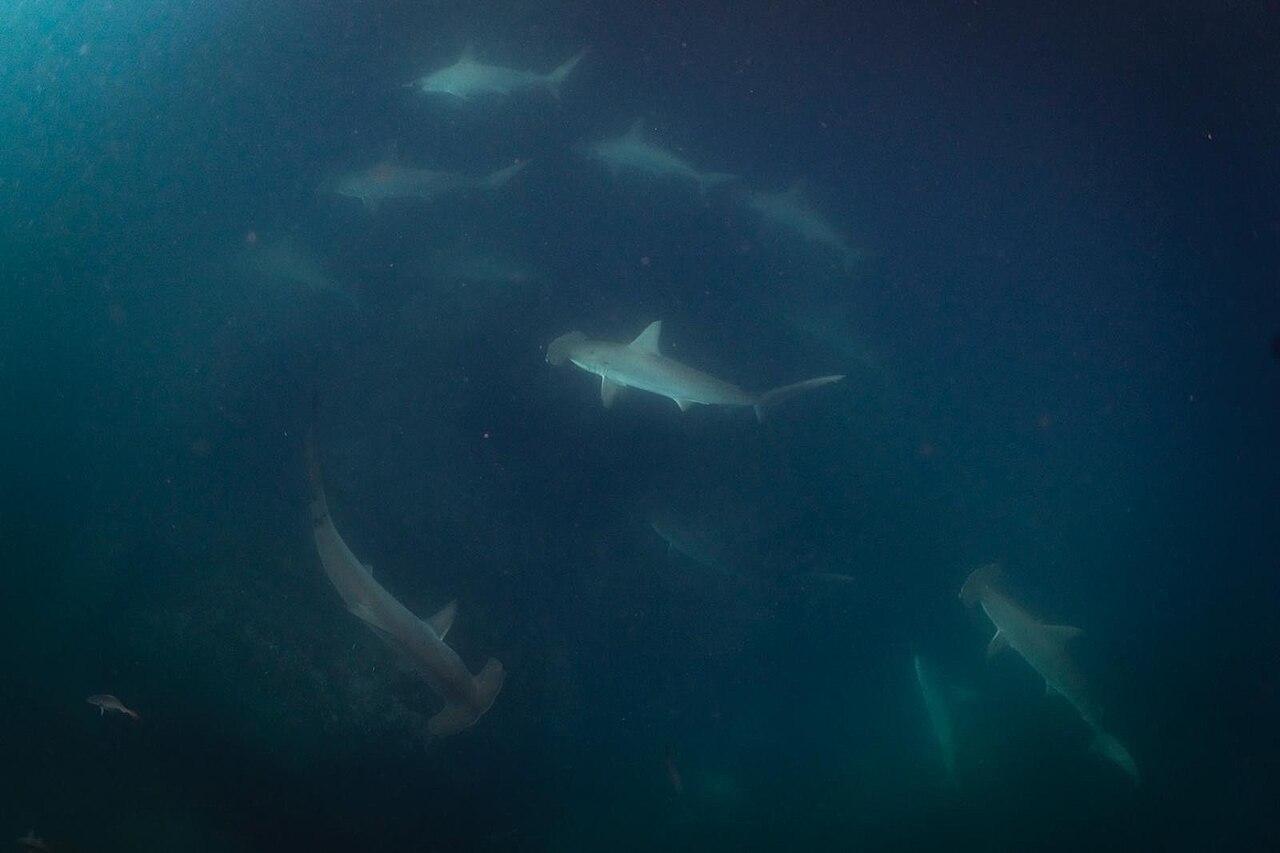
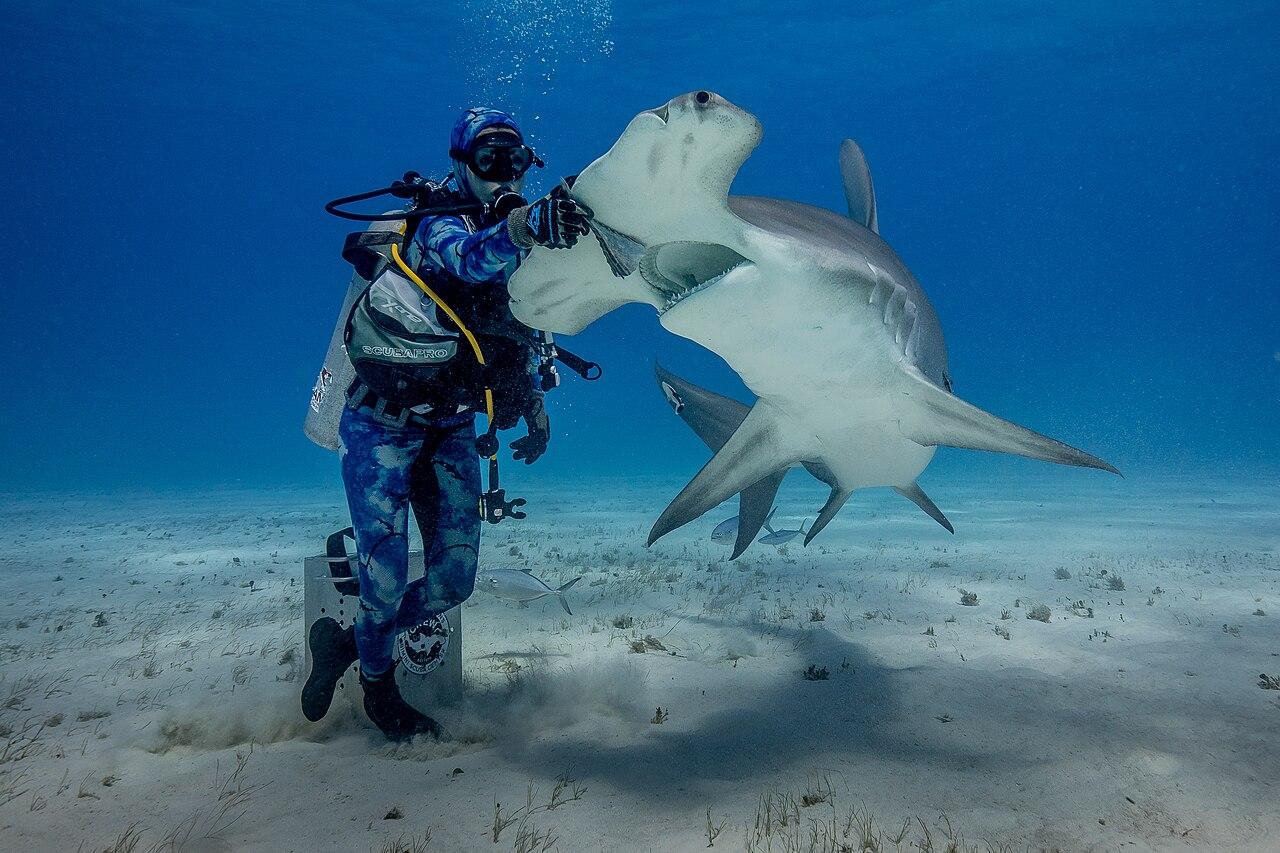
Each winter great hammerheads gather just off Bimini in the Bahamas; the dive centre takes up to 14 certified divers out to meet them in the water, without a cage.
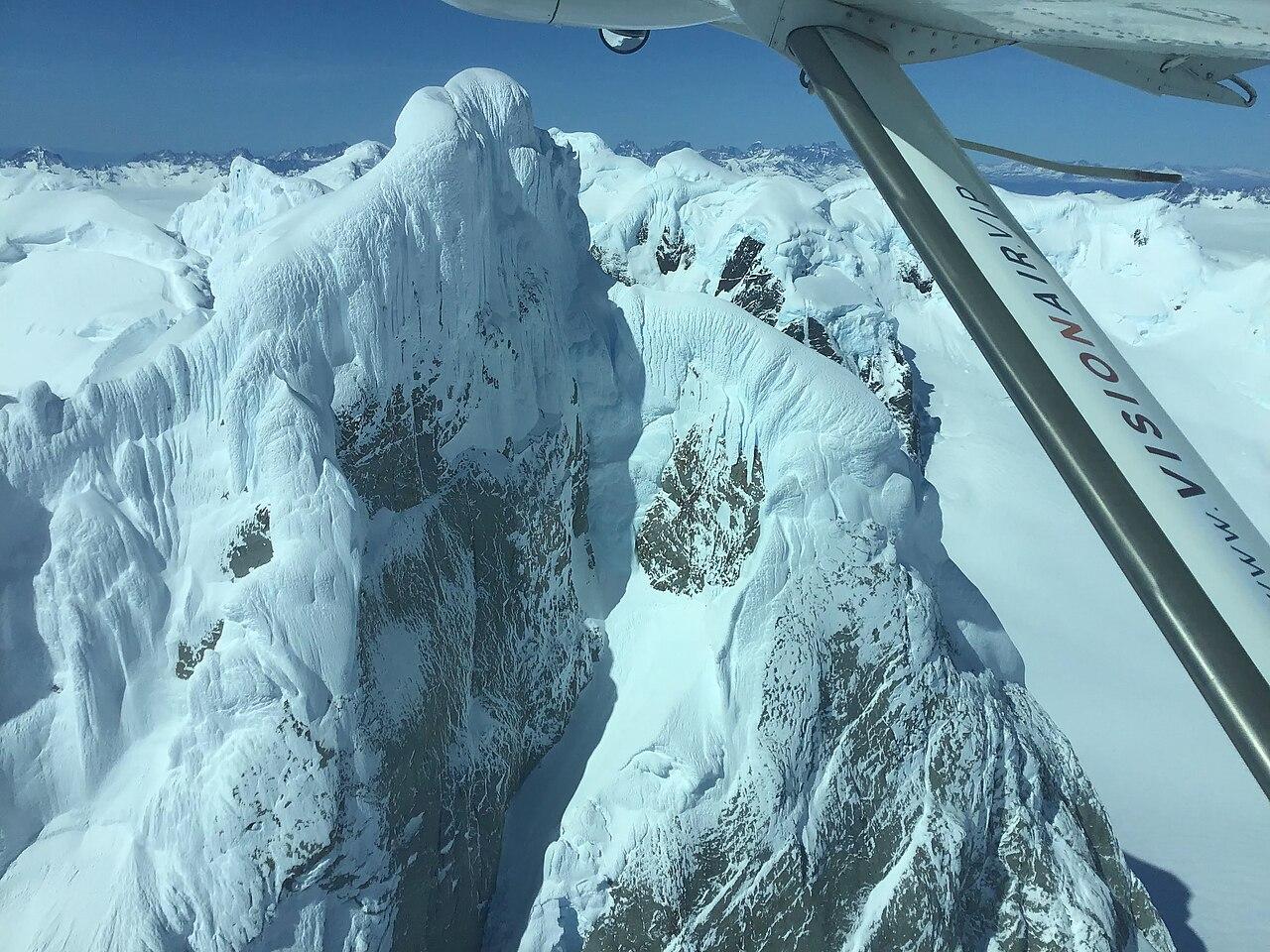
An eight-day private expedition from El Chaltén onto one of the least explored ice caps on Earth, traversing its eastern part on snowshoes with a sled and ascending Gorra Blanca on the way.
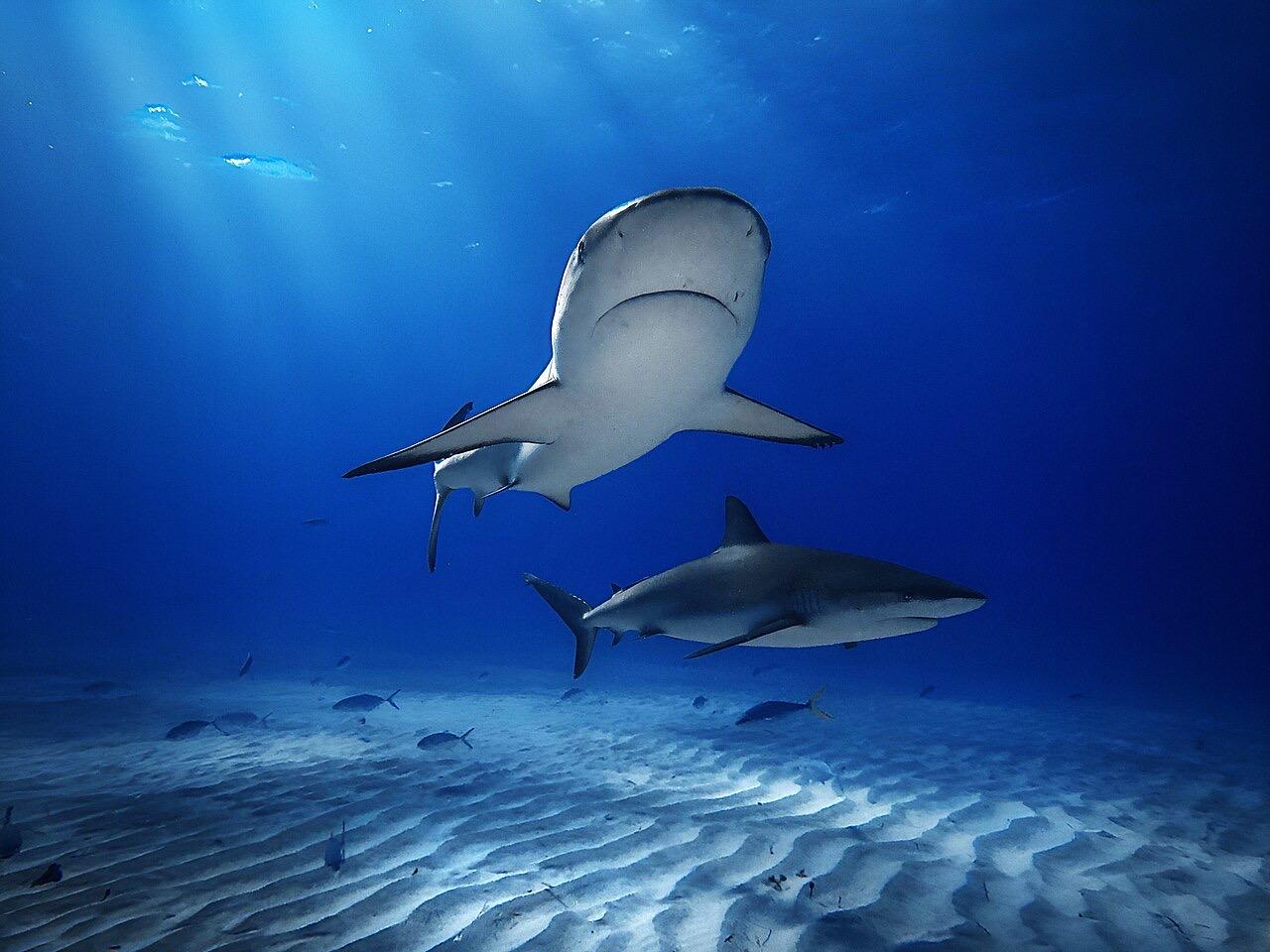
A week on a 12-guest liveaboard diving at about 15 m among tiger sharks at Tiger Beach, then crossing to Bimini for great hammerheads.
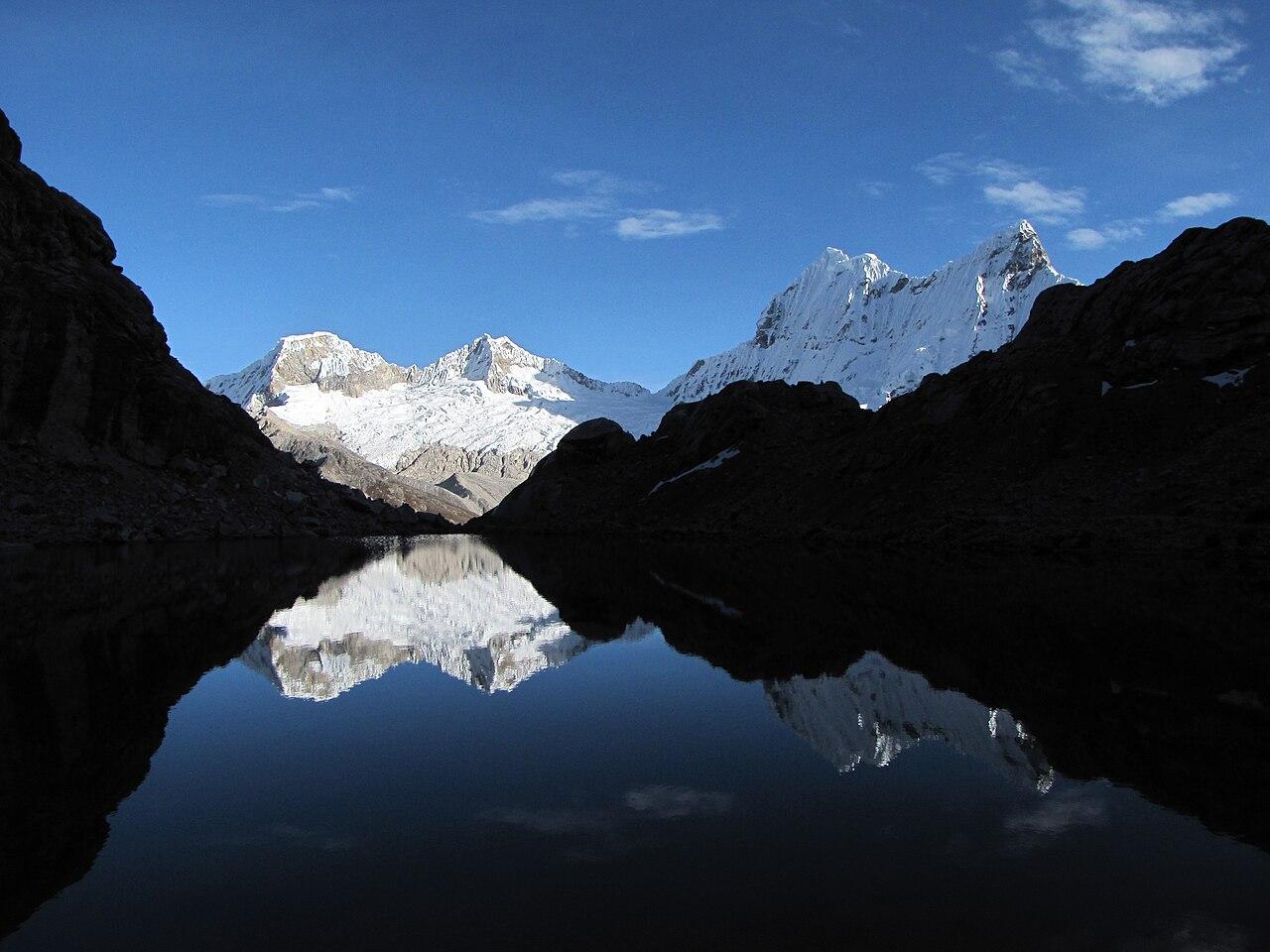
A 12-day Cordillera Blanca course that reviews alpine and glacier skills on Urus Este and Ishinca, then climbs 6,031 m Tocllaraju.
A 15-day school on Ecuador's Avenue of the Volcanoes: glacier skills on Cayambe, then Cotopaxi at 5,897 m, with Chimborazo at 6,310 m on the 18-day version.
A 13-day school in the Andes: four days of glacier training at Condoriri, then guided ascents of Huayna Potosi and a warm-up peak; an extension adds 6,438 m Illimani.
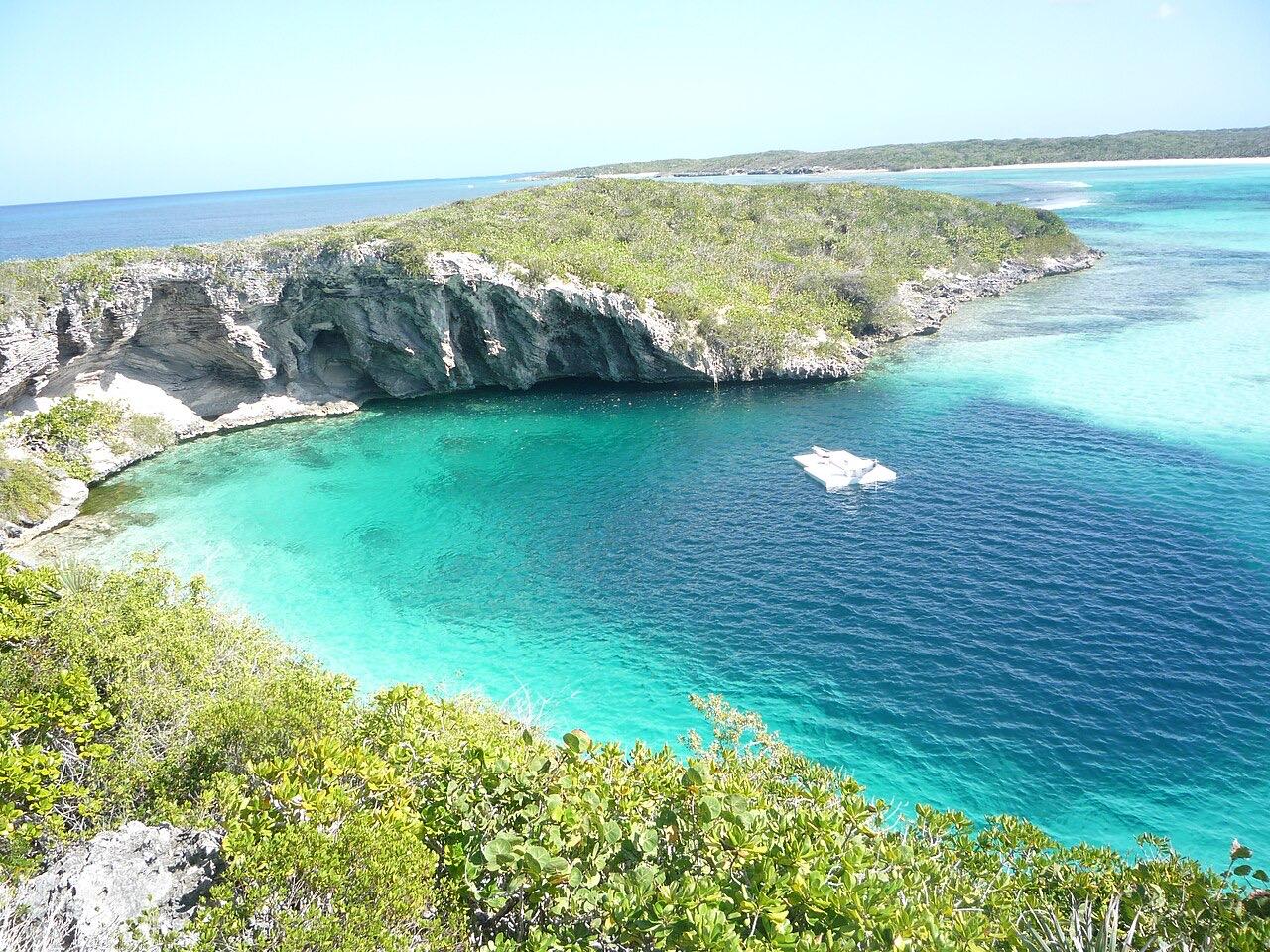
A four-day beginner freediving course on one breath in the world's second deepest blue hole, at the school where William Trubridge teaches.
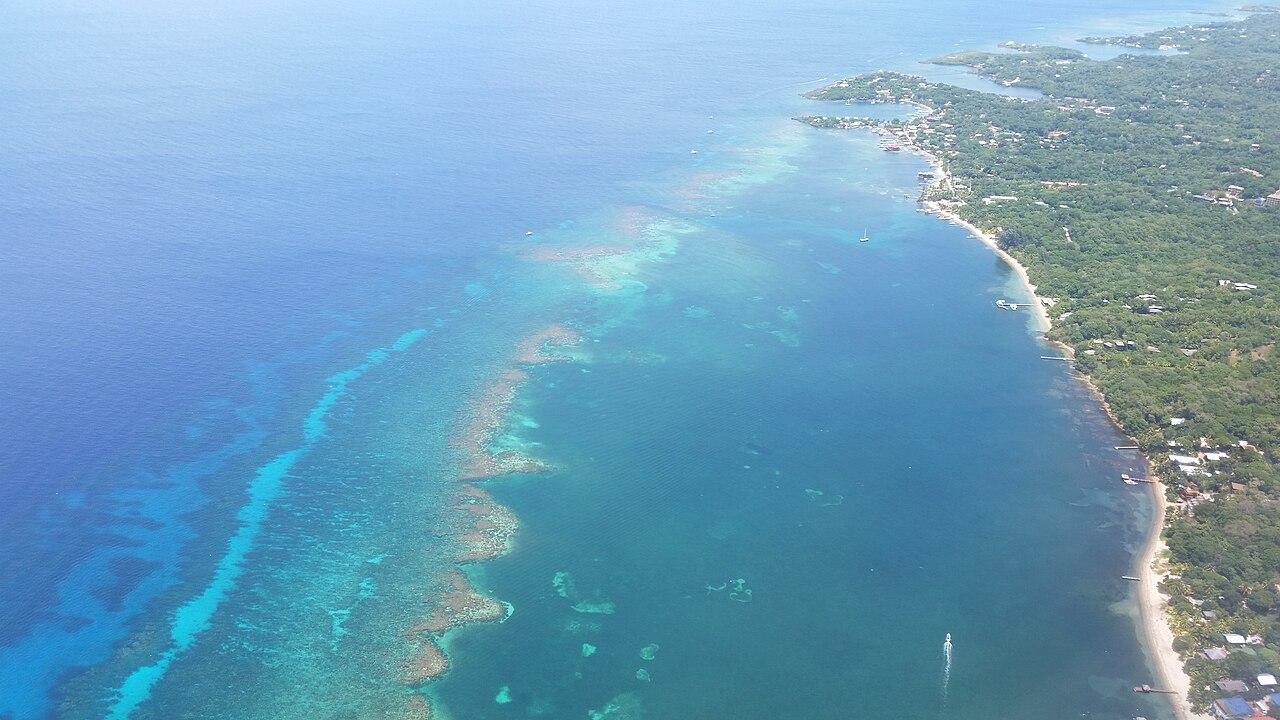
A Molchanovs Wave 1 course on the Mesoamerican Reef off West End that makes you an autonomous freediver, diving safely between 12 and 20 m.
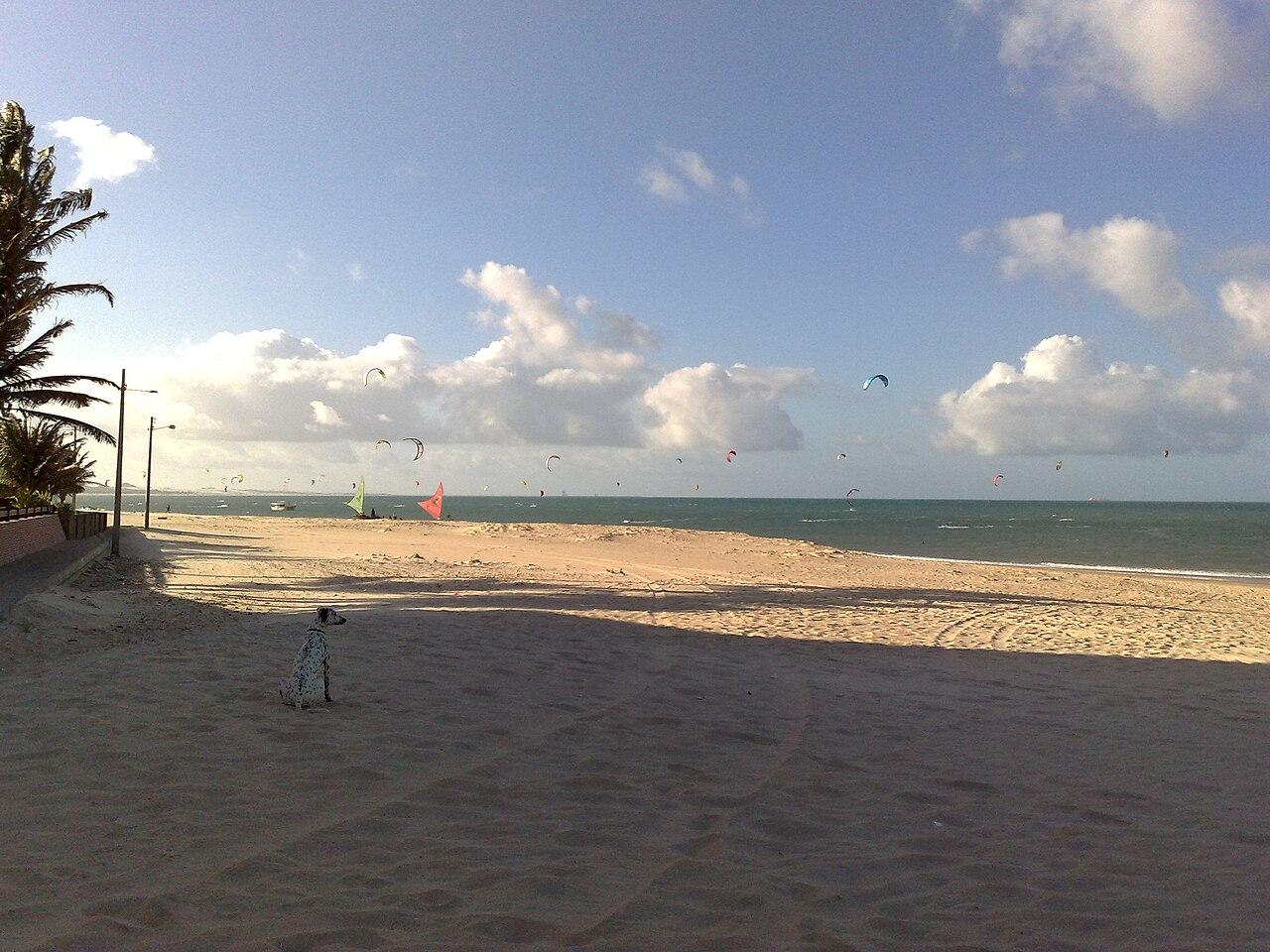
A private 10-hour IKO course on the Ceará coast, where wind of 18 to 30 knots blows from June to January over 28 °C water, built so you ride on your own in 4 to 5 days.
Six days camped below Yanapaqcha: knots, crampons, ice axe and crevasse rescue on the glacier, then a summit attempt on the 5,460 m peak at the head of the valley.
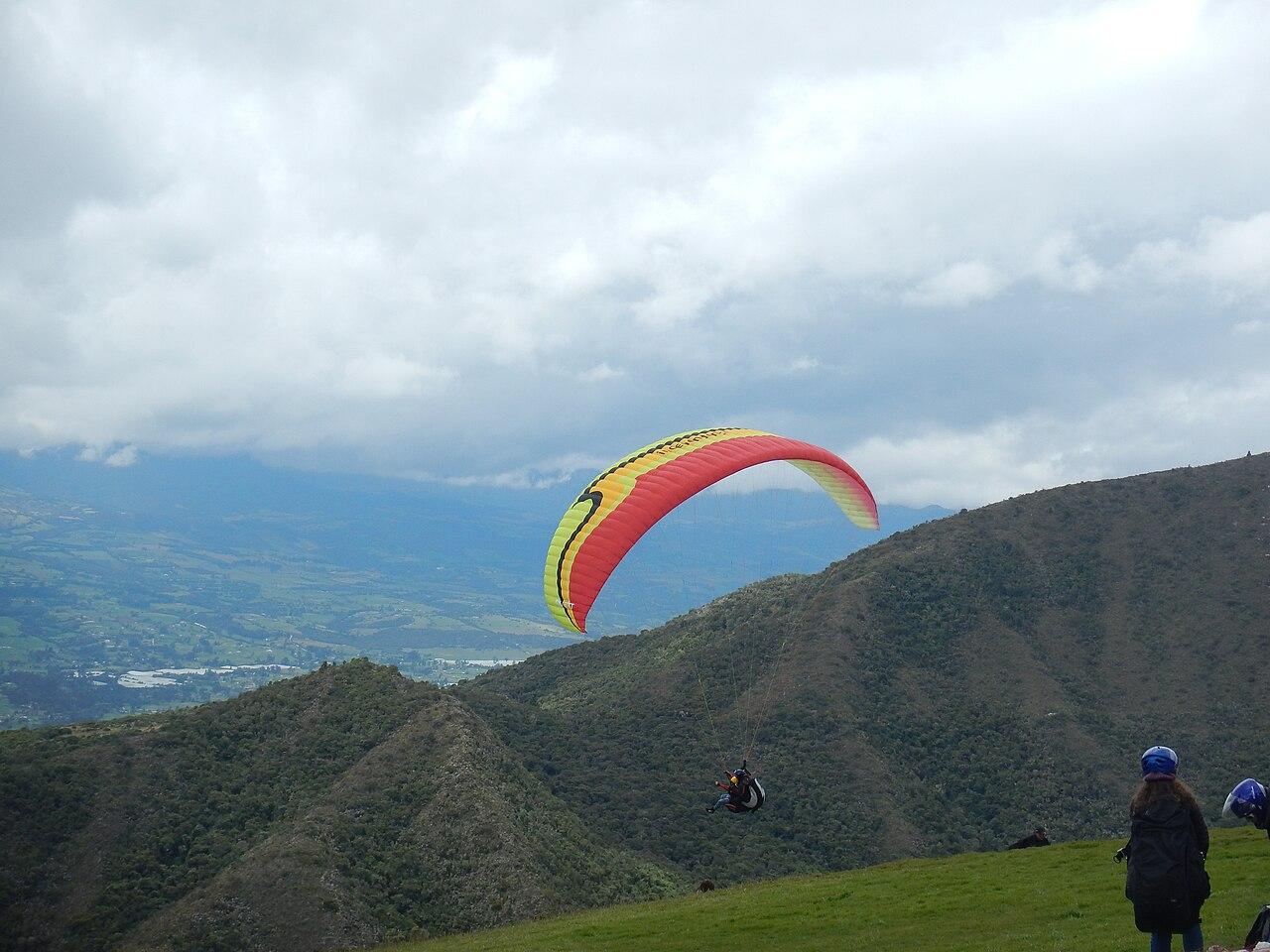
A ten-day beginner course near Cali that ends with at least 20 solo flights and a certificate, in a valley the school says has warm flying weather all year.
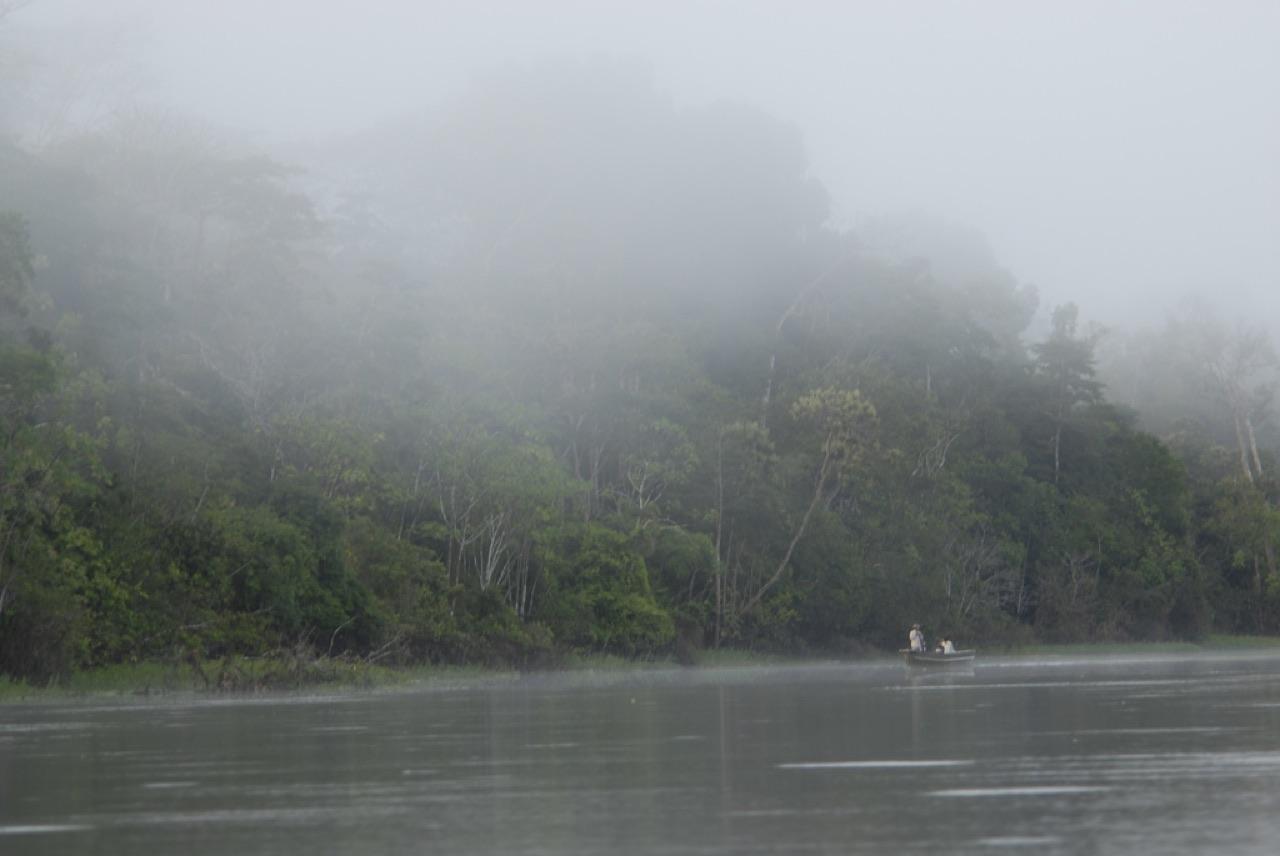
Eight days in Peru's Tamshiyacu-Tahuayo Reserve learning to build a palm-roofed shelter, make fire in wet forest, find water in vines and fish with plant sap.
The Jungle Ultra: five self-sufficient stages, 230 km from cloud forest down to the Amazon basin in Manu, Peru, sleeping in a hammock each night.
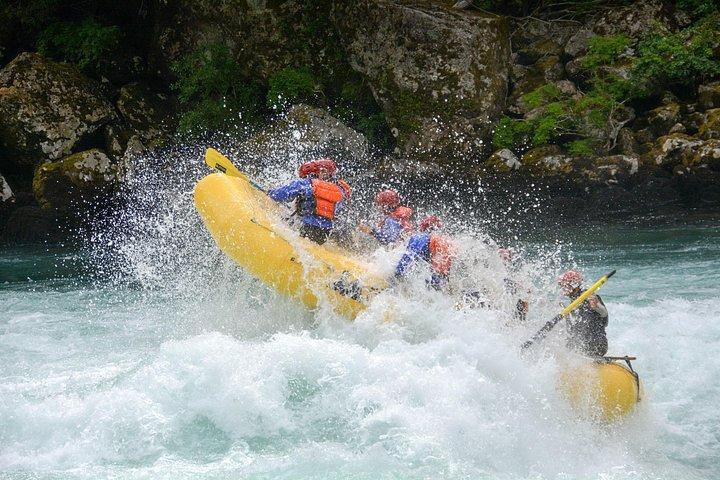
Turquoise class III to V rapids under snow peaks and glaciers, from a half-day first run to a full day through Casa de Piedra and Mas o Menos.
Eight unsupported days on a 5.1 bhp monkey bike from Ayacucho in the Andes, over some of the world's highest passes, to a jungle lodge in the Manu Reserve.
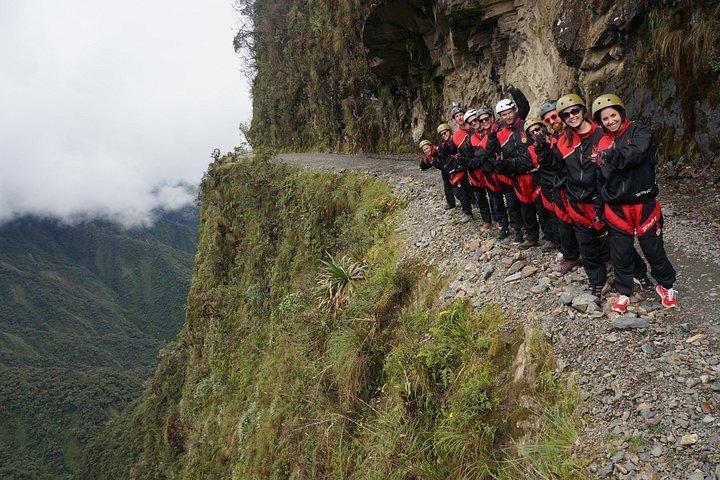
Ride 64 km and more than 3,600 m downhill on the Yungas Road, the 'World's Most Dangerous Road', from snow peaks to jungle beside drops of over 1,000 m.
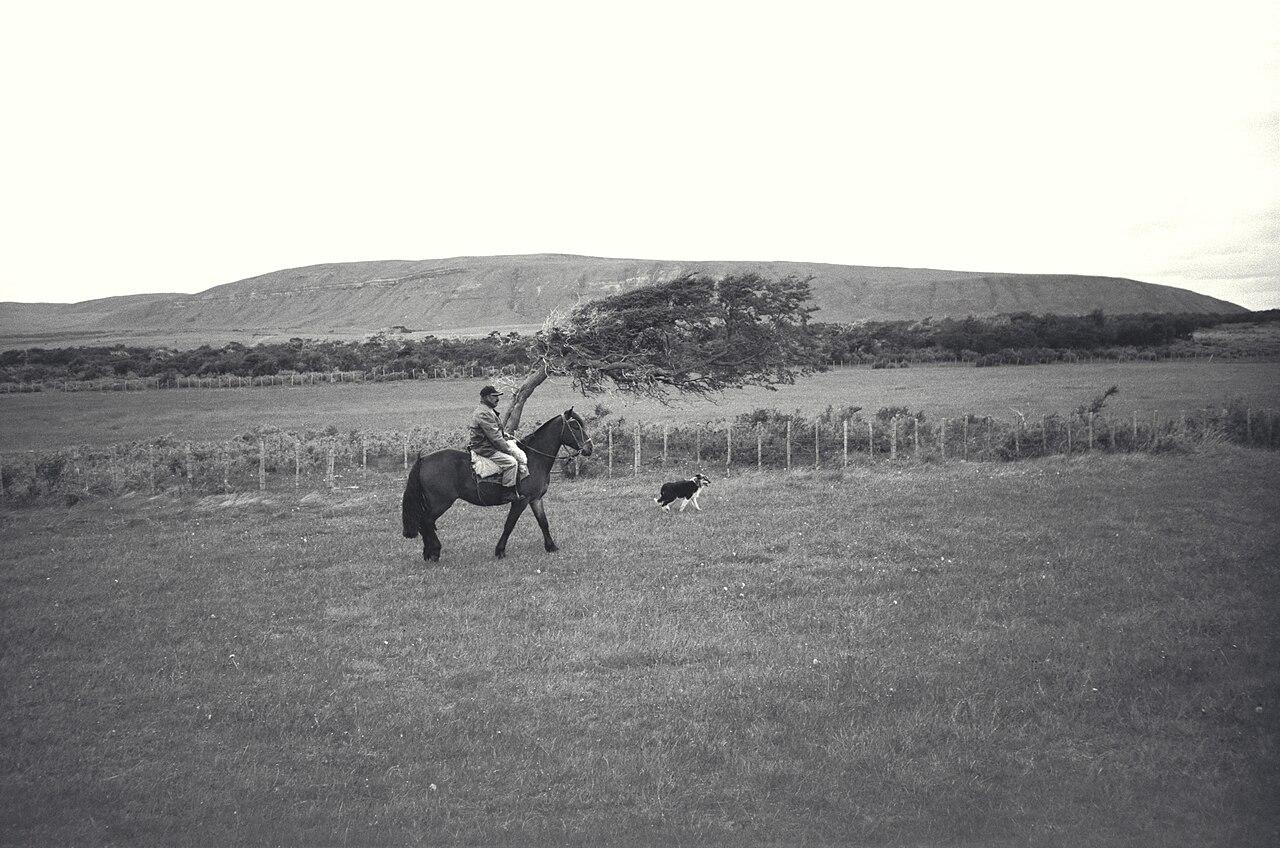
Ten days on gaucho horses over high passes, glacial valleys, bogs and pampas from El Calafate, navigating yourself across country that has no paths.
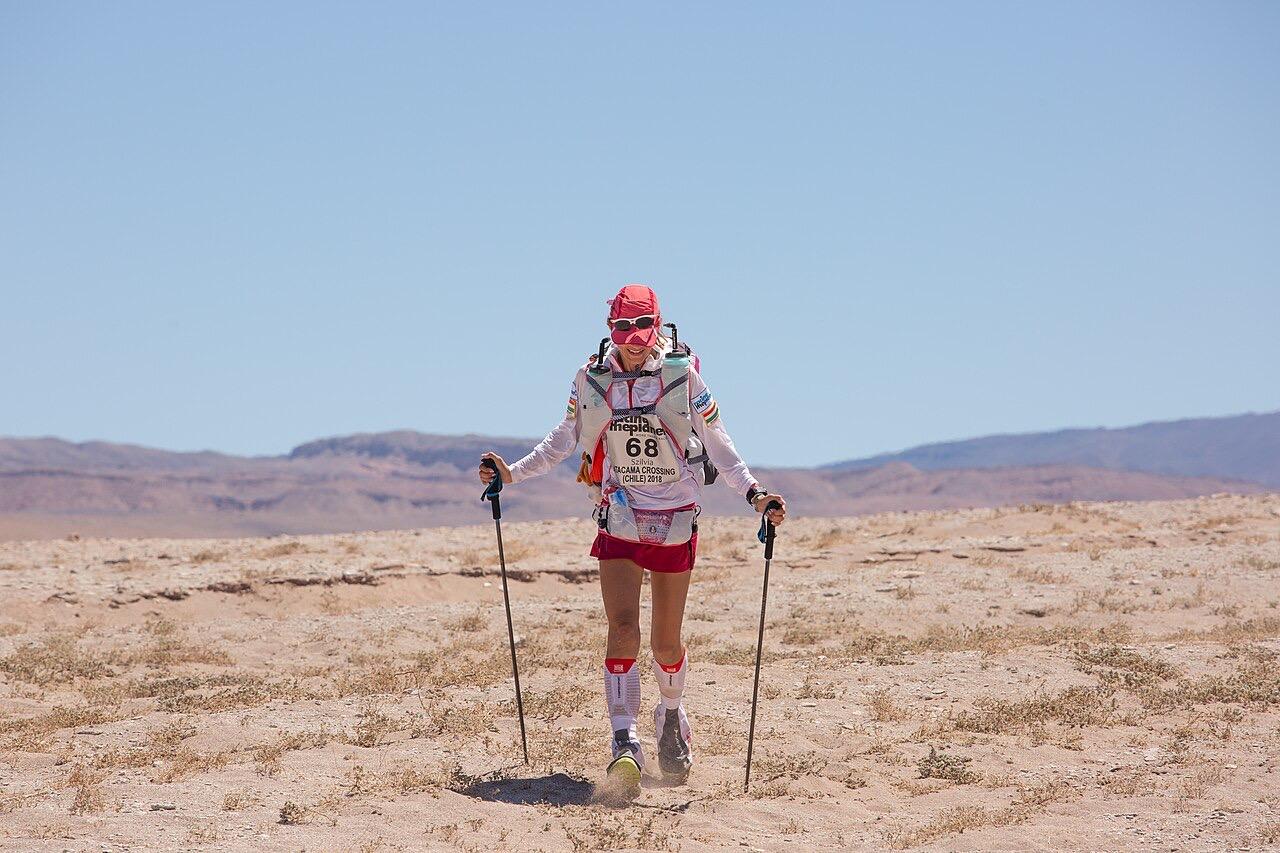
The Atacama Crossing: six self-supported stages, 250 km over salt flats, dunes and slot canyons above 2,300 m, out from and back to San Pedro de Atacama.
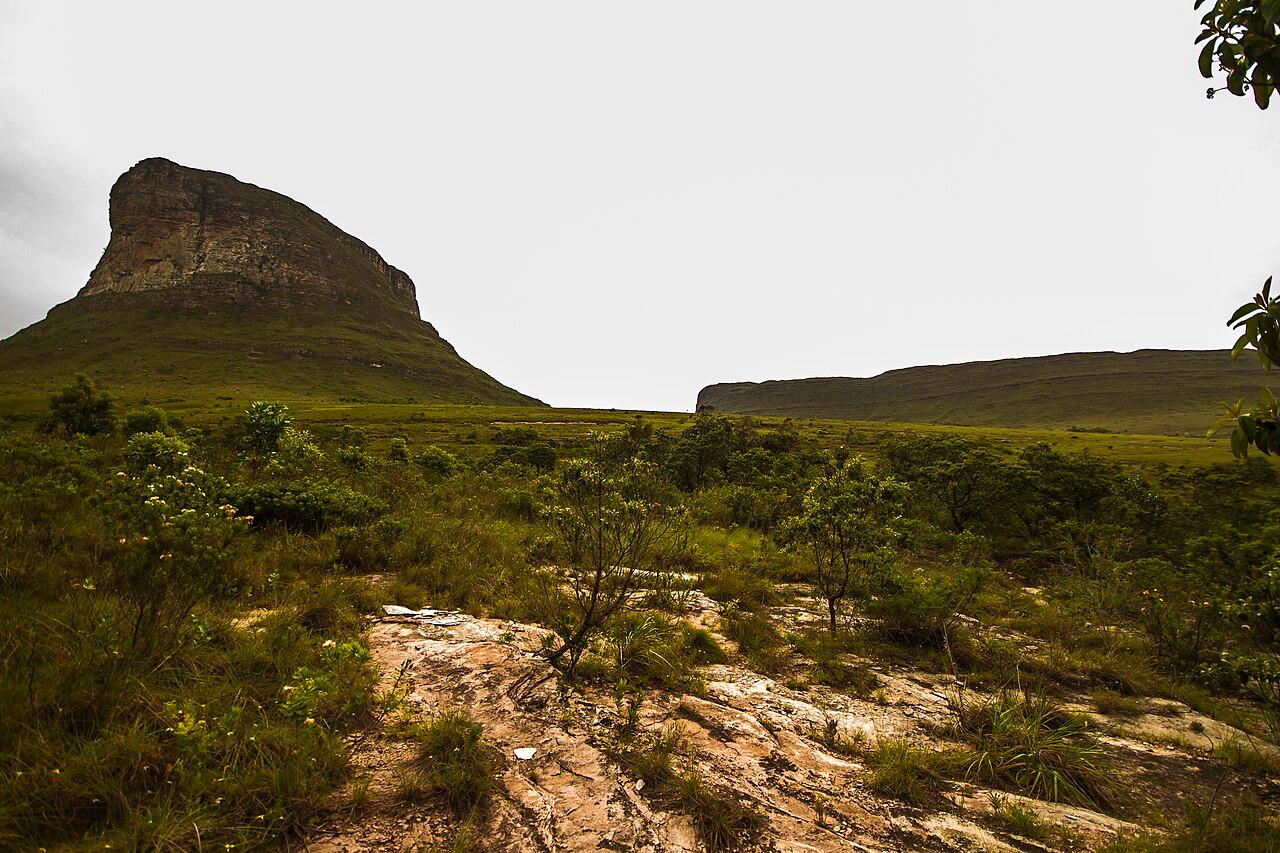
A six-stage, self-supported 250 km ultramarathon beginning in Salvador and crossing the plateaus, canyons and waterfalls of the Chapada Diamantina.
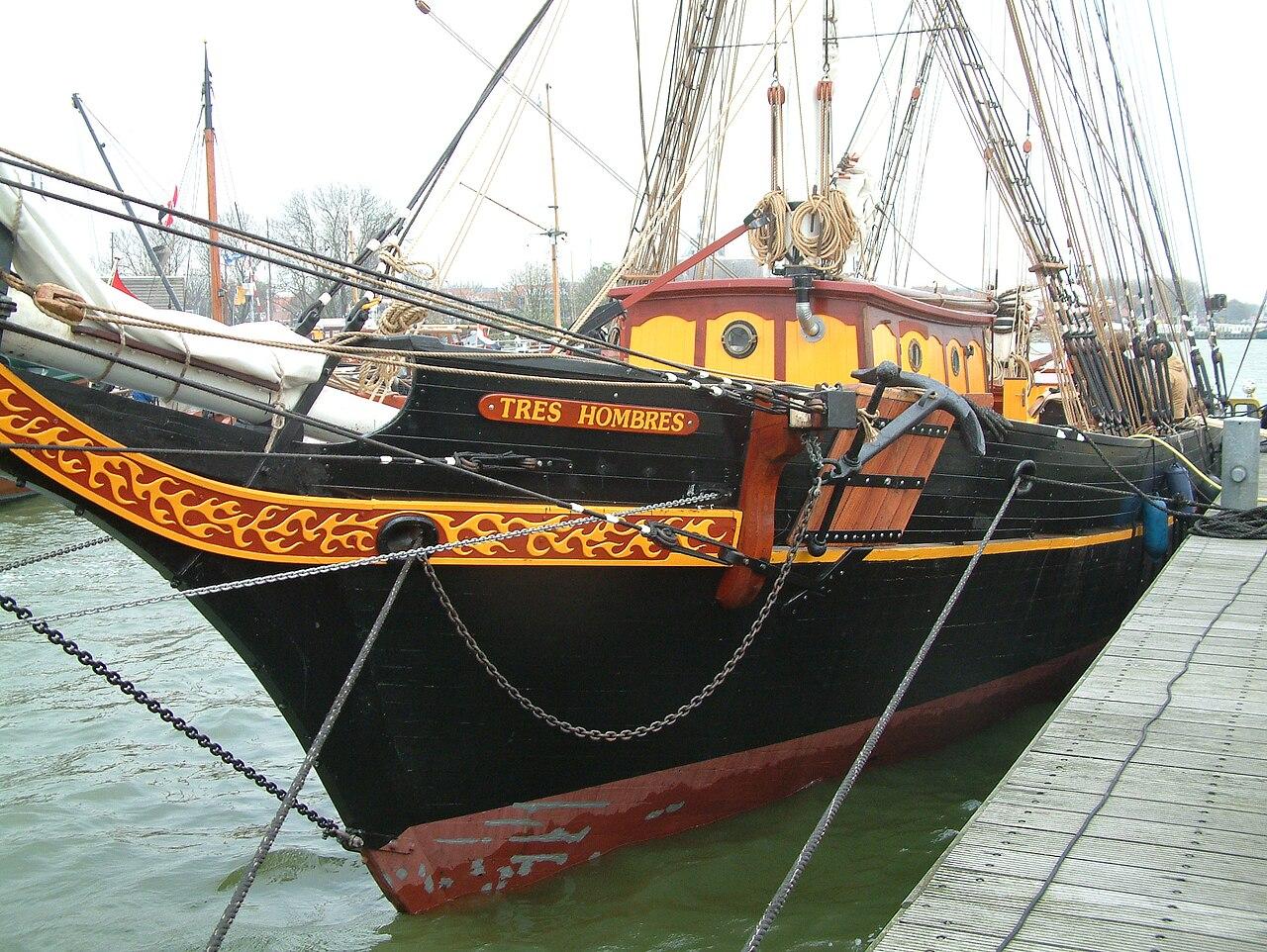
Join the crew of the engineless brigantine Tres Hombres for the return leg of her Atlantic round voyage: day and night watches, about 61 days, cargo to handle.
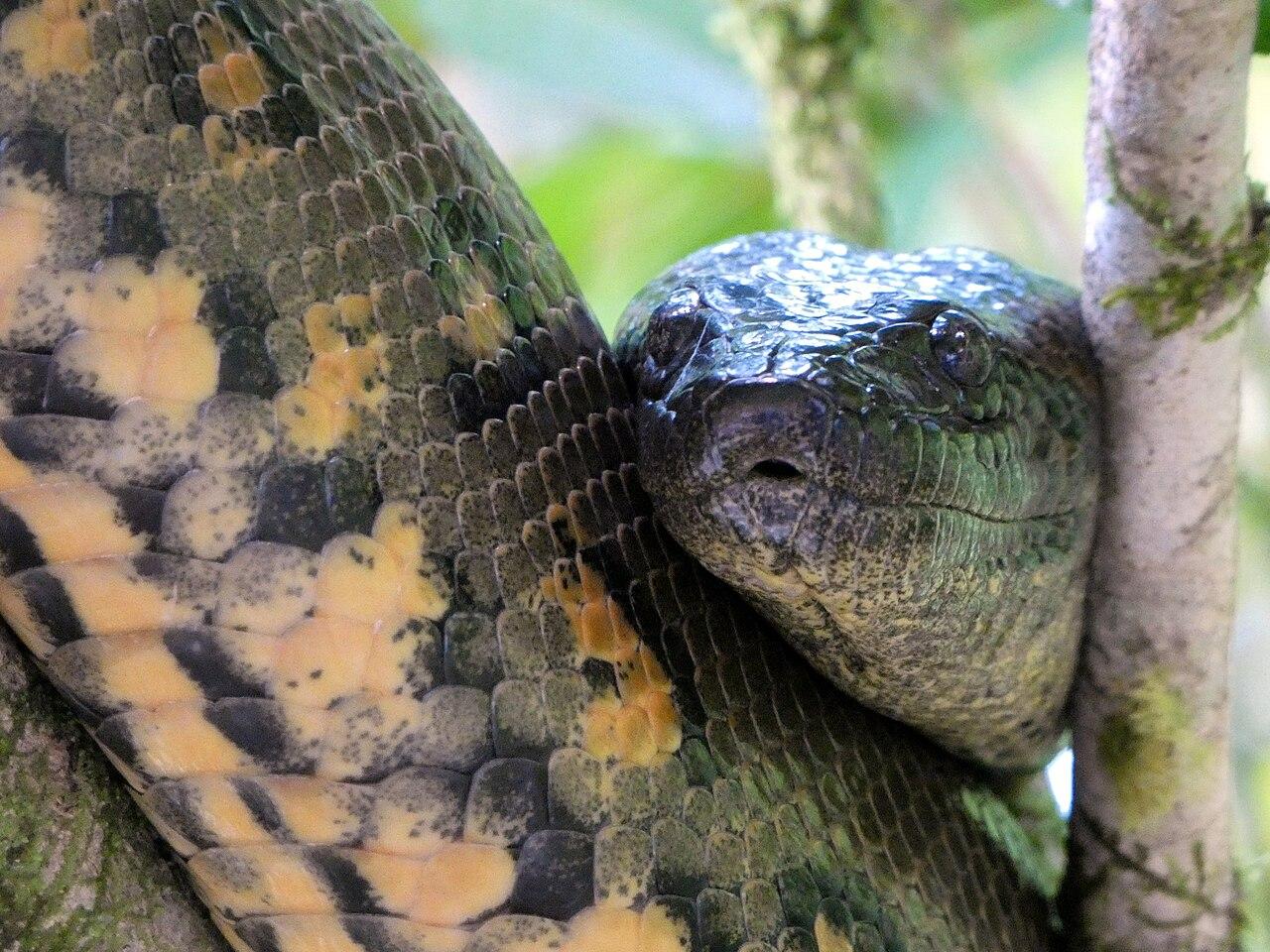
Five days on a clear river near Bonito, Brazil, diving down to meet anacondas, the largest snakes in the world, where they hunt underwater.
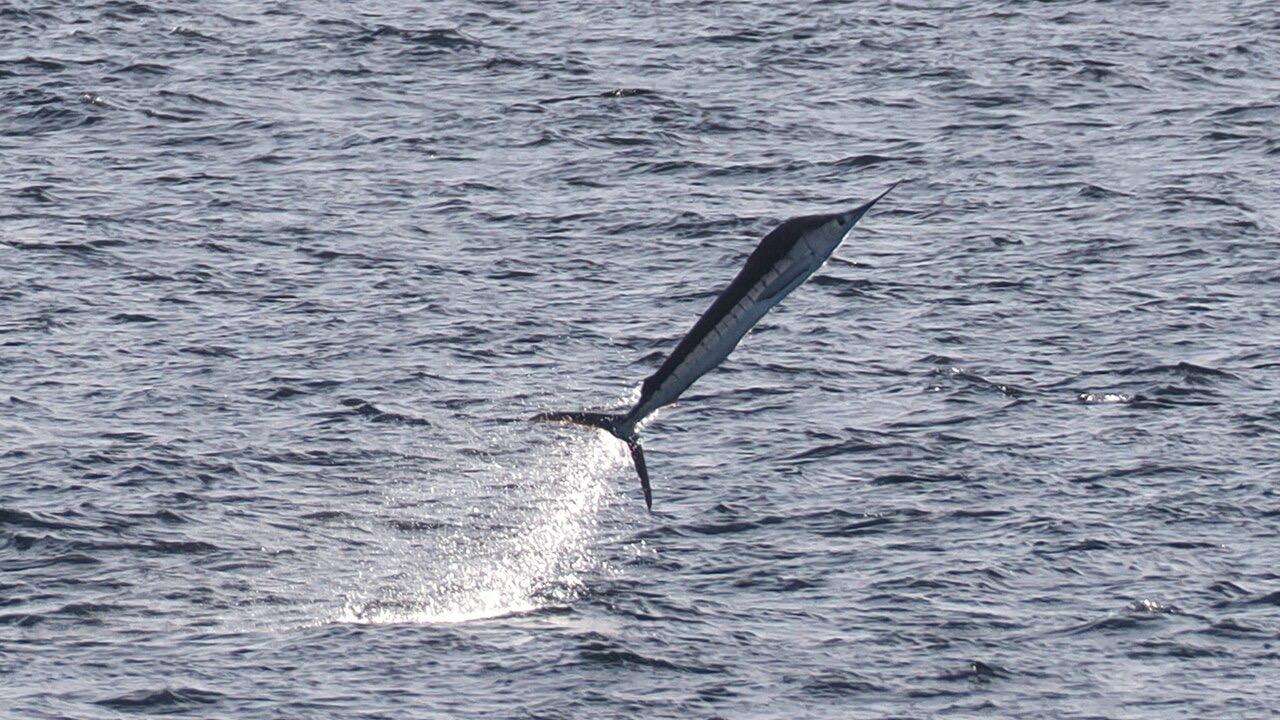
A six-hour day on the open sea east of Isla Mujeres, following the birds to sardine bait balls and slipping in as sailfish raise their sails and attack.
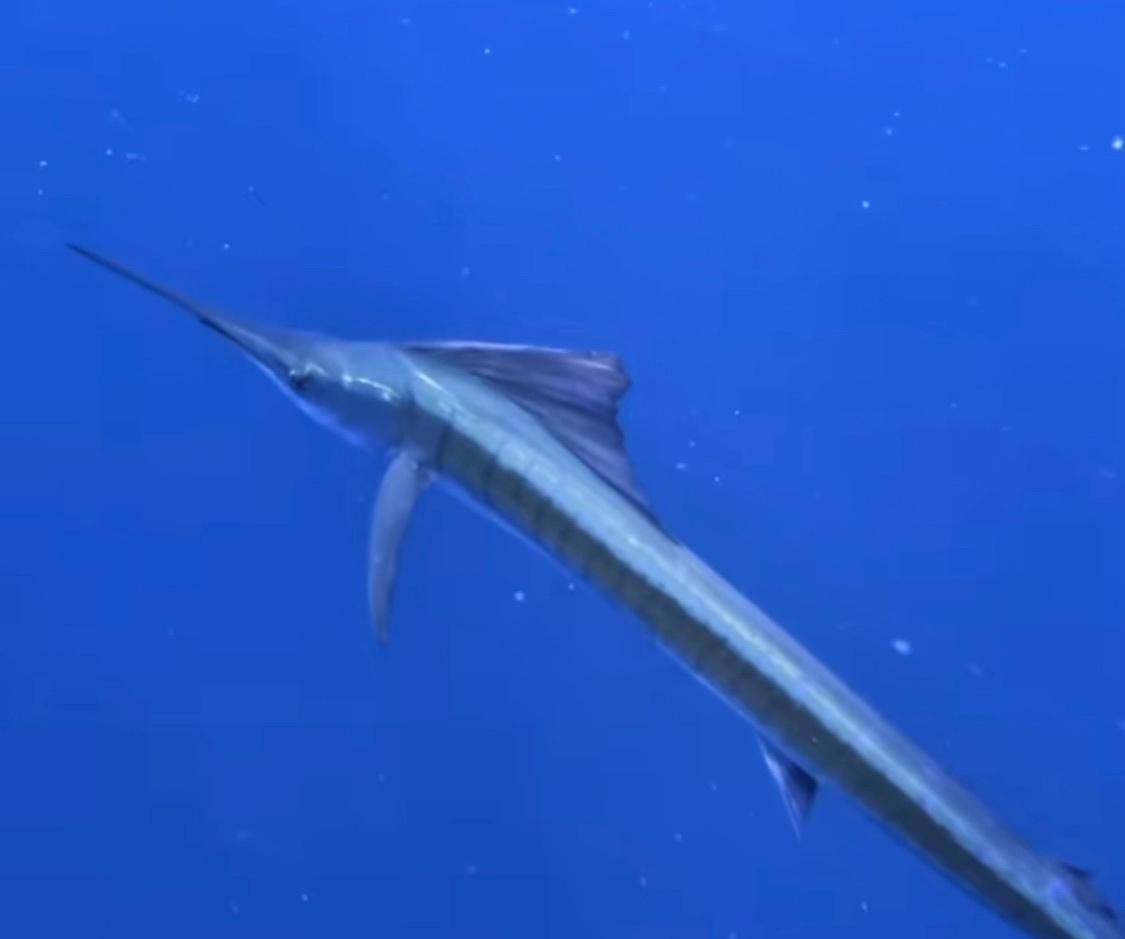
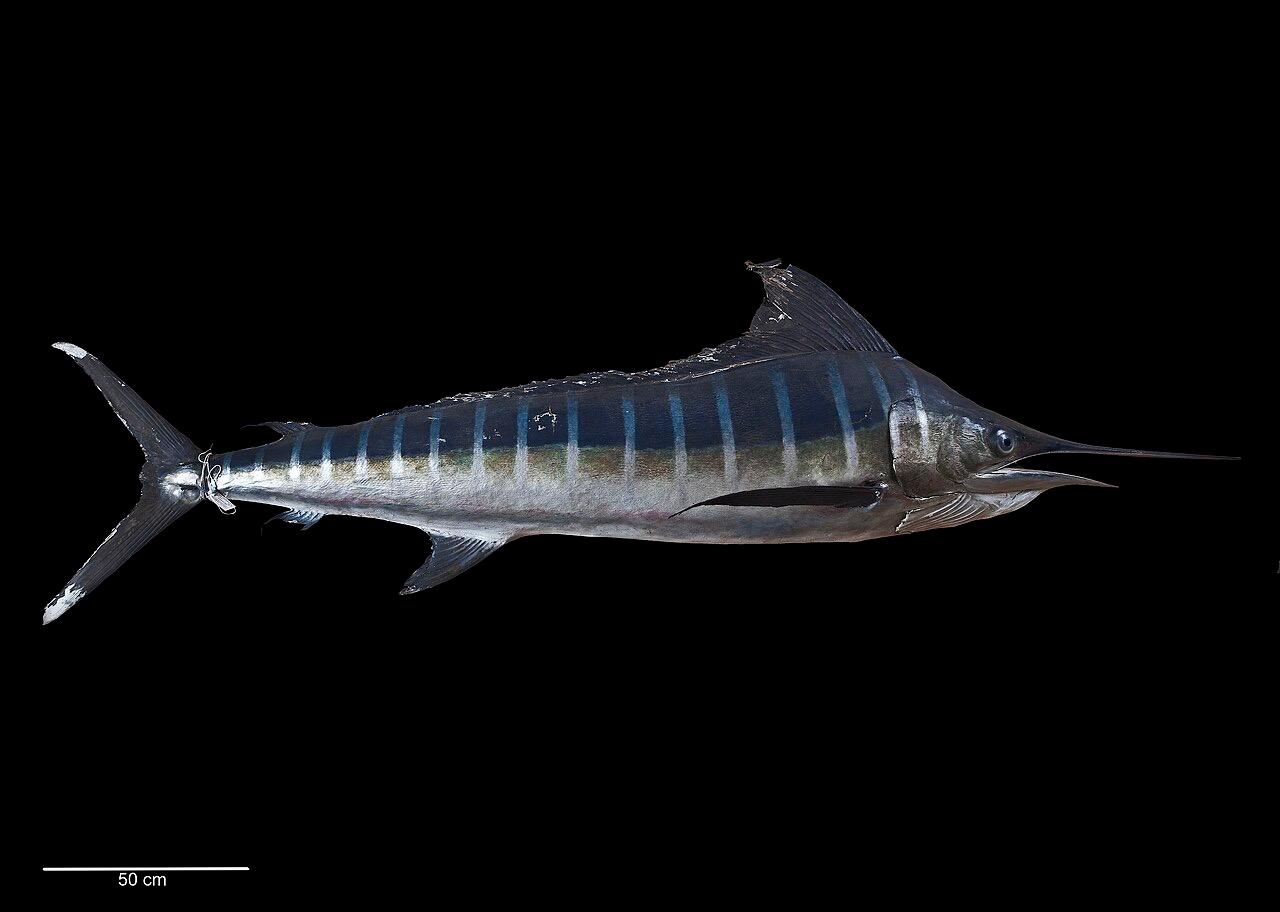
A 6 to 8-hour boat day into the open Pacific off Magdalena Bay to snorkel with striped marlin feeding on sardine bait balls.
A 34-day NOLS mountaineering course in Patagonia's Andes: off-trail navigation, glacier travel, rope handling and rescue, ending with leading your own group decisions.
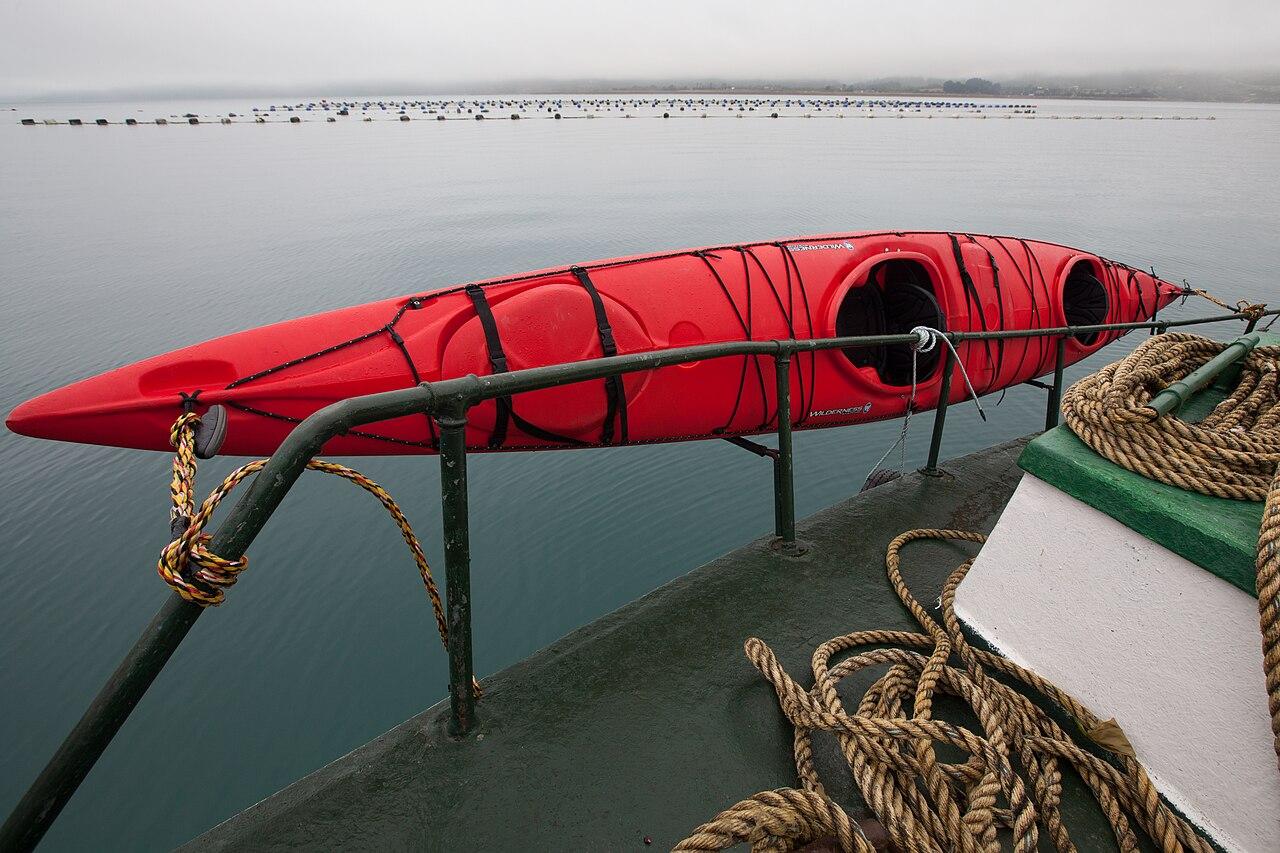
31 days on Patagonia's coast with NOLS: 60 to 100 nautical miles by sea kayak, off-trail rainforest treks and unnamed summits, then travel without instructors.
Three full days on the Pacific off Baja, snorkelling beside striped marlin as they push sardine bait balls to the surface and shoot in to feed.
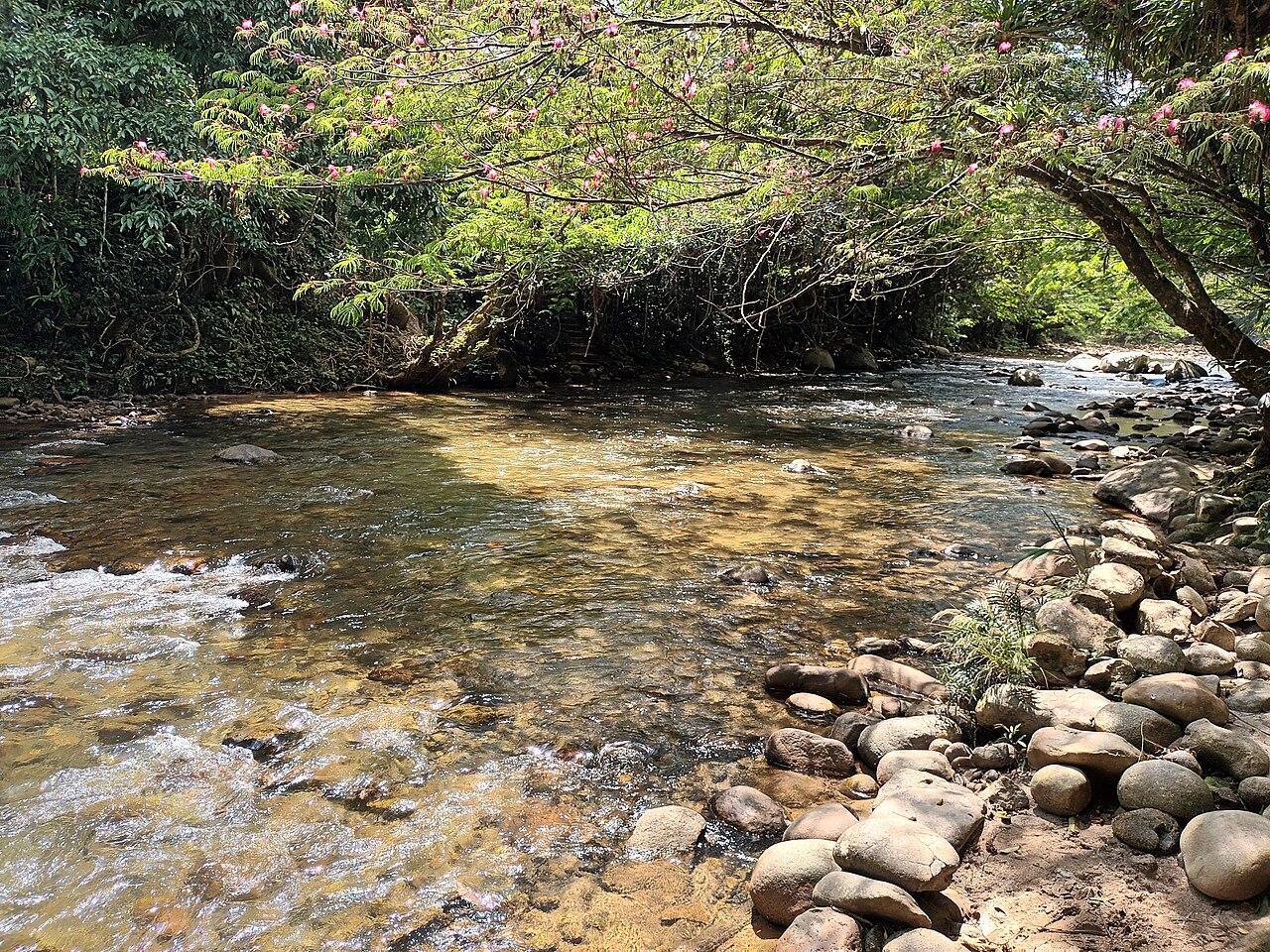
A week in Colombia's Samana watershed: two days of jungle trekking, then 75 km down the Samana River on rafts through Class IV rapids, with two nights in hammocks on the bank.
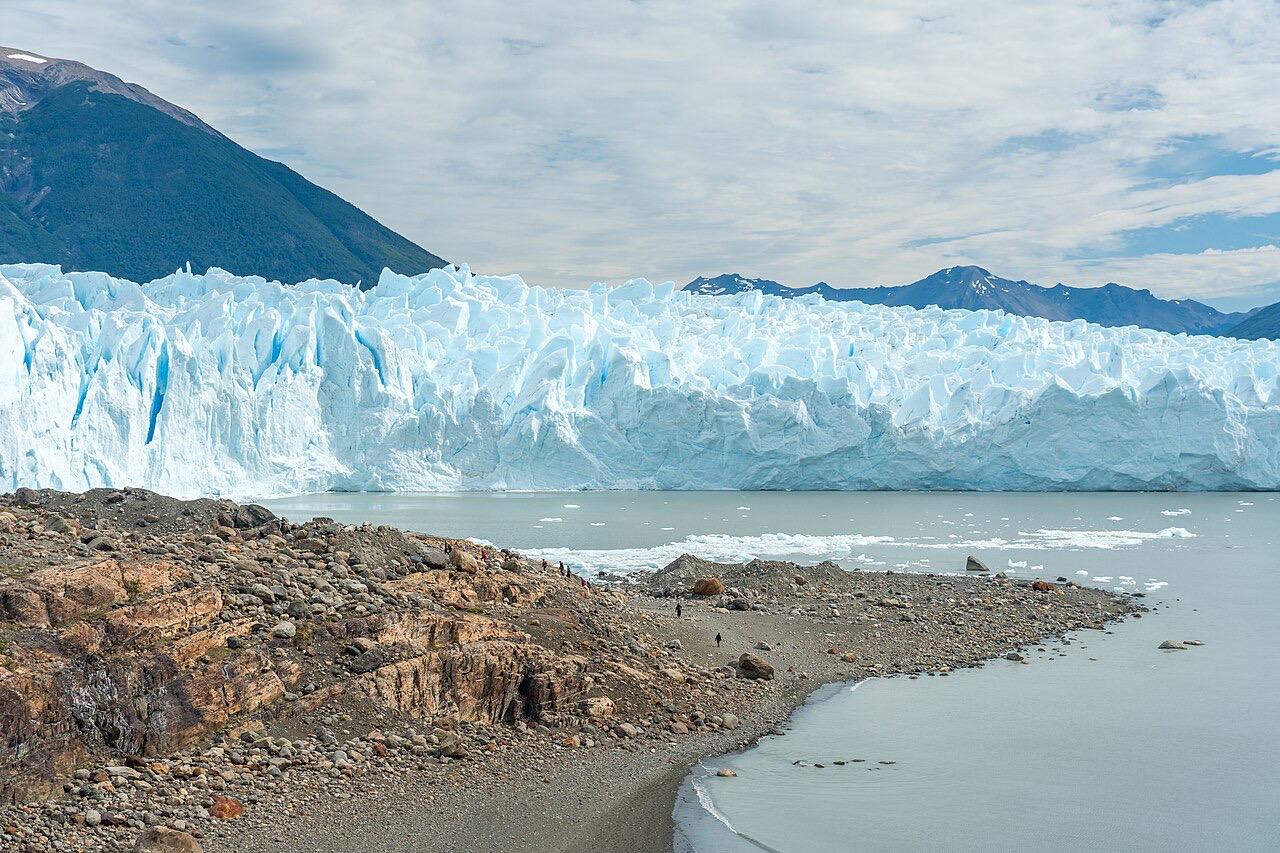
A long day on the ice of Perito Moreno in crampons, walking far into the glacier's crevassed interior, open only to adults aged 18 to 50.
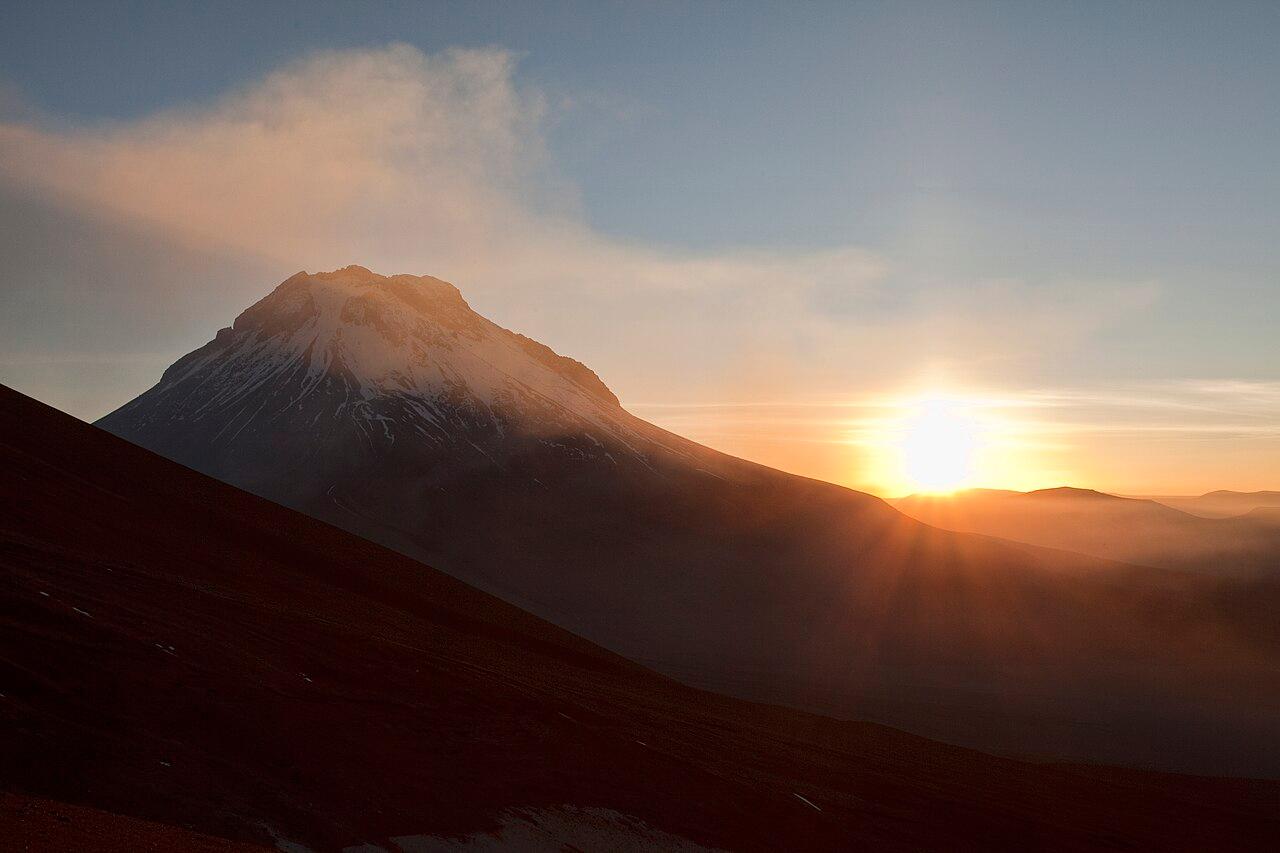
Five days across the Atacama and the Andean plateau with camp staff, ending on the summit of Licancabur on the Chile and Bolivia border.
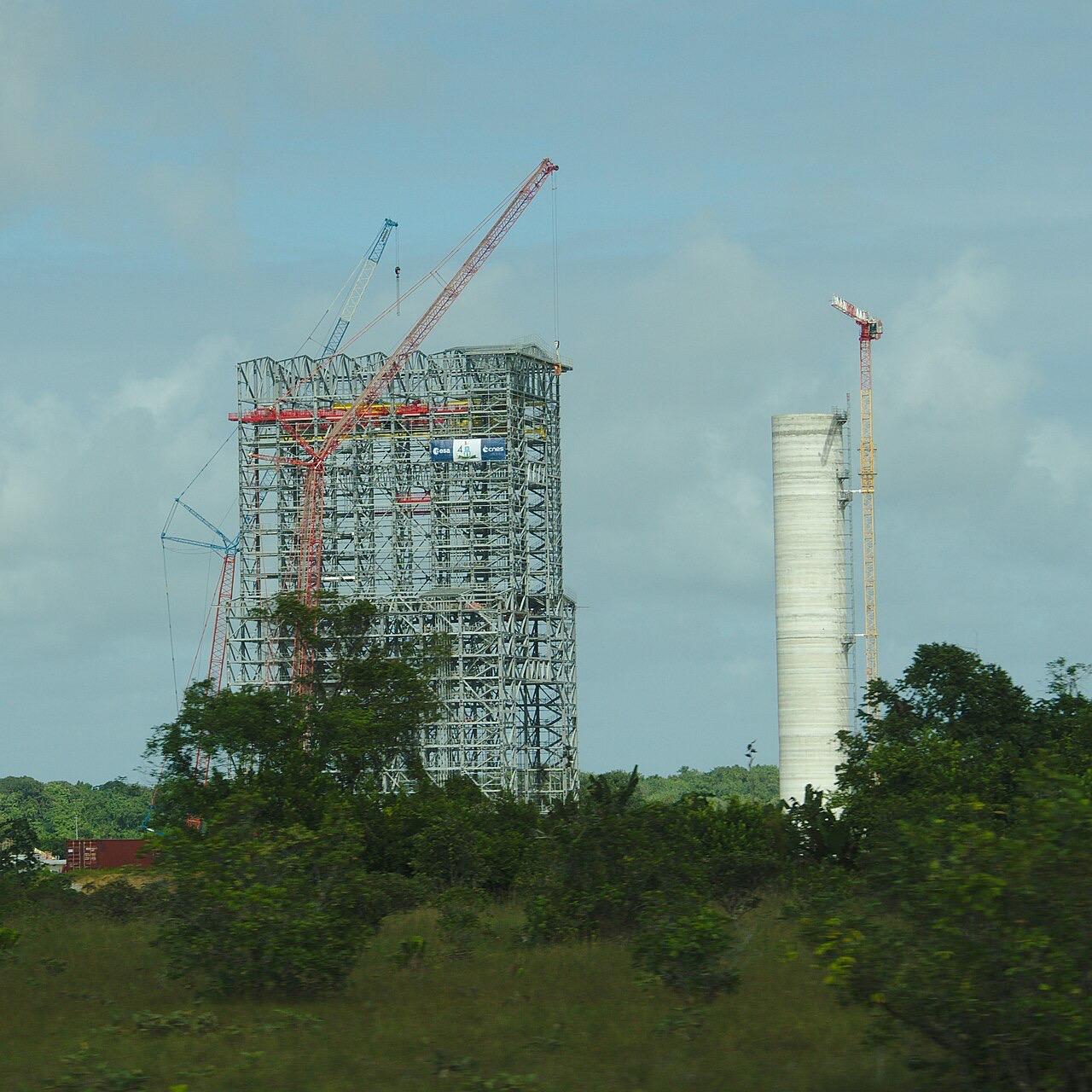
Watch Europe's heavy rocket launch from an official viewing site about 15 km from the pad in Kourou, free and without booking at Carapa.
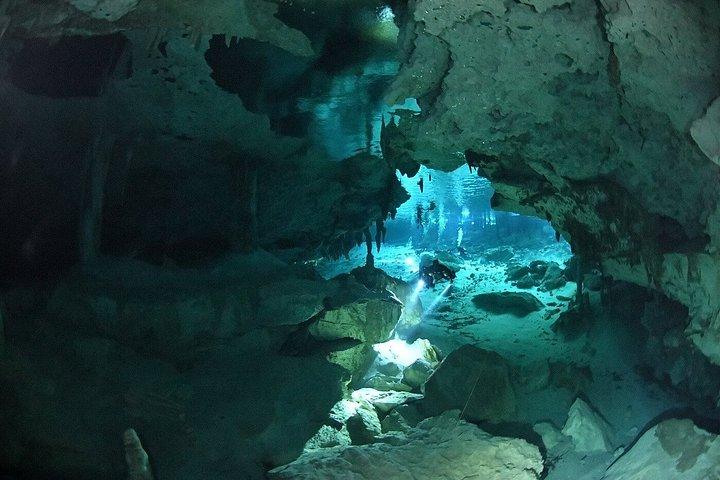
Two guided cavern dives in Dos Ojos, part of one of the two longest flooded cave systems known: shafts of light, stalactites and a dome full of bats.
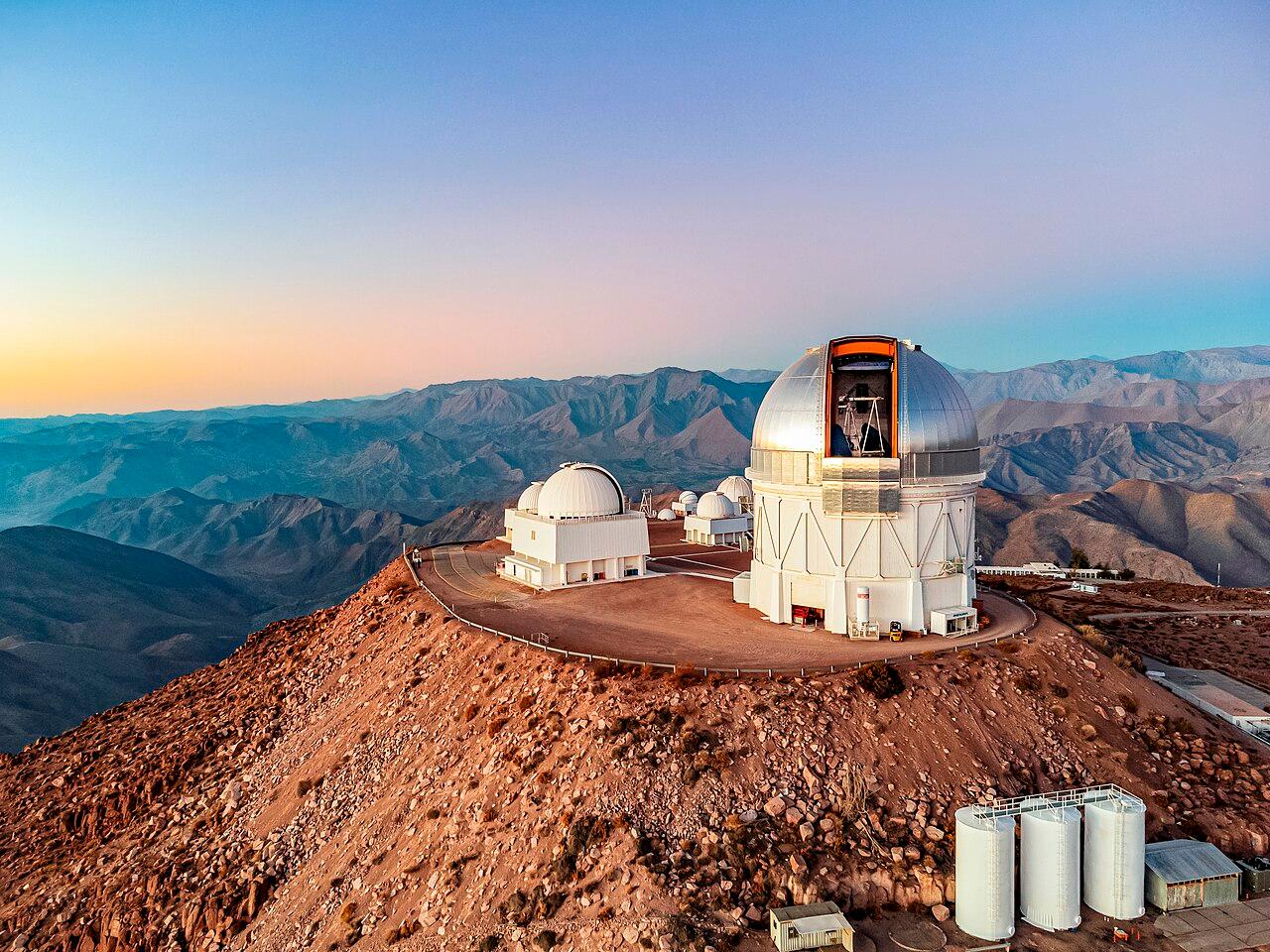
Free Saturday visits to Cerro Tololo in Chile: a working telescope's operation, the Blanco 4-meter's observing room and the platform beside its 4-meter mirror.
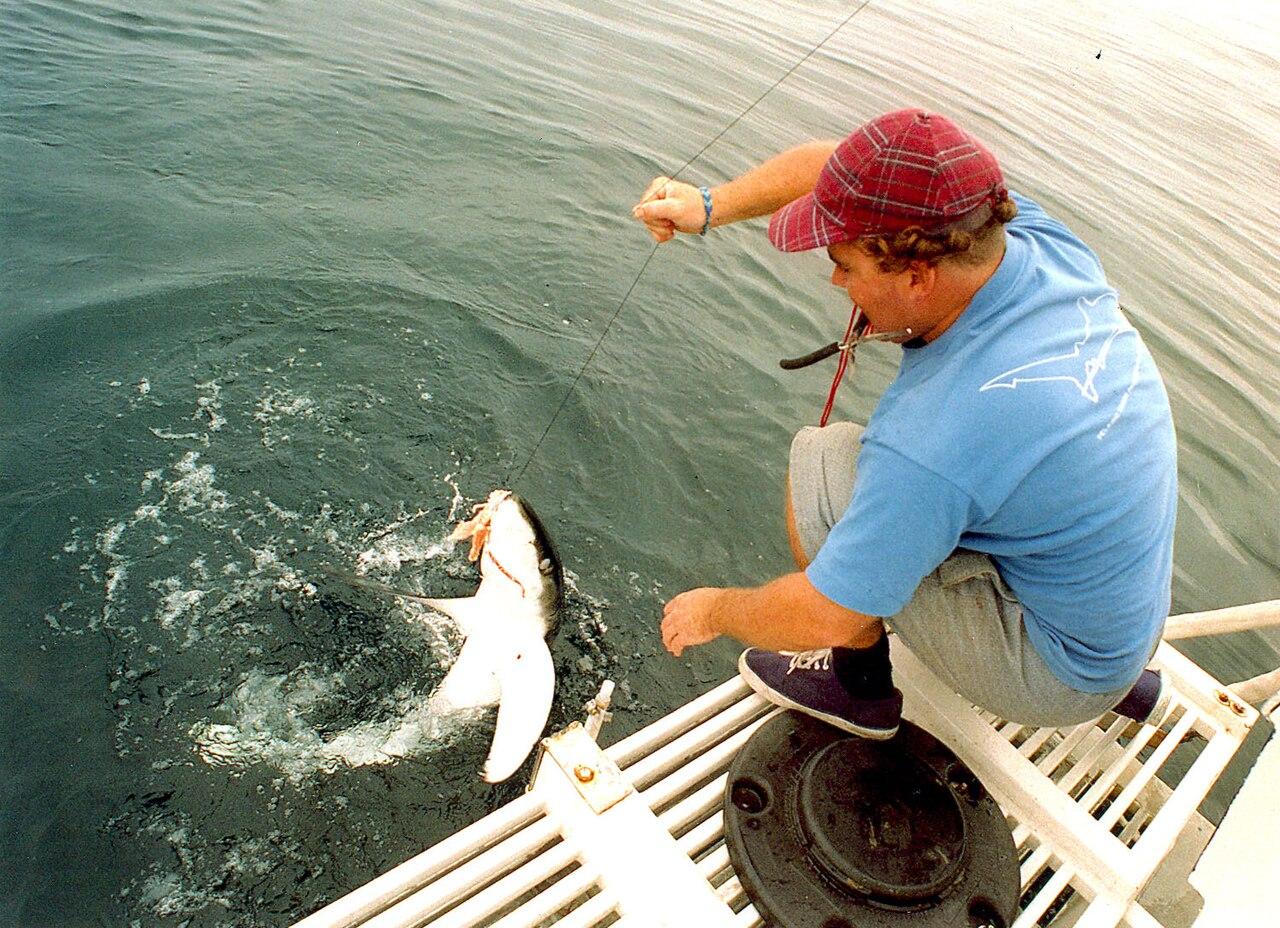
A week on Belize's coast with shark scientist Demian Chapman's team and local fishers: set longlines, haul them after dark, then measure, tag and release the sharks.
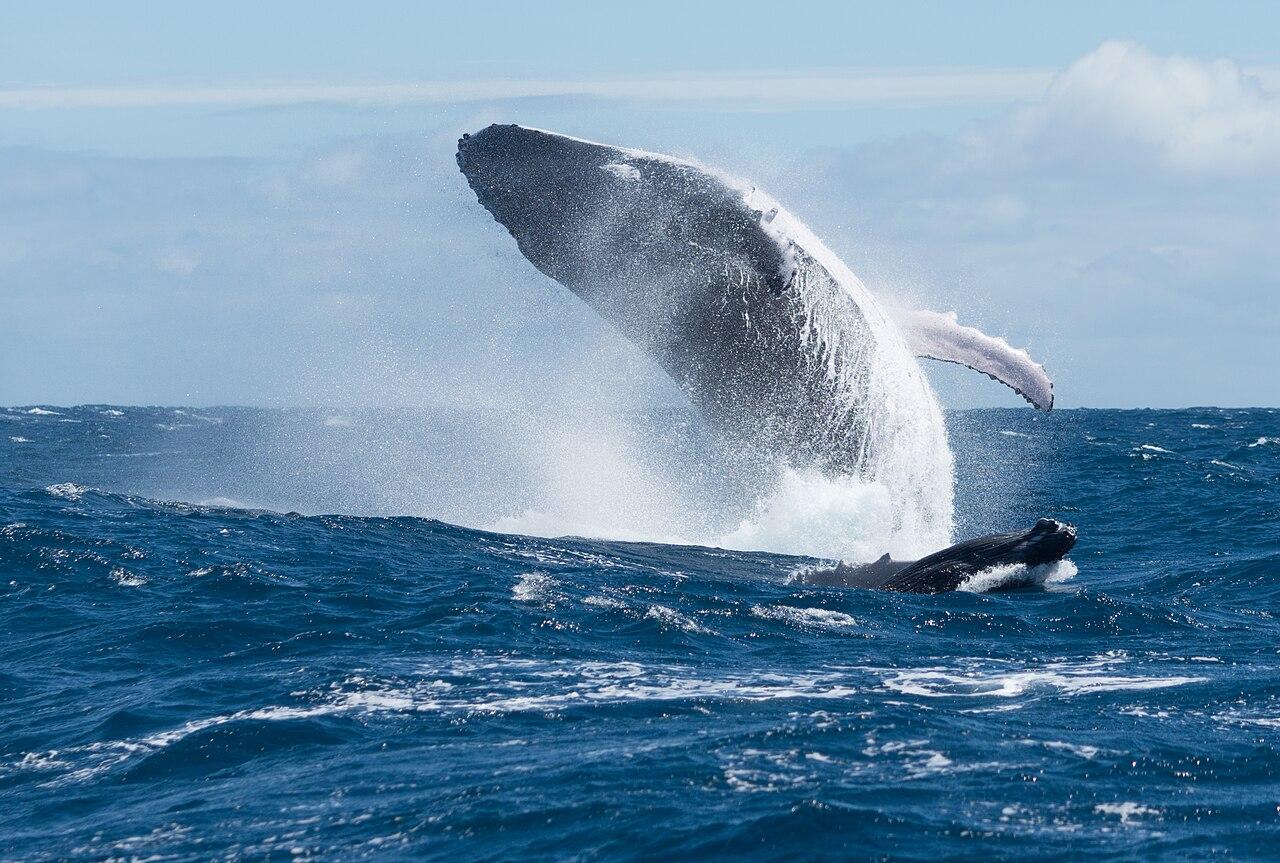
A week moored on the Silver Bank, where the North Atlantic's humpbacks gather to mate and calve, slipping into the water beside them from small boats.
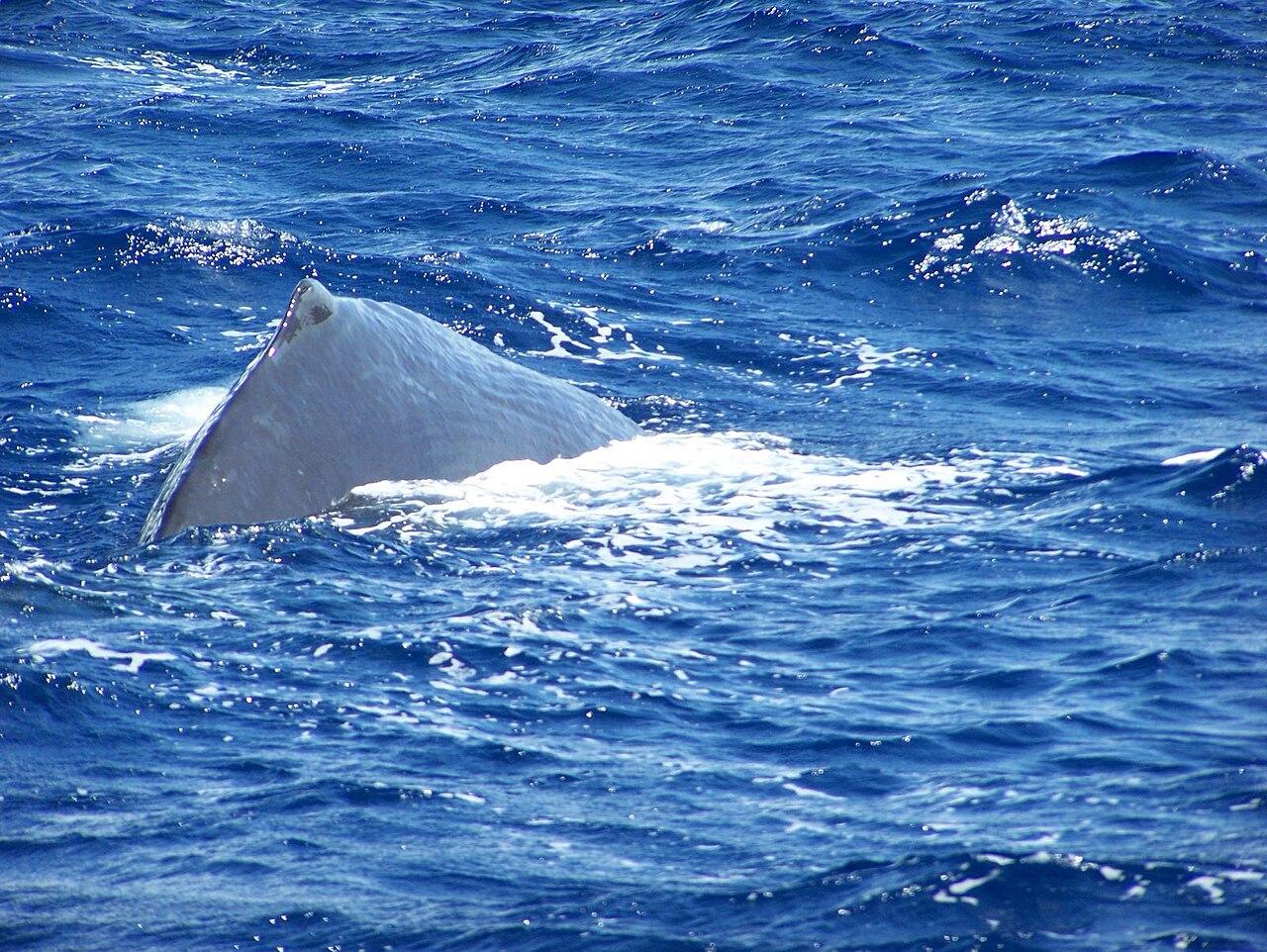
Six days at sea with a hydrophone, listening for the clicks of Dominica's resident sperm whales, then slipping in with a guide to swim near them.
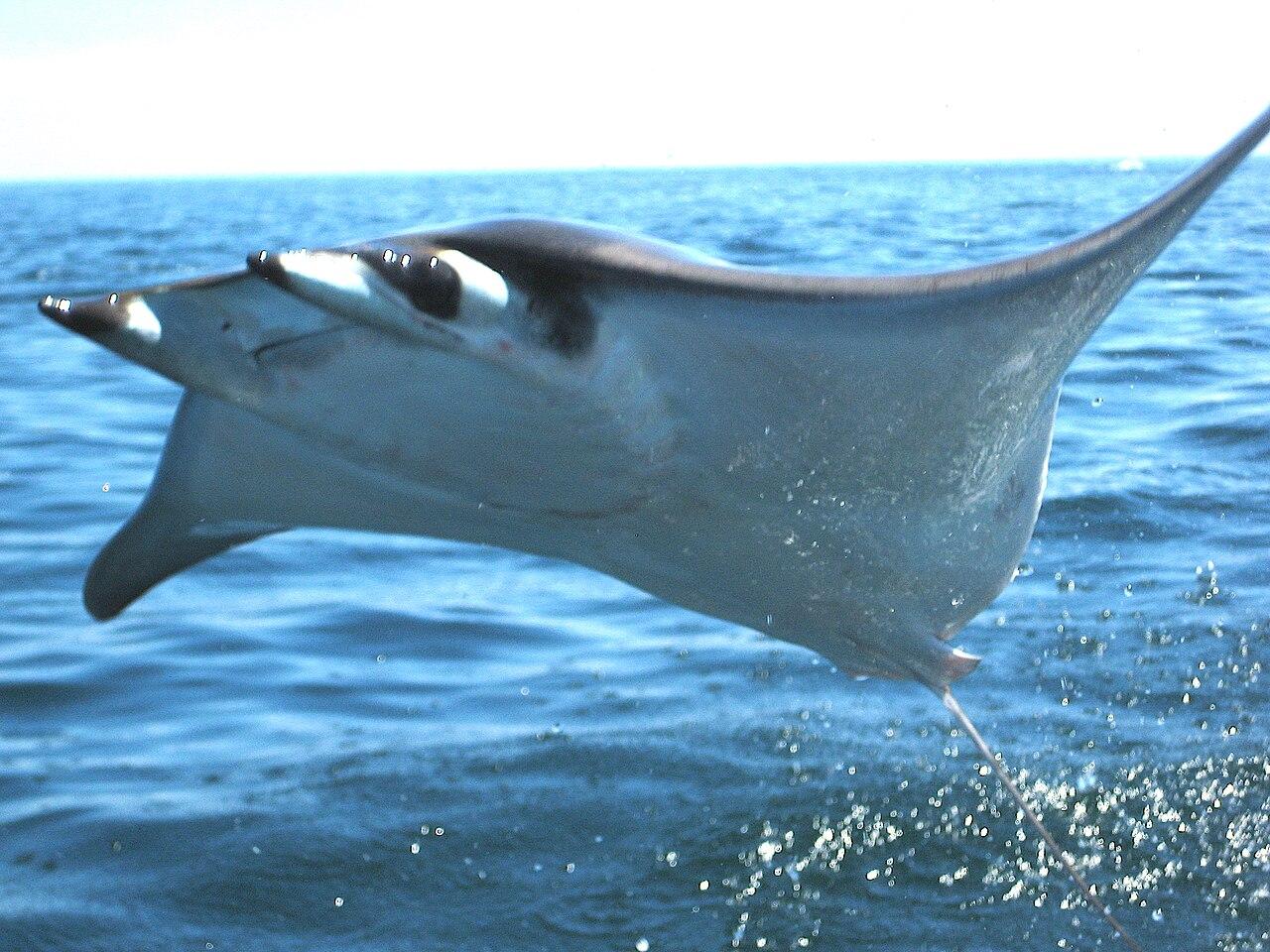
Five days at sea from La Ventana, Baja, in May, swimming among the schools of tens of thousands of mobula rays and freediving with whatever comes to eat them.
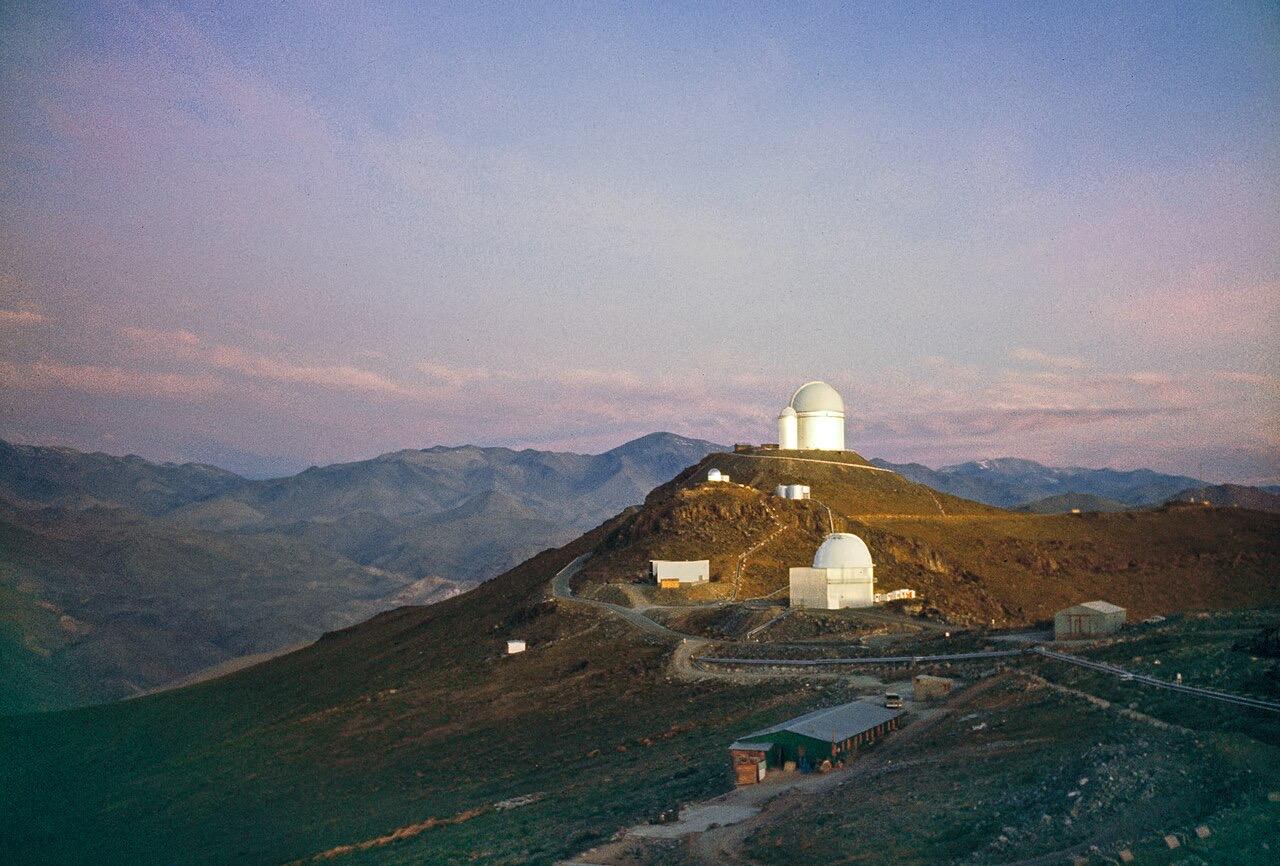
A free Saturday visit to ESO's La Silla Observatory at 2,400 m in Chile, inside its 3.6-metre telescope and, if conditions allow, the New Technology Telescope.
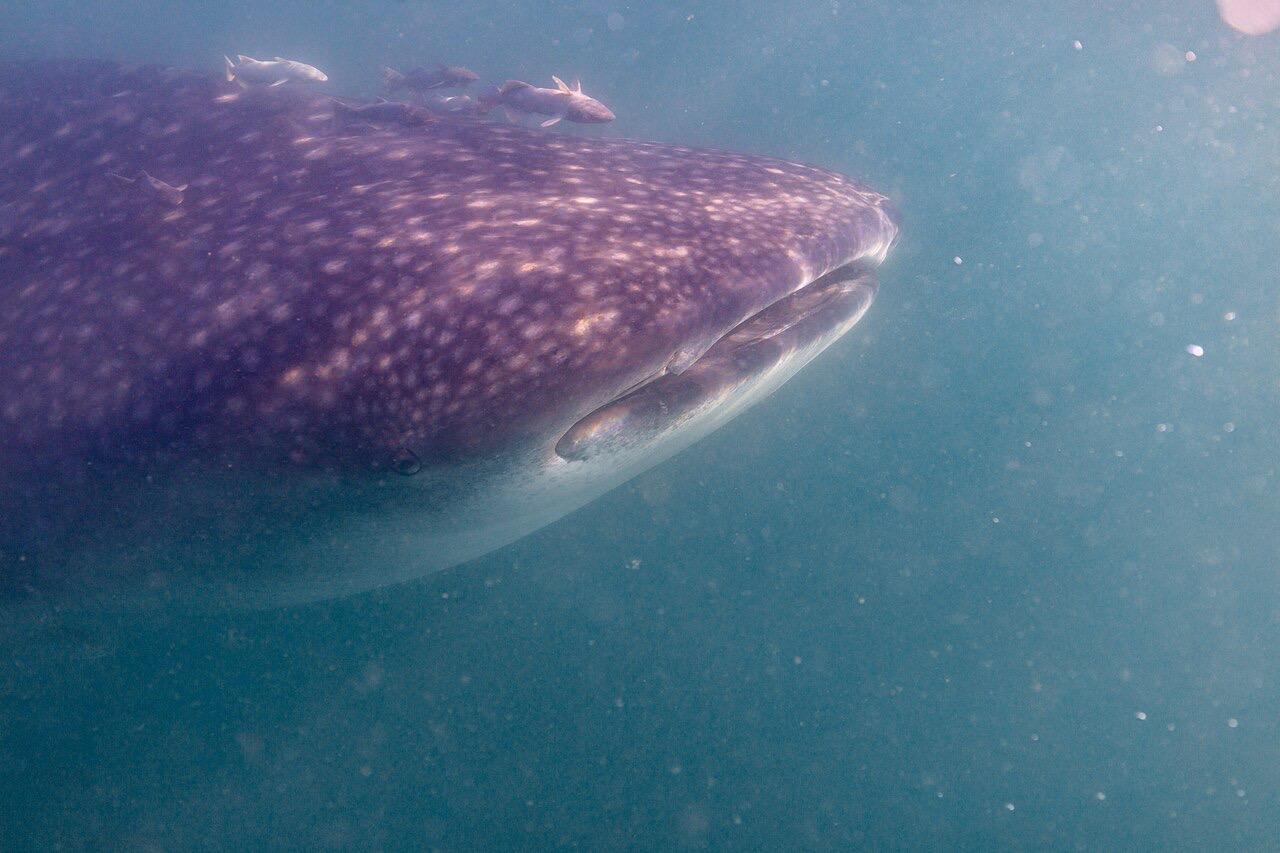
Young whale sharks feed in the shallow Bay of La Paz each winter, and licensed boats take snorkelers out to swim beside them in small groups.
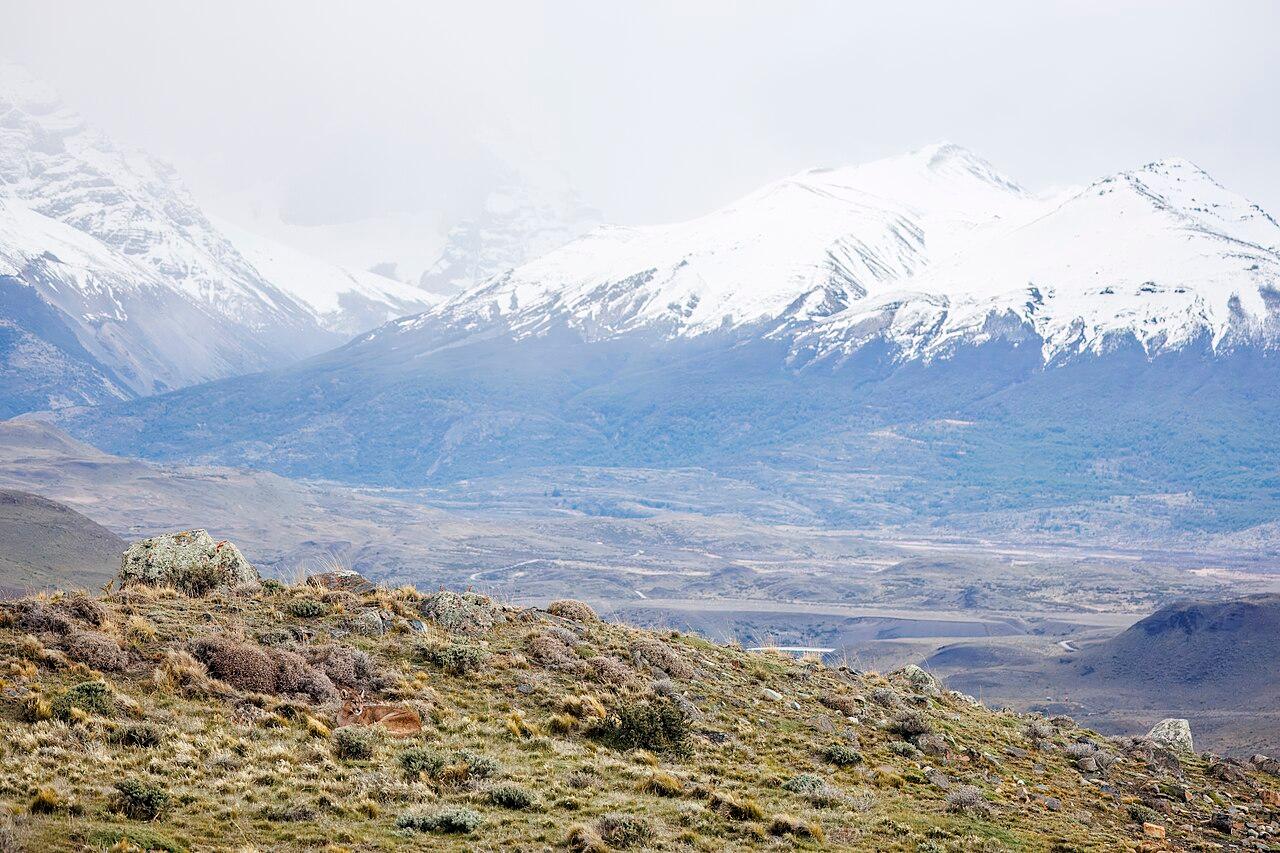
Two days with an expert puma tracker in Torres del Paine, walking and driving to the places where Patagonia's largest cat is being seen, with a night in camp or at a lakeside hotel.
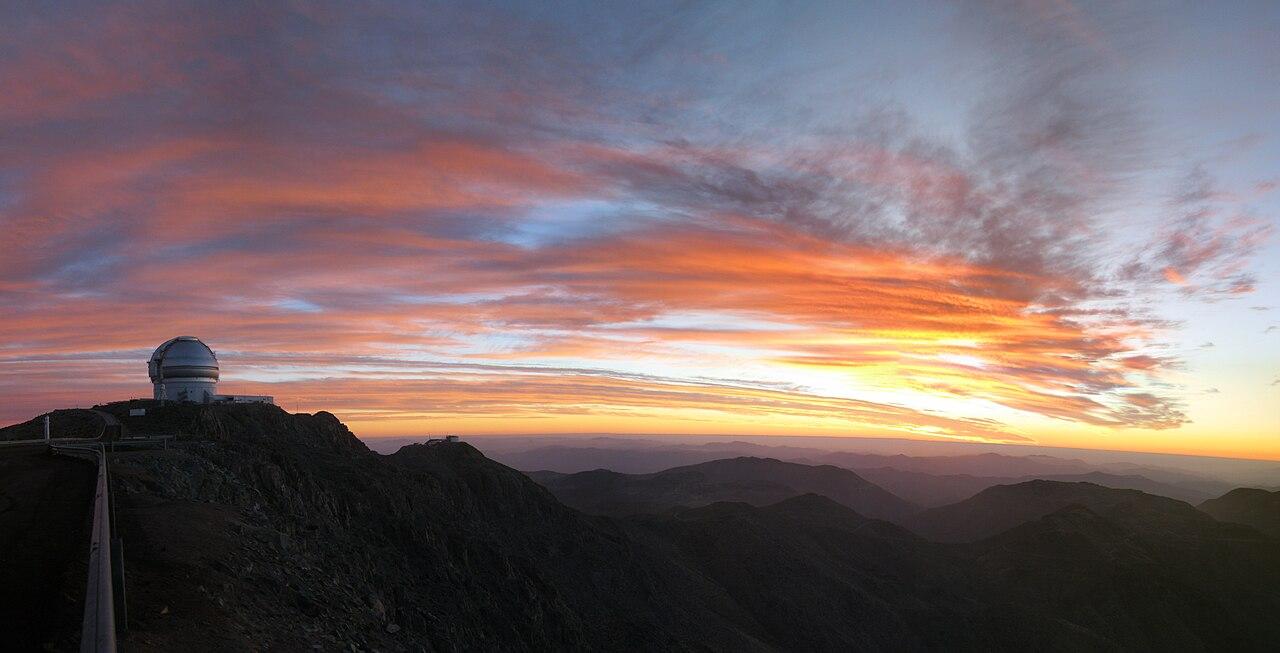
A free combined tour, every other Friday, of the Gemini South telescope and the NSF-DOE Vera C. Rubin Observatory, 2,700 m up Cerro Pachon in Chile.
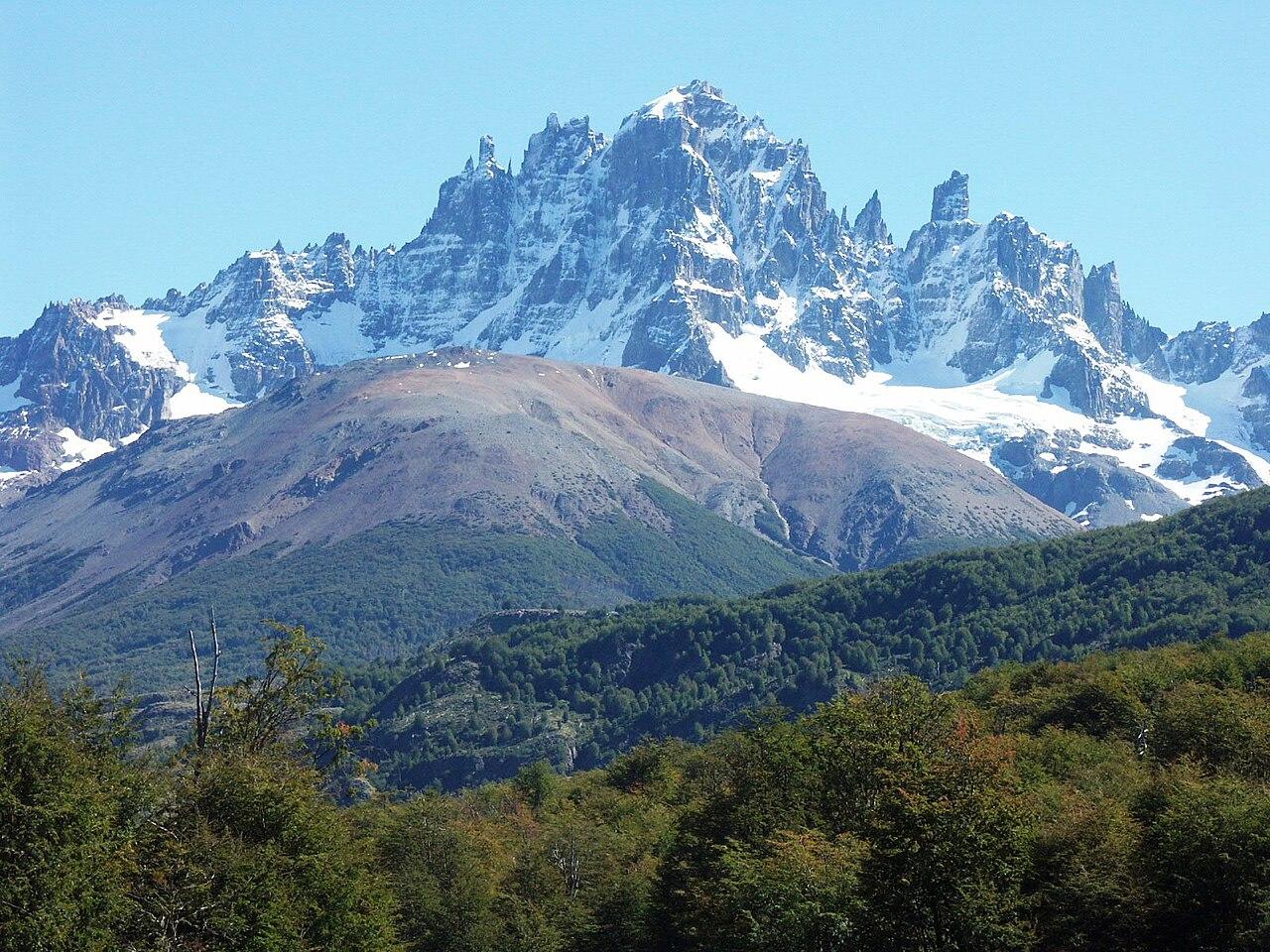
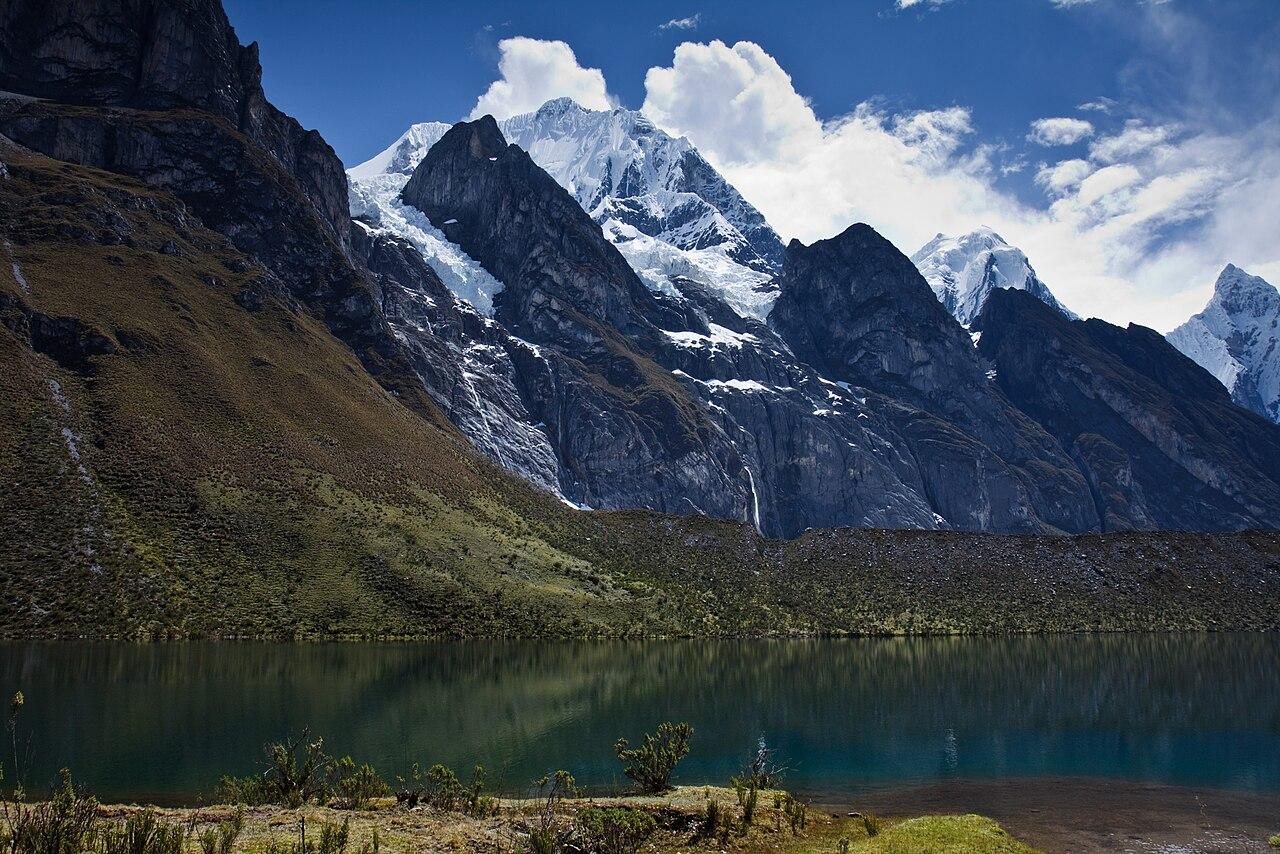
13 days camping right round Peru's Cordillera Huayhuash over seven passes, the highest 5,030 m, below Siula Grande and Yerupaja, Peru's second highest peak.
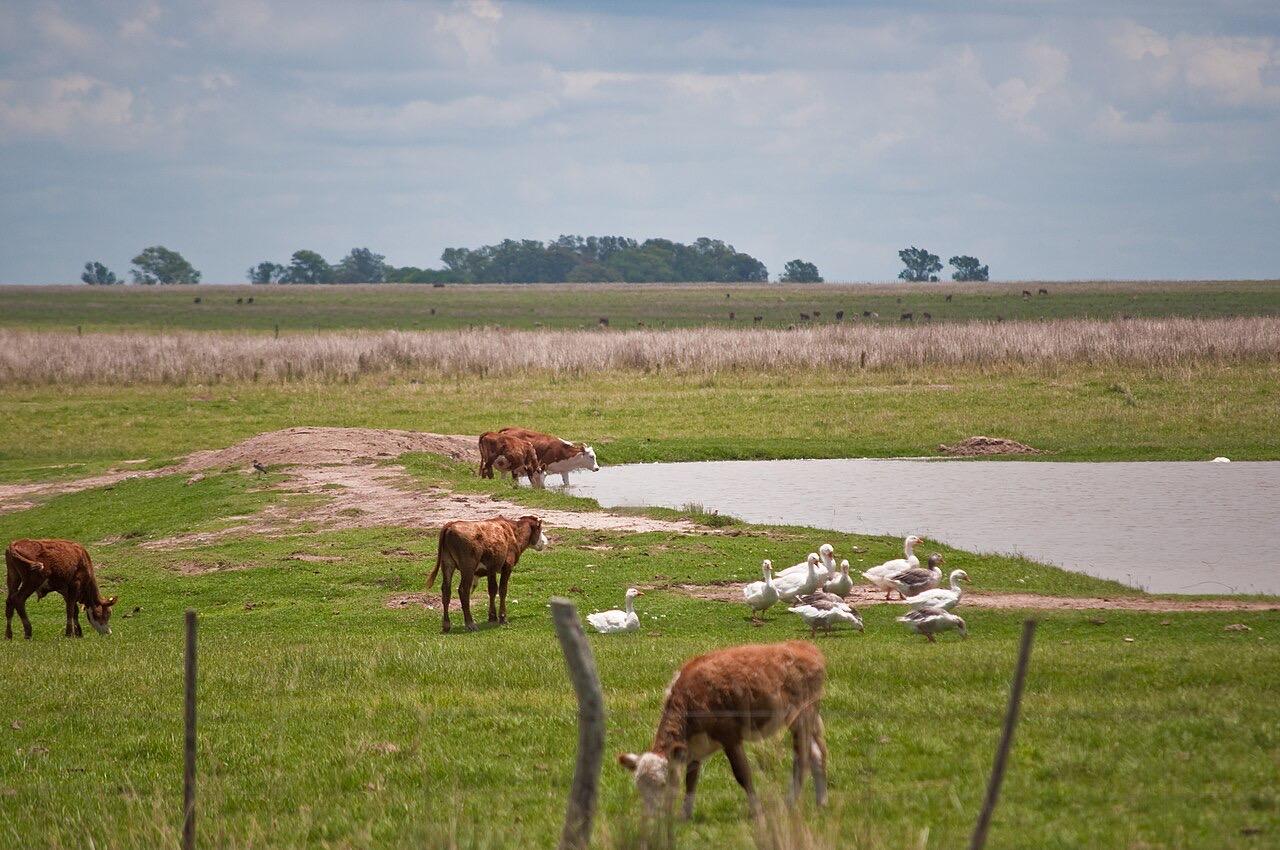
Spend a week on a historic family estancia outside Esquina, rounding up horses and cattle, branding and vaccinating alongside the gauchos, with a polo lesson.